Advertisement
Advertisement
July 2026 Supplement
Sponsored by The PERT Consortium®
The Three Pillars of The PERT Consortium®: PERC™ Registry, Research Committee, and Centers of Excellence
Coordinated initiatives designed to advance the fundamental mission of improving pulmonary embolism care.
By Amir Darki, MD, MSc; Charles Burch, MD; Sanjum S. Sethi, MD, MPH; David M. Dudzinski, MD, JD; Steven R. Horbal, PhD, MPH; Carla Kohoyda Inglis; and Greg Todisco
Advancing pulmonary embolism (PE) care requires an infrastructure that extends beyond individual hospitals. Through its Pulmonary Embolism Research Cooperative (PERC™) Registry, Research Committee, and Centers of Excellence (CoE) program, The National PERT Consortium® has created a collaborative framework that supports multicenter research, establishes standards for quality care, and promotes standardized, multidisciplinary PE care. These three pillars are helping establish the evidence base needed to improve outcomes for patients with PE.
PERC REGISTRY: INFRASTRUCTURE TO SUPPORT UNMET RESEARCH NEEDS
The PERC Registry serves as the foundation of The National PERT Consortium®, functioning as the central repository for data entered by Consortium members. The registry originated in 2015 with the creation of the PERC Quality Assurance Database alongside The Consortium. This legacy database contains data from over 12,000 patients.
As the registry expanded and the amount of research generated from these data increased, the need for standardized data collection and a formal governance structure became apparent. To address these needs, PERC was established in partnership with the United States FDA. In April 2022, more than 100 international experts in PE convened in Washington, DC, including physician leaders, representatives from the FDA, patient advocates, and industry stakeholders, to develop a collaborative framework for advancing PE research through standardized data collection and high-quality evidence generation.
During this meeting, a comprehensive set of standardized data elements was developed.1 These data points provided the foundation for the PERC Registry. The registry is housed within a REDCap database maintained at the University of Michigan’s Clinical Outcomes Research & Reporting division, which provides data hosting, management, and statistical support. Since its launch in 2024, more than 70 sites have enrolled in the registry, contributing over 6,000 patient records, making it the largest PE-specific database in the world. The PERC Registry serves as a comprehensive repository of high-quality data to facilitate multicenter collaborative research improving our understanding of PE research and advancing evidence-based patient care.
Data are captured through all phases of PE care (Figure 1). This includes an initial assessment, interventional parameters and management, procedural as well as nonprocedural outcomes in hospital monitoring, and postdischarge management. Cases are entered into the database if the patient is aged ≥ 18 years, there is a PE response team (PERT) activation, and the patient is diagnosed with PE. Sites are encouraged to input follow-up data for each case for up to a year and report consecutive cases whenever possible.
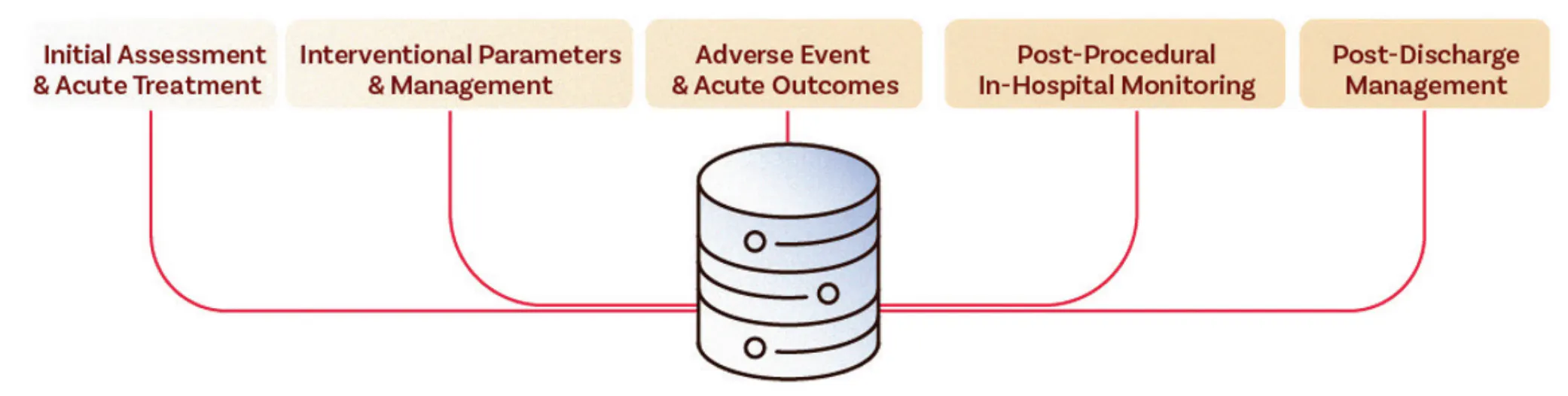
Figure 1. All aspects of PE clinical care are incorporated into the registry.
The registry contains demographic, clinical, laboratory, treatment, and outcome data from participating institutions, enabling investigators to address important knowledge gaps that are difficult to examine through single-center experiences or randomized clinical trials alone. In addition to supporting research initiatives, the registry serves as a quality improvement platform for participating institutions.
A quarterly dashboard is generated to provide an idea of where each site sits within the aggregate of The Consortium. Variables included in the dashboard include risk stratification assessment (Figure 2), including guideline-based risk categorization; clinical presentation features, including right ventricular dysfunction and cardiac biomarker elevation (Figure 3); outcomes such as major bleeding and death; and longitudinal follow-up variables such as hospital readmission.
Through quarterly benchmarking reports, member centers receive performance data compared with aggregate Consortium outcomes, allowing for the assessment of best practices and identification of opportunities for improvement (Figure 2).
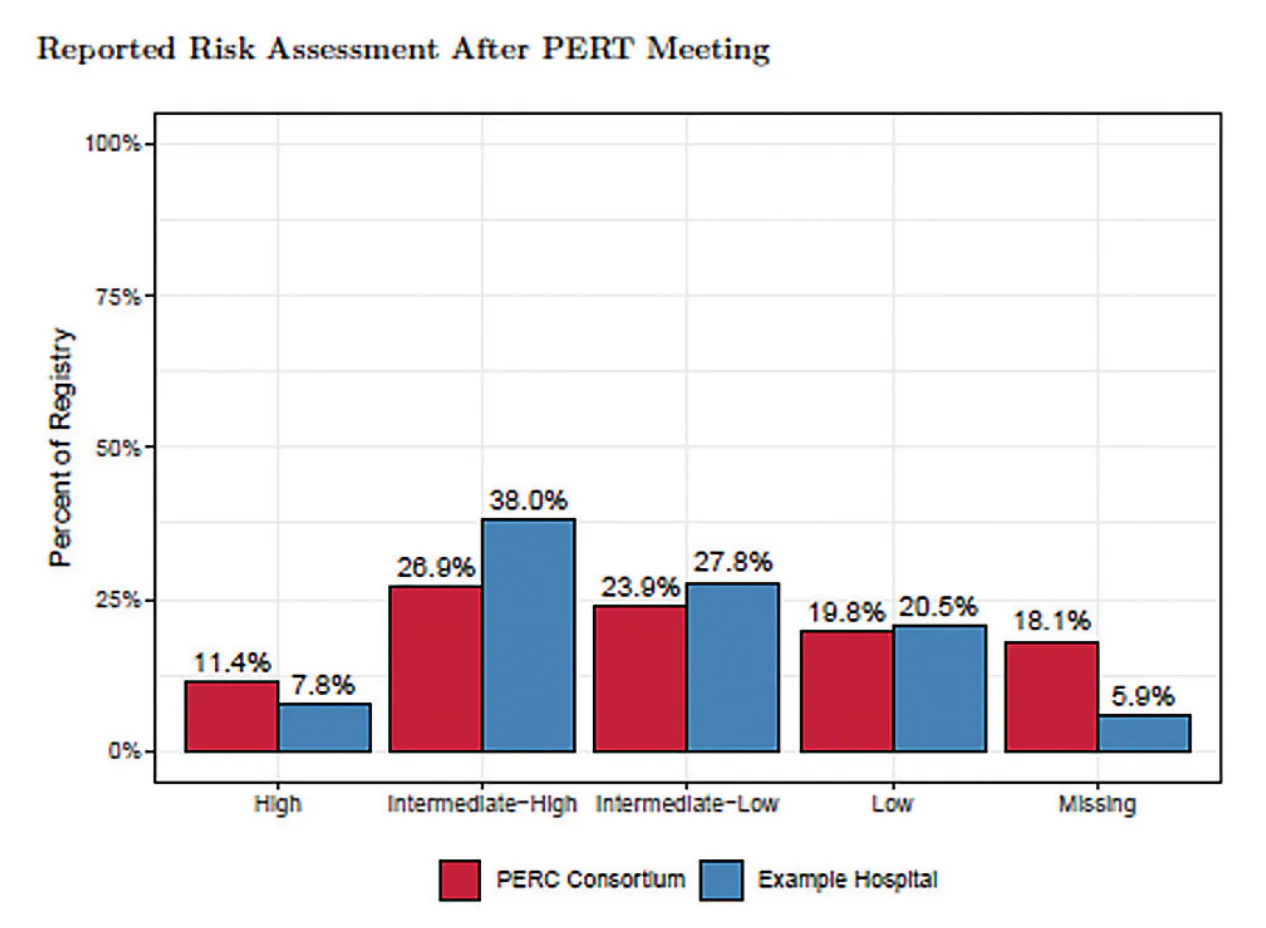
Figure 2. Dashboard risk assessment after PERT activation.
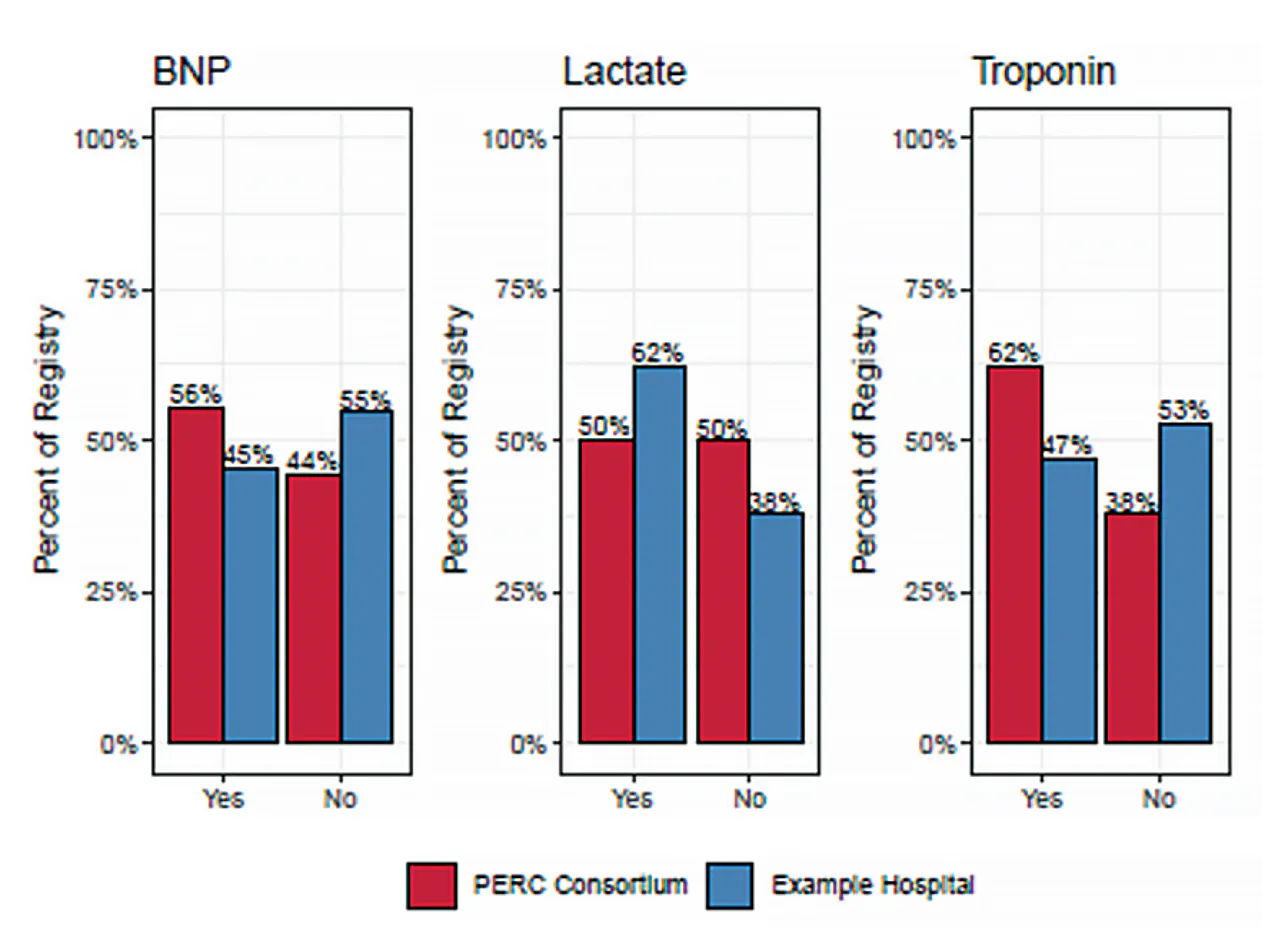
Figure 3. Dashboard lab results. BNP, brain natriuretic peptide.
Evidence produced through the PERC Registry, as it is applied to data collection, promises to provide crucial knowledge that will ultimately produce a robust evidence base that will lead to standardization and harmonization of PE management and improved outcomes.
RESEARCH COMMITTEE: ADVANCING COLLABORATIVE RESEARCH IN PE
The PERT Consortium® Research Committee serves as the scientific engine of The Consortium, promoting multicenter collaboration to improve the understanding, diagnosis, treatment, and outcomes of patients with acute PE. Since the establishment of the first PERT program in 2012,2 multidisciplinary PE care has expanded rapidly across the United States and internationally, creating unique opportunities for collaborative research into one of the most common and potentially life-threatening cardiovascular conditions.
The committee’s mission is to promote high-quality clinical research that advances evidence-based care for patients with venous thromboembolism, particularly acute PE. It brings together physicians, trainees, statisticians, and research coordinators from multiple disciplines interested in PE. This multidisciplinary structure mirrors the collaborative clinical model defining modern PERT programs.
The Research Committee oversees the full continuum of scholarly activity. Through a structured investigator-initiated proposal process, researchers are encouraged to submit proposals that use registry data to answer clinically meaningful questions. Submitted projects undergo committee review to ensure methodological rigor, feasibility, clinical impact, and originality. This process promotes transparency, collaboration, and efficient use of registry resources while providing opportunities for investigators at all career stages to participate in fully funded scholarly activity.
Over the past several years, the Research Committee has generated a substantial body of scientific work examining diverse aspects of PE care. Published studies include sex-based differences in PE presentation and outcomes,3 management and outcomes of patients with high-risk PE,4 trends and practice patterns of catheter-based therapies in The PERT Consortium® Registry,5 and real-world practice of interhospital transfer in PE.6 Additionally, The PERT Consortium® has cosponsored and collaborated on several landmark randomized clinical trials, including HI-PEITHO and STORM-PE.7,8
An additional strength of the Research Committee is its commitment to mentorship and education. Medical students, residents, fellows, and early career faculty are actively integrated into research projects and leadership opportunities. Through structured mentorship within the PERT Trainee Council, early career investigators gain experience in study design, data analysis, scientific writing, and presentation of research findings at national meetings. This educational mission helps cultivate the next generation of clinician-investigators.
The PERT Research Committee represents a successful model of multicenter, multidisciplinary research. By leveraging collaborative networks through PERT CoE, a robust registry infrastructure through the PERC database, and a strong commitment to scientific innovation and mentorship, the committee continues to generate meaningful evidence that improves the care of patients with PE worldwide.
CENTERS OF EXCELLENCE: ADVANCING THE STANDARD OF PE CARE
PE is a leading cause of cardiovascular mortality worldwide, requiring rapid diagnosis, coordinated multidisciplinary care, and timely access to advanced therapies.9,10 To improve outcomes and establish national standards for PE management, The PERT Consortium® launched the PE CoE program. It is a comprehensive accreditation process designed to recognize institutions that provide exceptional, evidence-based care for patients with acute PE.
The National PERT Consortium® was founded to promote multidisciplinary collaboration and excellence in the treatment of PE. As noted previously, through the development of PERTs, hospitals bring together various specialists from pulmonary and critical care, cardiology, vascular medicine, interventional radiology, emergency medicine, cardiac surgery, cardiac imaging, hematology, vascular surgery, cardiothoracic surgery, and other specialties to rapidly evaluate and manage complex cases. The CoE program advances this collaborative approach by recognizing institutions that meet established standards for multidisciplinary, evidence-based PE care.
The PE CoE program recognizes hospitals at two levels: regional and comprehensive. Regional CoE demonstrate excellence in PE diagnosis, risk stratification, treatment, and follow-up care. Comprehensive centers provide a higher level of PE care, including advanced catheter interventions, surgical embolectomy, and mechanical circulatory support, as well as participate in research and educational programs.
To become an accredited CoE, sites go through a rigorous evaluation of their PERT program’s performance and organization by a dedicated team of PERT Consortium® experts, who conduct a half-day site review and present findings to the CoE committee. This process evaluates the structure of the hospital's PERT, the use of standardized diagnostic and treatment algorithms, availability of advanced therapies, interhospital transfer protocols, longitudinal patient care, outcomes measurement, quality improvement initiatives, and participation in research and ongoing education. Accredited centers must demonstrate an ability to provide 24-hour care to manage PE patients and maintain systems that ensure rapid multidisciplinary consultation with evidence-based decision-making.
A distinguishing feature of the CoE program is its emphasis on the entire continuum of care. Beyond acute treatment, CoEs are expected to provide structured follow-up for PE patients, monitor long-term outcomes, and evaluate patients for chronic thromboembolic pulmonary hypertension and other post-PE complications. This focus is particularly important since post-PE syndrome affects up to 40% to 60% of survivors and can manifest as persistent dyspnea, exercise intolerance, and impaired functional status despite appropriate treatment.11 The PE CoE program also promotes national benchmarking and continuous quality improvement. Participating institutions collect and analyze outcomes data, allowing hospitals to compare performance, identify best practices, and advance the science of PE management. Through collaboration among accredited centers, the program fosters innovation and supports clinical research aimed at improving patient outcomes.
There are tremendous benefits to the sites for pursuing CoE accreditation. The application and review itself leads to refinement of internal processes, and most sites suggest an overall improvement in their program. The hospital system receives recognition for their hard work and can use it as a strong marketing tool to promote the benefits of their program to potential patients. Research opportunities expand as the institution becomes aligned with other like-minded institutions, which can foster tremendous multidisciplinary collaboration.
As the treatment of PE is rapidly evolving, the importance of establishing protocols for the evaluation and management of these patients is crucial. Establishing the CoE program creates a fundamental standard by which programs can be evaluated and benchmarked. CoE sites then have the important opportunity and obligation to determine best practices and improve the overall care for PE patients.
PUTTING IT ALL TOGETHER
The three pillars of The PERT Consortium® work synergistically to advance the fundamental mission of improving the care of patients with PE worldwide. The PERT Consortium® CoE program recognizes institutions committed to delivering high-quality, multidisciplinary PE care and encourages these sites to contribute to the PERC Registry, which provides the infrastructure for standardized data collection. Quarterly reports give participating sites visibility into their registry data alongside aggregate consortium trends, creating opportunities for shared learning across peer institutions and identifying opportunities for quality improvement and to assess the impact of changes in clinical practice over time. The data generated through the PERC Registry also serve as the foundation for collaborative investigations led by the Research Committee, addressing critical knowledge gaps. Collectively, the PERC Registry, Research Committee, and CoE program create a continuous cycle of quality improvement, research, and implementation that will shape the future of multidisciplinary PE care. We encourage all institutions caring for patients with acute PE to participate in these initiatives.
1. Rosenfield K, Bowers TR, Barnett CF, et al. Standardized data elements for patients with acute pulmonary embolism: a consensus report from the Pulmonary Embolism Research Collaborative. Circulation. 2024;150:1140-1150. doi: 10.1161/CIRCULATIONAHA.124.067482
2. Kabrhel C, Rosovsky R, Channick R, et al. A multidisciplinary pulmonary embolism response team: initial 30-month experience with a novel approach to delivery of care to patients with submassive and massive pulmonary embolism. Chest. 2016;150:384-393. doi: 10.1016/j.chest.2016.03.011
3. Newman J, Bruno E, Allen S, et al. The influence of patient sex on pulmonary embolism evaluation, treatment modality, and outcomes. Vasc Med. 2025;30:67-75. doi: 10.1177/1358863X241281872
4. Kobayashi T, Pugliese S, Sethi SS, et al. Contemporary management and outcomes of patients with high-risk pulmonary embolism. J Am Coll Cardiol. 2024;83:35-43. doi: 10.1016/j.jacc.2023.10.026
5. Kim J, Horbal S, Mewaldt C, et al. 2026. Mechanical thrombectomy and catheter-directed thrombolysis in acute pulmonary embolism: trends and practice patterns in the PERT Consortium Registry (2016-2024). J Am Coll Cardiol. 2026;87:1574-1590. doi: 10.1016/j.jacc.2025.12.073
6. Lio KU, McDaniel M, Yacono P, et al. Real world practices of interhospital transfer in pulmonary embolism: a Pulmonary Embolism Response Teams Consortium observational study. Pulm Circ. 2025;15:e70169. doi: 10.1002/pul2.70169
7. Rosenfield K, Klok FA, Piazza G, et al. Ultrasound-facilitated, catheter-directed fibrinolysis for acute pulmonary embolism. N Engl J Med. 2026;394:1979-1990. doi: 10.1056/NEJMoa2516567
8. Lookstein RA, Konstantinides SV, Weinberg I, et al. Randomized controlled trial of mechanical thrombectomy with anticoagulation versus anticoagulation alone for acute intermediate-high risk pulmonary embolism: primary outcomes from the STORM-PE trial. Circulation. 2026;153:21-34. doi: 10.1161/CIRCULATIONAHA.125.077232
9. Di Nisio M, van Es N, Büller HR. Deep vein thrombosis and pulmonary embolism. Lancet. 2016;388:3060-3073. doi: 10.1016/S0140-6736(16)30514-1
10. Dudzinski DM, Piazza G. Multidisciplinary pulmonary embolism response teams. Circulation. 2016;133:98-103. doi: 10.1161/CIRCULATIONAHA.115.015086
11. Klok FA, Ageno W, Ay C, et al. 2022. Optimal follow-up after acute pulmonary embolism: a position paper of the European Society of Cardiology Working Group on Pulmonary Circulation and Right Ventricular Function, in collaboration with the European Society of Cardiology Working Group on Atherosclerosis and Vascular Biology, endorsed by the European Respiratory Society. Eur Heart J. 2022;43:183-189. doi: 10.1093/eurheartj/ehab816





Advertisement
Advertisement