Advertisement
Advertisement
May 2026 Supplement
Sponsored by Surmodics
The Pounce™ LP System: An Essential Tool for BTK Revascularization
A conversation with Dr. Suyue Zhang.
Vascular surgeon Dr. Suyue Zhang is a Clinical Assistant Professor in the Department of Surgery at UT Southwestern Medical Center, where he specializes in complex aortic pathologies, dialysis access, and limb salvage. He also sees patients at Texas Health Presbyterian Hospital Dallas, which receives limb salvage transfers from across the Dallas metroplex, and at Parkland Health, where he sees Dallas County patients, many of them low income and uninsured. As a general surgery resident at the University of Illinois Metropolitan Group program, Dr. Zhang received the Robert M. Gasior MD Award for Clinical Excellence and Humanitarianism. We spoke with him about his experience using the Pounce™ Thrombectomy Platform (Surmodics, Inc.) for removal of peripheral embolic and thrombotic arterial occlusions.
How would you describe your limb salvage practice?
About 90% of the limb patients I see have chronic limb-threatening ischemia (CLTI), often with wounds and rest pain. These patients are generally elderly, very sick, with many comorbidities. For our practice, percutaneous treatment is usually a better option than an open solution because of the frailty of our patients, and we’ve become very facile at endovascular interventions.
For people with CLTI, even a small, organized thrombus from ruptured plaque or a small cardiogenic embolus can completely occlude the small flow channels in their very diseased vessels, converting stable peripheral artery disease into acute limb ischemia. Before the Pounce™ Platform came to market, I didn’t know of any other device that was reliably effective for removing these kinds of organized clots, particularly below the knee. It works phenomenally for these cases.
What do you like about the Pounce™ Thrombectomy Platform?
I find that I can get durable results without many device passes.1* That saves me operative time and saves operating room costs. I also like the tactile component of this device. As a surgeon, I’m very used to the Fogarty embolectomy catheter, and I find that the Pounce™ Platform provides similar tactile feedback. I can tell when I’ve crossed a lesion, and I may even be able to tell when I’ve dislodged an occlusion. That adds another dimension to my technique.
Having a tool such as the Pounce™ Platform also provides a salvage therapy when you’re performing recanalization with balloons, stents, or atherectomy. For example, your patient may have one-vessel runoff to the foot, and you run the risk of embolizing into that single vessel when you’re treating proximally. It’s very helpful to have the Pounce™ Platform on hand for these kinds of situations and may even allow you to be a little more aggressive with your therapies.
What have you found to be the shortcomings of other percutaneous thrombectomy devices?
In my experience, aspiration systems have a tough time dislodging embolic occlusions, which tend to be well-organized and rubbery. They can take care of soft, acute thrombus, but if there’s something really lodged in there, I have found myself suctioning at the clot without effectively dislodging and removing it. If you’re not dislodging organized clot, I’ve also found that you run the risk of simply pushing the clot downward, since you’re pushing the catheter in that direction. When I deploy the Pounce™ Thrombectomy Platform, the baskets mechanically engage the organized clot to dislodge and mobilize clot toward the funnel. Also, I’ve already crossed the occlusion with the basket wire and low-profile delivery catheter and am drawing back on the clot with the baskets from a distal position, reducing the risk of distal embolization.
There’s also the issue of blood loss with extended use of continuous aspiration thrombectomy.2 Historically, rheolytic thrombectomy has been fairly effective and could serve as a fall back if aspiration did not succeed, but it is associated with acute kidney injury.3 The Pounce™ Platform can remove clot mechanically without using aspiration or thrombolytics. All of these issues in combination make the Pounce™ Platform a very compelling solution.
Can you tell us more about the case reports you provided and why you selected the Pounce™ Platform for these cases?
In the first case, we had a fairly young patient, but she was a former smoker with coronary artery disease. It’s probable she had a thrombotic event from plaque rupture. She had popliteal and tibial occlusions with some distal reconstitution, which is very common in my practice. I chose the Pounce™ Platform because I have not found other effective endovascular options in the popliteal and below-the-knee space. I also considered an open cutdown, but I’ve found that the Pounce™ LP System (indicated for 2-4 mm vessels) allows me to effectively clean clot from tibial vessels and recruit outflow. As it turned out, the anterior tibial vessel was chronically occluded. While we opened it during the procedure, it didn’t stay open. However, we were still able to return her to her prior baseline without an open incision.
In the second case, I knew this patient had an embolic occlusion. I chose the Pounce™ Platform for the same reason as in the first case: it allows me to treat several vessels in a very short time. It’s become an essential part of my toolkit.
*In a November 2025 interim analysis1 of 160 patients with native infrainguinal vessel limb ischemia treated with the Pounce™ Platform in the PROWL registry, over 90% of patients experienced final core lab–adjudicated post-procedural TIPI (thromboaspiration in peripheral ischemia) 2-3 blood flow restoration. Average Pounce™ Platform use time in the study was under 25 minutes with a median of two passes per patient.
1. Lyden S, Campbell J, Monteleone P. Real-world clinical outcomes and case insights of the novel Pounce™ Thrombectomy Platform. Presented at: Vascular InterVentional Advances (VIVA) 2025; November 3, 2025; Las Vegas, Nevada.
2. Maldonado TS, Powell A, Wendorff H, et al. Safety and efficacy of mechanical aspiration thrombectomy for patients with acute lower extremity ischemia. J Vasc Surg. 2024;79:584-592.e5. doi: 10.1016/j.jvs.2023.10.062
3. Acosta S, Karonen E, Eek F, Butt T. Short-term complications and outcomes in pharmaco-mechanical thrombolysis first and catheter-directed thrombolysis first in patients with acute lower limb ischemia. Ann Vasc Surg. 2023;94:253-262. doi: 10.1016/j.avsg.2023.02.018
Case Report
Prompt Resolution of Acute Popliteal and Infrapopliteal Arterial Occlusions With the Pounce™ LP Thrombectomy System
By Suyue Zhang, MD
PATIENT PRESENTATION
A woman in her early 40s with coronary artery disease, hyperlipidemia, chronic kidney disease stage 3a, type 2 diabetes mellitus, and a former smoker presented with 1 day of right lower extremity pain.
DIAGNOSTIC FINDINGS
On examination, the right leg was cooler than the left with right foot numbness. Doppler signals revealed a faint monophasic dorsalis pedis (DP) pulse and absent posterior tibial (PT) signal on the right, compared with monophasic DP and multiphasic PT signals on the left, consistent with Rutherford category 2a ischemia. Initial angiography showed occlusion of the popliteal artery, with associated anterior tibial (AT) artery occlusion, and occlusion of the proximal tibioperoneal trunk (TPT), with distal TPT recanalization (Figure 1).
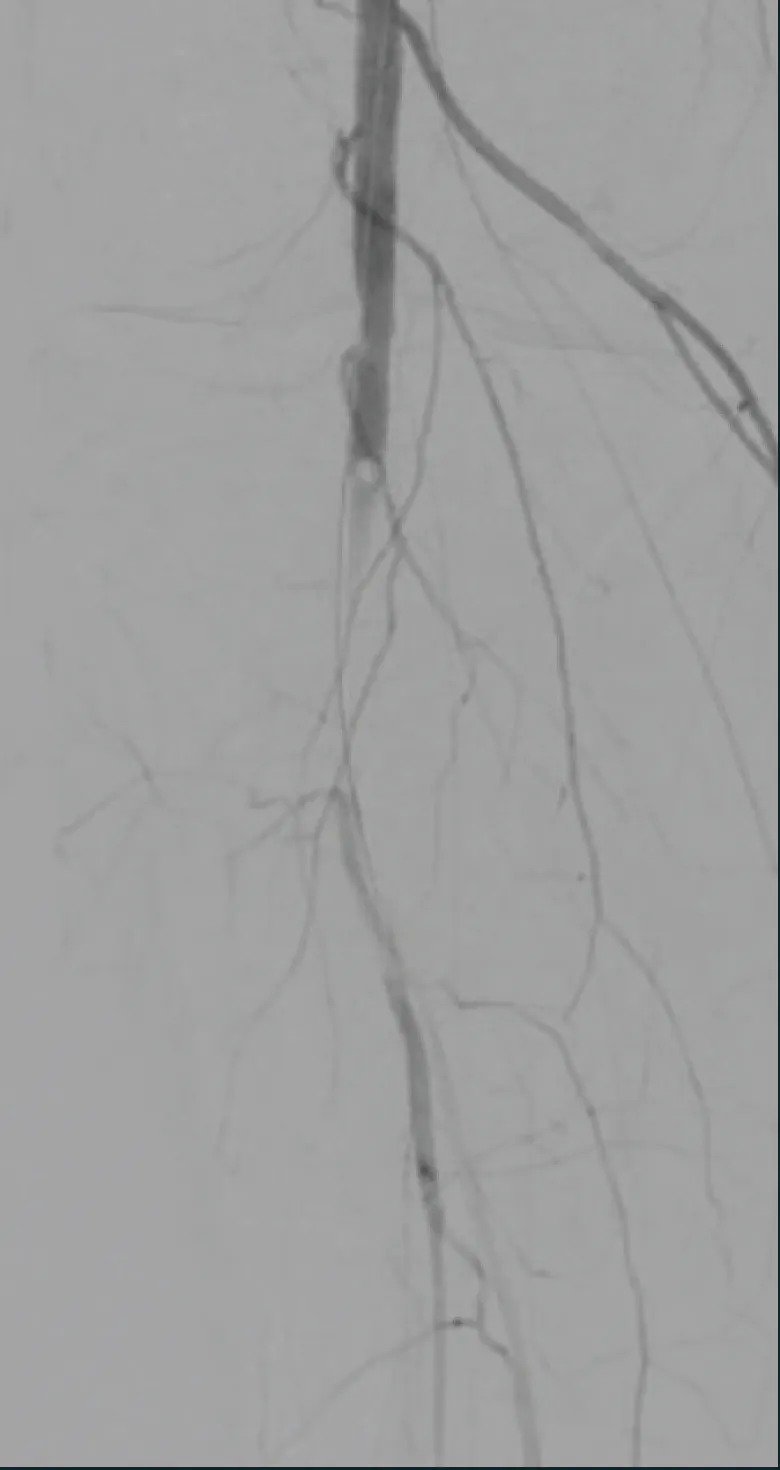
Figure 1. Initial angiography showing popliteal artery occlusion with associated AT occlusion and occlusion of the proximal TPT, with distal TPT recanalization.
TREATMENT
Contralateral groin access was achieved, a 7 Fr, 65 cm Destination™ Peripheral Guiding Sheath (Terumo Interventional Systems) was advanced, and the lesion was crossed using a 0.018” Glidewire Advantage® Peripheral Guidewire (Terumo Interventional Systems), followed by thrombectomy with the Pounce™ LP (Low-Profile) Thrombectomy System (Surmodics, Inc.). Two passes with the Pounce™ LP System were made in the TPT to the PT artery and four passes were made in the AT artery, with adjunctive plain balloon angioplasty. Final angiography showed restoration of below-the-knee flow (Figure 2).
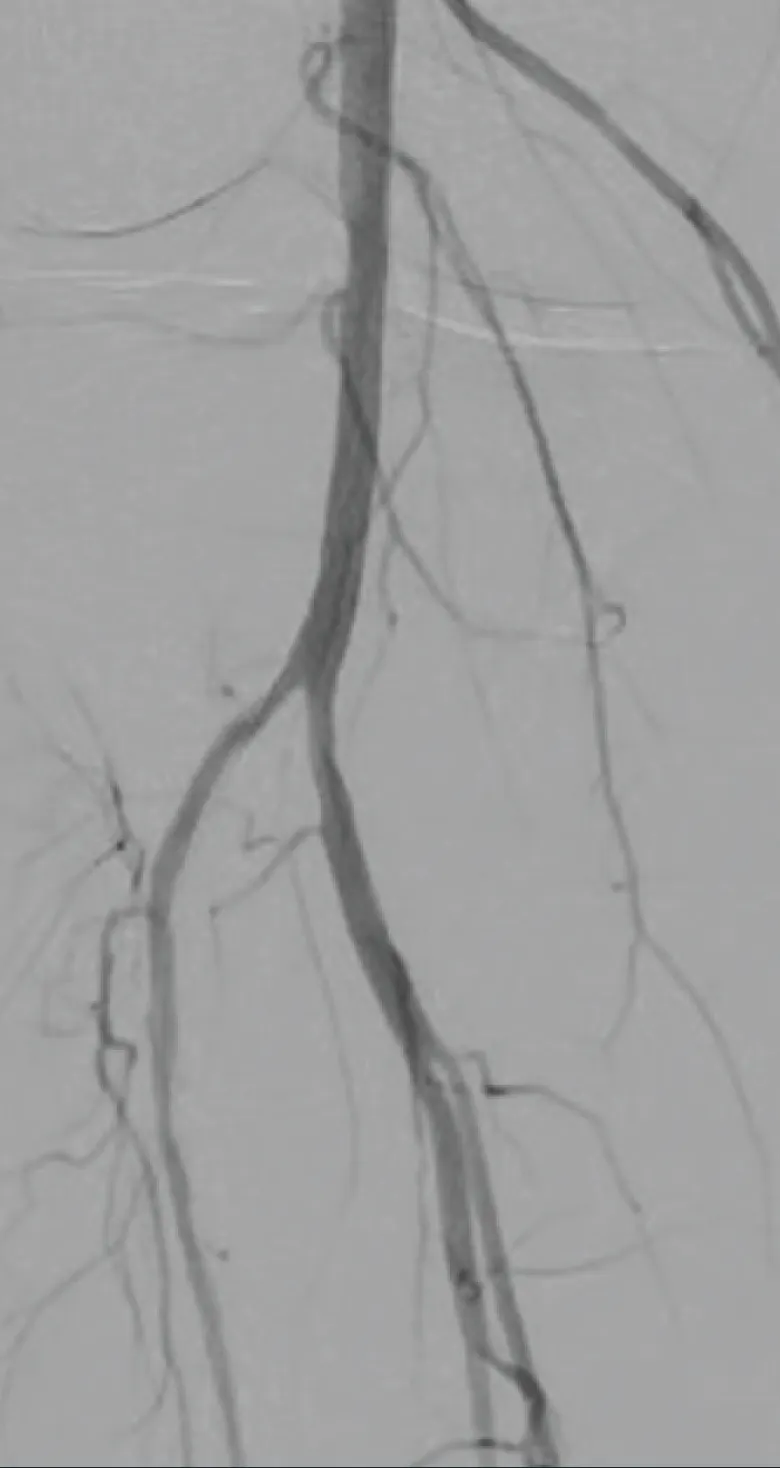
Figure 2. Final angiography showing postprocedure restoration of below-the-knee flow.
POSTPROCEDURE OUTCOMES
The patient experienced postoperative resolution of pain and numbness, tolerated the procedure well, and was discharged uneventfully on postoperative day 4. The Pounce™ LP Thrombectomy System removed acute popliteal and infrapopliteal arterial thrombus.
Follow-up diagnostic angiography 3 months later, prompted by a toe ulcer, demonstrated a patent popliteal artery and PT but persistent AT occlusion as evidenced by the initial angiogram AT occlusion. Although the Pounce™ LP System, aided with angioplasty, was able to initially open the AT, patency was limited in the diseased vessel.
Case Report
Removal of Below-the-Knee Embolic Arterial Occlusion With Two Passes of the Pounce™ LP Thrombectomy System
By Suyue Zhang, MD
PATIENT PRESENTATION
A woman in her mid-60s who had initially undergone left lower extremity (LLE) thrombectomy with the Indigo® Aspiration System (Penumbra, Inc.) for embolic disease subsequently developed rest pain in the right lower extremity (RLE). Patient history included hypertension, hyperlipidemia, type 2 diabetes mellitus, atrial fibrillation (previously anticoagulated with warfarin but held due to intracranial hemorrhage), mitral valve stenosis, and prior left pontine cerebrovascular accident with resultant right hemiparesis and respiratory failure requiring tracheostomy and percutaneous endoscopic gastrostomy.
DIAGNOSTICS AND TREATMENT
Angiography of the RLE showed embolic occlusion of the distal popliteal artery at the anterior tibial (AT) takeoff (Figure 1). Contralateral groin access was achieved, and a 7 Fr, 65 cm Destination™ Peripheral Guiding Sheath (Terumo Interventional Systems) was placed. A 018 Glidewire Advantage® Peripheral Guidewire (Terumo Interventional Systems) was advanced and crossed the lesion, and thrombectomy was performed with the Pounce™ LP (Low-Profile) Thrombectomy System (Surmodics, Inc.). One pass was made in the AT and one pass in the tibioperoneal trunk, achieving successful embolectomy. Completion angiography confirmed three-vessel distal runoff (Figure 2), with intravascular ultrasound showing no residual thrombus.
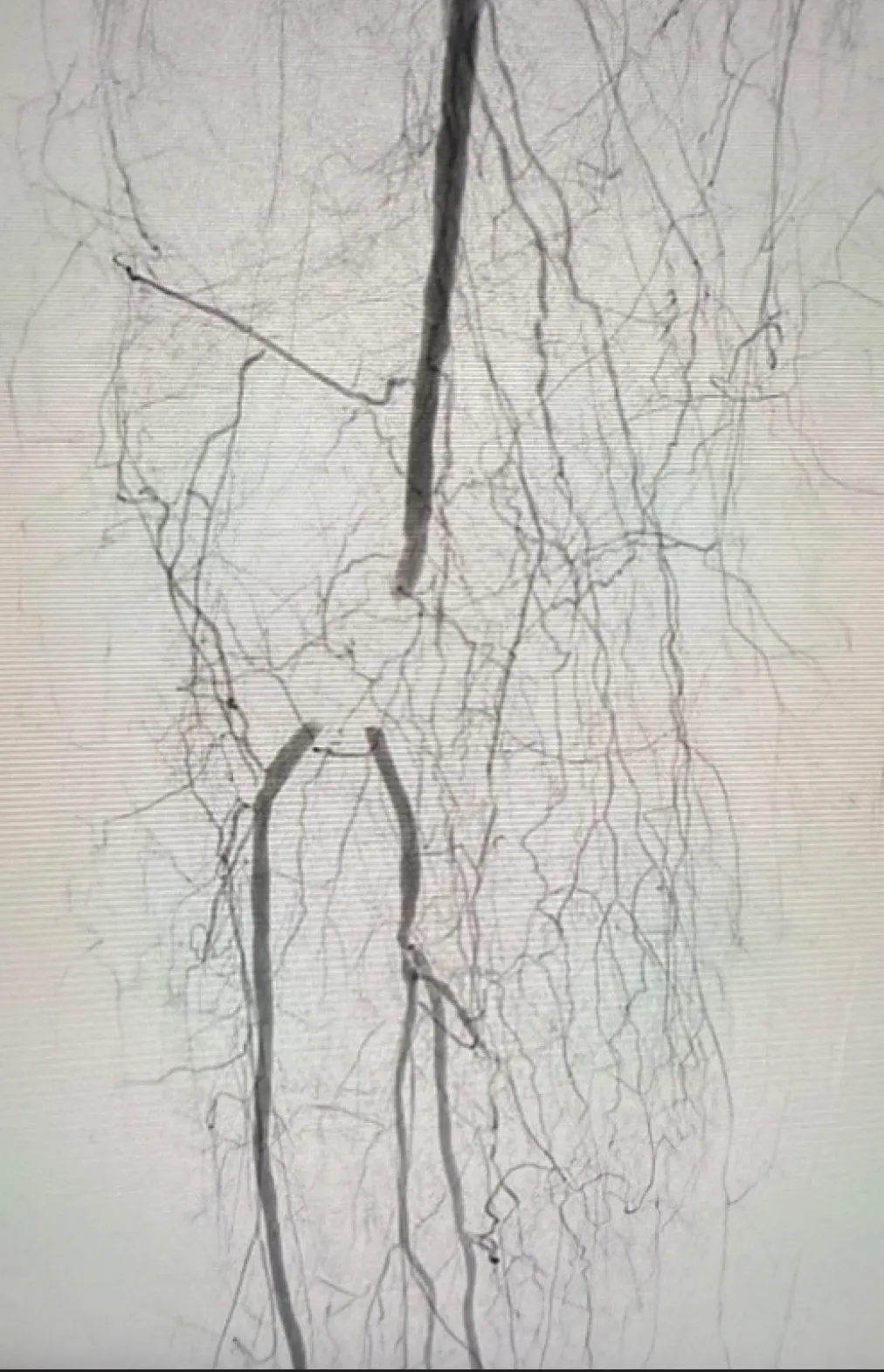
Figure 1. Initial angiography showing embolic occlusion of the RLE distal popliteal artery at the AT takeoff.
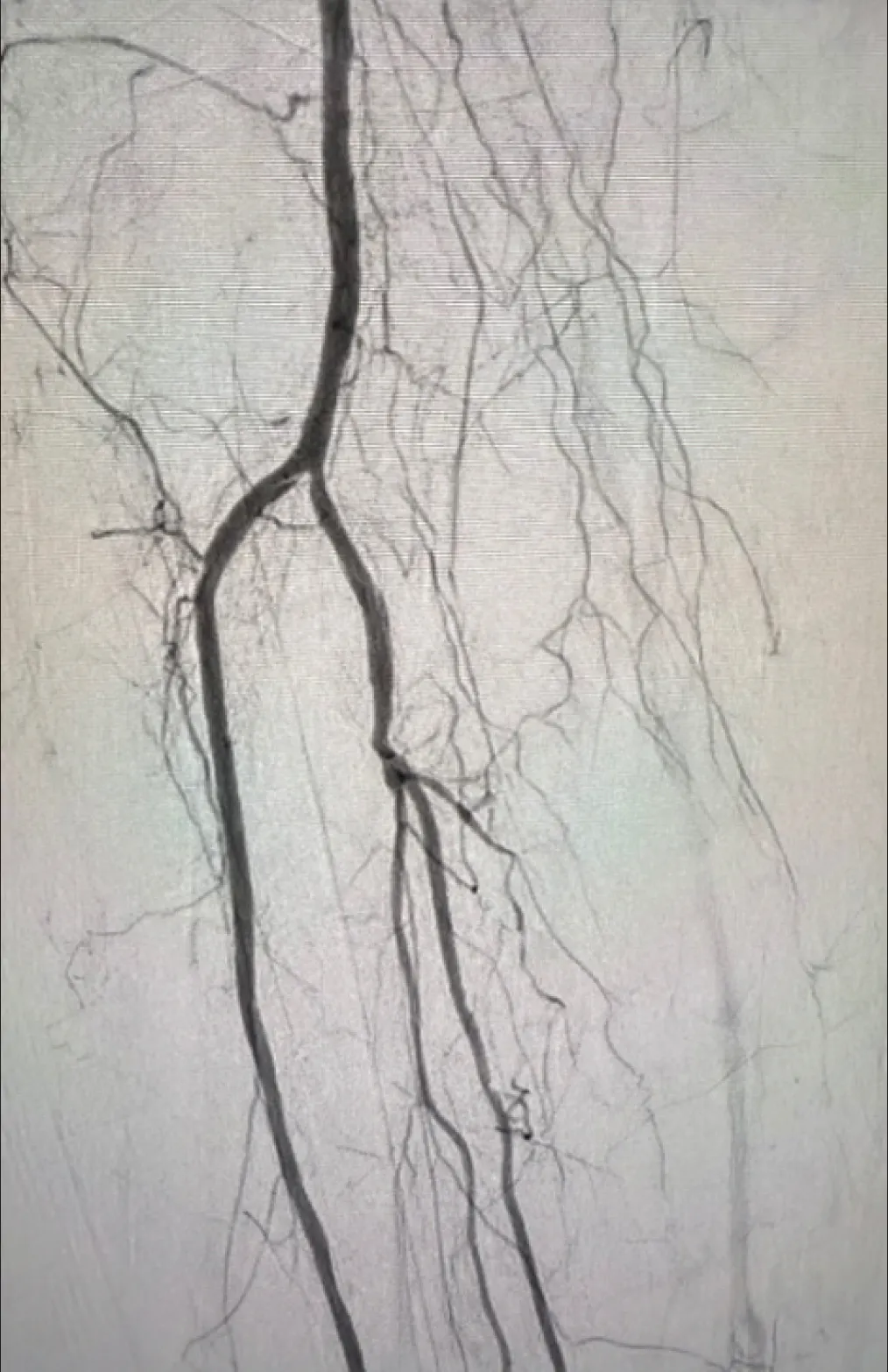
Figure 2. Completion angiography confirming three-vessel distal runoff.
POSTPROCEDURE OUTCOMES
At 4-month follow-up, the patient was free of rest pain. She remained nonambulatory due to her prior strokes, but ankle-brachial index testing revealed preserved toe pressure of 96 mm Hg on the treated side despite noncompressible arteries. The Pounce™ LP Thrombectomy System succeeded in removing two embolic below-the-knee arterial occlusions with only two total device passes.

Caution: Federal (US) law restricts the Pounce™ Thrombectomy System to sale by or on the order of a physician. Please refer to the product’s Instructions for Use for indications, contraindications, warnings, and precautions. SURMODICS, POUNCE, and SURMODICS and POUNCE logos are trademarks of Surmodics, Inc. and/or its affiliates. Third-party trademarks are the property of their respective owners.
Intended Use: The Pounce™ Thrombectomy System is intended for the non-surgical removal of thrombi and emboli from the peripheral arterial vasculature.
Contraindications: The device is contraindicated for use in patients who cannot receive recommended intravenous anticoagulant therapy.
Advertisement
Advertisement