Advertisement
Advertisement
May 2026 Supplement
Sponsored by Surmodics
Meeting the Challenge of Infrapopliteal Organized Thromboemboli With the Pounce™ Thrombectomy Platform
Since the introduction of the Fogarty catheter in the early 1960s, open surgical embolectomy has been a frontline treatment for acute limb ischemia (ALI) of embolic origin, particularly in patients with previously normal vessels lacking collateral circulation.1 The characteristic severity of embolic ALI often requires prompt revascularization,2 and the mechanical properties of spontaneous emboli—typically cardiogenic, fibrin-rich, and highly organized3—may challenge prompt restoration of flow using percutaneous options such as thrombolysis4 or aspiration thrombectomy.1,5,6
The Pounce™ Thrombectomy Platform (Surmodics, Inc.), inspired by the Fogarty catheter’s mode of action (Figure 1), provides a percutaneous option with demonstrated effectiveness against acute or chronic emboli or thrombi (Figure 2; see corresponding case here).7 The Pounce™ Platform includes three different-sized, fully mechanical, non-aspiration–based systems with a combined vessel diameter range of 2 to 10 mm. In this article, we highlight the performance of the Pounce™ Thrombectomy System and Pounce™ LP (Low-Profile) Thrombectomy System for percutaneous extraction of arterial thromboemboli.
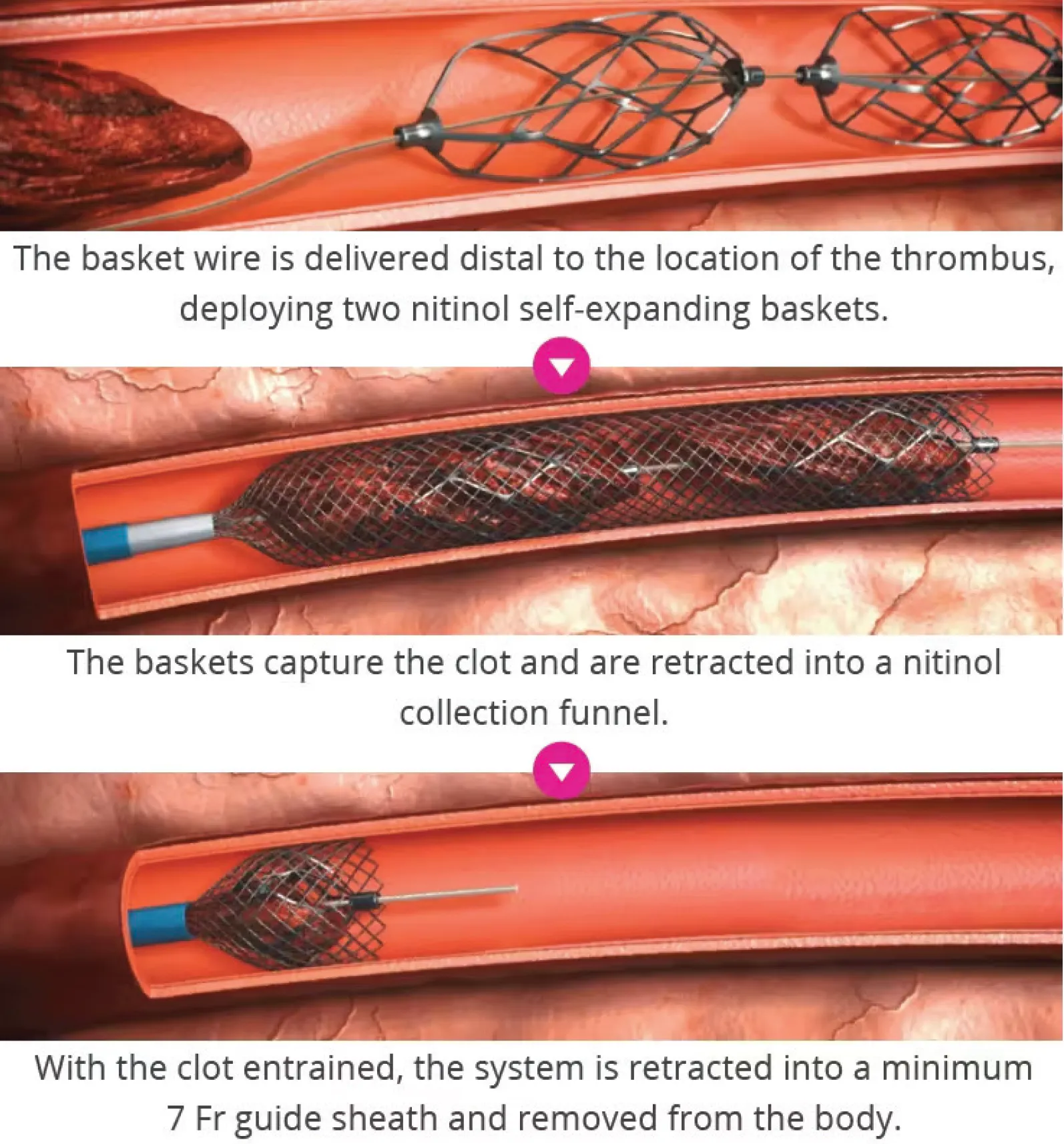
Figure 1. Pounce™ Platform mode of action.

Figure 2. Arterial emboli removed with the Pounce™ Thrombectomy Platform.
Embolic Presentations
Thromboembolic occlusion of the popliteal artery. Figure 3 provides an example of a popliteal embolic occlusion in a patient with no known history of peripheral artery disease. Note successful removal of embolus with two passes of the Pounce™ Thrombectomy System after attempted aspiration thrombectomy.
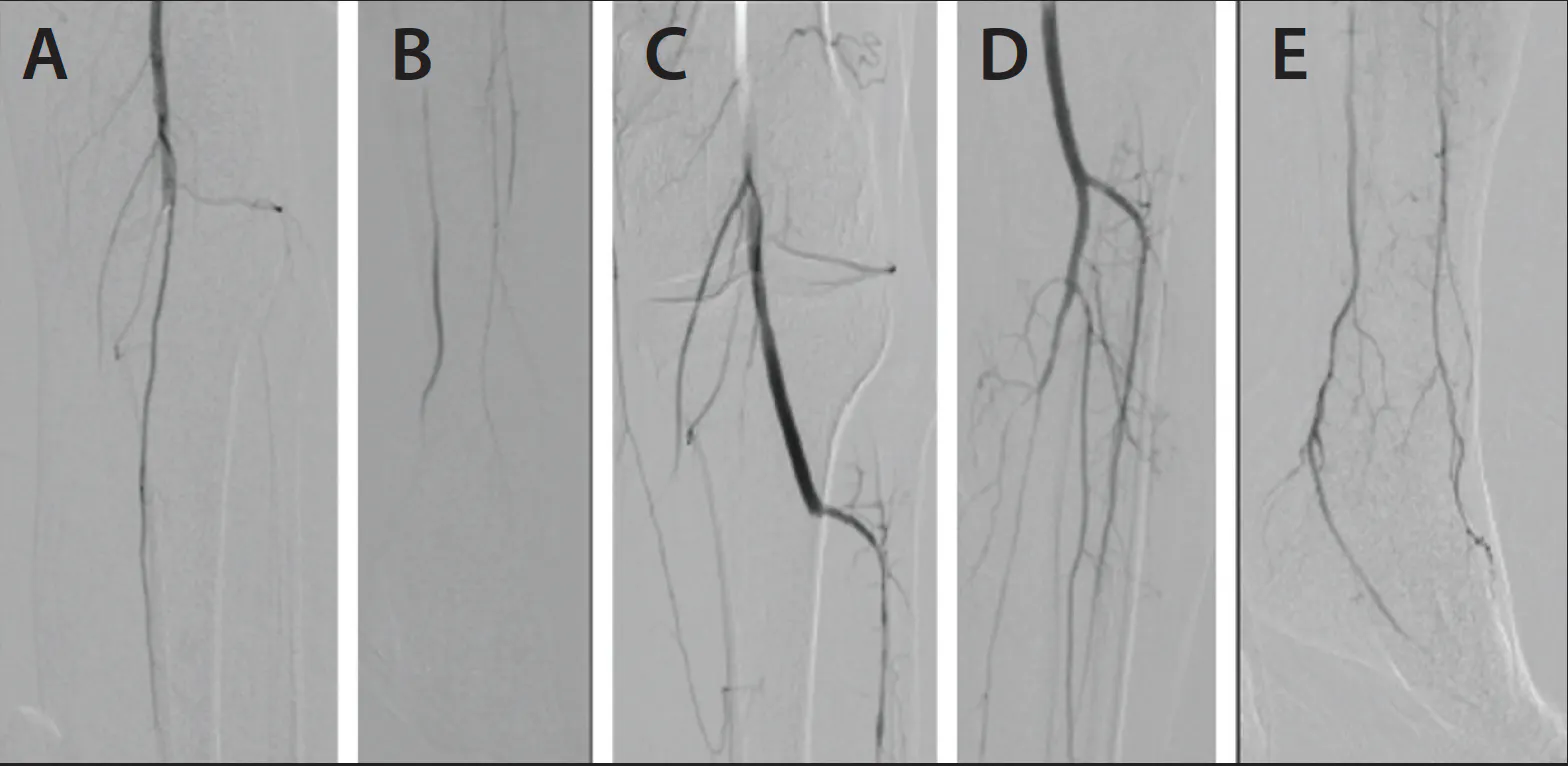
Figure 3. Removal of popliteal embolus using the Pounce™ Thrombectomy System following attempted aspiration thrombectomy.
A man in his mid-70s presented to the clinic with a 2-day history of left calf pain and numbness in his foot. His history included smoking and hypertension but no known peripheral artery disease and no medication. Angiography showed embolus in the popliteal artery (A) with distal reconstitution (B). Aspiration thrombectomy failed to open flow to left foot. Two passes of the Pounce™ Thrombectomy System were performed through the TPT. Final angiography showed patent popliteal (C), anterior tibial (AT), and posterior tibial (PT) segments (D) with reconstitution into the foot (E). See case here.
Thromboembolic occlusion of the tibioperoneal trunk. Lower extremity emboli tend to lodge at arterial bifurcations, where the vessel lumen is narrowed.8 Secondary thrombus may form both proximal and distal to the emboli, worsening the occlusion and introducing risk of propagation of the secondary clot.8 Figure 4 provides an example of a thromboembolic occlusion of the tibioperoneal trunk (TPT) resulting in complete blockage of distal flow in a patient with new-onset atrial fibrillation (AF). Use of the Pounce™ Thrombectomy System succeeded in restoring three-vessel runoff to the foot with three device passes. Note the mixed-morphology occlusive debris extracted using the device.
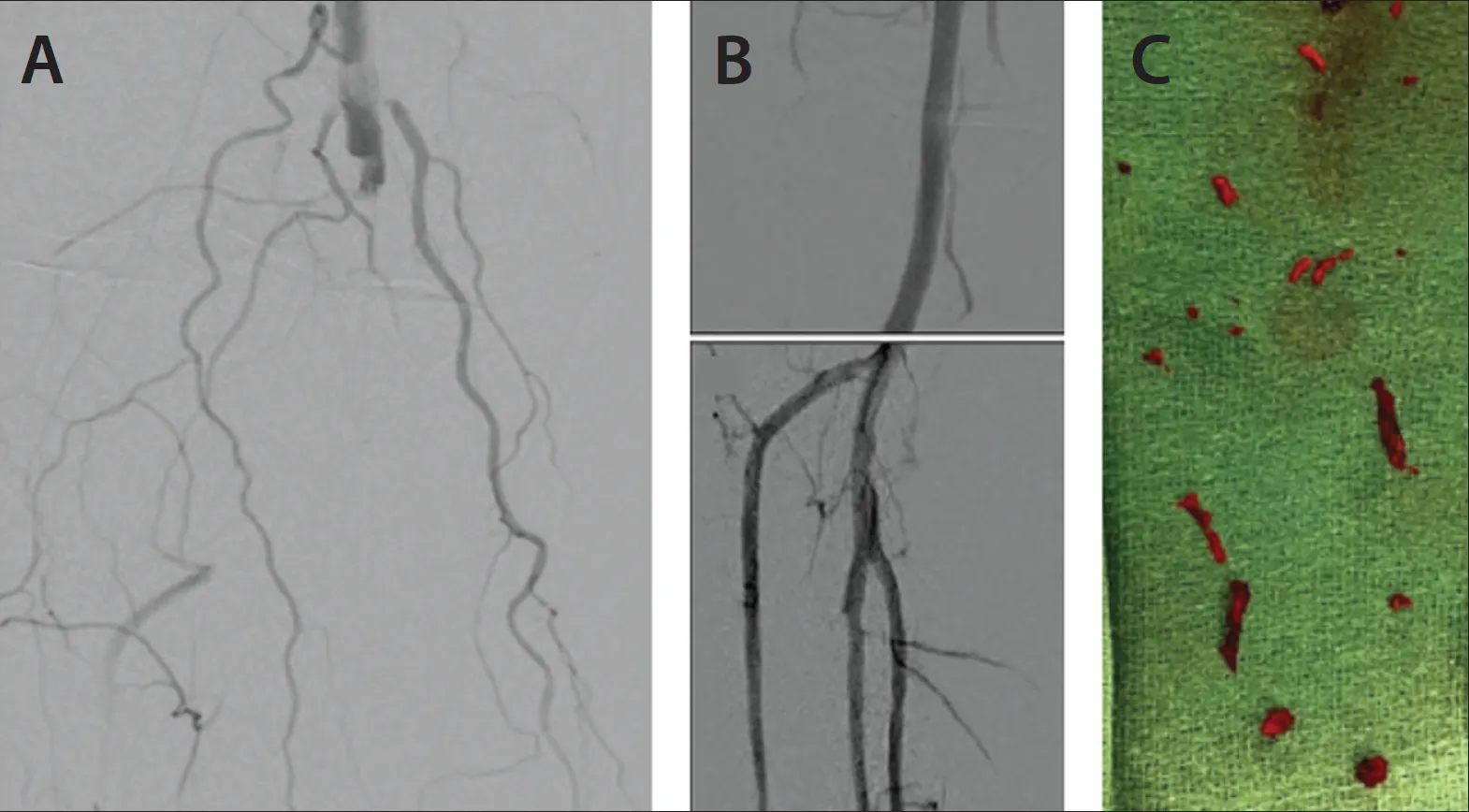
Figure 4. Removal of multivessel BTK thromboembolic arterial occlusion with three passes of the Pounce™ Thrombectomy System.
A man in his mid-70s presented with pain and paresthesia of his right foot. Symptoms started 1 day prior to arrival at the hospital. Diagnosis of new-onset AF was made. Initial angiography showed 100% thromboembolic occlusion of popliteal, TPT, peroneal, PT, and AT arteries (A). Pounce™ System baskets were deployed in mid-AT, with funnel in proximal AT, and first pass was made. The system was externalized and cleaned, and a second pass was made in the proximal PT, with funnel in proximal popliteal artery. After removal and cleaning, a third pass was made in the peroneal artery. Popliteal, TPT, and tibial arteries were patent after Pounce™ System passes (B). Clot removed with Pounce™ System (C). See case here.
Bilateral lower extremity embolization. In acute embolic ischemia of the lower extremity, bilateral embolization has been reported in 15% of cases.9 Figure 5 illustrates a case of bilateral lower extremity embolization in a patient with as-yet undiagnosed paroxysmal AF. Note restoration of right lower extremity (RLE) flow with three passes of the Pounce™ Thrombectomy System and restoration of left lower extremity flow with one pass.
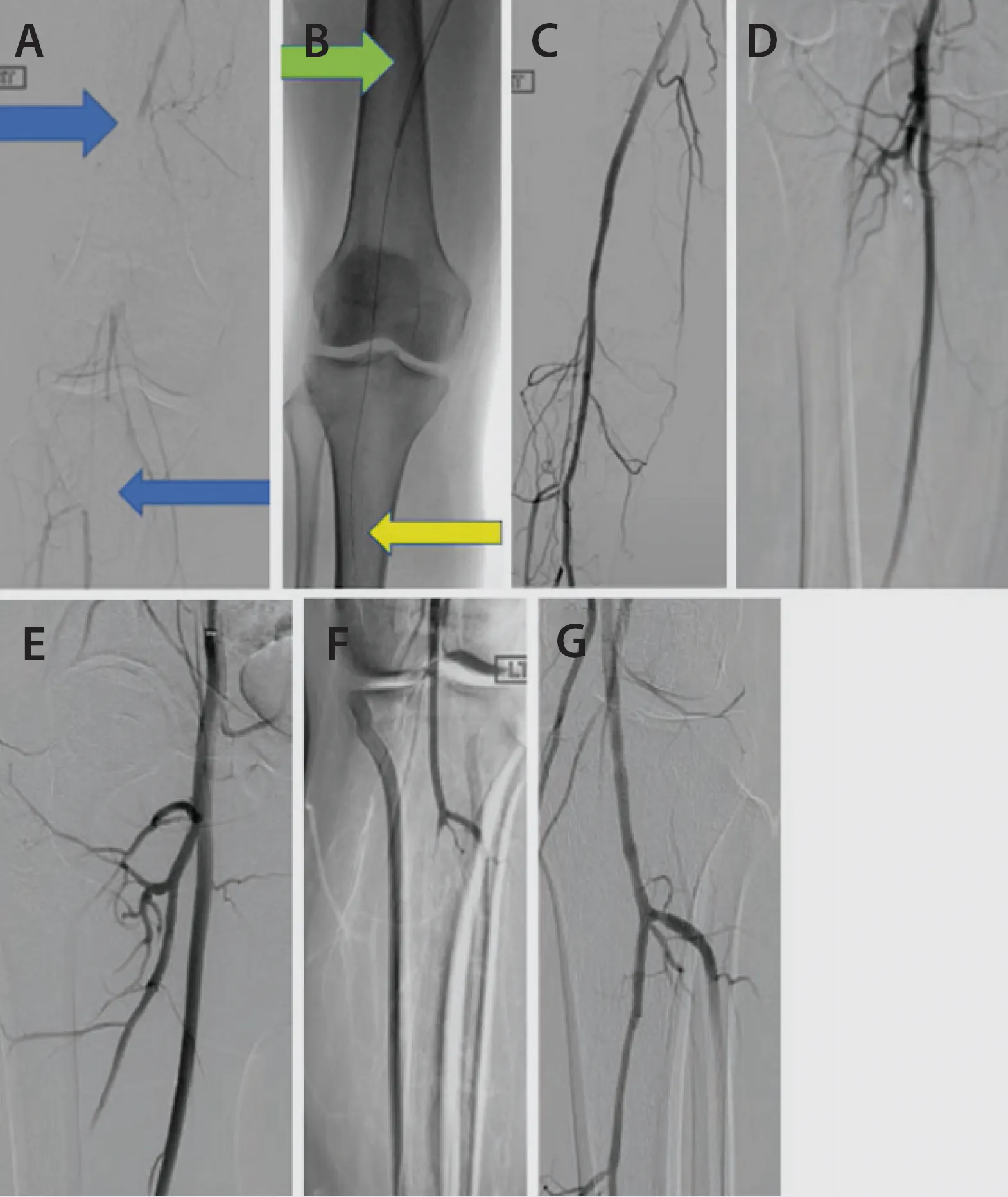
Figure 5. Removal of bilateral embolization using the Pounce™ Thrombectomy System.
A woman in her mid-40s who presented with increasing right calf pain of 4 weeks duration had ABI 0.5 (R) and 1.1 (L) on examination. RLE thrombectomy: Two-segment popliteal artery occlusion (A). Pounce™ System deployed with basket wire distal to popliteal occlusions and funnel catheter proximal to occlusions (B). Popliteal flow restored with three passes of the Pounce™ System (C). Filling defect in the right profunda femoris artery (D). Flow restored with one Pounce™ System pass (E). Left lower extremity thrombectomy: TPT occlusion (F). Flow restored with one Pounce™ System pass (G). See case here.
Retrieval of infrapopliteal embolization following catheter-directed thrombolysis (CDT) and aspiration. As illustrated in Figure 6, ALI from embolic occlusions is typically associated with sudden and severe onset with a normal contralateral pulse exam.10 In this case, the patient’s ankle-brachial index (ABI) was severely decreased to 0.35 (R) while the contralateral exam was normal at 1.0 (L). Overnight CDT and aspiration thrombectomy successfully cleared the soft thrombotic debris but were unsuccessful in removing above- and below-the-knee embolic components. The Pounce™ Platform succeeded in removing emboli in the superficial femoral artery (SFA), PT artery, and peroneal artery with one pass per vessel.
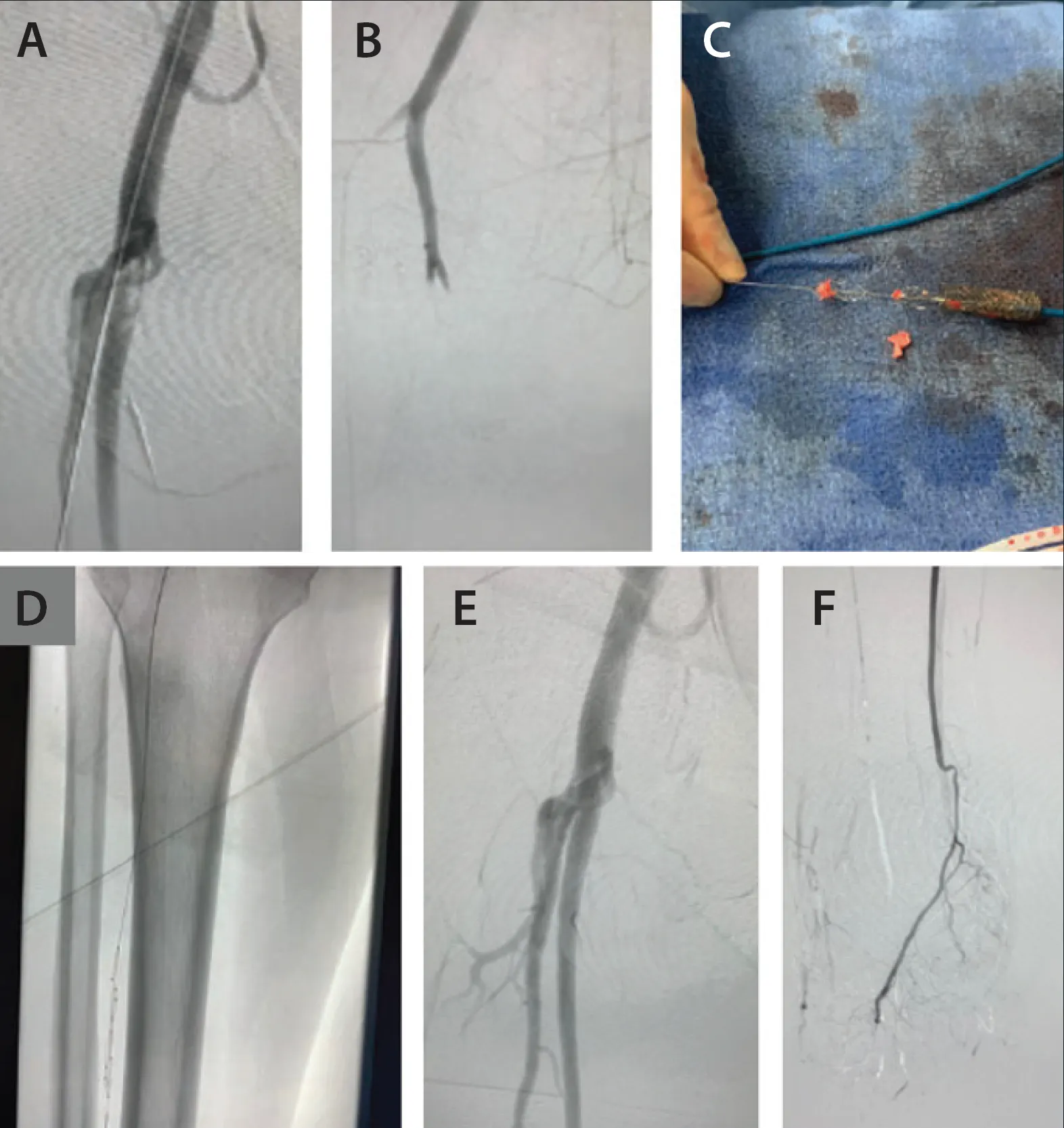
Figure 6. Removal of multisite arterial emboli with the Pounce™ Thrombectomy System.
A woman in her mid-40s experienced sudden RLE coldness and numbness and fell to the ground while walking. On examination, ABI was 0.35 (R) and 1.0 (L). Initial imaging showed embolus at the distal common femoral artery (CFA), occluding the profunda and SFA (A). Large embolic burden was also present in the proximal and mid SFA with a secondary occlusive embolus at the tibial trifurcation (B). Overnight CDT resulted in minor improvement in the SFA and profunda artery, with continued occlusion at the trifurcation. Following unsuccessful continuation of overnight CDT, aspiration thrombectomy restored flow in the profunda artery but failed to remove embolus in SFA. The physician was in-serviced on the Pounce™ Thrombectomy System for the first time. The Pounce™ System baskets were deployed in the mid-SFA, the funnel in the distal CFA, and the system captured and removed the thrombus (C), restoring patency to the SFA and profunda artery (D). Subsequent single passes were made in the PT (E) and peroneal arteries, restoring runoff to the foot (F). See case here.
Removal of thrombus from dorsalis pedis (DP) artery. The Pounce™ LP System, indicated for peripheral arterial vessels 2 to 4 mm in diameter, is well sized for non-surgical removal of thrombi and emboli from distal and pedal vessels.11 Figure 7 provides an example of removal of a significant thrombotic occlusion in the DP artery with two passes of the Pounce™ LP System.
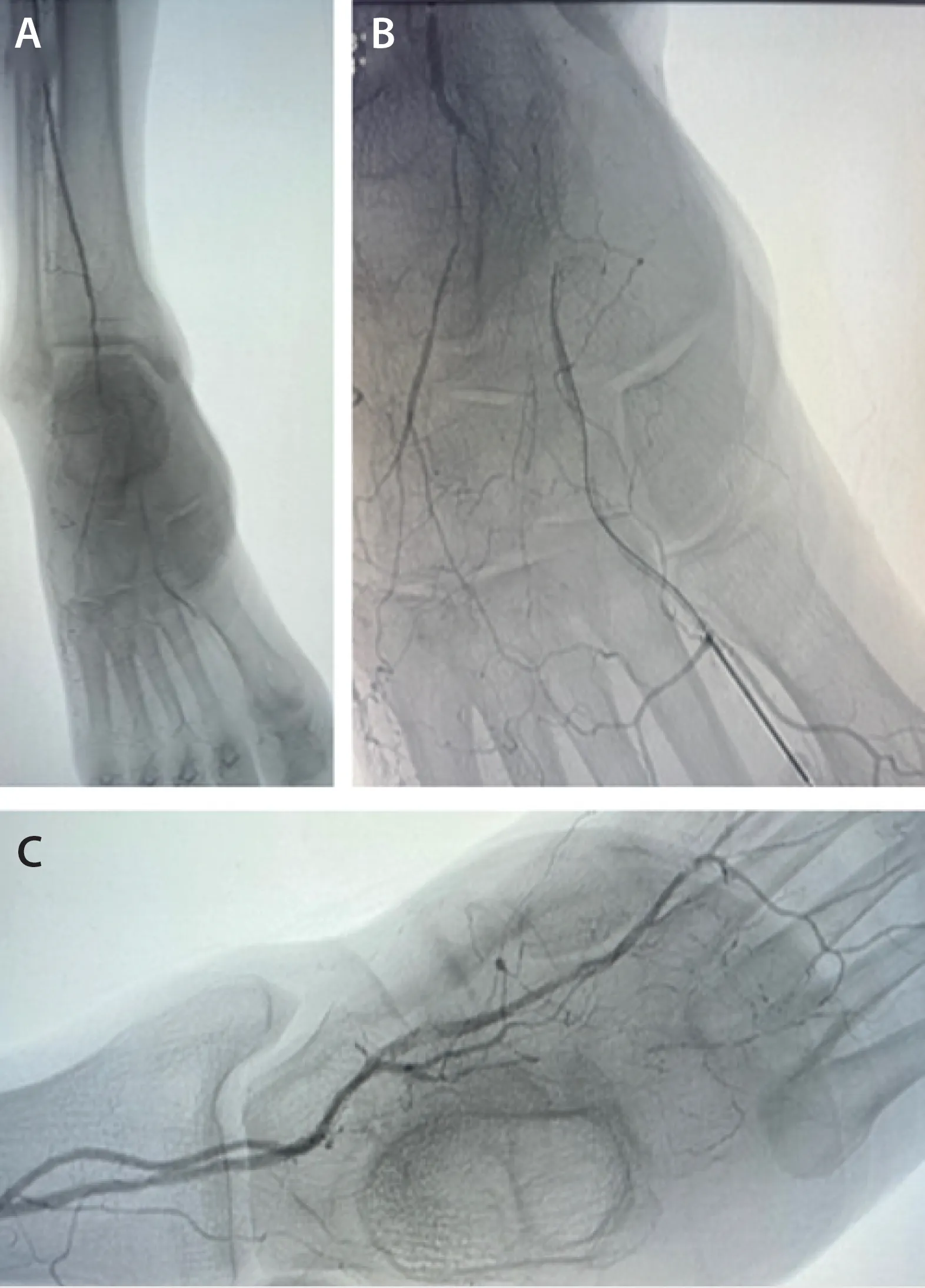
Figure 7. Removal of DP thrombus with the Pounce™ LP Thrombectomy System.*
A woman in her late 60s presented to the clinic with right first toe gangrene and severe below-the-ankle disease. Initial angiography showed significant occlusion of the right proximal DP artery (A, B). Plain balloon angioplasty produced an unsatisfactory result. The Pounce™ LP System was introduced, with baskets deployed in the distal DP artery and the funnel deployed in the AT artery. Two passes were made with the Pounce™ LP System, achieving restoration of flow in the pedal loop (C) with palpable pulse after thrombus removal.
Discussion
While open surgical embolectomy remains a dependable approach for achieving prompt revascularization, it is associated with significant morbidity and mortality in the frail ALI population.12 For removal of below-the-knee emboli, open embolectomy may require infrageniculate exposure under general anesthesia, and the blind nature of standard open surgical thromboembolectomy may make catheter introduction and entry into the branches of small arteries particularly challenging.13
The Pounce™ Thrombectomy Platform was originally conceived as a percutaneous alternative to open thromboembolectomy. From the start, the platform’s design specifications called for use of wall-apposed, clot-engagement baskets effective at removing organized thrombi and emboli without aspiration and its associated blood loss, all without the need for capital equipment. The device had to be atraumatic to the vessel wall and capture clot into a proximal enveloping funnel with low risk of distal embolization while removing the clot-burdened system through a conventional access sheath. Device length had to be sufficient for the baskets to reach below-the-knee arteries within indicated diameter ranges from contralateral access. The wire component was developed with .035 PTA balloon catheter compatibility, which could aid with organized clot disruption for more efficient removal. Finally, the platform had to be simple to use and readily deployable. These attributes are all realized in the Pounce™ Platform. The safety, efficacy, and speed of the Pounce™ Thrombectomy Platform is supported by data from the multicenter, all-comers Pounce™ Platform PROWL registry.
Real-world limb ischemia population. An interim analysis of the PROWL registry presented in November 2025 evaluated Pounce™ Platform performance in 160 patients with thromboembolic limb ischemia in native infrainguinal vessels.7 Nearly half of acute patients in this population had immediately threatened limbs (> Rutherford IIa), while over 40% presented with > 2 weeks of symptoms, a reflection of the heterogeneous clinical presentations seen in real-world treatment of peripheral ischemic events.14 Approximately half of the patients had diabetes, roughly one-quarter exhibited renal insufficiency, and the majority had a history of underlying peripheral artery disease. In this vulnerable population, the Pounce™ Platform was well tolerated, with only one patient experiencing a device-related adverse event.† There were no reports of device-related distal embolization.‡ There were no device-related deaths.
Efficacy and speed. Over 90% of patients experienced final core lab–adjudicated postprocedural TIPI (thrombolysis in peripheral ischemia) 2 to 3 blood flow restoration. Device technical success, defined as restoration of blood flow to the target lesion(s) with < 50% residual obstruction without the need of other therapies, was achieved in over 80% of cases. Average Pounce™ Platform use time in the study was under 25 minutes with a median of two passes per patient.
See video presentations of cases performed with the Pounce™ Thrombectomy Platform here.
Conclusion
The Pounce™ Thrombectomy Platform represents an attractive percutaneous alternative to open embolectomy for embolic as well as thrombotic limb ischemia, even in infrapopliteal vessels. The platform’s safety, efficacy, and speed for non-surgical removal of thrombi and emboli from the peripheral arterial vasculature of real-world, vulnerable limb ischemia patients are supported by a strong body of evidence from the PROWL registry. In a health care landscape inundated with novel devices, the simple and readily deployable Pounce™ Platform represents a groundbreaking solution for prompt flow restoration in limb ischemia.
*Presented by Dr. Lucas Ferrer Cardona at an industry-sponsored session at the 2025 Vascular Annual Meeting (VAM) of the Society for Vascular Surgery.
†Flow-limiting dissection followed by clinically driven target lesion revascularization.
‡Distal embolization requiring surgical procedure or obstructing one of the major downstream vessels > 70% at the end of the procedure.
1. Björck M, Earnshaw JJ, Acosta S, et al. Editor’s choice—European Society for Vascular Surgery (ESVS) 2020 clinical practice guidelines on the management of acute limb ischaemia. Eur J Vasc Endovasc Surg. 2020;59:173-218. doi: 10.1016/j.ejvs.2019.09.006
2. Olinic DM, Stanek A, Tătaru DA, et al. Acute limb ischemia: an update on diagnosis and management. J Clin Med. 2019;8:1215. doi: 10.3390/jcm8081215
3. Jolugbo P, Ariëns RA. Thrombus composition and efficacy of thrombolysis and thrombectomy in acute ischemic stroke. Stroke. 2021;52:1131-1142. doi: 10.1161/STROKEAHA.120.032810
4. de Athayde Soares R, Matielo MF, Neto FC, et al. Analysis of the results of endovascular and open surgical treatment of acute limb ischemia. J Vasc Surg. 2019;69:843-849. doi: 10.1016/j.jvs.2018.07.056
5. Lopez R, Yamashita TS, Neisen M, et al. Single-center experience with Indigo aspiration thrombectomy for acute lower limb ischemia. J Vasc Surg. 2020;72:226-232. doi: 10.1016/j.jvs.2019.10.079
6. Rossi M, Tipaldi MA, Tagliaferro FB, et al. Aspiration thrombectomy with the Indigo System for acute lower limb ischemia: preliminary experience and analysis of parameters affecting the outcome. Ann Vasc Surg. 2021;76:426-435. doi: 10.1016/j.avsg.2021.04.016
7. Lyden S, Campbell J, Monteleone P. Real-world clinical outcomes and case insights of the novel Pounce™ Thrombectomy Platform. Presented at: Vascular InterVentional Advances (VIVA) 2025; November 3, 2025; Las Vegas, Nevada.
8. McNally MM, Univers J. Acute limb ischemia. Surg Clin North Am. 2018;98:1081-1096. doi: 10.1016/j.suc.2018.05.002
9. Becquemin JP, Kovarsky S. Arterial emboli of the lower limbs: analysis of risk factors for mortality and amputation. Ann Vasc Surg. 1995;9:S32-38. doi: 10.1016/S0890-5096(06)60449-4
10. O’Connell JB, Quiñones-Baldrich WJ. Proper evaluation and management of acute embolic versus thrombotic limb ischemia. Semin Vasc Surg. 2009;22:10-16. doi: 10.1053/j.semvascsurg.2008.12.004
11. Chamseddine H, Halabi M, Shepard A, et al. Limb salvage using Pounce LP mechanical thrombectomy system after failed open and percutaneous thromboembolectomy. J Vasc Surg Innov Tech. 2025;11:101935. doi: 10.1016/j.jvscit.2025.101935
12. Kempe K, Starr B, Stafford JM, et al. Results of surgical management of acute thromboembolic lower extremity ischemia. J Vasc Surg. 2014;60:702-707. doi: 10.1016/j.jvs.2014.03.273
13. Chahrour MA, Berri N, Jaafar R, et al. Thromboembolectomy for acute lower limb ischemia: Contemporary outcomes of two surgical methods from a single tertiary center. Vascular. 2023;31:489-495. doi: 10.1177/17085381221075478
14. Howard DP, Banerjee A, Fairhead JF, et al. Population-based study of incidence, risk factors, outcome, and prognosis of ischemic peripheral arterial events: implications for prevention. Circulation. 2015;132:1805-1815. doi: 10.1161/CIRCULATIONAHA.115.016424
Advertisement
Advertisement