Advertisement
Advertisement
May 2026
Sponsored by AngioDynamics, Inc.
Advancing Acute PE Intervention
AlphaVac thrombectomy and the need for blood management strategies.
By Brian Stegman, MD, FACC, FSCAI, and Peter Monteleone, MD, FACC, FSCAI
Pulmonary embolism (PE) remains a major cause of cardiovascular morbidity and mortality, particularly in its acute presentation. Although anticoagulation (AC) is the cornerstone of therapy, catheter-based interventions, including mechanical thrombectomy (MT) and catheter-directed thrombolysis, have emerged as important alternatives for patients with inadequate response to AC or with more severe disease. Recent American College of Cardiology (ACC)/American Heart Association guidelines introduced a five-category (A-E) clinical classification to refine risk stratification and guide management, with catheter-based therapies recommended (class of recommendation 2a, level of evidence B-NR) for high-risk patients (category E1) and considered (class of recommendation 2a, level of evidence B-NR) in those with impending decompensation (category D1-2).1 However, emerging randomized controlled trial data continue to suggest enhanced benefits of catheter-based therapies, particularly in selected intermediate-risk patients, challenging the recent recommendations and guidelines.2
Among evolving technologies, large-bore aspiration systems such as the AlphaVac F1885 system (AngioDynamics, Inc.) have demonstrated promising early results in facilitating rapid thrombus removal. As such systems have matured, integrated techniques supporting procedural blood management have developed to optimize patient outcomes.3 This article reviews the utilization of the AlphaVac F1885 system (Figure 1) in a patient presenting with acute intermediate-high–risk PE and discusses the imminent work being performed to evaluate the safety and efficacy of a blood management strategy currently under active investigation in acute PE patients.
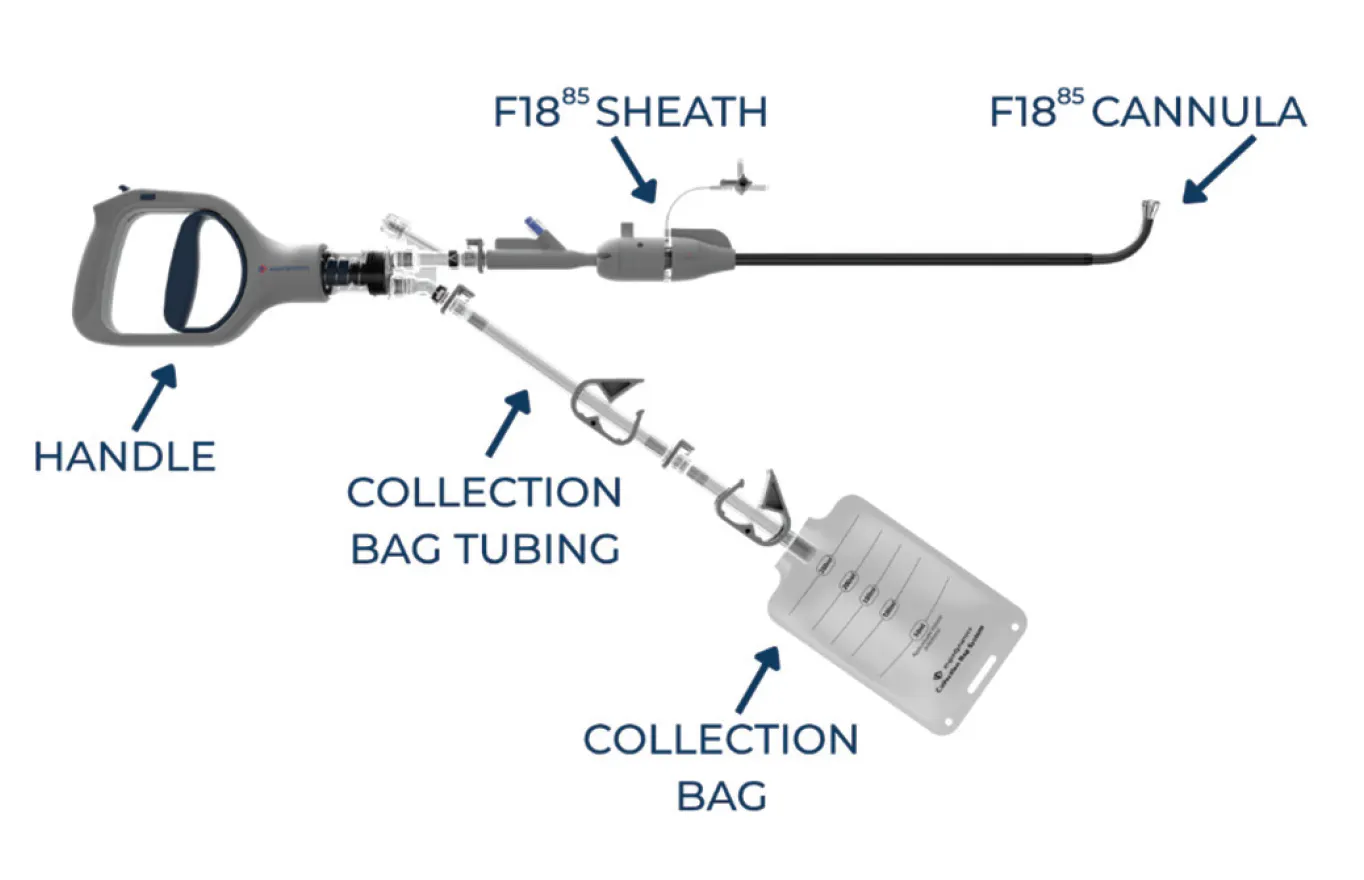
Figure 1. AlphaVac F1885 system showing the 18-F cannula with a proprietary funnel that expands to 33 F and 85° bend at the tip.
CASE STUDY
Case Presentation
A woman in her late 70s presented to the emergency department with acute-onset shortness of breath and recurrent presyncopal episodes during the day of the presentation. Symptoms began while shopping, initially with progressive dyspnea on exertion and subsequently with two presyncopal episodes prompting emergency medical services activation. Her medical history was significant for stage 3 chronic kidney disease, hypertension, obstructive sleep apnea, and type 2 diabetes mellitus. Family history was notable for a grandmother with deep vein thrombosis.
On presentation, the patient was tachycardic with heart rates in the 110s, normotensive with blood pressures in the 120s/70s mm Hg, and hypoxemic requiring 4 L/min supplemental oxygen to maintain oxygen saturation above 90%. She experienced transient hypotension with systolic blood pressures in the 90s mm Hg, which improved with intravenous fluid resuscitation. The physical examination was notable for dyspnea with minimal exertion.
Laboratory evaluation demonstrated elevated high-sensitivity troponin I (358 ng/L), N-terminal pro–B-type natriuretic peptide (4,858 pg/mL), D-dimer (6,600 ng/mL), and lactate (3 mmol/L). Other laboratory parameters were within normal limits. A CT scan at that time demonstrated extensive bilateral PE with a right ventricular/left ventricular (RV/LV) ratio calculated at 1.5.
Transthoracic echocardiography calculated a RV/LV ratio of 1.4 and revealed moderate RV systolic dysfunction, as well as an estimated RV systolic pressure of 55 mm Hg, consistent with significant right heart strain. Given the presence of RV dysfunction, elevated biomarkers, and clinical features suggestive of hypoperfusion, the patient was classified as having intermediate-high–risk PE or ACC class D1. A CT scan was performed, showing large-volume thrombus in both the left and right pulmonary arteries (PAs). After discussion with the patient and the medical team, the decision was made to proceed to MT.
Procedural Overview
Hemodynamic assessment and pulmonary angiography. Right heart catheterization demonstrated elevated PA pressures of 65/29 mm Hg (mean, 43 mm Hg), reduced mixed venous oxygen saturation of 55%, and a cardiac index of 1.9 L/min/m2, indicating impaired cardiac output and significant hemodynamic burden consistent with presentation. CT and pulmonary angiography demonstrated significant bilateral clot burden with near occlusion of right lower branches after the truncus anterior (Figure 2 and Figure 3).
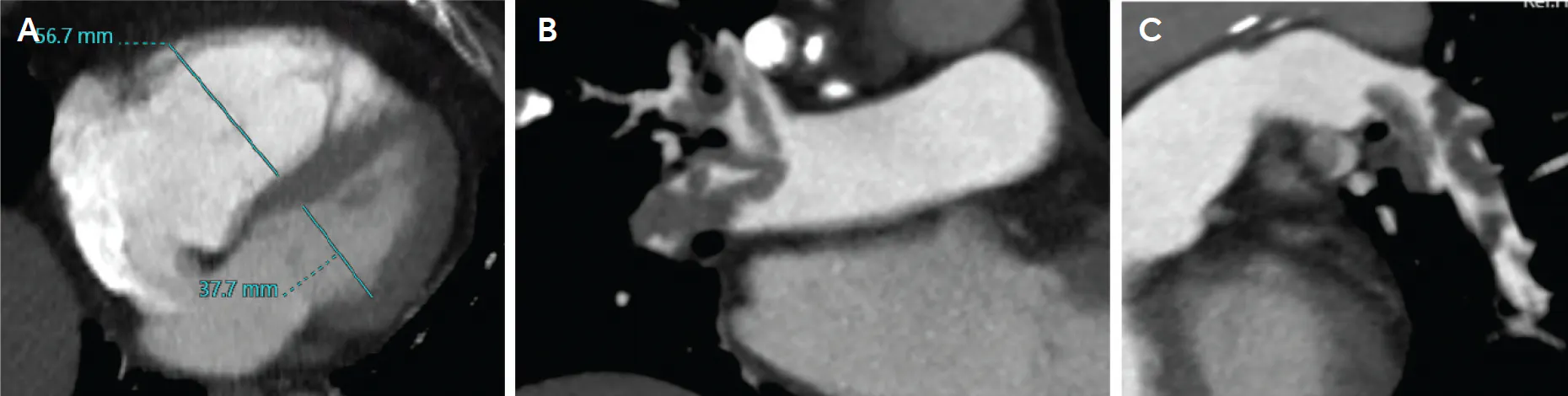
Figure 2. CT showing the RV/LV ratio of 1.5 (A) and the clot burden in the right (B) and left (C) PA.
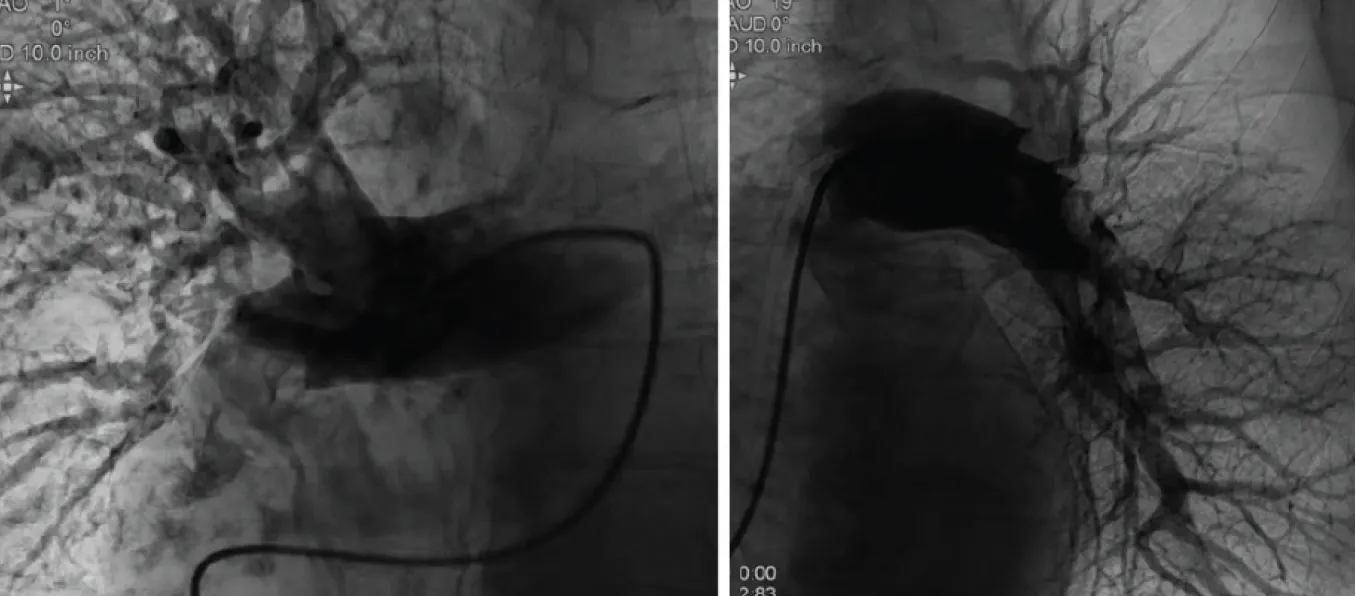
Figure 3. Preprocedure pulmonary angiography.
Technical/procedural details. The AlphaVac F885 device is a manual MT system cleared for use in the pulmonary vasculature for the extraction of thrombus in patients with PE. Prior to treatment, patients should be appropriately anticoagulated, with an activated clotting time maintained between 250 and 300 seconds. The system features an 11-mm funnel at the distal tip of the cannula, which facilitates capture and removal of thrombus larger than the inner diameter of the cannula.
Initial vascular access was achieved, and a 24-F Gore DrySeal sheath (Gore & Associates) was placed. The AlphaVac F1885 system includes a 22-F outer sheath, which was advanced into the pulmonary vasculature over an Amplatz Super Stiff guidewire (Boston Scientific Corporation). The sheath was positioned in the right main PA and the guidewire and dilator were removed.
The primed AlphaVac F1885 cannula was then introduced through the sheath. The funnel was unsheathed and the cannula advanced to the level of thrombus within the right interlobar and right lower branches. Aspiration was performed using three passes at a 30 mL setting and subsequently repositioned in the truncus anterior and three passes at the 10 mL setting were performed (Figure 4A and 4B). The cannula was then retracted and moved wirelessly to the left PA in the LAO 20° projection. Two 30-mL aspiration passes were done in the distal left main PA into the left lower branches with removal of significant clot, although angiography continued to demonstrate left clot burden. An RAO projection angiogram was obtained, identifying clot burden in the posterior branch, which was isolated and successfully aspirated with two 10 mL passes (Figure 4C-E). Final pulmonary angiography demonstrated significant improvement in perfusion and clot burden (Figure 5).

Figure 4. AlphaVac in situ. Aspiration of the right intralobar and lower branches (A) and truncus anterior (B). The LAO 20° view (C). Initially unable to aspirate in the right lower branches, the ROA 20° allowed for better cannula placement and aspiration (D). Selective aspiration of lower posterior branches (E).
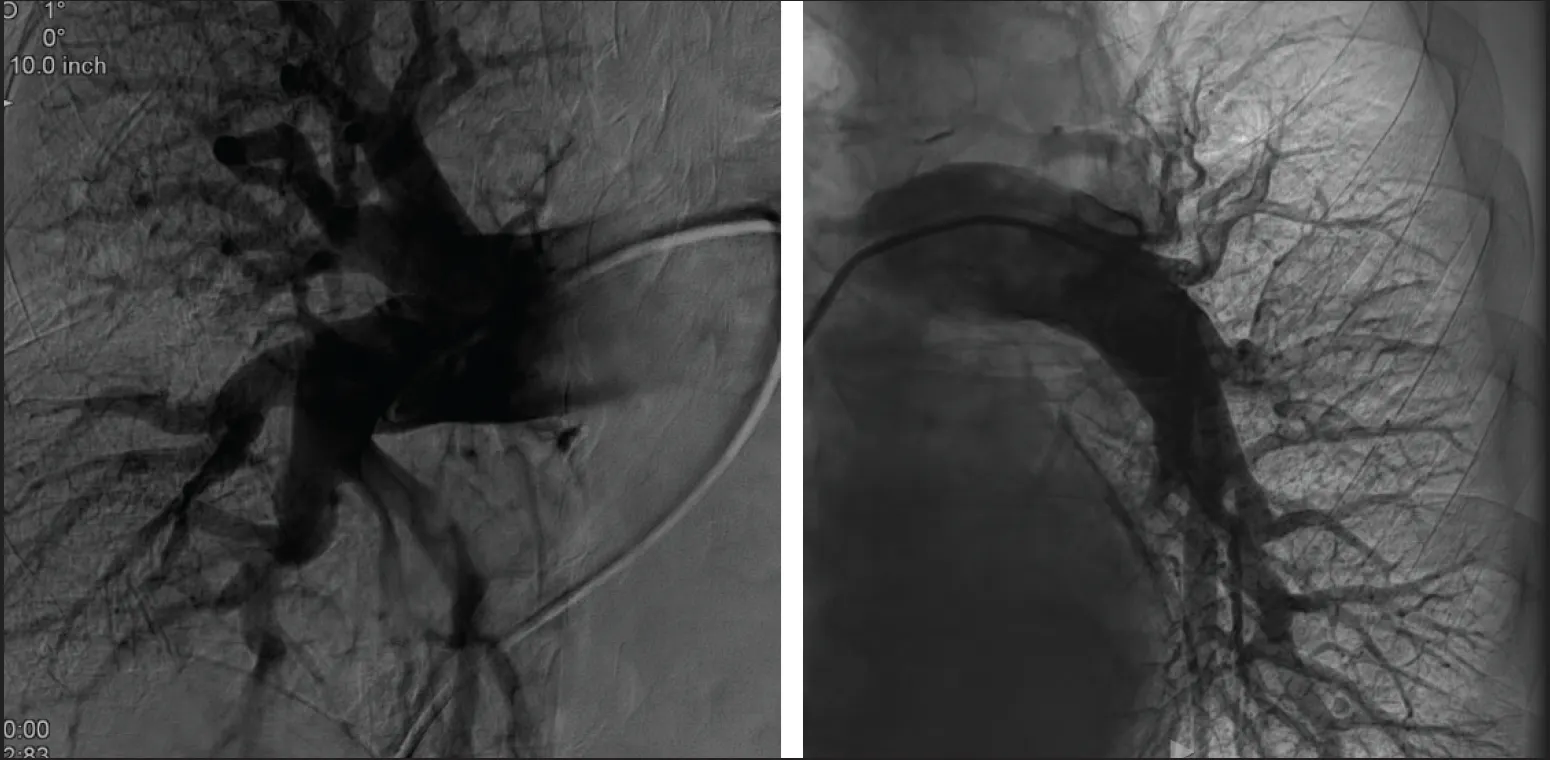
Figure 5. Final pulmonary angiograms.
Total procedure time was 35 minutes and all aspirated blood was returned. Postprocedural hemodynamic measurements showed improvement, with PA pressures decreasing to 54/26 mm Hg (mean 36 mm Hg), mixed venous oxygen saturation increasing to 60%, and cardiac index improving to 2.0 L/min/m2. Upon leaving the catheterization laboratory, the patient was weaned down to room air. The patient was discharged from the hospital the next day.
Case Discussion
The AlphaVac F1885 device is distinguished by its ability to navigate the PAs without a guidewire after initial sheath placement, allowing operators to move the cannula freely without repeated wire exchanges. This feature has the potential to improve procedural efficiency and maintain continuity when performing sequential thrombectomy across proximal and distal segments, as well as between the right and left PAs. It also decreases the potential risk of distal wire injury secondary to the absence of wire placement during catheter manipulation. The ability to advance the cannula without a wire may also facilitate access to segmental and subsegmental branches, where thrombus engagement can be technically challenging. In addition, the system allows selection of discrete aspiration volumes (eg, 10 mL or 30 mL), which may enable a more controlled approach to thrombus removal and potentially limit unnecessary blood loss during initial passes while permitting escalation as needed. Collectively, these technical characteristics may contribute to a more streamlined workflow and warrant further evaluation regarding their impact on procedural safety and effectiveness.
NEED FOR BLOOD MANAGEMENT DURING PE THROMBECTOMY
Blood management is an increasingly important clinical consideration in endovascular treatment of acute PE, particularly as catheter-based thrombectomy is applied in hemodynamically compromised patients who frequently present with baseline anemia and receive periprocedural AC. Large-bore aspiration thrombectomy systems may contribute to clinically relevant blood loss through aspiration of blood, circuit priming, and discarded extracorporeal volume. Also, the association of bleeding and requirement for blood transfusion with increased mortality (and morbidity) has been well documented in multiple patient categories, including those at highest risk of PE as well as in patients after both vascular and cardiac procedures.4-7 With aspiration-based systems such as the AlphaVac system, blood loss is traditionally mitigated through controlled aspiration techniques using low-volume collection modes (eg, 10 mL and 30 mL), which aim to reduce unnecessary blood aspiration while maintaining effective thrombus extraction. Accordingly, contemporary blood management strategies should prioritize minimizing intraprocedural blood loss through optimized aspiration technique, system efficiency, and careful procedural planning.
However, in cases of large clot burden or burden that is wall adherent or otherwise refractory to immediate removal thus requiring repeated aspirations, clinically significant blood loss may still occur, increasing the likelihood of allogeneic transfusion. This is also of course the case in patients presenting with preexisting anemia. Although transfusion may be necessary in select scenarios, it carries well-described risks, including transfusion-related reactions, immunomodulation, volume overload, and significant resource utilization. As a result, there is growing interest in autologous blood reinfusion strategies to preserve circulating volume and reduce dependence on donor blood products.8-10 In this context, blood conservation is evolving from an adjunct consideration to a central component of procedural strategy in acute PE intervention.
The APEX-RETURN trial (NCT07280247) is a prospective, multicenter, single-arm investigational device study designed to evaluate the safety and effectiveness of the new AlphaReturn Blood Management System (AngioDynamics, Inc.) when used in conjunction with the AlphaVac F1885 system for the treatment of acute intermediate-risk PE. The study aims to assess whether aspirated blood collected during MT can be safely processed and reinfused to reduce reliance on allogeneic transfusion while maintaining procedural efficacy and safety outcomes. The trial plans to enroll 39 patients across multiple centers, with primary endpoints focused on device-related adverse events and technical success of autologous reinfusion, alongside secondary outcomes including major adverse events, procedural complications, RV function recovery, intensive care unit and hospital length of stay, and recurrence of PE within 30 days.11 This trial will also analyze the blood removed during aspiration with the thrombectomy device during the clinical treatment of PE and prepared by the system for reinfusion. It will then evaluate for evidence of hemolysis within the patient 48 hours after the procedure. By studying the integration of MT with a dedicated blood management system, APEX-RETURN seeks to address an ongoing knowledge gap in PE intervention—namely, evaluation of the safety and efficacy of an autologous blood return system to preserve circulating blood volume during large-bore aspiration procedures.
CONCLUSION
Catheter-based therapy for acute PE continues to evolve, with large-bore aspiration thrombectomy playing an expanding role in intermediate- and high-risk disease. As presented in this article’s case, the AlphaVac F1885 system is designed to enable rapid thrombus removal using controlled aspiration with low-volume collection modes (eg, 10 mL and 30 mL), which may help limit unnecessary blood loss while maintaining procedural efficiency. Nonetheless, blood management remains a key consideration in contemporary PE intervention. Although transfusion remains an option, its associated risks highlight the need for blood conservation strategies, including optimized aspiration techniques and emerging autologous reinfusion approaches. In this context, the APEX-RETURN trial represents an important step toward integrating dedicated blood management systems with MT to preserve circulating volume while maintaining effective reperfusion.
1. Writing Committee Members, Creager MA, Barnes GD, et al. 2026 AHA/ACC/ACCP/ACEP/CHEST/SCAI/SHM/SIR/SVM/SVN guideline for the evaluation and management of acute pulmonary embolism in adults: a report of the American College of Cardiology/American Heart Association Joint Committee on Clinical Practice Guidelines. Circulation. 2026;153:e977-e1051. doi: 10.1161/CIR.0000000000001415
2. Ultrasound-facilitated, catheter-directed, thrombolysis in intermediate-high risk pulmonary embolism (HI-PEITHO). Clinicaltrials.gov website. Accessed April 19, 2026. https://clinicaltrials.gov/study/NCT04790370
3. Ranade M, Foster MT 3rd, Brady PS, et al. Novel mechanical aspiration thrombectomy in patients with acute pulmonary embolism: results from the prospective APEX-AV trial. J Soc Cardiovasc Angiogr Interv. Published online December 27, 2024. doi: 10.1016/j.jscai.2024.102463
4. Blet A, McNeil JB, Josse J, et al. Association between in-ICU red blood cells transfusion and 1-year mortality in ICU survivors. Crit Care. 2022;26:307. doi: 10.1186/s13054-022-04171-1
5. Khorana AA, Francis CW, Blumberg N, et al. Blood transfusions, thrombosis, and mortality in hospitalized patients with cancer. Arch Intern Med. 2008;168:2377-2381. doi: 10.1001/archinte.168.21.2377
6. O’Keeffe SD, Davenport DL, Minion DJ, et al. Blood transfusion is associated with increased morbidity and mortality after lower extremity revascularization. J Vasc Surg. 2010;51:616-621.e6213. doi: 10.1016/j.jvs.2009.10.045
7. Doyle BJ, Rihal CS, Gastineau DA, Holmes DR Jr. Bleeding, blood transfusion, and increased mortality after percutaneous coronary intervention: implications for contemporary practice. J Am Coll Cardiol. 2009;53:2019-2027. doi: 10.1016/j.jacc.2008.12.073
8. Carson JL, Guyatt G, Heddle NM, et al. Clinical practice guidelines from the AABB: red blood cell transfusion thresholds and storage. JAMA. 2016;316:2025-2035. doi: 10.1001/jama.2016.9185
9. Waters JH. The future of blood management. Clin Lab Med. 2010;30:453-465. doi: 10.1016/j.cll.2010.02.011
10. Shander A, Javidroozi M, Ozawa S, et al. What is really dangerous: anaemia or transfusion? Br J Anaesth. 2011;107(suppl 1):i41-i59. doi: 10.1093/bja/aer350
11. Acute pulmonary embolism treatment with the AlphaVac multipurpose mechanical aspiration system and the AlphaReturn blood management system: evaluation of safety and effectiveness (APEX-Return). Clinicaltrials.gov website. Accessed April 19, 2026. https://clinicaltrials.gov/study/NCT07280247


Risk Information
The AlphaVac F1885 System
Indications for Use:
The F1885 Cannula is indicated for:
- the non-surgical removal of thrombi or emboli from venous vasculature.
- aspiration of contrast media and other fluids from venous vasculature.
The Cannula is intended for use in the venous system and for the treatment of pulmonary embolism.
The Handle is indicated as a vacuum source for the AlphaVac Multipurpose Mechanical Aspiration System.
Contraindications:
The following contraindications are applicable:
- The device is contraindicated in the removal of chronic firmly adherent intravascular material (e.g., atherosclerotic plaque, chronic pulmonary embolism).
- The device is contraindicated for use in the right heart during active cardiopulmonary resuscitation.
- The device is contraindicated for blood storage and infusion back into the patient.
© 2026 AngioDynamics, Inc.
APEX-RETURN is sponsored by AngioDynamics, Inc.
AlphaReturn Blood Management System:
Indications for Use: The AlphaReturn Blood Management System is indicated for use with the AlphaVac MMA System, to collect and filter the aspirated blood from the thrombectomy procedure, prior to returning the blood back to the patient.
Contraindications: Not intended for use without anticoagulation
Refer to Instructions for Use and/or User Manual provided with the product for complete Instructions, Warnings, Precautions, Potential Complications and Contraindications prior to use of the product. Rx ONLY or CAUTION: Federal law (USA) restricts this device to sale by or on the order of a physician.
The use of the AlphaReturn Blood Management System with the AlphaVac MMA System to collect and filter the aspirated blood from the thrombectomy procedure, prior to returning the blood back to the patient is an investigational device limited by United States law for investigational use only.
Advertisement
Advertisement