Advertisement
Advertisement
April 2022
Sponsored by Terumo Interventional Systems
Micro-Plug Technology and Technique: My Clinical Experience With the AZUR Vascular Plug
With Charles Martin, MD; Clara Sun, BS; J. Daniel Giardina, MD; and Paul Guzzetta, MD
The practice of embolotherapy continues to evolve with the availability of new devices and the increasing use of vascular plugs as a means of vascular occlusion. Often, the operator has the option of multiple types of embolic materials to deploy in a given situation. Vascular plugs have become a more attractive option given their increasing ease of deployment, ability to deploy using existing catheters, and durability. Furthermore, the potential for a solitary deployment of a plug for embolization is an increasingly attractive option in critically ill patients, tenuous sites of access, or in time-sensitive procedures.
Pulmonary arteriovenous malformations (PAVMs) are intrapulmonary shunts most often seen congenitally in patients with hereditary hemorrhagic telangiectasia (HHT). The clinical presentation can include hemoptysis, dyspnea, and epistaxis. Treatment involves embolization with either a coil, vascular plug, or both.1 Vascular plugs are argued to be preferred to other embolic devices due to their precise deployment, low risk of migration, and rapid occlusion. Even with these advantages, efforts are continuously made to improve the ergonomics and capabilities of plugs.
The Azur™ Vascular Plug (Terumo Interventional Systems) is the first arterial vascular plug approved for use in arteries up to 8 mm. It was recently approved by the FDA to reduce or block the rate of blood flow in the peripheral vasculature. It is made of a flexible nitinol braiding for conformability and an inner expanded polytetrafluoroethylene/polyethylene terephthalate composite membrane to assist with vessel occlusion.
The Azur plug comes in three sizes with corresponding target vessel ranges: 5 mm (2.5-4.5 mm), 8 mm (4.5-6.5 mm), and 10 mm (6.5-8 mm). It is recommended that the Azur plug be deployed through a catheter with an inner diameter of at least 0.027 inches and deliver it using a wire length of 175 cm. Furthermore, the plug can be fully repositioned to ensure its precise placement before detachment.
This article presents several cases of deployment of the Azur plug and its use in various anatomic locations.
–Charles Martin, MD
1. Chamarthy MR, Park H, Sutphin P, et al. Pulmonary arteriovenous malformations: endovascular therapy. Cardiovasc Diagn Ther. 2018;8:338-349. doi:10.21037/cdt.2017.12.08


PATIENT PRESENTATION
A woman in her mid-30s with a recent diagnosis of HHT presented to interventional radiology for a PAVM embolization. The patient had initially presented from an outside hospital after a recent syncopal episode, and a left lung PAVM was found incidentally on CT. A left-sided pulmonary angiogram demonstrated a left main pulmonary artery (PA) within normal limits in size, without evidence for focal stenosis, web, or thrombus.
COURSE OF TREATMENT
A left upper lobe anterior segment PAVM was identified, first with a 5-F, 100-cm C2 catheter, and then subsequently the subsegmental vessel was accessed with a PG Pro™ peripheral microcatheter (Terumo Interventional Systems). This microcatheter was advanced with the assistance of a 0.014-inch Synchro wire (Stryker) to the nidus of the AVM, after which a medium 8-mm Azur plug was successfully deployed (Figure 1).
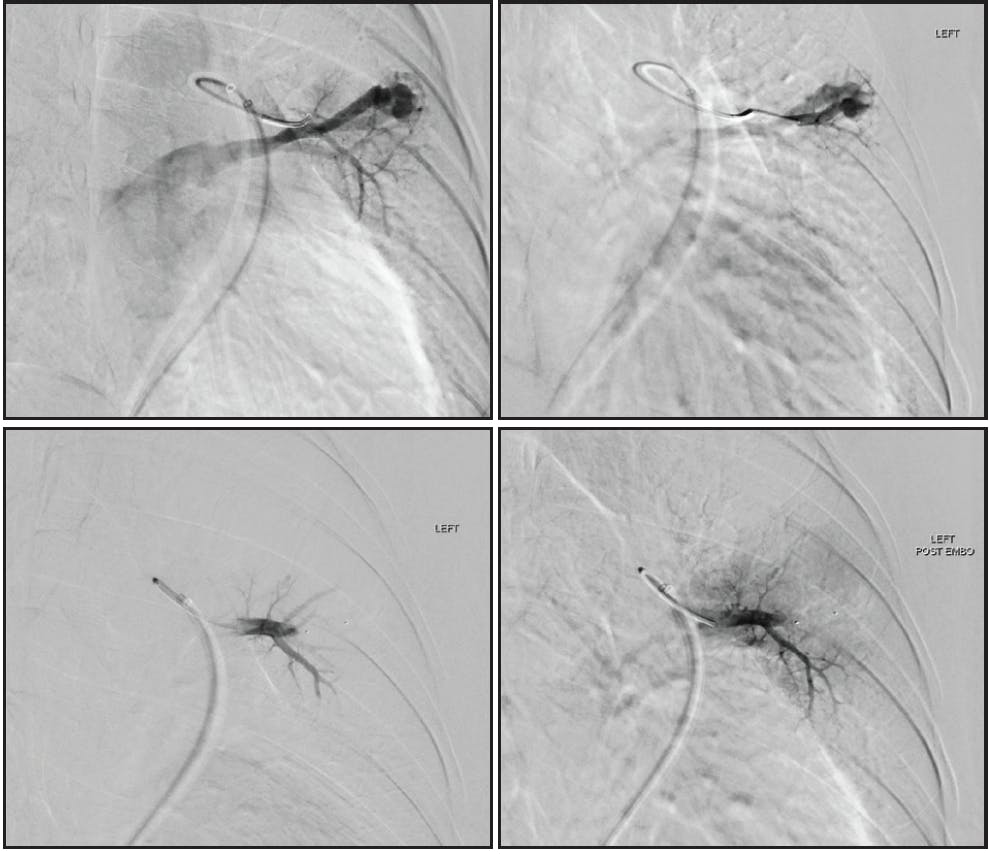
Figure 1. The Azur Vascular Plug for PAVM embolization.
RESULTS
The microcatheter was retracted after deployment, and a contrast injection with digital imaging was performed demonstrating no further flow to the PAVM. In a similar fashion, the microcatheter was removed, after which an additional contrast injection was performed through the base catheter, demonstrating no flow to the PAVM. Due to these findings, all catheters and wires were removed, and hemostasis was achieved with manual compression.
DISCUSSION
Our case demonstrates the ability of a single Azur plug to rapidly occlude a PAVM embolization without complication.

PATIENT PRESENTATION
A man in his late 20s without significant medical history presented to an outside hospital after an all-terrain vehicle accident in which he flipped the vehicle. Upon arrival to the outside hospital, he was hemodynamically stable with a Glasgow Coma Scale of 15 and in significant distress, with right shoulder tenderness, bilateral chest tenderness, left chest crepitus with bruising and abrasions, right scalp abrasions, and right face abrasions. CT demonstrated rib, clavicular, and scapular fractures; a small pneumothorax; a grade 3 liver laceration; and a grade 5 splenic laceration, including active contrast extravasation (Figure 1). He was airlifted to a tertiary care center for treatment, receiving 1 unit of packed red blood cells and 1 unit of platelets. Consultations to trauma surgery and interventional radiology were requested.
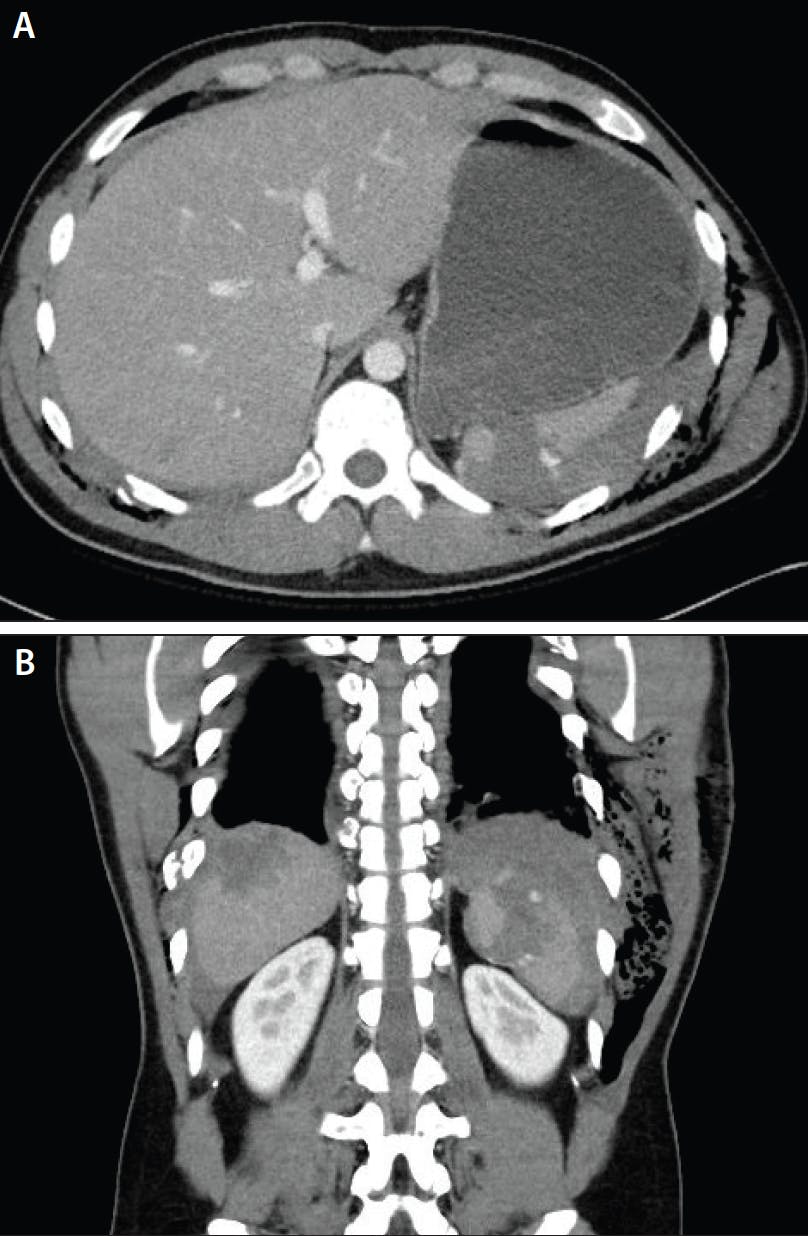
Figure 1. Axial (A) and coronal (B) CT demonstrated a grade 5 liver laceration with focal areas of pseudoaneurysm, contrast extravasation, and perisplenic hematoma.
COURSE OF TREATMENT
Celiac angiography demonstrated multifocal splenic arterial injuries, including the laceration and pseudoaneurysms. Due to the multifocal location and severity of the injuries, proximal splenic arterial embolization was favored as a method of treatment. In contemplating which embolic to employ, the need for quick and effective occlusion of the proximal vessel was prioritized. Consideration of the tortuosity of the proximal splenic artery further added to the equation on how to treat the target vessel.
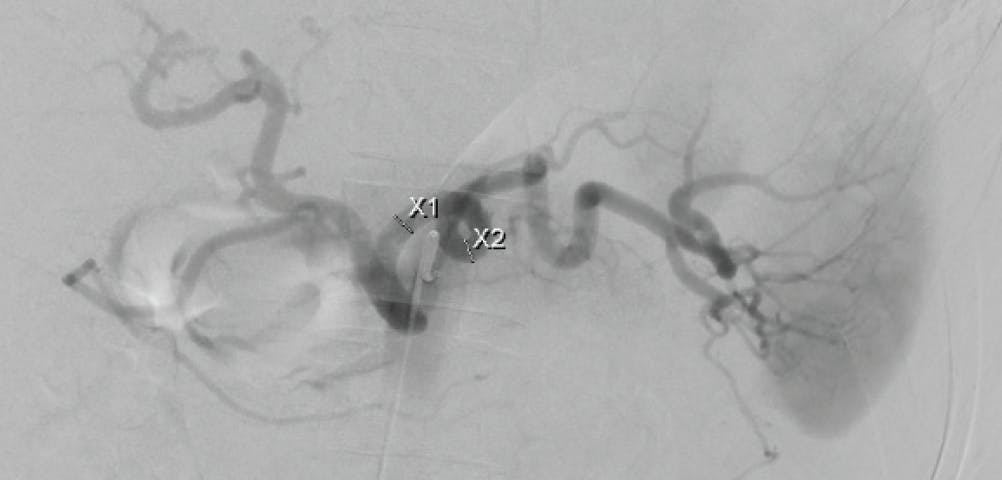
Figure 2. Early arterial phase celiac angiogram demonstrating the laceration as a perfusion defect. Calipers are present measuring the diameter of the proximal splenic artery for plug sizing.
Based on the imaging findings, the 8-mm Azur plug was selected because of the low-profile delivery system, in comparison to competing plug products, and the speed at which the operators felt it could be deployed. A 2.8-F PG Pro peripheral microcatheter was quickly placed in the proximal splenic artery. The Azur plug was unsheathed and deployed. Repeat angiography demonstrated occlusion of the proximal splenic artery, with perfusion to the spleen preserved via the pancreatic collaterals. Utilization of the indwelling 6-F femoral sheath and the 5-F base catheter with the 2.8-F microcatheter obviated the need for exchanging or upsizing the sheath or base catheter to deliver other competing devices. Furthermore, the use of a microcatheter afforded a rapid and easy way of catheterizing a tortuous target vessel rather than requiring a potentially time-consuming and challenging base catheter or sheath catheterization.
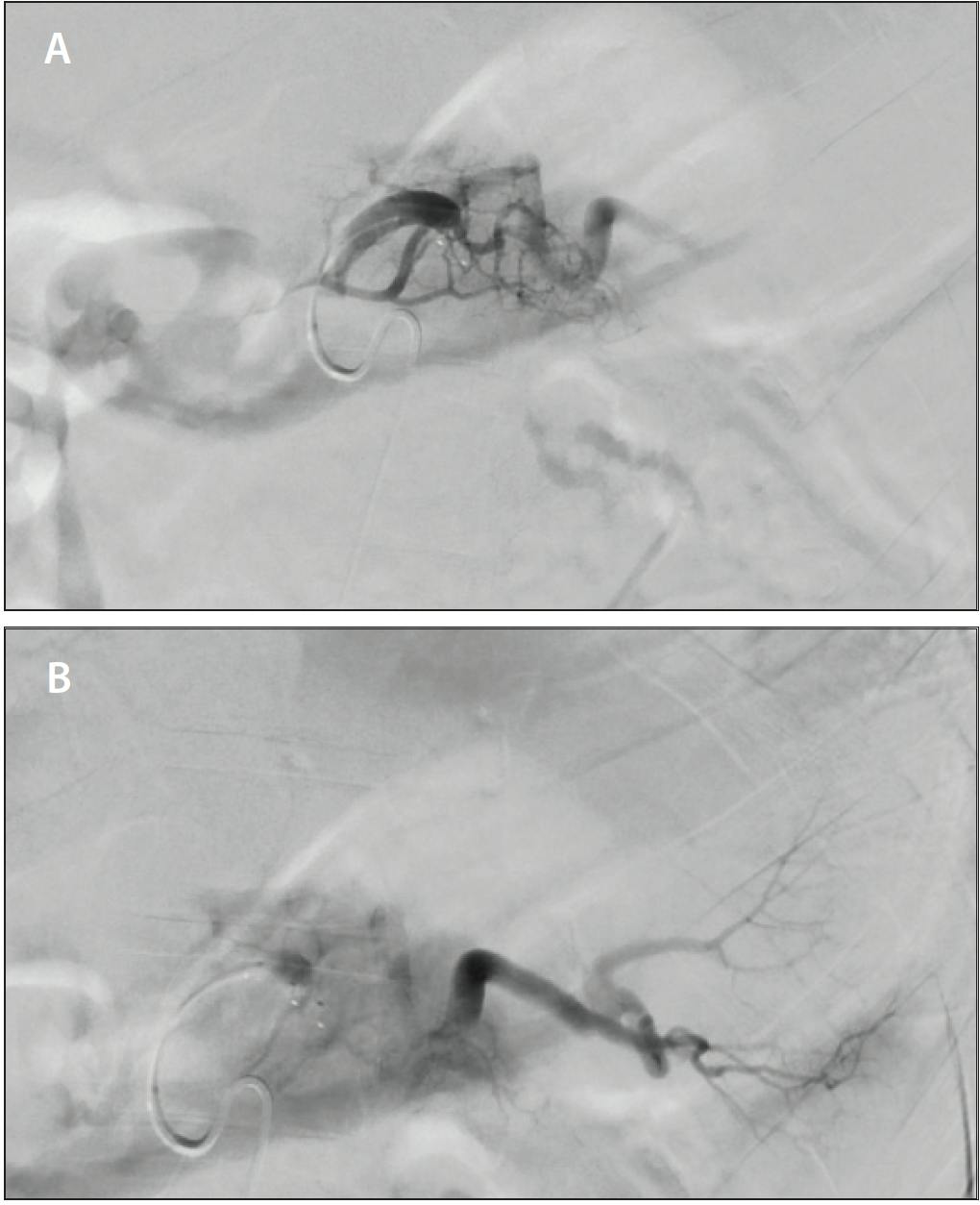
Figure 3. Early (A) and late-phase (B) splenic arteriography after proximal splenic artery embolization with the Azur Vascular Plug. Note the occlusion of the splenic artery by the plug in Panel A as well as the filling of the pancreatic collaterals and low-pressure perfusion of the splenic parenchyma in Panel B.
RESULTS
After the procedure, the patient remained hemodynamically stable without clinical concern for ongoing hemorrhage and underwent open repair of his multiple fractures, as well as chest tube placement and subsequent removal for treatment of an associated pneumothorax. He did not require further blood product transfusion. He was discharged from the hospital 13 days later.
DISCUSSION
In this case, the low profile of the necessary delivery catheters and the ease of the deployment system afforded timely and effective occlusion of the splenic artery. Being deployable through a microcatheter allowed a quick and facile catheterization of a tortuous vessel that would likely have been a time-consuming challenge for a base catheter or guiding sheath, the latter also requiring time-consuming exchanges. Furthermore, the detachable nature of the device allows the operator to re-sheath the device in the event the initial positioning is suboptimal. For cases in which rapid access and deployment of an embolic vascular device are needed, such as in trauma, the Azur Vascular Plug can prove a valuable tool. As with any embolic, attention to target vessel diameter and target location for deployment relative to adjacent collaterals (ie, origin of the dorsal pancreatic artery) are required. Appropriately sizing the vessel with adequate angiographic image acquisition in multiple obliquities allows for accurate measurement of the vessel that can then be evaluated for appropriateness relative to the plug size.
Overall, this case highlights the effective and timely use of a low-profile vascular plug in a case of trauma angiography. Further study of utilization and outcomes is in order, but early experience with this device is encouraging and suggests effective application in appropriately chosen trauma patients and beyond.

PATIENT PRESENTATION
A woman in her late 70s presented to the interventional radiology clinic with shortness of breath, fatigue, and mild cognitive impairment, described as “fuzziness around details” that had progressed over the past 5 years. Pertinent vital signs included a respiratory rate of 18 breaths per minute and baseline oxygen saturation of 89% on 3 L of oxygen. The patient had been diagnosed 10 years prior with PAVMs on CT. Recent CTA demonstrated six PAVMs with feeding vessels all measuring > 3 mm. The patient subsequently underwent subselective PA embolization in three different sessions, in which two lesions were treated in each session.
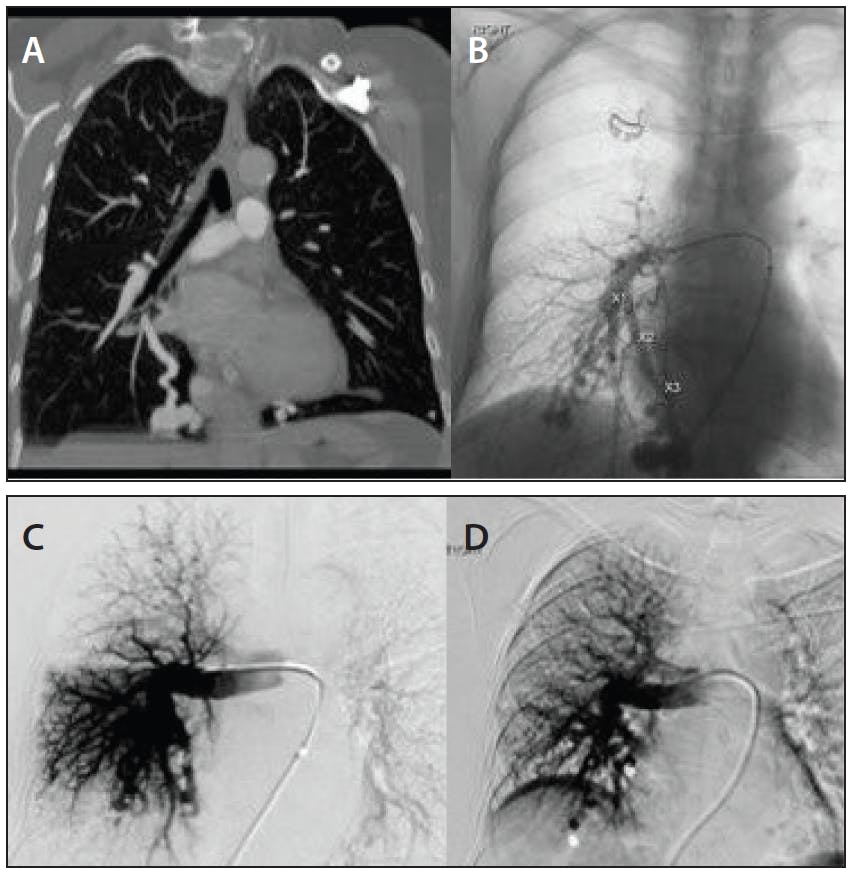
Figure 1. Preoperative CTA of the chest demonstrating multiple PAVMs (A). Initial right pulmonary angiography confirmed three right PAVMs (B). Immediate postembolization right pulmonary angiography with the mild residual flow of the medial PAVM (C). Right pulmonary angiography 3 weeks after initial coil embolization demonstrated complete occlusion of the previously treated two right PAVMs (D).
COURSE OF TREATMENT
From a femoral approach, a Rosen wire and pigtail catheter were used to select the main PA, over which a 7-F, 55-cm sheath was advanced into the distal main PA. A 5-F pigtail flush catheter was used for diagnostic pulmonary angiography.
Due to the difficulty accessing the feeding vessels, a 2.8-F PG Pro microcatheter was used to subselect the PA branch supplying each PAVM. Subselective angiography was performed to help determine the diameter of the feeding vessel. In modern practice, PAVMs have been treated with multiple detachable microcoils. Given the design of the new Azur Vascular Plugs, including increased flexibility through tortuous vessels and the ability to embolize up to 8-mm feeding vessels through a microcatheter, Azur Vascular Plugs were chosen as the primary embolic device.
Given the vessel diameters ranging from 3 to 8 mm, the small, medium, and large Azur Vascular Plugs (5, 8, and 10 mm in outer diameter, respectively) were used. The plugs were advanced into the feeding vessel through the microcatheter and were subsequently detached. After approximately 2 minutes, a single Nester embolization coil (Cook Medical) was placed proximal to each plug to ensure hemostasis. On delayed imaging, 3 minutes after each deployment, there was no significant residual flow within the PAVMs. The patient tolerated the procedures well without complication.
POSTPROCEDURE FOLLOW-UP
A CTA of the chest was performed 3 weeks after the final treatment, which revealed no filling of the treated PAVMs nor the treated feeding vessels. The patient returned to the clinic 1 month after the final treatment and was able to maintain an oxygen saturation of 96% when ambulating on room air. Her neurocognitive function also significantly improved secondary to improved oxygenation.
DISCUSSION
The Azur Vascular Plug is the first vascular plug able to treat arteries up to 8 mm through a microcatheter system, which was necessary in this case due to the length and tortuosity of the feeding vessels. The standard Azur detachment was performed without evidence of migration. The Nester coils were used to guarantee complete stasis of the feeding vessel because of the limited previous experience with usage of the Azur vascular plugs in the PA system by the primary operator.
Learn more about the AZUR™ Vascular Plug here.
Advertisement
Advertisement