Advertisement
Advertisement
February 2022
Sponsored by Penumbra, Inc.
Perspectives on PE Care Using Penumbra’s Indigo® System With Lightning® Intelligent Aspiration
Real-world case examples of Indigo® System Lightning® 12 Intelligent Aspiration for pulmonary embolism, plus insight into the science behind computer-aided mechanical aspiration and outlooks on PERT development in 2022.
With John M. Moriarty, MD, FSIR; Houman Tamaddon, MD; Leo Iliadis, MD; Corey L. Teigen, MD; Kenneth Rosenfield, MD, MHCDS; James F. Benenati, MD; and Suhail Dohad, MD
Removal of Thrombus From the Upper Lobes of a Bilateral PE

PATIENT HISTORY
A woman in her late 40s presented to the emergency department (ED) with acute dyspnea and chest pain. She had undergone craniotomy and resection of a benign meningioma 7 days previously and been discharged well to home on postoperative day 5. Initial evaluation revealed an elevated heart rate, elevated troponin, and brain natriuretic peptide. CTA was performed, which confirmed the clinically suspected pulmonary embolism (PE) and demonstrated bilateral large-volume pulmonary artery (PA) thrombus with extension into the upper lobes (Figure 1, Figure 2, and Figure 3). Transthoracic echocardiography also showed significant dilation of the RV with a positive McConnell’s sign. A subsequent Pulmonary Embolism Response Team (PERT) multidisciplinary conference risk stratified the patient as submassive high risk, with an elevated bleeding risk. Hence, a decision to manage the patient with therapeutic anticoagulation and aspiration thrombectomy with the Lightning® 12 (Penumbra, Inc.) was reached.
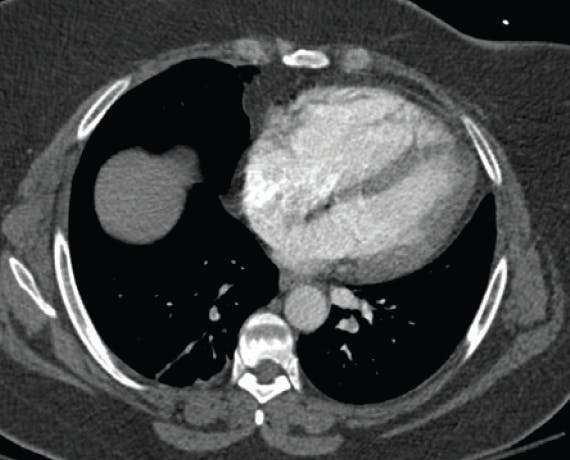
Figure 1. CTA showing a right ventricular/left ventricular (RV/LV) ratio > 1.
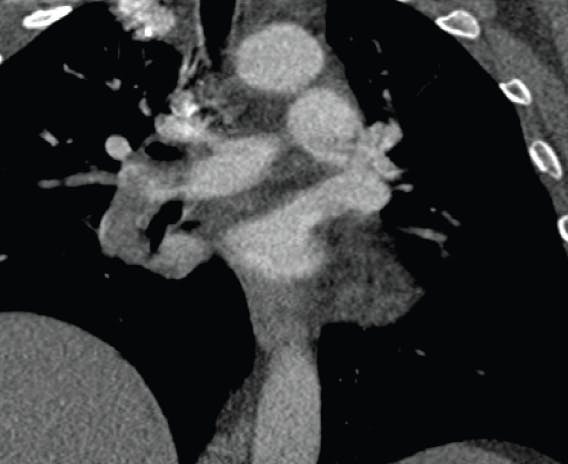
Figure 2. CTA showing bilateral PE.
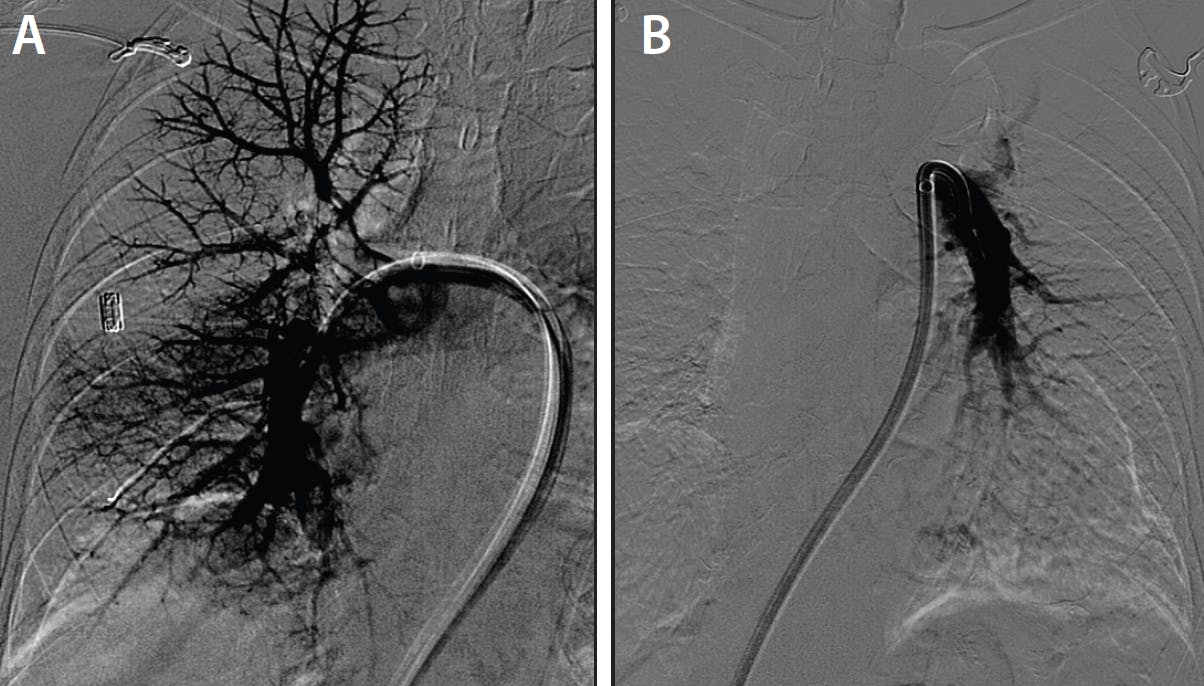
Figure 3. Angiograms showing thrombus in upper lobes of the right (A) and left (B) PA.
TREATMENT
The patient was transferred to the angiography suite where her right common femoral vein (CFV) was accessed under ultrasound guidance and a 14-F Cook Flexor sheath was placed. The right heart was crossed with an Arrow Balloon Wedge-Pressure catheter (Teleflex), and pulmonary angiography was performed through a 5-F pigtail catheter. An exchange was made for the Lightning 12 catheter, which was manipulated into the right upper lobe PA with aspiration of large volumes of fresh thrombus. The patient’s tachycardia immediately improved postthrombectomy with a decrease in heart rate from 130 to 90 bpm. The catheter was then manipulated to the left PA, and aspiration was performed in two left upper lobe PAs. The patient left the procedure with improved oxygen saturations and describing subjective improvement in dyspnea and chest pain.
DISCUSSION
Lightning 12 was used to clear out the thrombus in the right upper lobe and throughout the entire left PA. Final fluoroscopy revealed good flow to both the left and right lobes (Figure 4). Lightning 12 may be a good option for patients requiring relief from their PE symptoms.
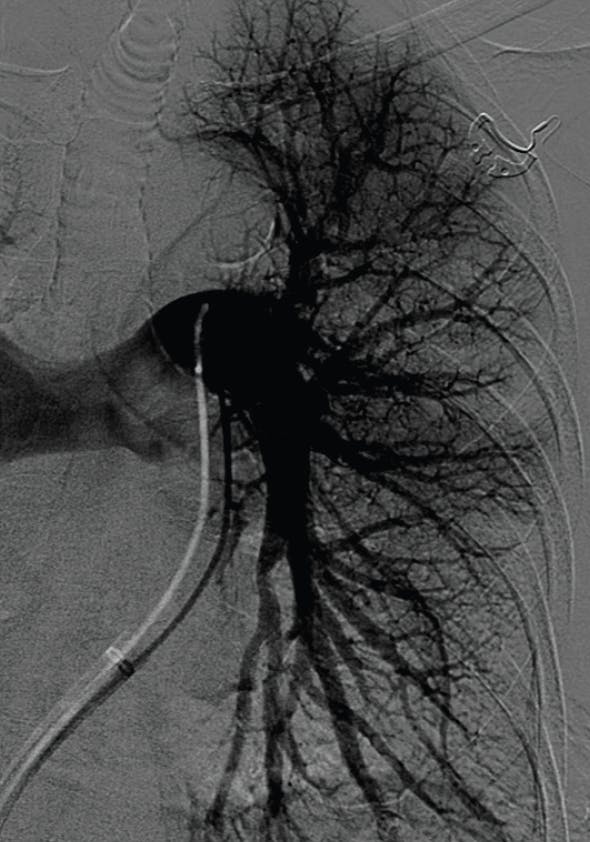
Figure 4. Angiogram showing complete flow restoration in the left PA.
Computer-Aided Aspiration in a Bilateral PE Patient

PATIENT HISTORY
A 44-year-old woman presented in the ED with shortness of breath and severe chest pain, with a history of thrombosis. Electrocardiography showed signs of acute cardiogenic shock with atrial flutter, and CT revealed a bilateral PE with thrombotic burden in the upper, mid, and lower branches (Figure 1 and Figure 2).
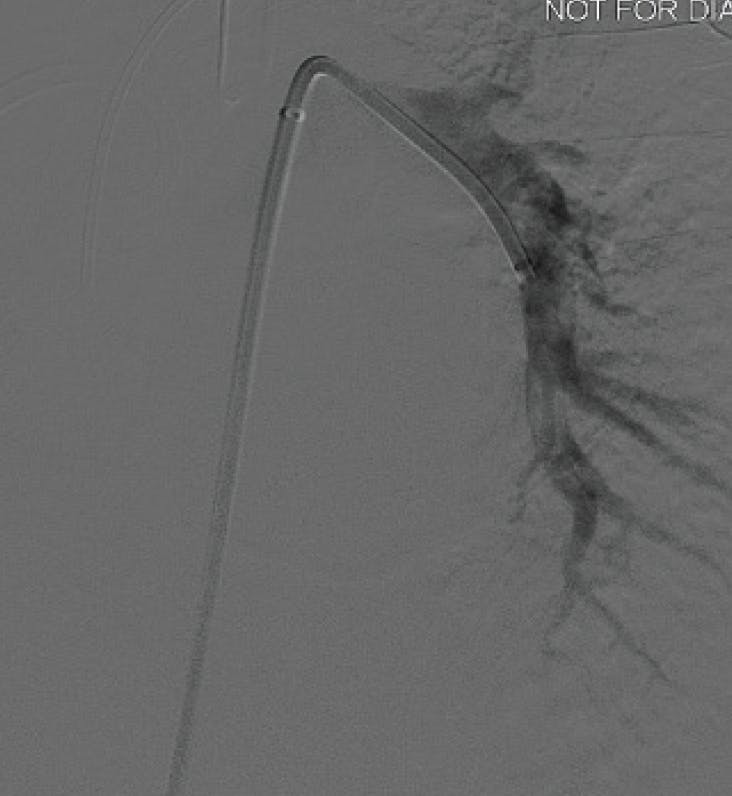
Figure 1. Thrombus in the distal branches of the left lung.
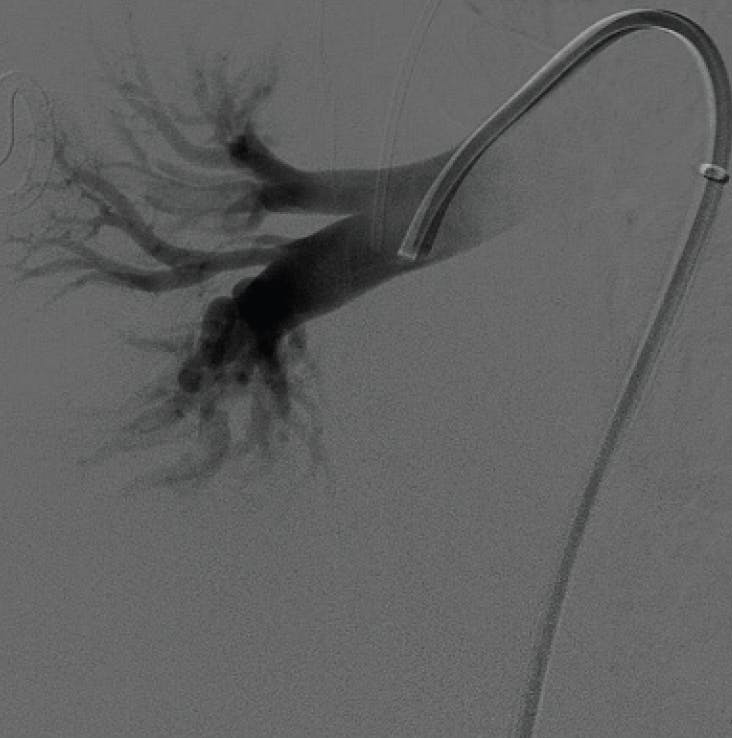
Figure 2. Thrombus in the right PA and distal branches.
TREATMENT
Given the pulmonary hypertension and our familiarity with using Lightning 12 to remove thrombus from the PA and left and right lobes, Penumbra’s computer-aided mechanical aspiration approach was decided on. After achieving ultrasound-guided access in the right femoral vein, an iliac and inferior vena cava (IVC) venogram was obtained before introducing the 12-F Cook Flexor 80-cm sheath into the PA. Lightning 12 aspirated the large, bilateral thrombus in the main PA. Once that was cleared, a Neuron Select™ catheter (Penumbra, Inc.) was used to obtain access to the distal branches, where thrombus was still present. From the start of aspiration to complete resolution of thrombus, the total device time with Lightning 12 was about 15 minutes, with a total procedure time of only 47 minutes (Figure 3 and Figure 4).
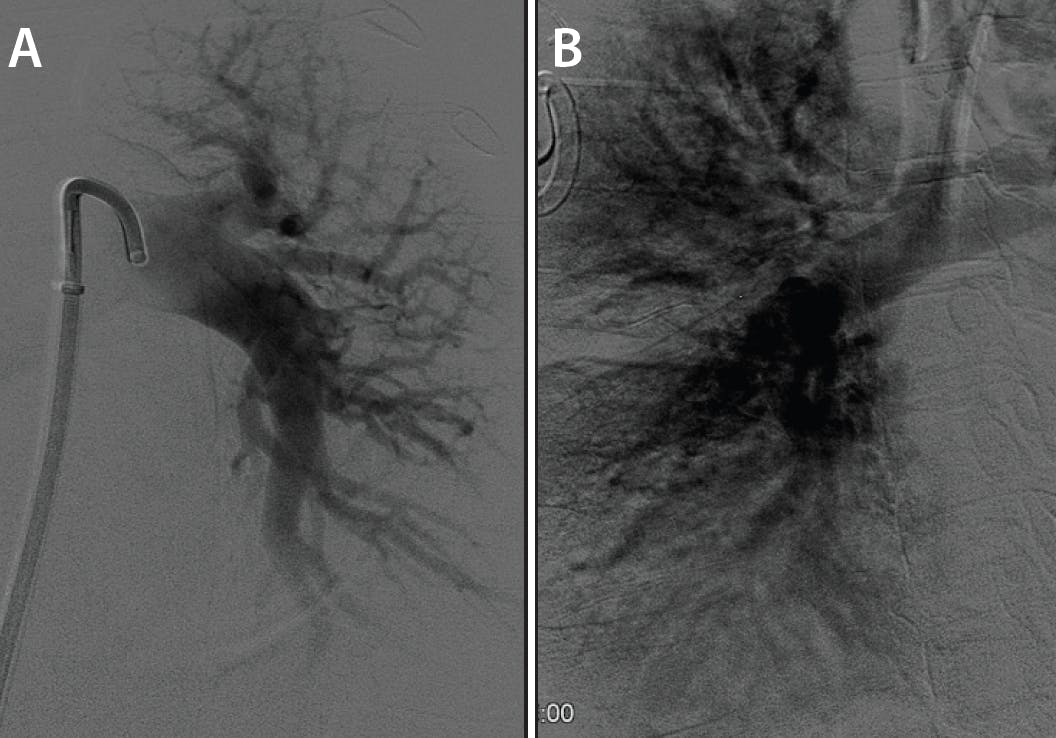
Figure 3. Restored flow to the left (A) and right (B) PA.
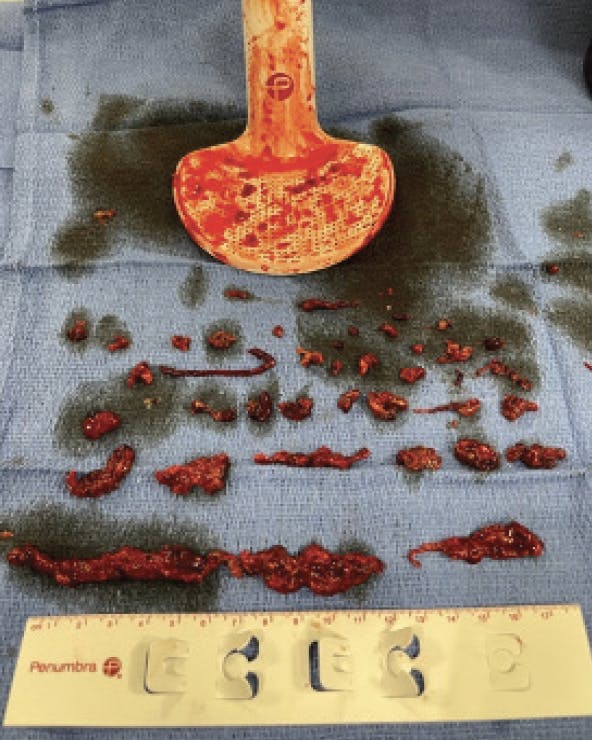
Figure 4. Clot removed from the procedure.
DISCUSSION
Lightning 12 is a good endovascular intervention tool for PE patients who show signs of decompensation with hypertension. For this patient, the PA pressure was reduced from 43 mm Hg to 32 mm Hg immediately after the procedure, and the patient was discharged 48 hours upon arriving to the hospital. It will be interesting to see the additional data evaluating the use of Lightning 12 in the PE space in Penumbra’s current study, STRIKE-PE.
PE Patient With Hypertension Treated With Lightning® 12

PATIENT HISTORY
A man in his late 50s with a history of thrombocytopenia and no prior cardiac or vascular events who recently underwent knee surgery was noted to have left knee and leg swelling during recovery. He became progressively short of breath over the next 2 days and presented to an outside hospital with an initial heart rate of 130 bpm and blood pressure of 90/60 mm Hg. Chest CTA showed a bilateral massive PE with evidence of heart strain. He was seen by critical care medicine, and based on his presentation, he was referred to Cooper University Hospital for escalation of care. Echocardiography revealed an RV/LV ratio of 1.2. Discussion of treatment options with the PERT included half-dose lysis, medical therapy, or catheter-based interventions. Based on his history of thrombocytopenia and prolonged time course before presentation, mechanical thrombectomy was recommended.
TREATMENT
Under ultrasound guidance, access to the right CFV was obtained, and a 7-F sheath was inserted. An IVC venogram was obtained, and no obvious clot was visualized. Using a 6-F angled pigtail catheter, right heart pressures were obtained, and selective pulmonary angiography was performed via manual injections. Right heart pressures at baseline were 59/12 mm Hg for the RV and 60/27 mm Hg for the PA (mean, 41 mm Hg). Selective angiography revealed large burden of PE involving the main and segmental branches of the right and left lungs (Figure 1 and Figure 2).
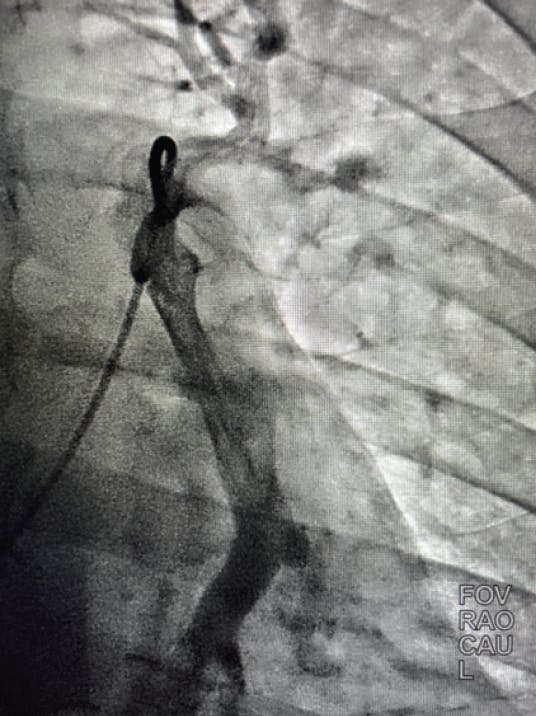
Figure 1. Preprocedural angiogram of the left lung.
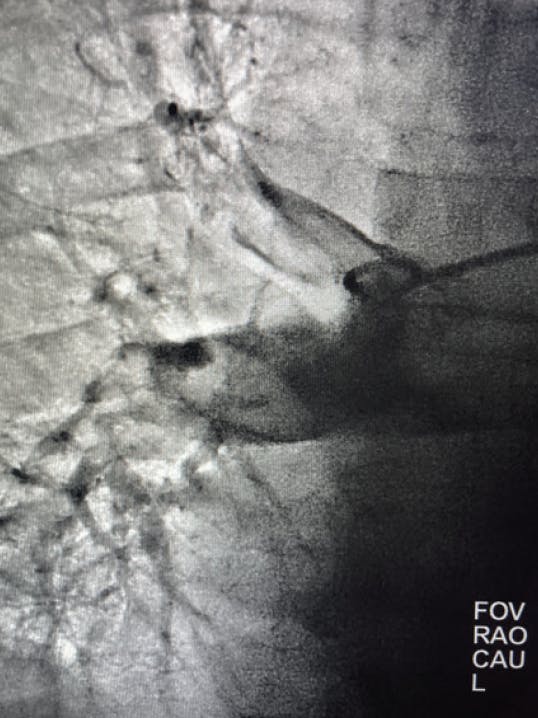
Figure 2. Preprocedural angiogram of the right lung.
After confirming locations, a 300-cm wire was advanced to the segmental branch to swap out for a larger 14-F sheath. A 115-cm Lightning 12 was advanced over the wire. The catheter was advanced into the thrombus with the Separator 12 (SEP12; Penumbra, Inc.). With further manipulation of the catheter and SEP12, thrombus was withdrawn (Figure 3). Lightning provided an audible alert when free flow was detected. Repeat selective angiography showed dramatic improvement in flow, and reduction of clot burden was seen (Figure 4). Repeat mean PA pressure was 29 mm Hg (down from 41 mm Hg) and heart rate reduced to 80 bpm. The patient was ambulating in 12 hours.
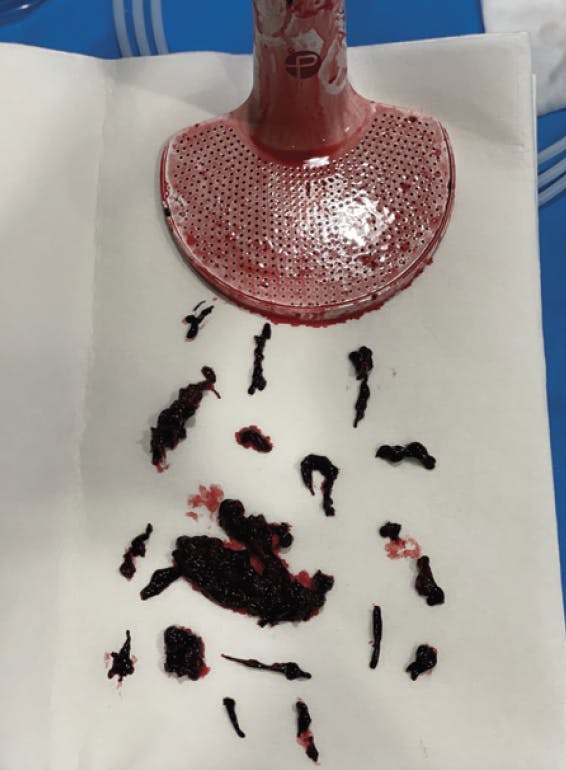
Figure 3. Clot removed.
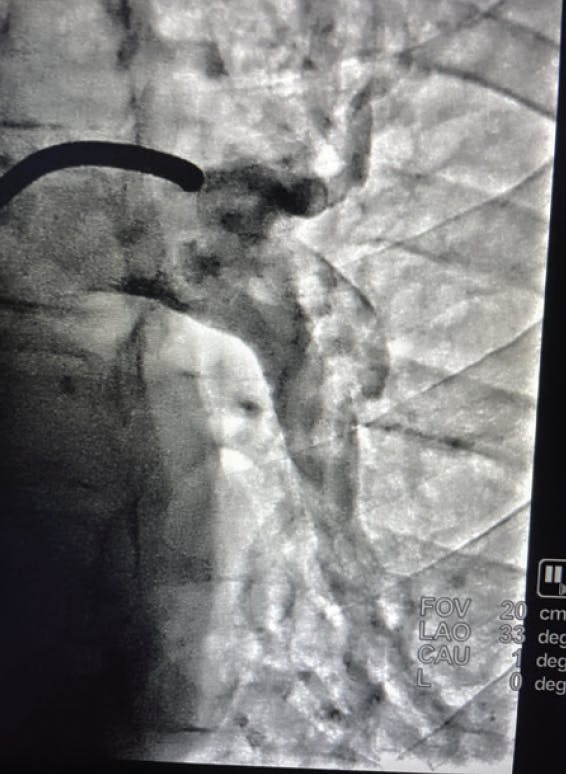
Figure 4. Postprocedural angiogram of the left lung.
DISCUSSION
This case illustrates several significant clinical points. The patient’s presentation and risk stratification by the ED and critical care physicians correctly identified the patient as potentially having a poor outcome from the submassive PE. Recognition of both the elevated PE severity index score and CTA evidence of RV dilation as high-risk markers of adverse outcomes prompted a conversation with members of the PERT for consideration of advanced therapies. This multidisciplinary team discussion recognized the patient’s high-risk status from a PE and bleeding standpoint. This risk-benefit balance warranted expert opinion and a treatment algorithm, including mechanical thrombectomy and advanced options.
Lightning’s computer-aided mechanical aspiration is attractive for potential reduction of pulmonary thrombus obstruction, reduction in mean PA pressure, and clinical improvements in heart rate and blood pressure. The logistical benefit of mechanical thrombectomy includes its “single-session” treatment approach and these associated clinical benefits throughout the case. Our interventional approach has been to make decisions regarding technology at the time of angiography. For proximal and main stem thrombus, mechanical thrombectomy in a single session has been used with much clinical and objective success (ie, improved mean PA pressure and RV/LV ratio).
A Technical Breakdown of Computer-Aided Mechanical Aspiration: The Science Behind Lightning Intelligent Aspiration

As of October 2021, peripheral thrombectomy procedures using the Indigo® System (Penumbra, Inc.) with Lightning Intelligent Aspiration have new, distinct, ICD-10-PCS (International Classification of Diseases, Procedure Coding System, 10th version) codes. Now described as “computer-aided mechanical aspiration,” the Lightning system is recognized by Centers for Medicare & Medicaid Services for its microprocessor and clot-detection algorithm. To better understand the differences between mechanical aspiration and computer-aided aspiration, Dr. Corey Teigen, Chief Science Officer at Penumbra Inc., explains the technology behind Lightning.
What is Lightning Intelligent Aspiration, and what are its uses?
Dr. Teigen: Lightning Intelligent Aspiration is a computer that interprocedurally differentiates between blood and thrombus by monitoring fluid characteristics through pressure differentials. When the system is in a patent blood vessel, the computer shuts the aspiration valve within milliseconds. The valve remains open (providing near-absolute vacuum) when thrombus is identified. The intelligent aspiration is designed to provide a reduction in blood loss, as well as assist the operator with clot location utilizing its proprietary clot detection algorithm.
The Indigo System with Lightning can be applied throughout the peripheral vasculature, including arterial, venous, and pulmonary vessels, and it is packaged with the latest-generation hypotube catheter design in a 12- or 7-F profile.
Can you speak more to the Penumbra ENGINE Pump that is used with Lightning? What aspiration power are you able to achieve with this device?
Dr. Teigen: The Penumbra ENGINE Pump is connected to the Lightning device and provides a sustained suction at −29 in Hg. Lightning’s automatic valve control has been shown to reduce blood loss. With previous generations of Indigo, the average operator recognized patent flow and turned off aspiration manually within a few seconds. Lightning’s computer-based monitoring responds within milliseconds, which is designed to manage blood loss.
How does −29 in Hg compare to the aspiration power of a traditional large-bore syringe?
Dr. Teigen: Once liquid or air enters a syringe, aspiration power drops quickly. Large-bore syringes can lose their suction within < 1 second. The ENGINE Pump provides a sustained suction of −29 in Hg while the system is in aspiration mode, which is designed to help reduce the risk of distal emboli.
How do I, as an operator, know whether the catheter is in clot or open blood flow?
Dr. Teigen: Lightning provides both audio and visual cues to communicate what is at the tip of the catheter. A flashing green light and audible “clicking” tells the operator that Lightning detects open blood flow and is sampling by rapidly closing the valve. When clicking has stopped, the system’s valve is open, and full aspiration power is transmitted to the catheter for clot removal.
Any advice you’d give to someone using Lightning Intelligent Aspiration in their practice?
Dr. Teigen: I believe operators need to learn to trust the technology. The best thing physicians can do is trust the device, use the system as indicated, move the catheter to the location of thrombus, and let the system do the rest.
Perspectives on Pulmonary Embolism Response Team Development in 2022



Pulmonary embolism (PE) continues to be a major cause of morbidity and mortality in the United States. Following heart attack and stroke, it is currently the third most common cause of cardiovascular death,1 and many institutions have begun forming Pulmonary Embolism Response Teams (PERT) to improve patient outcomes. We spoke with Dr. Kenneth Rosenfield, Board Member with the PERT Consortium™; Dr. James Benenati, Chief Medical Officer at Penumbra Inc.; and Dr. Suhail Dohad, interventional cardiologist at Cedars-Sinai’s Cardiology Medical Group on their experience developing a multidisciplinary PERT team, the resulting patient outcomes and expansion of care, and their thoughts on the future of PE treatment.
What was your center’s protocol for PE cases, and why was a PERT established at your site?
Dr. Rosenfield: We helped treat a 25-week pregnant woman who had been transferred from hospital to hospital for an early delivery and massive PE. Her story really shocked us and inspired an investigation into existing patient pathways and treatment protocols. The search revealed a lack of protocol and standardization of care, as well as an opportunity for improvement. This patient’s experience sparked the beginning of a PERT program at Massachusetts General Hospital and set the stage for the founding of the National PERT Consortium™ in early 2015.
Dr. Benenati: Since the 1990s, we treated PE with anticoagulants, catheter-directed thrombolysis, and mechanical devices as various technologies have developed. However, the entire field has suffered from insufficient data and, therefore, a lack of standardized best practices for these interventions. When the National PERT Consortium™ formed, there was an instantaneous interest. Previously, my site had operated through a quasiformal consultation of a few physicians who treated PE, but when we saw the published benefits that the National PERT Consortium™ shared—the ability to obtain and track data, improved accountability, increased educational protocols, and opportunities to expand care—we took action.
What steps were taken to build a PERT program at your institution? Who was included/excluded in the process, and why?
Dr. Dohad: When the PERT Consortium™ began, we knew that Cedars-Sinai also wanted to be on the forefront of PE management. Meetings were held to gauge interest in a PERT program, including talks with pulmonary medicine, ED medicine, critical care teams, CT surgery, interventional radiology, and cardiology.
Special attention was paid to those already managing PE cases. We designed our PERT program intentionally to act as consultants, and we take care that the primary treating physician is the principal point of contact for all PERT consultations.
What hurdles did your team encounter when developing a PERT program?
Dr. Dohad: PERT programs are dependent on awareness and education, and therefore they go beyond risk stratification and direct treatment algorithms. Improving awareness and collaborating with administrative teams to organize our call system and gain recognition as a formal committee helped build out the PERT at our site. Now that those foundations have been built, we can productively participate in large trials to gain long-term data on procedural outcomes and complications.
Dr. Benenati: There was the concern of additional call hours, and many were fearful their quality of life would deteriorate with the addition of the program. Despite the PERT program increasing the volume of PE cases we treated, at no point did PERT call become burdensome. We managed to streamline cases and only activate the entire team in rare circumstances. As more data and guidelines are published, I believe these programs will become even more agile.
Dr. Rosenfield: When we began investigating PE treatment, we found that a large number of patients were not being adequately anticoagulated within the first 24 hours. Connecting quality assurance and treatment data for the larger medical community became a critical goal for the PERT Consortium™. As the Consortium grew, we were able to create an open database to gather quality assurance statistics across institutions. With increased membership, we are now able to publish our findings. One example is the recent publication out of the Cleveland Clinic in Cleveland, Ohio, that found a sustained reduction in mortality in the post-PERT group as compared with pre-PERT at 6 months (14% vs 24%; unadjusted hazard ratio, 0.57; relative risk reduction, 43%; P = .025).2 As more sites become members of the PERT Consortium™, we will continue to drive the field forward.
Do you have any recommendations for those seeking to establish a PERT?
Dr. Rosenfield: The PERT Consortium™ has completely changed the paradigm of care for PE, and that is remarkable when you think about where we were and how far we have come in a very short time. Together, we are raising the bar for PE treatment as we raise awareness, improve diagnosis, refine risk stratification, develop better novel treatment options, and enhance PE care. For those interested in joining or developing their own PERT, the PERT Partners program is designed to help organize and facilitate programs at new locations. We provide guidance to you and your hospital on how to customize your PERT for the best outcomes. PERT Partners will schedule regular meetings and connect you to mentors who have faced similar hurdles and built out successful programs. Membership in the PERT Consortium™ is not required but highly recommended.
How do you see the use of artificial intelligence (AI) impacting PE care?
Dr. Benenati: Individualized care for PE requires a vast amount of information that physicians must process. The use of app-based platforms such as RapidAI, an AI leader in stroke that is now working with Penumbra on their PE module, consolidates relevant information in a single location, designed for significant time savings for physicians. To be able to share this package of information with other PERT members can also rapidly build transparency and accountability in care. As we treat more patients, databases of these cases can be formed to streamline future care (eg, here is a 30-year-old with these risk factors, and here is how the last 300 patients with similar presentation were treated). Having AI in our PE treatment toolkit may help streamline care and help us provide better care.
1. Turetz M, Sideris AT, Friedman OA, et al. Epidemiology, pathophysiology, and natural history of pulmonary embolism. Semin Intervent Radiol. 2018;35:92-98. doi: 10.1055/s-0038-1642036
2. Wright C, Goldenberg I, Schleede S, et al. Effect of a multidisciplinary pulmonary embolism response team on patient mortality. Am J Cardiol. 2021;161:102-107. doi: 10.1016/j.amjcard.2021.08.066
Disclaimer: The opinions and clinical experiences presented herein are for informational purposes only. The results may not be predictive of all patients. Individual results may vary depending on a variety of patient-specific attributes.
Advertisement
Advertisement