Advertisement
Advertisement
February 2022
Sponsored by ICHOR Vascular Inc.
The ICHOR Reperfusion System for Clot Removal in Lower Extremity Vascular Disease
An elegant yet versatile “on-the-table” solution to treat a wide range of peripheral vascular occlusions.
By Timothy Blair, and Troy Long, MD
Arterial vascular occlusions are mainly caused by a progressive narrowing (atherosclerosis), blood clots (thrombus), or a harder, older clot from another part of the vascular system (embolic material). When blood flow becomes obstructed, the metabolic demands of the cells exceed the supply of nutrients, which leads to cell and tissue death.
Because peripheral artery disease (PAD) is more progressive than, for example, stroke, patients often wait until symptoms are near irreversible, which is a primary reason why amputations rates are so high—globally more than 200,000 amputations per year are related to PAD.1 Patient awareness of and education for PAD are growing across the physician societies and industry, which is leading to higher patient volumes and patients presenting in earlier stages of disease. With advanced education and better diagnostics comes the need for evolved techniques and technologies aimed at improving outcomes with simplified designs that address the economic issues. The costs to treat arterial occlusions have skyrocketed, but the tools and techniques over nearly 40 years have not shown significant improvements in outcomes.
Peripheral vascular occlusions are generally less studied relative to stroke or coronary disease. Yet, arterial and venous disease of the lower limbs affects more patients, has significant mortality rates, and has an enormous economic impact to our health care system.
THE CHALLENGES OF DVT
Deep vein thrombosis (DVT) is a medical condition that occurs when a blood clot forms in a deep vein, usually in the lower leg, thigh, or pelvis.2 It is estimated that more than 400,000 lower limbs are treated for DVT annually and are responsible for 60,000 to 100,000 deaths per year. Of the DVT patient population, 10% to 30% will die within 1 month of diagnosis and one-third of all people with DVT will have recurrence within 10 years. Obesity, inactivity, and smoking are major risk factors for DVT; however, pregnancy, childbirth, birth control, hormone replacement, and cancer diagnosis are also significant risk factors.3 Although treatment options for cancer patients prolong life, these patients unfortunately have a five- to sevenfold increased risk of developing venous thrombosis, which is the second most common cause of mortality for cancer patients.3
Key Features of the ICHOR Percutaneous Reperfusion System
- Non-drug therapy
- Non-surgical therapy
- Avoids blood loss
- Avoids distal embolization
- Avoids scarring or valve damage
- Does not require capital equipment
One-third to one-half of people who have a DVT will have long-term complications caused by the damage the clot does to the valves in the vein (postthrombotic syndrome [PTS]).2 People with PTS have symptoms such as swelling, pain, discoloration, and in severe cases, scaling or ulcers in the affected part of the body. In some cases, symptoms can be severe and disabling. DVT is a serious condition with potential deadly outcomes; however, it is equally important to understand the additional risks associated with damaged valves (from clot or mechanical intervention).
WHAT IS THE DEVELOPMENT STATUS?
ICHOR Vascular has received FDA 510(k) clearance for the inaugural ICHOR percutaneous reperfusion system, ideal for treating a wide range of arterial and venous occlusions and is currently in development of a pure solution for DVT. ICHOR expects to commercialize lower extremity solutions for arterial and venous occlusions above the knee and below the knee with the same device.
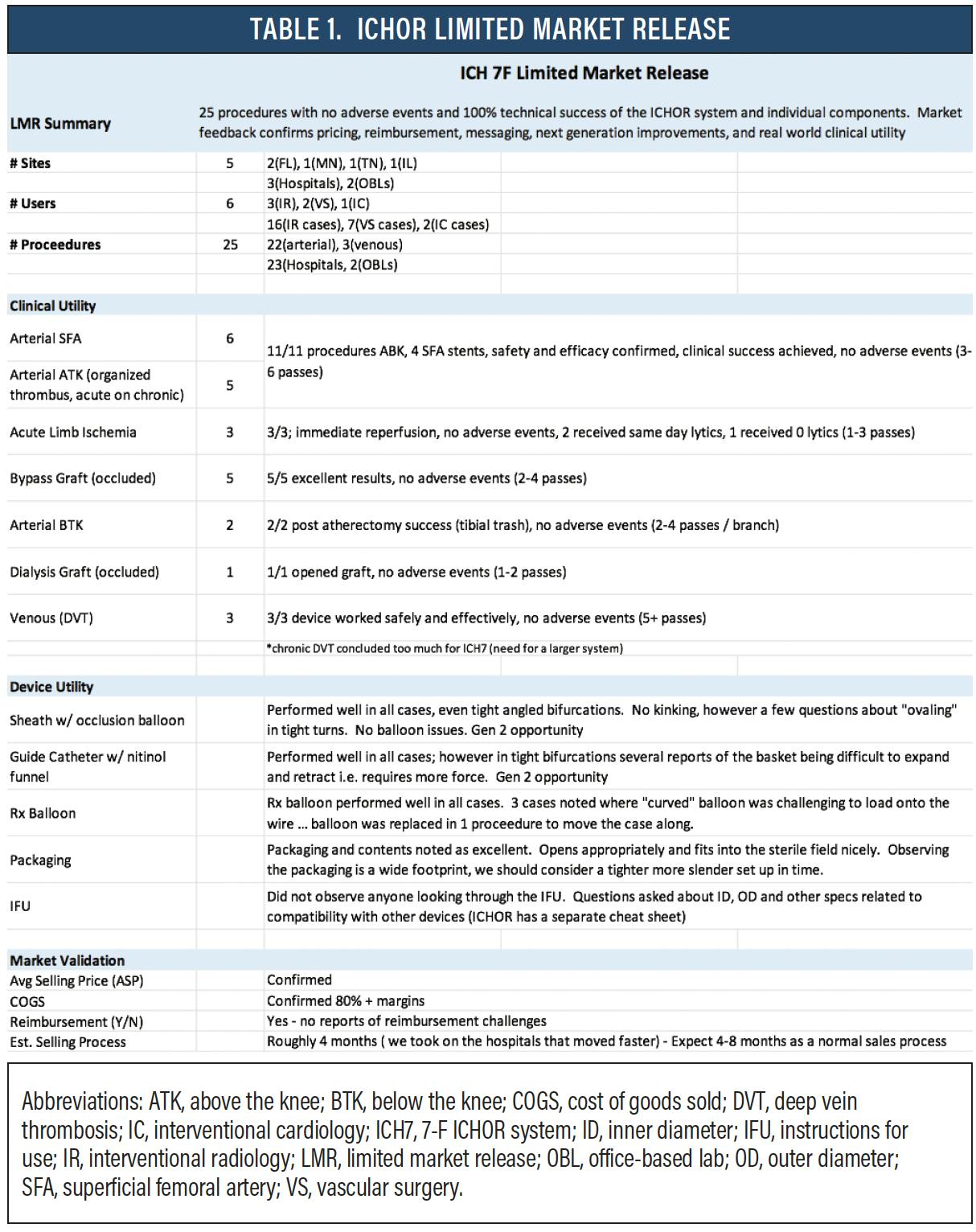
“Being a start-up clot management company with United States market clearance is a wonderful achievement; however, we were not financially ready for deep commercialization. We did however take the time to validate the broad, real-world clinical utility of the ICHOR first-generation solution across several sites, with several users, with varying skill sets and medical disciplines. Because ICHOR Vascular is friends and family backed, we were able to focus on the quality of procedures over quantity. This allowed us to initiate the limited market release to not only validate clinical utility, but to also run through hospital value analysis committees to equally validate the messaging and economic utility. We were able complete the 25 procedures with 100% technical success across a wide range of clot morphology and clot location while equally verifying the sales process, selling prices, and reimbursement. It’s fair to say we are proud of our performance and market feedback.” –Tim Blair, Chief Executive Officer
Awareness of DVT is a massive and ongoing discussion inside the vascular societies and medical device industry. Awareness campaigns and advanced education are driving earlier diagnoses, which is a driving factor for lower extremity volumes in a normal vascular practice.
At ICHOR Vascular, we want to make scientific contributions that improve outcomes and make a difference for patients. Specifically, our aim is to give vascular interventionalists versatile tools to treat a wide range of peripheral vascular occlusions while addressing the shortcomings of today’s drug, surgical, and mechanical treatment options.
ABOUT THE ICHOR SYSTEM
Surgical removal of peripheral vascular occlusions clinically works well and has for more than 40 years; however, the associated use of general anesthesia, potential surgical complications, and intensive care unit stays are significant clinical and economic drawbacks. The ICHOR percutaneous reperfusion system (ICHOR Vascular) is a percutaneous tool designed to replicate elements that work well in a surgical thrombectomy or embolectomy. The kit consists of a sheath, guide catheter with funnel, and Rx balloon elements, all packaged together for optimal results and compatibility. The patented sheath design controls and arrests blood flow while using a Fogarty technique to remove debris and occlusions from the peripheral vascular system. The device is optimal for reperfusion without the use of lytics or surgery, and free from vessel scarring, valve damage, and excessive blood loss (Video 1).
Video 1. Animation demonstrating the components, utility, procedural steps of the ICHOR 7F reperfusion system and 14F reperfusion system.
Many devices are one-dimensional in their mechanism of action and often require starting over to move to the second pass or exchange for another treatment modality. The ICHOR system is a unique tool capable of treating a wide range of peripheral vascular occlusions with multiple mechanisms of action while always maintaining sheath and wire access. Additionally, the system is versatile and compatible with stents and balloons used to treat underlying lesions, without having to start over. With the ICHOR system, interventionalists have a flexible, “on-the-table solution” to treat a broad spectrum of occlusions that is also simple, affordable, and effectively achieves reperfusion.
LIMITED MARKET RELEASE
ICHOR’s limited market release (LMR) consists of 25 real-world procedures utilizing the ICHOR system over approximately a 4-month span (Table 1). This was a deliberate plan to validate clinical utility, marketing messaging, and market feedback. Questionnaires, shaped as clinical report forms, and on-site observations are being used to capture key procedural data, device utility, usability, performance, and other market-worthy feedback to confirm ICHOR messaging is aligned with real-world clinical utility. The Case Study Sidebar describes the use of the ICHOR system in a patient with significant peripheral vascular occlusions in the tibial trunk.
LMR Objective
There are two main objectives to the LMR: (1) gain clinical feedback in a wide range of arterial and venous occlusions (eg, acute clot; acute-on-chronic, organized thrombus; embolic material; postatherectomy debris; occluded superficial femoral artery [SFA] stents; bypass grafts; venous thrombus); and (2) gain market feedback on the sales process, messaging, usability, pricing, and reimbursement.
LMR Summary
The LMR aims to show that the ICHOR system has:
- Broad clinical utility and technical success in acute limb ischemia, organized thrombus, embolic occlusions, occluded SFA stents and bypass grafts, and postatherectomy debris
- Clinical utility and technical success above and below the knee
- Clinical utility in lower extremity arterial and venous anatomy to safely and effectively aspirate, sweep, and, in some cases, snare vascular occlusions
- Technical success in venous anatomy—DVT occlusions will benefit from ICHOR’s larger 14-F system, which validates current development efforts
- No adverse events
CASE STUDY: TREATMENT OF SFA OCCLUSIONS WITH PRIMARY ATHERECTOMY AND FOLLOW ON ICHOR SYSTEM
A man in his early 50s presented with organized SFA occlusions causing leg pain and leg coldness. Pedal access also showed occlusions in the tibial trunk. The patient’s SFA was treated with an atherectomy device that was able to push through the occlusion and restore outflow of the SFA. However, atherectomy left a tremendous amount of debris in the anterior tibial (AT) and posterior tibial branches, completely and suddenly occluding flow. Figure 1, Figure 2, Figure 3, Figure 4, Figure 5, Figure 6, Figure 7, and Figure 8 provide a step-by-step overview of the procedure to achieve patency in this patient.
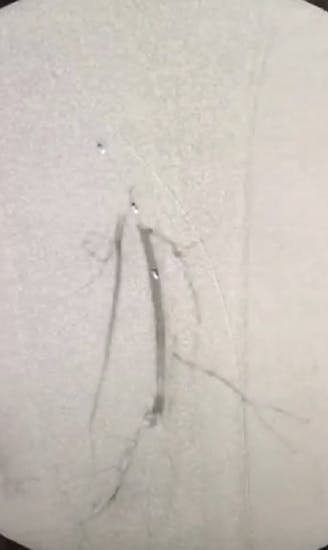
Figure 1. Complete and sudden occlusion postatherectomy.
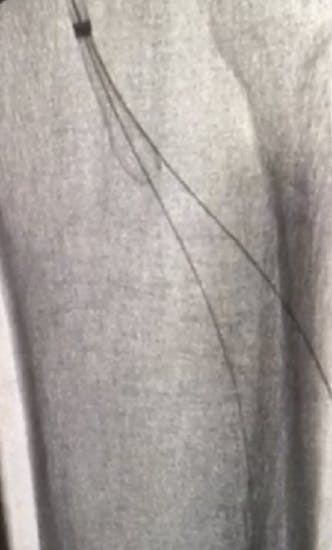
Figure 2. Flow arrested with the ICHOR occlusion sheath and 2- to 10-mm ICHOR basket deployment in the tibioperoneal (TP) trunk.
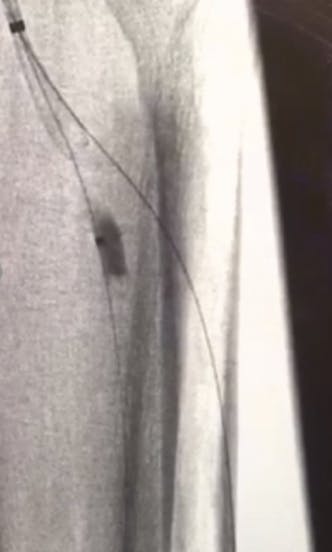
Figure 3. The .014 ICHOR Rx balloon crossed the occlusion and performed a TP sweep to the ICHOR basket (the balloon treats 2- to 10-mm vessels).
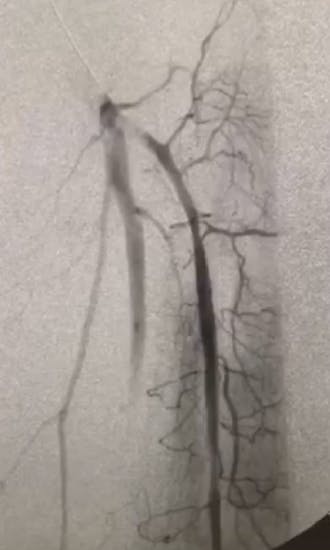
Figure 4. Single pass restoring flow in the TP; however, flow was still not completely restored.
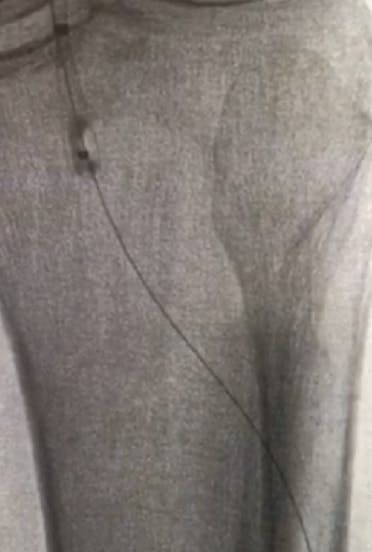
Figure 5. Second .014 ICHOR Rx balloon TP pass. The ICHOR Rx balloon pinning the thrombus and embolic chunk and removed everything through the 7-F ICHOR occlusion sheath.
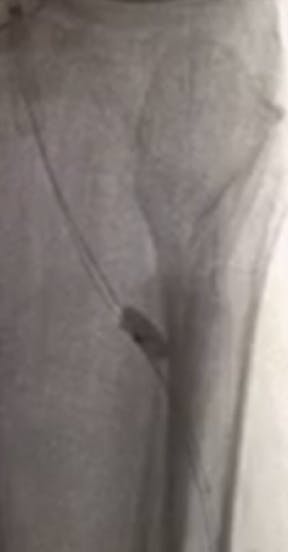
Figure 6. Repositioned the ICHOR basket for an AT sweep with the .014 ICHOR Rx balloon.
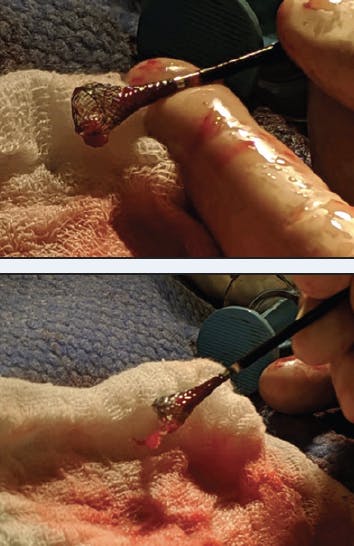
Figure 7. ICHOR removal of plaque, debris, and organized thrombus.
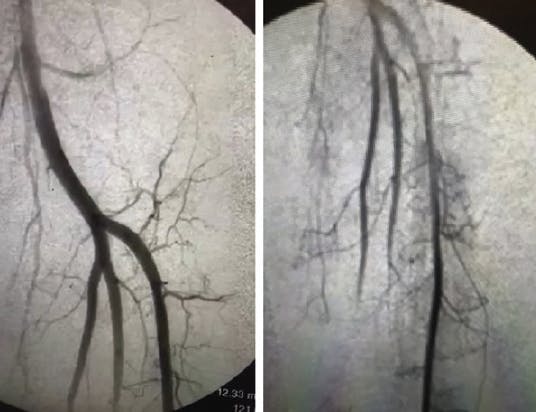
Figure 8. Postprocedure angiography shows complete reperfusion upon removal of significant vascular occlusions comprised of plaque, organized thrombus, and embolic material.
CONCLUSION
The ICHOR reperfusion system is a first-line therapy for most vascular occlusions. The system has many advantages over surgical, drug, and other mechanical mechanisms of action and subscribes to a “tools in toolbox” approach to treat vascular occlusions. There is so much variability in clot morphology, clot location, vessel size, and certainly major differences between arterial and venous flows. The ICHOR system is designed to handle this variability as a versatile solution that can aspirate, sweep, and snare. The primary mechanism of action of “sweeping” is tried and trusted to be effective in clot removal but also deemed safe from vessel inflammation, scarring, or potential valve damage. The system optimally controls flow to minimize blood loss, minimizes distal embolization, and avoids chasing clot.
1. Molina CS, Faulk J. Lower Extremity Amputation. In: StatPearls. Treasure Island (FL): StatPearls Publishing; 2021.
2. Centers for Disease Control and Prevention. What is venous thromboembolism? Accessed December 17, 2021. https://www.cdc.gov/ncbddd/dvt/facts.html
3. Beckman MG, Hooper WC, Critchley SE, Ortel TL. Venous thromboembolism: a public health concern. Am J Prev Med. 2010;38(4 Suppl):S495-S501. doi: 10.1016/j.amepre.2009.12.017


Advertisement
Advertisement