Advertisement
Advertisement
February 2022
Transvenous Interventions for Arteriovenous Malformations
Moderator Adnan Siddiqui, MD, poses questions to Felipe Albuquerque, MD; Vanessa Chalumeau, MD; and Rene Chapot, MD, about how they would approach a young patient presenting with intraventricular hemorrhage and an underlying arteriovenous malformation.




CASE PRESENTATION
A young man in his late teens presented with headache, nausea, and vomiting, followed by unresponsiveness. Glasgow Coma Scale was 8/15 with bilateral localization of upper extremities to noxious stimuli with greater movement on the right than the left. A ventriculostomy was placed and intracranial pressure was normalized (Figure 1).
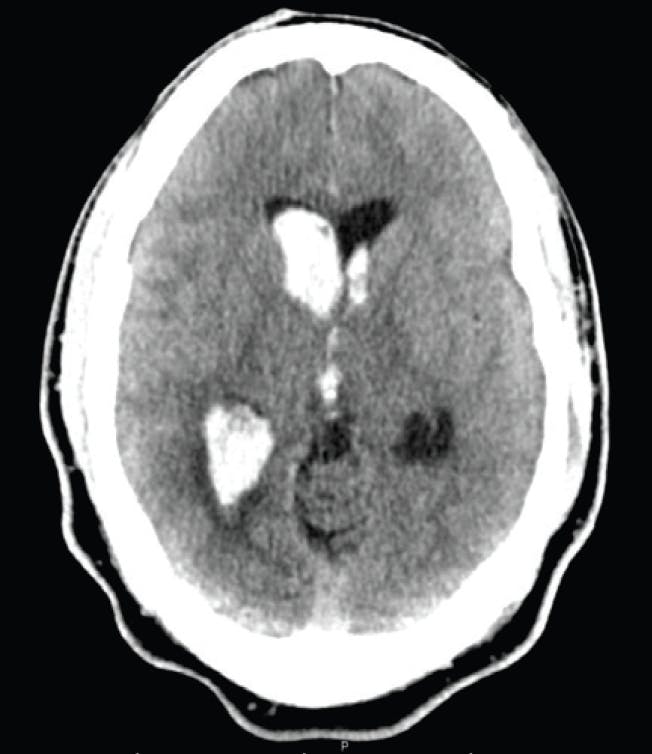
Figure 1. Plain CT head showing intraventricular hemorrhage.
Dr. Siddiqui: When would you perform angiography?
Dr. Albuquerque: I would favor urgent (within 24 hours of presentation) angiography with the intent to treat potentially a ruptured nidal or perinidal aneurysm. This is presuming the ventriculostomy is functional and the patient’s intracranial pressure is well-controlled.
Dr. Chalumeau: In this case, a young patient presents with an intraventricular hemorrhage and a high suspicion of an underlying arteriovenous malformation (AVM). At our institution, all patients admitted with intracranial hemorrhage not appreciated as an obvious hypertensive etiology are referred for cerebral angiography (digital subtraction angiography [DSA]) as early as possible, depending on clinical presentation (24-48 hours). Of course, in the case of an acute hydrocephalus, a shunt must first be placed, but DSA is generally pursued to further characterize the lesion and evaluate the most appropriate approach. It is important not only to confirm the existence of the AVM but also to identify any angioarchitectural features for an early rebleeding, such as an intranidal aneurysm or a pseudoaneurysm, that may prompt for embolization. Fused axial noncontrast CT images and three-dimensional rotational angiography can help detect the point of rupture with confidence. Performing initial angiography within the first 2 days of the acute bleed is generally the first step in the management of a ruptured AVM.
Dr. Chapot: In a young patient with an intraventricular hemorrhage, a vascular malformation is suspected. Conventional angiography should be performed rapidly to search for an AVM and potential flow-related aneurysm requiring treatment.
CASE CONTINUED
CTA on admission revealed a nidal presence in the right ambient cistern extending into the choroidal fissure and temporal and atrial segments of the lateral ventricle (Figure 2). On day 2, the neurologic examination remained unchanged. Angiography was performed 24 hours after ventriculostomy, which confirmed a nidus with arterial supply from the posterior lateral choroidal branches including en passant branches off the posterior cerebral artery (PCA) with a dominant posterior communicating artery (PCom) on the right and early drainage into tributaries draining into basal vein of Rosenthal and subsequently into the Galenic system (Figure 3 and Figure 4).
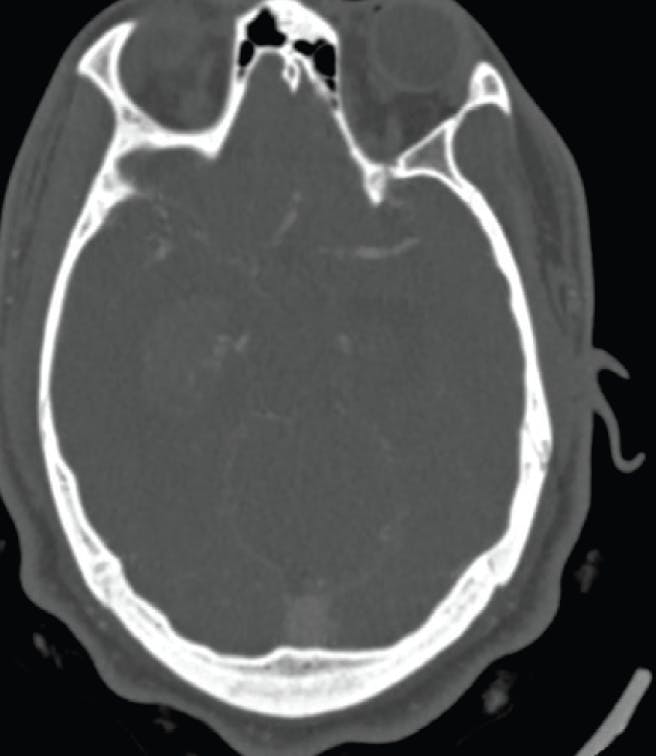
Figure 2. CTA on admission.
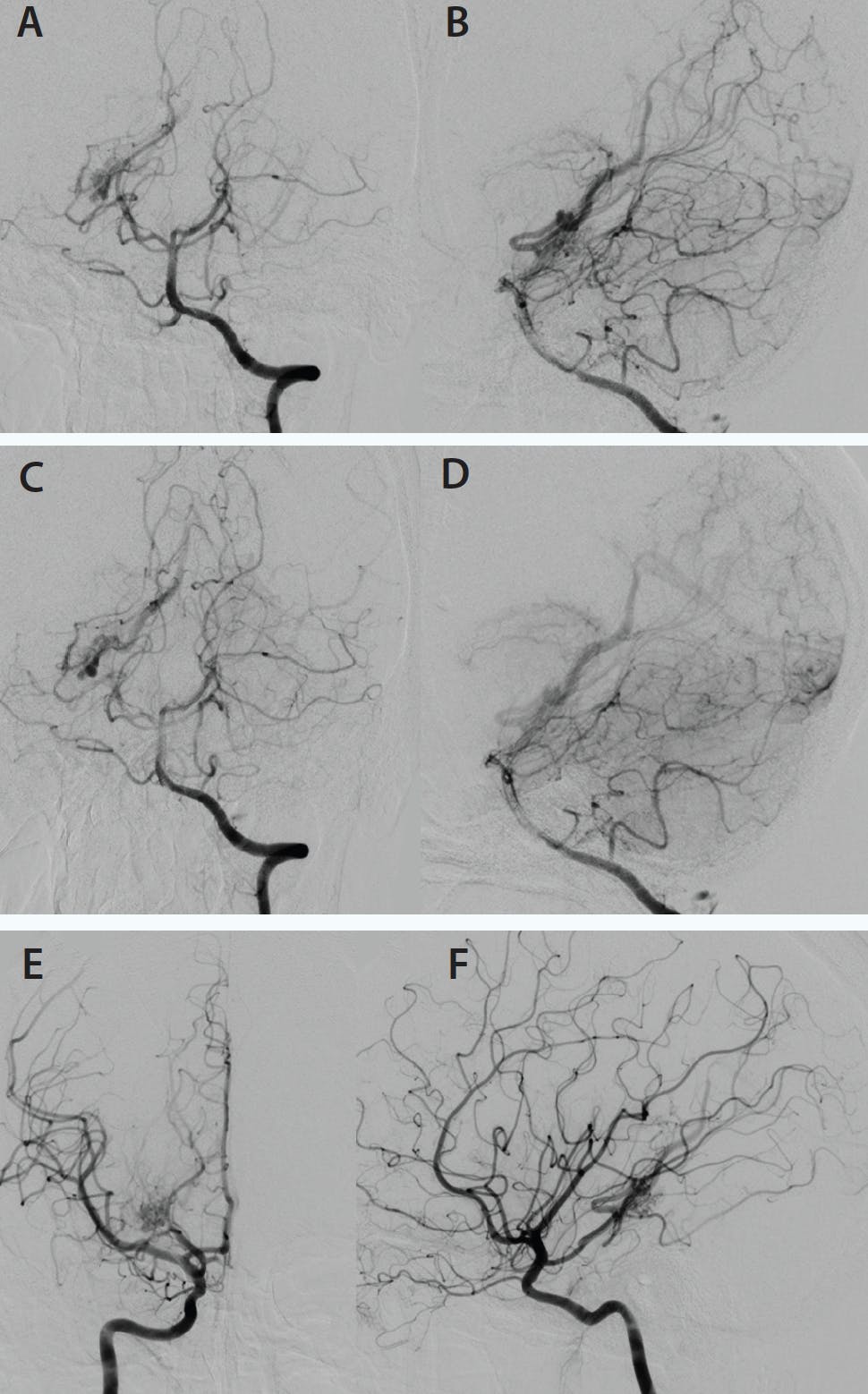
Figure 3. Angiography performed 24 hours after ventriculostomy confirming a nidus with arterial supply from the posterior lateral choroidal branches and early drainage into tributaries draining into the basal vein of Rosenthal and Galenic system (A-F).
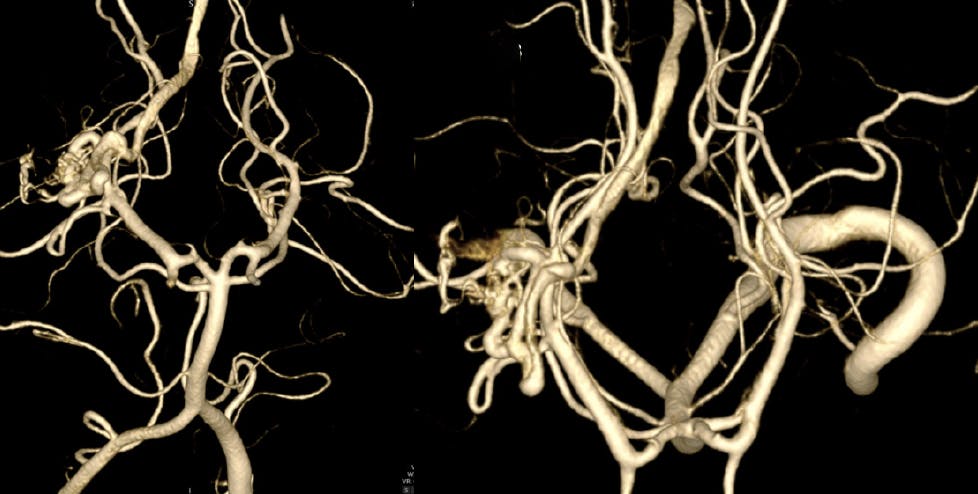
Figure 4. Three-dimensional images demonstrating angioarchitecture of lateral choroidal AVM.
Dr. Siddiqui: When and how would you treat this AVM? If endovascular approach is selected, with what materials would you perform transarterial embolization (TAE) and/or transvenous embolization (TVE)?
Dr. Chalumeau: The presented angiogram does not show any arterial or intranidal aneurysm that could explain the bleeding nor likely to cause an early rebleeding. More, the mass effect of the recent hematoma might limit the forward flow of the liquid embolic agent into some parts of the nidus that are compressed and hidden. At this point, I would stop and wait for the hematoma resorption.
Usually, we wait between 6 weeks to 3 months for the resorption of the hematoma, depending on the size of the bleed, we then perform a clinical evaluation, a control MRI and DSA, followed by a multidisciplinary meeting with the neurosurgeons to decide the best management.
With a small and compact nidus with one terminal feeding artery, it is reasonable to think that the complete occlusion of the nidus and vein could be achieved within a single session of TAE. In case of multiple feeders, from anterior choroidal artery or from en passage branches arising from proximal P2, I would perform a combined transarterial and transvenous approach to increase the chance of complete occlusion in a single session.
Superselective injections will identify the best arterial access but also visualize other unrevealed outflow from the nidus that discourage the use of TVE. At this point, all liquid embolic agents are valid options.
Dr. Chapot: The AVM is located in the internal temporal lobe extending to the ambiens cistern and is fed by en passant feeders. The chance for cure with TAE is low, and the risk of ischemia with occlusion of arteries to functional territories or by unintended reflux in the PCA is high. Partial reduction of the AVM may be attempted with an arterial approach. An alternative would be to start directly with TVE after placing a microcatheter selectively in the largest accessible arterial feeder for selective visualization of the AVM.
Dr. Albuquerque: I would favor angiographic exploration with the goal of performing TAE. My choice of liquid embolic would depend on the anatomy of the feeding arterial pedicle, specifically its tortuosity and proximity to the nidus. I prefer N-butyl cyanoacrylate (NBCA) if the arterial course is tortuous and I can get close to the nidus. I would use Onyx 18 (Medtronic) if I were further from the nidus and the arterial course was relatively straight.
CASE CONTINUED
The decision was made to perform TAE with access through the PCom to catheterize the posterior lateral choroidal artery using a 125-cm DAC (Stryker), 167-cm Headway Duo (MicroVention Terumo), and Synchro2 Soft guidewire (Stryker) (Figure 5 and Figure 6).
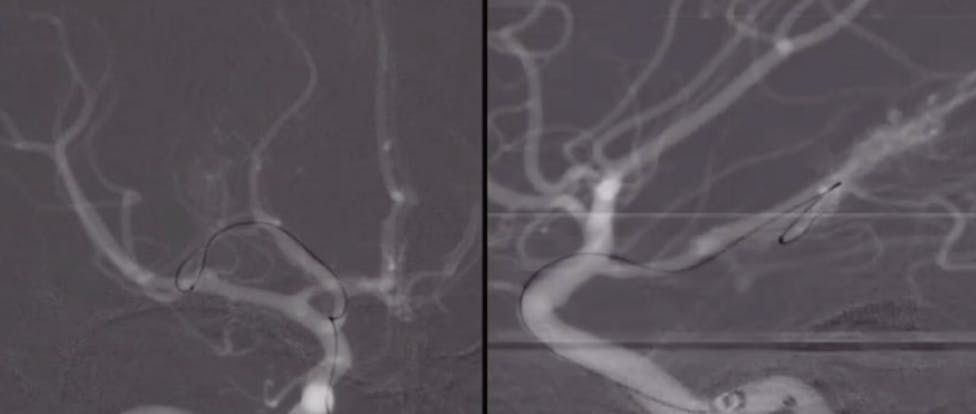
Figure 5. TAE through the PCom using a 125-cm DAC, 167-cm Headway Duo, and Synchro2 Soft guidewire.
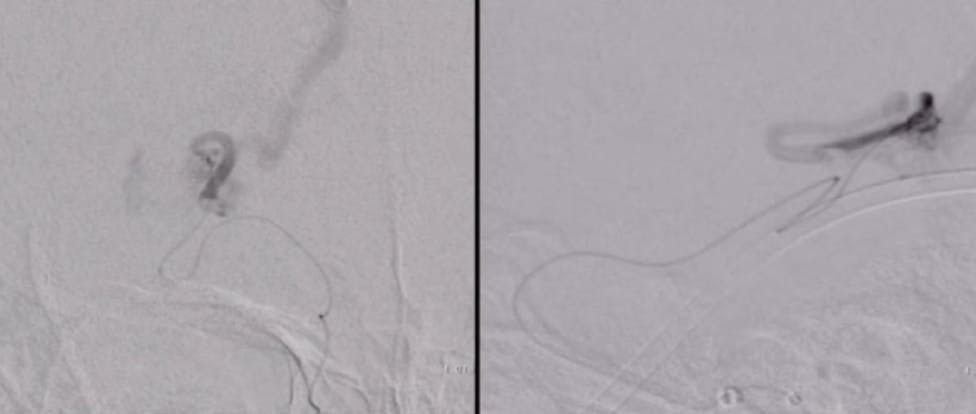
Figure 6. Arterial microcatheter contrast injection.
Dr. Albuquerque: Dr. Siddiqui, what was your rationale for embolizing through the PCom? I assume it’s because the trajectory from the PCom to the right P2 is straight and avoids the smaller and more tortuous P1 segment.
Dr. Siddiqui: Yes, I chose the PCom for access in this instance given its relatively larger size compared to P1 and a straighter trajectory.
Dr. Siddiqui: Would you embolize from here? If so, what agent would you use?
Dr. Chapot: TAE is a good option. In case of primary TVE, the injection through the microcatheter allows a selective roadmap of the vein. TAE with NBCA is possible but carries the risk of early occlusion of the vein without occlusion of the other arterial feeders. Phil (MicroVention Terumo) may also be used here, with less risk of migration. Onyx is a good option too, but the short length of possible reflux would require the use of an antireflux mechanism, such as the pressure cooker technique. This would require placement of a second microcatheter in this artery, which may be challenging but potentially possible with a Magic microcatheter (Balt).
Dr. Albuquerque: Yes, I would embolize. There do not appear to be normal or en passage vessels from this injection. Certainly, if it is feasible, it would be better to navigate even more proximally, but this position is fine. I would likely use NBCA, although Onyx would also be reasonable. My rationale is that I would not spend too much time building an Onyx plug. There really is not that much nidus and it does not appear to be a high-flow lesion. NBCA from this location would likely penetrate the nidus as effectively as Onyx without the need of building a potentially adherent plug along the proximal course of the catheter.
Dr. Chalumeau: This is an adequate position with the Headway Duo microcatheter; however, my primary choice would be the use of a detachable tip microcatheter, which allows for more arterial reflux into other proximal small branches that may arise from the main feeding artery. This would possibly achieve a complete AVM occlusion through a single pedicle injection, as well as minimize the risk of vessel traction injuries during microcatheter retrieval (see the loop of the microcatheter in the figure). Also, the detachable tip microcatheter comes in a range of lengths depending on how deep into the nidus you want to navigate. I would rather choose the first placement of the microcatheter distally to the feeding artery, deep inside the nidus, at the foot of the draining vein.
An ethylene vinyl alcohol–based embolic agent such as Onyx 18, Squid Peri 18 or 12 (Balt), and Phil could offer a good penetration into the nidus, with the advantage of a better control of the reflux with Onyx and a faster progression with low-viscosity Squid Peri and Phil.
CASE CONTINUED
Onyx was injected from this location and resulted in restricted nidal penetration. Flow was significantly decreased, but the veins remained patent (Figure 7). Postembolization angiograms showed delayed and slowed filling of the basal vein of Rosenthal through a smaller nidus (Figure 8). We believed the completion would require a second stage procedure under more controlled conditions.
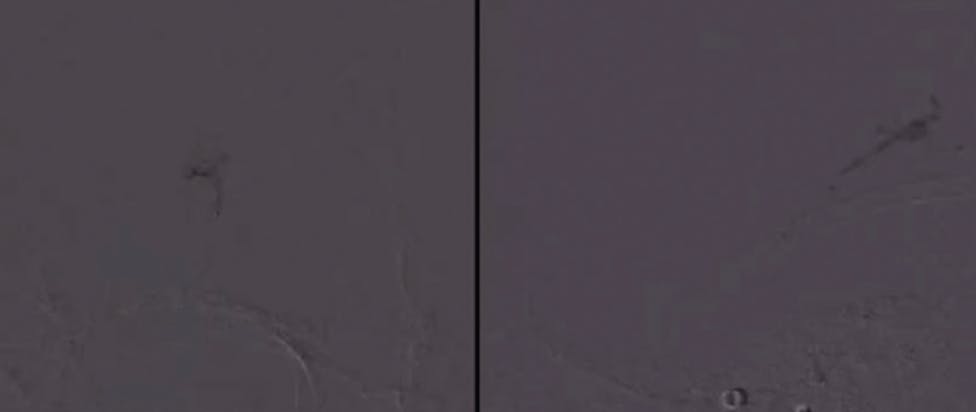
Figure 7. Injection of Onyx resulted in restricted nidal penetration. Flow was significantly decreased, but the veins remained patent.
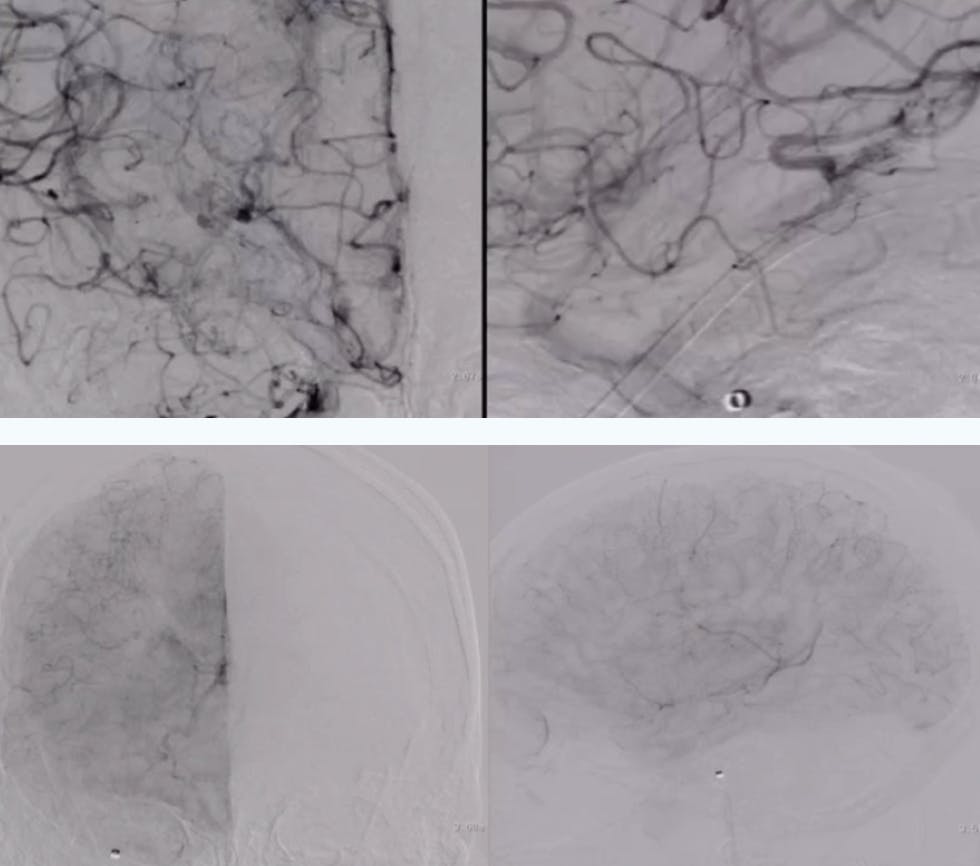
Figure 8. Postembolization injections.
After the procedure, the patient showed improvement and was extubated. He was awake, alert, and oriented to person, place, and time and was following commands. He had mild left hemiparesis (4/5 left upper extremity, 4/5 left lower extremity). Diffusion-weighted MRI showed a small posterior limb of internal capsule diffusion restriction signal suggestive of ischemia from either primary rupture or the embolization procedure. The remainder of restricted signal was artifactual from blood in the ventricle (Figure 9).
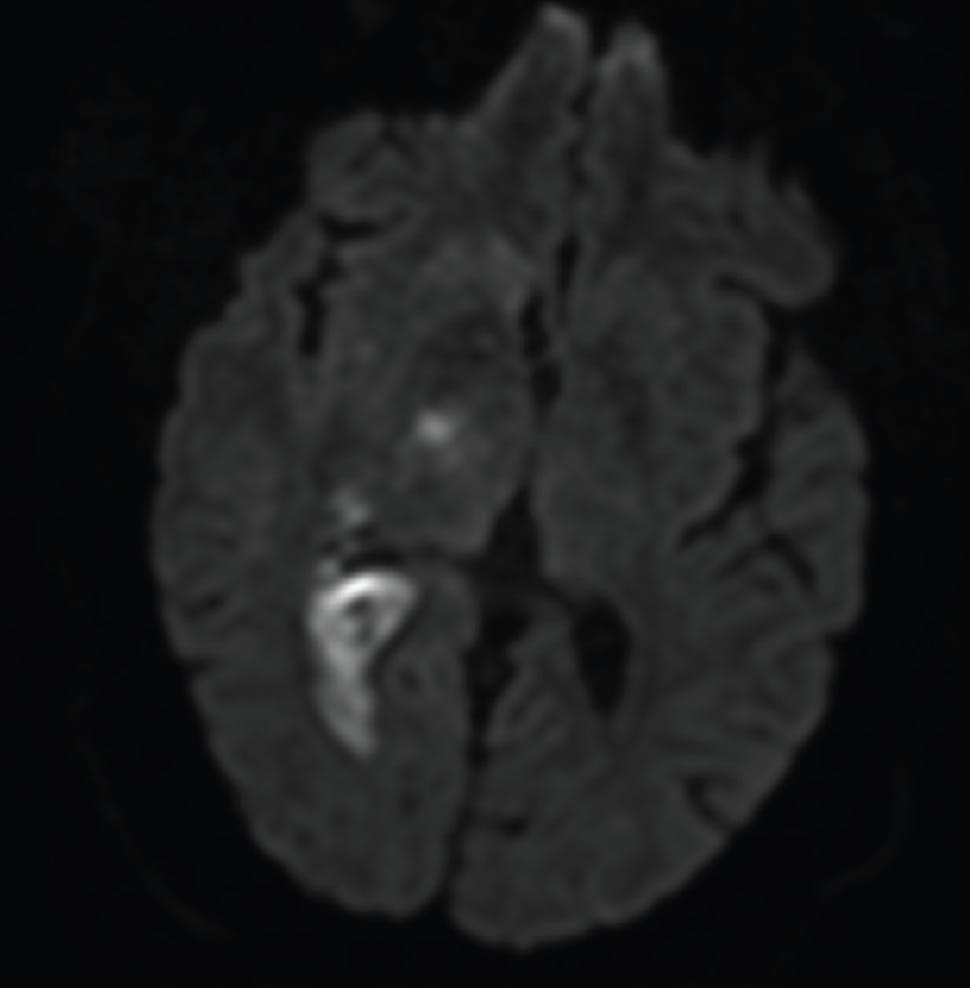
Figure 9. Diffusion-weighted MRI showing a small posterior limb of internal capsule diffusion restriction signal suggestive of ischemia.
Dr. Siddiqui: With residual apparent on imaging, what is the next step?
- Radiosurgery
- Surgery
- TAE
- TVE
- A combination of these options
Dr. Albuquerque: TAE was effective in reducing the nidus volume, and postembolization angiography beautifully demonstrates preserved patency of the draining vein. In the absence of remaining high-risk features, I would favor stereotactic radiosurgery. This is a challenging lesion to reach via an open microsurgical approach, and further TAE does not look particularly promising. That being said, TVE is certainly reasonable in experienced hands. The bottom line is that this is a young patient with a ruptured lesion that needs to be treated. Both stereotactic radiosurgery and TVE are reasonable, although the latter is likely associated with a lower complication rate but a real (albeit small) risk of re-rupture while waiting for the effects of radiosurgery.
Dr. Chalumeau: The goal is to achieve complete occlusion of this ruptured AVM, and thus, a new treatment must be performed. Surgery (because of the deep location) and radiosurgery (because of the delay before optimal response) are not likely to achieve this goal safely. Endovascular treatment would be my preferred option, starting with superselective angiography, then a transvenous approach or a combination of arterial and venous embolization if it is still possible. Another option could be to wait for hematoma resorption, control the remnant and rediscuss options, because spontaneous thrombosis of small remnants is possible.
Dr. Chapot: Given the young age of the patient, there is a high risk of rebleeding. Young age is an argument against radiosurgery. The expected chance of cure is high due to the small size of the AVM, so that curative treatment should be done. TVE is first-line treatment in my practice.
Dr. Albuquerque: Dr. Siddiqui, what do you think caused the capsular infarct? I wouldn’t anticipate this from your arterial catheter position at the time of embolization. You mentioned that at the time of his presentation, the patient was localizing less briskly on the left side. Could this possibly have been a sequela of his original hemorrhage?
Dr. Siddiqui: There are two possibilities. The first is that the original hemorrhage resulted in an associated diffusion restriction from an embolic hit to the internal capsule. These types of hits have been reported with subarachnoid hemorrhage even prior to angiography. This may explain the asymmetry in the motor exam at presentation. However, because I do not have a preprocedure MRI, I cannot exclude an iatrogenic stroke caused because of transarterial catheterization since there are choroidal collaterals and perforators that supply this segment of the internal capsule.
CASE CONTINUED
A second procedure was performed under general anesthesia 10 days after the ventriculostomy was removed. The electroencephalogram showed burst suppression, and the patient had systemic hypotension with a mean arterial pressure of 70 mm Hg. The left vertebral artery was accessed transradially using a 6-F Benchmark catheter (Penumbra, Inc.) to visualize residual nidus and venous drainage (Figure 10). A Scepter balloon (MicroVention Terumo) was deployed in the right PCA for flow control, and contrast was microinjected through the Scepter balloon to carefully visualize residual nidus and draining veins and allow for road mapping throughout the procedure (Figure 11).
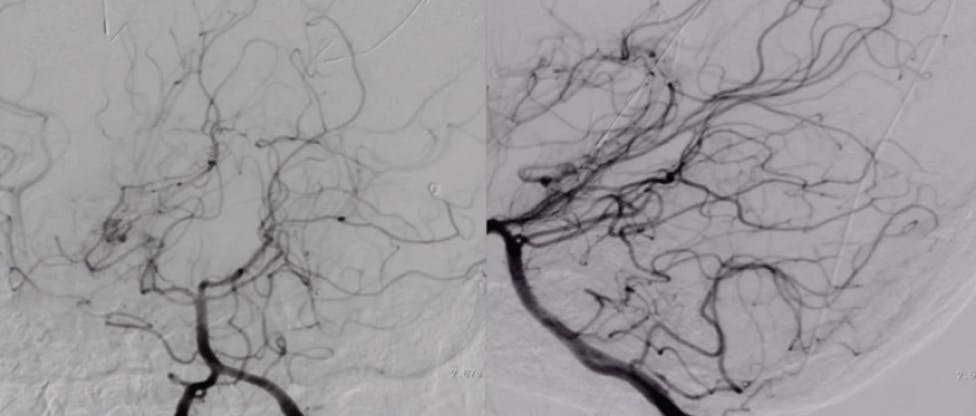
Figure 10. Transradial access of the left vertebral artery with a 6-F Benchmark catheter to visualize residual nidus and venous drainage.
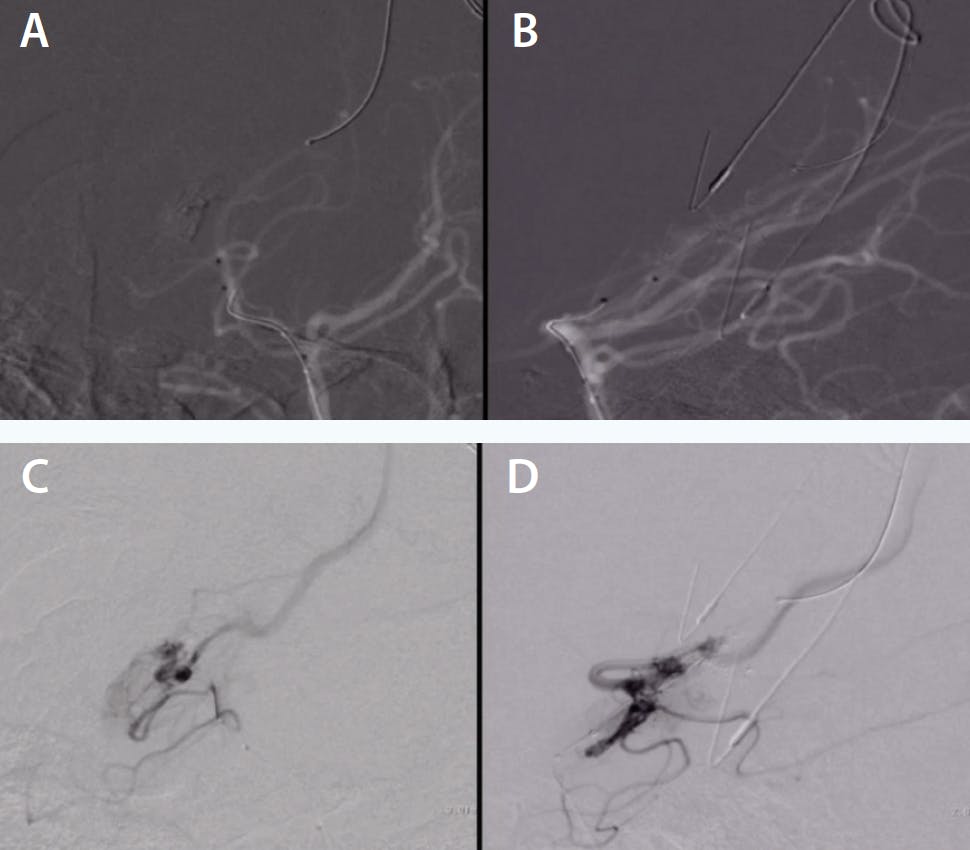
Figure 11. Deployment of a Scepter balloon in the right PCA for flow control (A, B). Microinjection of contrast through the Scepter balloon to carefully visualize residual nidus and draining veins and allow for road mapping throughout the procedure (C, D).
Dr. Siddiqui: Would you perform TAE or TVE at this point?
Dr. Chalumeau: TVE is ideal in this scenario. With small residual en passage feeders, TAE may compromise the parent right PCA territory. In this case, catheterization of the straight sinus and basal veins is straightforward. The draining vein is not large, and building up a cork will not be a problem. Using the Scepter balloon to reduce blood flow to the shunt site will allow a good progression of the liquid embolic agent into the nidus. TVE will most assuredly achieve a complete cure of the AVM.
Dr. Albuquerque: I would favor TVE. Superselective angiography appears to demonstrate an en passage branch that could be compromised with TAE. The venous trajectory is favorable.
Dr. Chapot: TAE is excluded, as there is no feeder allowing distal selective access. TVE requires placement of a guiding catheter in the straight sinus because otherwise the microcatheter may loop at the torcular Herophili. Further access to the mesial temporal vein draining into the basal vein of Rosenthal can be achieved with one or two microcatheters. The advantage of using two microcatheters is to allow a retrograde pressure cooker technique, creating a plug with coils and NBCA as demonstrated here to avoid excessive reflux of Onyx and to keep the basal vein patent. Only small microcatheters can be used in the veins that offer less support than arteries. A microcatheter with a detachable tip such as the Apollo (Medtronic) allows delivery of low-profile coils such as Barricade (Balt) or ED (Kaneka) coils but also enables injection of NBCA after coiling to reduce risk of fragmentation of the cast of NBCA as a fast retrieval of the microcatheter is not required. Reduction of flow in the AVM as obtained here by cardiac pacing and temporary balloon inflation in the PCA facilitates diffusion of Onyx against the flow. Systemic hypotension can also be achieved for this purpose. The transvenous access allowed the AVM to be occluded, as perfectly demonstrated here, without inducing ischemia, which would have occurred in case of further TAE.
CASE CONTINUED
We elected transvenous access using the 8-F TracStar guide catheter (Imperative Care, Inc.) in the left transverse/straight sinus and a 6-F short sheath in the left femoral vein for ventricular pacing because of the concern for arterial ischemia. A 167-cm Headway Duo was utilized over a Synchro2 Soft and Excelsior SL-10 microcatheter (Stryker) for selective venous access (Figure 12 and Figure 13). A second Excelsior SL-10 microcatheter was deployed more proximal to the Headway Duo for coiling (Figure 14). A ventricular pacer was placed (Figure 15), the Scepter balloon was inflated, arresting flow through PCA. Multiple 2- X 8-mm Axium helical coils (Medtronic) were deployed, followed by 50:50 NBCA (TruFill, Cerenovus) through the more distal (farther away from nidus) Excelsior SL-10 to facilitate a reverse pressure cooker technique by occluding the vein. The more proximal (closer to nidus) Headway Duo microcatheter was used to inject Onyx 18 to obliterate the AVM nidus and venous drainage (Figure 16, Figure 17, Figure 18, Figure 19, and Figure 20). After NBCA injection, the Excelsior SL-10 microcatheter was removed and Onyx injection was continued. A previously unnoted vein was noted to opacify in the ambient cistern during injection with Onyx. Injection was briefly halted and then resumed until AVM nidus was completely obliterated.
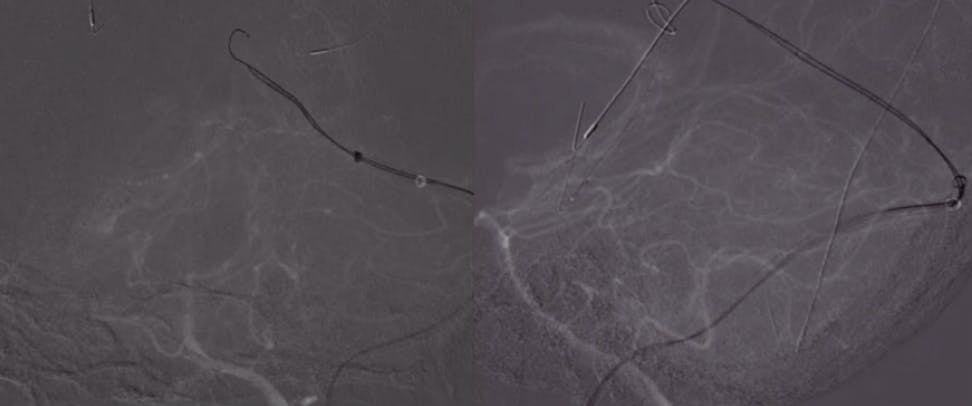
Figure 12. A 167-cm Headway Duo was utilized over a Synchro2 Soft and Excelsior SL-10 microcatheter for selective venous access.
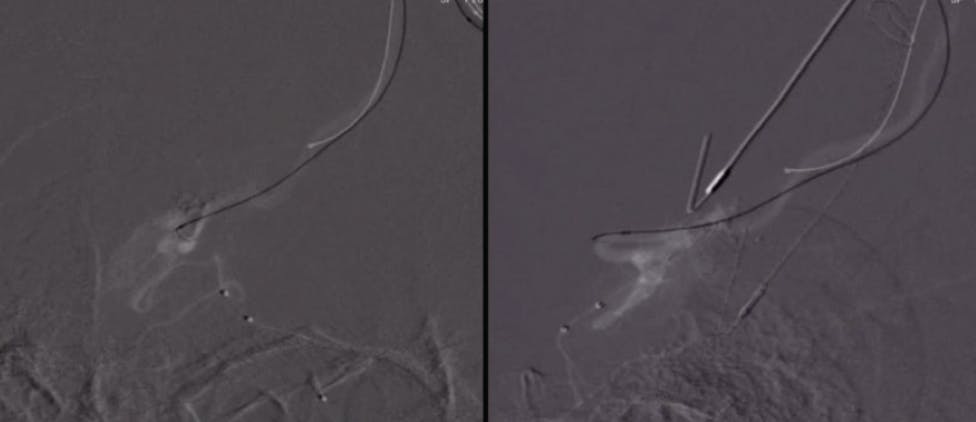
Figure 13. Optimization of the microcatheter position using the roadmap from microinjection.
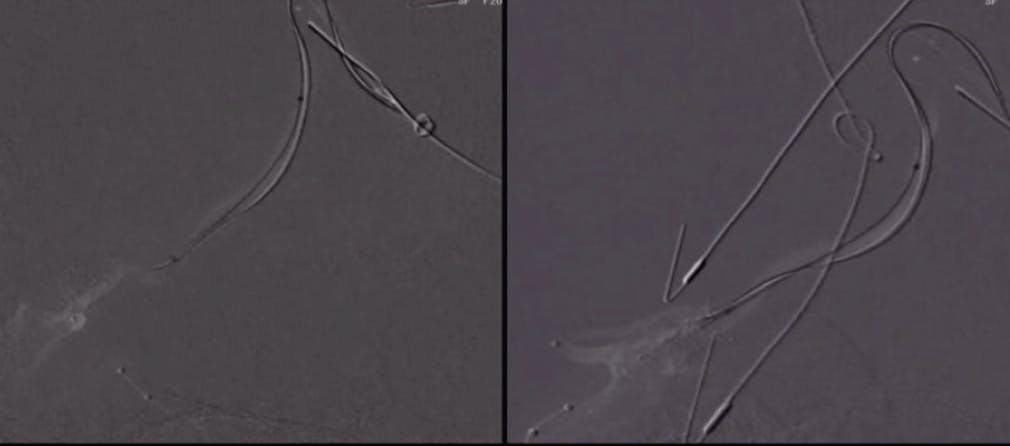
Figure 14. Deployment of a second Excelsior SL-10 microcatheter more proximal to the Headway Duo for coiling.
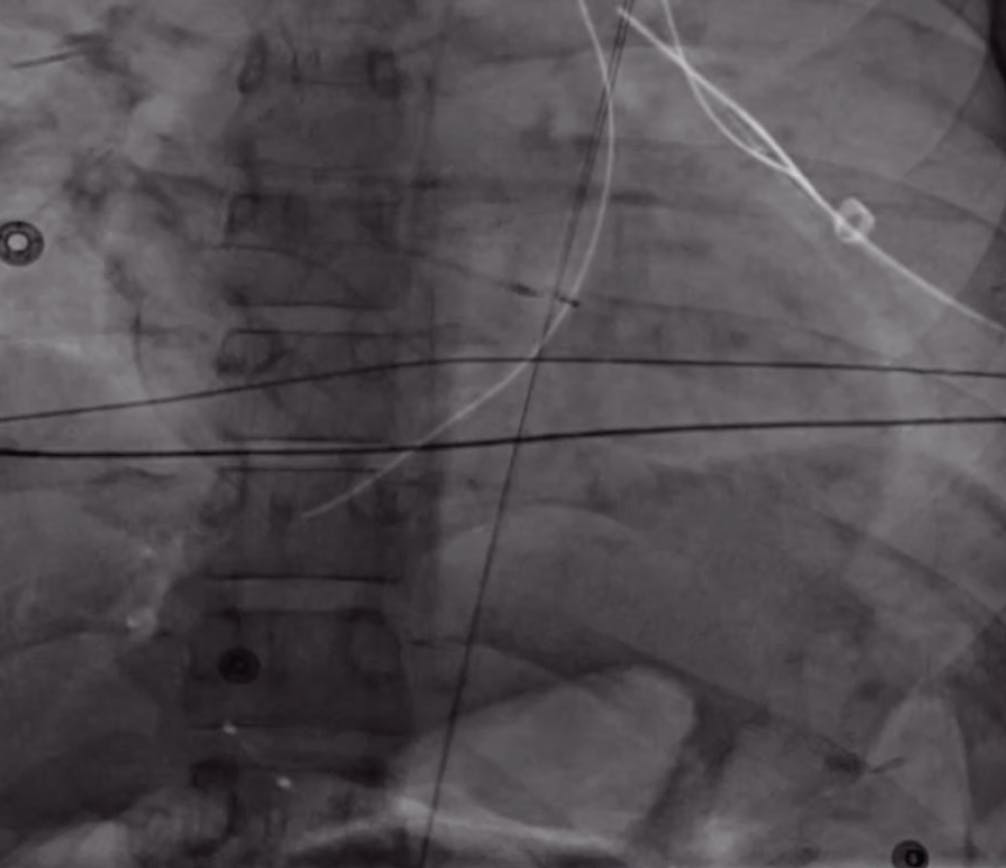
Figure 15. Placement of the ventricular pacer.
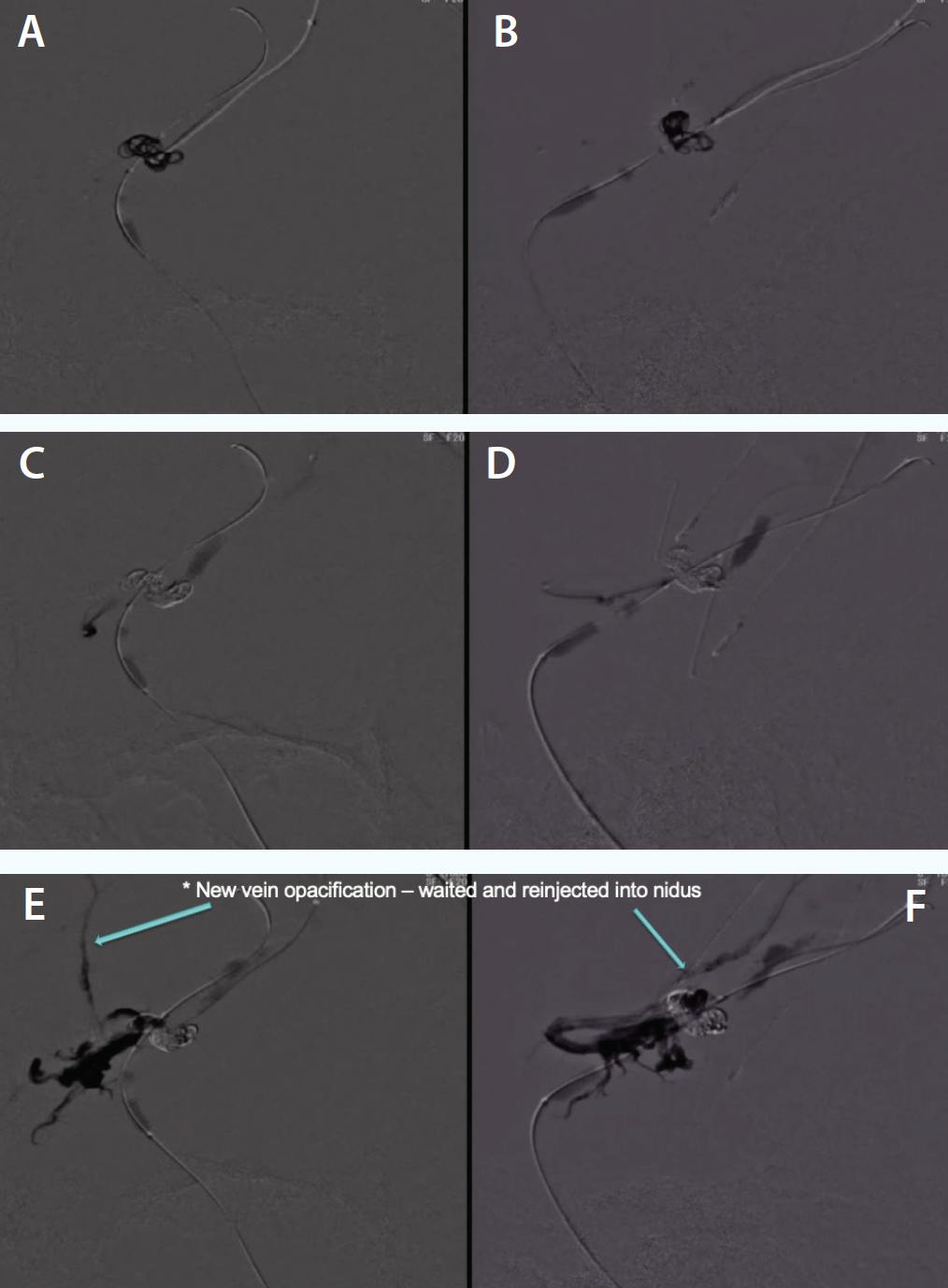
Figure 16. Inflation of the Scepter balloon and deployment of coils, followed by NBCA and Onyx 18, along with ventricular pacing under burst suppression (A-D). Note the new vein opacification. We waited and reinjected into the nidus (arrows; E, F).
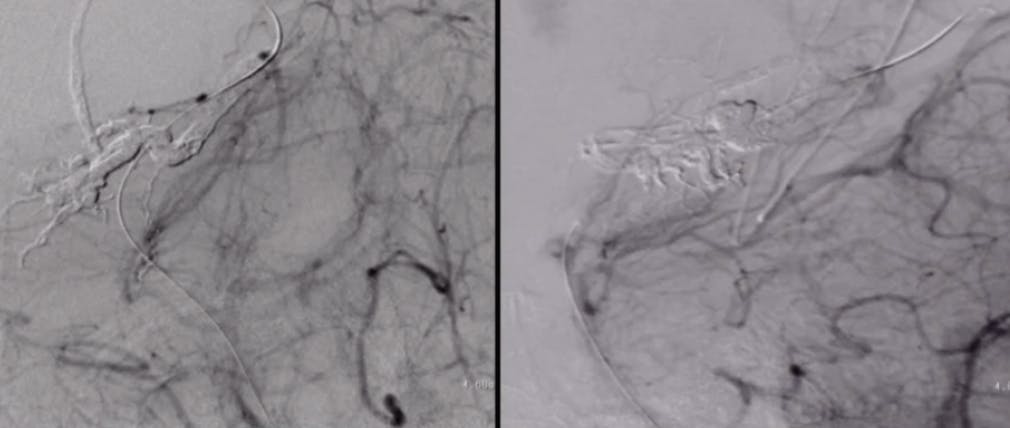
Figure 17. Final injections.
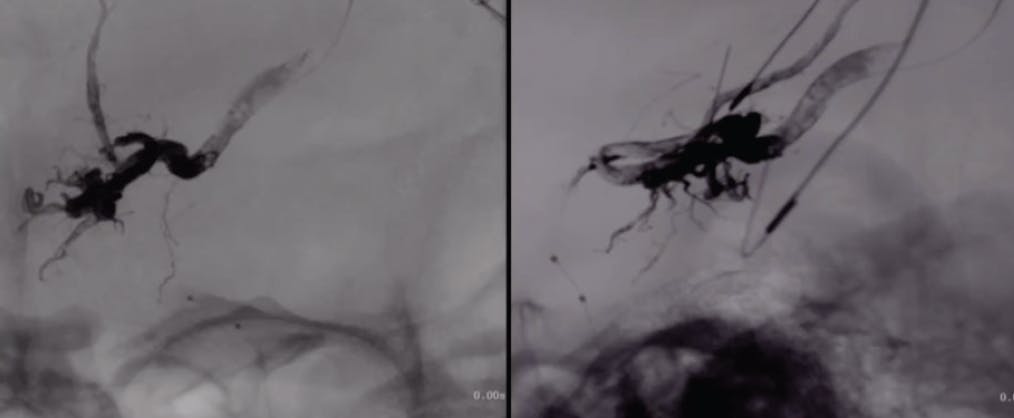
Figure 18. Onyx cast at the end of the procedure showing the complete opacification of nidus, arterial pedicles, and draining veins.
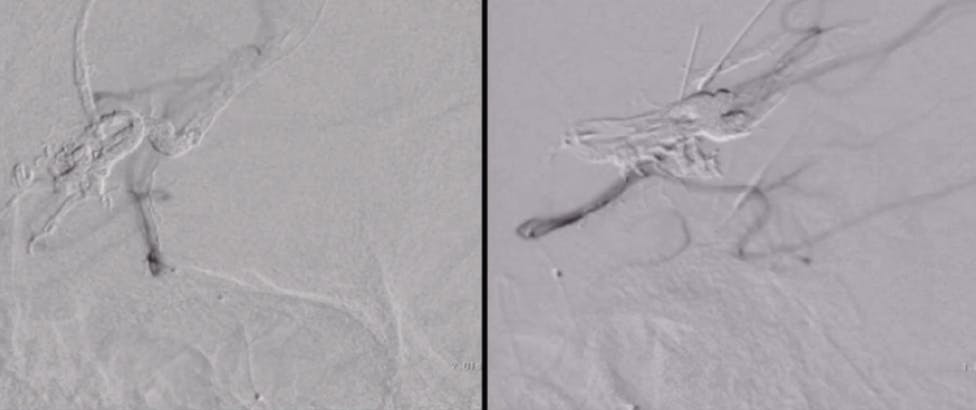
Figure 19. Completion angiogram through Scepter demonstrating no residual.
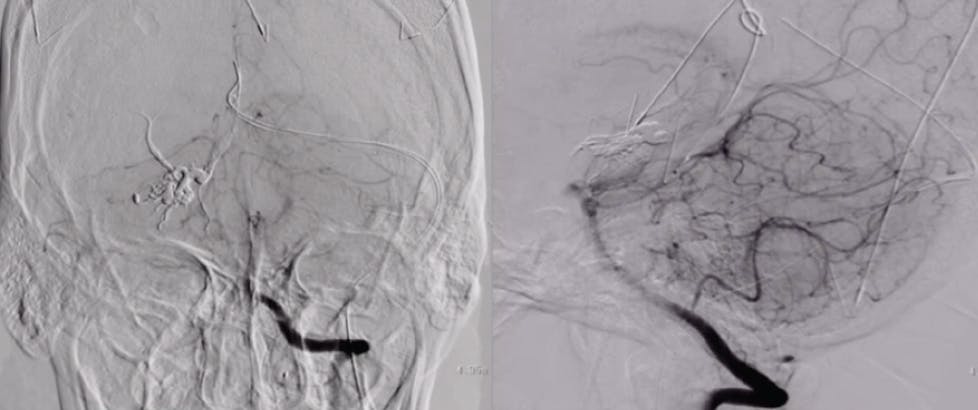
Figure 20. Final left vertebral angiograms demonstrating no residual.
Dr. Albuquerque: Dr. Siddiqui, do you ever consider continuing with NBCA embolization in this situation? Please discuss the risk and timing of Onyx embolization when there is a proximal NBCA plug along the course of the catheter.
Dr. Siddiqui: The constraint with cyanoacrylates such as NBCA injections are that they are time limited (with rare exception when injecting significant amounts of nonionic medium simultaneously). During TVE, it is often unpredictable as to how long we will need to inject. Many times there are small compartments that remain patent till the final phases of embolization. Therefore, Onyx or other similar agents may be better suited to TVE, unlike TAE where NBCA remains an excellent choice. In this instance, the coils were between nidus and NBCA; therefore, further NBCA injection would simply occlude a longer segment of the draining vein, potentially compromising the basal vein of Rosenthal.
CASE SUMMARY
After the procedure, the patient was awake, alert, and fully oriented with preprocedural mild left hemiparesis. Diffusion-weighted MRI showed mild improvement (Figure 21). The patient was discharged to acute rehab.
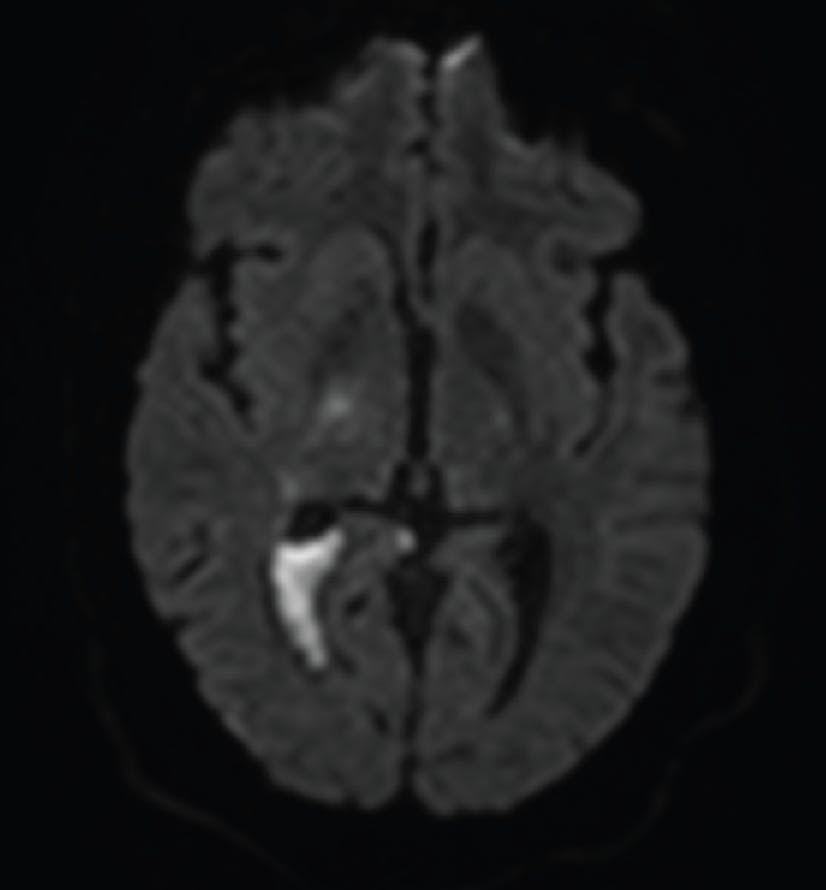
Figure 21. Final diffusion weighted MRI showed no new ischemic lesions after embolization.
Advertisement
Advertisement