Advertisement
Advertisement
September 2022
Sponsored by Cordis
PAD and the SABER™ .035 PTA Catheter
Case-based discussions on the use of the SABER™ .035 PTA Catheter in a left common iliac artery in-stent occlusion and SFA and popliteal artery occlusions.
By Alexander Loizides, MD, PhD; Florian Enzmann, MD, PhD; Martin Freund, MD, EBIR; Adelchi Saltarelli, MD; Ruy Fernandes e Fernandes, MD; Ryan Gouveia e Melo, MD; Tiago Magalhães, MD; and Luís Mendes Pedro, MD, PhD
Treatment of a Left Common Iliac Artery In-Stent Occlusion

Florian Enzmann, MD, PhD
Department of Vascular Surgery
Medical University Innsbruck
Innsbruck, Austria
Martin Freund, MD, EBIR
Department of Radiology
Medical University Innsbruck–Tirol
Kliniken GmbH
CASE PRESENTATION
A man in his late 50s presented to our department with symptomatic peripheral artery disease (PAD; Rutherford class 3) on the left side. He had a history of iliac artery disease with previous treatment with bare-metal kissing stents in 2019 and coronary angiography in 2020. The patient reported claudication at a distance of < 34 m on the treadmill. No rest pain or acral lesions were evident. During clinical examination, pulses were normally palpable on the right side, whereas on the left side, only a femoral pulse was palpable but no distal pulses. A sonographic examination revealed a complete in-stent occlusion of the left pelvic axis. The ankle-brachial index was 0.86 on the right side and 0.4 on the left side. Arterial oscillography showed a zero line on the left side, and only slight amplitude restrictions were observed on the right side. Subsequently, CTA confirmed the in-stent occlusion of the left common iliac artery (CIA).
Due to the clinical and imaging findings, reintervention of the left pelvic axis was indicated. For the written consent, a weighed explanation of the planned procedure including potential advantages and risks was addressed.
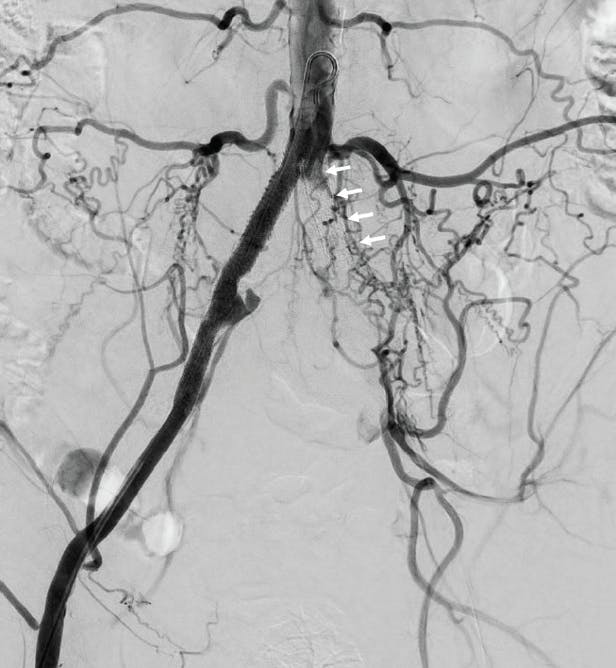
Figure 1. Preinterventional angiogram depicting the in-stent occlusion of the left CIA (arrows).
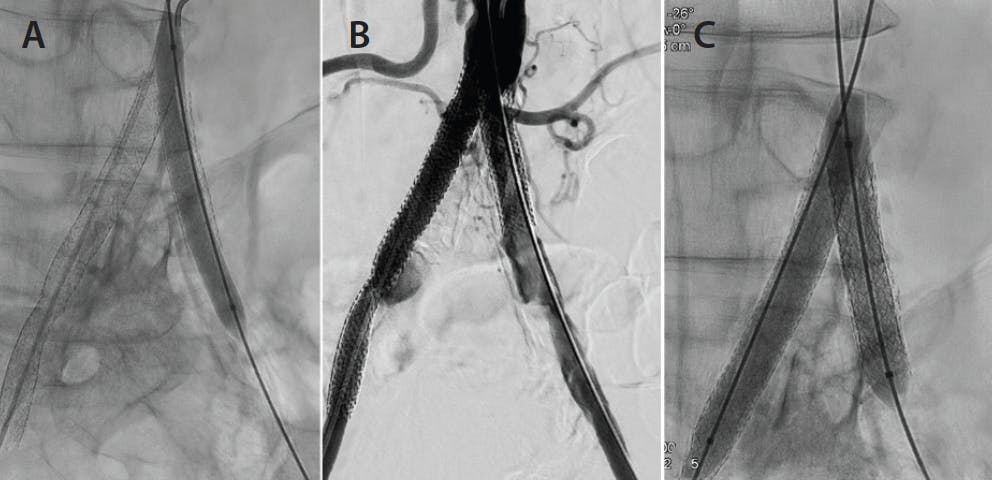
Figure 2. Initial PTA of the in-stent occlusion using a SABER™ .035 PTA Balloon (A), post-PTA result (B), and deployment of a balloon-expandable stent graft using the kissing technique.
PROCEDURAL OVERVIEW
The procedure was performed under local anesthesia and full cardiorespiratory monitoring. Percutaneous ultrasound-guided bilateral common femoral artery (CFA) access was obtained using a 21-gauge micropuncture needle. A 5-F BRITE TIP™ Introducer Sheath (Cordis) was inserted on the right side and a 6-F BRITE TIP™ Introducer Sheath was inserted on the left side. A 4-F UF Catheter (Cordis) was then advanced from the right side and positioned proximal to the aortic bifurcation. Subsequent angiography was performed, revealing the known in-stent occlusion of the left CIA (Figure 1). After administration of an intra-arterial bolus of 5,000 IU of unfractionated heparin, a 0.035-inch hydrophilic guidewire and a 4-F TEMPO™ Diagnostic Catheter (Cordis) were intraluminally advanced from the left side. An initial in-stent percutaneous transluminal angioplasty (PTA) was performed using a 6-mm X 60-cm SABER™ .035 PTA Dilatation Catheter (Cordis), achieving a good in-stent recanalization (Figure 2A). Due to some remaining irregularities of the CIA lumen (Figure 2B), an 8-mm X 37-mm balloon-expandable BeGraft peripheral stent graft (Bentley InnoMed GmbH) was advanced in the left CIA and deployed with a kissing technique using a SABER™ .035 PTA on the contralateral side (Figure 2C). Next, an 8-mm X 60-mm S.M.A.R.T. CONTROL™ System (Cordis) was positioned in the distal CIA/proximal external iliac artery covering the subtotal occluded ostium of the internal iliac artery. A SABER™ .035 PTA was used for postdilatation (Figure 3). Postinterventional angiography demonstrated a very good recanalization result with no relevant remaining stenosis (Figure 4). A 5-F MYNX CONTROL™ Vascular Closure Device (VCD; Cordis) was used on the right side and a 6/7-F device was used on the left side.
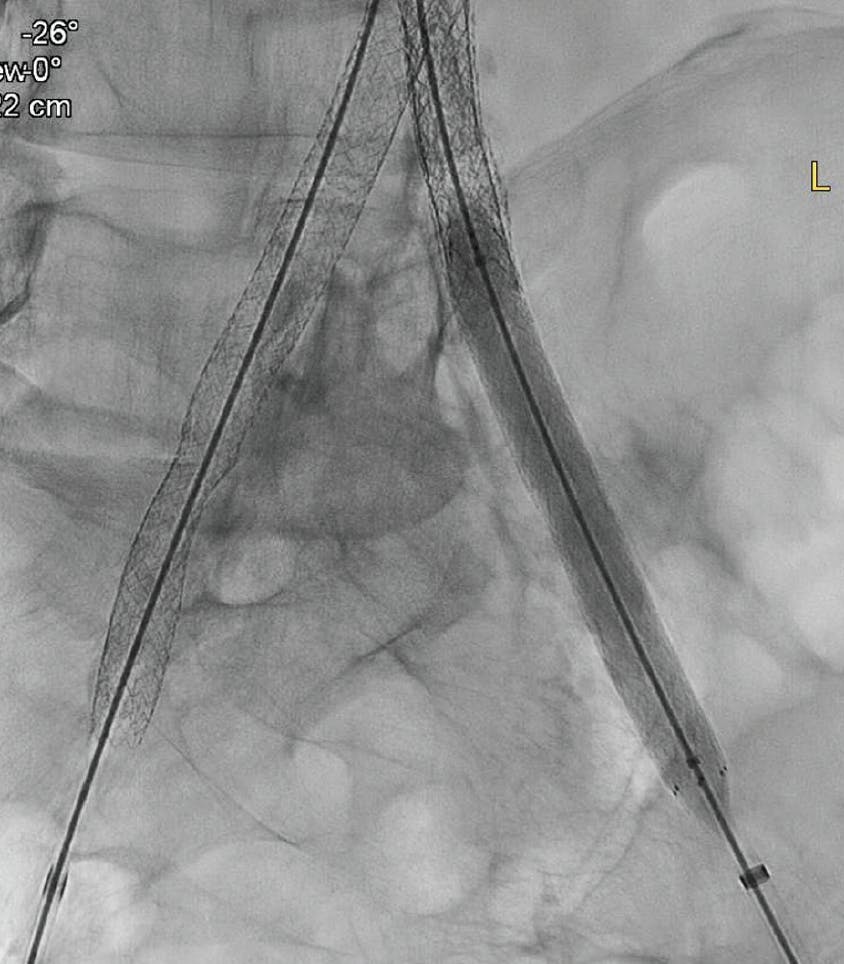
Figure 3. Distal stent extension using a S.M.A.R.T. CONTROL™ Stent and SABER™ .035 PTA for postdilatation.
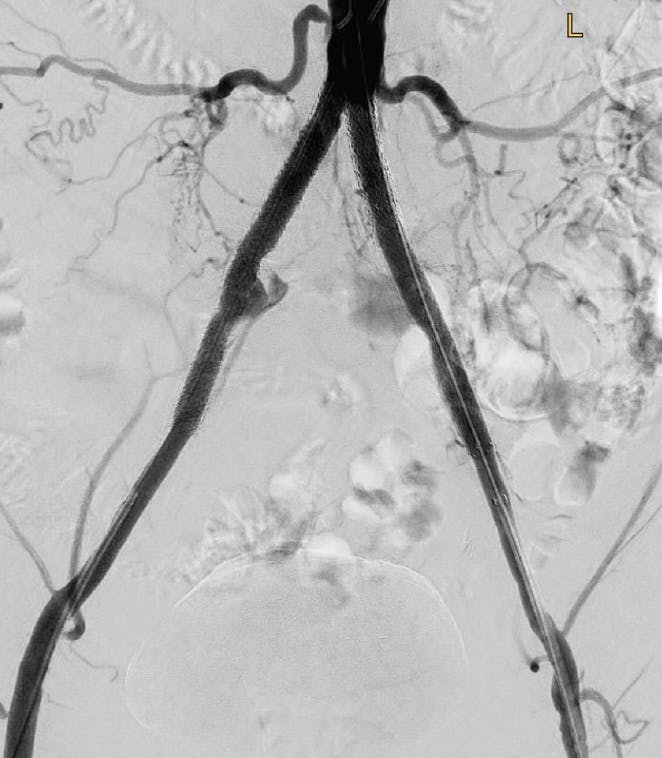
Figure 4. Posttreatment angiogram showing an excellent recanalization result without any relevant stenosis.
DISCUSSION
In the postinterventional clinical examination, all pulses were palpable, and oscillography showed no relevant amplitude restrictions. For the initial PTA of the left CIA in-stent stenosis, a SABER™ .035 was chosen due to its smooth crossability, increased rated burst pressure, and fast inflation/deflation time, which resulted in a good initial recanalization of the CIA. Due to the recurrent occlusion of the CIA after kissing stenting in 2019, a stent graft was used to proximally extend the preexisting stent, thereby achieving an excellent result. Without wanting to cover the internal iliac artery ostium, an uncovered S.M.A.R.T. CONTROL Stent (Cordis) was chosen for a distal stent extension.
For the vascular closure, the MYNX CONTROL™ VCD was used on both sides: The deployment was monitored under ultrasound guidance (Figure 5), enabling the precise positioning of the inflated balloon in the inner vessel wall of the CFA and avoiding possible calcifications but also depicting the polyethylenglycol (PEG) cap at the outer vessel puncture side.
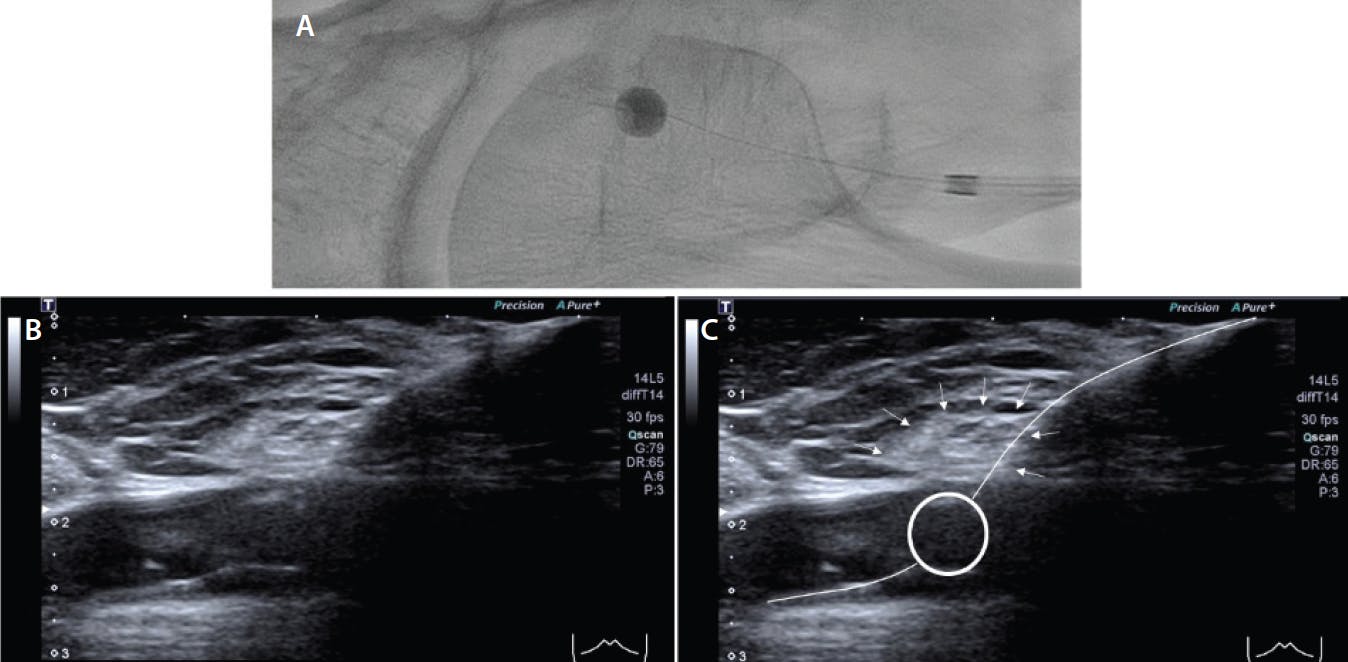
Figure 5. Fluoroscopic (A) and sonographic (B, C) images of the MYNX CONTROL™ VCD intravascular balloon during vascular closure. Arrows show the PEG cap.
Recanalization of an SFA and Popliteal Artery Occlusion

CASE PRESENTATION
A patient in their late 60s with no relevant past medical history presented with claudication at a walking distance of 50 m. Right antegrade ultrasound-guided access was obtained. Angiographic examination revealed complete occlusion of the right superficial femoral artery (SFA) in the middle third as well as the popliteal artery, with distal flow at the level of the tibioperoneal trunk provided by collateral circulation starting from the popliteal artery (Figure 1).
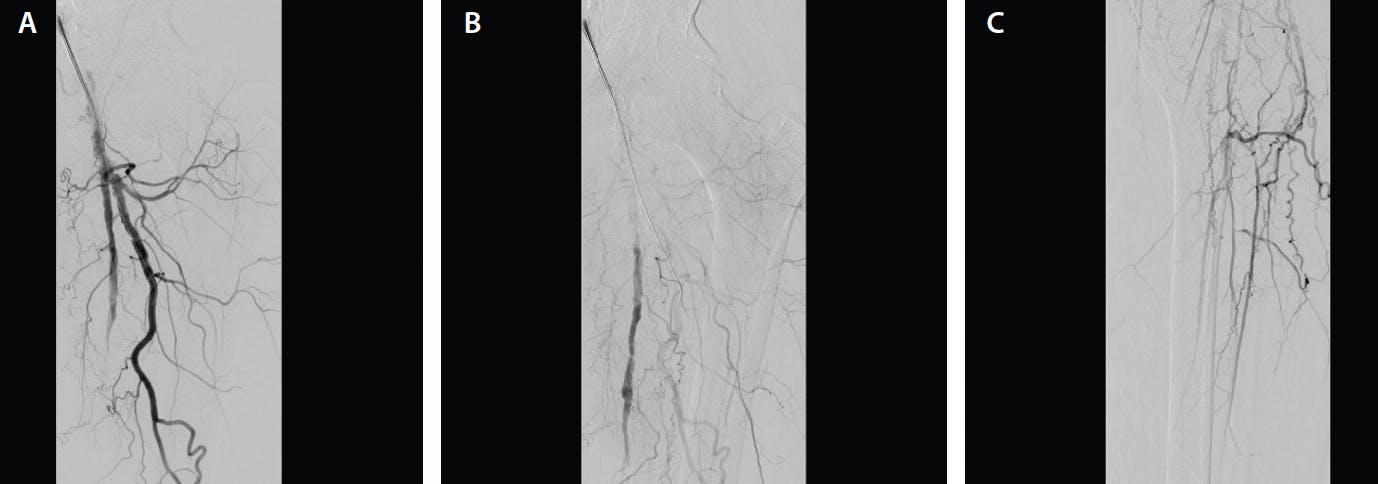
Figure 1. Angiograms of the femoral bifurcation (A), middle third of the SFA (B), and distal flow of the collateral circulation at the popliteal artery (C).
PROCEDURAL OVERVIEW
Subintimal recanalization was performed with a 0.035-inch hydrophilic guidewire up to the level of the middle third of the popliteal artery, and then recanalization was carried out up to reentry in the tibioperoneal trunk with a 0.014-inch guidewire (Figure 2). The occluded tract was minimally dilated with a 2-mm X 150-mm PTA catheter, and then we used a 5-mm X 150-mm SABER™ .035 PTA Balloon (Figure 3).
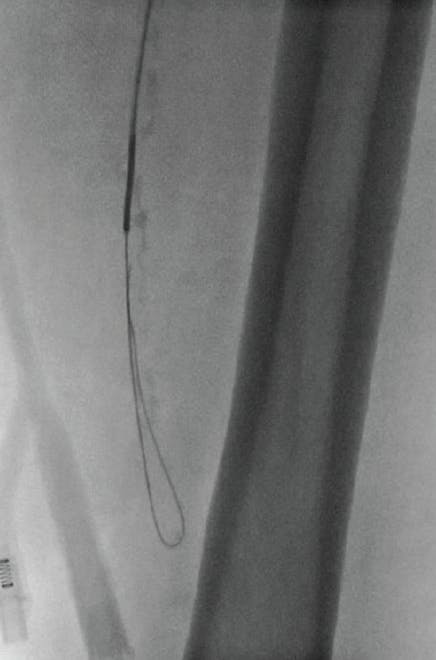
Figure 2. Subintimal recanalization.
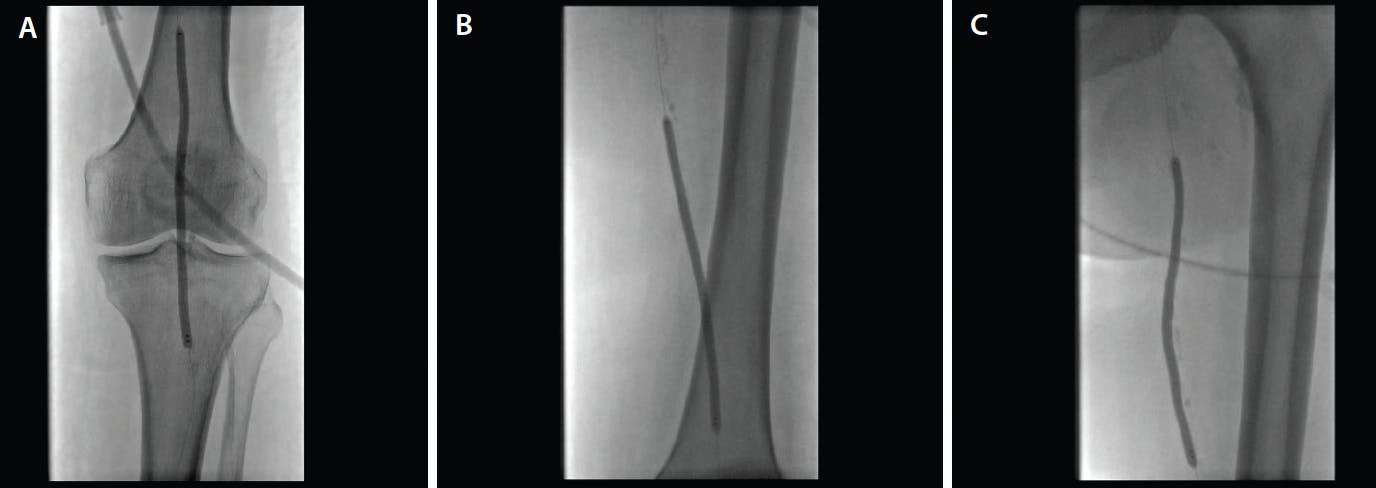
Figure 3. Angioplasty of the popliteal artery (A), distal SFA (B), and proximal SFA (C).
Angiographic control revealed residual dissection of the recanalized tract of the SFA and popliteal artery. Therefore, a prolonged dilation of the SFA was carried out with a 6-mm X 150-mm SABER™ .035 PTA Balloon. Two overlapping Supera stents (Abbott) were placed; the first was a 5.5-mm X 200-mm stent with the distal end released at the third distal of the popliteal artery and the second was a 6-mm X 100-mm stent overlapped 2 cm on the first stent and released at the upper third of the SFA, which provided optimal resolution and patency of the recanalized section (Figure 4).
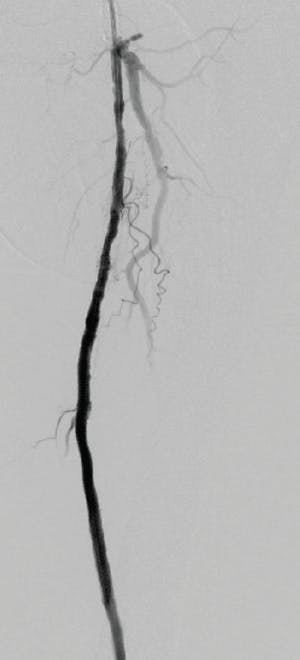
Figure 4. Final angiogram after stenting.
At the end of the procedure, the antegrade femoral artery access was closed with a 5-F MYNX CONTROL™ VCD. This system closes the access without leaving anything inside the vessel, allowing for the possibility to do another procedure in a short time, which is important in case of short-term complications requiring reintervention. Because of this and the smoothness of the inflated balloon, the device is safer with fewer complications compared to other closure systems. Moreover, the MYNX CONTROL™ VCD has an indication for antegrade access. In this case, the closure was done without any issues in conditions of blood pressure at 175/100 mm Hg. The speed and the safety of this VCD device work together to reduce the time of ambulation and improve patient comfort (Figure 5).
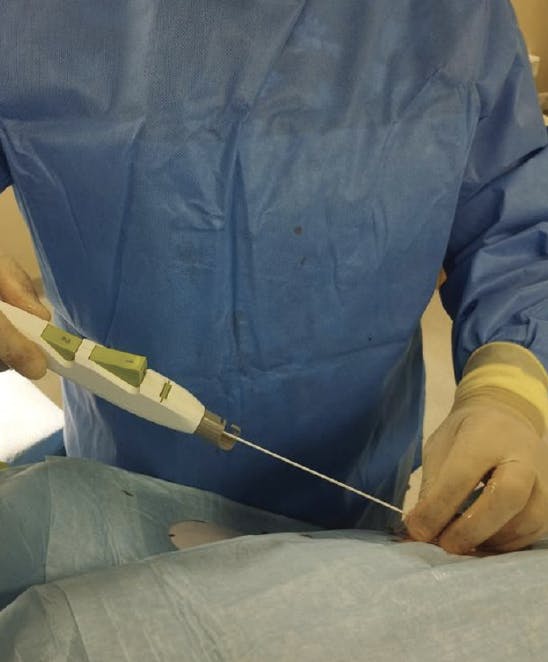
Figure 5. Antegrade femoral artery closure with the MYNX CONTROL™ VCD.
DISCUSSION
The SABER™ .035 PTA Catheter performed optimally in the recanalized section due to the smoothness of the balloon. Its crossing profile helped traverse the lesions, with no noticeable wings and perfect rewrapping after aspiration with negative pressure. The presence of the double distal marker allowed immediate identification of the balloon tip. All these points represent a valid improvement over the previously used POWERFLEX™ Pro PTA Balloon (Cordis).
Upgrading Your Workhorse Angioplasty Balloon for SFA Intervention

Ryan Gouveia e Melo, MD
Faculty of Medicine
University of Lisbon
Lisbon, Portugal
Tiago Magalhães, MD
Lisbon Academic Medical Center
Lisbon, Portugal
Luís Mendes Pedro, MD, PhD
Cardiovascular Center of the University of Lisbon
Lisbon, Portugal
As vascular surgeons of a busy department and referral center for severe limb ischemia, complex endovascular procedures on PAD are common. As challenging as it may be to recanalize extensive femoropopliteal occlusions and despite individual “tips and tricks,” it is fundamental to rely on your basic armamentarium to be successful in these complex cases. After overcoming extensive total occlusions and gaining guidewire access to distal target vessels, it’s fundamental to rely on a PTA angioplasty balloon that can easily progress over chronic total occlusion (CTO) and allow preparation of the lesion for optimal treatment. Frequently, difficulties in advancing PTA catheter balloons over calcified, long occlusions require downsizing your work platform to 0.018 inch or even to 0.014 inch to be able to cross the intended lesion and add more complexity to an already challenging case. We present our preliminary experience with a novel 0.035-inch angioplasty balloon (SABER™ .035 PTA Balloon) in a complex critical limb ischemia patient.
CASE PRESENTATION
A man in his mid 60s was evaluated at our outpatient clinic for disabling claudication in both lower limbs for 6 months. His risk factors were hypertension, diabetes, hypercholesterolemia, and active smoking, and his past medical history included chronic pulmonary obstructive disease and two previous nondisabling strokes, the latter requiring acute intravascular mechanical thrombectomy via right femoral access 6 months prior. He was maintained on 100-mg acetylsalicylic acid, statin therapy, and adequate diabetes and hypertension control. Previous color flow duplex ultrasound studies had shown bilateral femoropopliteal occlusion with mild aortoiliac disease and normal waveforms at the CFAs.
Upon presentation, he was experiencing new-onset rest pain of the left lower limb over the previous 2 weeks and a wound of the first toe was noted on physical examination. CTA showed a dissected stenosis of the right CIA, possibly iatrogenic after the previous cerebral endovascular procedure; calcified CTO of the SFA with a short stump that extended distally to the Hunter canal; diffuse disease of the proximal popliteal artery with a segmental occlusion and disease-spared distal segment; patent tibial arteries to the ankle with diffuse disease; and diminished caliber of the proximal posterior tibial artery (Figure 1).
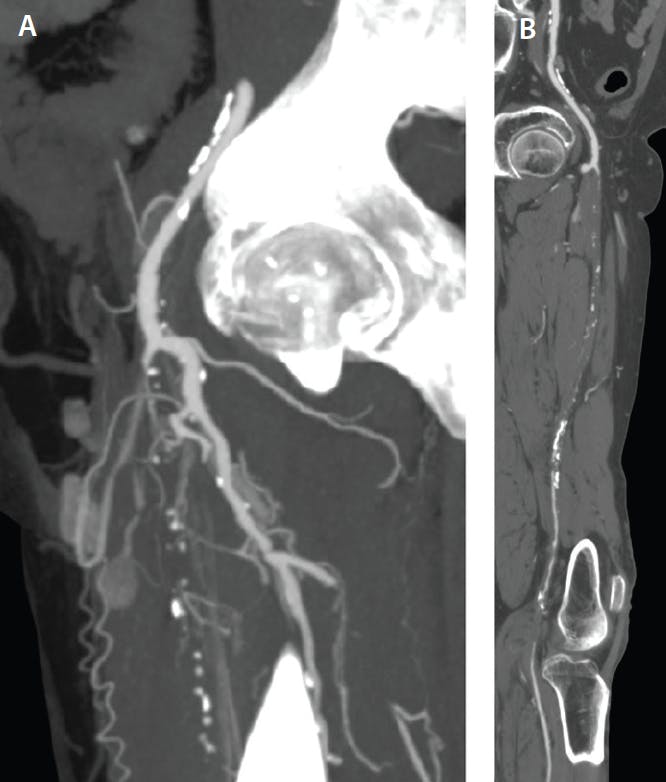
Figure 1. Preoperative CTA of the femoral artery showing the left CFA was free of disease, an occlusion of the SFA with a short stump, and focal significant stenosis of the distal popliteal artery (A). Preoperative CTA of the femoropopliteal artery showing CTO of the SFA and disease of the proximal popliteal artery with segmental occlusion (B).
Given the extent of disease in the left lower limb, we decided to proceed with an endovascular revascularization procedure.
PROCEDURAL OVERVIEW
Under general anesthesia, the procedure began with an ultrasound-guided puncture of the right CFA. Angiography was performed using the side port of the sheath, revealing the right CIA stenosis, which was crossed with an 0.035-inch hydrophilic guidewire. Then, a crossover access to the left external iliac artery was obtained, and a 6-F, 55-cm guiding sheath was advanced over the guidewire. Angiography confirmed the stump of left SFA and a long, calcified CTO with an opened short segment at Hunter’s canal, as well as an occlusion of the popliteal artery that reconstituted at the level of the knee joint (Figure 2).
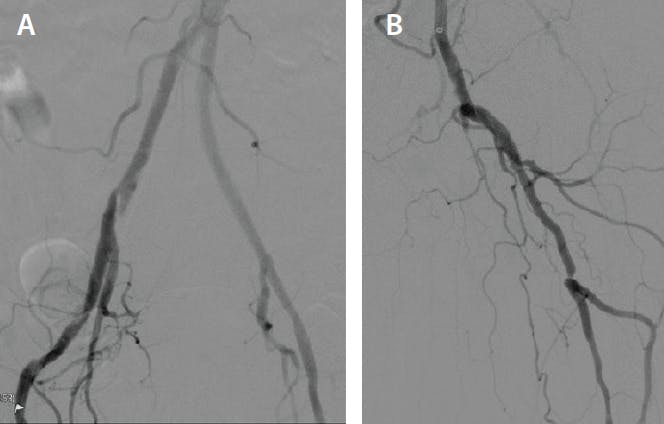
Figure 2. Diagnostic angiography during the procedure of the right CIA stenosis (A) and left SFA stump (B).
The lesion was crossed in a subintimal fashion with a 0.035-inch hydrophilic guidewire and support catheter until we reached the distal popliteal artery, but we were unable to reenter the true lumen (Figure 3). To prevent extension of the subintimal dissection into the tibial arteries, a distal retrograde access of the posterior tibial artery was obtained, avoiding manipulation of the anterior tibial artery, the target perfusion vessel of the hallux wound. An ultrasound-guided puncture of the mid portion of the posterior tibial artery was performed using a pedal access kit. The 0.035-inch hydrophilic guidewire was advanced through the introducer of the pedal kit, and the popliteal lesion was recanalized in a retrograde fashion, progressing the wire to the contralateral 6-F sheath, entering the sheath, and crossing the sheath’s valve with the aid of the 5-F short sheath. We then progressed the support catheter from the contralateral sheath over the through-and-through wire to the posterior tibial artery and confirmed intraluminal position of the catheter with a selective contrast injection; an 0.018-inch hydrophilic guidewire was positioned in the plantar artery.
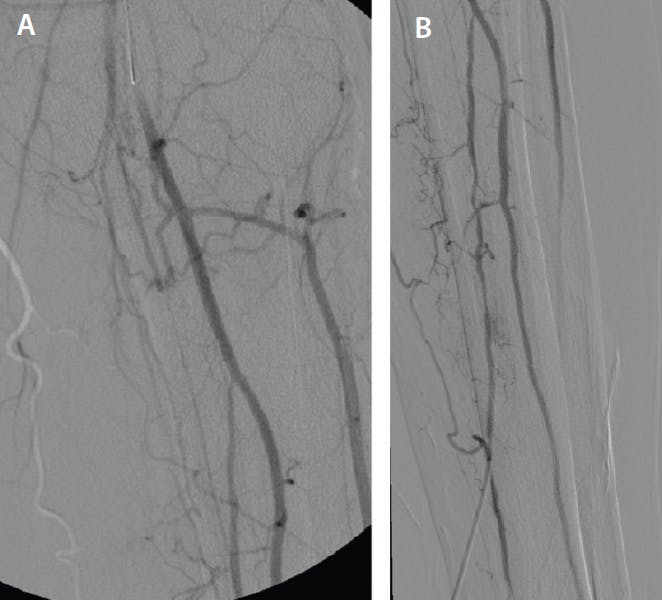
Figure 3. Recanalization of the lesion. Attempt to reenter popliteal artery true lumen without success (A). Retrograde access of the posterior tibial artery (B).
Standard balloon angioplasty was performed with a 2.5-mm SABER™ 0.018” PTA Balloon (Cordis) on the posterior tibial artery to seal the retrograde access and treat the proximal stenosis; predilation of the popliteal artery and the recanalized lesion was performed with a 4.0-mm SABER™ 0.018” PTA Balloon (Figure 4A and 4B). A selective injection showed a satisfactory result of the treated posterior tibial artery and distal popliteal artery and a residual stenosis at the reentry site at the level of the knee joint (Figure 4C).
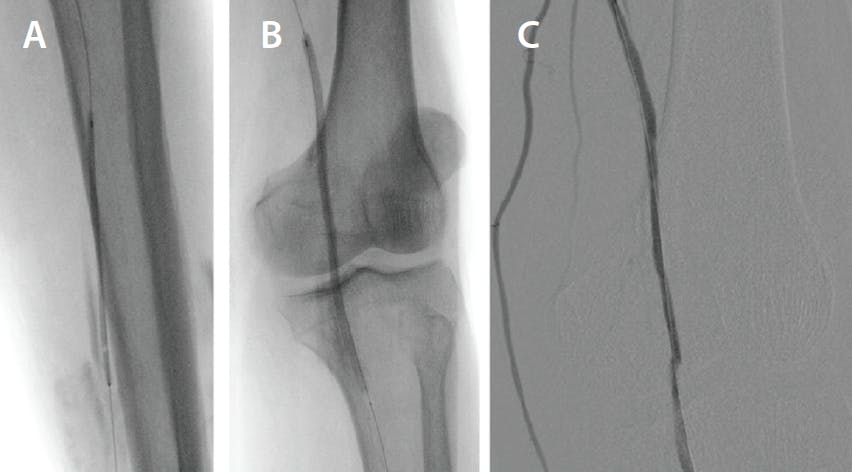
Figure 4. Balloon angioplasty of the femoropopliteal occlusion and posterior tibial artery. Balloon angioplasty (2.5-mm SABER™ 0.018” PTA Balloon) of the mid-posterior tibial artery (A). Balloon angioplasty (4-mm SABER™ 0.018” PTA Balloon) of the popliteal artery (B). Control angiogram showing residual dissection and stenosis at the reentry site of the popliteal artery (C).
Considering the extent of the lesion and suboptimal result of the angioplasty at the reentry site at the popliteal artery, primary stenting with a drug-eluting stent was preferred. The guidewire was exchanged for a 0.035-inch guidewire, and the stent deployment was carried out without further predilation, from the popliteal artery extending proximally into the CFA (a 5-mm-diameter stent at the popliteal artery progressing to a 7-mm-diameter stent at the CFA; total stent length, 520 mm). Dilatation of the stents was performed with 5-mm and 6-mm SABER™ .035 PTA Balloons, which were easily trackable across the nonoptimally prepared stented lesion and allowed for repeated inflations with excellent expansion of the implanted stents (Figure 5).
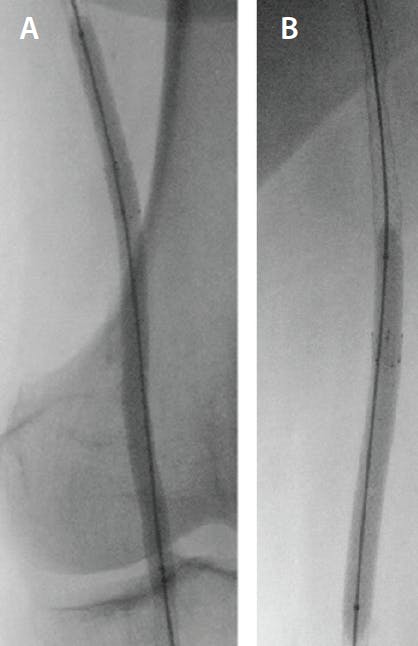
Figure 5. Postdilatation of popliteal stent with the 5-mm SABER™ .035 Balloon (A). Postdilatation of the SFA stent with a 6-mm SABER™ .035 Balloon (B).
The completion angiogram of the left lower limb showed success of the procedure without residual stenosis of the lesion, no significant mismatch on the site of implantation of the distal stent on the popliteal artery, and good patency of tibial arteries to the foot (Figure 6). The right CIA stenosis was treated with a balloon-expandable stent (8- X 57-mm Visi-Pro, Medtronic) and the right CFA access site was closed with a MYNX™ CONTROL VCD under ultrasound control. An extended amputation of the hallux and first metatarsal was also performed.
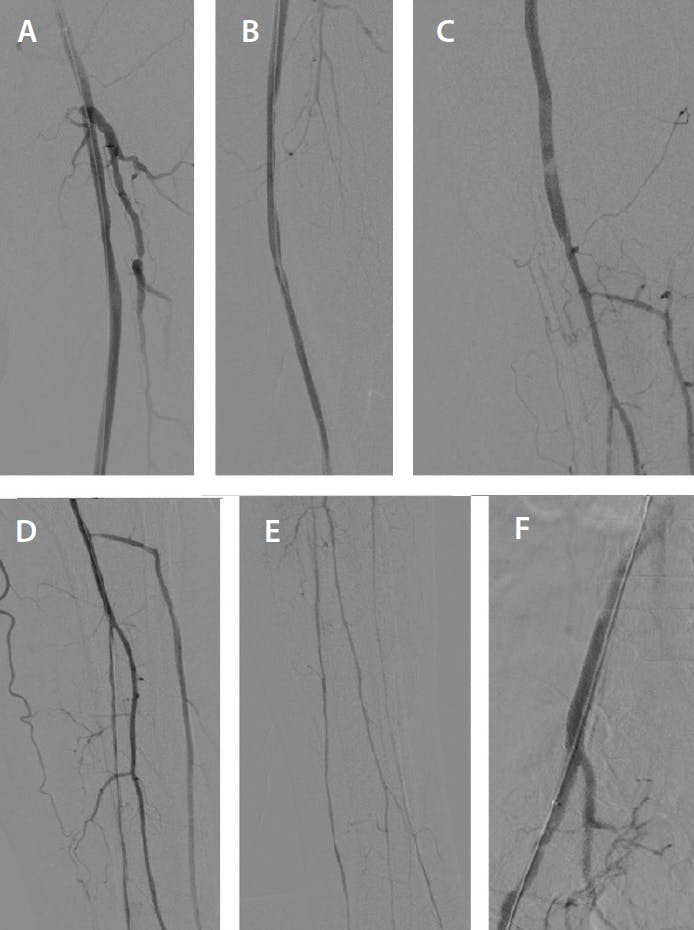
Figure 6. Completion angiograms of the CFA (A), SFA and popliteal artery (B, C), tibial arteries (D, E), and right CIA (F).
After the procedure, the patient experienced significant improvement of rest pain and the amputation site evolved favorably. The patient was discharged 4 days after the procedure with negative pressure wound therapy.
DISCUSSION
The procedure presented showed an excellent performance of the SABER™ .035 PTA Catheter Balloon. In our case, alternative recanalization options were needed, increasing the complexity of the procedure. The ability to rely on a PTA catheter balloon that can advance easily over stents that were not totally expanded simplified an already difficult case and allowed us to accomplish the procedure safely. The novel SABER™ .035 PTA Catheter Balloon showed ease of use and reliability and was a valid alternative over the previous PTA catheters typically used at our department.
This article has been developed for an educational purpose and represents independent evaluations and opinions of the authors and contributors independently from the operating company sponsoring this article. Drs. Loizides, Saltarelli, and Fernandes e Fernandes are compensated by and presenting on behalf of Cordis and must present information in accordance with applicable regulatory requirements.
For healthcare professionals only.
Important information: Prior to use, refer to the instructions for use supplied with this device for indications, contraindications, side effects, suggested procedure, warnings, and precautions. As part of its continuous product development policy, Cordis reserves the right to change product specifications without prior notification. CORDIS, Cordis LOGO and BRITE TIP, SABER, POWERFLEX Pro, MYNX CONTROL, and S.M.A.R.T. CONTROL are trademarks of Cordis and may be registered in the US and/or in other countries. All other marks are the property of their respective owners. © 2022 Cordis. All Rights Reserved. 100615375 09/2022
Advertisement
Advertisement