Advertisement
Advertisement
April 2023
Sponsored by Penumbra, Inc.
Frame, Anchor, Pack: Simplifying Complex Cases With Penumbra’s Embolization Platform
With Andrew J. Gunn, MD; Tarik Babar, BS; Naiem Nassiri, MD, FSVS, RPVI; Amit J. Dwivedi, MD, FACS; Gerald A. Cheadle, MD; Robert Evans Heithaus, MD; Daniel K. Han, MD; Saadat Shariff, MD; and Neil Patel, MD


Today, a variety of endovascular coil technologies are available, each offering a unique approach to embolization. Factors often considered when selecting an embolic agent include temporary versus permanent hemostasis, depth or penetration of vascular occlusion required, catheter compatibility, location of treatment site, and operator preference. With the increased availability of new embolic materials and techniques, knowledge of the properties and limitations of each embolic material is important for patient care. When considering coil embolization, Penumbra’s embolization platform, consisting of Ruby®, POD® (Penumbra Occlusion Device), Packing Coils, and Low-Profile (LP) system (Penumbra, Inc.) have become “go-to” coils in my practice, as they are soft, provide a large volume of embolic material, and rely significantly on mechanical occlusion for embolization.
As splenic injury is the most common sequelae of abdominal trauma, our busy level 1 trauma center performs many cases of splenic artery embolization (SAE). Our pilot, prospective, randomized trial, ELSA-1, evaluated the use of POD versus endovascular plugs in proximal SAE for patients with high-grade splenic trauma. We found that primary technical success rates were likely superior in the arm receiving POD compared to endovascular plugs.1 POD is well-suited for proximal SAE since its stiff distal aspect assists with anchoring while its softer proximal aspect allows for dense packing. Although this was a feasibility trial, we look forward to the results of ELSA-2, our multicenter randomized trial evaluating primary technical success rates of POD and vascular plugs for SAE.
PRODUCT OVERVIEW
Penumbra’s embolization platform consists of a large-volume system and a LP system. The large-volume system includes three detachable technologies: Ruby Coil, POD, and Packing Coil. These are large-volume coils, similar in volume to 0.035-inch coils, but deliverable through a high-flow microcatheter like the company’s high-flow LANTERN® (0.025-inch inner diameter) microcatheter (Penumbra, Inc.), while its LP system includes Ruby LP and Packing Coil LP (Figure 1 and Figure 2).
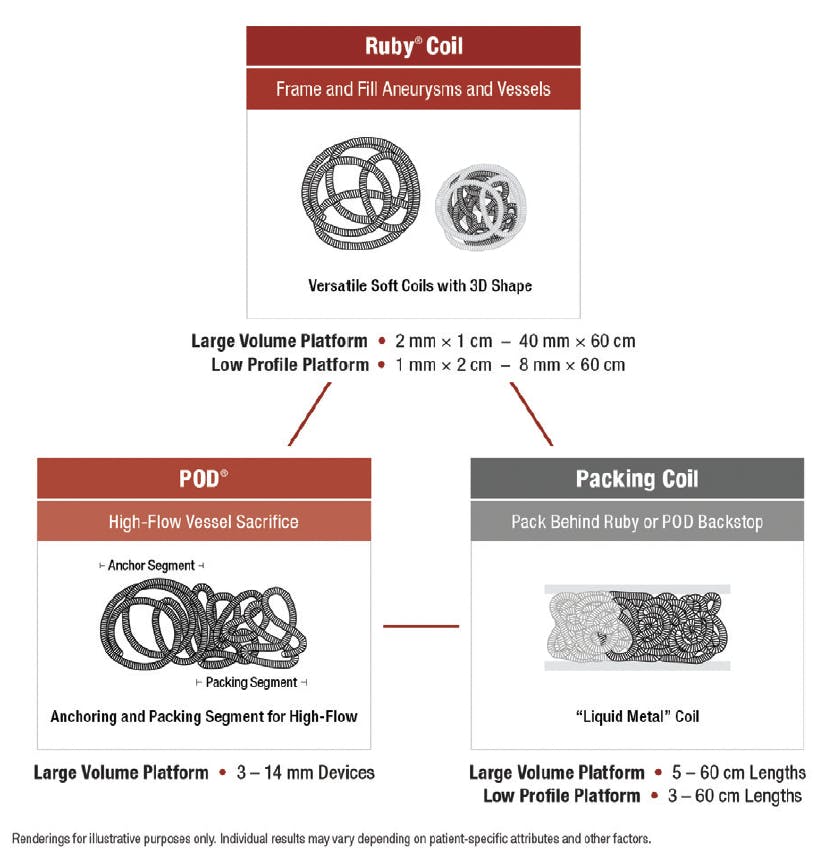
Figure 1. Penumbra’s complete embolization platform.
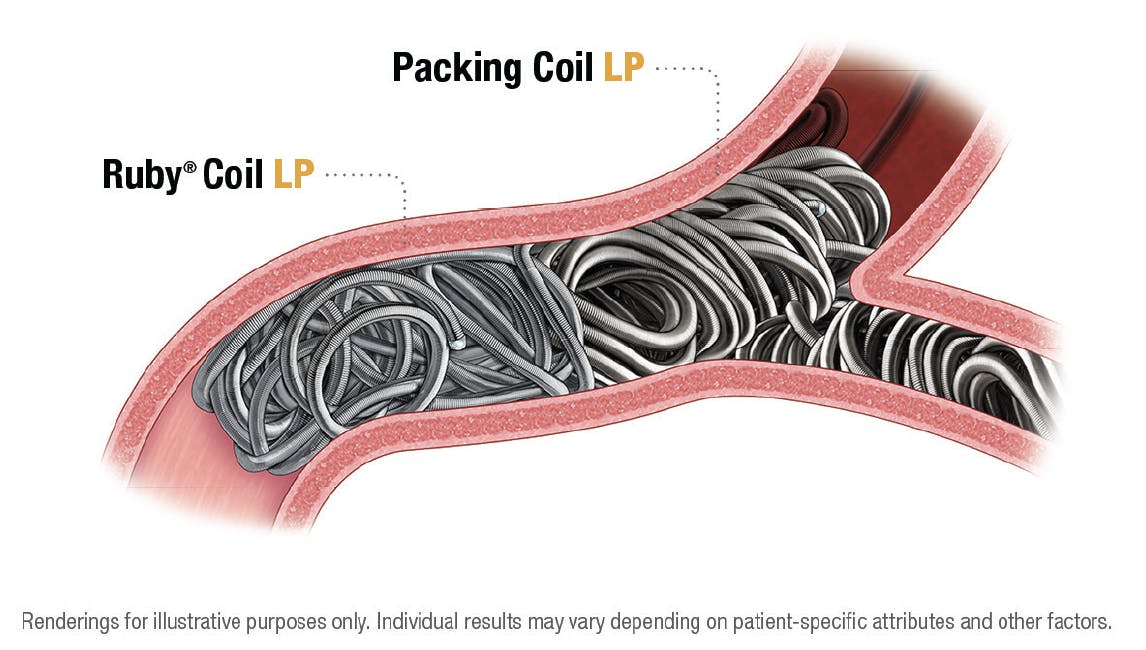
Figure 2. Small vessel embolization illustration of Ruby Coil LP and Packing Coil LP.
The Ruby Coil is a versatile, three-dimensional coil designed to frame aneurysms or vessels. It has both Standard and Soft configurations. The POD is a unique coil designed for addressing high-flow vessels and situations, such as the splenic artery. It consists of a distal anchoring segment that allows for vessel wall “anchoring” and a proximal packing segment. Finally, there is the Packing Coil, which does not come in sizes, only in lengths, and is designed to pack into any size vessel densely and efficiently. This retractable “liquid metal” allows an operator to densely pack either behind a Ruby Coil or POD backstop. In 2020, Penumbra further expanded its embolization platform with the addition of its LP technology: Ruby Coil LP and Packing Coil LP. These coils, which are deliverable through LP microcatheters (0.0165-0.021 inch), have the Penumbra characteristics of softness and long lengths. These coils are longer, softer, and larger than conventional 18-system coils. I have had considerable success with these coils for applications such as gastrointestinal (GI) bleeds, yttrium-90 mapping, trauma bleeds, and prostate artery.
With sizes from 1 to 40 mm and lengths from 5 to 60 cm, each of the Penumbra coil technologies is characterized by volume and softness, enabling a mechanical vessel occlusion. The ability to densely pack with soft, large-volume, bare-platinum Penumbra coils has been associated with low rates of recanalization.2
VOLUME ADVANTAGE DATA
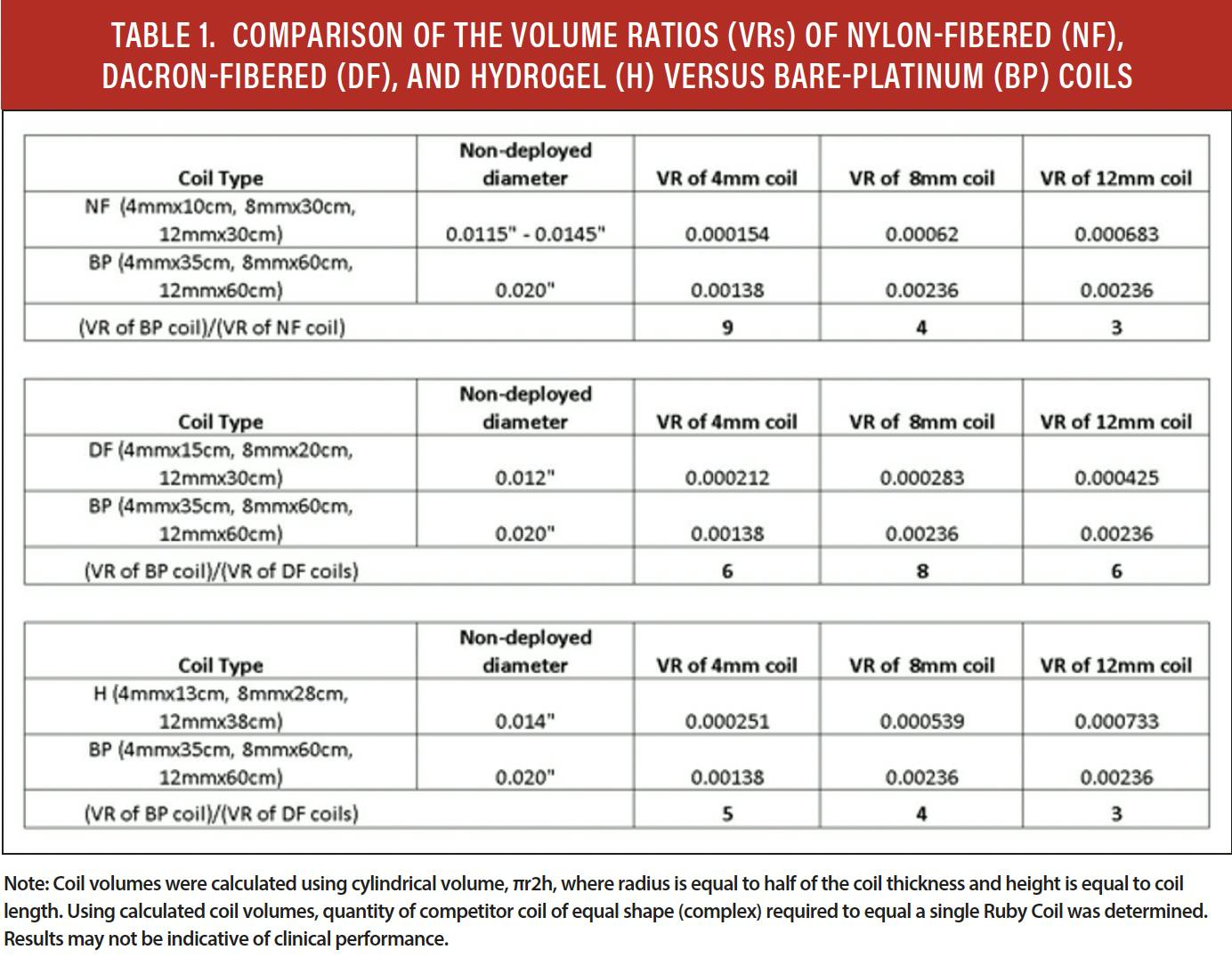
In a recent abstract presented at GEST 2022, our group presented volume ratio comparisons between four types of detachable endovascular coils (Table 1). Dacron-fibered coils, nylon-fibered coils, hydrogel coils, and bare-platinum (BP) coils were selected for comparison. The data showed that BP coils from Penumbra had a higher volume ratio at each measured diameter. These data suggest that fewer BP coils may be needed to achieve the desired clinical outcomes, possibly reducing procedure time and cost.3
1. Gunn AJ, Raborn JR, Griffin R, et al. A pilot randomized controlled trial of endovascular coils and vascular plugs for proximal splenic artery embolization in high-grade splenic trauma. Abdom Radiol (NY). 2021;46:2823-2832. doi: 10.1007/s00261-020-02904-w
2. Vogler J, Gemender M, Samoilov D. Packing density and long-term occlusion after transcatheter vessel embolization with soft, bare-platinum detachable coils. Am J Interv Radiol. 2020;4:2. doi: 10.25259/AJIR_31_2019
3. Gunn AJ. Volume ratio comparison between four types of endovascular detachable coils. Presented at: GEST 2022; May 19-22, 2022; New York, New York.
Proximal SAE After High-Grade Splenic Trauma
By Andrew J. Gunn, MD
Why I Use Penumbra’s Embolization Platform
- POD allows strong anchoring of the vessel distally in addition to dense packing proximally.
- POD can be delivered through a standard microcatheter.
- POD is designed to provide rapid hemostasis.
CASE PRESENTATION
A hemodynamically stable male in his early 50s was brought to the emergency department (ED) after a motor vehicle collision. Initial CT with contrast demonstrated left splenic laceration with splenic vascular injury and active contrast extravasation (AAST grade 4) (Figure 1). He was referred for proximal SAE in the setting of high-grade splenic trauma.
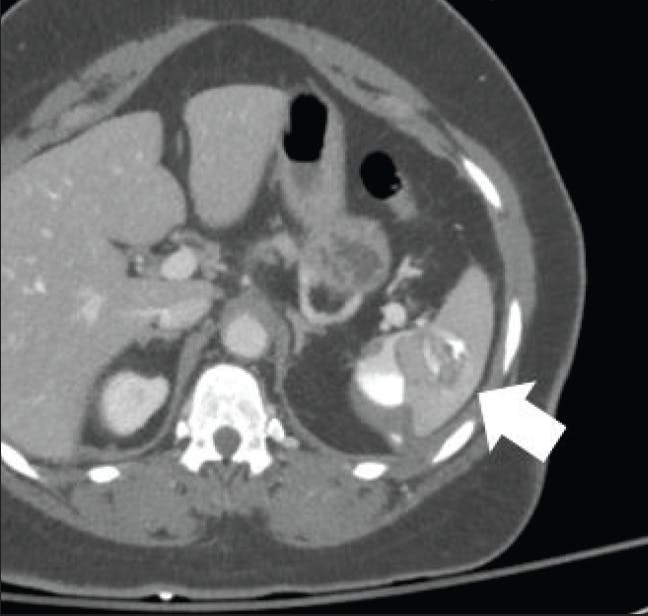
Figure 1. Axial slice from a contrast-enhanced CT of the abdomen showed a high-grade laceration of the spleen with areas of vascular injury, contrast pooling, and hemoperitoneum (white arrow).
PROCEDURAL OVERVIEW
Through right femoral artery access, digital subtraction angiography (DSA) of the celiac artery was performed using a 5-F C2 diagnostic catheter (Cook Medical). Selective catheterization of the proximal splenic artery using a high-flow microcatheter (Progreat, Terumo Interventional Systems) was performed. The main splenic artery between the dorsal pancreatic and pancreaticomagna arteries was approximately 4 mm (Figure 2). Once in satisfactory positioning, proximal SAE was performed using a single 6-mm POD Anchoring Coils, followed by a 15-cm Packing Coil. Hemostasis in the splenic artery was confirmed on follow-up splenic arteriogram (Figure 3). The patient tolerated the procedure well and was monitored in stable condition.
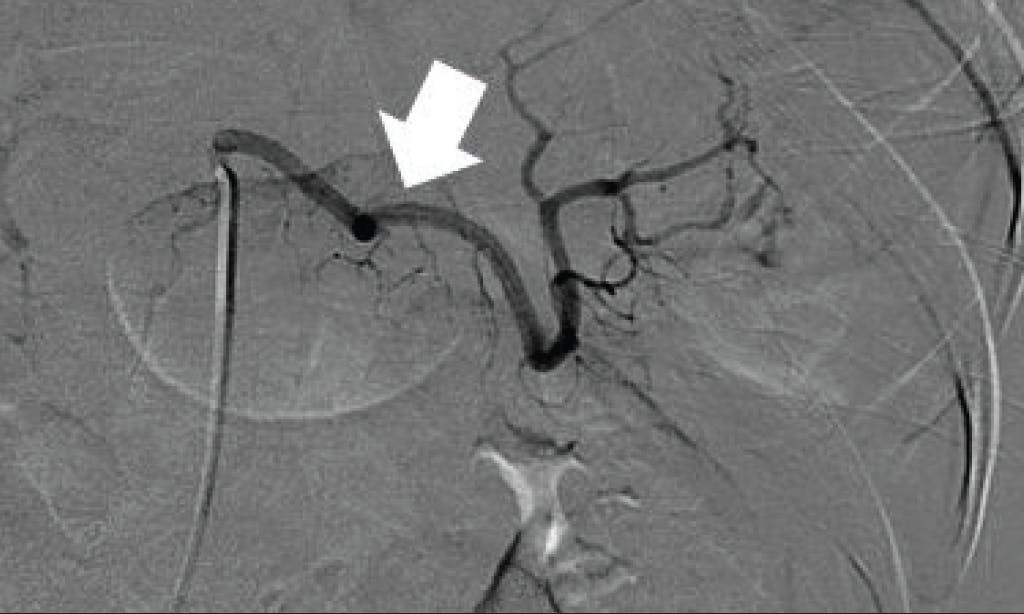
Figure 2. DSA from the very proximal splenic artery showed the mid-splenic artery was approximately 4 mm. Proximal SAE should be performed at approximately the level of the white arrow, distal to the dorsal pancreatic artery and proximal to the pancreaticomagna artery, which allows for reduced but continued perfusion to the spleen.
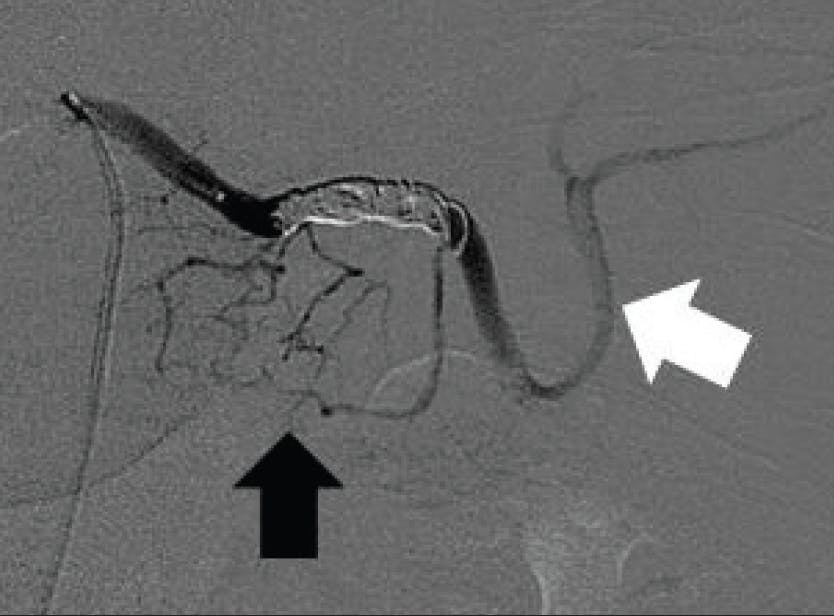
Figure 3. DSA from the splenic artery after coil embolization showed occlusion of the splenic artery, collateral flow around the coils (black arrow), and continued perfusion to the spleen (white arrow).
DISCUSSION
Proximal SAE involves embolic agent deployment within the mid-splenic artery, distal to the dorsal pancreatic artery, and proximal to the pancreaticomagna artery, thus decreasing the arterial pressure to the spleen and promoting hemostasis while preserving perfusion through collateral vessels.1 Proximal SAE is associated with high rates of technical and clinical success with fewer complications and shorter procedural times when compared to selective catheterization and embolization.2-7 When using conventional coils or endovascular plugs, proximal SAE presents technical challenges, including coil pack migration due to the high-flow nature of the splenic artery and the need for larger delivery systems in otherwise smaller tortuous vessels, respectively. The robust distal aspect of POD allows satisfactory anchoring of the vessel, while its softer proximal aspect allows for dense packing and sufficient hemostasis. Moreover, the coil can be delivered through a standard high-flow microcatheter.
Through the high rates of splenic salvage and low rates of complications seen in the ELSA-1 trial, POD Anchoring Coils demonstrated high technical and clinical efficacy for proximal SAE. The ELSA-2 trial will allow us to more closely evaluate the technical parameters and success rates of SAE using POD Coils in the setting of high-grade splenic trauma through a large multicenter trial.
1. Quencer KB, Smith TA. Review of proximal splenic artery embolization in blunt abdominal trauma. CVIR Endovasc. 2019; 2:11. doi: 10.1186/s42155-019-0055-3
2. Rosati C, Ata A, Siskin GP, et al. Management of splenic trauma: a single institution’s 8-year experience. Am J Surg. 2015;209:308-314. doi: 10.1016/j.amjsurg.2014.06.034
3. Haan JM, Bochicchio GV, Kramer N, Scalea TM. Nonoperative management of blunt splenic injury: a 5-year experience. J Trauma. 2005;58:492-498. doi: 10.1097/01.ta.0000154575.49388.74
4. Requarth JA, D’Agostino RB, Miller PR. Nonoperative management of adult blunt splenic injury with and without splenic artery embolotherapy: a meta-analysis. J Trauma. 2011;71:898-903. doi: 10.1097/TA.0b013e318227ea50
5. Banerjee A, Duane TM, Wilson SP, et al. Trauma center variation in splenic artery embolization and spleen salvage: a multicenter analysis. J Trauma Acute Care Surg. 2013;75:69-74. doi: 10.1097/TA.0b013e3182988b3b
6. Schnuriger B, Inaba K, Konstantinidis A, et al. Outcomes of proximal versus distal splenic artery embolization after trauma: a systematic review and meta-analysis. J Trauma. 2011;70:252-260. doi: 10.1097/TA.0b013e3181f2a92e
7. Rong JJ, Liu D, Liang M, et al. The impacts of different embolization techniques on splenic artery embolization for blunt splenic injury: a systematic review and meta-analysis. Mil Med Res. 2017;4:17. doi: 10.1186/s40779-017-0125-6
Renal Salvage Via Stent-Assisted Coil Embolization

Why I Use Penumbra’s Embolization Platform
- Mechanically detachable Packing Coils act as “liquid metal” with benefits of retrieval and repositioning.
- Packing Coil is designed to “flow” and choose the path of least resistance and conform to all open spaces.
- Complete mechanical detachability is an invaluable feature of Penumbra Coils; they allow untimed, complete excursion of a given coil.
- The Packing Coils or “liquid metal” coils offer the operator benefits similar to a liquid embolic agent with the added benefit of retractability and control.
CASE PRESENTATION
A female patient in her early 20s presented seeking a second opinion for the management of a left hilar renal artery aneurysm due to fibromuscular dysplasia (FMD). She had previously undergone multiple operations, including multiple sessions of balloon angioplasty, stent placement, and an interposition bypass, which had all been complicated by restenosis. She had been offered a left nephrectomy as a final treatment option. She remained episodically hypertensive with complications of severe headaches despite three antihypertensive medications. Prior to her visit, the patient was unfamiliar with FMD and it being the underlying culprit affecting her left renal artery (LRA). In addition to her recalcitrant renal artery stenosis, her renal artery aneurysm, which was situated in a major branch point within the renal hilum, had enlarged to 1.5 cm from 1.0 cm over the last 12 months. She explicitly expressed an active desire to become pregnant. She was not taking any anticoagulants or antiplatelet medications at the time of her visit. Her physical examination was largely unremarkable. Dedicated CTA of the abdomen and pelvis was obtained, along with bilateral carotid and renal artery duplex ultrasounds (Figure 1 and Figure 2). These showed no other foci of fibrodysplastic changes aside from the known abnormalities in the LRA.
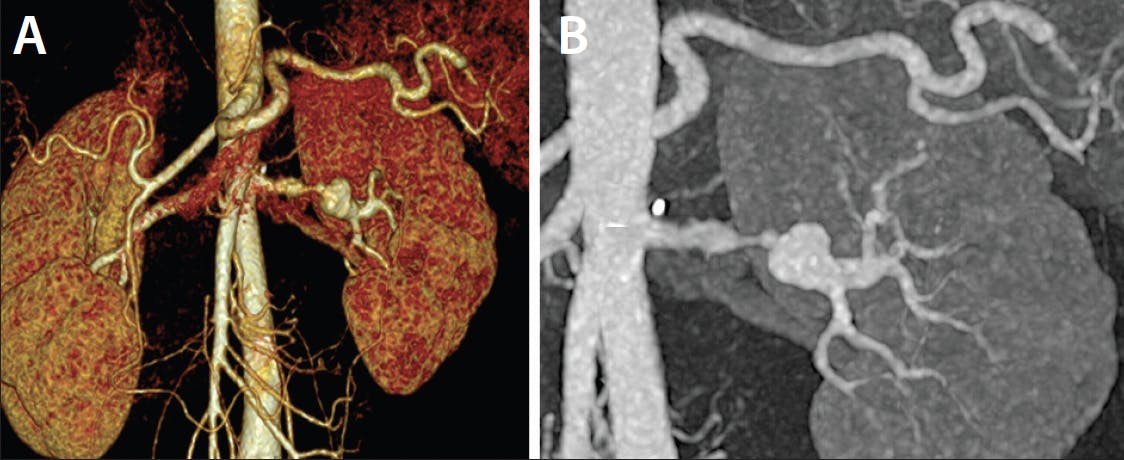
Figure 1. CTA showed a saccular hilar aneurysm situated at a major branch point. Arising vessels from the aneurysm supply the renal parenchyma (A, B).
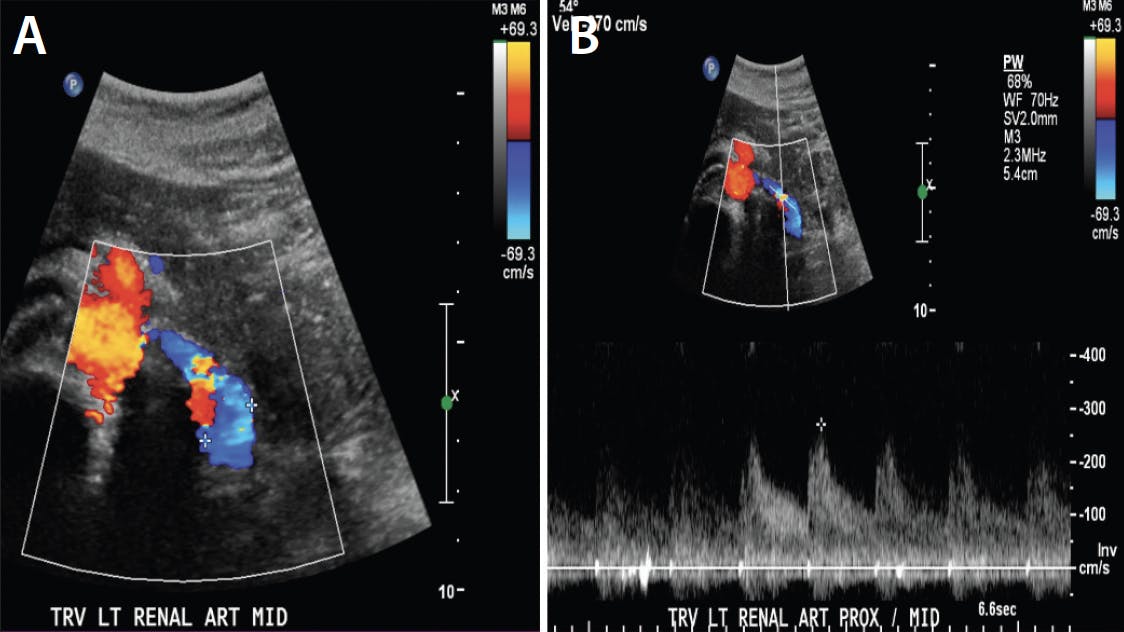
Figure 2. A distal hilar LRA aneurysm measured 1.5 cm (A, B).
PROCEDURAL OVERVIEW
Femoral access was obtained, and an 8-F steerable sheath was advanced and used to selectively engage the LRA. Selective angiography confirmed severe multifocal stenoses with profound hilar poststenotic dilation and aneurysmal degeneration at a major branch point that supplied at least three main parenchymal branches to the kidney (Figure 3A). To address these stenotic lesions, selective catheterization of the largest, most direct runoff branch was performed with a steerable, angled guidewire and a 5-F diagnostic catheter. The wire was then exchanged for a stiff, J-tip, exchange-length wire over which a 5-mm drug-coated balloon (In.Pact Admiral, Medtronic) was advanced and insufflated (prolonged insufflation to 2 minutes) across the stenotic segments of the main LRA (Figure 3B). Completion angiography revealed alleviation of existing stenoses, which had now created a suitable arterial bed for the anticipated self-expanding, bare-metal stent placement across the aneurysm extending into the selected major renal artery branch (Figure 3C). This would be done to facilitate safe and precise coil embolization of the renal artery aneurysm without compromising flow to the major branch vessels at that location.
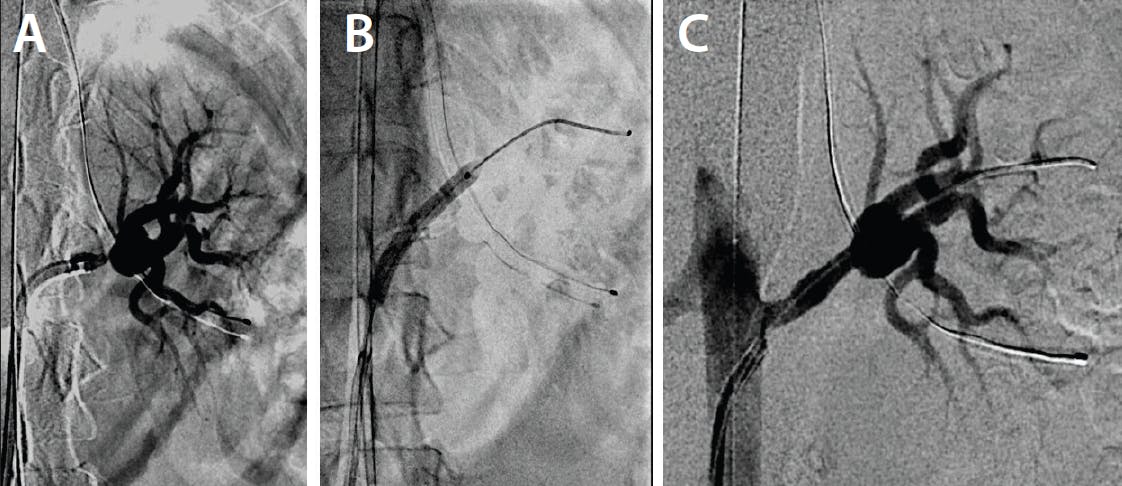
Figure 3. The selective angiogram confirmed severe multifocal stenoses and aneurysmal degeneration (A). DCB advanced across the LRA (B). A completion angiogram showed treated stenoses (C).
With our initial guidewire in place across the main renal artery into a major direct outflow branch, the 8-F sheath was now dual punctured for access, and a second platform was introduced and navigated across the renal artery selectively into the LRA aneurysm sac (Figure 4A). This platform was a coaxial system that included a 5-F Berenstein catheter (Boston Scientific Corporation) and a Berenstein-tip microcatheter. This dual-access system allowed us to deliver and deploy a 6- X 40-mm self-expanding, bare-metal stent (Inova, Boston Scientific Corporation) across the aneurysm, extending from the proximal LRA into the selected major outflow branch, and as such, trapping the tip of the microcatheter purposefully within the LRA aneurysm sac (Figure 4B). Angioplasty after stent deployment allowed for optimal configuration of the stent with no residual areas of stenosis.
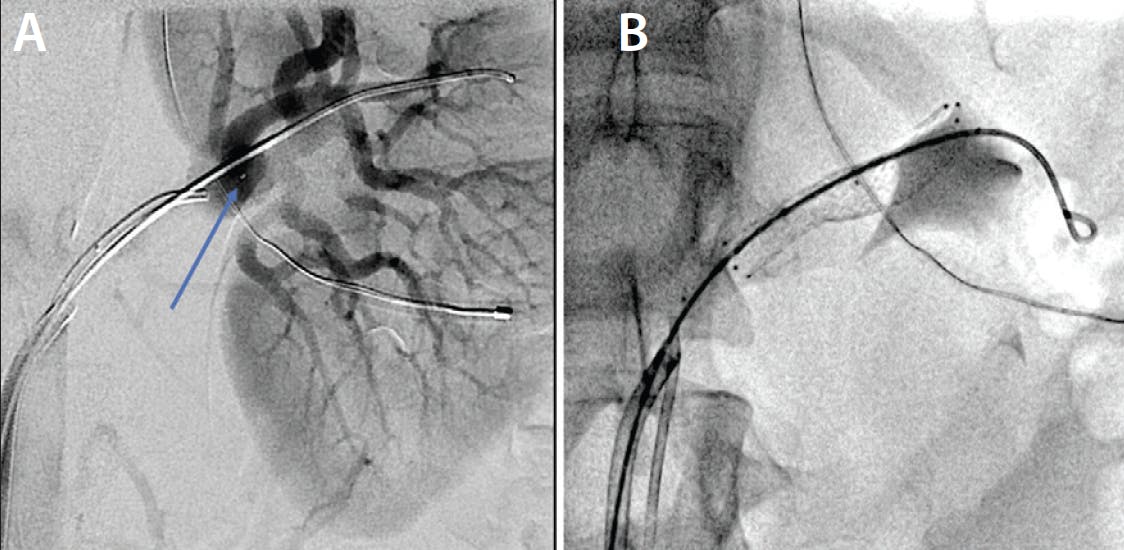
Figure 4. Coaxial system used to navigate the renal artery. The blue arrow shows the microcatheter tip (A). A stent was deployed across the aneurysm (B).
Post–stent deployment angiography revealed successful placement and contour of the stent, with no evidence of migration or fracture while preserving flow across all major branches with widely patent parenchymal arborization on delayed angiographic runs (Figure 5A). With the postdeployment angioplasty balloon insufflated across the stent, a total of three Packing Coil LPs (30-45 cm in length) were deposited through the microcatheter and allowed to conform to and fill the LRA aneurysm sac (Figure 5B). The Packing Coil LP or liquid metal coils allow for efficient aneurysm sac embolization circumferentially around the freshly deployed stent without the need for extensive microcatheter tip manipulation. Note the circumferential filling of the coils around the stent confirming stent patency and adequate filling of the aneurysm sac.
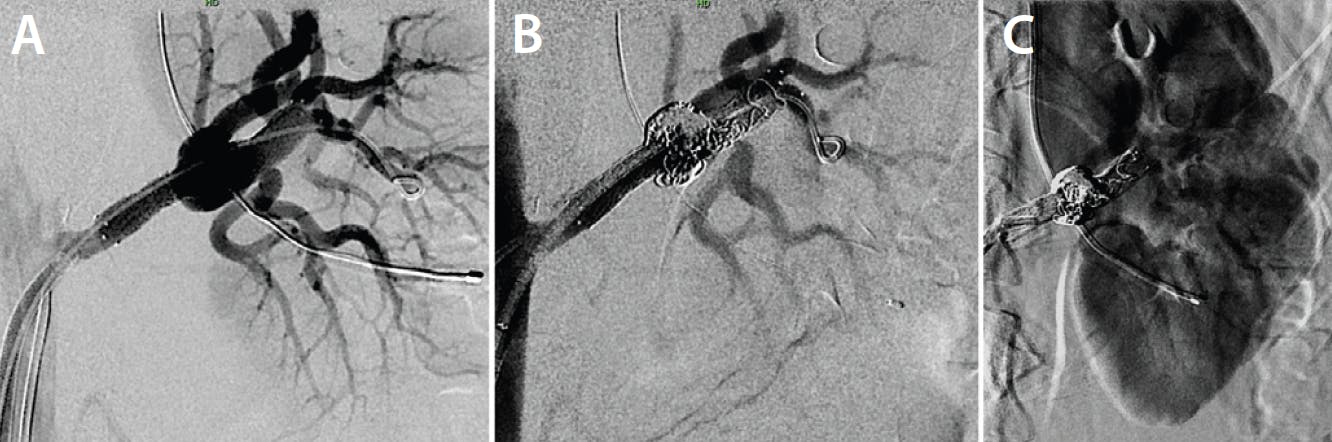
Figure 5. Angiogram after stent deployment showing successful placement (A). Three Ruby LP Packing Coils (30-45 cm) were deposited through the microcatheter, filling the LRA aneurysm sac (B). Final angiogram showing complete exclusion of the aneurysm sac (C).
Embolization of a Large Celiac Artery Aneurysm in a Patient With Behçet’s Disease


Why I Use Penumbra’s Embolization Platform
- Easy trackability of the LANTERN catheter and Ruby and Packing Coils.
- High-density packing with potential for fewer coils.
- Single platform for both framing and packing coils.
CASE PRESENTATION
A male teenager with a history of Behçet’s disease maintained on methotrexate presented to the ED with acute-onset epigastric pain for the last 24 hours. CT abdomen and pelvis was obtained, which revealed a large saccular celiac artery aneurysm measuring 3 X 2.5 X 2.7 cm with large thrombus (Figure 1). Flow to the hepatic, splenic, and left gastric arteries appeared to come from collaterals from the superior mesenteric artery (SMA). Given the size and symptomatic nature of the celiac aneurysm, we elected to proceed with angiography to confirm collateral flow to the hepatic artery and, if present, proceed with aortic stent coverage of the celiac artery origin and coil embolization of the celiac aneurysm.
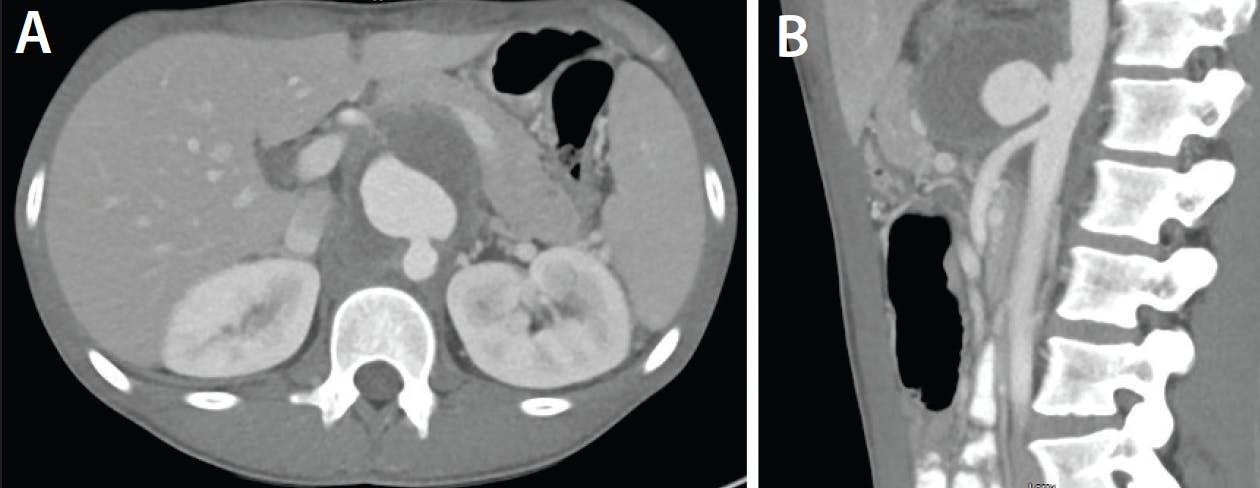
Figure 1. CTA showing a large celiac artery aneurysm in axial (A) and sagittal (B) views.
PROCEDURAL OVERVIEW
The patient was taken to the hybrid suite and placed in the supine position. The bilateral common femoral arteries were accessed. Two Perclose ProGlide (Abbott) devices were placed in the right femoral artery. Through the left femoral access, the SMA was cannulated, and a visceral angiogram confirmed that the hepatic artery was supplied via collateralization from the SMA (Figure 2). A Van Schie-4 catheter (Cook Medical) and Glidewire (Terumo Interventional Systems) were used to cannulate the celiac artery aneurysm. The Glidewire was exchanged for a Rosen wire, and a 6-F, 45-cm sheath was placed into the origin of the celiac artery. A glide catheter was then advanced and kept in place for subsequent coil embolization (Figure 3A). Through the right femoral access, the Bentson wire was exchanged for an Amplatz wire and a 16-F sheath was advanced. A 23-mm X 3.3-cm Gore Excluder stent (Gore & Associates) cuff was advanced and deployed with the distal landing zone at the level of the SMA (Figure 3B). A LANTERN catheter was then advanced through the glide catheter into the celiac artery aneurysm. Two 36-mm X 60-cm and one 40-mm X 60-cm framing Ruby Coils and eight 60-cm Packing Coils were used to embolize the aneurysm sac (Figure 4). Completion aortography was performed, which showed a thrombosed celiac aneurysm sac and a patent SMA and hepatic artery (Figure 5). The patient recovered and the aneurysm sac has remained thrombosed on interval follow-up CT imaging.
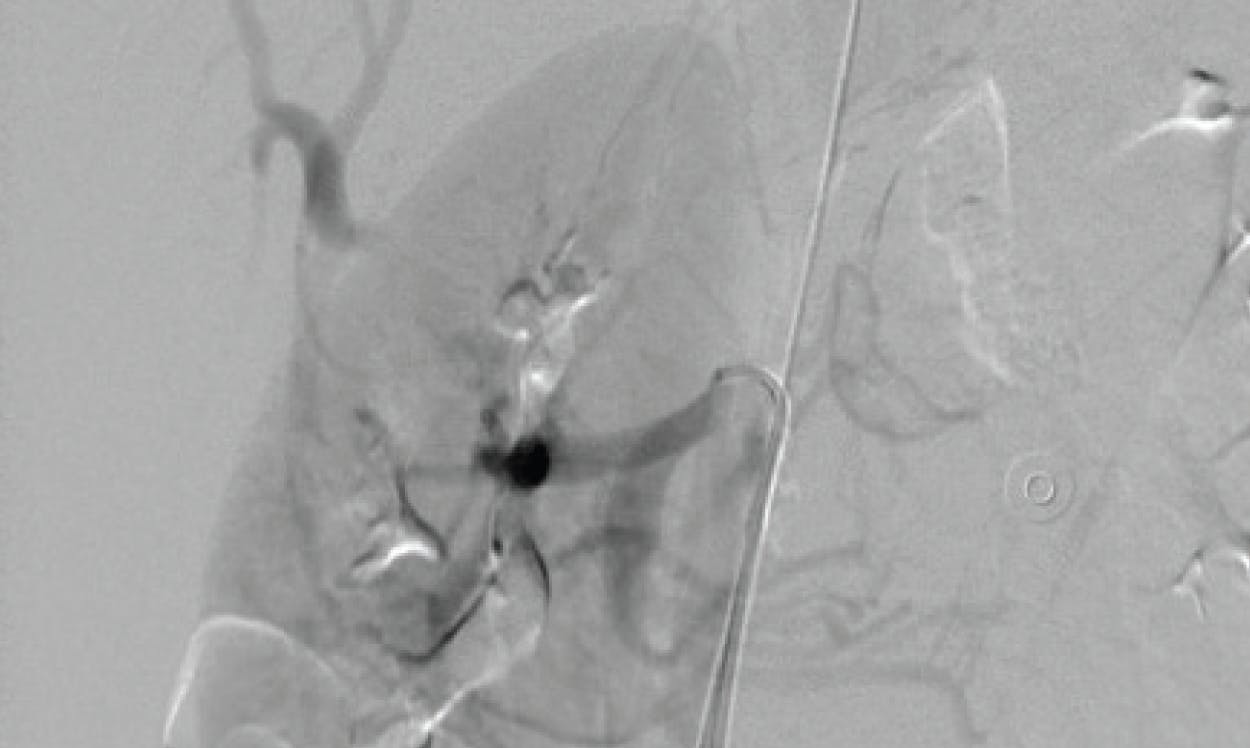
Figure 2. Mesenteric angiogram demonstrating the hepatic artery fills through the SMA.
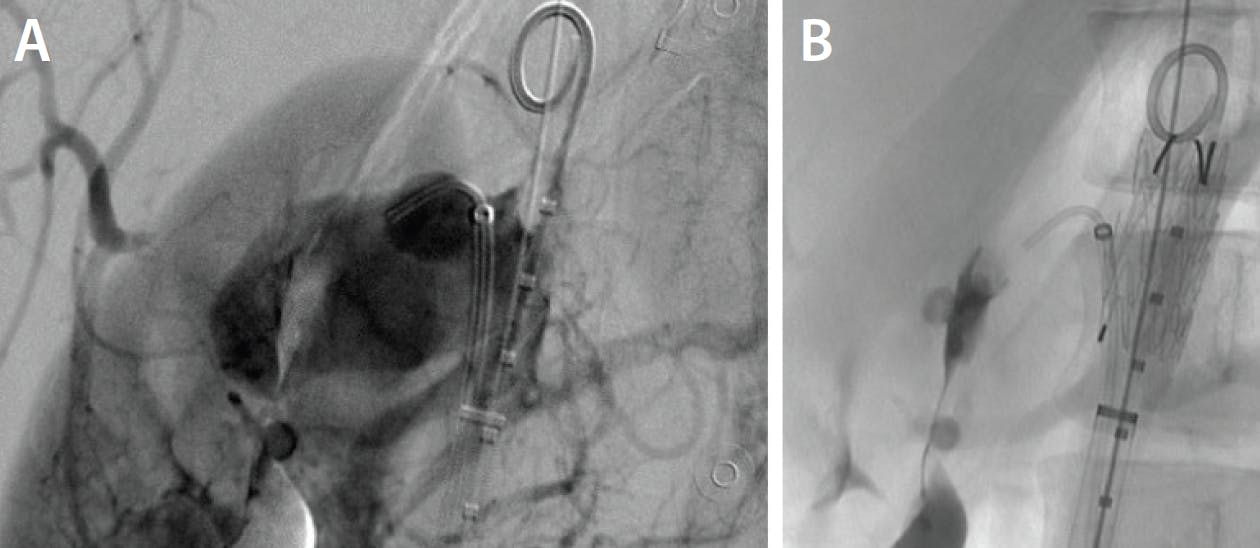
Figure 3. Cannulation of the celiac artery aneurysm (A) and deployment of aortic stent to cover origin of celiac artery (B).
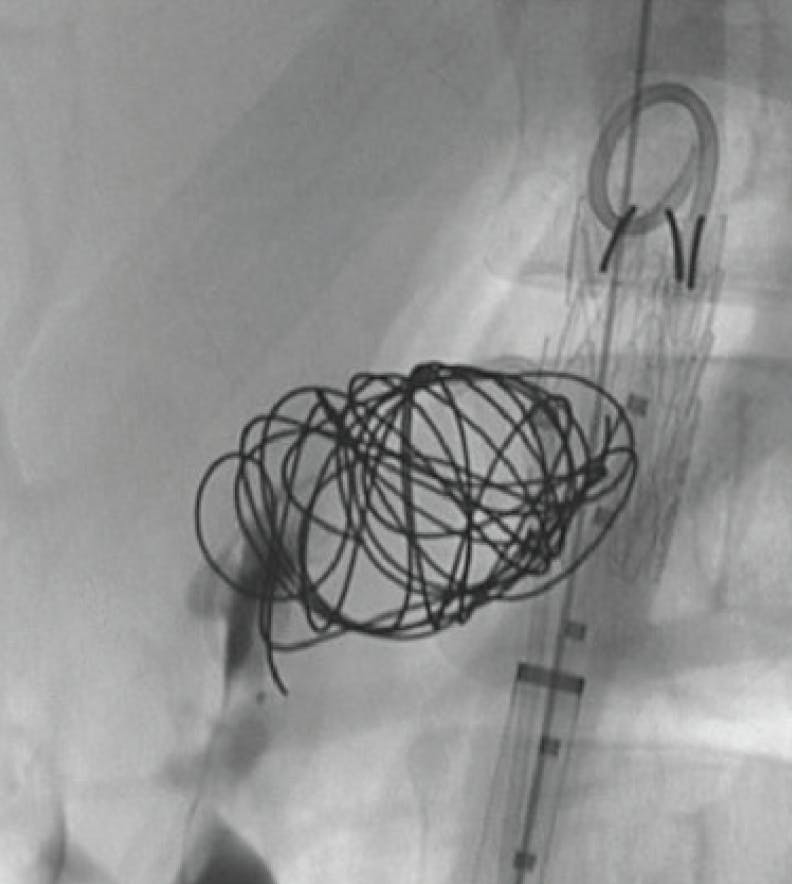
Figure 4. Placement of Ruby and Packing Coils into the celiac artery aneurysm sac.
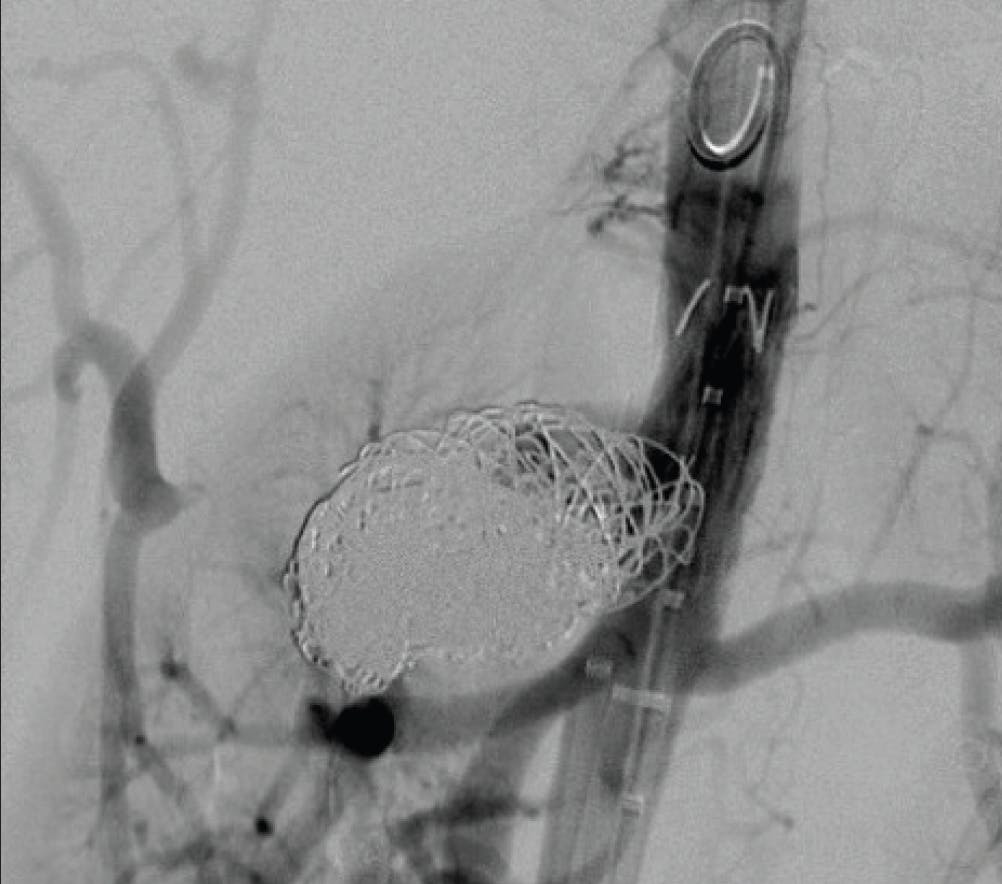
Figure 5. Completion aortic angiogram with thrombosis of the celiac artery aneurysm and filling of the SMA and hepatic arteries.
DISCUSSION
In this case, the Penumbra embolization platform was advantageous due to easy trackability and longer-length coils. This allowed efficient cannulation of the celiac aneurysm and dense packing with few overall coils while maintaining a single system without catheter exchanges.
Gastric Variceal Embolization for Acute Upper GI Bleeding in the Setting of Portal Hypertension

Why I Use Penumbra’s Embolization Platform
- The large-volume Ruby Coils were able to achieve efficient mechanical occlusion of large gastric varices at the time of TIPS creation.
- The high-flow state of gastric varices can present a challenge for intravascular occlusion, and the tortuosity of these vessels often requires microcatheter selection and embolization with conformable embolics.
- Occlusion was durable with no rebleeding or recanalization.
CASE PRESENTATION
A female patient in their mid-50s with a history of hepatitis C virus cirrhosis presented with upper GI bleeding. A postcontrast CT of the abdomen revealed large gastroesophageal varices (Figure 1). An upper endoscopy was performed, which confirmed the presence of gastric varices that had stigmata of recent bleeding. The patient was referred for transjugular intrahepatic portosystemic shunt (TIPS) creation.
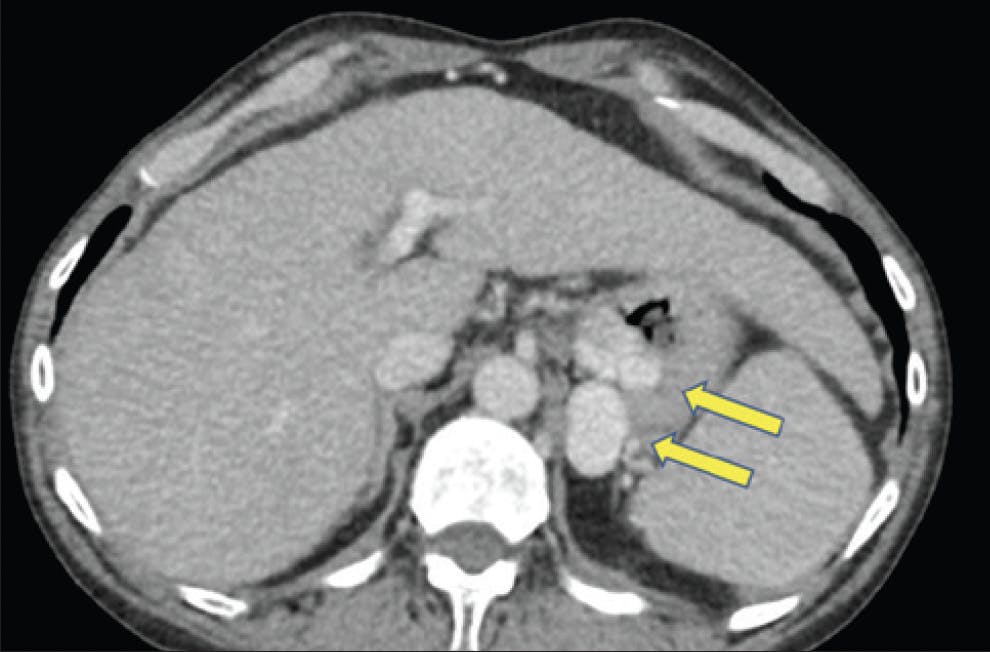
Figure 1. Axial postcontrast CT prior to TIPS creation showing large gastric varices.
PROCEDURAL OVERVIEW
TIPS creation was performed utilizing a Rosch-Uschida transjugular liver access set (Cook Medical) in the usual fashion. Following placement of a Viatorr controlled-expansion stent (Gore & Associates), balloon dilatation to 10 mm was performed. The portosystemic gradient was reduced from 20 to 5 mm Hg. A straight flush catheter was placed in the splenic vein, and a post–TIPS creation portal venogram showed persistent filling of large gastric varices (Figure 2). Selection of the portal venous end was performed with a 4-F Cobra catheter and LANTERN microcatheter. Four 12-mm X 40-cm Ruby Soft Coils were then deployed through the LANTERN microcatheter on the portal venous side of the varix (Figure 3).
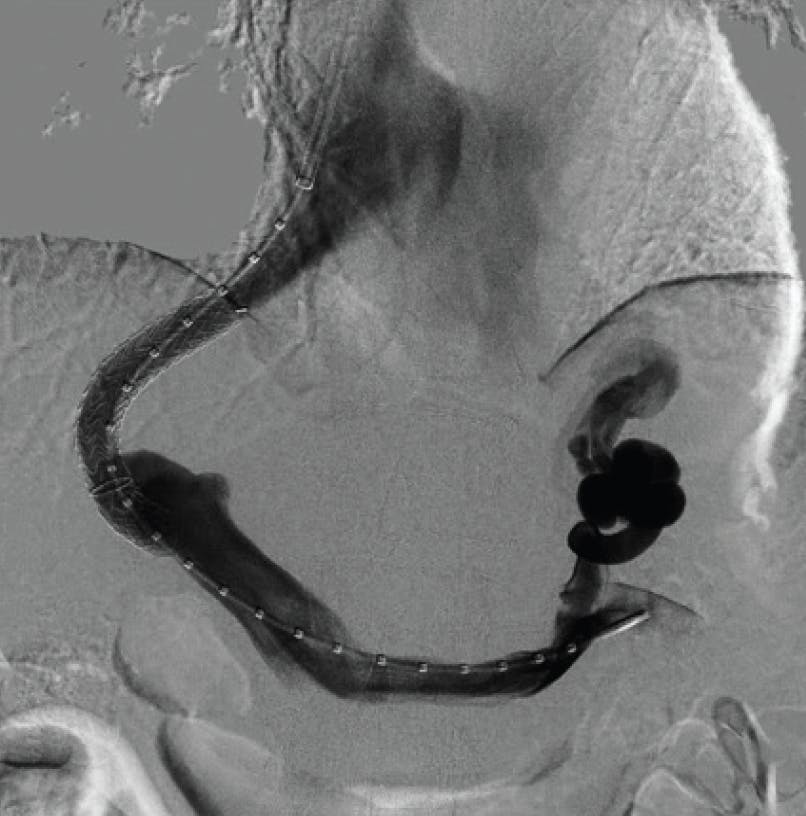
Figure 2. Post–TIPS creation venogram showing persistent filling of large gastric varices.
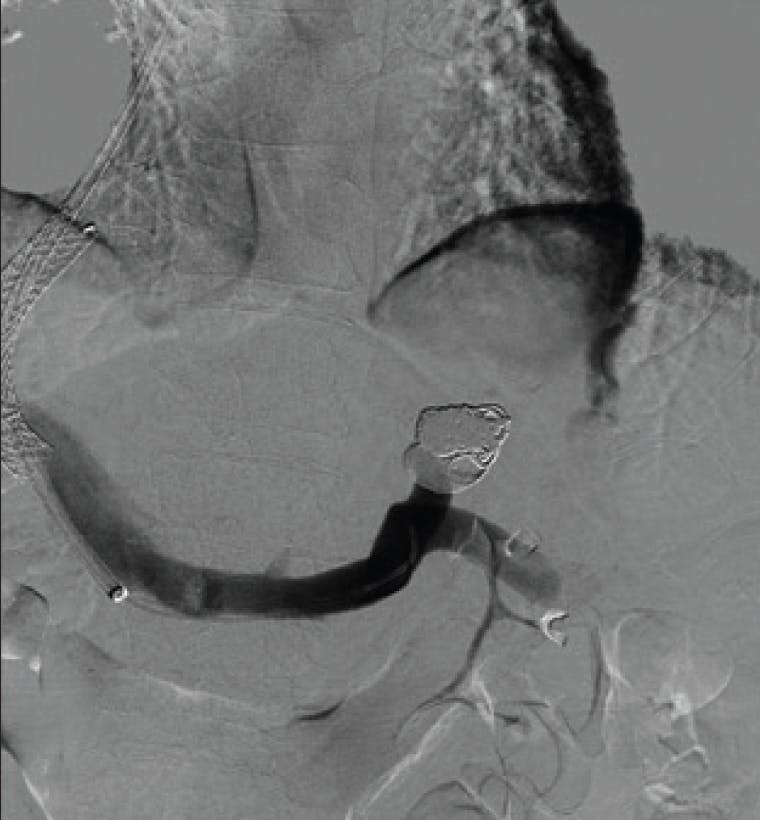
Figure 3. The portal venous end of the varix was embolized with four 12-mm X 40-cm Ruby Soft Coils.
Next, the systemic venous draining of the gastric varix was selected with a Cobra catheter from the left renal vein approach via the inferior vena cava. This component of the varix was embolized with a 10-mm X 35-cm Ruby Soft Coil, followed by three 60-cm Ruby Packing Coils. Finally, a 10-mm X 40-cm Standard Ruby Coil was used to occlude the systemic venous exit of the varix (the “sandwich technique”) (Figure 4). A follow-up CT of the abdomen and pelvis postprocedure showed complete occlusion of the gastric varix. No rebleeding occurred, and 1-year follow-up CT showed persistent occlusion of the varices.
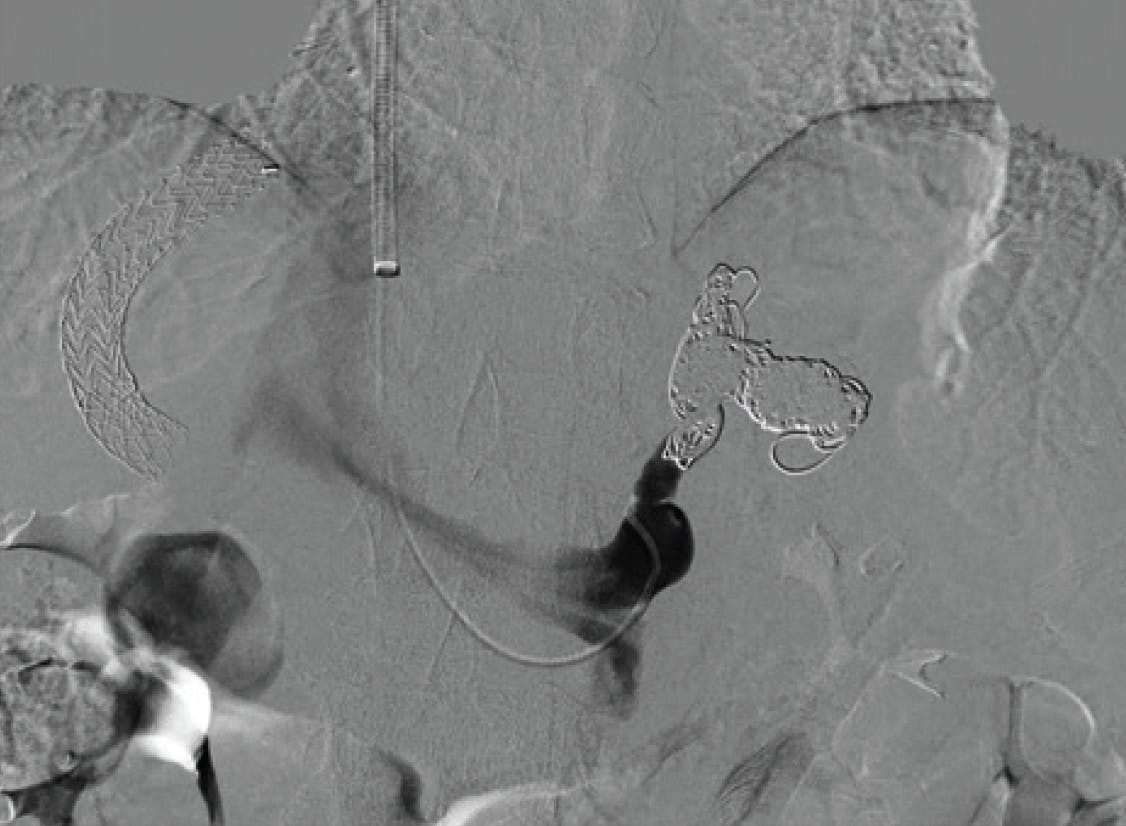
Figure 4. Final embolization of the systemic venous portion of the varix with a combination of Ruby Soft and Ruby Standard Coils “sandwiching” an occlusive nest of 60-cm Ruby Packing Coils.
Embolization of Iliolumbar Type II Endoleak

Why I Use Penumbra’s Embolization Platform
- Trackability of microcatheter and coils through a tortuous system.
- Effective vessel occlusion with the potential for use of fewer coils.
- Need for framing within an aneurysm sac that can be accomplished using the POD.
CASE PRESENTATION
An 89-year-old female presented with a history of coronary artery disease, aortic valve stenosis status post transcatheter aortic valve replacement, and an abdominal aortic aneurysm treated with endovascular aneurysm repair (EVAR) 1 year prior. The patient’s surveillance CT scan showed a growth of her aneurysm from 5.7 to 5.9 cm and evidence of an endoleak along the posterior aortic sac filling early in the arterial phase (Figure 1). The location of the endoleak was in the area of major lumbar arteries.
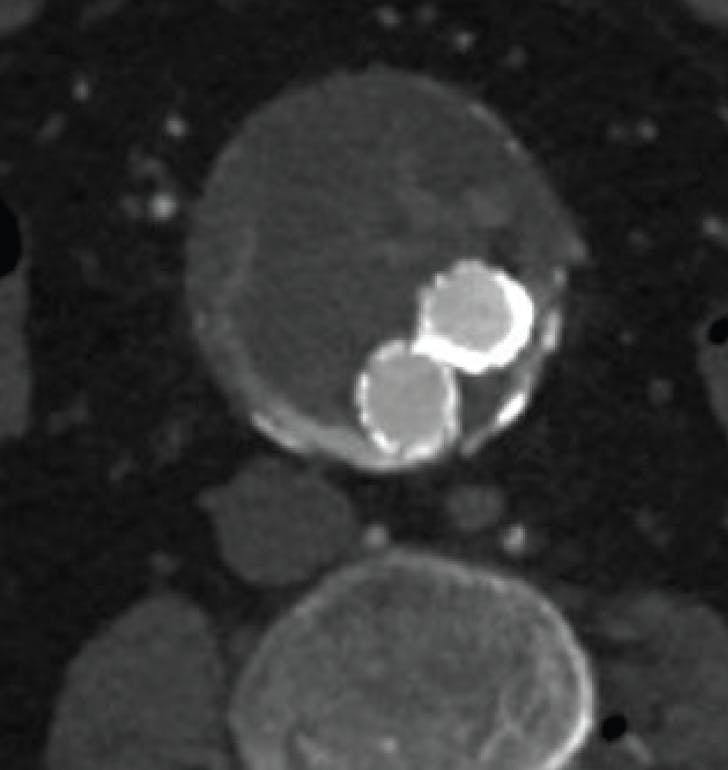
Figure 1. CT showing a 5.9-cm aneurysm and evidence of an endoleak along the posterior aortic sac.
PROCEDURAL OVERVIEW
Access was achieved in the left common femoral artery with a 5-F sheath. Diagnostic aortography was performed above and within the stent graft to ensure no type I or type III endoleaks were present. A selective angiogram of the SMA did not demonstrate a retrograde endoleak through the inferior mesenteric artery. A selective angiogram of the left internal iliac artery (IIA) demonstrated a very tortuous iliolumbar artery that eventually filled the aneurysm sac with a sizable endoleak (Figure 2).
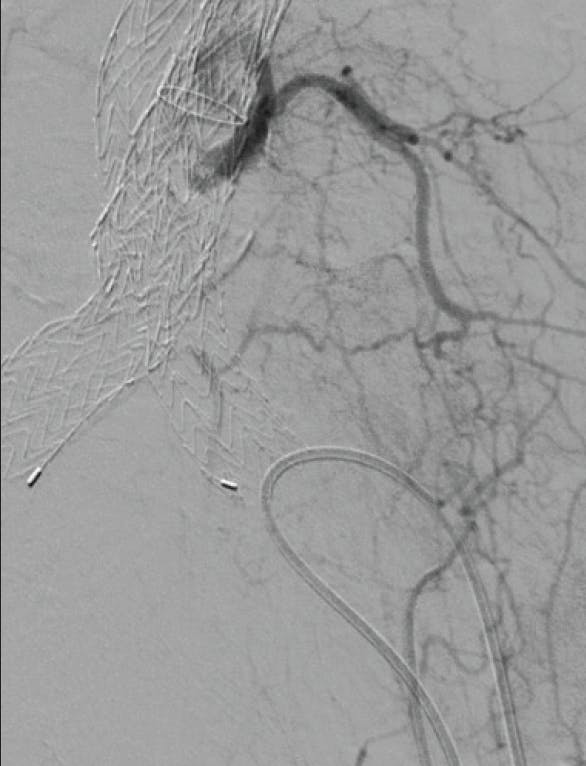
Figure 2. Selective angiogram of the left IIA showing a tortuous iliolumbar artery filling the aneurysm sac with a sizable endoleak.
The IIA was selected using a 5-F SOS Omni catheter (AngioDynamics), which was exchanged for 5-F Glidecath (Terumo Interventional Systems) with further purchase into the vessel. A Fathom wire (Boston Scientific Corporation) and a 2.6-F LANTERN microcatheter were used to navigate the tortuous iliolumbar system until the aneurysm sac was cannulated. Embolization was started with a POD6 that formed a frame, followed by packing within the aneurysm sac. Once the space within the aneurysm sac was filled, we continued the embolization back into the lumbar artery using a 3-mm X 15-cm Soft Ruby Coil LP to achieve occlusion of the vessel (Figure 3). The patient was admitted for overnight observation and discharged with no issues the following morning.
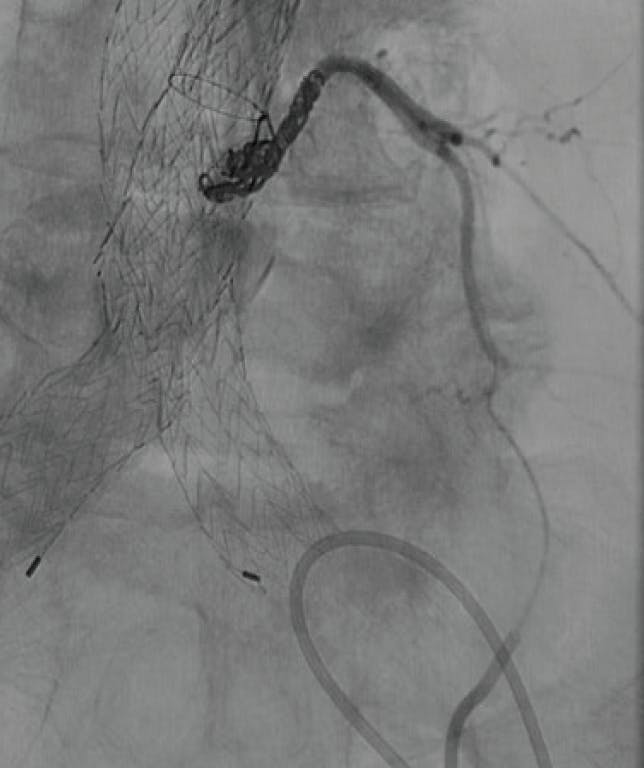
Figure 3. The LANTERN microcatheter was able to navigate the tortuous anatomy to deliver the coils in the aneurysm sac.
DISCUSSION
Tracking a microcatheter and coils can be challenging in a tortuous system. I have found that the LANTERN microcatheter performs well in highly tortuous anatomy, providing good trackability and subsequent support for coil delivery. In addition, the Penumbra coil systems were soft and easily deliverable with little concern about the system kicking back as it was tracking to its destination. When starting the embolization in a larger space (the aneurysm sac in this case), the POD allows for creation of a frame that the coils can seat well into. Finally, the high-density packing allowed for use of few coils in a potentially tenuous coaxial system.
Bilateral Common Iliac and Internal Iliac Artery Aneurysm Embolization

CASE PRESENTATION
A male patient in his mid-80s was admitted to the hospital for cholangitis; however, on subsequent examination, he was found to have bilateral common iliac artery (CIA) and IIA aneurysms. He had history of coronary artery disease, hypertension, prostate cancer, and ventral hernia repair with mesh. CTA of the abdomen and pelvis showed a right CIA aneurysm measuring 5.3 cm, a right IIA aneurysm measuring 3.3 cm, a left CIA aneurysm measuring 4.1 cm, and a left IIA aneurysm measuring 3.4 cm. Due to his history of recent non–ST-segment myocardial infarction and left ventricular ejection fraction of 20%, he was not a good candidate for open repair of the aneurysms.
The plan was to perform EVAR with coil embolization of the right IIA with extension of an iliac limb into the right external iliac artery. The left side would be repaired with a Gore Iliac Branch Endoprosthesis (IBE) (Gore & Associates) by landing the IIA component into a first order branch of the left IIA and then the other branches would be addressed with coil embolization. This would preserve flow into one of the iliac arteries and reduce the incidence of buttock claudication and/or gangrene.
Due to his age and medical history, the surgery was staged in two parts. First, the right IIA would be addressed with coil embolization, EVAR, and IBE placement, and then 2 weeks later, coil embolization of the branch of the left IIA would be performed. Penumbra’s Ruby Coils were used for the coil embolization of the IIAs due to their ability to track through tortuous vessels, their availability in larger sizes, and the fact that fewer number of coils could be needed to track and embolize the vessels.
PROCEDURAL OVERVIEW
The right IIA was accessed from the contralateral femoral artery, the branches were coiled with 6-, 7-, and 8-mm Ruby Standard Coils (Figure 1), and the main IIA was coiled using 32-, 36-, 40-mm Ruby Standard Coils (Figure 2). The main artery was then packed further with 60-cm Packing Coils to ensure complete thrombosis of the aneurysmal artery (Figure 3).
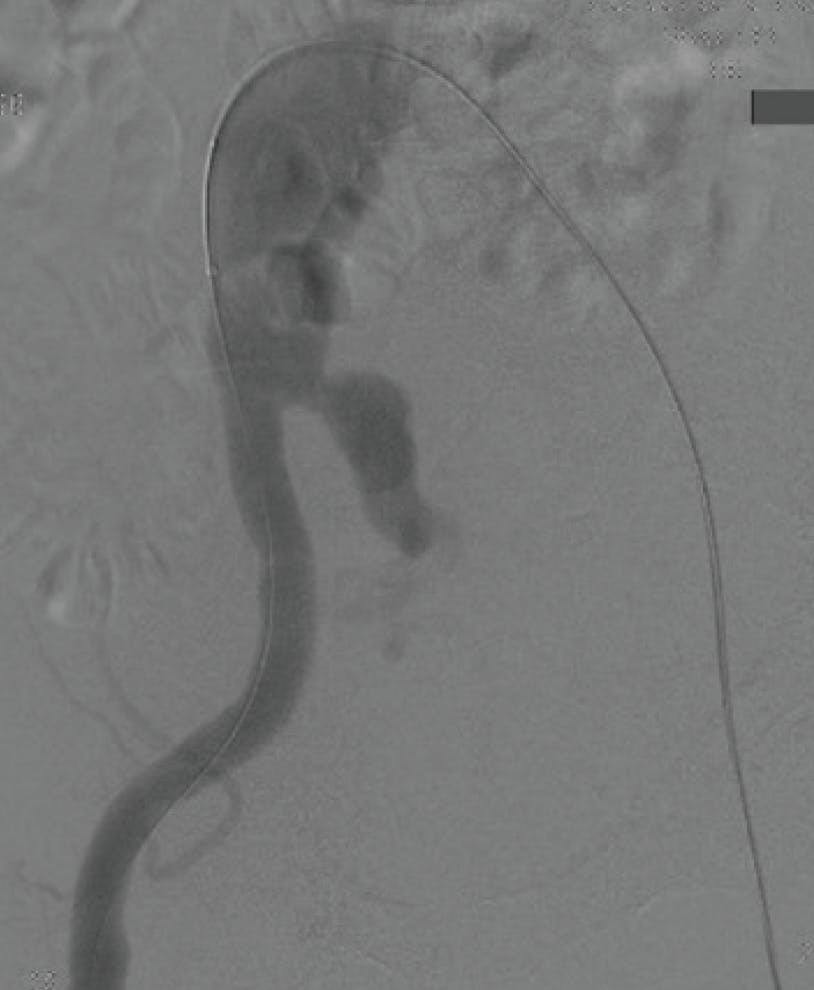
Figure 1. Access from the contralateral artery into the side branches.
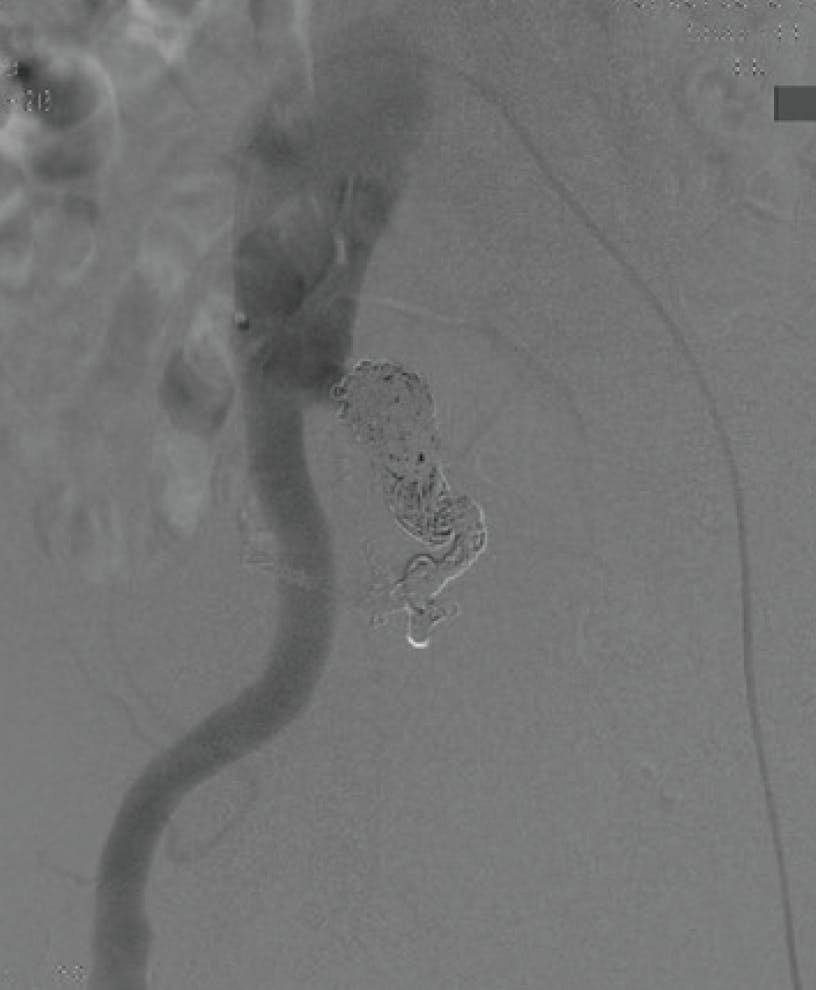
Figure 2. Ruby Coils delivered into the main IIA aneurysm.
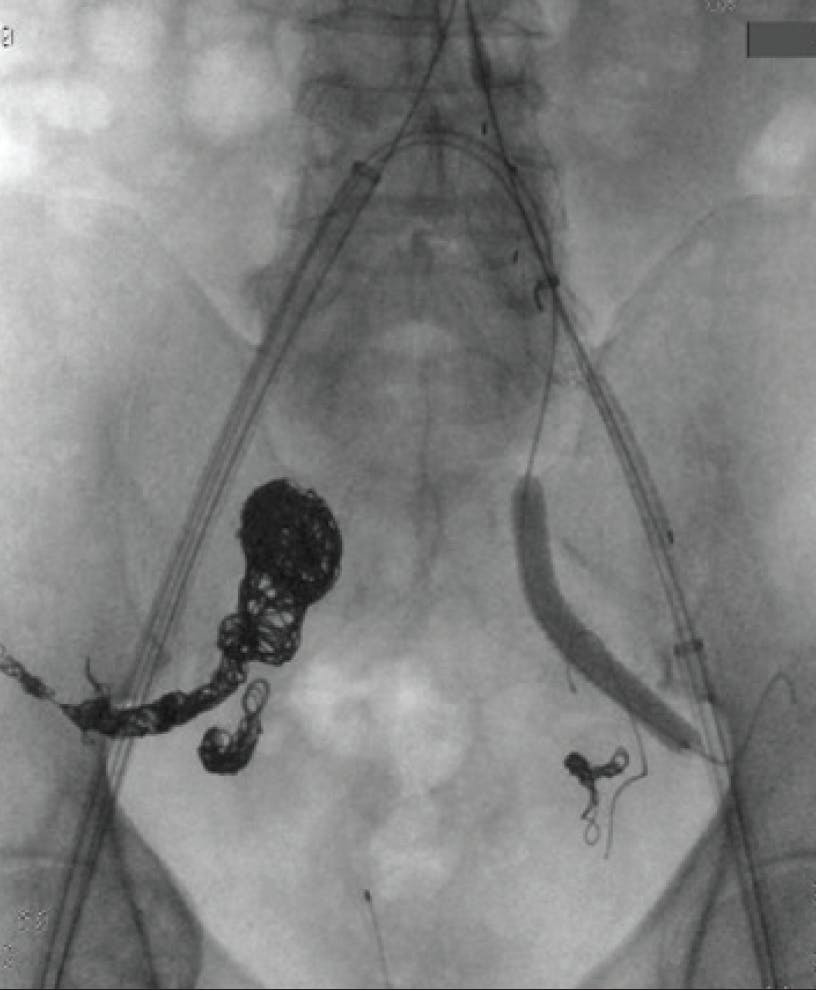
Figure 3. Addressing the left IIA aneurysm.
For the second stage of the surgery 2 weeks later, the left IIA was accessed from the contralateral femoral artery and coiled with 6- X 30-mm and 7- X 25-mm Ruby Standard Coils. This was then followed by the IBE with extension into a branch of IIA using a Gore Viabahn VBX covered stent (Gore & Associates) and EVAR using the Gore Excluder endograft (Gore & Associates) (Figure 4). On the completion angiogram, the patient had complete exclusion of the aneurysms with no evidence of endoleaks, good flow into the left IIA branch, and occlusion of the right IIA. Postoperatively, the patient noted mild right buttock claudication, which resolved in 4 weeks, and his follow-up CTA showed complete exclusion of the aneurysms with no evidence of an endoleak (Figure 5).
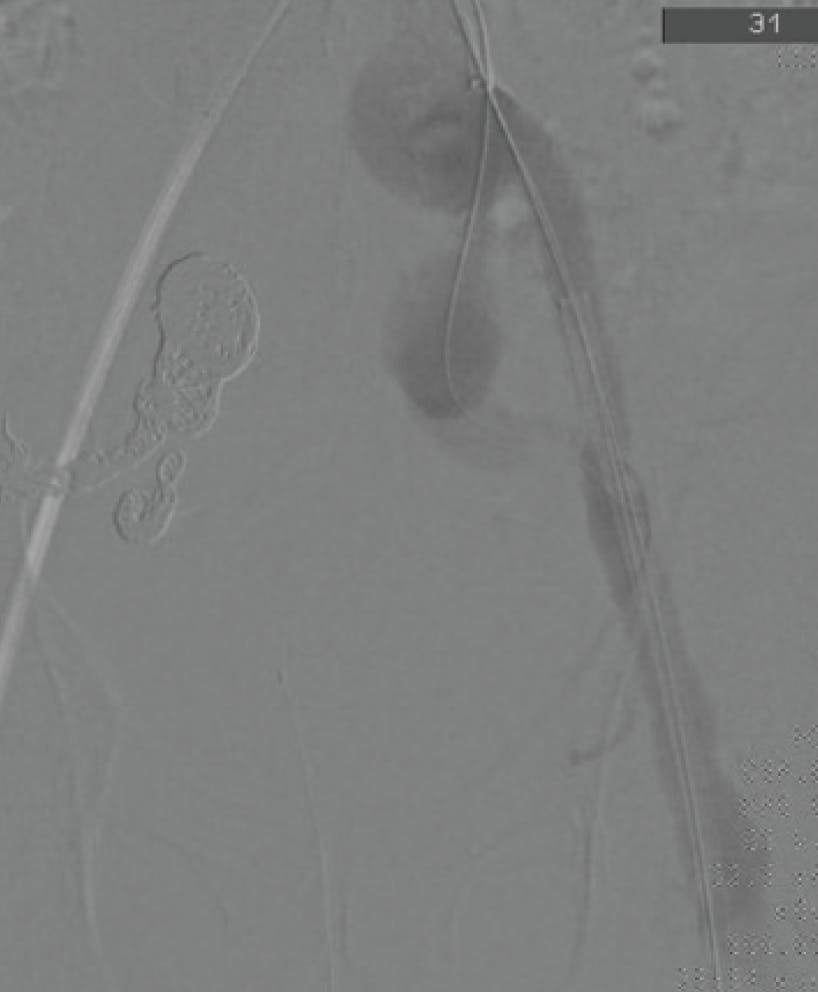
Figure 4. Postprocedure angiogram showing complete occlusion of the aneurysmal artery.
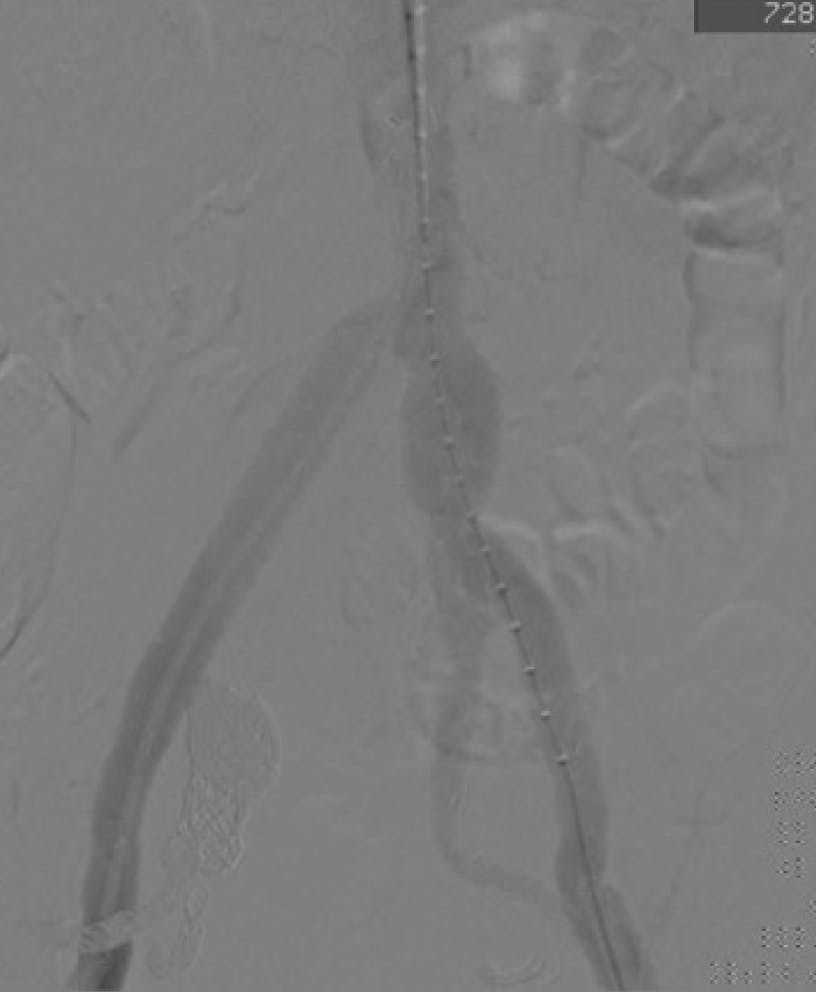
Figure 5. Final angiogram.
CONCLUSION
This was a complex case that required coiling of a large right IIA and branch of the left IIA. The major advantage of using Ruby Coils in this case was the wide range of sizes available and their trackability through tortuous vessels. The right IIA was successfully occluded with only a few large size Standard and Packing Coils, avoiding the risk of losing access to the cannulated vessel. The trackability of the coils was especially useful while coiling the branch of the left IIA, which was tortuous and took some acute angle turns. As a result, we were able to treat the aneurysms while still maintaining pelvic circulation via the left IIA.
Aortopulmonary Collateral Embolization

Why I Use Penumbra’s Embolization Platform
- Coils pack tightly and can result in immediate embolization.
- Coils are detachable and can be retracted and repositioned if necessary.
CASE PRESENTATION
An 8-year-old male patient with hypoplastic left heart syndrome presented with recurrent hemoptysis and an exacerbation of plastic bronchitis. He initially underwent a hybrid Norwood operation and was then converted to a traditional Norwood with a 5-mm Sano shunt. He subsequently underwent a bidirectional Glenn operation. In the presence of Glenn physiology, he developed plastic bronchitis and has recurrent hemoptysis. He had previously undergone several cardiac catheterization procedures for embolization of aortopulmonary collaterals.
PROCEDURAL OVERVIEW
The patient underwent bronchoscopy prior to cardiac catheterization, which did not demonstrate active bleeding but did show very vascular mucosa. Bronchial casts were also not present. Access was obtained using a 5-F sheath in the right femoral artery. After angiography, a 4-F JB1 Glidecath was used with a 2.4-F Progreat microcatheter to access the left lateral thoracic artery, which collateralized to the left lung. Branches from this artery had been previously embolized with coils but had recanalized. This vessel was embolized using two Packing Coils, which were implanted inside of the previously recanalized coils, and a 2-mm X 4-cm Soft Ruby Coil (Figure 1). This same combination of catheters was utilized to access the right lateral thoracic artery. There were two branches from the right lateral thoracic artery that had been previously embolized but had recanalized. For both vessels, we were able to place LP Packing Coils either distal to or within the existing coils. We then embolized three additional aortopulmonary collaterals from the right subclavian artery utilizing a combination LP Packing Coils and Soft Ruby Coils (Figure 2). Lastly, an additional aortopulmonary collateral from the left subclavian artery was also embolized using LP Packing Coils and Soft Ruby Coils. The patient’s hemoptysis and casting resolved following the procedure.
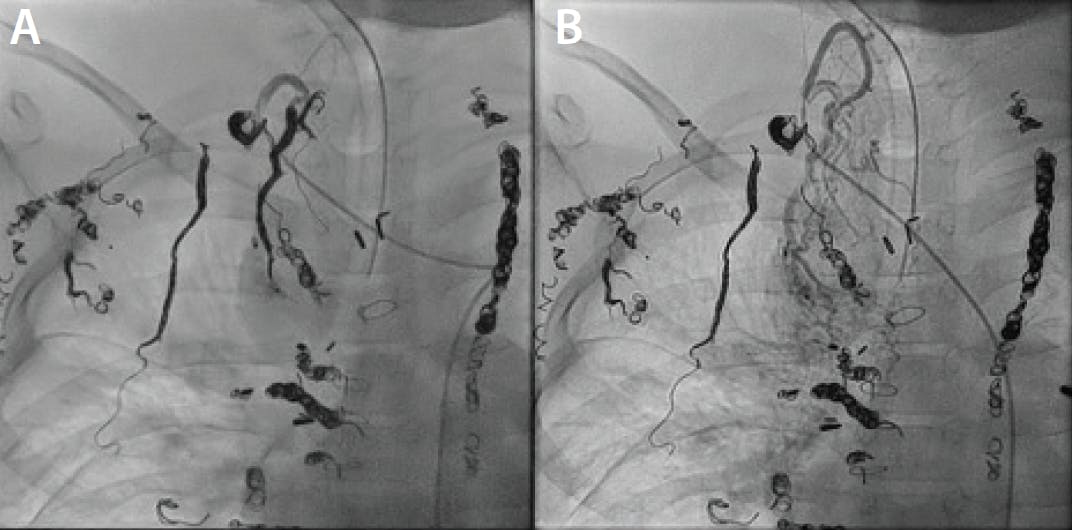
Figure 1. Angiogram of the left lateral thoracic artery showing aortopulmonary collateral flow to the left lung (A). After embolization with Penumbra coils, there was no residual flow (B).
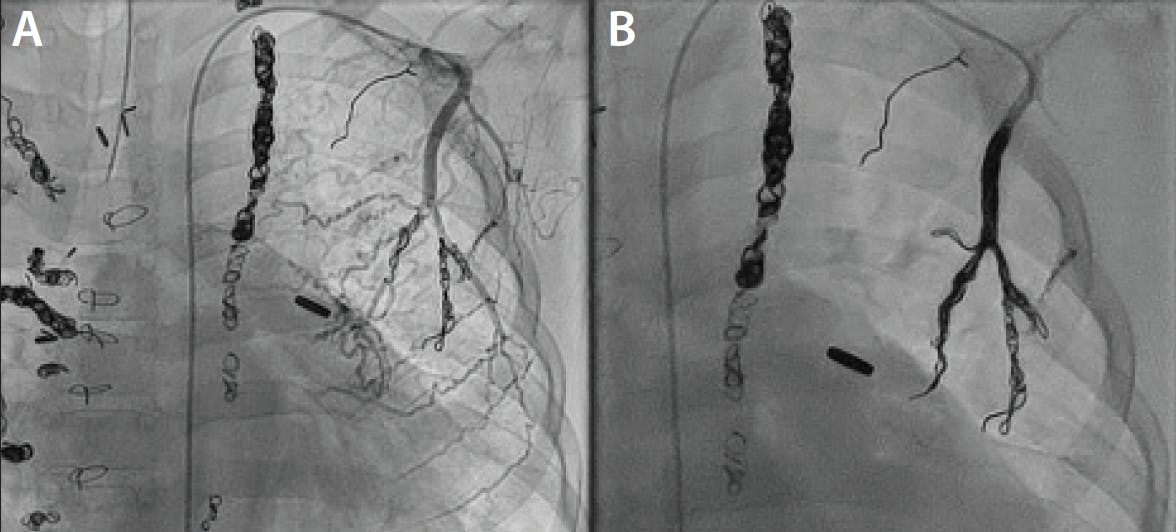
Figure 2. Angiogram of a collateral from the right subclavian artery showing perfusion of the right lungs (A). After embolization with Penumbra coils, there was no residual flow (B).
DISCUSSION
Penumbra coils are effective for embolization of aortopulmonary collaterals and can also be utilized to embolize vessels that have recanalized.
Disclaimer: The opinions and clinical experiences presented herein are for informational purposes only. The results may not be predictive of all patients. Individual results may vary depending on a variety of patient-specific attributes.
Advertisement
Advertisement