Advertisement
Advertisement
July 2023
Sponsored by Penumbra, Inc.
Demonstrating the Lightning™ System With Computer-Aided Thrombectomy (CAT)
Case examples using the Penumbra Lightning System for the management of upper extremity venous thromboembolism, deep vein thrombosis, and the treatment of acute pulmonary embolism.
With Douglas Mulholland, MD, FFRRCSI; Johnny O’Mahony, MD, FFRRCSI; Youssef Zaarour, MD; Alix Mantilla, MD; and María José Martínez Cutillas, MD
UPPER EXTREMITY VENOUS THROMBOEMBOLISM WITH COMPUTER-AIDED MECHANICAL ASPIRATION


Penumbra entered the peripheral thrombectomy space in 2014 with the release of the 5-F CAT5 and 3-F CAT3 (Penumbra, Inc.). Shortly after, in 2015 CAT6 and CAT8 (6 and 8 F, respectively) entered the market. These catheters were revolutionary as they enable continuous aspiration throughout the entirety of a procedure. Effectively differentiating themselves from lytic-based approaches and manual syringe-based aspiration systems that experience diminished vacuum power as fluid fills the syringe. These catheters are the first to be included in the Indigo™ System (Penumbra, Inc.) product line, which continues to innovate and advance the field to this day.
Computer-Aided Thrombectomy (CAT) With Lightning™
In 2020, Penumbra again shifted the paradigm of peripheral thrombus management with the release of the first-ever computer-aided thrombectomy (CAT) device, Lightning 12 (Penumbra, Inc.). Lightning 12 harnesses the power of continuous aspiration, while simultaneously increasing efficiency in blood loss mitigation. This technologic advancement is made possible by Penumbra’s patented clot detection algorithm. When the tip of the Lightning 12 catheter actively interacts with thrombus, the system will detect it and initiate full vacuum to evacuate the thrombus from the vasculature. Alternatively, when the catheter is in patent flow, Lightning 12 will shift to intermittent aspiration, helping to mitigate blood loss during the procedure. In benchtop testing, this CAT technology has resulted in 18:1 fluid loss reduction. Additionally, Lightning 12 will emit audio queues when thrombus is detected to help enable the operating physician to accurately identify thrombus location. This technology is now also available in 7 F with the Lightning 7 thrombectomy system, designed for arterial thrombus removal.
The Lightning 12 and 7 thrombectomy systems feature bolstered catheter technology, completely redesigned from the first-generation of Penumbra catheters. These catheters are composed of a stainless-steel, laser cut hypotube, designed for a robust and atraumatic profile. The 12- and 7-F catheters offer 1:1 torqueablility, to allow for advanced tracking and navigation through the vasculature. This combination of improved catheter technology and the introduction of computer-aided clot detection set the Lightning 12 and 7 apart from anything ever seen before in the thrombectomy space.
Data support the frontline use of the Indigo System across various disease states with the recently completed STRIDE Acute Limb Ischemia Study, the ongoing STRIKE-PE study, and the new STORM-PE randomized controlled trial (RCT). The Indigo System has shown excellent results in the management of lower extremity acute limb ischemia with a 98.2% target limb salvage rate and a low mortality rate of 3.4% at 30 days. These results have been coupled with a median device time of only 22 minutes. Interim results of the STRIKE-PE study (87 patients) have shown an average right ventricular/left ventricular (RV/LV) ratio reduction of 27.5%; additionally, mean intraprocedural systolic pulmonary artery pressure (PAP) significantly reduced (Figure 1). Additionally, the STORM-PE RCT is now open to enrollment. STORM-PE is the first RCT of its kind, evaluating anticoagulation alone versus anticoagulation plus aspiration thrombectomy with the Indigo System for the treatment of intermediate-high–risk acute pulmonary embolism (PE).
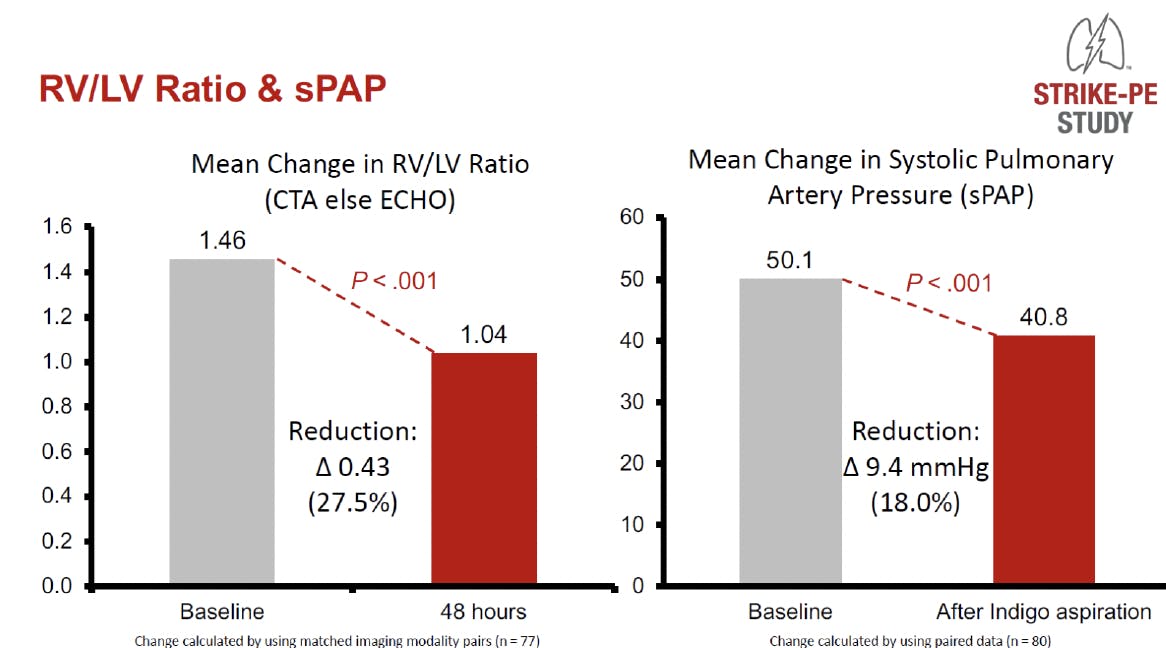
Figure 1. Interim results of the STRIKE-PE Study.
Lightning Flash: The Future of CAT
Since the creation of Lightning 12 and 7, Penumbra has continued to innovate their thrombectomy technology. As of this year the next generation of Lightning has arrived. This new device is further advancing CAT technology and catheter composition to create the most powerful and advanced thrombectomy system on the market. This cutting-edge system, known as Lightning Flash™ (Penumbra Inc.), is designed for exponentially accelerated thrombus removal. Lightning Flash features the most advanced clot detection technology made by Penumbra to date, along with a 16-F sheath compatible thrombectomy catheter. Across the world, physicians are feeling the power of Lightning Flash (Lightning Flash is CE Mark pending).
CASE STUDY
Patient Presentation
A man in his late 30s with a history of prior renal transplant that subsequently ceased functioning, necessitating a left-sided arteriovenous fistula, presented to the renal service with left upper limb swelling and pain, associated with violaceous discoloration. This rapidly progressed over the course of the next 24 hours. CT venography was performed, which showed extensive occlusive thrombus in the left subclavian, basilic, and cephalic veins (Figure 2).
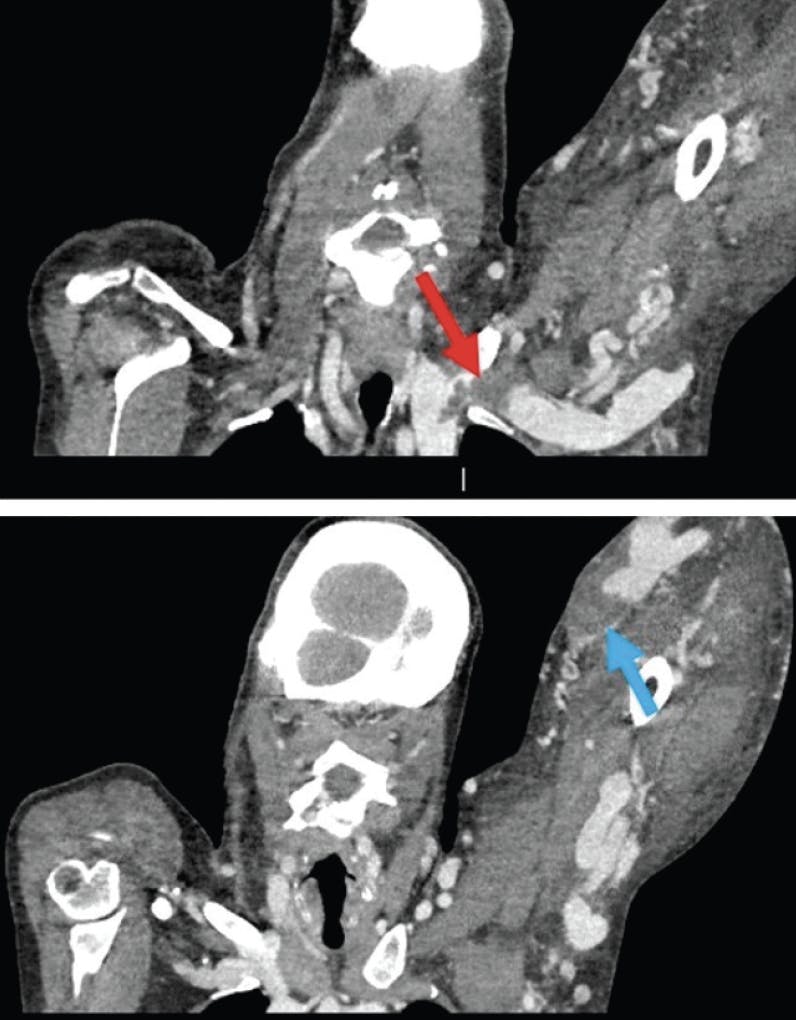
Figure 2. CT venogram (coronal reformat) demonstrating extensive occlusive thrombus in the left subclavian vein (red arrow) and cephalic vein (blue arrow) with dilated venous collaterals.
Intervention
Mechanical thrombectomy was performed with previous generation technology which resulted in significant thrombus removal. As the patient had a significant intellectual disability (and therefore would be unable to comply with care of an infusion catheter) and prior history of traumatic subdural hemorrhage, prolonged catheter-directed thrombolysis was considered not to be appropriate.
However, the patient’s arm remained swollen, painful, and discolored, and the decision was made to perform a repeat venogram with likely repeat aspiration thrombectomy. A 12-F sheath was inserted under ultrasound guidance via the cephalic vein in the left upper arm. Repeat venogram confirmed a further slight interval reduction in clot burden compared to prior intraprocedural imaging (Figure 3A). On this occasion, the Lightning 12 device was utilized. The 12-F soft torqueable catheter—in combination with the reduction in inadvertent blood loss due to the computer-aided Lightning mechanical aspiration system—allowed for a much greater reduction in the clot burden (Figure 3B). When satisfactory reduction in the clot burden was achieved, the 12-F sheath was removed and hemostasis was achieved with a purse string suture and 10 minutes of manual compression. The heparin infusion was recommenced via a peripheral intravenous cannula.
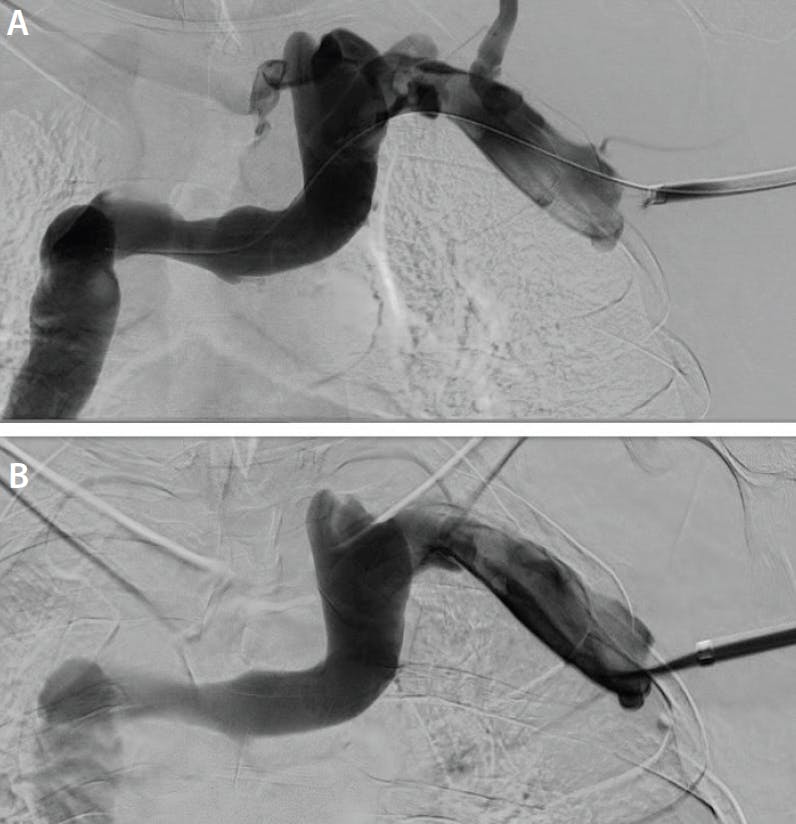
Figure 3. Procedural venogram showing further reduction in clot burden (A). Improved appearance after use of the Lightning 12 device with no further reflux into collateral vessels (B).
Follow-Up
The patient’s arm improved significantly over the ensuing days with reduction in the degree of swelling, pain, and discoloration. No further intervention was deemed necessary, and the patient was subsequently commenced on a direct oral anticoagulant medication and discharged home with follow-up in both renal and coagulation outpatient clinics. At their 3-month outpatient review, there was no remaining upper limb swelling, and a subsequent CT venogram (performed 6 months after their inpatient stay) showed that the subclavian and cephalic veins remained patent (Figure 4), with persistent occlusion of the basilic vein, which had not undergone thrombectomy.
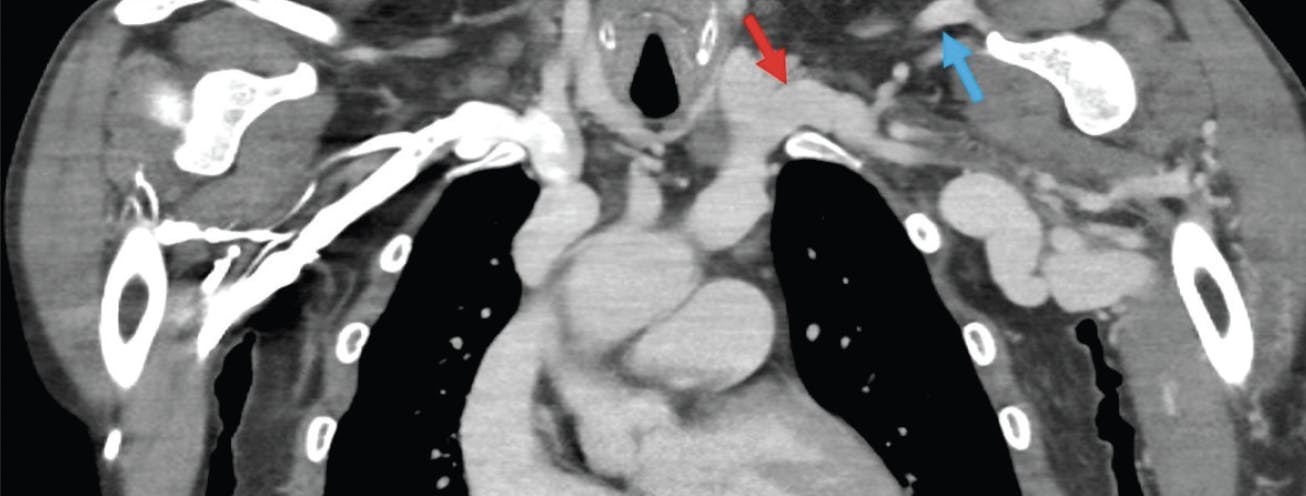
Figure 4. Follow-up CT venogram (coronal reformat) showing a patent subclavian vein (red arrow) and cephalic vein (blue arrow).
Discussion
The equipment and optimal treatment options for peripheral venous thromboembolism (VTE) is a rapidly evolving field with a wide variety of devices becoming available. The ideal therapeutic choice will depend on patient and operator factors. The development and release of the Indigo Lightning System provides an excellent option for the treatment of acute VTE, mitigating the limitations of inadvertent procedural blood loss, and therefore allowing for greater ability to clear thrombus before a procedure must be terminated. In combination with the aspiration catheter options available with the Lightning System, this allows for the potential of improved treatment of these challenging cases with potentially improved patient outcomes and reduced morbidity. We look forward to the opportunity to use the Lightning Flash System, which offers the potential for further refinement of the technique with dual clot detection algorithms.
LIGHTNING 12 FOR Management OF DEEP VEIN THROMBOSIS

CASE PRESENTATION
A man in his early 50s presented to the emergency department with a swollen left calf and thigh, with recent cyanosis and severe acute pain after recent immobilization for cruralgia. Doppler study and CT venography showed deep vein thrombosis (DVT) of the left superficial femoral vein (SFV) going up to the inferior vena cava (IVC) (Figure 1).
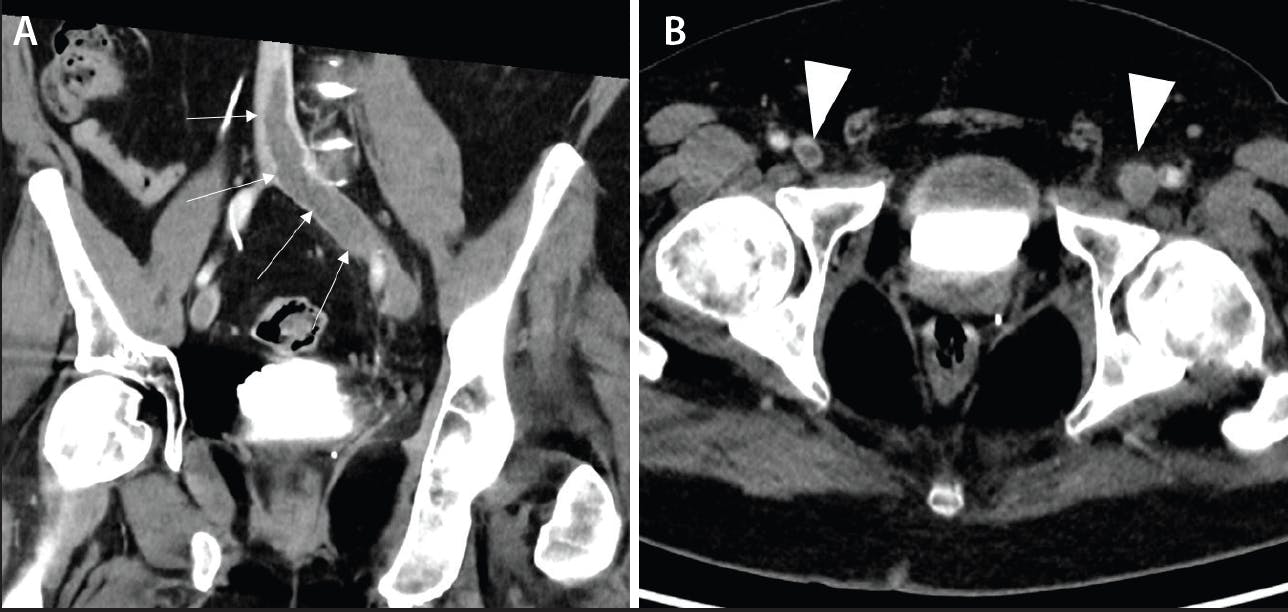
Figure 1. DVT in the IVC (white arrows) (A) and the bilateral common femoral veins (CFVs) (arrowheads) (B).
The patient was admitted to the intensive care unit, and therapeutic anticoagulation with intravenous low-molecular-weight heparin was initiated. Close medical follow-up noted the lack of clinical improvement and the appearance of distal sensory deficit. These symptoms were consistent with phlegmasia cerulea dolens.
Multidisciplinary discussion was in favor of mechanical thrombectomy. The patient was therefore transferred to the Allura XPER FD20 angiography suite (Philips) of our department.
TREATMENT
We used both anterograde and retrograde access to the left CFV through the thrombi with 12- and 8-F introducer sheaths. Left lower limb phlebography showed patent calf veins and SFV with stagnant contrast in keeping with downstream obstruction and thrombosis of the CFV extending into the iliac veins and the IVC. Thus, no retrograde thrombectomy was necessary per phlebography. Antegrade thrombectomy was performed using a Lightning 12 CAT device connected to the Penumbra ENGINE™ (Penumbra, Inc.), with extensive clot removal of the left CFV and external and common iliac veins (CIVs) up to the IVC (Figure 2). Residual stenosis of the CIV required stenting and balloon angioplasty using a 14- X 60-mm self-expanding stent. The control phlebography showed complete reperfusion with satisfying venous inflow and outflow without residual opacification of collateral veins (Figure 3).
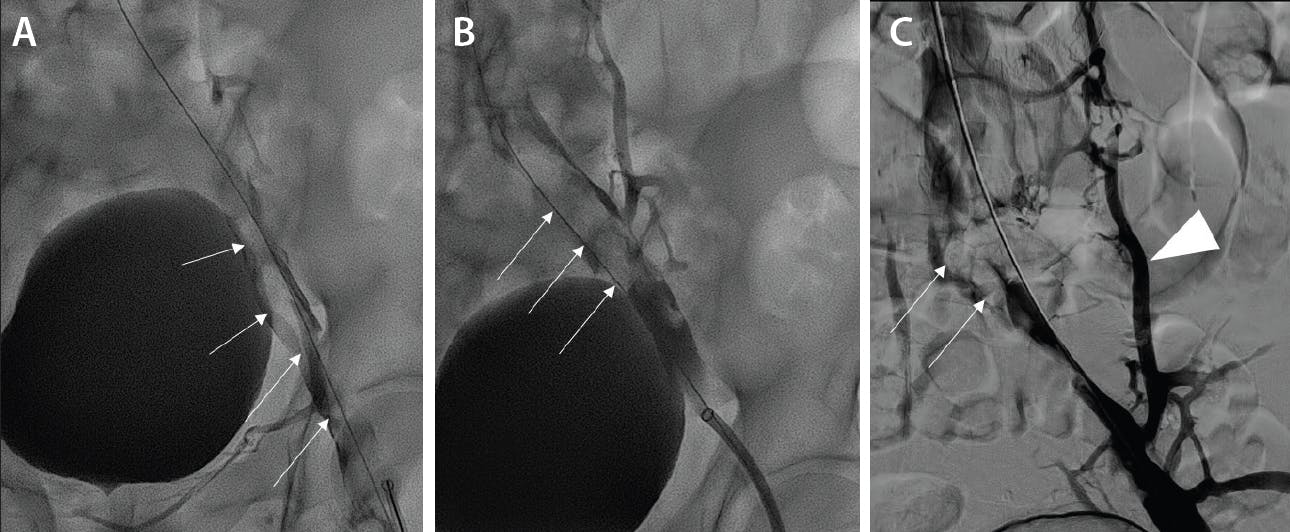
Figure 2. Fluoroscopic and angiographic images of the DVT (white arrows) in the iliac veins before (A) and after one mechanical thrombectomy pass (B) and the DVT in the vena cava (white arrows) with the collateral veins (arrowhead) (C).
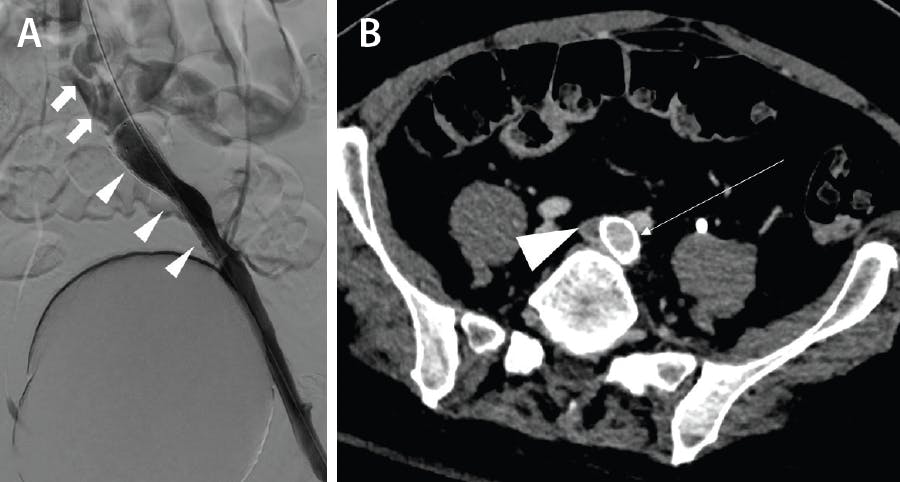
Figure 3. The completion phlebogram showed patent iliac veins, iliac stent (arrowheads), and IVC (full arrows) (A). CT on day 1 postprocedure showed the patent stent (white arrow) and the marginal extrastent residual clot (arrowhead) (B).
FOLLOW-UP
The patient’s symptoms progressively resolved, and he was discharged. A CT scan at day 1 postprocedure showed patent external iliac and femoral veins (Figure 3B). Follow-up at 6 months showed no recurrent DVT and resolution of the left lower limb swelling.
DISCUSSION
Phlegmasia cerulea dolens can cause limb-threatening venous gangrene and is thus a medical emergency.1 Mechanical thrombectomy is considered in rapidly evolving acute cases with high risk of postthrombotic syndrome.2
The use of the 12-F Lightning System resulted in a relatively short procedure (25 minutes of fluoroscopy time and 90 minutes of procedure time) with minimal blood loss of 300 mL thanks to the CAT system. Its intentional 12-F profile is designed to be more efficient and more adapted to the clot burden of the IVC while being able to manage the access site with moderate manual compression without any hemorrhagic complications. Lightning 12 was an efficient and safe device in our case.
1. Perkins JMT, Magee TR, Galland RB. Phlegmasia caerulea dolens and venous gangrene. Br J Surg. 1996;83:19-23. doi: 10.1002/bjs.1800830106
2. Kakkos SK, Gohel M, Baekgaard N, et al. Editor’s choice—European Society for Vascular Surgery (ESVS) 2021 clinical practice guidelines on the management of venous thrombosis. Eur J Vasc Endovasc Surg. 2021;61:9-82. doi: 10.1016/j.ejvs.2020.09.0233
ACUTE PULMONARY EMBOLISM IN A PATIENT WITH A SINGLE LUNG WITH INDIGO SYSTEM LIGHTNING COMPUTER-AIDED ASPIRATION


CASE PRESENTATION
A man in his mid 40s with a history of left pleuro-pneumonectomy and radical thymectomy due to metastatic thymoma on chemotherapy and no evidence of relapse was admitted to the hospital due to nausea and vomiting associated with chemotherapy treatment. After 2 days, he had an episode of dyspnea with desaturation and chest pain with hemodynamic stability. CTA showed evidence of a right lobar PE (Figure 1). On echocardiography, a dilated ventricle and tricuspid regurgitation were detected.
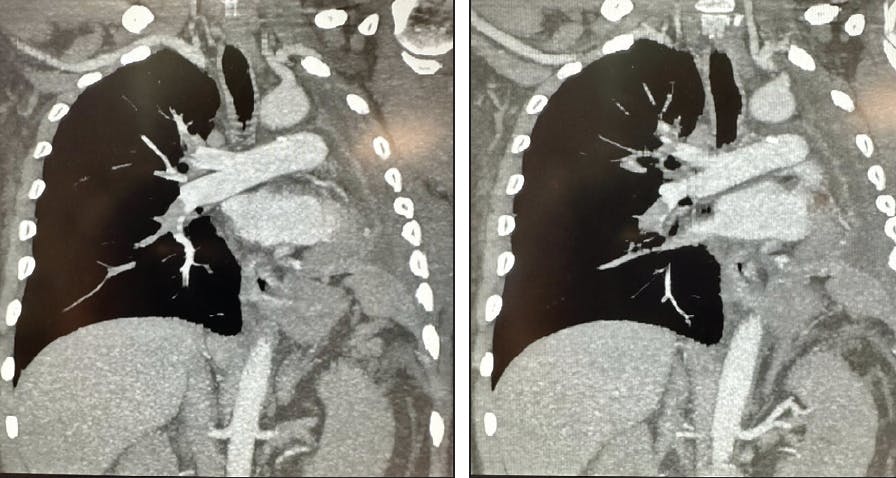
Figure 1. CTA showed right lobar PE.
TREATMENT OPTIONS
Oxygen and intravenous full-dose anticoagulation were started. Despite that, tachycardia and dyspnea persisted and N-terminal pro-B-type natriuretic peptide increased to 1,550 pg/mL. At this point, catheter-based therapy was considered necessary.
COURSE OF TREATMENT
Ultrasound-guided right femoral access was achieved with a 7-F sheath introducer, and the right heart was crossed using a 6-F angled pigtail catheter. Pulmonary angiography was performed and demonstrated occlusive thrombosis of the basal lobar arteries and subocclusive thrombosis of the middle and superior truncus (Figure 2). The mean PAP was 50 mm Hg.
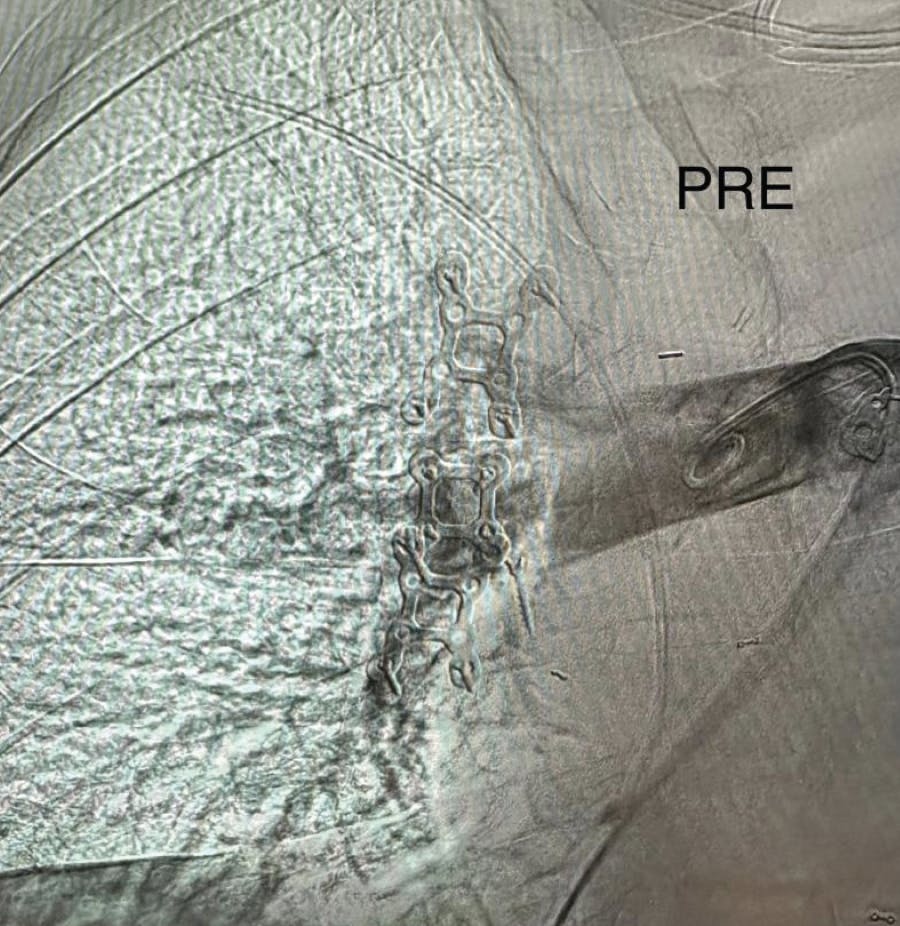
Figure 2. The pretreatment pulmonary angiogram demonstrated thrombosis of the right lung.
A 0.035-inch, 260-cm Amplatz super stiff, 1-cm, floppy-tip wire (Boston Scientific Corporation) was inserted through the pigtail catheter and exchanged for a 14-F, 90-cm sheath introducer (Cook Medical). A 115-cm-long Lightning 12 HTORQ catheter (Penumbra, Inc.) was advanced into the right PA. Thrombectomy was performed until an effective clearance was obtained. Angiography showed improving right pulmonary thrombus burden with resolution of thrombus in the right main PA and low residual thromboembolic disease distal at the middle truncus (Figure 3). The total volume of blood removed did not have any hemodynamic impact on the patient.
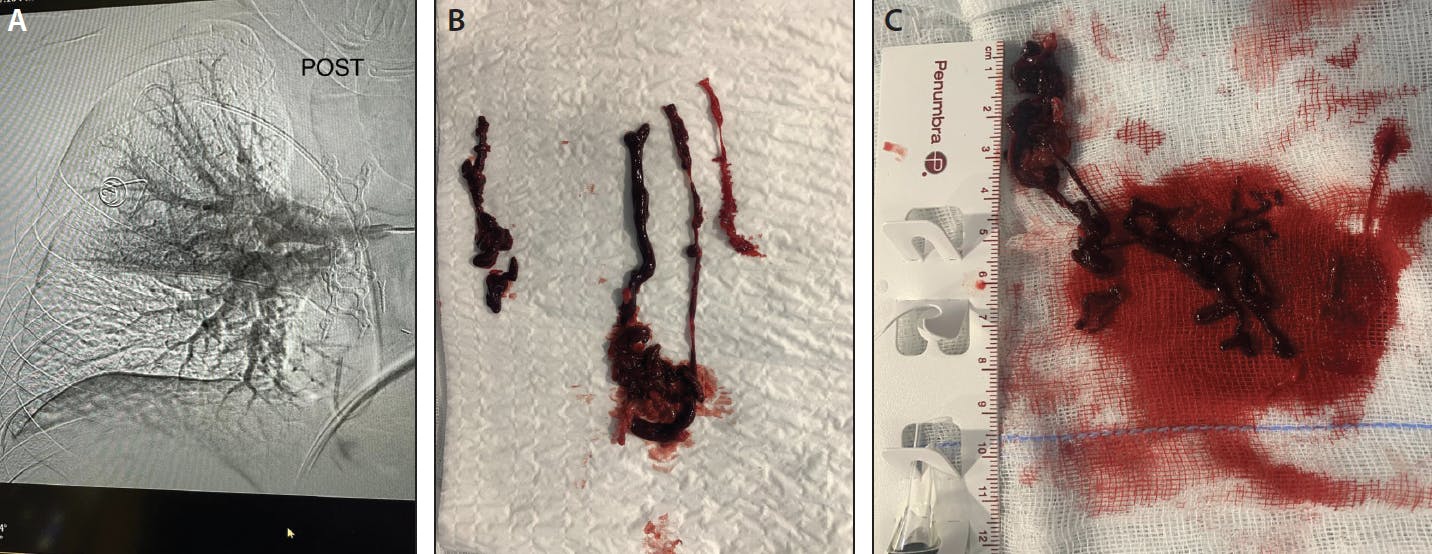
Figure 3. Posttreatment pulmonary angiogram showed satisfactory reperfusion of the lung (A). Clot removed using the Lightning 12 system (B, C).
After the procedure, the patient’s dyspnea and tachypnea resolved immediately. PAP measurements improved significantly as well, with a mean pressure of 25 mm Hg.
DISCUSSION
The optimal treatment of intermediate-risk PE in the setting of hemodynamic stability and right heart strain is not well-defined. The latest results of the EXTRACT-PE trial and STRIKE-PE interim analysis demonstrated the safety and efficacy of mechanical thrombectomy with a 27.3% reduction in RV/LV ratio at 48 hours with acceptable safety outcomes. Interim analysis results of STRIKE-PE provide additional evidence to EXTRACT-PE in a real-world setting with the new Lightning 12 technology. Despite some limitations of available evidence of catheter-directed treatment options, mechanical thrombectomy can be pursued to quickly decrease the thromboembolic burden. In our case, with thrombectomy, there was evidence of rapid clinical improvement with normal results on the echocardiogram at 48 hours.
Disclaimer: The opinions and clinical experiences presented herein are for informational purposes only. The results may not be predictive of all patients. Individual results may vary depending on patient-specific attributes and other factors. Product availability varies by country.
Advertisement
Advertisement