Advertisement
Advertisement
August 2024
Sponsored by CVRx, Inc.
Physician Experience and Surgical Techniques With Baroreflex Activation Therapy: A Novel Extravascular Procedure for Heart Failure Patients
Vascular surgeons highlight the surgical considerations, patient outcomes, and care pathways with Baroreflex Activation Therapy for patients with heart failure with reduced ejection fraction, and share technical tips for success.


What is Baroreflex Activation Therapy (BAT)?
Dr. Eidt: Heart failure with reduced ejection fraction (HFrEF) is characterized by significant autonomic nervous system (ANS) dysfunction that includes decreased baroreflex sensitivity with increased sympathetic and decreased parasympathetic tone. BAT, delivered via the Barostim™ System (CVRx, Inc.), is designed to improve autonomic dysfunction by restoring carotid sinus baroreflex sensitivity in patients with HFrEF (Figure 1).
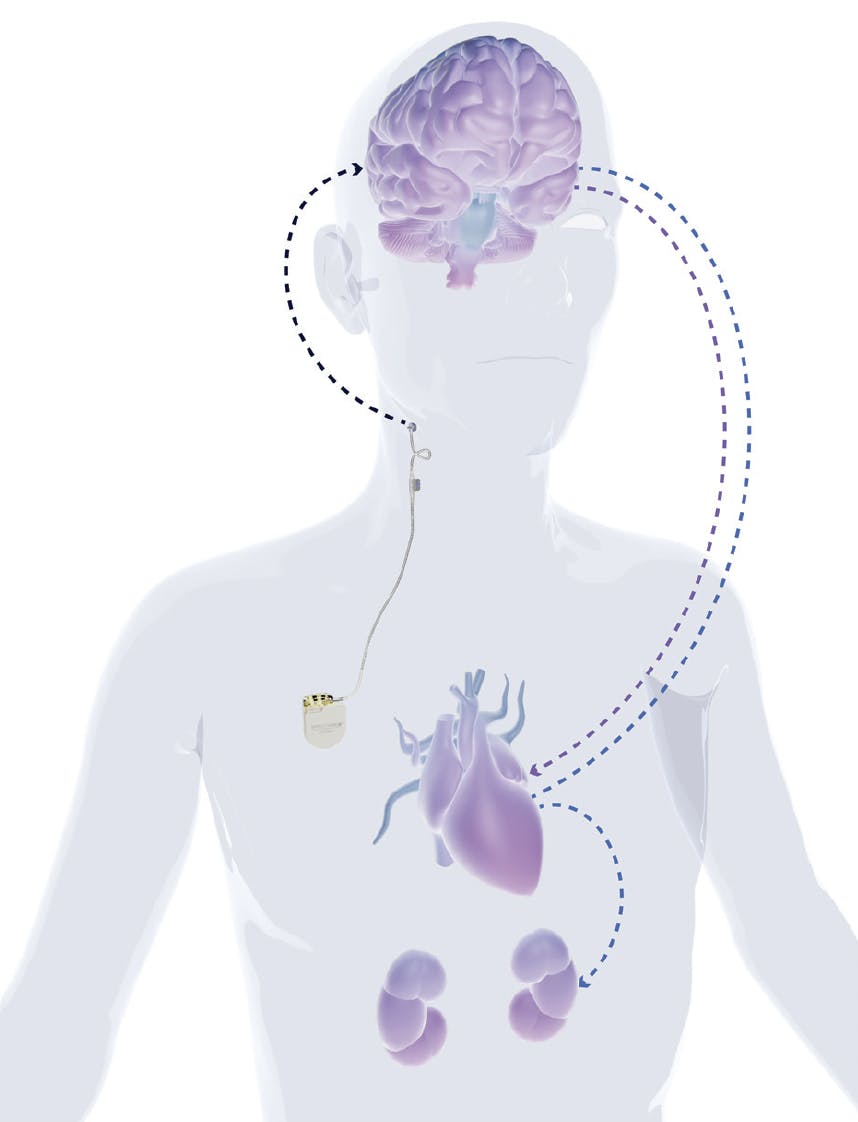
Figure 1. Mechanism of action of Barostim.
Dr. Ruddy: Chronic HF is characterized by autonomic dysfunction, which is suspected to contribute to the high morbidity and mortality of this disease, despite compliance with guideline-directed medical therapy (GDMT). Through continuous stimulation of the carotid baroreceptors, parasympathetic signaling is upregulated while sympathetic is reduced to modulate cardiac autonomic function.1
How is the procedure performed?
Dr. Ruddy: Patients have an arterial line placed and undergo induction of general anesthesia. Use of the requested sedation protocol can minimize the need for pressor support. The patient is positioned as for carotid endarterectomy (CEA) (head turned, shoulder roll, elevated head of bed). The level of the bifurcation is marked by ultrasound. Surgical prep extends from the earlobe to the nipple on the ipsilateral side (typically the right). This preparation extends beyond the typical space for CEA to account for placement of the battery pocket.
It is strongly recommended that a transverse incision is performed at the level of the bifurcation rather than the common longitudinal incision used for CEA. This technique keeps the incision as small as possible, enables placement in a skin crease, and maintains a low risk of cranial nerve injury. After posterior mobilization of the sternocleidomastoid muscle and internal jugular vein, surgeons are encouraged to minimize periadventitial dissection around the carotid bifurcation.
After visualizing the bifurcation, I then turn my attention to creating the pocket on the chest. This should be above the pectoral fascia, with extra space maintained medially for the extra lead length. Hemostasis is paramount.
Returning to electrode placement, the most common location for the carotid body is in the center of the bifurcation, leaning toward the base of the internal carotid artery. With gentle placement of the device electrode, mapping can be easily achieved when watching for a 5% to 10% drop in heart rate and blood pressure (BP). Often, the rebound is even more dramatic. The electrode is then affixed into place with six 5-0 or 6-0 Prolene sutures (Ethicon, a Johnson & Johnson company) placed in the periadventitial tissue and spaced evenly around the clock face shape of the electrode’s mesh backing (Figure 2). It is often helpful to reconfirm the response after two sutures have been placed, with the total goal of six sutures. After mapping is completed, the anesthesia team may convert to a more standard drug protocol, which is typically greatly appreciated. A relaxing suture through the flange on the device lead can be placed on the common carotid artery. Wounds are then irrigated and closed. I prefer to only cover the incisions with Dermabond (Ethicon, a Johnson & Johnson company).
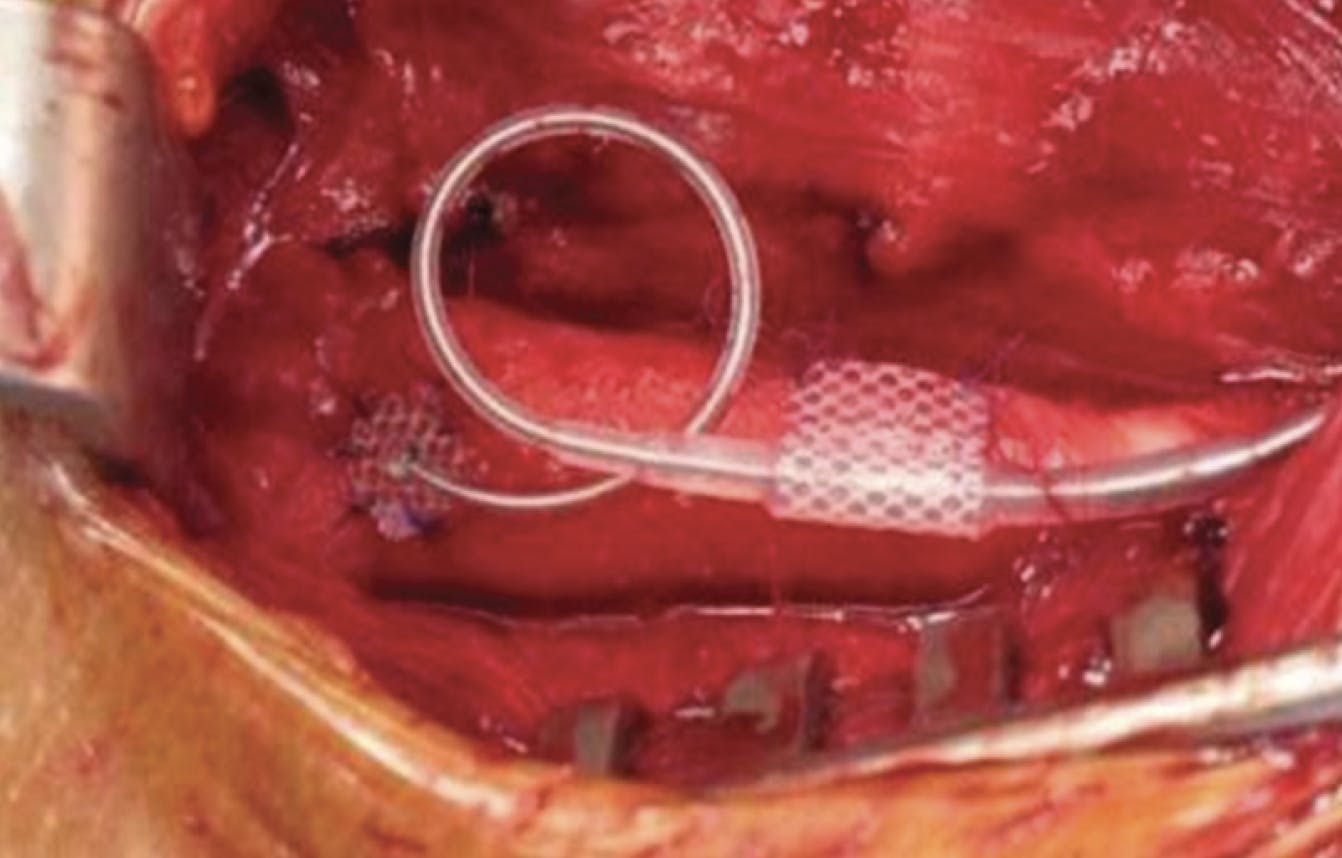
Figure 2. Suturing the electrode to the periadventitia.
Barostim Indications for Use
Barostim is indicated for patients who are:
- New York Heart Association class III or class II (who had a recent history of class III) despite treatment with guideline-directed medical therapies (medications and devices),
- Have a left ventricular ejection fraction ≤ 35%, and
- NT-proBNP < 1,600 pg/mL.
Barostim delivers Baroreflex Activation Therapy to improve patients’ heart failure functional status, 6-minute hall walk, and quality of life.
Dr. Eidt: We have routinely performed the procedure in an operating room (OR) under general anesthesia and arterial-line monitoring. Extra care is taken to reduce the two most important surgical risks: infection and bleeding. We recommend chlorhexidine baths preoperatively and use Ioban impregnated drapes (3M) to reduce the risk of infection. We stop all nonessential antithrombotic agents at the time of surgery. We also discontinue most vasoactive BP medicines on the day of the surgery to reduce the incidence of intraoperative hypotension. We’ve recently employed the minimally invasive FloTrac system (Edwards Lifesciences) to measure real-time intraoperative hemodynamic parameters, including cardiac output and systemic vascular resistance. We routinely use sequential compression devices on the lower legs during the procedure to reduce the incidence of deep vein thrombosis.
Are there any leads in the heart, and do patients require an overnight hospital stay?
Dr. Ruddy: There are no leads connecting to the heart. My preference is a 4-hour observation period in our recovery room with a plan for the patient to be discharged home. This duration allows for stabilization of hemodynamics such that decisions can be made regarding restarting home BP medications. Similarly, early onset complications such as bleeding, respiratory distress, or myocardial infarction can be identified and managed during this recovery period, although these are rare with this procedure.
Dr. Eidt: The procedure requires two surgical incisions: one over the carotid bifurcation in the neck and one on the upper chest for placement of the generator. The procedure is entirely subcutaneous and does not involve intravascular insertion of any wires or leads into the carotid artery or the heart.
Case Example
By John F. Eidt, MD
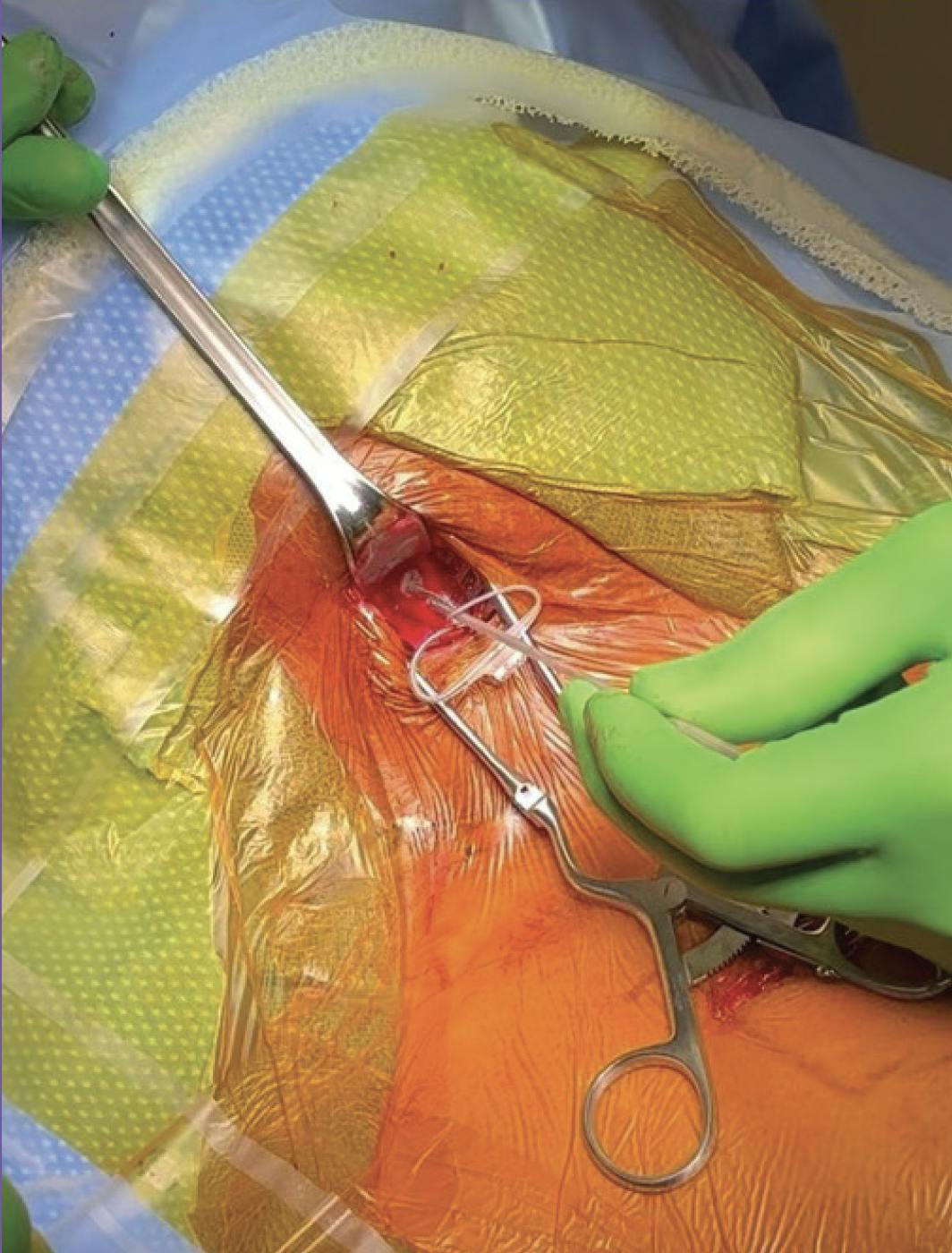
Figure 3. A 3- to 4-cm transverse incision is made over the carotid bifurcation based on ultrasound guidance.
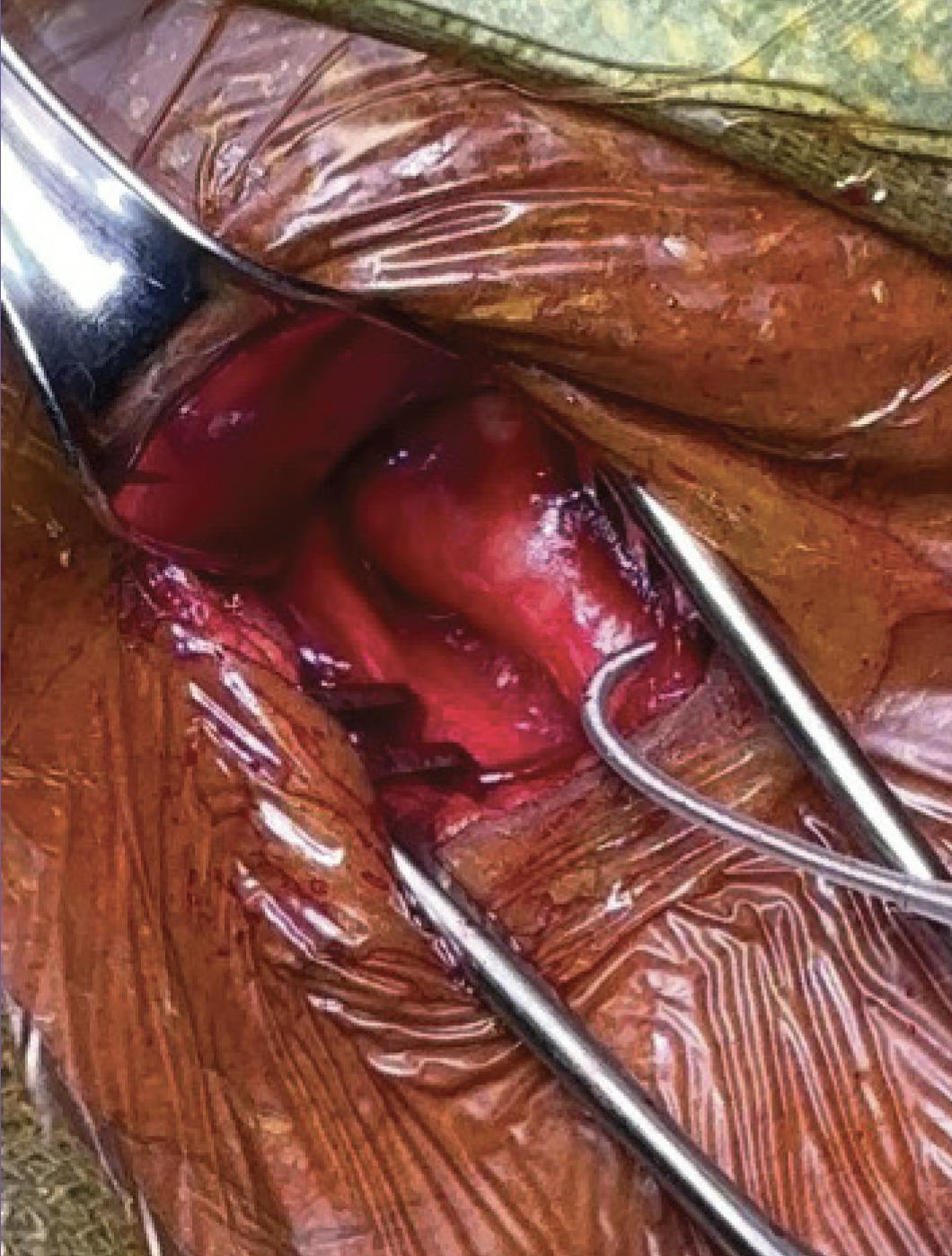
Figure 4. A close-up of the carotid bifurcation.
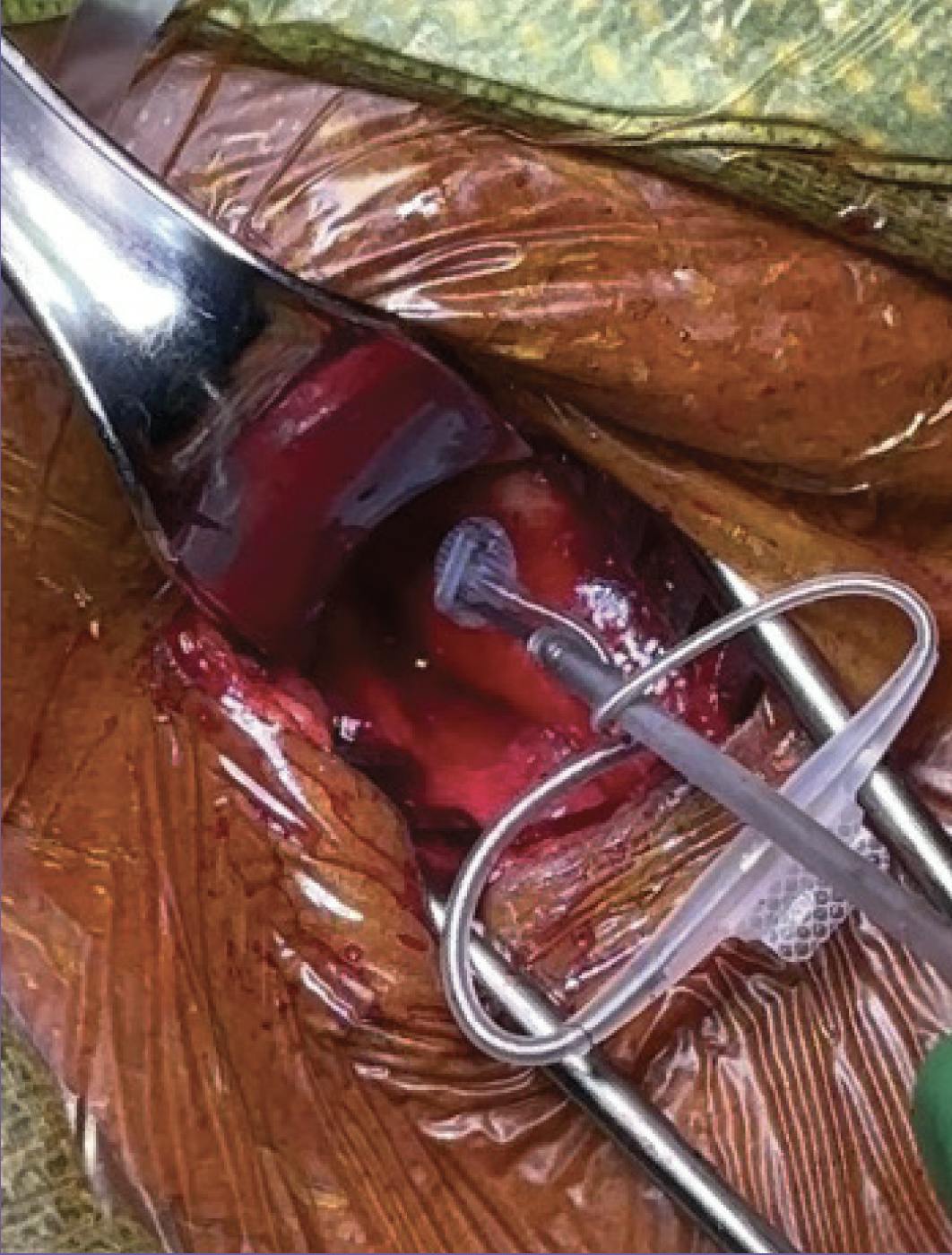
Figure 5. The electrode is attached to a metal wand to facilitate mapping of the optimal location.
You proctor other surgeons learning this procedure—what are some common surgical considerations?
Dr. Ruddy: To facilitate a safe and expeditious Barostim implant, I advise the following:
1. Hold BP medications for at least 24 hours. High-dose β-blockers can often be held for 48 hours. This will reduce hypotension during induction and ensure effective mapping. Holding anticoagulation and diabetic medications (particularly GLP-1 agonists and SGLT2 inhibitors) should follow a standard protocol for any major vascular surgery to be completed under general anesthesia. I recommend continuing all diuretic medications in the perioperative period.
2. Share the preferred sedation protocol with your anesthesia team at least 1 day prior to the implantation date. The vast majority of case delays are due to anesthesia team questions/concerns regarding induction, monitoring, and recall.
3. Ask the nursing team to have the room and instruments set up to mirror the process for a CEA. I strongly recommend positioning the patient in this manner as well (neck turned, head of table raised, shoulder roll, etc).
4. It is helpful to plan ahead if the patient has a pacemaker or automatic implantable cardioverter defibrillator (AICD) that will need to be modified or deactivated during the procedure. Again, this is to reduce delays the day of the implantation.
5. The CVRx team is particularly skilled at educating the OR nursing team regarding the components of the device, so I routinely defer to their expertise. I recommend that the nursing team meet the CVRx representatives outside the OR to review the items in a low-stress environment. I also suggest trying to use the same nurses for the first few procedures.
6. Have a plan for the recovery room staff to monitor the patient for an extended period prior to discharge to home (I use 4 hours). This duration can allow for stabilization of hemodynamics so that decisions regarding home BP medications held preprocedure can be made with confidence (angiotensin-converting enzyme inhibitors/angiotensin receptor blockers, β-blocker, sacubitril/valsartan, etc).
7. Finally, I recommend calling the referring cardiologist prior to the patient’s discharge to provide, update, and confirm the medication plan.
Dr. Eidt: We have had the opportunity to proctor a number of surgeons. I like to review how I discuss the procedure with patients, and I try to pass along specific technical details that we have learned:
1. Explain the function of the device to patients in straightforward language. I usually begin my discussion by describing the bradycardia and hypotension that we frequently encounter in a routine CEA performance because of mechanical irritation of the carotid baroreceptors. By applying an electrical current to those same baroreceptors, we hope to rebalance of the ANS in favor of parasympathetic tone. By “reprogramming” the brain, clinical trials have demonstrated significant improvement in walking distance, patient quality of life, and a reduction in N-terminal pro–B-type natriuretic peptide (NT-proBNP) levels.2,3
2. Be clear that because we are not doing anything directly to the heart or blood vessels, the procedure avoids many cardiovascular-related complications. I also explain that bleeding and infection are inherent risks of all surgical procedures. For patients with severe exercise limitation, BAT may reduce the need for more invasive cardiac procedures such as left ventricular assistance or cardiac transplantation.4
3. Informed consent requires a thorough review of the realistic benefits of the procedure and the potential risks. I give ample time for patients to ask questions. I have found that referring patients to the CVRx website is particularly helpful in providing a complete and transparent introduction to the goals of therapy, technical details, and expected results.
4. Obtain carotid ultrasound at the initial consultation. BAT is contraindicated for patients with > 50% carotid stenosis.
5. Review the procedure in 10 steps, from skin incision to closure. I strongly recommend using ultrasound to identify the location of the carotid bifurcation to limit the size of the neck incision. I also emphasize the importance of assuring strict hemostasis when creating the chest pocket. I have found use of a lighted retractor particularly helpful to visualize any bleeders in the depth of the pocket that could result in postoperative hematoma formation. I always test the electrode at several locations to determine the most sensitive spot with the best hemodynamic response (Figure 6). Because most patients have a pacemaker/defibrillator, we coordinate with the cardiac rhythm management representative to perform compatibility testing with other electrical devices. I use Irrisept (Innovations Technologies, Inc.) with 0.05% chlorhexidine gluconate in 99.95% sterile water to vigorously irrigate the surgical wounds prior to closure. We typically close the skin with absorbable sutures, local bupivacaine injection, and Dermabond. I see patients for a wound check at 2 weeks postprocecure.
6. Review the goals of the operation with anesthesia colleagues. They should be informed about the purpose of the procedure and understand that hemodynamic stability is important when testing the device. It is okay to use pressors to maintain BP in a steady range if necessary.
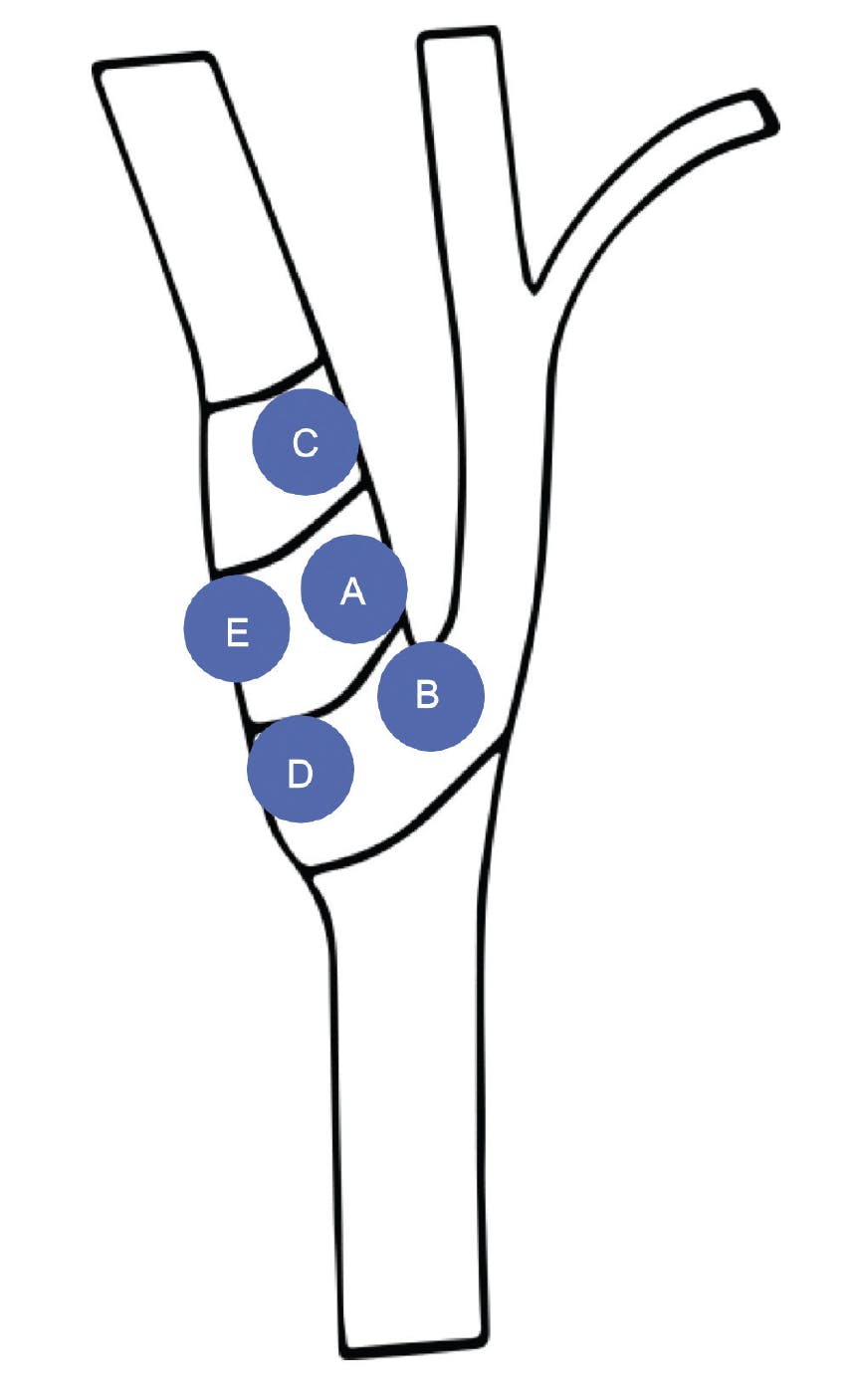
Figure 6. Mapping the carotid; 90% of commercial and clinical study procedures have placed the electrode on the anteromedial aspect of the internal carotid artery (position A).
What are the clinical data for this therapy?
Dr. Ruddy: In the BeAT-HF trial, BAT was found to be safe, and although cumulative cardiovascular morbidity and mortality were not different from GDMT alone, patient-centered symptomatic outcomes were significantly improved at all time points. These metrics included increased exercise capacity, improved quality of life, decreased NT-proBNP, and elevated functional class. More than two-thirds of patients experienced improved New York Heart Association classification that was appreciated at short- and long-term endpoints (6 and 24 months, respectively) (Figure 7). Importantly, this therapy has been shown to be equally effective in men and women.5
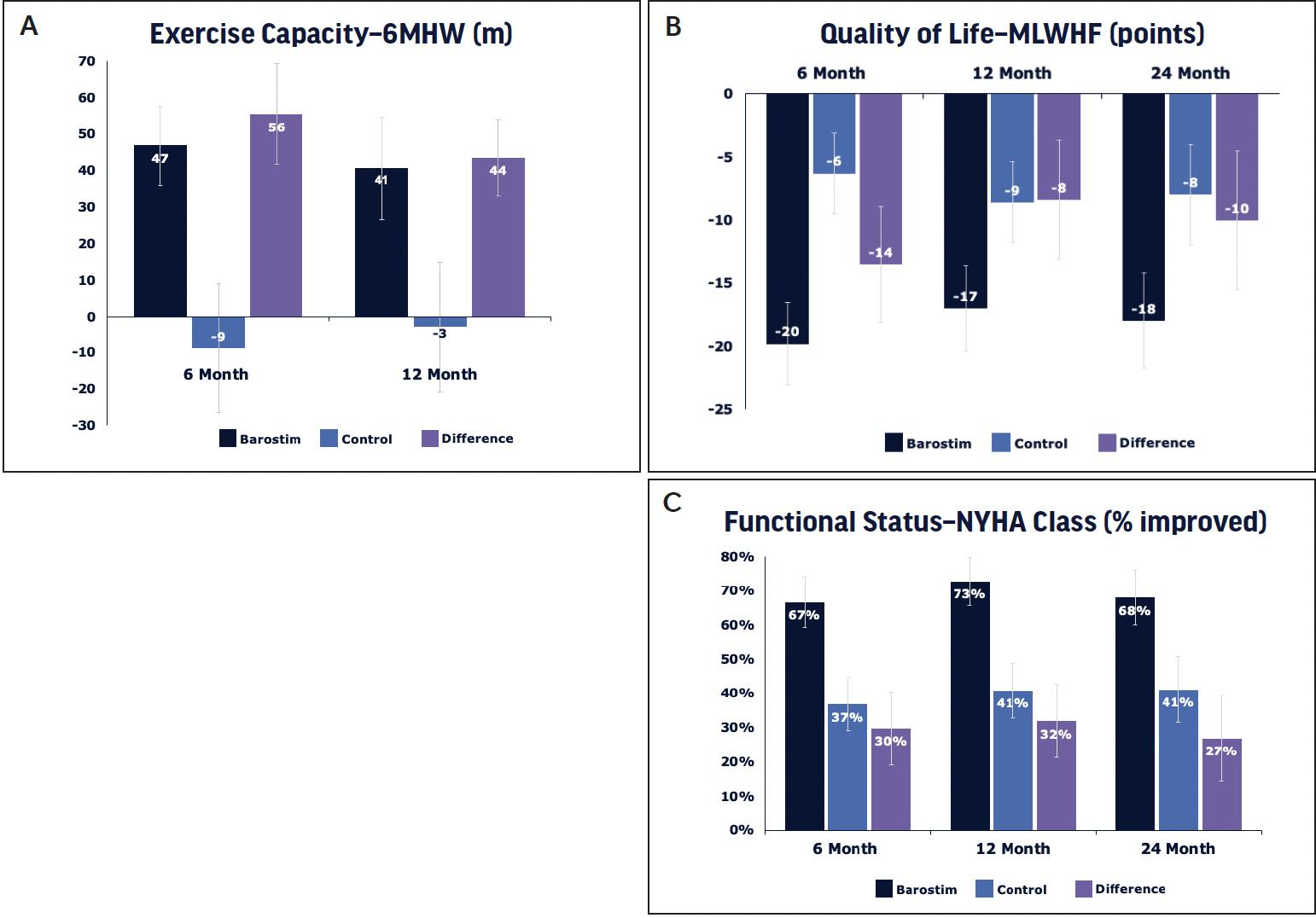
Figure 7. Barostim plus GDMT provides significant and meaningful improvements for HF patients beyond GDMT alone, including long-term, sustained improvement in exercise capacity (A), quality of life (B), and functional status (C). Data from Zile MR, Lindenfeld J, Weaver FA, et al. Baroreflex activation therapy in patients with heart failure and a reduced ejection fraction: long-term outcomes. Eur J Heart Fail. 2024;26:1051-1061. doi: 10.1002/ejhf.3232
Dr. Eidt: Results of the clinical trials have shown that > 90% of patients have clinically relevant improvement in exercise tolerance. Clinical improvement with Barostim appears to be durable over time, and tachyphylaxis has not been observed. Of course, individual responses to Barostim are highly individualized, and at this time it is difficult to predict the magnitude of clinical benefit that can be observed by any single patient.
How have your patients responded to the therapy?
Dr. Eidt: The most gratifying aspect of performing the Barostim procedure is observing the dramatic clinical improvement that our patients experience. In my personal experience, nine out of 10 patients report significant improvement in quality of life. Some have said that they are able to resume activities that were impossible before Barostim.
Dr. Ruddy: Although I do manage the medication dosing in the immediate perioperative period, we established a program wherein the CVRx and cardiology team members meet with the patient starting 2 weeks postprocedure to begin device and medication titration. This not only engages the experts to balance device stimulation while maintaining GDMT but also allows me to be available for same-day evaluation if there are concerns regarding the surgical incisions. My scheduled postprocedure visit is at 1 month, and by that time, most patients report reduced midday fatigue and reduction of diuretic use. I then defer to the HF team for long-term symptom management.
How do you explain this therapy to potential patients, and what do you highlight?
Dr. Eidt: I find analogies effective in communicating with patients, such as comparing the circulatory system to a hydraulic pump. In particular, I explain that by rebalancing the ANS in favor of parasympathetic tone, we can effectively reduce systemic vascular resistance. This means that the heart does not have to work as hard to deliver oxygen and nutrients to the body. You get more bang for your buck!
Dr. Ruddy: Because I have a strong relationship with our HF team and know they discuss the therapy in detail, I limit my physiology discussion to a general overview. I prefer to comment on the position of the carotid body and the opportunity to upregulate the parasympathetic signal that enables peripheral vasodilation and reduced myocardial work. By focusing on the location of the carotid body, I feel it is a natural transition to a description of procedural risks (bleeding, infection, stroke, hoarseness, cranial nerve injury), with emphasis on the extensive safety statistics already in publication for this device. The majority of these patients already have a pacemaker or AICD on the left chest, so they are familiar with the concept of the battery device implanted on the chest, and this requires minimal description.
How do patients get referred to you for this procedure?
Dr. Ruddy: In my academic institution and the Veterans Affairs (VA) health care system, referrals for Barostim implant have primarily come from HF specialists. Our local team has also invested efforts to raise awareness among general cardiologists in the community.
Dr. Eidt: Most of our patients are referred from HF specialists who determine the appropriate use of GDMT and cardiac resynchronization. Once referred to me, I explain the purpose of the device and its mechanism of action. For most patients, the clinical trial results speak for themselves. I usually conclude by saying that the device will almost certainly improve your exercise tolerance and will not cause harm to your heart.
How has this collaboration with your cardiology and HF colleagues affected your patient volumes/referral patterns?
Dr. Eidt: Once we started to offer this procedure, we found that it became a magnet for increasing referrals for not only Barostim but also other conditions and procedures. We have greatly benefitted from close coordination with our colleagues in HF and general cardiology.
Dr. Ruddy: As a vascular surgeon scientist who maintains a university and VA practice, serving as the Barostim implanting surgeon has opened meaningful lines of communication and fostered collaborations with my HF colleagues, including participation in additional device-related clinical trials.
How do you code for this procedure?
Dr. Eidt: Currently, we use the so-called “temporary” code 0266T (implantation or replacement of carotid sinus baroreflex activation device; total system). Until the procedure receives a CPT category I code, I typically “cross-walk” the code to the carotid endarterectomy CPT 35301. We also obtain preauthorization or predetermination prior to scheduling. In our setting, reimbursement is comparable to CEA. Preapproval is very important!
Why should vascular surgeons learn about this procedure and therapy?
Dr. Ruddy: As vascular surgeons, we pride ourselves on providing medical and surgical therapy for a breadth of vascular diseases. Many aspects of condition severity and comorbid conditions influence our decision of when and how to intervene. Alternatively, serving as an implanting surgeon for Barostim is a rare scenario when a vascular surgeon may provide technical assistance to improve therapy for a patient primarily managed by another provider. In this case, our knowledge can be complementary. Acquiring a general understanding of how Barostim combats the autonomic overload associated with chronic systolic HF can empower the vascular surgeon to confidently discuss the implantation technique. With an eye toward optimizing patient outcomes and providing high-quality care, I recommend establishing close collaboration with a HF specialist to assist with creating a comprehensive perioperative program that allows the vascular surgeon to focus on surgical safety while the medication and device titration continues to be driven by the cardiology team.
Do any particular cases that describe the patient response to Barostim come to mind?
Dr. Ruddy: My most memorable patient described how the improvement in his energy level after the Barostim implantation allowed him to return to fishing with his family. He treasured those afternoons with his son and grandson, even when they didn’t catch any fish.
1. Ruddy JM, Kroman A, Baicu CF, Zile MR. Baroreflex activation therapy in patients with heart failure with a reduced ejection fraction. Heart Fail Clin. 2024;20:39-50. doi: 10.1016/j.hfc.2023.05.008
2. Zile MR, Lindenfeld J, Weaver FA, et al. Baroreflex activation therapy in patients with heart failure with reduced ejection fraction. J Am Coll Cardiol. 2020;76:1-13. doi: 10.1016/j.jacc.2020.05.015
3. Zile MR, Lindenfeld J, Weaver FA, et al. Baroreflex activation therapy in patients with heart failure and a reduced ejection fraction: long-term outcomes. Eur J Heart Fail. Published online April 12, 2024. doi: 10.1002/ejhf.3232
4. Abraham WT. Utilization of advanced heart failure interventions observed in the Baroreflex Activation Therapy for Heart Failure (BeAT-HF) Trial. Presented at: Technology and Heart Failure Therapeutics (THT) 2024; March 4-6, 2024; Boston, Massachusetts.
5. Lindenfeld J, Gupta R, Grazette L, et al. Response by sex in patient-centered outcomes with Baroreflex activation therapy in systolic heart failure. JACC Heart Fail. 2021;9:430-438. doi: 10.1016/j.jchf.2021.01.012
CAUTION: Federal law restricts this device to sale by or on the order of a physician. See Instructions for Use 900133-001 for a complete instruction for use and a description of indications, contraindications, warnings, precautions and adverse events.
The Barostim System is indicated for patients who are NYHA Class III or Class II (who had a recent history of Class III) despite treatment with guideline-directed medical therapies (medications and devices), have a left ventricular ejection fraction of ≤ 35%, and a NT-proBNP <1600 pg/ml. Barostim delivers Baroreflex Activation Therapy for improvement of patients’ heart failure functional status, six-minute hall walk, and quality of life.
Patients are contraindicated if they have bilateral carotid bifurcations located above the level of the mandible, baroreflex failure or autonomic neuropathy, uncontrolled symptomatic cardiac bradyarrhythmias, carotid artery stenosis greater than 50% caused by atherosclerosis, as determined by ultrasound or angiographic evaluation, ulcerative plaques in the carotid artery as determined by ultrasound or angiographic evaluation, known allergy to silicone or titanium.
Warnings include: only trained physicians may use this system, prescribing physicians should be experienced in the diagnosis and treatment of heart failure and should be familiar with the use of this system, blood pressure and heart rate should be monitored during Carotid Sinus Lead placement and when adjusting stimulation parameters intra-operatively, system programming post-implantation, should avoid the following: heart rate falls below 50 beats per minute (BPM), or systolic pressure falls below 90 mmHg, or diastolic blood pressure falls below 50 mmHg, or problematic adjacent tissue stimulation is noted, or undesirable interaction indicated by monitoring of any other implanted electrical device, or any other potentially hazardous patient responses are observed. For patients who currently have an implanted electrical medical device, physicians must verify compatibility with the implanted device during implantation of the system as well as whenever settings are changed in either implant. Interactions are more likely in devices that contain a sensing function, such as an implantable cardiac defibrillator or pacemaker. If an interaction is observed, the Barostim NEO and NEO2 should be programmed to reduced therapy output settings in order to eliminate the interaction. If necessary, change settings in the other implant only if the changes are not expected to negatively impact its ability to perform its prescribed therapy. During the implant procedure, if device interactions cannot be eliminated the Barostim System should not be implanted. Improper system implantation could result in serious injury or death. Do not use diathermy therapy including shortwave, microwave, or therapeutic ultrasound diathermy on patients implanted with the system. Patients should be counseled to stay at least 15 cm (6 inches) away from devices with strong electrical or magnetic fields such as strong magnets, loudspeaker magnets, Electronic Article Surveillance (EAS) system tag deactivators, arc welders, induction furnaces, and other similar electrical or electromechanical devices. This would include not placing items such as earphones in close proximity to the implanted pulse generator. The system may affect the operation of other implanted devices such as cardiac defibrillators, pacemakers, or neurological stimulation systems.
Precautions include: the system should be implanted and programmed carefully to avoid stimulation of tissues near the electrode or in the area of the IPG pocket. Such extraneous stimulation could involve the following: the regional nerves, causing laryngeal irritation, difficulty swallowing, or dyspnea, the cervical musculature, causing intermittent contraction, skeletal muscles, causing intermittent contraction around the IPG pocket. Proper sterile technique during implantation should be practiced and aggressive pre-operative antibiotics are recommended. Infections related to any implanted device are difficult to treat and may necessitate device explantation.
It is anticipated that subjects will be exposed to operative and post-operative risks similar to related surgical procedures involving the neck and/or a pacemaker implant. These risks and potential risks of chronic device based Barostim may include, but are not limited to: stroke, transient ischemic attack (TIA), systemic embolization, surgical or anesthetic complications, infection, wound complications, arterial damage, pain, transient, temporary or permanent nerve damage/stimulation, hypotension, hypertensive crisis, respiratory, exacerbation of heart failure, cardiac arrhythmias, tissue erosion/IPG migration, injury to baroreceptors, fibrosis, allergic reaction, general injury to user or patient, need for reoperation, secondary operative procedure, and death. Patients implanted with the system may receive Magnetic Resonance Imaging (MRI) only when all MR Conditional safety parameters are met as listed in the instructions for use.
CVRx, Barostim, BAT, Barostim NEO, Barostim NEO2, BATwire, and Outsmart the heart are all trademarks of CVRx, Inc. © 2024 CVRx, Inc. All rights reserved. All other trademarks are property of their respective owners.
For a list of all potential benefits and risks go to www.cvrx.com/benefit-risk-analysis/
For a list of all applicable patents, see www.cvrx.com/patent-marking.
Advertisement
Advertisement