Advertisement
Advertisement
December 2024 Supplement
Sponsored by Surmodics, Inc.
Optimizing Endovascular Thrombectomy for Acute Limb Ischemia: A Surgeon’s Journey
A conversation with Dr. Joseph V. Blas.
Vascular surgeon Dr. Joseph Vincent Blas started the endovascular aortic aneurysm program at Prisma Health Greenville Memorial Hospital in Greenville, South Carolina, a region he describes as a “hotbed of peripheral artery disease (PAD) and diabetes.” In addition to his focus on complex aortic disease and PAD, he has extensive experience treating cerebrovascular, carotid artery, and peripheral venous disorders.
Today, Dr. Blas uses the endovascular Pounce™ Thrombectomy Platform (Surmodics, Inc.) for rapid removal of chronic or acute peripheral arterial clot. He is a principal investigator of the PROWL study, an open-label, retrospective, multicenter, United States registry of the Pounce™ Thrombectomy Platform for nonsurgical removal of emboli and thrombi in the peripheral arterial vasculature. We spoke with Dr. Blas about his approach to treating acute limb ischemia (ALI) and his growing use of the fully mechanical Pounce™ Platform.
What is your treatment algorithm for ALI?
Based on a detailed history and physical exam, I’ll try to determine what type of lesion I’m addressing. If it’s a short, focal, distal lesion in a patient with a high atherosclerotic burden, with a high likelihood of diseased arteries above or below, I’m going to try to do something percutaneous, because I have more options available to me—the Pounce™ Platform, aspiration, and thrombolysis are still on the table. You lose those options, especially thrombolysis, when you surgically open the patient’s groin.
If someone has an acute limb with a cardiogenic embolus right at the popliteal artery and the patient is young and healthy, I think it’s dealer’s choice. I can make a small incision in the superficial femoral artery (SFA) and pull out the embolus with a Fogarty catheter. That’s a 30-minute case and the patient goes home the next day. Or, I can handle that percutaneously, which is my current preference. I can go down there with the Pounce™ System and, potentially, the patient goes home the same day.
If I see a large thrombotic burden in a patient that I know has established atherosclerosis and is very large in stature, I’m going to try to treat that percutaneously—just chomp at the clot a little bit at a time and not lose the options I’ve mentioned. If there is embolization into the foot or tibials, I can go after that with either the Pounce™ Platform within its indicated range or thrombolysis, because I think those are better options than an over-the-wire (OTW) Fogarty device.
Why would you prefer not to use the OTW Fogarty catheter in that situation?
OTW Fogarty catheters add time and complexity to the case. Furthermore, if you introduce the catheter with a groin incision and don’t get an adequate result, then what? You can’t lyse the patient because of the incision. You can use balloons, stents, and tools like that, but you may not achieve the result you were hoping for. In any case, I’ve found that the Pounce™ Platform typically obtains the kinds of results I’d expect from a Fogarty catheter.
Can you estimate how often you now use the Pounce™ Platform in ALI cases?
I would say it is around 40% to 50% Pounce™ Platform thrombectomy, about 25% surgery, and the rest is a blend of other approaches. At this point, I consider aspiration an adjunct therapy.
What do you see as the limitations of aspiration thrombectomy?
With the Pounce™ Platform, I can treat the softer lesions I could with an Indigo® Aspiration Thrombectomy System (Penumbra, Inc.) and also remove the harder, more fibrotic type of clot that tends to resist aspiration. Or I can go into the distal tibial arteries and remove clot with the Pounce™ LP (Low Profile) Thrombectomy System (suitable for 2-4 mm peripheral arteries) (Surmodics, Inc.), including bulky, high-volume clot. You can’t necessarily do that with the smaller-caliber aspiration devices in the tibials.
With aspiration, I find that the longer the catheter, the less suction power there is at the end. With the Pounce™ Platform, I can come all the way across the bifurcation and not lose any power in terms of clot removal.
What was your approach to ALI before your adoption of percutaneous thrombectomy devices?
As vascular surgeons, we were taught that if someone comes in with an acute leg, their history will often determine the proper treatment. When patients have a history of chronic claudication, you’re probably looking at somebody with an in-situ thrombosis of highly diseased arteries. For those cases, I preferred not to use a Fogarty catheter because of the risk of balloon rupture and subsequent vessel damage from using the device in atherosclerotic stenoses. For those types of cases, if I could see any distal flow, I’d consider using lysis. If I didn’t see any flow, I knew I needed to find a distal target and then, in all likelihood, perform a bypass.
Patients who didn’t have a history of chronic claudication often went straight to the operating room. For example, a patient may have experienced a cardiogenic embolus that went directly down to the lower extremity. You would put them to sleep, make a little cut down on the common femoral, loop it all out, send down a Fogarty catheter, and close the incision. You had it done within about 45 to 60 minutes.
Most of the time, you’d achieve an adequate result with pulse in the foot. If not, you’d need to seek more information, for example with an on-table angiogram. This would increase the complexity of the case tremendously, especially if the patient were being treated on a regular operating room table instead of an angiography table because of a lapse in planning. Once you found your target, you’d typically go after it with an OTW Fogarty catheter. If the results were still inadequate—well, you couldn’t lyse the patient because of the groin incision.
When did you begin using percutaneous thrombectomy devices?
Around 2016, we began using pharmacomechanical devices, most often the AngioJet™ System (Boston Scientific Corporation), which seemed faster than the others and could get down into the tibials with the lower-profile catheters. Often, using the AngioJet™ System involved a 2- to 3-day process to open a flow channel, and then we would use thrombolytic, which works best when you have flow in an artery. But, there were several downsides with this approach, including the requirement for intensive care unit admission and complication risks.1 But it was a very useful technique in its time.
Then we moved on to suction thrombectomy, at first done manually and later with the Indigo® Aspiration System. We found that we were getting some good results, not great results, with that system—certainly not the type of results we could achieve with a Fogarty catheter. I still believe the Fogarty catheter set the standard for ALI in a patient who has nonatherosclerotic lesions—it’s rapid and reliable. With aspiration, we found that arteries could collapse on themselves, and it became difficult to move the catheter forward or backward. You could lose access to some of these arteries, requiring you to put the device down a wire, but when you removed the wire, you had access issues again. Beyond that, as I mentioned, the kind of clot you could remove through a 6, 7, or 8 Fr bore, 135 cm from the console, was limited. You couldn’t remove the big, bulky stuff. So we really didn’t adopt that very widely in the practice.
When and why did you begin using Pounce™ Thrombectomy System?
Dr. Bruce Gray introduced us to the Pounce™ Thrombectomy System (suitable for 3.5-6 mm peripheral arteries) about 4 years ago. We were still staunch believers in surgery, with a little mechanical suction thrombectomy used when we didn’t think patients could tolerate surgery. Gradually, we began using the Pounce™ System instead of suction in those cases. Then we began to realize that we could use it in place of an open Fogarty approach for patients who could tolerate surgery, and we began to adopt it for more patients. We found that it achieved much the same result we would want a Fogarty to achieve.
1. Acosta S, Karonen E, Eek F, Butt T. Short-term complications and outcomes in pharmaco-mechanical thrombolysis first and catheter-directed thrombolysis first in patients with acute lower limb ischemia. Ann Vasc Surg. 2023;94:253-262. doi: 10.1016/j.avsg.2023.02.018
Caution: Federal (US) law restricts the Pounce™ Thrombectomy System to sale by or on the order of a physician. Please refer to the product’s Instructions for Use for indications, contraindications, warnings, and precautions. SURMODICS, POUNCE, and SURMODICS and POUNCE logos are trademarks of Surmodics, Inc. and/or its affiliates. Third-party trademarks are the property of their respective owners.
CASE REPORT
Infrapopliteal Revascularization With the Pounce™ Thrombectomy System
By Joseph V. Blas, MD, FACS
Patient Presentation
A female patient in her mid 60s presented to the emergency department with a 5-day history of acute-onset, left lower extremity pain, with left foot pain at rest. Patient history included chronic obstructive pulmonary disease, diabetes mellitus, COVID, end-stage renal disease on peritoneal dialysis, hypercholesterolemia, hypertension, and recent discharge from an inpatient stay for sepsis. A thrombectomy had been performed on the patient 8 weeks earlier to treat a contralateral right popliteal artery occlusion.
Diagnostic Findings
A physical examination showed Rutherford class IIa ischemia and left first toe gangrene (Figure 1), right pedal Doppler signals, and absent left pedal Doppler signals with a bedside left ankle brachial index of 0. An initial angiogram revealed left proximal tibial artery occlusion (Figure 2).
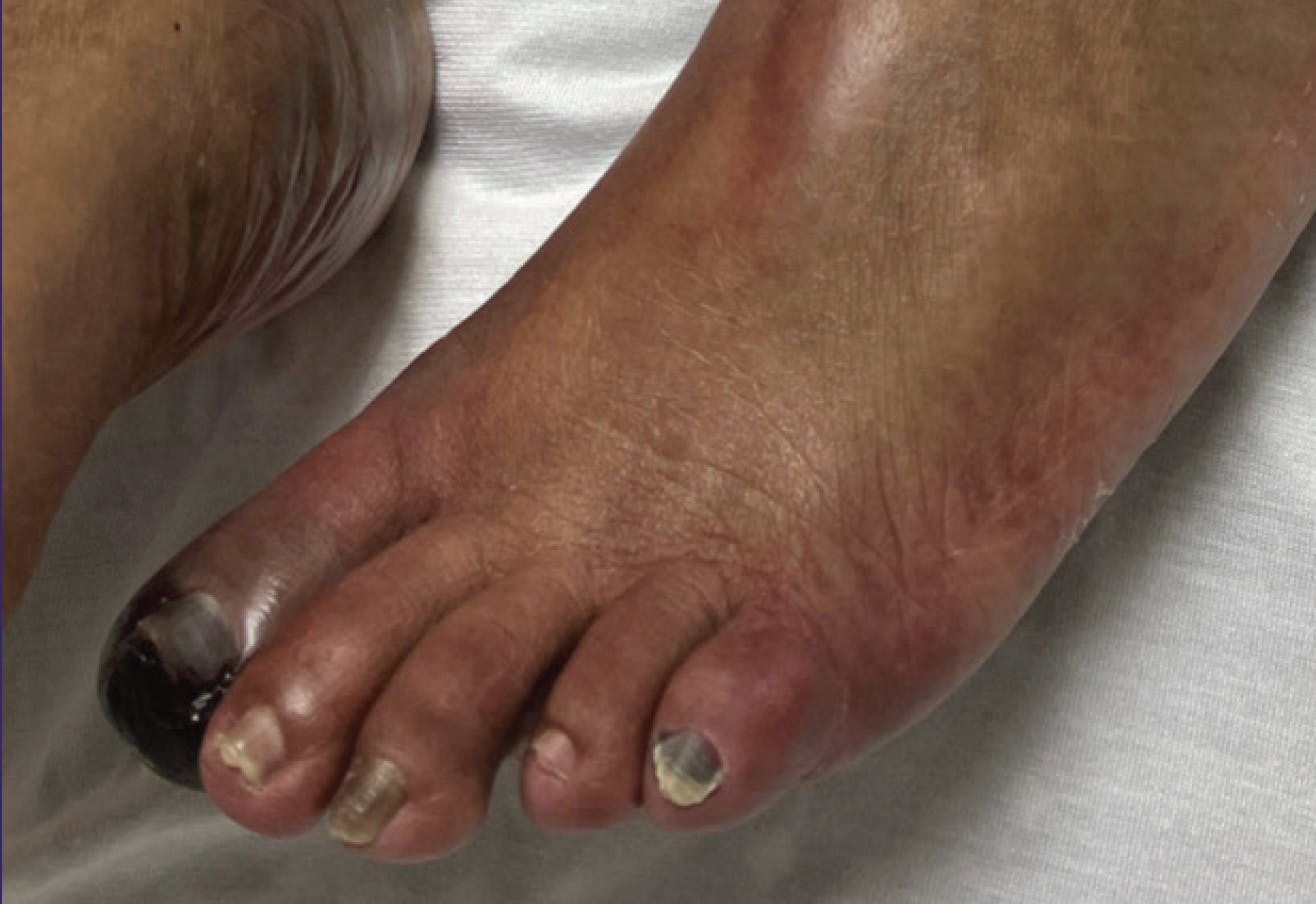
Figure 1. Gangrenous left first toe. Courtesy of Dr. Joseph V. Blas.
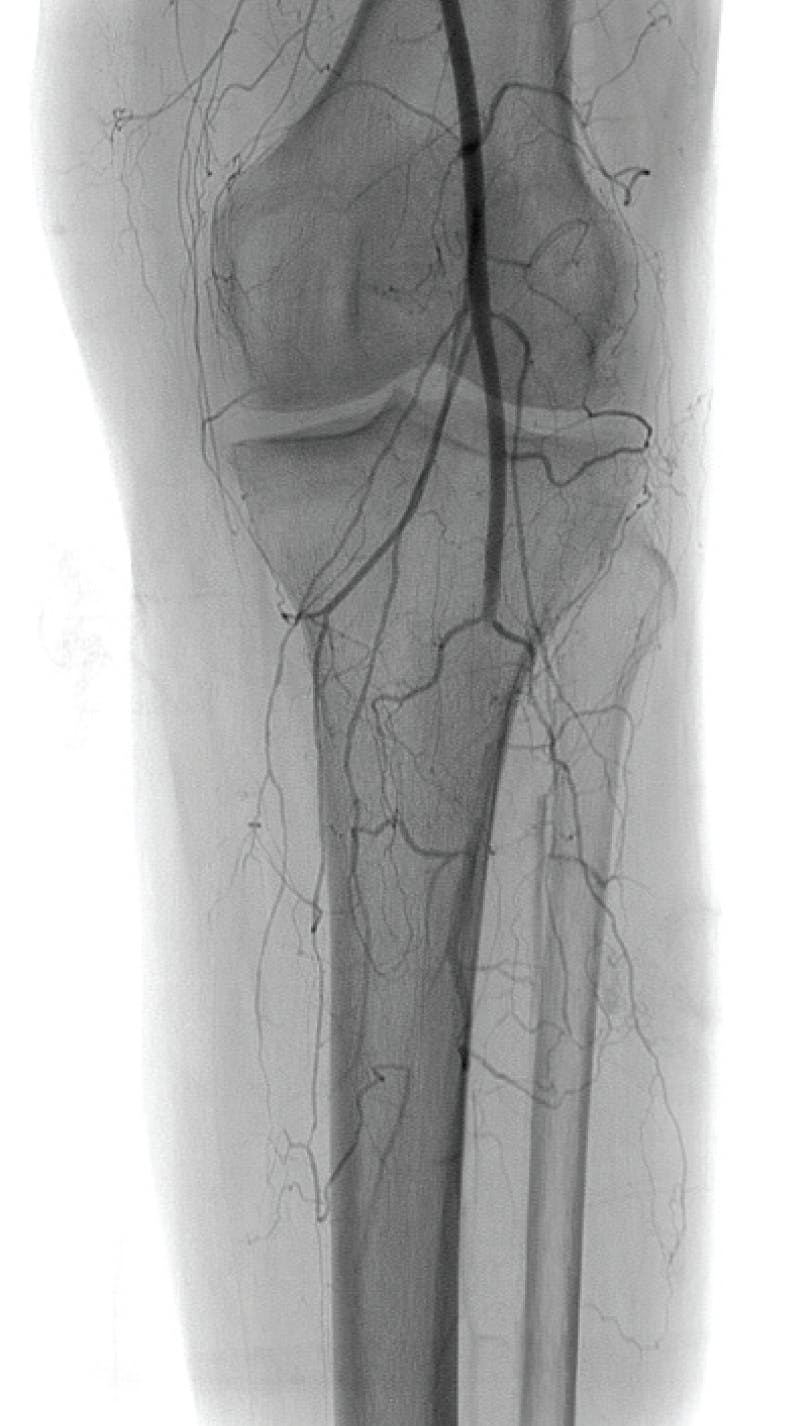
Figure 2. Initial angiogram showing left proximal tibial artery occlusion.
Treatment
Right femoral access was achieved, and a 7 Fr sheath was advanced up and over to the left lower extremity. The occlusion was crossed with a .035 Glidewire Advantage® Peripheral Guidewire and a Glidecath® Hydrophilic Coated Catheter (both Terumo Interventional Systems). The Pounce™ Thrombectomy System (Surmodics, Inc.) was advanced through the sheath, with basket deployment distal to the occlusion in the tibioperoneal trunk (TPT) and funnel deployment proximal to the occlusion in the popliteal artery. Two passes with the Pounce™ System were performed, and highly organized, mixed-morphology thrombus was retrieved. A follow-up angiogram revealed a residual occlusion affecting the anterior tibial (AT) artery (Figure 3). The AT artery was cannulated, whereupon the Pounce™ System baskets were deployed distal to the occlusion in the AT artery, and the funnel catheter was deployed proximal to the occlusion in the popliteal artery.* One pass with the Pounce™ System was performed in the AT artery, resulting in complete recanalization. At the conclusion of the procedure, pulse was detected in the left dorsalis pedis artery, signifying restored flow (Figure 4). The total case time was 40 minutes.
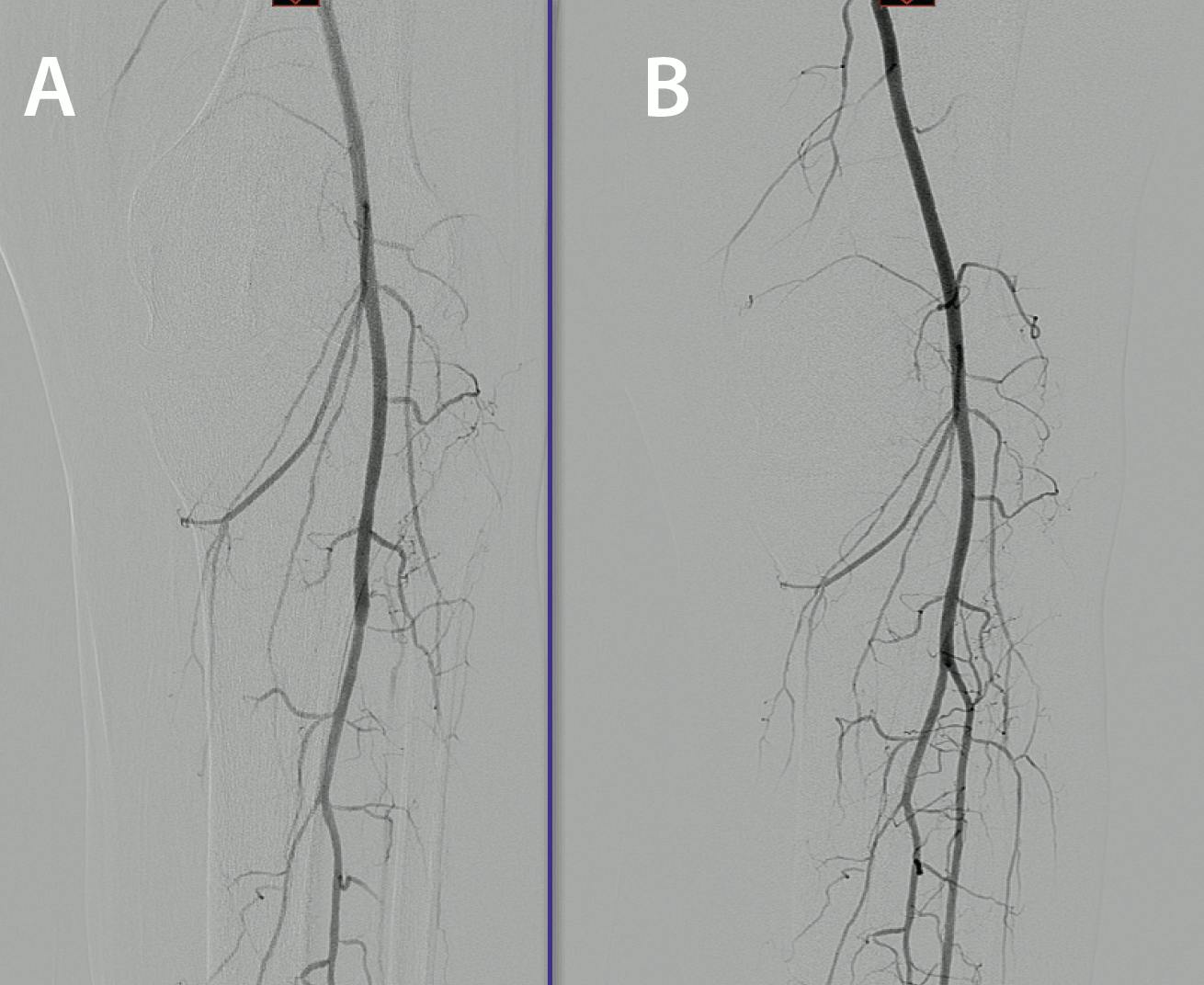
Figure 3. Residual occlusion in AT artery (A) and repeated angiogram (B) after one pass with the Pounce™ Thrombectomy System.
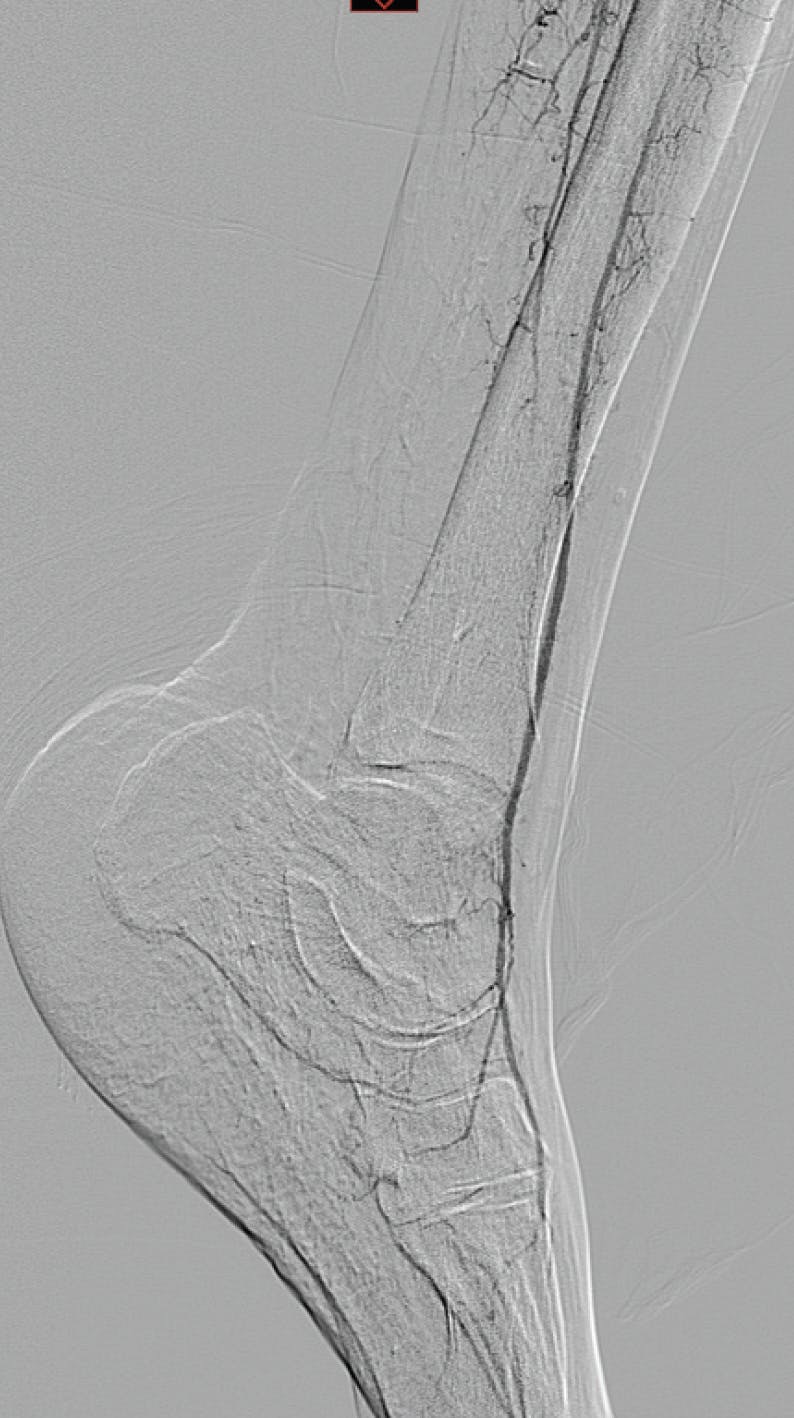
Figure 4. Restored flow in the left foot with detected pulse in the left dorsalis pedis artery.
Postprocedure Outcome
The patient was started on apixaban following the procedure. The Pounce™ Thrombectomy System enabled prompt removal of highly organized, mixed-morphology clot and restoration of flow to the foot.
See case presentation video here.
*The indicated vessel range for the Pounce™ Thrombectomy System is 3.5-6 mm.
Caution: Federal (US) law restricts the Pounce™ Thrombectomy System to sale by or on the order of a physician. Please refer to the product’s Instructions for Use for indications, contraindications, warnings, and precautions. SURMODICS, POUNCE, and SURMODICS and POUNCE logos are trademarks of Surmodics, Inc. and/or its affiliates. Third-party trademarks are the property of their respective owners.
CASE REPORT
Removal of Distal Embolus Using the Pounce™ Thrombectomy System
By Joseph V. Blas, MD, FACS
Patient History
A female patient in her early 50s with a history of bilateral toe amputations was seen by a wound care specialist for a left second toe ulcer (Figure 1A). The patient had experienced no recent acute-onset leg or foot pain. Patient history included chronic kidney disease, diabetes mellitus, hyperlipidemia, hypertension, a history of right leg deep vein thrombosis, smoking, and placement of two stents in the aortoiliac segment. Upon 2-week follow-up with wound care, further deterioration of the wound was noted, with no pulses in the affected toe. The patient was referred to vascular surgery.
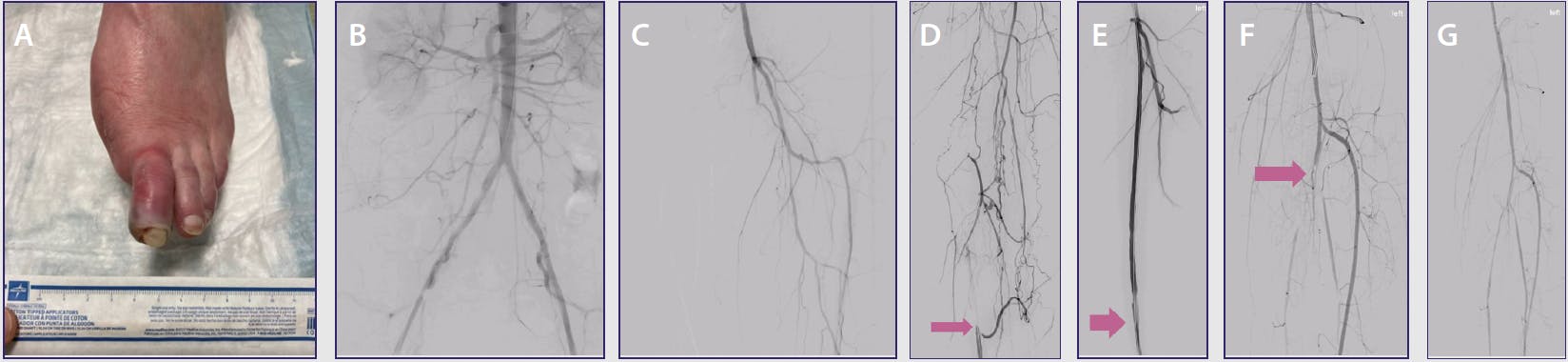
Figure 1. Left second toe ulcer in patient with previous bilateral toe amputations (A). Angiography revealing patent aortoiliac segment containing previously placed stents (B) and long-segment left SFA occlusion with distal three-vessel runoff (C). Organized distal cap of the long-segment SFA occlusion (D). A small dissection at the distal cap (E) and distal embolization in the TPT (F). Final angiography showing normalized inline flow to the foot after two passes with the Pounce™ Thrombectomy System in the TPT (G). Courtesy of Dr. Joseph V. Blas.
Diagnostic Findings
Upon examination by the vascular team, the patient had a left ankle brachial index (ABI) of 0.60 and toe brachial index of 0.22. An arteriogram and toe amputation were planned. Angiography revealed that the previously stented aortoiliac segment was patent (Figure 1B). However, a long-segment left superficial femoral artery (SFA) occlusion with distal three-vessel runoff was noted (Figure 1C).
Treatment
Contralateral femoral access was obtained, and a standard crossing technique was done with a Glidewire Advantage® Peripheral Guidewire and Glidecath® Hydrophilic Coated Catheter (both Terumo Interventional Systems) to cross the occlusion, which had organized proximal and distal caps (Figure 1D). Balloon angioplasty was conducted in the SFA, resulting in good luminal gain and flow. A small dissection at the distal cap and distal embolization to the tibioperoneal trunk (TPT) were noted (Figure 1E and 1F). The Pounce™ Thrombectomy System (Surmodics, Inc.) was prepared and two passes were performed through the TPT. Final angiography showed normalized inline flow to the foot (Figure 1G), and a postprocedure left ABI of 0.87 was noted (Figure 2). Toe amputation was performed at the same time, with the site left partially open due to cellulitis.
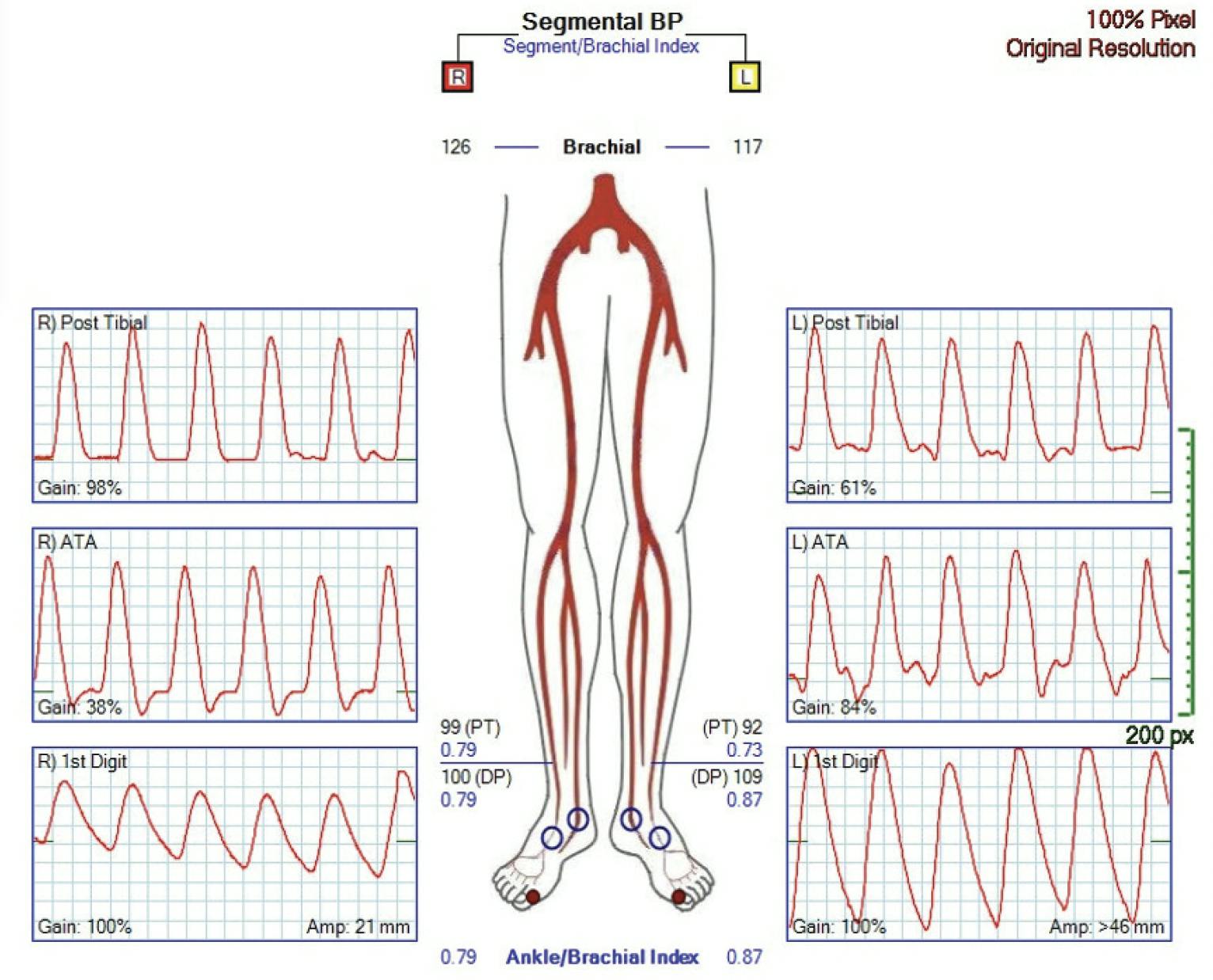
Figure 2. Postprocedure ABI.
Postprocedure Outcome
The patient was discharged on the same day with instructions to take prescribed oral anticoagulation and aspirin. The Pounce™ Thrombectomy System removed a distal embolus after recanalization and restored inline flow to the foot.
See case presentation video here.
Caution: Federal (US) law restricts the Pounce™ Thrombectomy System to sale by or on the order of a physician. Please refer to the product’s Instructions for Use for indications, contraindications, warnings, and precautions. SURMODICS, POUNCE, and SURMODICS and POUNCE logos are trademarks of Surmodics, Inc. and/or its affiliates. Third-party trademarks are the property of their respective owners.

Advertisement
Advertisement