Advertisement
Advertisement
January 2024 Supplement
Sponsored by Shockwave Medical
Achieving Success in Calcified SFA and Popliteal Lesions
Multidisciplinary perspectives and optimal approaches to real-world scenarios.
With Carlos J. Guevara, MD, FSIR; Leigh Ann O’Banion, MD; and Eric A. Secemsky, MD, MSc, RPVI, FACC, FAHA, FSCAI, FSVM



When do you rely on angiographic images, and when do you progress to intravascular ultrasound (IVUS)?
Dr. O’Banion: With IVUS readily available and its ease of use, I routinely utilize the modality in nearly 100% of my endovascular interventions. It allows for improved vessel sizing and measurement of extent of disease as well as evaluation of response to therapy. IVUS should be considered adjunctive therapy to angiography if available to the interventionalist, as there is little downside and it can only improve outcomes and provide more information.
Dr. Secemsky: My algorithm is to have the IVUS console in the procedure room with an unopened IVUS catheter ready to go in all of my peripheral lower extremity procedures. For me, the decision to use IVUS is based on a few factors. First is how extensive the revascularization procedure is. If it’s critical limb ischemia (CLI), multilevel, multisegment revascularization, I’m almost always going to use IVUS. I always find that there is a need at some point in the procedure where I can use IVUS to optimize my endovascular techniques. If it’s a single-segment focal lesion in the superficial femoral artery (SFA) in a patient with claudication, it’s a little bit more algorithmic for me. And unless a complication comes up, I’m going to usually just do an angiogram, my intervention, and a postangiogram.
Dr. Guevara: I routinely use IVUS for our procedures, probably at least 90% of the time. I do not use it if we have CTA images. If I do not use IVUS, I perform angiography in two projections in the area of concern.
If calcium is present, how do you choose which treatment modality to use first? What data impact your decision?
Dr. Secemsky: Often, it is challenging to determine the degree of calcium and how much it is going to inhibit my procedural plan. For instance, it’s difficult to use a two-dimensional image to identify concentric calcium and even harder to know whether you’re only going to apply drug to a cleft of calcium when using a drug-coated balloon (DCB). An IVUS is a 360° luminal representation of the vessel. You can see the entire perimeter of the vessel and understand exactly that characteristic and how much calcium is going to be an issue to gaining adequate luminal size in a safe manner.
If you prefer scaffolds and are trying to determine whether expansion is going to be successful, you can balloon aggressively and see if there’s release of calcium, but this method can result in dissection. So, using IVUS allows identification of calcium severity and helps determine the success of balloon angioplasty or if another plaque-modifying technique is going to be needed.
And I’ll go one step further. Now that we have intravascular lithotripsy (IVL) as an adjunctive method for plaque modification, where we typically were reliant on luminal atherectomy that really addresses luminal interval calcification, it’s even more important to understand the burden and location of calcium. For instance, if there’s medial calcification, that’s unlikely to be affected by luminal atherectomy devices but will be more responsive to IVL, which is designed to address calcific disease deep into the vessel wall.
Dr. Guevara: For areas of complete occlusion or bulky stenosis, I will routinely combine atherectomy with IVL, especially if I’m trying to avoid stenting. For areas of moderate stenosis, I rely on IVL only, and depending on post-IVL IVUS, I will decide on DCB or stenting.
Dr. O’Banion: IVL has been a great tool to add to the armamentarium of devices utilized to treat patients with heavily calcified disease burden. Because over 99% of my treated patients have chronic limb-threatening ischemia (CLTI), often I am intervening on occlusive disease. With heavy calcification identified on CTA, plain film, or IVUS, I often incorporate Shockwave IVL (Shockwave Medical) for these cases to optimize luminal gain and avoid dissection and need for bailout stenting. This technology has been specifically useful in my practice when treating iliac occlusive disease and below-the-knee (BTK) disease.
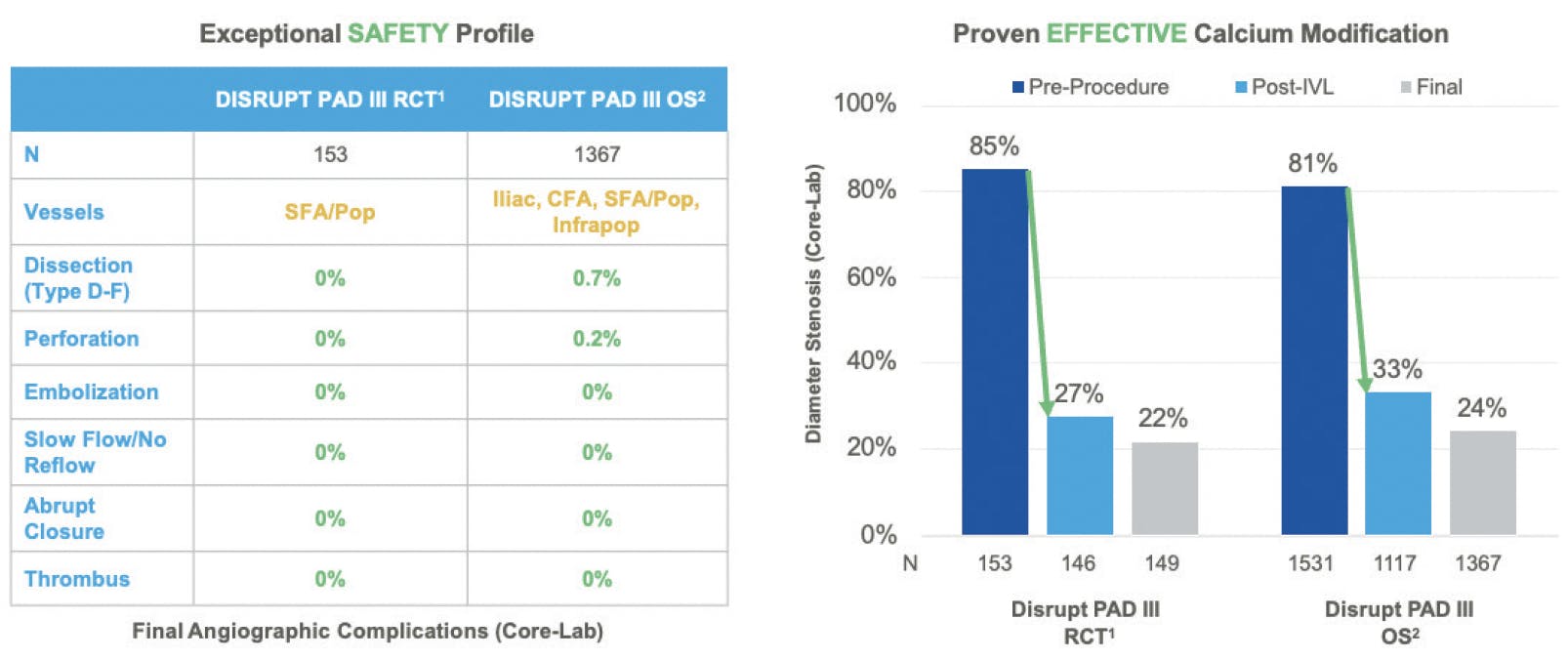
As we continue to see the results from the DISRUPT trials, the evidence is strong for the safety and efficacy of IVL across all vascular beds.2 I think that we will continue to see the benefit in the BTK space, which is the one area we are severely lacking in high-quality technology to adequately treat complex disease patterns.
1. Tepe G, Brodmann M, Werner M, et al. Intravascular lithotripsy for peripheral artery calcification: 30-day outcomes from the randomized Disrupt PAD III trial. JACC Cardiovasc Interv. 2021;14:1352-1361. doi: 10.1016/j.jcin.2021.04.010
2. Armstrong E. Intravascular lithotripsy for the treatment of peripheral artery calcification: results from the Disrupt PAD III observational study. Presented at: Vascular InterVentional Advances (VIVA) 2022; November 1, 2022; Las Vegas, Nevada.
Use of IVL and Stenting to Treat a Severely Calcified and Occluded Popliteal Artery
By Eric A. Secemsky, MD, MSc, RPVI, FACC, FAHA, FSCAI, FSVM
CASE PRESENTATION
A man in his early 70s with a history of coronary artery disease, heart failure with reduced ejection fraction, hypertension, hyperlipidemia, and type 2 diabetes mellitus presented with left limb rest pain and a hallux ulcer (Figure 1). The severe claudication symptoms began 6 months prior, and the wound developed 6 weeks later in the setting of a nail trimming. The patient was referred to podiatry, where he endorsed the rest pain and newer ulcers, and the patient was referred for complex revascularization.
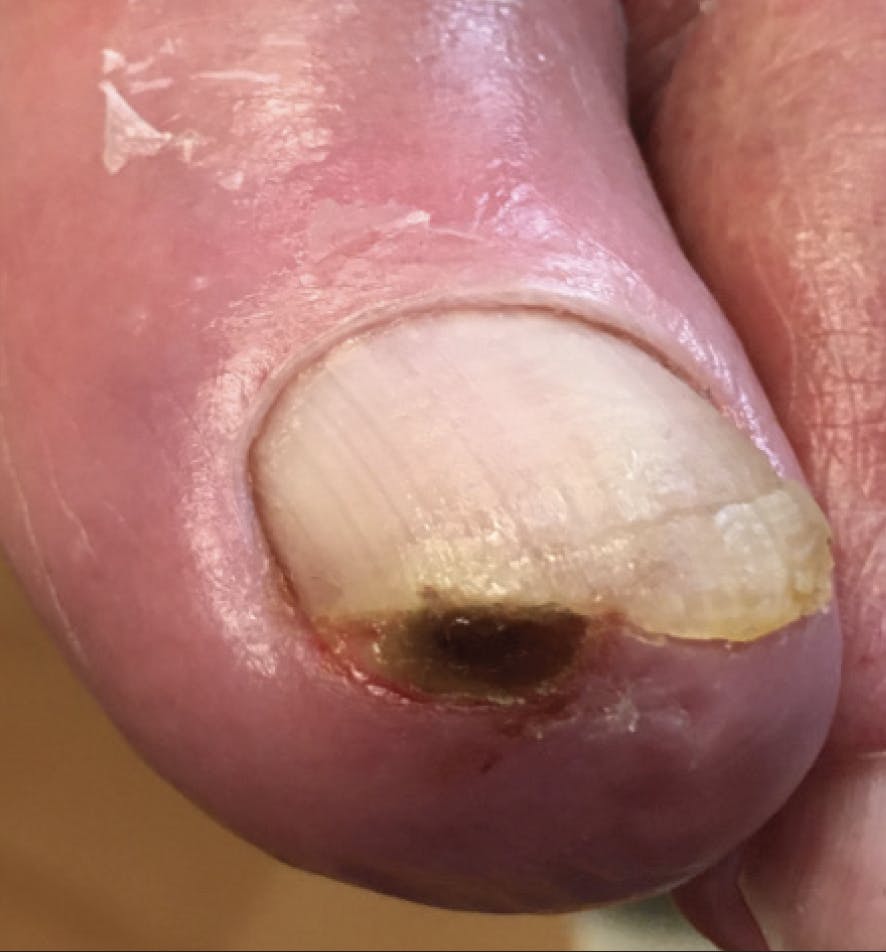
Figure 1. Image of the left hallux ulcer.
COURSE OF TREATMENT
Angiography of the left lower extremity showed occlusion at the level of the popliteal artery. Through use of external vascular ultrasound and delayed angiography, it was determined that the peroneal was the dominant runoff vessel. Our plan was to attempt antegrade wire escalation with or without reentry, with a secondary plan for retrograde peroneal access if we were unsuccessful; however, the goal was to avoid accessing the target runoff vessel if avoidable. Antegrade access was achieved with a 6-F, 55-cm Flexor Raabe sheath (Cook Medical) and 0.018-inch Quick-Cross catheter (Philips) with a 0.014-inch Fielder XT wire (Asahi Intecc USA, Inc.). The architected vessel was followed, and the distal cap was punctured with a 0.014-inch Astato XS wire (Asahi Intecc USA, Inc.). This appeared luminal, but the wire found the proximal portion of the known occluded anterior tibial artery (Figure 2). IVUS was used to confirm luminal crossing and demonstrated severe concentric calcification (Figure 3). In addition, the origin of the tibioperoneal trunk (TPT) was identified on IVUS.
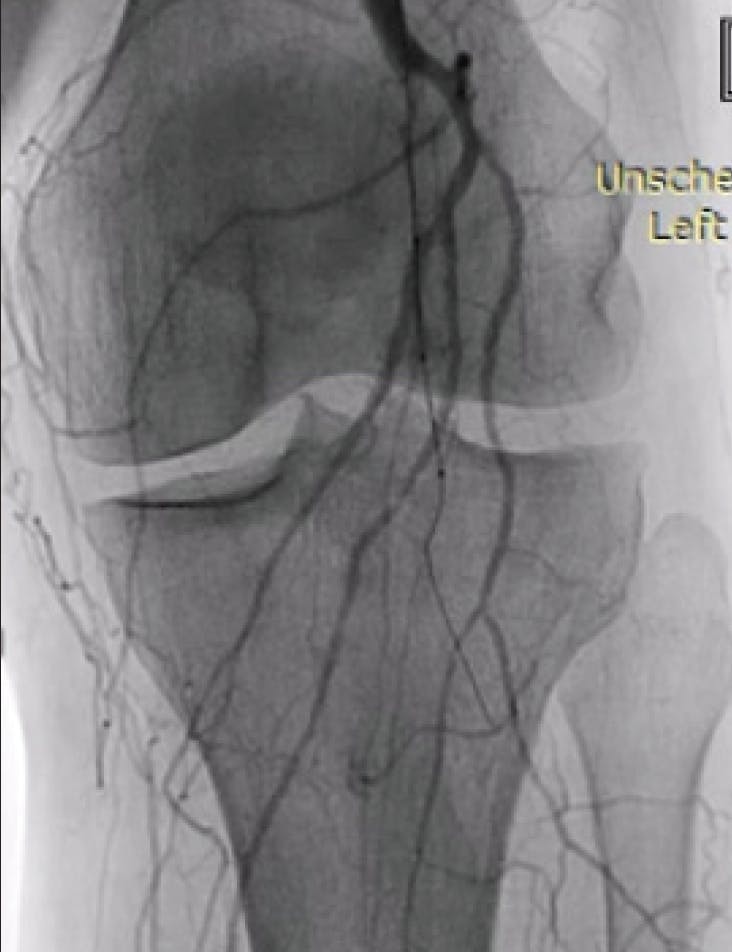
Figure 2. Angiogram demonstrating the popliteal artery occlusion with slow underfilled distal runoff provided by various collaterals.
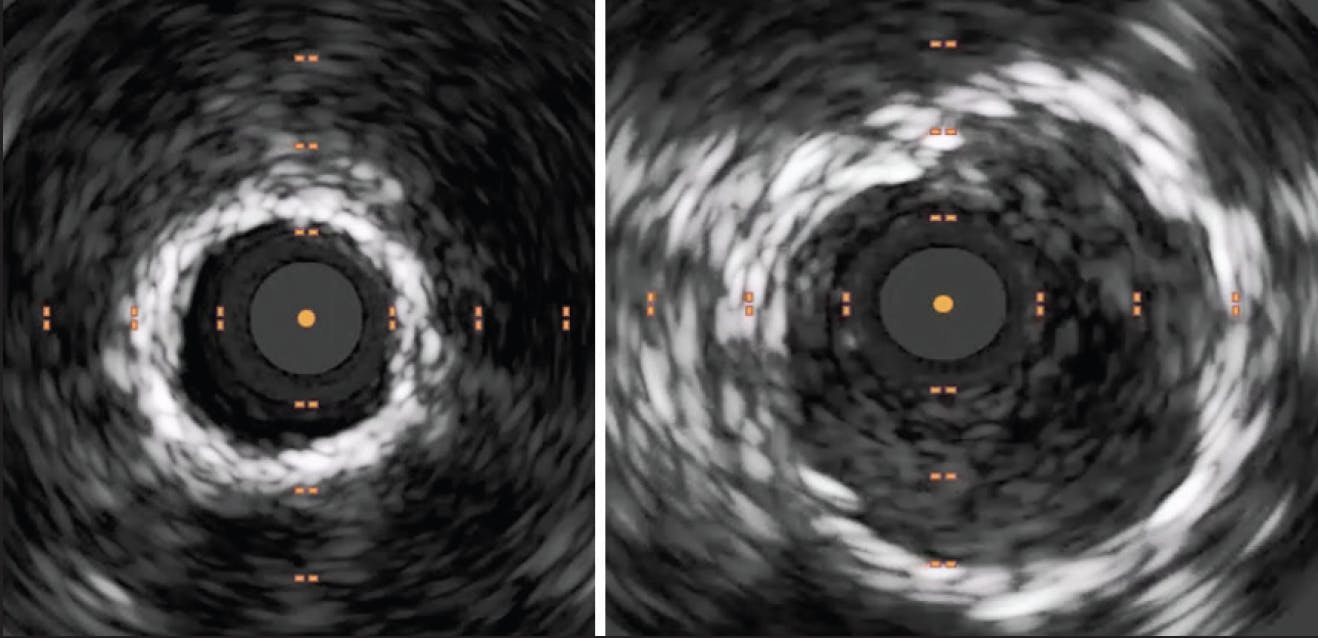
Figure 3. IVUS imaging, which confirmed severe concentric calcification throughout the vessel.
We parallel-wired the TPT/peroneal artery with the Fielder XT wire and performed percutaneous transluminal angioplasty with a 4-mm balloon to restore flow through the popliteal artery. Our plan was to place a Supera stent (Abbott) across the popliteal artery, and vessel preparation was critical prior to deployment. IVL was performed with a 4- X 40-mm Shockwave S4 peripheral IVL catheter (Shockwave Medical) to the TPT, followed by a 5- X 60-mm Shockwave M5 to the popliteal artery to address the heavy calcific burden. Flow was significantly improved following IVL (Figure 4).
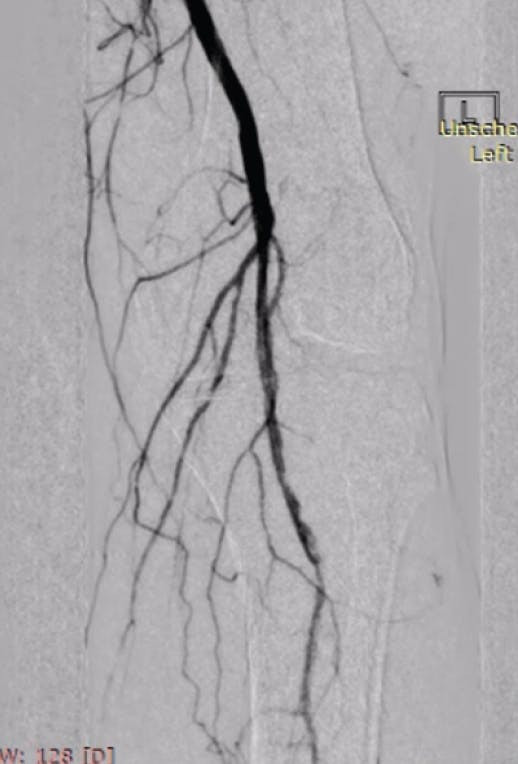
Figure 4. IVL was performed with a Shockwave S4 to the TPT, followed by a Shockwave M5 to the popliteal artery.
After IVL, a 5.5- X 120-mm Supera stent was placed across the popliteal artery into the TPT. At that point, there was poor outflow distal to the stent, and we prepared to snorkel a coronary stent into the peroneal artery. Final angiography after postdilation showed brisk flow through the popliteal artery with single-vessel runoff through the dominant peroneal artery and newly restored pedal flow (Figure 5).
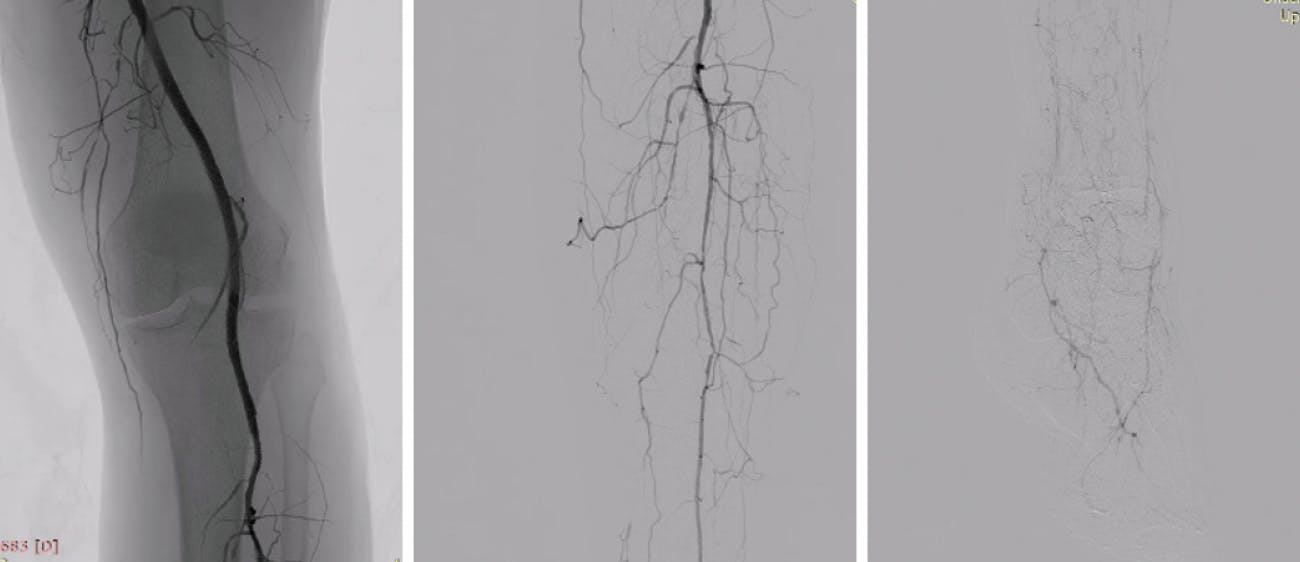
Figure 5. Final angiograms showing brisk flow through the popliteal artery stent into the peroneal artery with single-vessel runoff to the foot and newly restored pedal flow.
At 1-month follow-up, the patient’s wound had fully healed (Figure 6), the rest pain resolved, and he resumed exercise. At 8 months, the stents remained patent.
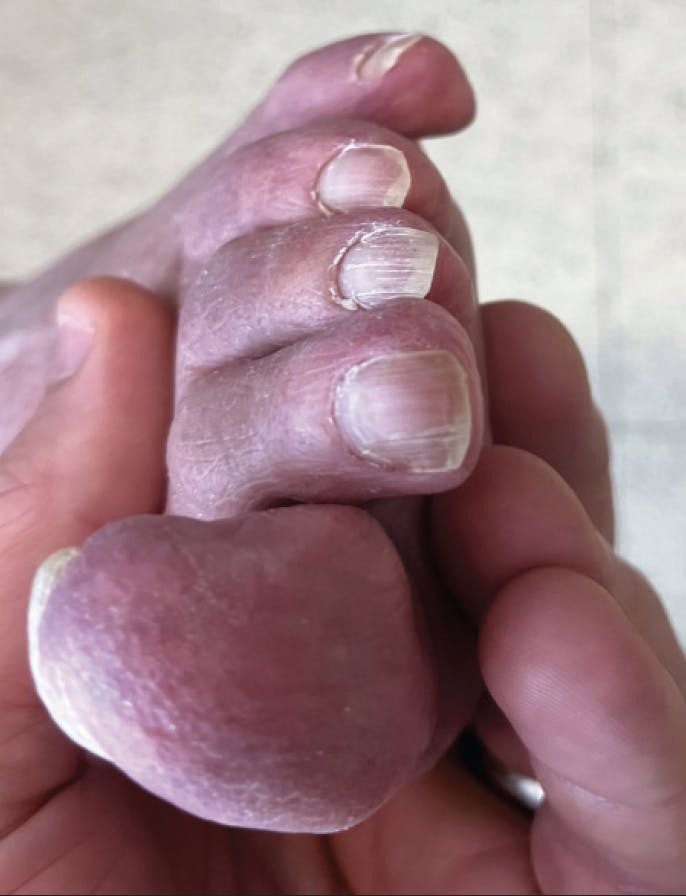
Figure 6. Photo showing the fully healed wound.
DISCUSSION
This case demonstrates the many complexities of managing chronic total occlusions (CTOs), particularly involving the popliteal space. First, successful crossing must be determined. IVUS was used to demonstrate luminal wire passage as well as to perform vessel sizing, identify the origin of the TPT artery, and grade severity of calcium. When popliteal artery stenting is performed, a dedicated vascular scaffold that can handle the external forces of this region is critical. Success of the scaffolds is dependent on adequate vessel preparation, and IVL is a safe and effective device to use in the popliteal artery space. Identifying upfront and addressing the heavy concentric calcium was key for successful stent deployment and expansion.
How do you decide which definitive therapy is needed for calcified SFA/popliteal lesions?
Dr. O’Banion: I really rely on both angiography and IVUS to dictate definitive therapy. If IVL and DCB result in adequate luminal gain with the absence of any flow-limiting dissection, the work is done. Often with heavily calcified CTOs, this can be difficult to achieve and thus stenting may be required. IVUS has really allowed the comprehensive evaluation of the therapy delivered to minimize unnecessary stenting.
Dr. Secemsky: I’m always considering the best way to modify plaque in the least aggressive way possible. My other considerations include: How am I going to get drug to deliver to the vessel wall and be effective if calcium is present? How am I going to avoid barotrauma or other trauma to the wall of the vessel to avoid a scaffold? Devices like IVL give us an opportunity to lower our balloon inflation pressure and allow for disruption of calcific or fibrocalcific disease to allow for luminal gain and drug delivery.
Dr. Guevara: After using IVL with or without atherectomy, I evaluate with IVUS, and if there is good luminal gain and no dissections, I then use a DCB. Otherwise, I use an interwoven nitinol stent.
When do you consider a surgery-first approach?
Dr. Guevara: Usually, I consider surgery for lesions such as common femoral artery (CFA) disease; however, with the recent data from the BEST-CLI study, the algorithm might change for some patients with CLTI, a good conduit, and who are good surgical candidates.
Dr. O’Banion: The BEST-CLI study has now given us the definitive answer to this question.1 It really is all about patient risk, severity of limb threat, and anatomic complexity of disease. In patients with CLTI who have acceptable single-segment great saphenous vein (GSV) conduit and who are of appropriate surgical risk, I favor a bypass-first approach. It is our job to provide the patient with the safest and most durable form of revascularization, especially in the setting of CLTI.
Dr. Secemsky: I look at every patient holistically. The goal is to match the patient with the best treatment options available for that patient. As such, endovascular treatment will remain a primary revascularization strategy for peripheral artery disease. When we approach a vascular patient, more often they’re referred for endovascular treatment as they are poor surgical candidates, usually due to the fact that they are older and have a number of comorbidities including diabetes, coronary artery disease, and chronic kidney disease.
There are patients who have venous conduits and are surgically eligible, and I think we’re increasingly going to consider a surgical approach after the recent results of the BEST-CLI study. However, I think the reality is that the majority of our patients still remain poor surgical candidates or have preferences to avoid a surgery, even though we have provided all information that a surgical approach might be best.
1. Farber A, Menard MT, Conte MS, et al. Surgery or endovascular therapy for chronic limb-threatening ischemia. N Engl J Med. 2022;387:2305-2316. doi: 10.1056/NEJMoa2207899
Use of IVL and DCB Angioplasty in a Long-Segment, Heavily Calcified SFA CTO
By Leigh Ann O’Banion, MD
PATIENT PRESENTATION
A man in his early 70s presented with a new, chronic left great toe ulcer (Figure 1) after undergoing left iliofemoral endarterectomy, which was complicated by infection and requiring debridement and wound vac therapy. He also had a history of significant coronary artery disease and had previously undergone coronary artery bypass grafting with the left GSV and a right femoral-to-popliteal bypass with the right GSV. He was classified as Wound Ischemia foot Infection (WIfI) 221, which is clinical stage 4 (high risk for amputation).
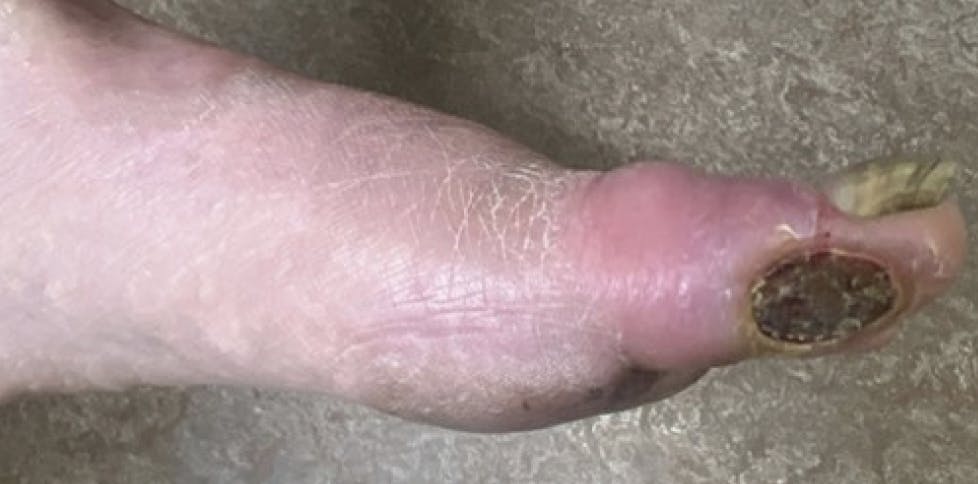
Figure 1. Photo of the new, chronic left great toe ulcer.
COURSE OF TREATMENT
We proceeded with angiography and IVUS of the left lower extremity, which demonstrated an SFA occlusion and circumferential heavily calcified disease (Figure 2). Due to the patient’s hostile groin and lack of autologous conduit, we elected to proceed with endovascular revascularization. The CTO was successfully crossed with a 0.014-inch Hi-Torque Command ES wire (Abbott) and CXI support catheter (Cook Medical), and true lumen position was confirmed angiographically and with IVUS. A 5- X 60-mm Shockwave M5+ balloon was selected, and IVL of the entire SFA was performed according to instructions for use, followed by DCB angioplasty with 5- and 6-mm balloons (Figure 3). The postintervention angiogram revealed < 30% residual stenosis in any one area with no evidence of dissection and unchanged dominant posterior tibial runoff into the foot (Figure 4). At 1-week follow-up, the patient’s toe pressure improved to 102 from 36 mm Hg and his rest pain was resolved. He was scheduled for a great toe amputation by our podiatric colleagues.
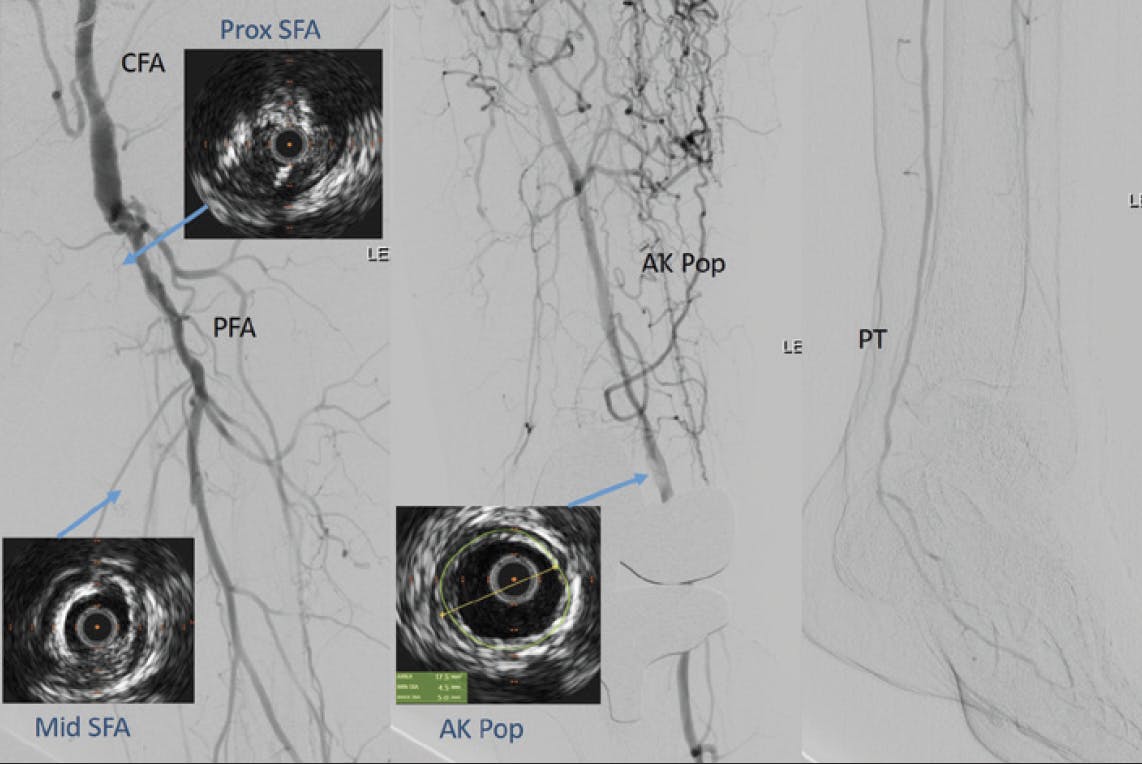
Figure 2. Pretreatment IVUS images.
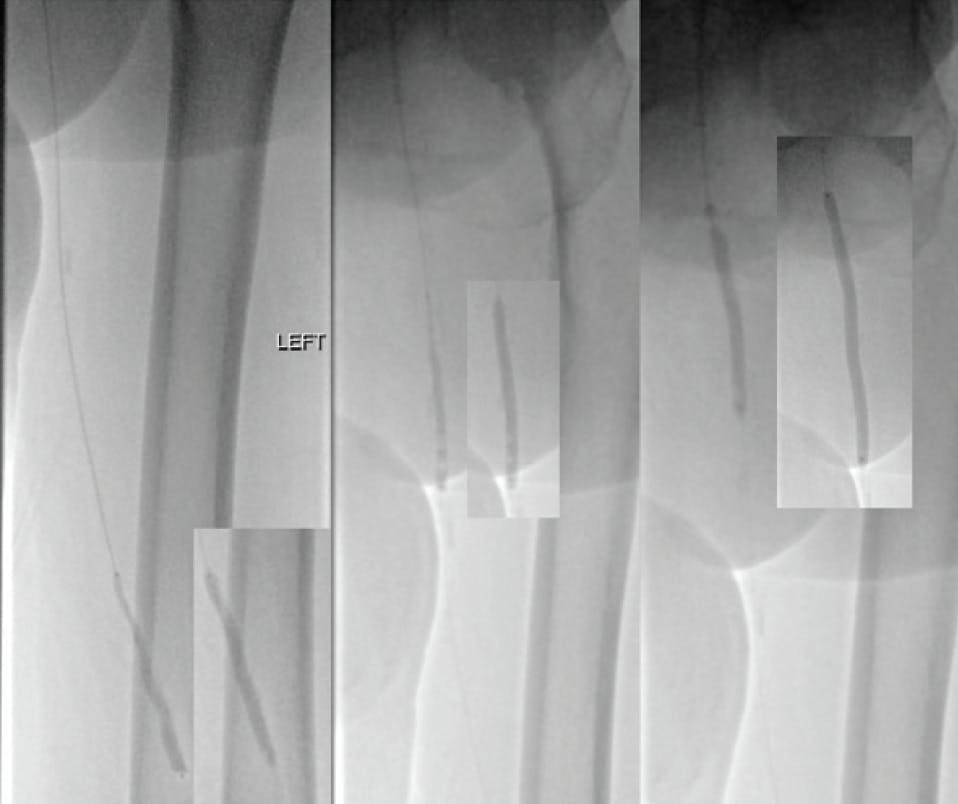
Figure 3. 5-mm Shockwave M5+ IVL and DCB treatment.
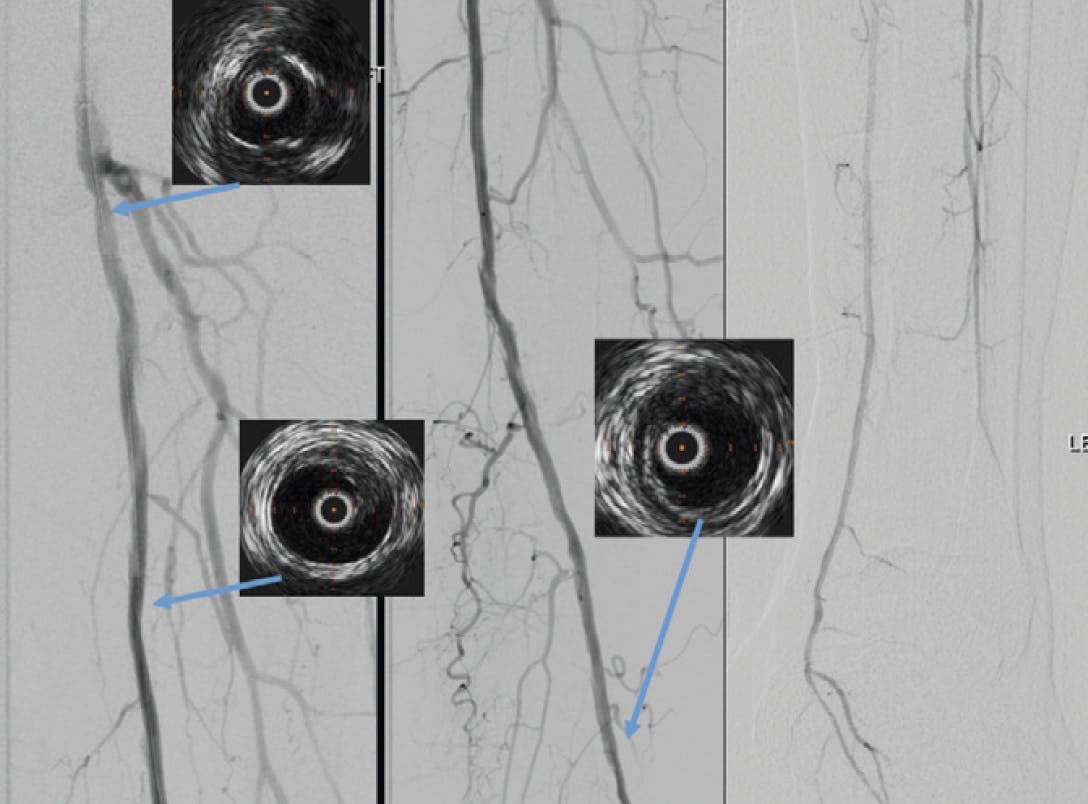
Figure 4. Posttreatment IVUS images showing > 30% residual stenosis.
DISCUSSION
In any patient with CLTI, it is beneficial to employ a multidisciplinary comprehensive approach and tailor treatment algorithms based on the patient’s risk profile, severity of limb threat, and anatomic complexity of disease. In this case, the patient was high surgical risk due to the hostility of his groin, had WIfI stage 4 with high-risk limb threat, and had a long-segment, heavily calcified SFA CTO in the absence of a suitable single-segment GSV. Due to the aforementioned reasons, we felt he was most suitable for an endovascular intervention. In choosing a treatment modality, both angiography and IVUS play a role. We confirmed intraluminal crossing, size of the vessel, and presence of circumferential calcium, making this an ideal case for IVL treatment followed by DCB angioplasty. IVL allowed maximal expansion of the DCB balloons and minimized recoil stenosis as evident on completion IVUS (Figure 4). In these heavily calcified CTOs, we find it prudent to treat the lesion from distal to proximal with overlap at each treating segment if predilatation is not utilized, as crossability of the device after inflation may prove challenging. The Shockwave M5+ catheter cuts cycle time in half with two times faster pulsing,* which is an added provider and patient benefit. This treatment algorithm has been demonstrated in the DISRUPT PAD III randomized controlled trial to have safe and excellent long-term results, even in complex lesions such as the one described here (> 15 cm, CTO, severe calcium, CLTI with tissue loss).1 Although we have recent results from BEST-CLI reporting superiority of single-segment GSV bypass for patients with this anatomic pattern of disease, the reality is that not all patients are suitable for surgical bypass, and thus we must continue to push the endovascular limits and fill our toolboxes with the appropriate tools to optimize endovascular revascularization in these challenging patients.
In which situations would you use atherectomy over IVL, and vice versa?
Dr. O’Banion: We do not use atherectomy in our practice and thus I cannot comment on its utilization. I think that you should take each lesion individually, using all the imaging tools available to tailor the treatment approach.
Dr. Guevara: I believe IVL and atherectomy are complementary and using both can lead to the largest luminal gain and potentially avoid stenting. In areas that show complete occlusion or high-grade stenosis, atherectomy helps remove plaque from the lumen while IVL helps “crack” the remaining calcium to allow full vessel expansion with DCB or stent.
Dr. Secemsky: The SFA is the area where I think algorithms can change. We have seen improvements in IVL such as faster pulsing, resulting in quicker cycle time while treating the SFA. Sometimes, the algorithm includes a combination of devices with atherectomy and IVL, especially in very long, diseased segments.
The other situation where atherectomy might be preferred is balloon-uncrossable disease. If you can’t cross a lesion with the balloon, it is usually impossible to deliver IVL.
For popliteal artery disease, this is another segment I much prefer to avoid a scaffold. As such, IVL plays a very large role in my algorithm for treating the popliteal segment. I find that IVL with a DCB can offer long-term patency without the need for a scaffold.
The BTK space is again where we continue to see some evolution. IVL is one of the few devices that have data for BTK and in CLI in particular. It’s a great tool where we see high patterns of calcific disease. Outside of some atherectomy devices, we don’t have a lot of technology other than balloon angioplasty for this region. The primary limitation to date is the length of the balloon and ability to deliver the balloon. As these aspects of the devices continue to improve, I see significant growth in use in the infrapopliteal space.
To what degree do you see calcium modification technologies competing and complementing each other?
Dr. Secemsky: I talk about this in every space that I practice in, whether it’s pulmonary embolism, coronary intervention, venous disease, or lower extremity arterial disease. No single device does it all. We’d all love to have just one multipurpose solution; however, the reality is that you need several tools that you’re familiar with and know how and when to use them, whether alone or in combination. I think IVL is exactly that. IVL has become more of a workhorse for me for plaque modification over other atherectomy devices. But again, there are certainly situations where other atherectomy devices are needed. I might decide to use atherectomy alone or in combination with IVL depending on the location of disease and how it’s responding to my therapeutic modality. I encourage everyone to really think about the toolbox and not just a tool, because all of our strategic revascularization innovations have required more than one device that all can be used selectively or in combination to improve outcomes.
Dr. Guevara: In my practice, I use orbital atherectomy and IVL as complementary for CTOs or high-grade calcified stenosis, and for moderate stenosis or medial calcification, I rely on IVL to obtain the best response.
Dr. O’Banion: I think the long-term data will speak to itself. Currently, there is little high-quality data on the superiority of atherectomy over other interventions in CLTI. The contemporary data suggest equivocal results to DCB alone across multiple studies, which shows we need better tools to treat this difficult patient population. I consider IVL an adjunctive treatment to definitive therapy, which aids in luminal gain and plaque modification, and the data are promising in the CLTI patient population.
*Compared to Shockwave M5.
1. Tepe G, Brodmann M, Bachinsky W, et al. Intravascular lithotripsy for peripheral artery calcification: mid-term outcomes from the randomized Disrupt PAD III trial. J Soc Cardiovasc Angiog Interv. 2022;1:100341. doi: 10.1016/j.jscai.2022.100341
Use of Atherectomy, IVL, and Angioplasty for Bulky, Occluded, Calcified Plaque
By Carlos J. Guevara, MD, FSIR
CASE PRESENTATION
A patient in their mid-70s with a past medical history of smoking, diabetes mellitus, and obesity presented with ischemic rest pain. An outside hospital attempted to revascularize the patient, which led to a CFA pseudoaneurysm that was treated with stent graft. Arterial duplex ultrasonography showed occluded diffuse monophasic waveforms from the SFA to the popliteal artery. Runoff CTA showed the right CFA stent graft and an occluded SFA with dense, calcified plaque extending to the popliteal artery.
COURSE OF TREATMENT
The initial angiogram confirmed dense, calcified plaque with complete occlusion of the SFA (Figure 1). Using contralateral CFA access, the occlusions were crossed, and orbital atherectomy was first used to debulk the calcified plaque with hopes of avoiding stenting (Figure 2). This was followed by IVL from the popliteal artery to the proximal SFA (Figure 3A and 3B) and, finally, DCB angioplasty of the entire SFA and above-the-knee popliteal artery. The final angiogram showed brisk flow through the treated areas (Figure 4), and IVUS confirmed no residual stenosis in the SFA and popliteal artery. Postrevascularization, the patient’s rest pain resolved, and he was able to fulfill all of his activities without any cramps.
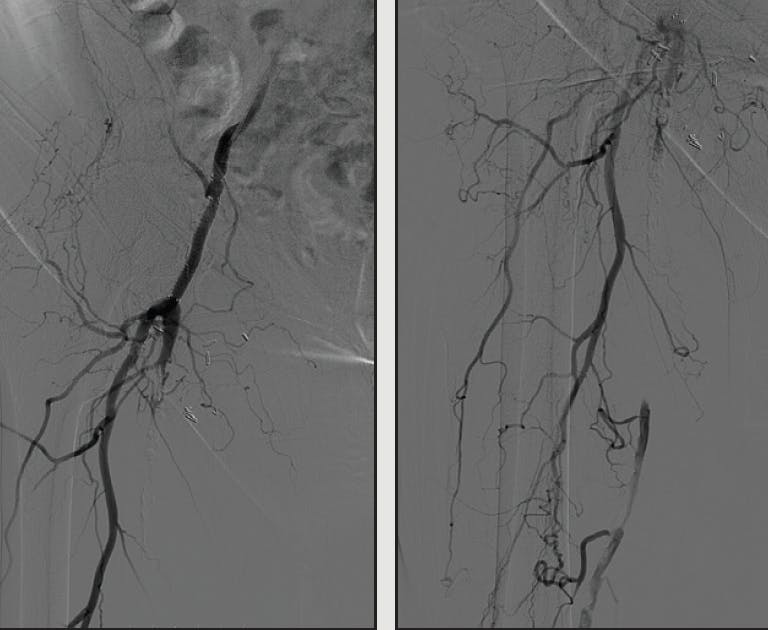
Figure 1. Preintervention images of the SFA.
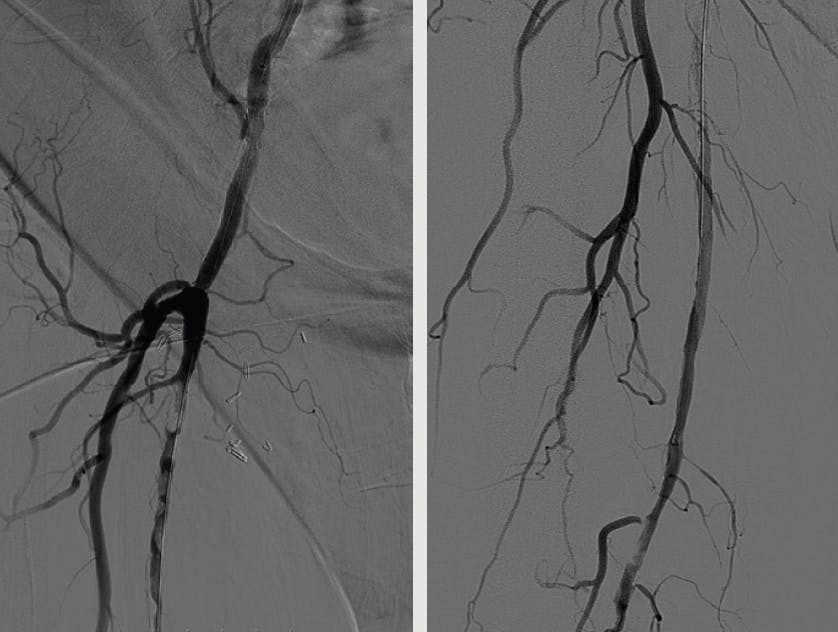
Figure 2. Post–orbital atherectomy.
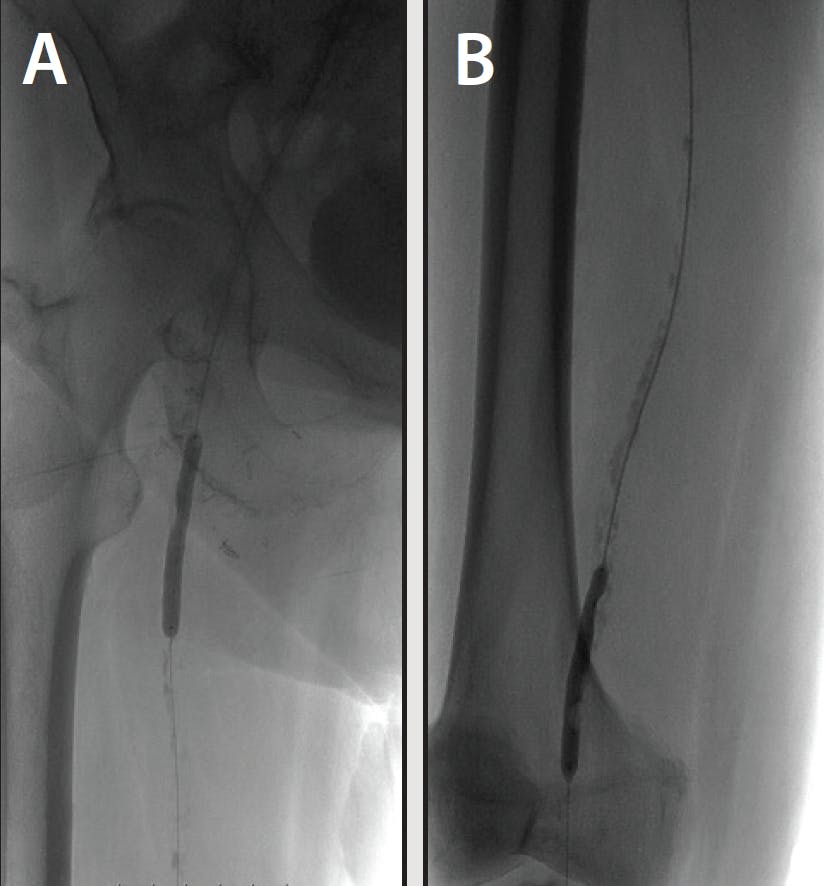
Figure 3. Shockwave IVL of the SFA (A) and the popliteal artery (B).
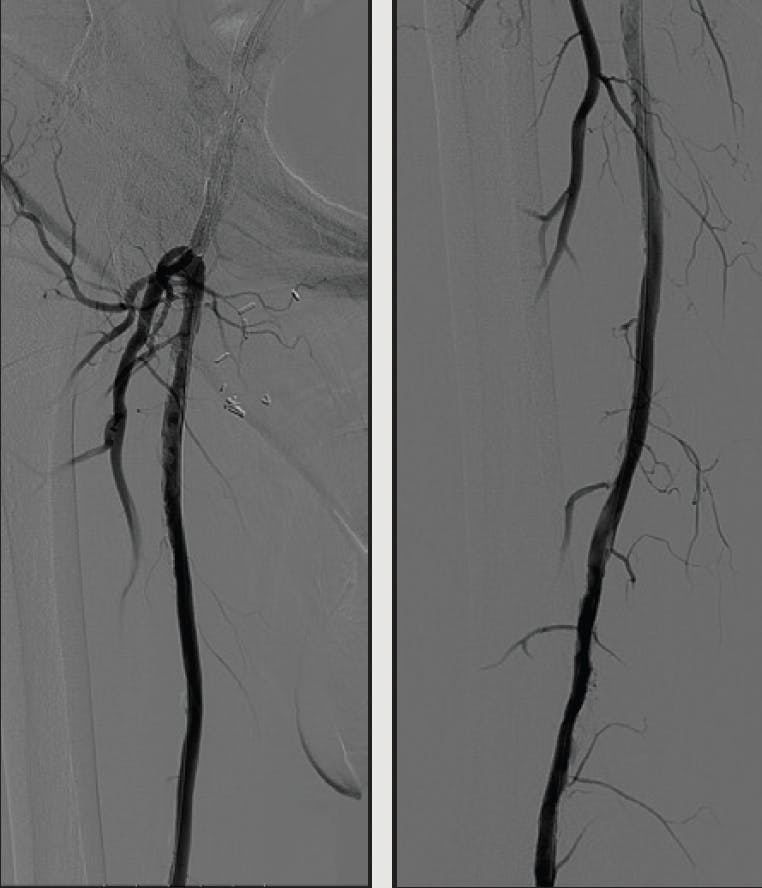
Figure 4. Final angiograms of the SFA after Shockwave IVL and DCB.
DISCUSSION
Treating patients with calcified plaque and critical limb ischemia is challenging because the goal is not only to restore physiologic flow but also to achieve long-term patency. In this case, we were able to obtain good luminal gain without any stents and preserve the three-vessel runoff.
Disclosures
Dr. Guevara: Consultant to Shockwave Medical, Cardiovascular Systems, Inc., and AngioDynamics.
Dr. O’Banion: Principal Investigator, Shockwave BTK study.
Dr. Secemsky: Funding from NIH/NHLBI K23Hl150290, US Food and Drug Administration, University of California San Francisco; grants to institution from BD, Boston Scientific Corporation, Cook Medical, Cardiovascular Systems, Inc., Laminate Medical, Medtronic, Philips; speaking/consulting for Abbott, BD, Bayer, Boston Scientific Corporation, Cook Medical, Cardiovascular Systems, Inc., Inari Medical, Janssen, Medtronic, Philips, Shockwave Medical, VentureMed.
Drs. Guevara, Secemsky, and O’Banion are paid consultants of Shockwave Medical. Views expressed are those of the authors and not necessarily those of Shockwave Medical.
In the United States: Rx only.
Indications for Use—The Shockwave Medical Intravascular Lithotripsy (IVL) System is intended for lithotripsy-enhanced balloon dilatation of lesions, including calcified lesions, in the peripheral vasculature, including the iliac, femoral, ilio-femoral, popliteal, infra-popliteal, and renal arteries. Not for use in the coronary or cerebral vasculature.
Contraindications—Do not use if unable to pass 0.014” (M5, M5+, S4) or 0.018” (L6) guidewire across the lesion-Not intended for treatment of in-stent restenosis or in coronary, carotid, or cerebrovascular arteries.
Warnings—Only to be used by physicians who are familiar with interventional vascular procedures—Physicians must be trained prior to use of the device—Use the generator in accordance with recommended settings as stated in the Operator’s Manual.
Precautions—Use only the recommended balloon inflation medium—Appropriate anticoagulant therapy should be administered by the physician—Decision regarding use of distal protection should be made based on physician assessment of treatment lesion morphology.
Adverse effects–Possible adverse effects consistent with standard angioplasty include–Access site complications–Allergy to contrast or blood thinner–Arterial bypass surgery—Bleeding complications—Death—Fracture of guidewire or device—Hypertension/Hypotension—Infection/sepsis—Placement of a stent—renal failure—Shock/pulmonary edema—target vessel stenosis or occlusion—Vascular complications. Risks unique to the device and its use—Allergy to catheter material(s)—Device malfunction or failure—Excess heat at target site.
Prior to use, please reference the Instructions for Use for more information on indications, contraindications, warnings, precautions and adverse events.
www.shockwavemedical.com/IFU
Advertisement
Advertisement