Advertisement
Advertisement
January 2024
Sponsored by Akura Medical
The Akura Thrombectomy Catheter System for the Treatment of VTE
An overview of the design of the Akura Thrombectomy Catheter System and early clinical experience.
By S. Jay Mathews, MD, FACC, FSCAI; Ehrin J. Armstrong, MD, MSc, MAS, FACC, FSCAI, FSVM; and William C. Dixon, MD
Venous thromboembolism (VTE) remains one of the deadliest cardiovascular conditions in the United States. There are approximately 900,000 VTE cases annually, and sudden death is the first symptom in about 25% of people who have VTE.1 One treatment option is mechanical thrombectomy—an interventional procedure during which a thrombus is removed using catheter-based technologies under image guidance. This report details the design and first-in-human (FIH) use of a novel thrombectomy system.
THE AKURA THROMBECTOMY Catheter SYSTEM
The Akura Thrombectomy Catheter System (Akura Medical) is currently in research and development and is designed to be an easy-to-use, low-profile system that combines rheolytic, powered aspiration and directional features to provide performance similar to a large-bore device with potential advantages over contemporary platforms. This thrombectomy system is designed to address unmet clinical needs including inefficient clot clearance resulting in catheter clogging and significant blood loss, the inability to track case progression with objective data, the challenge of knowing where the catheter is in proximity to the thrombus, and difficulties with navigating the vasculature (Figure 1).
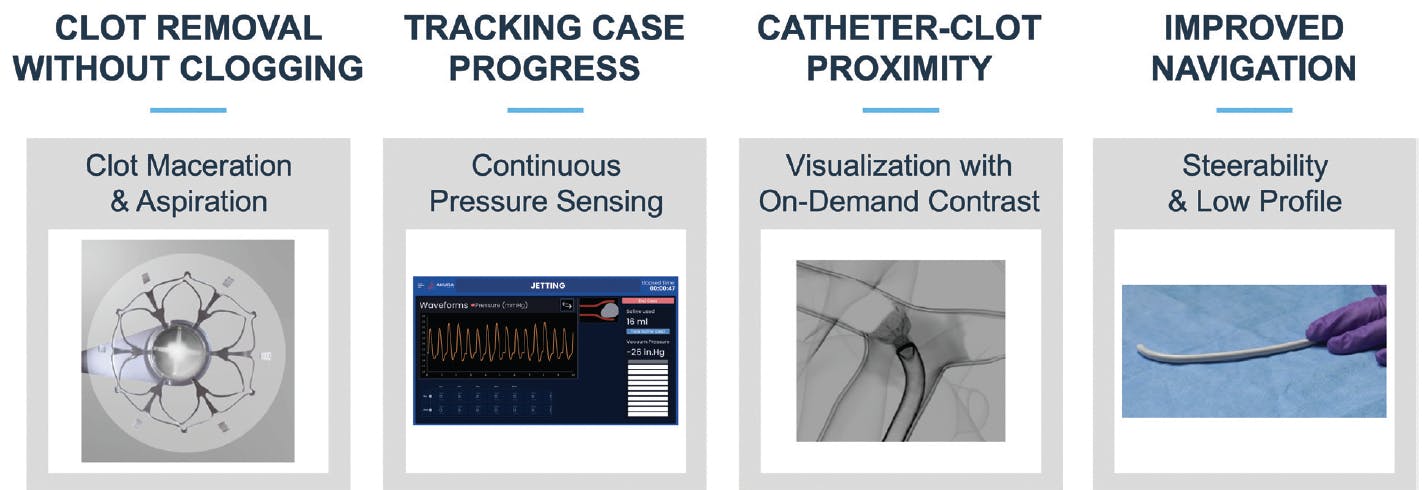
Figure 1. Akura Medical’s design targets.
To address these limitations, the Akura Medical team focused on four main areas of innovation, with the goal of simplifying thrombectomy for VTE and reducing uncertainty through targeted clot removal. As published by Srivathsa et al in JACC: Basic to Translational Science,2 the four key differentiators are:
Clot maceration and aspiration. Akura’s novel technology platform integrates aspiration and maceration by incorporating high-velocity, intersecting jets in a 12-F catheter. This unique feature is designed to enable efficient removal of thrombus independent of morphology or volume without “lollipopping” or catheter clogging. A soft atraumatic distal funnel increases surface area in contact with thrombus, intending to enhance clot engagement.
Continuous pressure sensing. The platform includes a sensor at the tip of the sheath that conveys real-time pressure data at the distal end of the catheter. The data are displayed on a console, allowing operators to see changes in pressure when a clot is removed.
Visualization with on-demand contrast. The platform includes an integrated port that allows physicians to deliver a small dose of contrast at any time to the area of interest. This capability to visualize without a catheter exchange can aid physicians in identifying catheter position relative to the clot before starting aspiration and confirming posttreatment vessel patency.
Steerability and low profile. The flexible, low-profile (16 F) sheath houses a 12-F catheter and has bidirectional steering to navigate complex vasculature. The sheath-catheter combination offers excellent deliverability and trackability over a 0.035-inch guidewire and is designed so the thrombus does not need to be crossed. Furthermore, the lower profile is anticipated to reduce the risk of complications such as right ventricular dysfunction or hemodynamic compromise in patients with failing right ventricle.
EARLY CLINICAL EXPERIENCE
To evaluate the safety and performance of the Akura system, a FIH, prospective, single-arm study was initiated in the Republic of Georgia in March 2023 (Table 1) with National Principal Investigator Khatuna Jalabadze, MD. The study was approved by the Ministry of Health and each hospital’s Ethics Committee as per ISO 14155:2020 and the Declaration of Helsinki. Two sites in Tbilisi (Vivamedi Clinic, investigators: Kakha Nadaraia, MD, PhD, and Tamar Shengelia, MD, PhD; and Bokhua Cardiovascular Center, investigators: Rusudan Agladze, MD, PhD, and Zurab Pagava, MD, PhD) enrolled five patients with clinically significant pulmonary embolism (PE) as confirmed by CTA consistent with the 2019 European Society of Cardiology guidelines.3 The primary effectiveness endpoint was a reduction in right ventricular to left ventricular (RV/LV) ratio at 48 hours, and the primary safety endpoint was the composite rate of major adverse events, defined as device-related death, major bleeding at insertion site, device-related clinical deterioration, pulmonary vascular injury, or cardiac injury at 48 hours postthrombectomy.
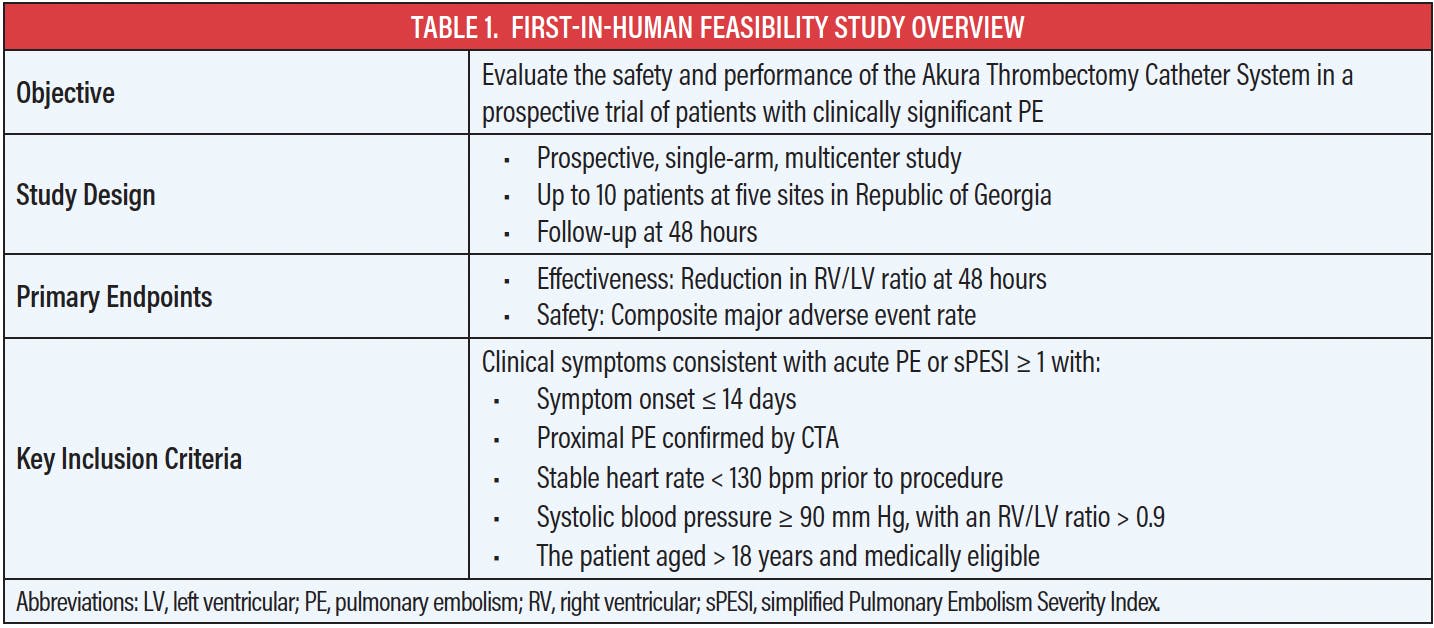
Although the use of mechanical thrombectomy for VTE has been on the rise, these FIH cases marked the early use of mechanical thrombectomy for PE in the Republic of Georgia. We were involved with providing proctoring and procedural guidance.
Five patients were enrolled, treated, and followed through 7-day follow-up. All patients were Caucasian and female (N = 5, 100%). The mean age was 74.2 ± 5.2 years, and the mean body mass index was 29.7 ± 5.5 kg/m2. The baseline tricuspid annular pulmonary systolic excursion was 16.1 ± 1.3 mm, and the baseline pulmonary artery (PA) systolic pressure was 48.4 ± 8.7 mm Hg. All patients had elevated troponin or D-dimer. The embolism location was noted to be left or right (3/5, 60%), bilateral (1/5, 20%), or bilateral and central (1/5, 20%). All procedures were conducted using femoral access.
All patients successfully received treatment with the Akura thrombectomy platform to remove thromboemboli from the pulmonary vasculature. The average procedure time from sedation to vessel closure was 117 ± 50 minutes, with an average fluoroscopy time of 30 ± 21 minutes (range, 13-68 minutes). Total blood loss was 247 ± 80 mL on average with 189 ± 120 mL of contrast used per procedure. After 48 hours, the RV/LV ratio was reduced by 27% (∆0.35 from 1.29 ± 0.15 to 0.94 ± 0.12; P = .05). There were no deaths, device-related major bleeding, or device-related adverse events at 7 days.
ILLUSTRATIVE CASE: PATIENT WITH HISTORY OF VTE
We present a case of a 75-year-old woman with acute-onset dyspnea and substernal chest pain. She was mildly hypertensive (140/69 mm Hg) with a normal heart rate (84 bpm) and hypoxemic (SaO2 87%). She had both elevated D-dimer and troponin with an electrocardiogram showing sinus rhythm and right bundle branch block. CTA showed extensive bilateral PE with evidence of right heart strain (RV/LV ratio, 1.4) (Figure 2). Echo also confirmed RV dilatation and pressure overload.
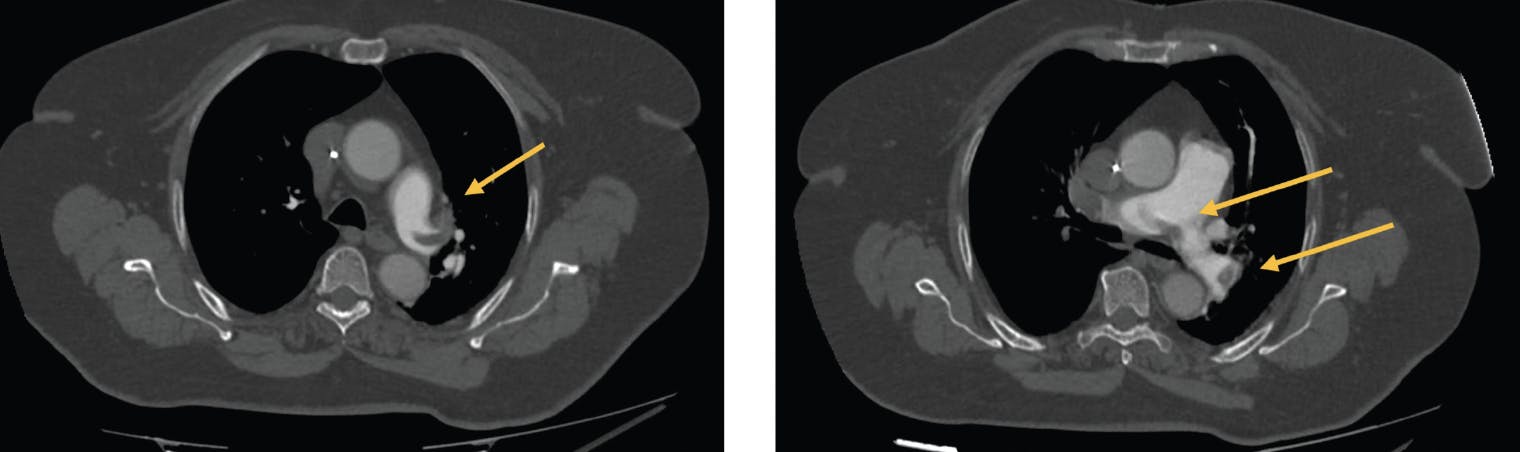
Figure 2. Baseline CTA showing saddle PE and bilateral PA thrombus.
After reviewing her history and confirming she met the eligibility criteria, a decision was made to address her acute PE with the Akura system.
We advanced a pigtail catheter into the main PA for imaging, after which we exchanged for a 0.035-inch Supra Core wire (Abbott). The Akura system (sheath, dilator, and catheter) was advanced into the right PA (Figure 3). The initial PA pressure was 50 mm Hg based on the built-in pressure sensor. The expanded funnel engaged the clot once in the proximity of the thrombus and the clot was cleared (Figure 4). Using the bidirectional feature of the sheath, the left PA was similarly engaged and cleared. The PA pressure dropped to 32 mm Hg.
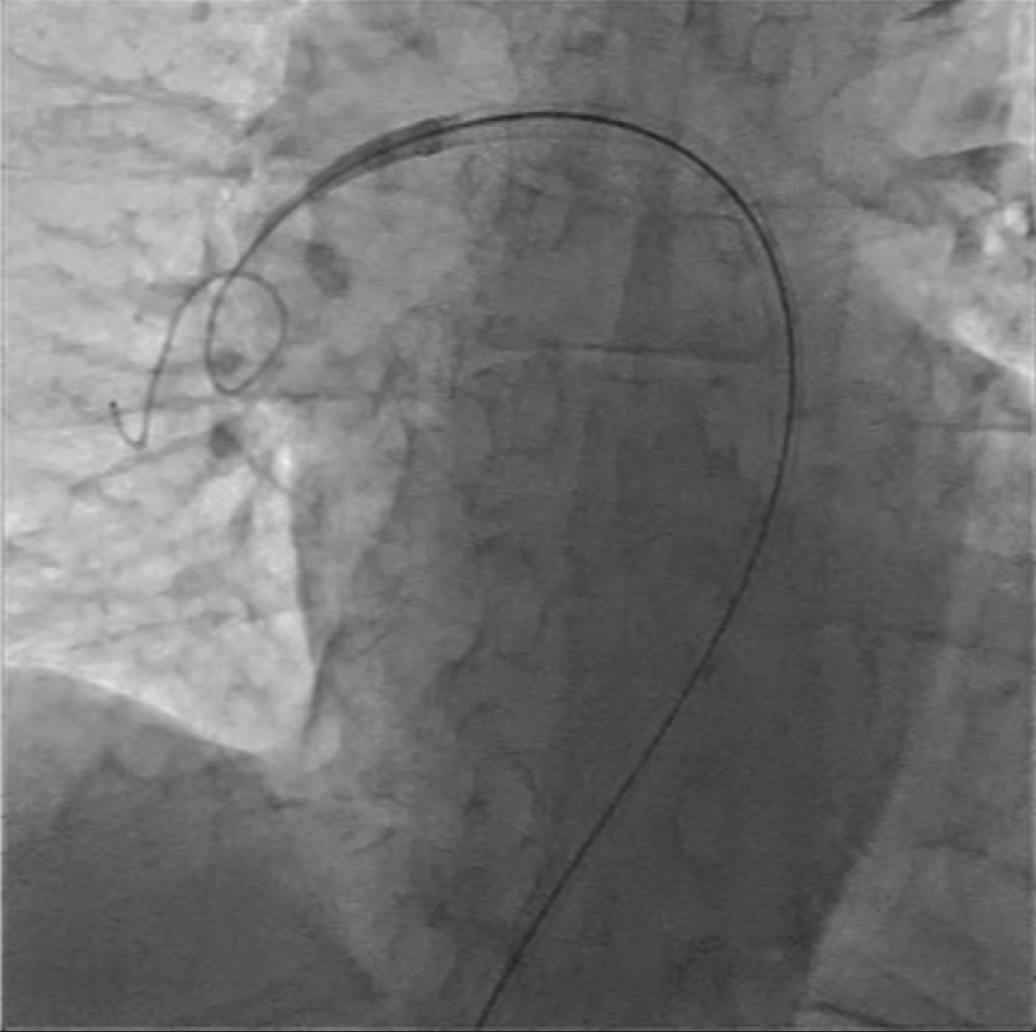
Figure 3. Akura sheath (16 F) and dilator being delivered on a 0.035-inch Supra Core (Abbott) guidewire.
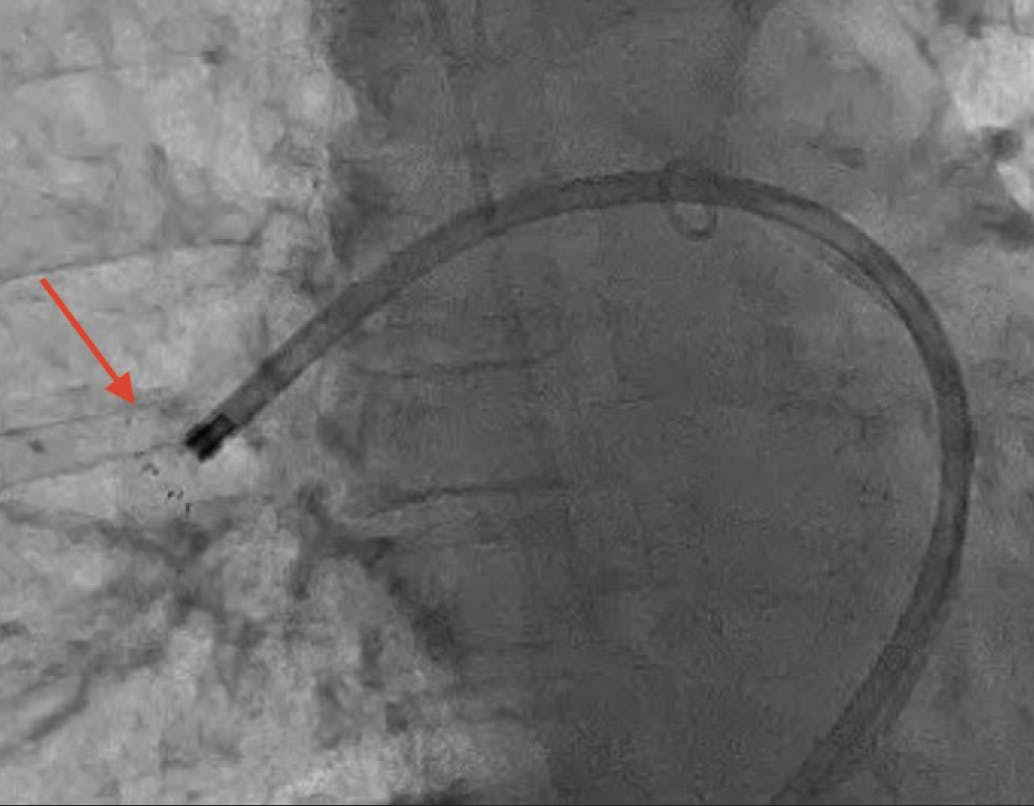
Figure 4. Fluoroscopic image showing expandable 36-F funnel engaging with clot.
A 48-hour follow-up CTA showed the reduction in thrombus burden and the RV/LV ratio normalized at 0.96 (Figure 5).
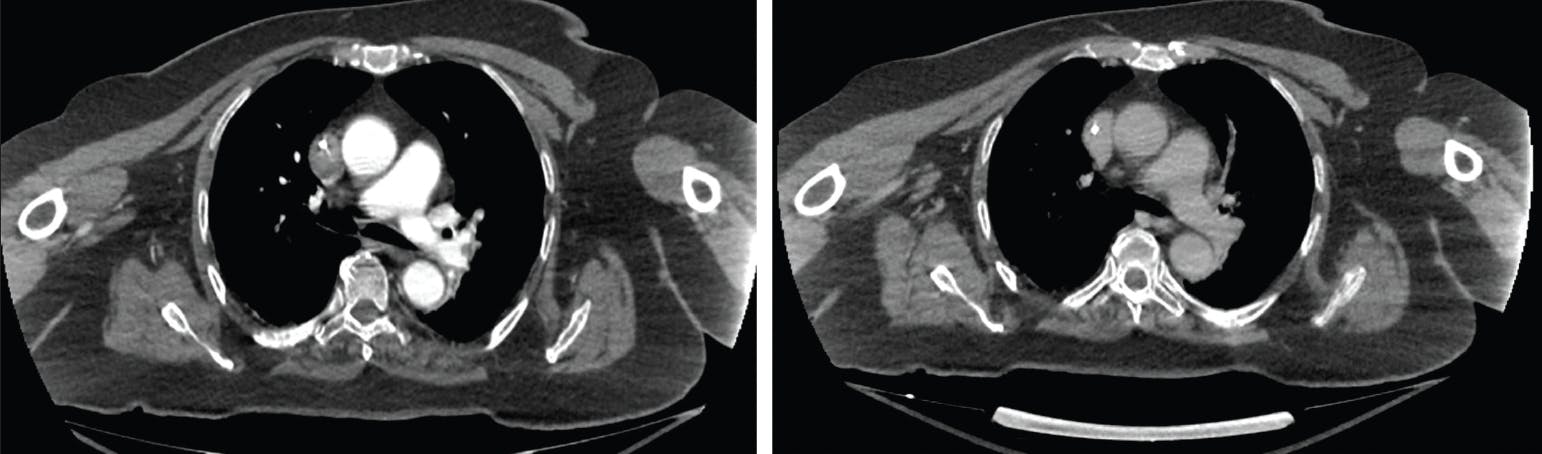
Figure 5. 48-hour postprocedure CTA showing resolution of thrombus.
CONCLUSION
This initial clinical experience suggests that the innovations incorporated into the Akura Thrombectomy Catheter System performed as intended, leading to improved symptoms, significant reduction in RV/LV ratio, and decreased thrombus burden. Further study will be necessary in a larger cohort to demonstrate clinical utility in a variety of VTE patients.
*The Akura Thrombectomy Catheter System is for investigational use only and is not for sale in the United States or outside the United States.
1. Centers for Disease Control. Data and statistics on venous thromboembolism. June 28, 2023. Accessed November 20, 2023. https://www.cdc.gov/ncbddd/dvt/data.html
2. Srivathsa M, Illindala U, Al-Jadda A. A differentiated approach delivering targeted thrombectomy for VTE: clot burden or hemodynamics? JACC Basic Transl Sci. 2023;8:1419-1420. doi: 10.1016/j.jacbts.2023.10.00
3. Konstantinides SV, Meyer G, Becattini C, et al. 2019 ESC Guidelines for the diagnosis and management of acute pulmonary embolism developed in collaboration with the European Respiratory Society (ERS). Eur Heart J. 2020;41:543-603. doi: 10.1093/eurheartj/ehz405
Advertisement
Advertisement