Advertisement
Advertisement
July 2024
Sponsored by Penumbra, Inc.
Penumbra’s Commitment to Venous Disease
With Harris Chengazi, MD; Stanley Zimmerman, MD; Javier Vasquez, MD; David Homan, MD; Taimur Saleem, MD; Ronald Winokur, MD; and Gloria Salazar, MD, FSIR
Penumbra’s commitment to advancing the treatment landscape for venous disease is unmatched. With their Computer Assisted Vacuum Thrombectomy (CAVT™) and embolization platforms, Penumbra’s technology is designed to address the imminent need for a safe and quick frontline option to venous afflictions such as venous thrombosis and pelvic venous disease (PeVD). Their CAVT technology employs dual clot detection algorithms designed for rapid thrombus removal. This technology is designed to provide a fast, safe, and simple option for the treatment of pulmonary embolism (PE) and venous thrombus removal. Additionally, Penumbra’s simple and complete embolization platform creates mechanical occlusion for enhanced packing density. With differentiated devices for aneurysms and high-flow vessels, physicians can select the optimal coil for each case.
Furthermore, Penumbra is dedicated to improving the clinical data landscape by evaluating the safety and efficacy of not only their devices, but also the fields of mechanical thrombectomy and embolization as a whole. The current venous thrombectomy field lacks quality data analyzing the use of thrombectomy for venous and PE patients for both short-term benefits and long-term quality of life (QoL) improvement. Similarly, data around the use of large-volume coils in the setting of PeVD are limited. Penumbra is committed to enhancing patient care by supporting research endeavors that may be able to address existing insurance coverage gaps and eliminating the barrier to address diseases such as PeVD.
DEDICATION TO CLINICAL EVIDENCE
Currently, Penumbra has multiple ongoing clinical studies and trials focused on venous disease. These include the STRIKE-PE study (NCT04798261), BOLT-DVT study (NCT05003843), and STORM-PE trial (NCT05684796). Penumbra is also supporting the recently initiated EMBOLIZE trial (NCT06168058).
Penumbra has had a long-standing commitment to furthering the data surrounding PE. The ongoing STRIKE-PE study began in June 2021. STRIKE-PE is a prospective, multicenter study using the Indigo System (Penumbra, Inc.) with an enrollment target of 1,500 patients. This study is evaluating the real-world long-term safety and functional outcomes of treating acute intermediate- and high-risk PE. Interim results with Lightning Flash™ (Penumbra, Inc.) revealed a 24.5-minute median thrombectomy time, a 27.0% reduction in right ventricular/left ventricular (RV/LV) ratio, and a 2.4% composite major adverse event (MAE) rate.1 Additional data from the first 150 patients showed treatment with CAVT improved both generic and disease-specific QoL measures.2
In November 2023, in collaboration with The PERT Consortium™, Penumbra launched the first-of-its-kind STORM-PE trial. This trial is a prospective, multicenter, randomized controlled trial (RCT) evaluating the safety and efficacy of treatment with anticoagulation alone versus anticoagulation plus mechanical aspiration with CAVT for the treatment of acute, intermediate-high risk PE. STORM-PE patients are randomized 1:1 into either group. The trial endpoints include the change in RV/LV ratio at 48 hours, MAE rate within 7 days, functional outcomes, and QoL assessments at 90 days. In addition to the primary results, there will also be a substudy further evaluating patient outcomes via wearable devices.
Transitioning to venous thrombosis, the ATTRACT study of the early 2000s evaluated pharmacomechanical catheter-directed thrombolysis in patients with proximal deep vein thrombosis (DVT). A groundbreaking study for its time, ATTRACT showed great benefit in DVT intervention; however, the utilization of antiquated technology for their intervention arm highlighted the underdeveloped device landscape for DVT. Penumbra’s BOLT-DVT study, initiated in September 2021, will address this treatment gap for patients with DVT. This is a prospective, multicenter study evaluating the safety and efficacy of the Indigo Aspiration System for iliofemoral DVT treatment and is the first study evaluating the use of CAVT for DVT. The study’s primary endpoints evaluate changes in Marder score as well as composite MAE rate at 48 hours post-procedure.
On the embolization front, Penumbra, along with the Society of Interventional Radiology Foundation and the VIVA Foundation, recently launched the EMBOLIZE trial in June 2024. This ground-breaking, prospective RCT seeks to evaluate the effects of ovarian vein embolization (OVE) and pelvic vein embolization in reducing pain in women experiencing chronic pain due to PeVD.
CONCLUSION
As these studies and trials progress, their findings are poised to dramatically change the understanding and management of venous disease, benefiting patients worldwide.
1. Moriarty J. Initial perioperative experience using the newest generation of computer assisted vacuum thrombectomy (CAVT) for the treatment of pulmonary embolism: a subgroup analysis of the STRIKE-PE study. Presented at: SIR 2024; March 23-28, 2024; Salt Lake City, Utah.
2. Moriarty J. Safety, performance, and quality of life outcomes in pulmonary embolism patients treated with computer- aided thrombectomy: real-world 90-day outcomes from the STRIKE-PE study. Presented at: PERT 2023; September 20-23, 2022; Austin, Texas.
RIGHT-SIDED PE THROMBECTOMY WITH LIGHTNING FLASH 2.0

PATIENT PRESENTATION
The patient presented to the hospital with a right-sided PE. Initial evaluation revealed large thrombus burden in the right pulmonary artery (PA) with near occlusive extension into upper and lower lobar branches (Figure 1 and Figure 2). The patient had a PA pressure (PAP) of 40 mmHg, a heart rate of 108 bpm, and an oxygen saturation of 95% on 4 L of oxygen. Based on the patient’s symptoms and initial diagnostics, the decision was made to pursue CAVT with Lightning Flash 2.0.
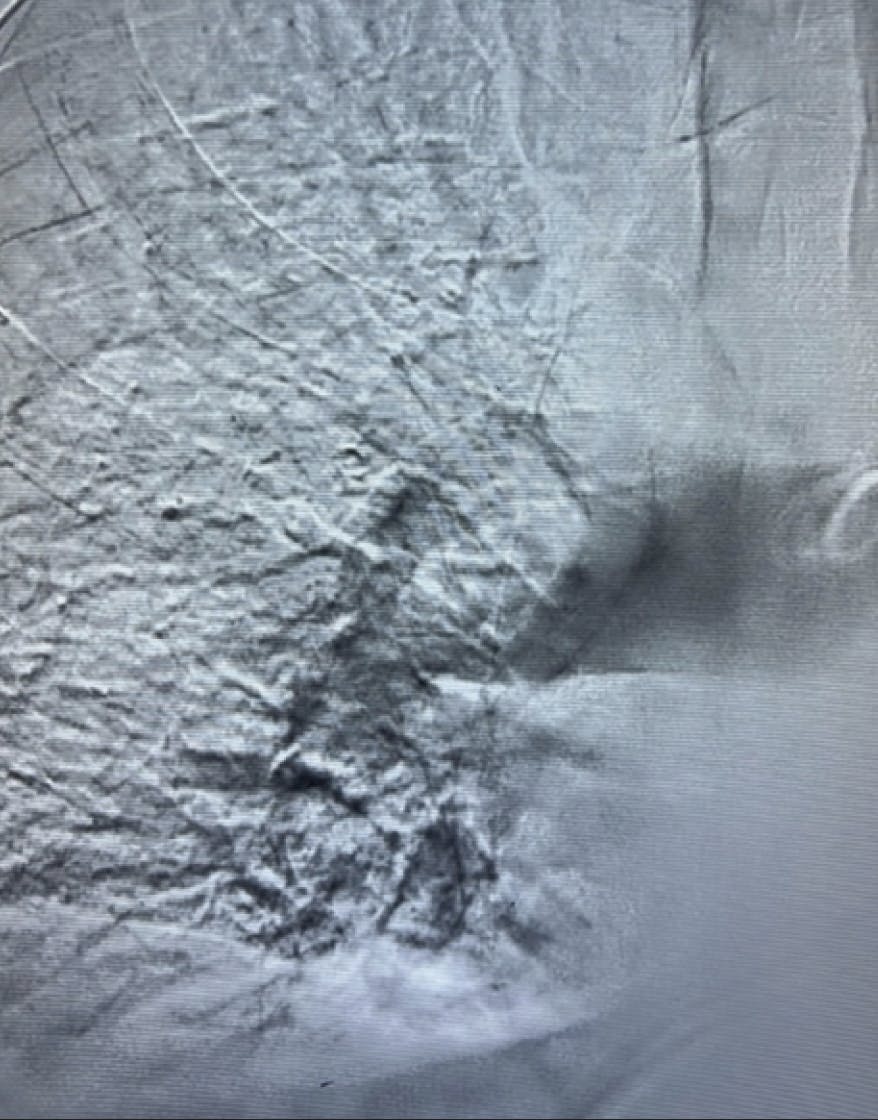
Figure 1. Initial angiogram of the right PA.
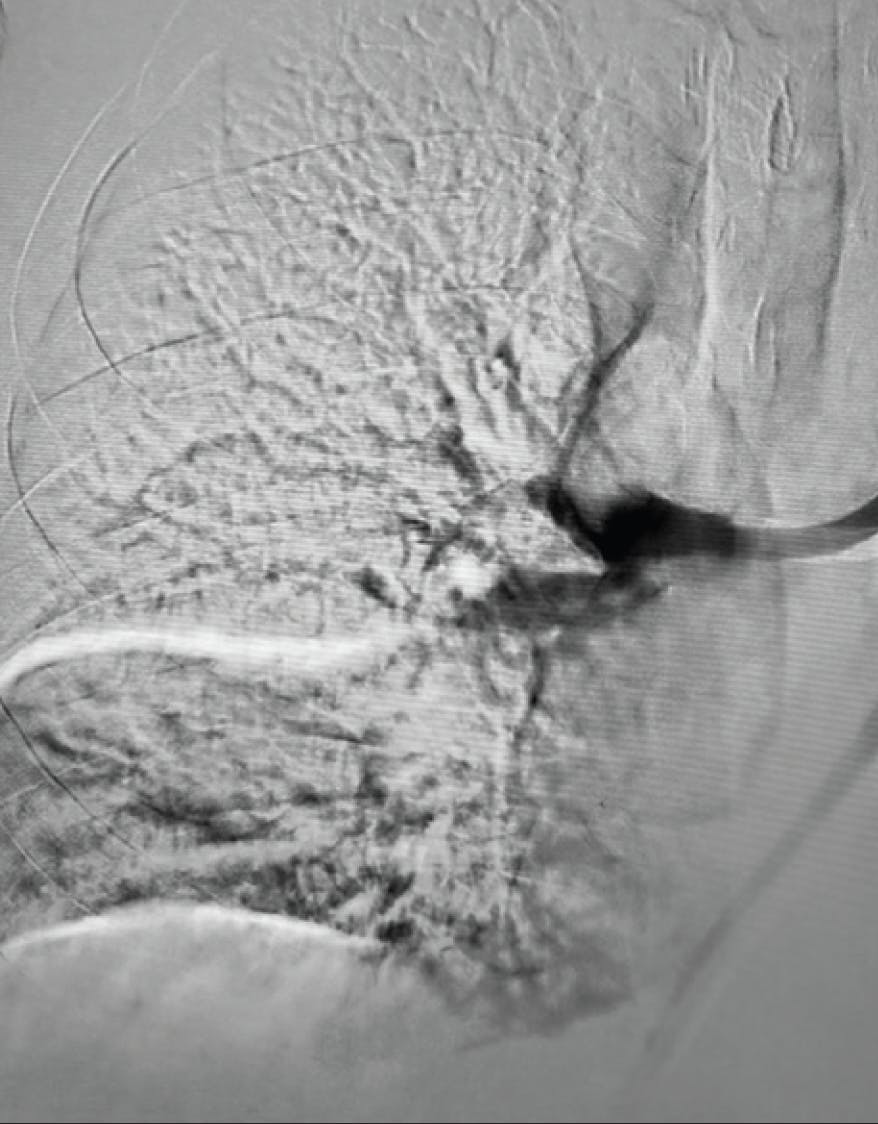
Figure 2. Initial angiogram of the right upper lobe.
INTERVENTION
Access was obtained in the right femoral vein. The 16-F Lightning Flash 2.0 device was delivered into the main PA and thrombectomy was performed. Three passes were completed; one from the main into the lower right, followed by two passes in the upper right. A post-procedural pulmonary angiogram revealed successful removal of the large thrombus burden (Figure 3 and Figure 4). The patient’s PAP decreased to 22 mmHg, his heart rate decreased to 96 bpm, and oxygen saturation improved to 98% on room air. With a device time of only 3 minutes and an insignificant estimated blood loss of 180 mL, this PE procedure with Lightning Flash 2.0 resulted in a successful outcome for the patient (Figure 5).
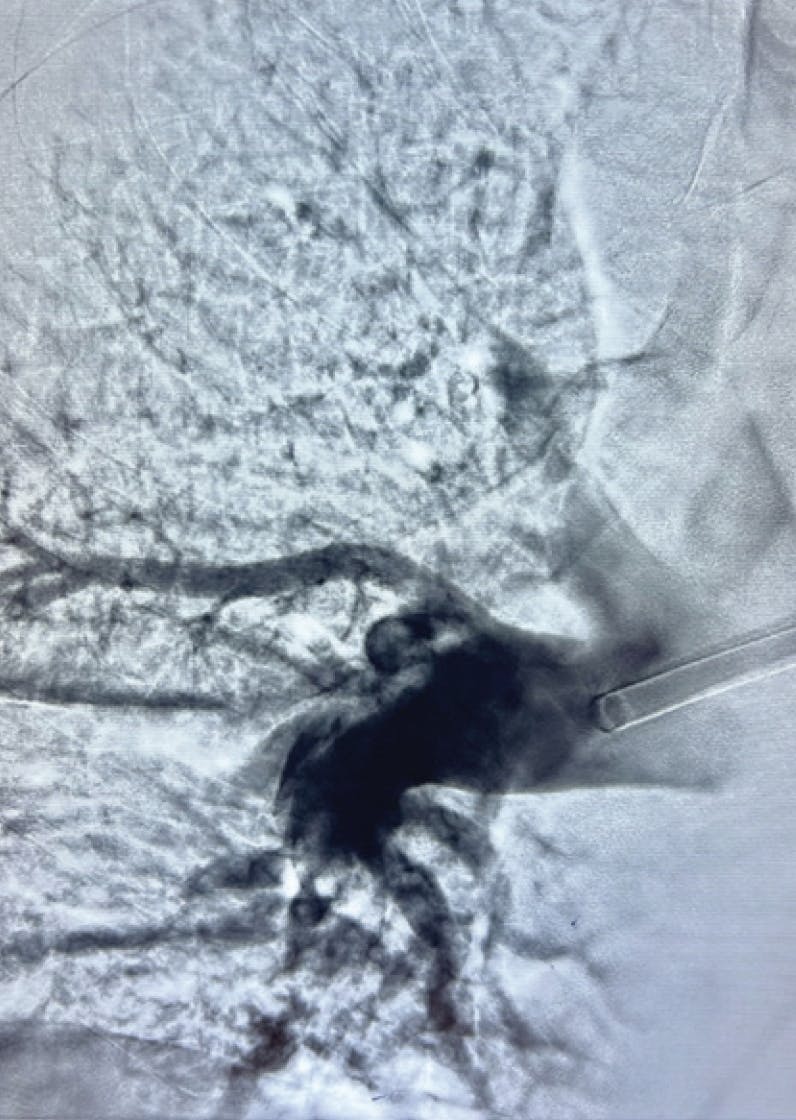
Figure 3. The right lower lobe post-thrombectomy.
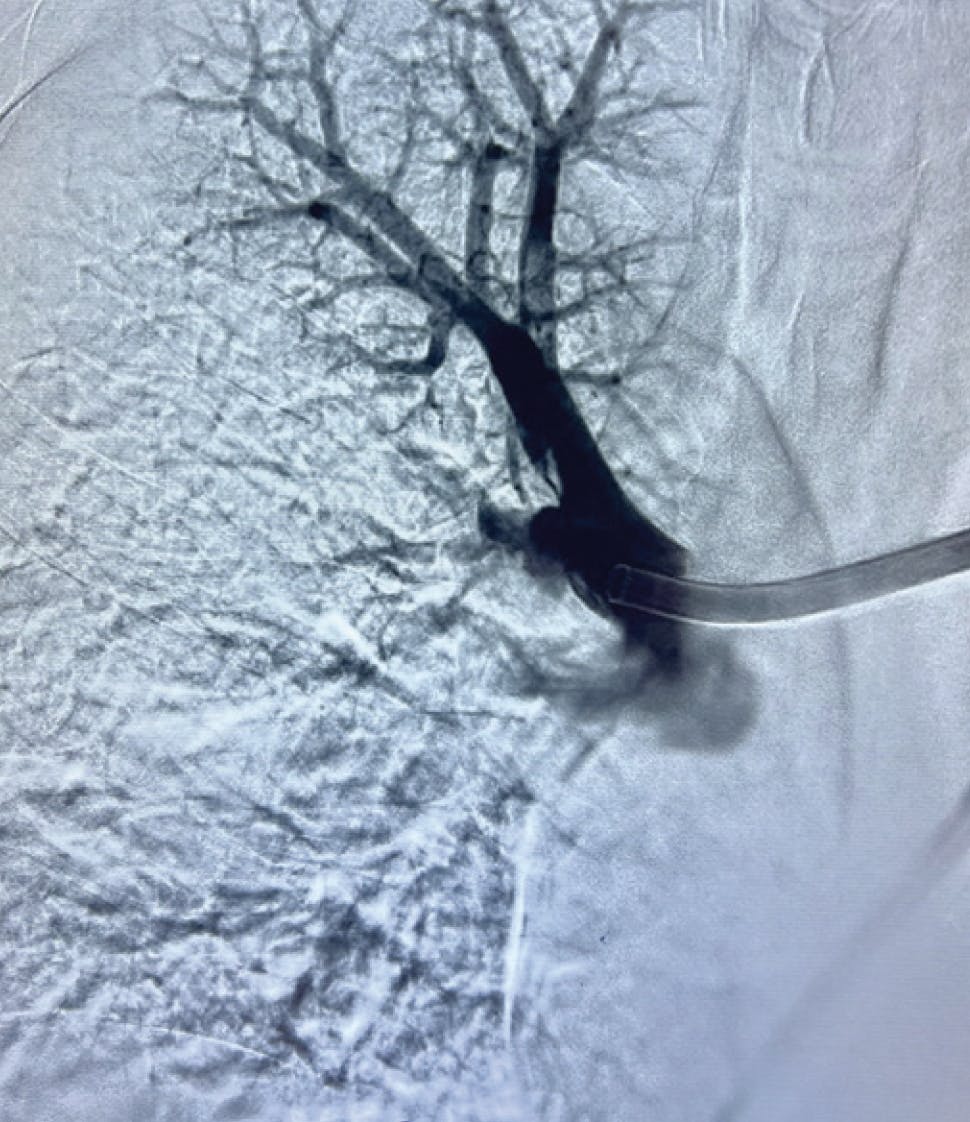
Figure 4. The right upper lobe post-thrombectomy.
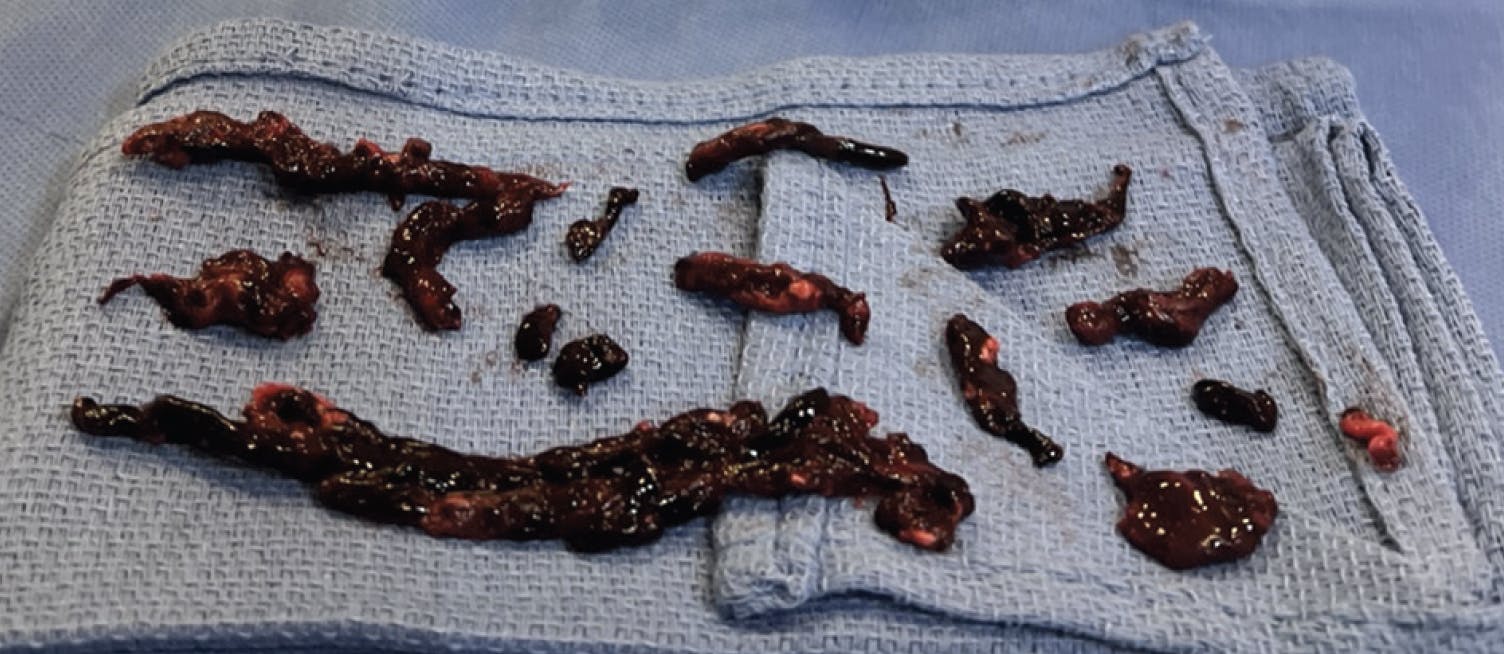
Figure 5. Thrombus removed.
BILATERAL PE THROMBECTOMY WITH LIGHTNING FLASH 2.0

PATIENT PRESENTATION
A man in his early 30s presented to the emergency department with swelling in his left leg, shortness of breath, and post-operative chest pain 2 days after a cholecystectomy. Initial diagnostics revealed a blood pressure of 99/59 mmHg, a heart rate of 142 bpm, and an oxygen saturation of 97% on 3 L nasal cannula. An electrocardiogram revealed sinus tachycardia with nonspecific ST changes. The patient had elevated troponin of 0.395 ng/mL, lactate of 1.9 mmol/L, and a white blood cell count of 20,330 μL with elevated neutrophils. Emergent CTA of the chest, echocardiography, and venous duplex revealed RV dysfunction with McConnell’s sign, saddle PE (Figure 1), and extensive bilateral PE with small developing pulmonary infarctions in the right, middle, and lower lobes (Figure 2 and Figure 3). After evaluation, the decision was made to pursue CAVT with Lightning Flash 2.0.
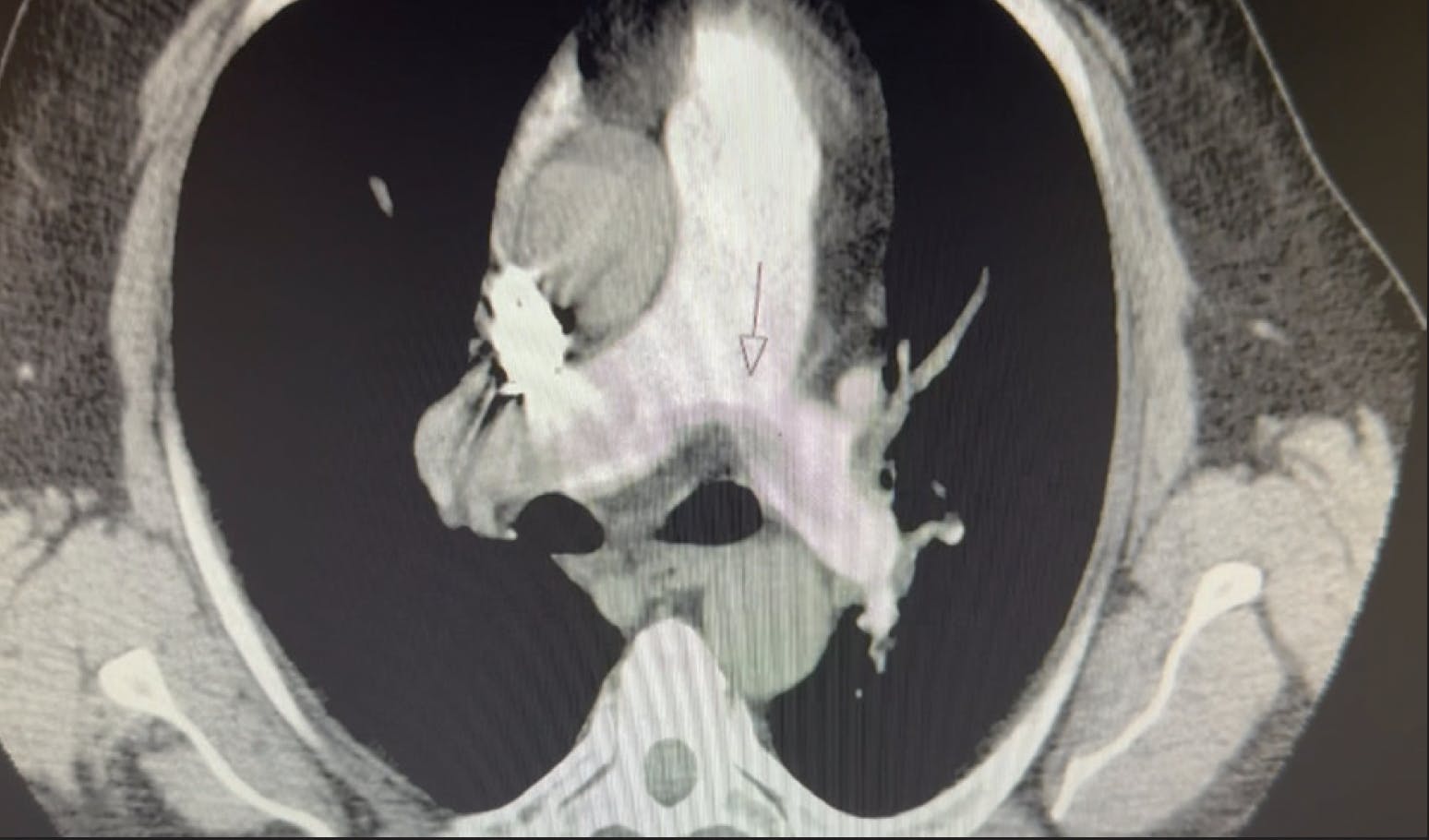
Figure 1. CT image showing saddle PE.
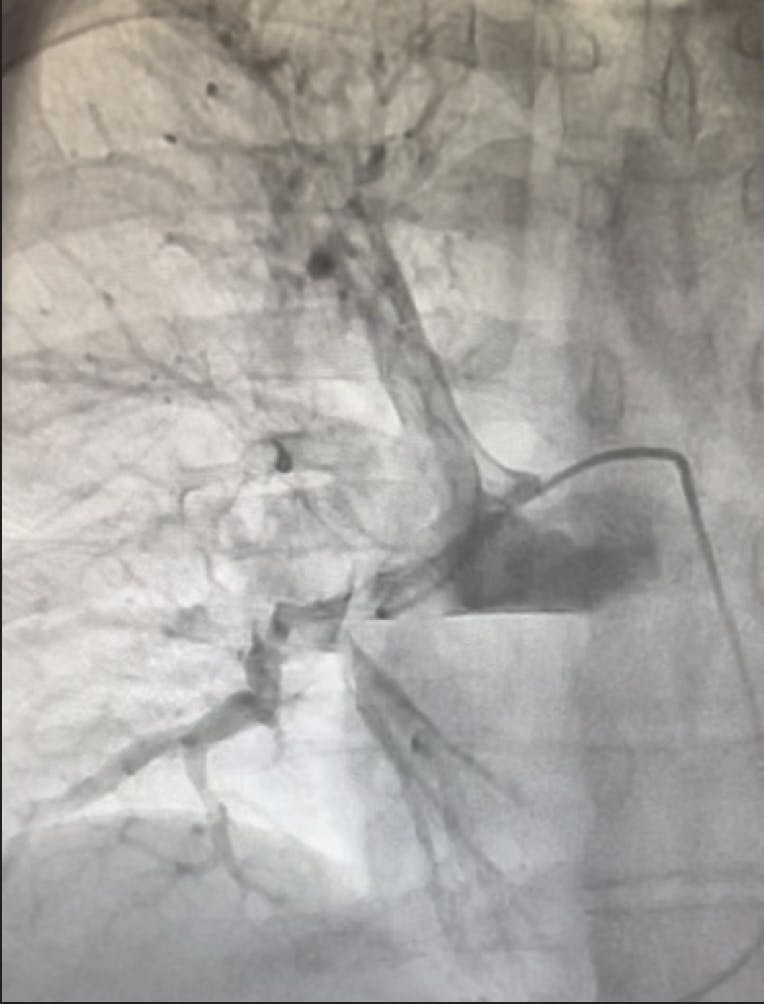
Figure 2. Right initial angiogram.
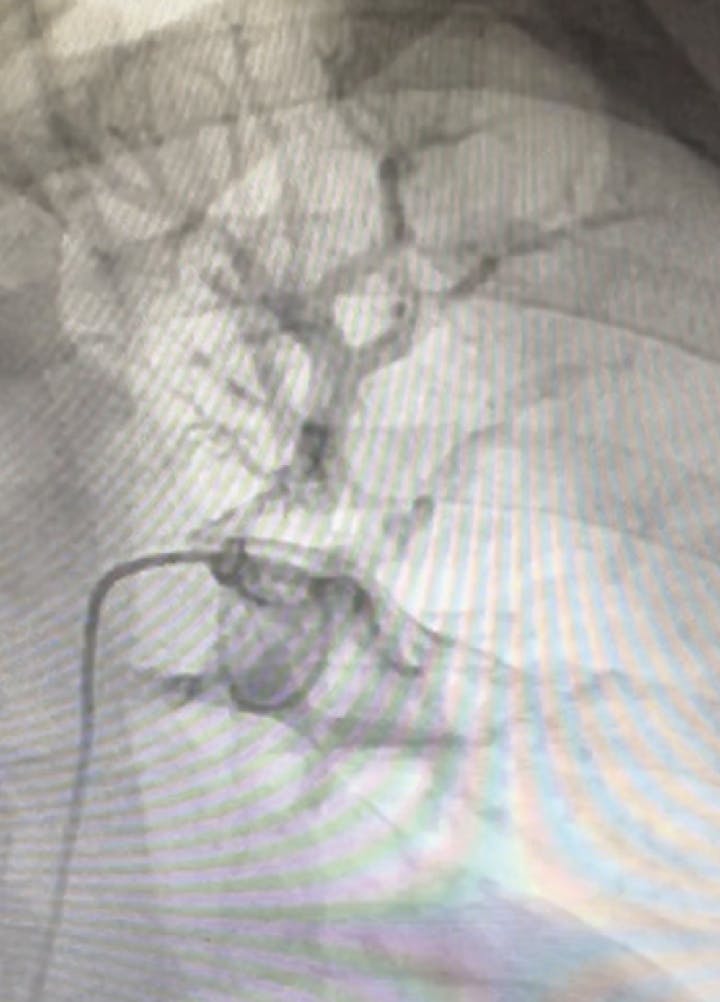
Figure 3. Left initial angiogram.
INTERVENTION
Access was obtained in the right groin. An 8-F sheath was placed and venography was performed as well as a right heart catheterization with a 5-F pigtail catheter. Initial mean PAP was 38 mmHg and there was PA oxygen saturation of 47%. The sheath was exchanged for a 16-F DrySeal sheath (Gore & Associates) over a wire. The Penumbra Lightning Flash 2.0 device was advanced over the wire with an angled tip. Thrombectomy was performed in the main PA and the right PA, and then withdrawn to traverse across to the left system where additional thrombectomy was performed (Figure 4 and Figure 5). Final angiography revealed excellent results with all major thrombus removed (Figure 6). The device time was under 2 minutes with an estimated blood loss of 250 mL. Post-thrombectomy mean PAP improved to 24 mmHg and PA oxygen saturation improved to 64% on room air. A follow-up echocardiogram 90 days post-procedure revealed normal RV size and function with normal estimated PAPs.
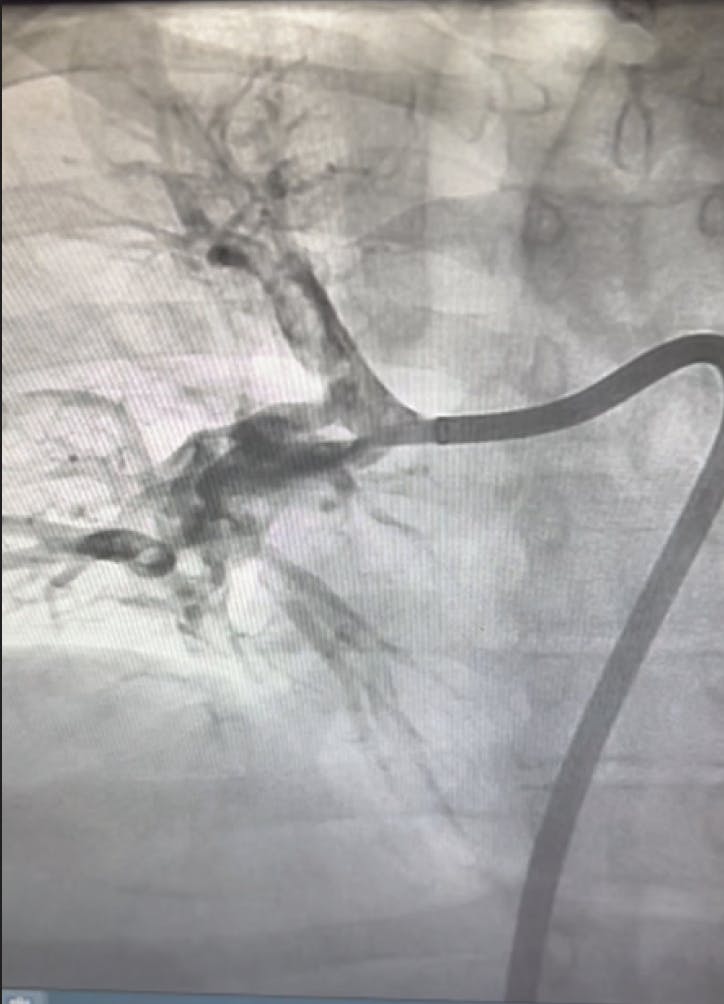
Figure 4. Right angiogram post-thrombectomy.
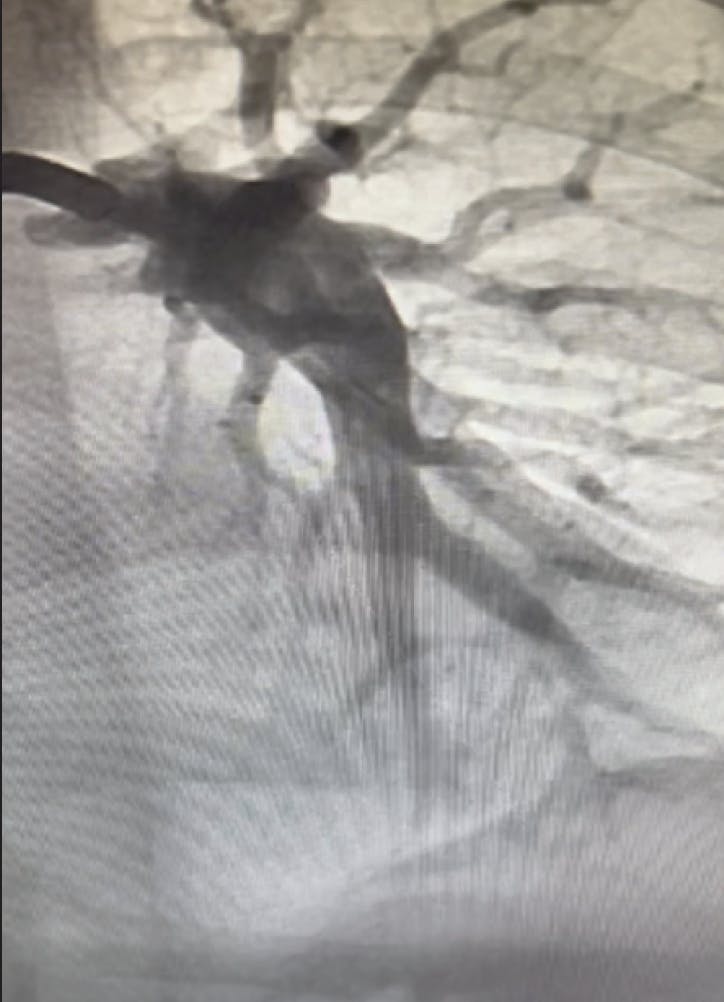
Figure 5. Left angiogram post-thrombectomy.
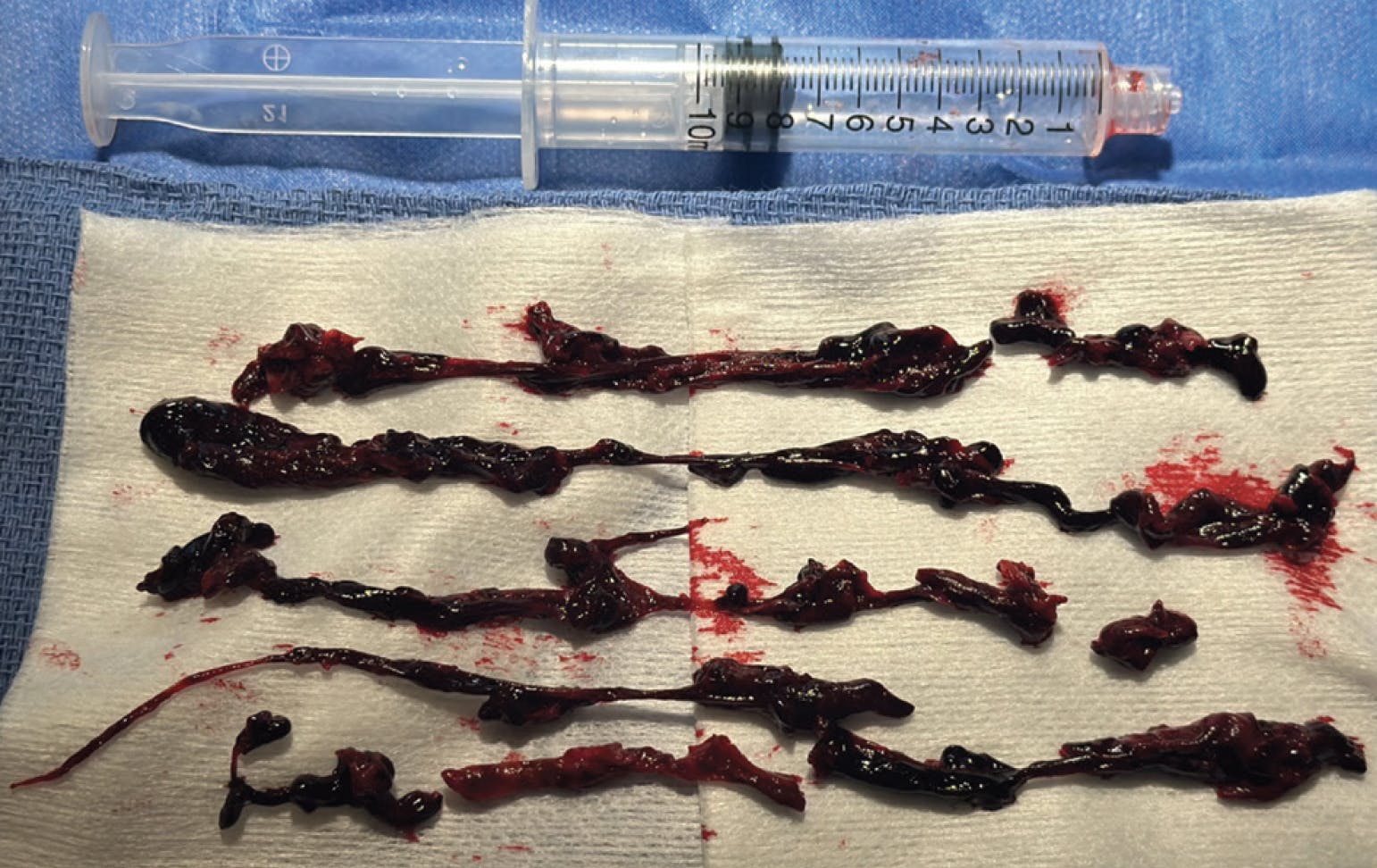
Figure 6. Thrombus removed.
DISCUSSION
Powerful computer-assisted aspiration ensured a quick procedure time while minimizing blood loss and risk to the patient. Due to the ease of use and effectiveness of Lightning Flash 2.0, this was a successful PE thrombectomy with complete resolution of thrombus.
VENOUS THROMBUS REMOVAL WITH LIGHTNING FLASH 2.0

PATIENT PRESENTATION
A woman in her early 60s was in a hypercoagulable state with a history of significant aortic thrombus and stroke. She stopped anticoagulation and presented with a 3-day history of severe left leg swelling and pain. She was having issues with ambulation and some early signs of phlegmasia. CT venography and ultrasound confirmed the presence of thrombus from the left popliteal vein to the left iliac vein (Figure 1 and Figure 2). Lightning Flash 2.0 with CAVT was selected as the management option.
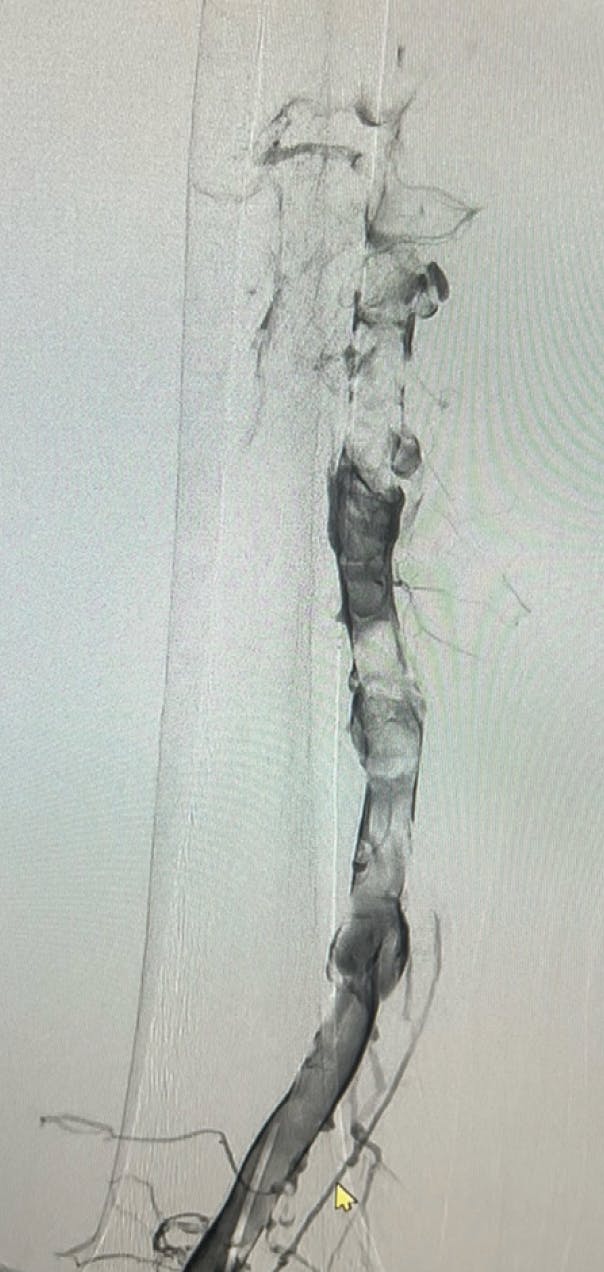
Figure 1. Left femoral initial angiogram.
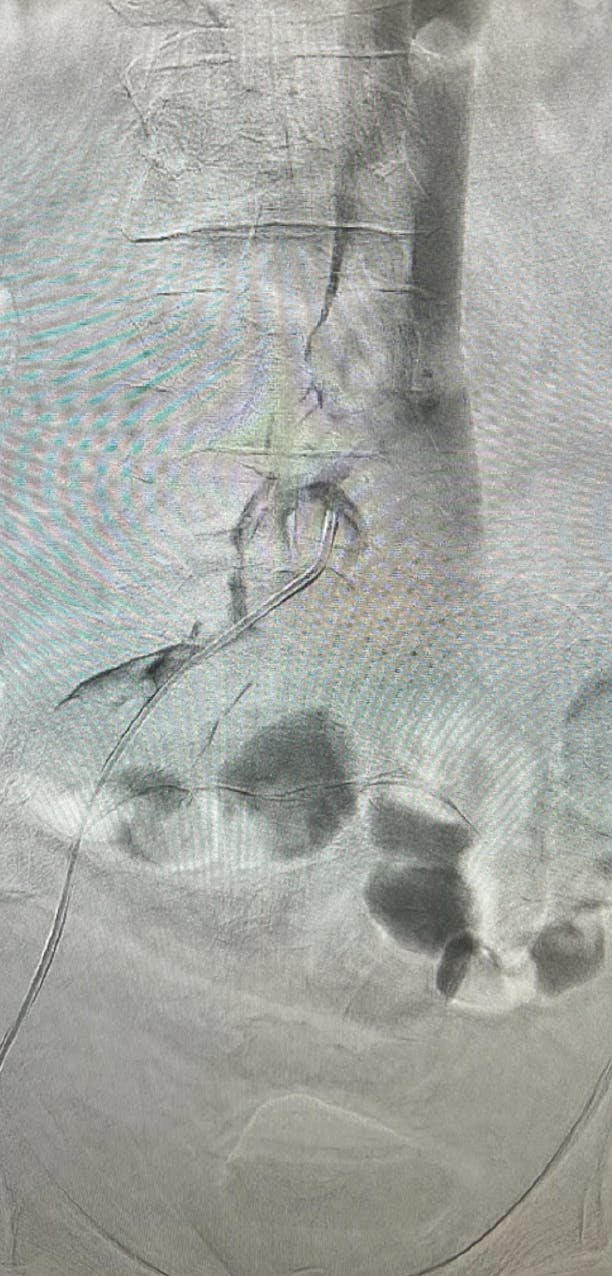
Figure 2. Left iliac initial angiogram.
INTERVENTION
Thrombectomy with Lightning Flash 2.0 was performed via a popliteal approach. The patient was diagnosed with May-Thurner after thrombectomy. Excellent results were achieved after Lightning Flash 2.0 thrombectomy with resolution of thrombus, and an IVUS-assisted iliac vein stent was placed (Figure 3, Figure 4, and Figure 5). Total procedure time from access to closure was 45 minutes.
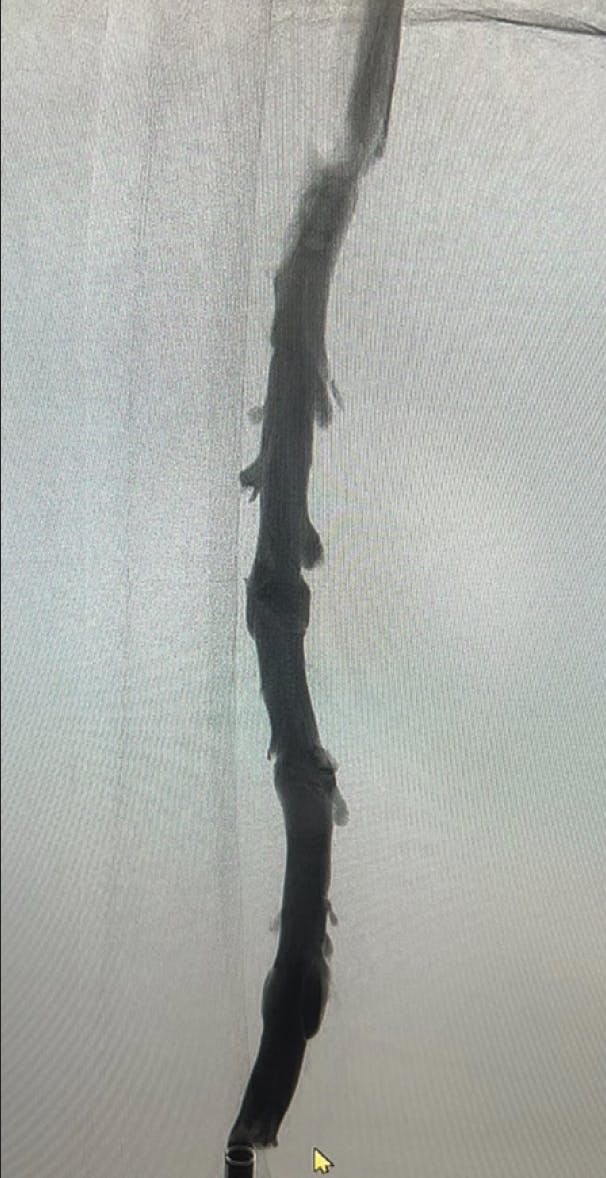
Figure 3. Left femoral post-thrombectomy angiogram.
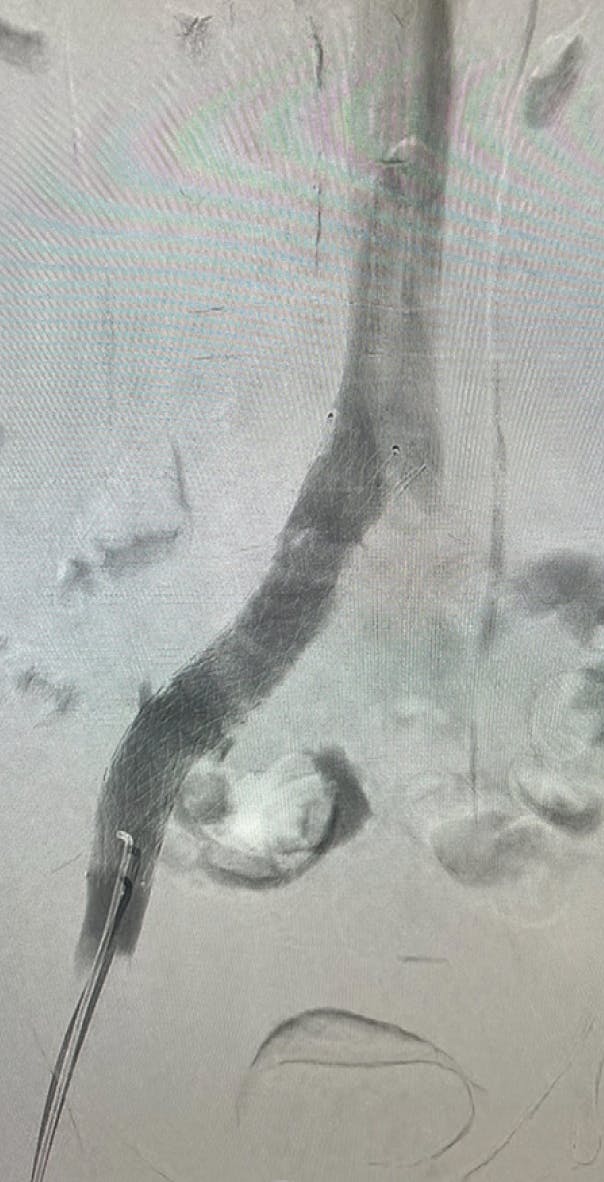
Figure 4. Left iliac post-thrombectomy angiogram.
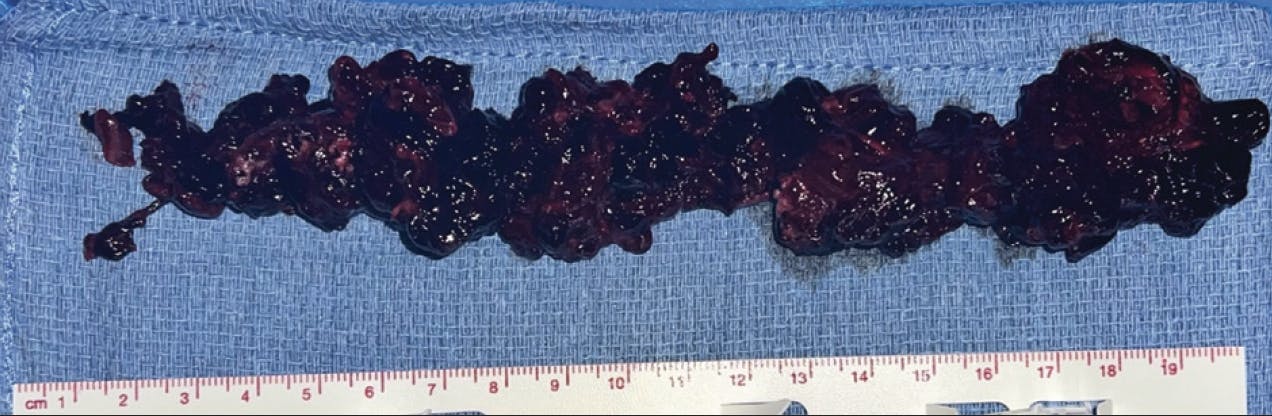
Figure 5. Thrombus removed.
CONCLUSION
Lightning Flash 2.0 offered a safe and efficient management option for this venous case with great usability. In my experience, predictable results are achieved along with incredible support from local reps.
BILATERAL PE THROMBECTOMY WITH LIGHTNING FLASH 2.0

PATIENT PRESENTATION
A male patient presented to the emergency department with a heart rate of 102 bpm and an oxygen saturation of 91%. This patient had undergone orthopedic surgery 3 weeks prior to the case. The CT scan showed heavy clot burden in the right PA and a mild clot burden in the left PA (Figure 1 and Figure 2). Upon obtaining pressures and upsizing the sheath, the patient’s oxygen saturation decreased to 89% and his heart rate increased slightly to 104 bpm. CAVT with Lightning Flash 2.0 was selected as treatment upon evaluation.
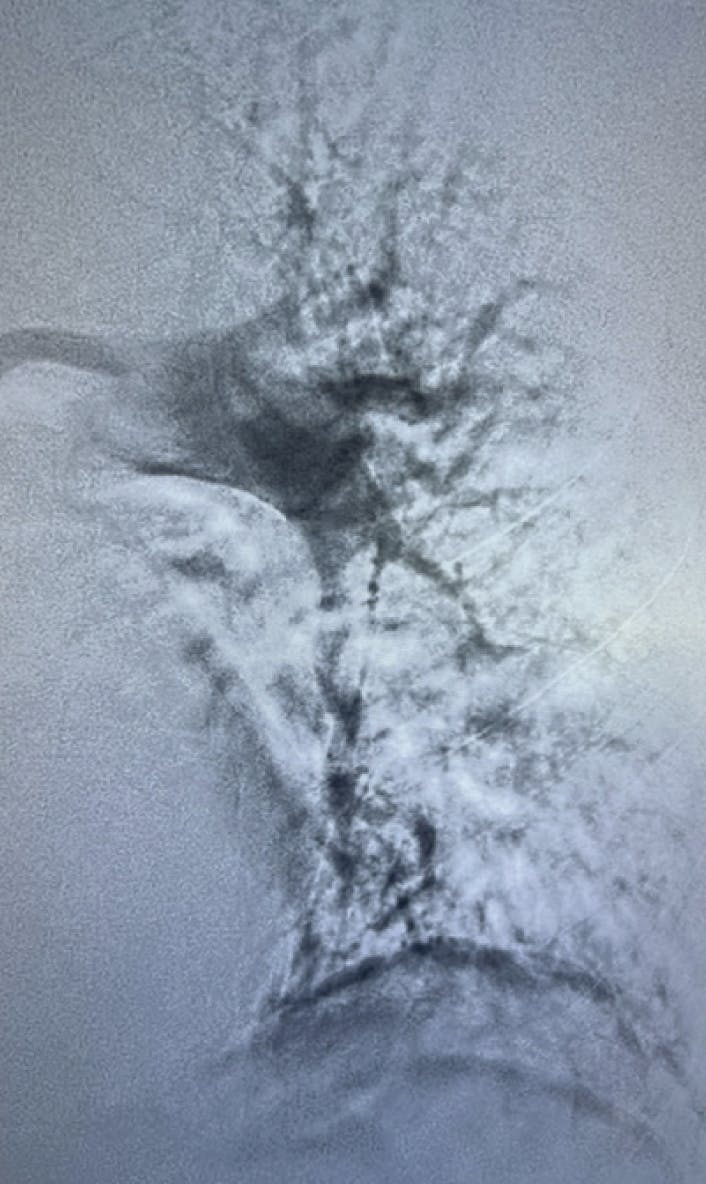
Figure 1. Left initial angiogram.
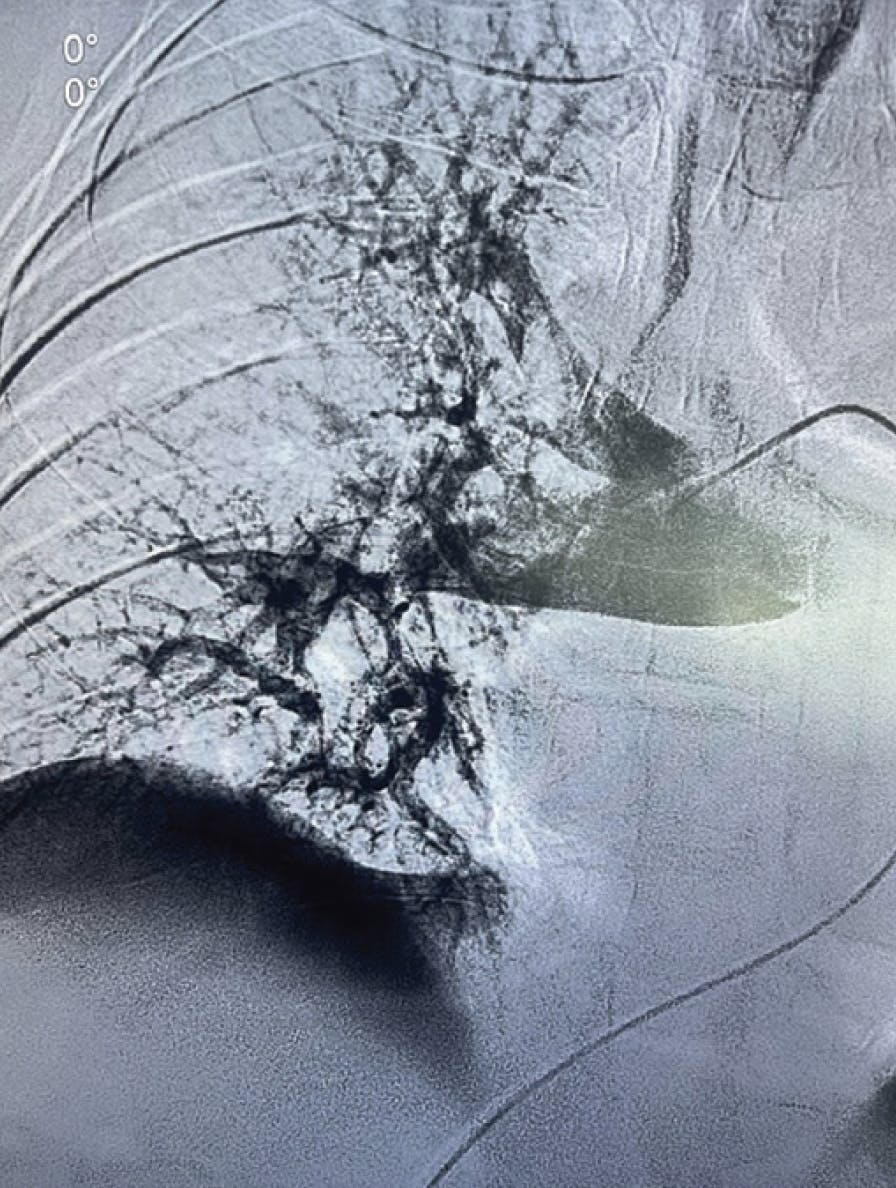
Figure 2. Right initial angiogram.
INTERVENTION
A Select™ catheter (Penumbra, Inc.) with BER tip shape was introduced through the 16-F Lightning Flash 2.0 device for support and tracked over an Amplatz wire (Boston Scientific Corporation) with a 1-cm floppy tip to cannulate the right PA. After thrombectomy was initiated on the right PA, heavy clot burden was removed, and the patient’s oxygen saturation immediately increased to 97%. Aspirating on the right side took approximately 3 to 4 minutes. The Flash 2.0 catheter was then maneuvered to the left upper and lower lobes. Using lateral movements, the catheter transitioned between “Gallop Mode” when embedded in thrombus and Sampling Mode when in patent flow. The patient’s heart rate decreased to 97 bpm by the end of the procedure with complete resolution of the thrombus burden (Figure 3, Figure 4, Figure 5, and Figure 6).
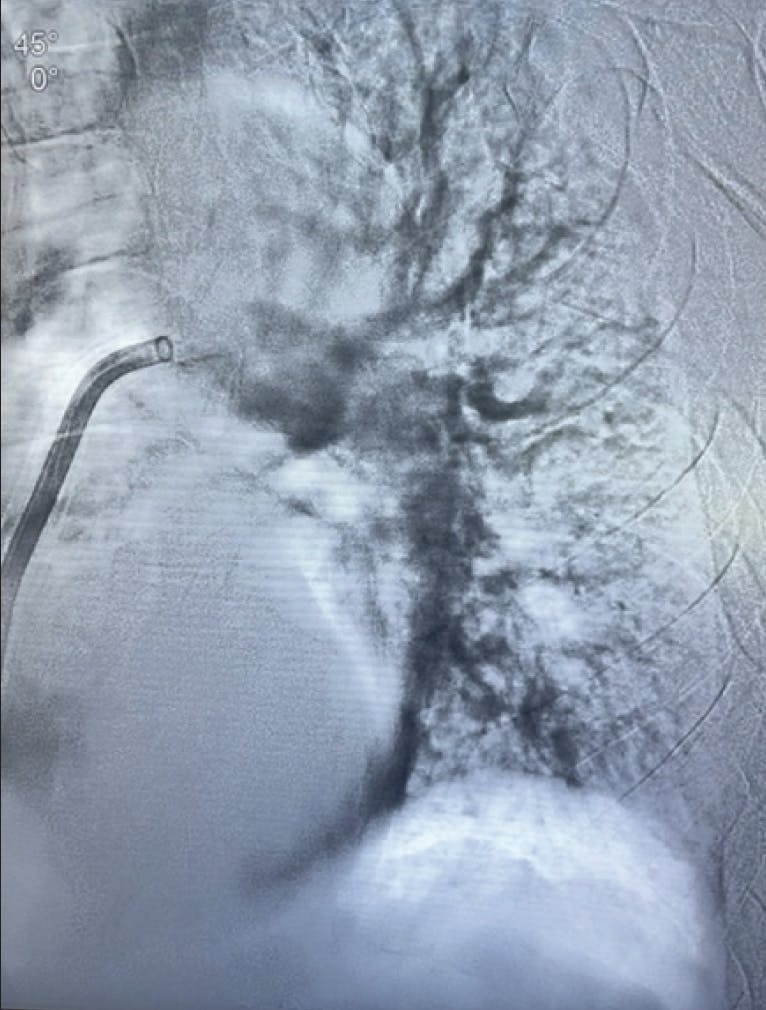
Figure 3. Left post-thrombectomy angiogram.
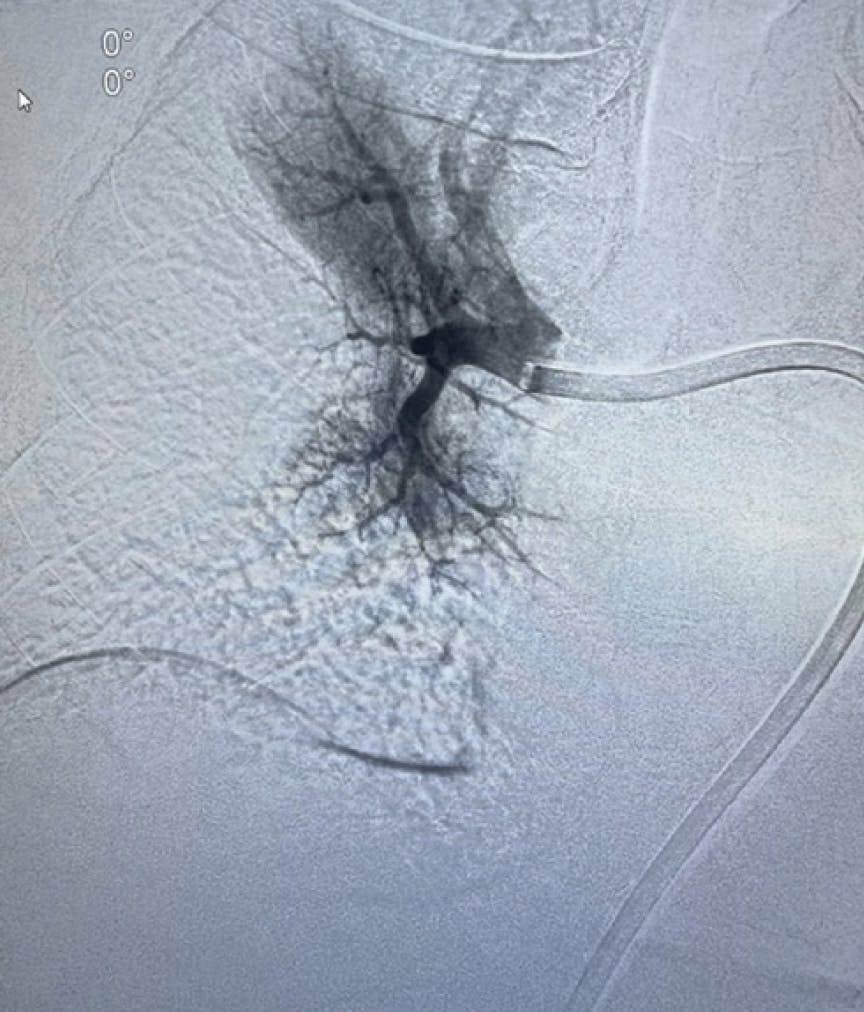
Figure 4. Right upper postthrombectomy angiogram.
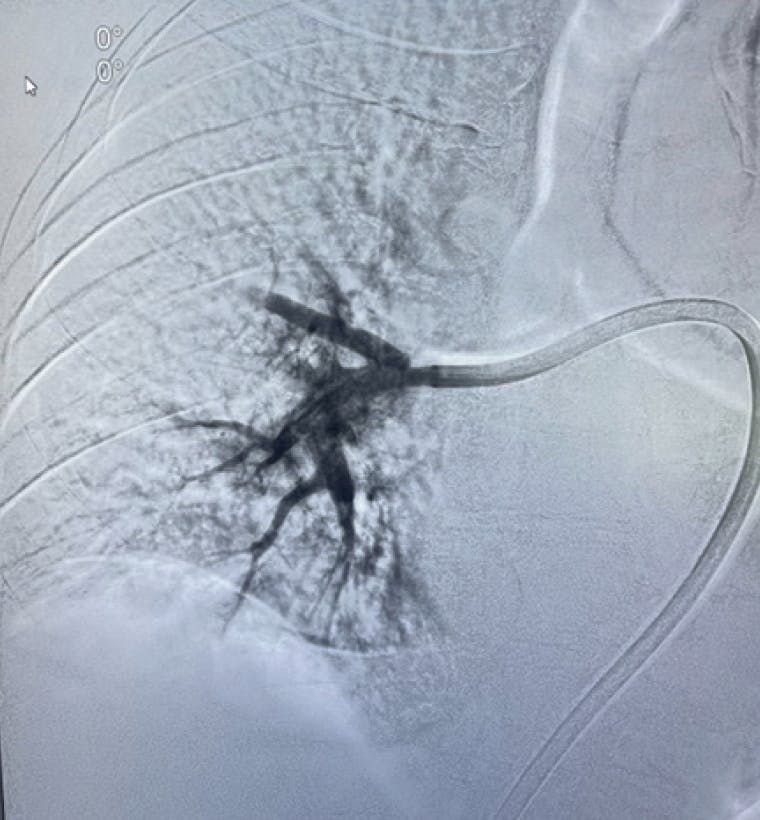
Figure 5. Right lower postthrombectomy angiogram.
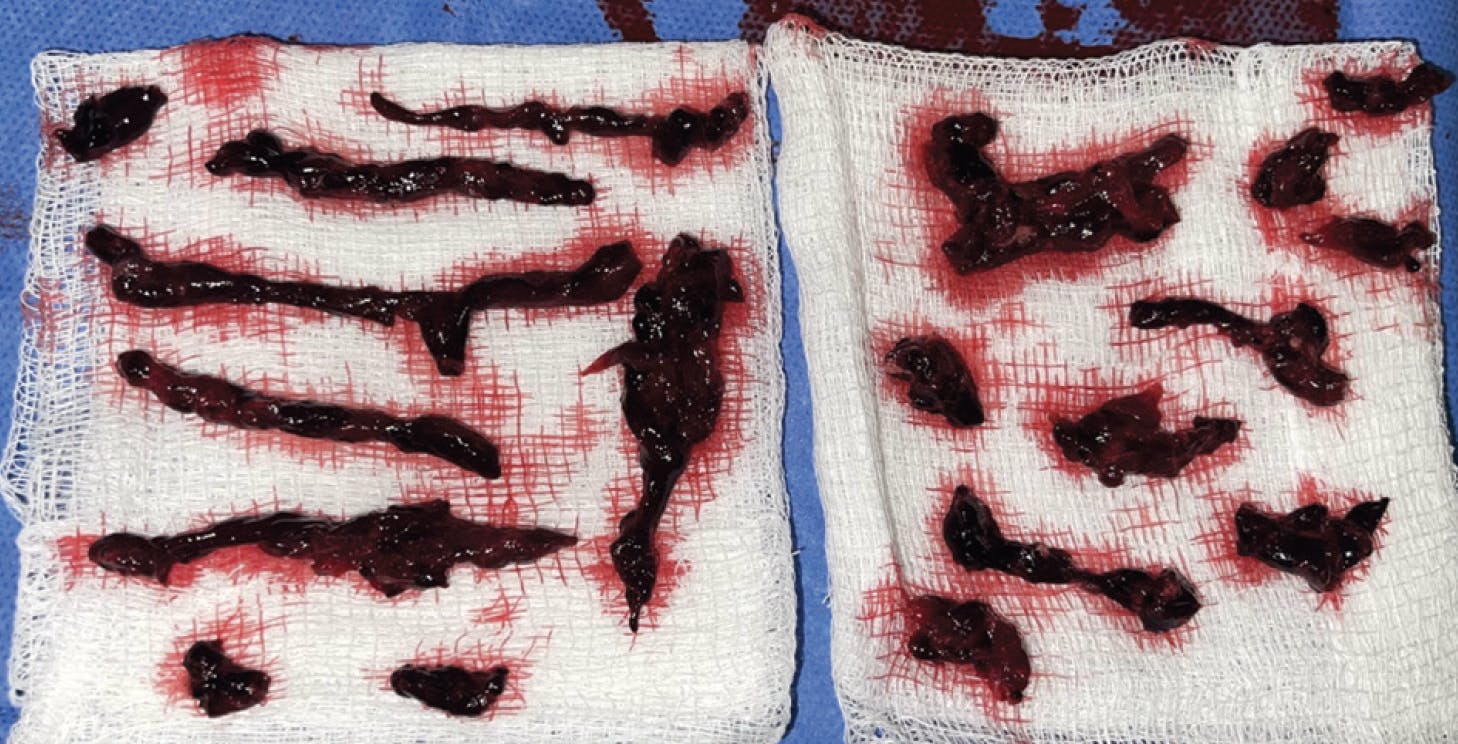
Figure 6. Thrombus removed.
DISCUSSION
I appreciate the flexibility the Lightning Flash 2.0 catheter provides, as it allows me to quickly reach the target thrombus and rapidly pivot to address any additional thrombus I identify in the lab. Additionally, the enhanced audible cues of Lightning Flash 2.0 are certainly helpful at reassuring me that the tip of the catheter is in the clot where I want it.
ILIOFEMORAL CAVAL VENOUS STENT THROMBUS REMOVAL WITH LIGHTNING FLASH 2.0

PATIENT PRESENTATION
A man in his late 50s, who was being maintained on apixaban, had a history of thrombophilia, left iliofemoral caval venous stenting, and caudal stent extension. His apixaban was held for an upcoming nonvascular procedure for several days without adjunctive bridging. The patient presented with significant left leg swelling and pain. Ultrasound, which was utilized for initial evaluation, demonstrated extensive iliofemoral popliteal caval venous thrombosis with left iliofemoral caval stent occlusion. The thrombus appeared subacute and semi-compressible (Figure 1). Due to the large amount of thrombus burden, extension into the inferior vena cava, and to obviate the need for tissue plasminogen activator (tPA) use, CAVT with Lightning Flash 2.0 was chosen for this case.
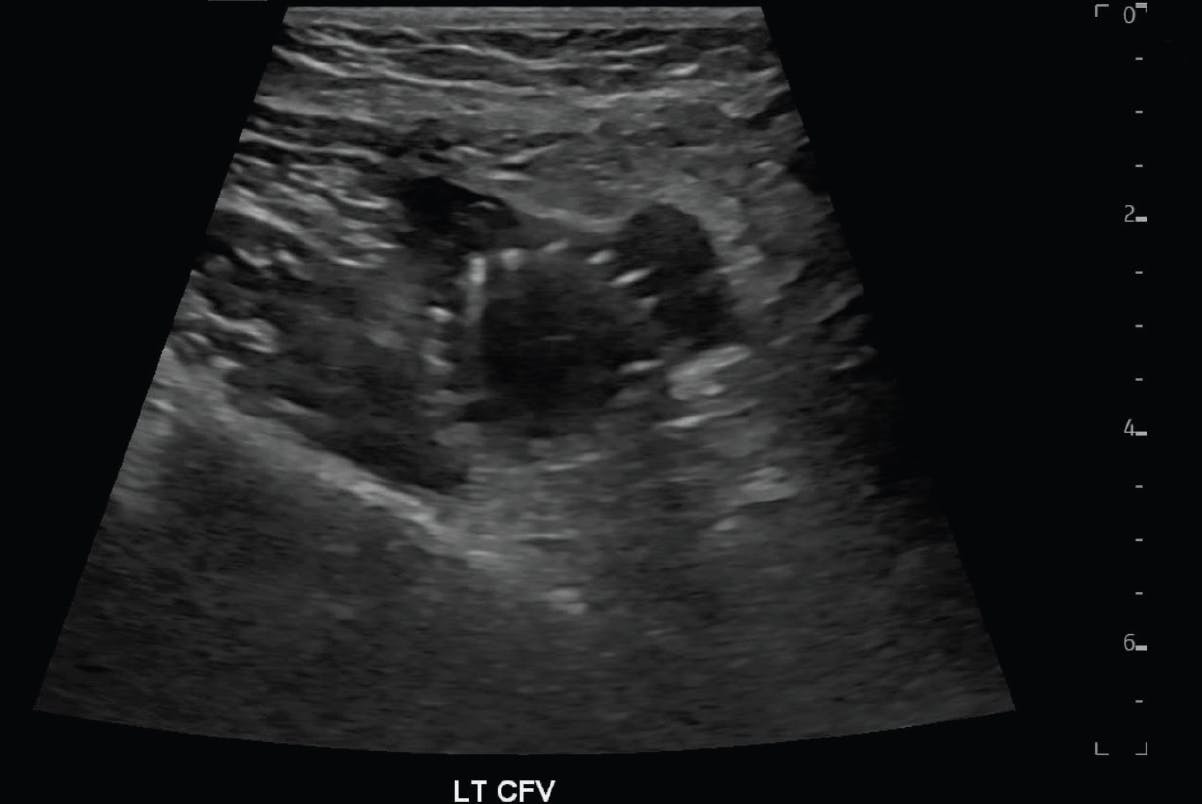
Figure 1. Duplex ultrasound image.
INTERVENTION
Transpopliteal access was achieved in the prone position, followed by placement of a 16-F DrySeal sheath. Venography and intravascular ultrasound (IVUS) were then performed (Figure 2 and Figure 3); demonstrating large thrombus burden and iliofemoral caval stent occlusion. Thrombus extension into the inferior vena cava was also noted. Lightning Flash 2.0 was utilized to aspirate large amounts of acute thrombus within a few passes of the device (Figure 4). The catheter tip was manipulated in different directions to aspirate the maximum amount of thrombus and to get the best approximation with the stent wall. Stent and iliofemoral caval patency were quickly restored with a total aspiration time of about 2 minutes. Following aspiration, final imaging was completed via angiography and IVUS (Figure 5 and Figure 6).
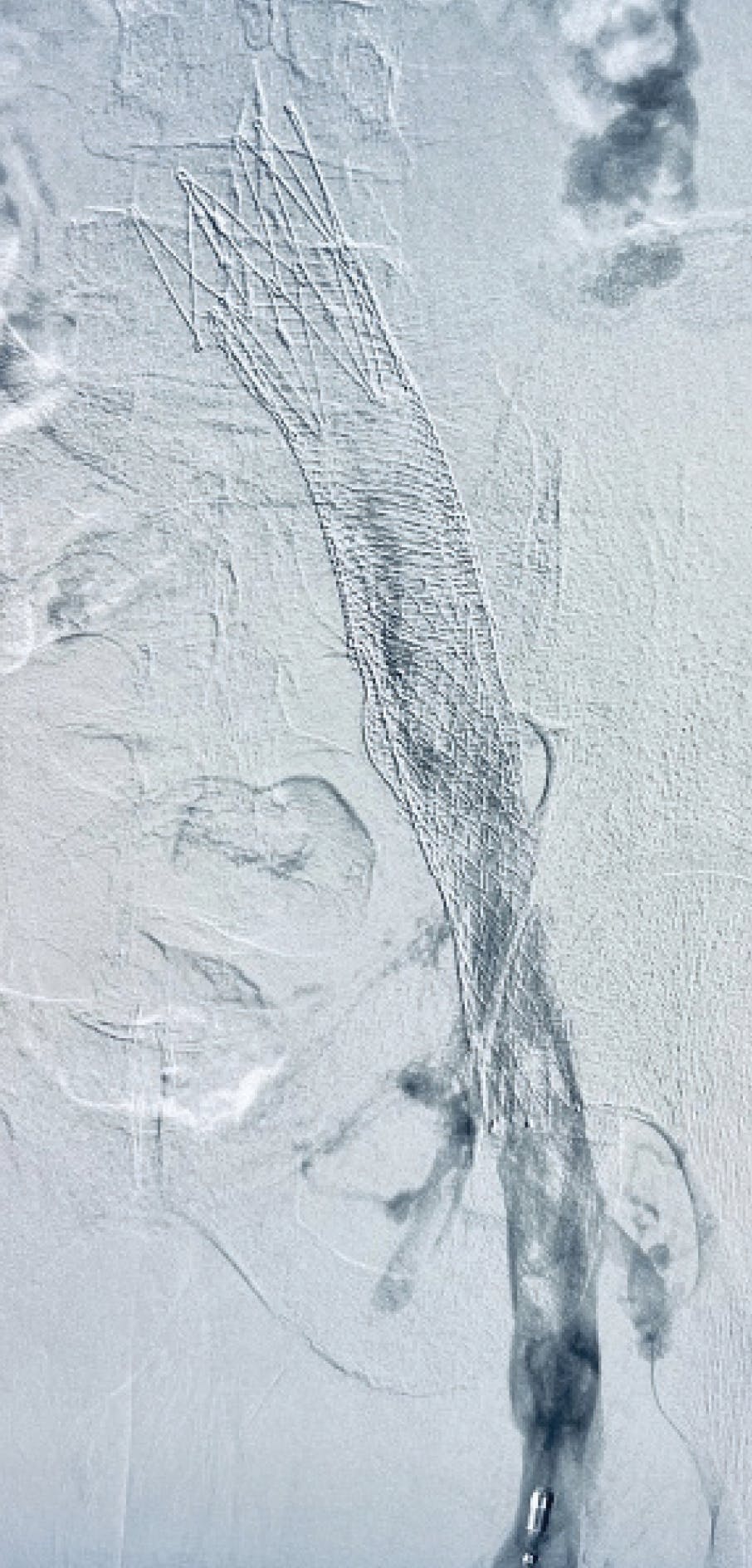
Figure 2. Initial angiogram.
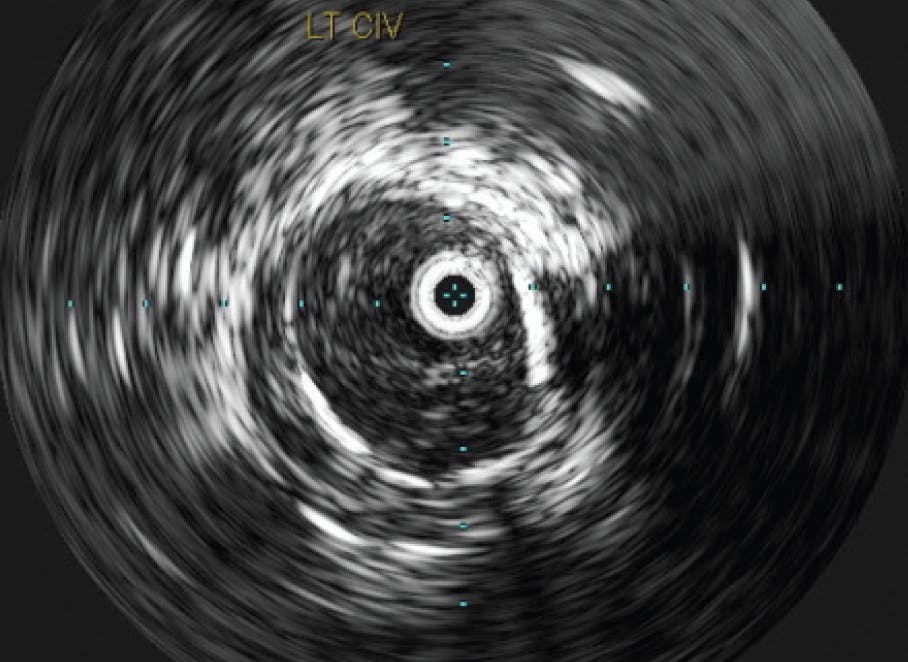
Figure 3. Initial IVUS image.
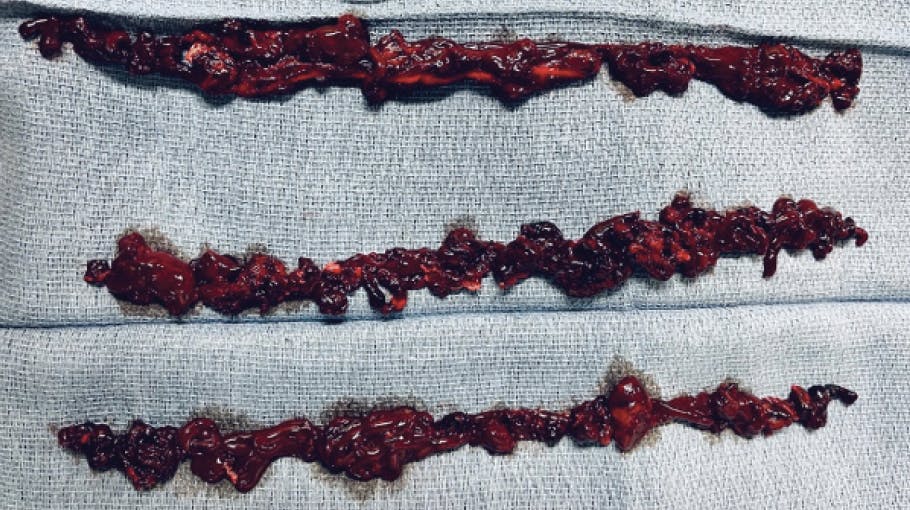
Figure 4. Thrombus removed.
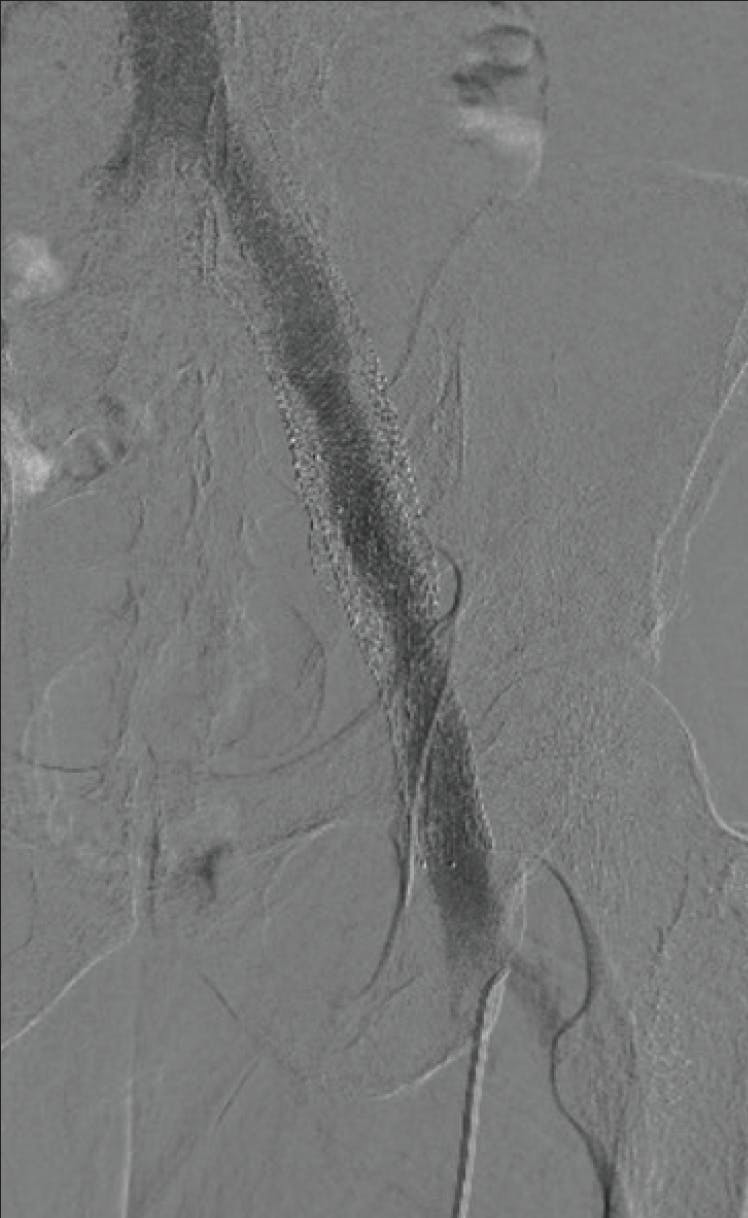
Figure 5. Post-thrombectomy angiogram.
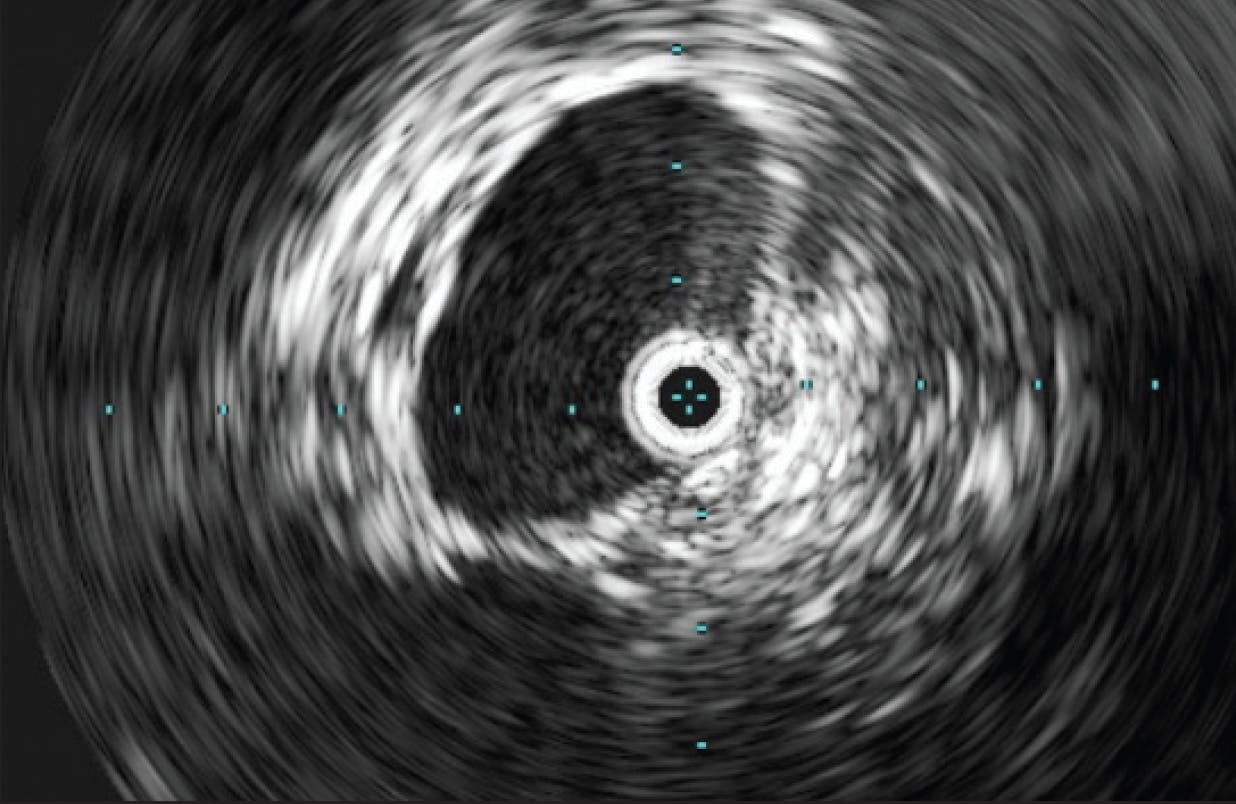
Figure 6. Post-thrombectomy IVUS.
DISCUSSION
Lightning Flash 2.0 with CAVT dynamically and efficiently reduced the large thrombus burden with a relatively small access site, small amount of blood loss, and minimal aspiration time within a stented iliofemoral caval segment. No tPA was used in the procedure and the patient did not require any post-procedural intensive care unit stay. In fact, he was discharged the same day and returned to all regular activities within 24 hours, including mowing his lawn.
Overcoming Barriers in Women’s Health: The Role of the EMBOLIZE Trial in Pelvic Venous Disease
A Conversation on PeVD
With Ronald Winokur, MD, and Gloria Salazar, MD, FSIR


A lot has been discussed around PeVD. Could you talk about some of the challenges and risks associated with this condition?
This condition can be challenging to officially diagnose and separate from other etiologies of female pelvic pain. It is important to evaluate patient history as well as imaging of the pelvis to best identify those patients with pelvic pain caused by venous hypertension, which can result from ovarian vein reflux leading to pelvic varices. Other sources of pelvic venous hypertension such as renal vein obstruction and iliac vein obstruction may also occur but can be a component of the workup to exclude obstruction and treat reflux disease primarily.
What are the current treatments for PeVD?
Current treatments include embolization of pelvic venous reflux and stenting of pelvic venous stenosis; however, high-quality data are still needed to evaluate these therapies for venous-origin chronic pelvic pain (VO-CPP). Available data are confounded by lack of control arms, inhomogeneous patient populations, varying criteria for defining a causative lesion, and heterogeneous treatment protocols. The EMBOLIZE trial (NCT06168058) is evaluating outcomes of ovarian vein embolization (OVE) in patients with perituerine and/or periovarian varices resulting from ovarian vein reflux.1 If primary ovarian vein reflux is not present, then treatment of other entities such as common iliac vein obstruction/compression (ie, May-Thurner syndrome) and/or renal vein obstruction/compression (ie, nutcracker syndrome) will have to be studied to evaluate for outcomes of pelvic pain in the future.
Why are many women who have this problem not properly diagnosed?
Imaging of the pelvis with visualization of sources of pelvic venous hypertension such as primary ovarian vein reflux leading to pelvic varices may not be performed prior to evaluation by a vascular specialist treating VO-CPP. If this is not assessed, pelvic pain may progress for a prolonged period of time, with an absence of improvement and/or resolution after treatment with surgery or pelvic floor physical therapy. It is typically after this period of progression that patients search for and/or identify venous specialists for intervention.
How has misdiagnosis affected patient care?
Most patients end up having multiple consultations and unnecessary treatments that do not address the real cause of VO-CPP, as disease awareness is still lacking in the medical community. If pelvic pain secondary to pelvic varices is not diagnosed at first, then patients may not respond to surgical or physical therapy as primary treatment options. As this process continues chronically, the response to treatment may not be the immediate resolution of pelvic pain. Pelvic floor stimulation may require additional therapy despite elimination of the originating factor, leading to hypertension in the pelvis and persistent pelvic pain despite improvement.
As a follow-up question, could you shed some light on the context for this regarding the broader impact on women’s health?
Streamlining the assessment and imaging of patients with CPP will help identify those who have VO-CPP and who may respond to ovarian vein and pelvic vein embolization. As previously demonstrated in the literature, there is a high degree of clinical patient improvement after complete ovarian vein and pelvic varix embolization. However, randomized controlled data have not been previously completed and will be a key outcome learned after the EMBOLIZE trial is completed.
One of the barriers to treating these patients is reimbursement. What impact has this had to patient care?
It is extremely challenging and unfortunate that coverage is limited for ovarian venography and embolization that result in decreased pelvic venous pressure and elimination of pelvic pain. Unfortunately, this has resulted in high cost association for the patient if self-pay is the only option, which can also lead to the absence of optimal treatment algorithms to eliminate the source of pelvic pain. The performance of the EMBOLIZE study may provide valuable data to help address the insurance coverage gap.
Why is EMBOLIZE unique?
EMBOLIZE is unique in the fact that it is a randomized controlled trial of venography alone (sham procedure) or venography with bilateral OVE and pelvic venous embolization. Patients enrolled will be blinded to the procedure performed, leading to high levels of outcome data showing the results of embolization over time in patients with true VO-CPP for study inclusion. No prior randomized controlled trial for OVE has been performed in the past, so this has the potential to quickly change the patient outcome and treatment strategy.
Could you discuss some of the primary endpoints for EMBOLIZE? How did you decide on these endpoints?
The EMBOLIZE trial is evaluating outcomes using the visual analog score (VAS) at baseline and during the study time interval. Because VAS is not disease specific, it has been determined to be an ideal target for pain score assessment in this patient population. The study will also allow for assessment of disease-specific criteria such as the PROMIS (Patient-Reported Outcomes Measurement Information System) scale, PGIC (Patient Global Impression of Change), and EQ-5D (EuroQoL five dimensions). Additionally, critical information about the VO-CPP tool will be importantly acquired during the EMBOLIZE trial to assist in the potential future development of a disease-specific quality-of-life tool.
What’s next after EMBOLIZE? Will there be follow-up for these patients?
EMBOLIZE trial patients will be followed for 6 months after randomized intervention and/or venography as part of the research trial. At that time, crossover will be allowed for patients who were randomized to control with venography alone, and critically important data will continue to be released on outcomes after embolization.
What impact will this study have on the field moving forward?
Randomized controlled data collection on venography versus venography plus bilateral OVE with treatment of the pelvic reservoir is performed to evaluate for the true efficacy in pelvic pain. A primary outcome at 6 months will be very valuable to understand and accommodate for intervention in this patient population. Future data collection regarding disease recurrence or pain recurrence will assist in future treatment strategies and optimization.
What can physicians do right now help their patients get treated?
The workup of patients with CPP requires assessment for pelvic varices and the cause of pelvic venous hypertension and varices. Based on that, clear imaging assessment will help identify the optimal treatment strategy in patients. The EMBOLIZE trial will further assist in determining the optimal imaging studies for assessment of these patients and guiding outcomes after embolization, potentially improving patient access to OVE. In a short time interval, study results can potentially change this process quickly.
1. Trial of ovarian vein and pelvic vein embolization in women with chronic pelvic pain and pelvic varices (EMBOLIZE). Clinicaltrials.gov website. Accessed June 27, 2024. https://clinicaltrials.gov/study/NCT06168058
OVARIAN VEIN EMBOLIZATION WITH POD AND PACKING COILS
PATIENT PRESENTATION
A woman in her mid 40s with a history of bilateral lower extremity varicose veins presented for evaluation of pelvic pain. She first developed lower extremity varicose veins in her 20s, which did not respond to multiple treatments and continued to cause fatigue and throbbing in both of her legs. She had vulvar varicose veins with each of her three pregnancies, but significantly worse with her second and third pregnancies. The veins diminished slightly after each pregnancy, but she continued to report postcoital pain, occasionally lasting up to 30 minutes. She had a prior hysterectomy, which showed no improvement. She experienced mild improvement in her lower extremity symptoms with leg and pelvic elevation.
INTERVENTION
An MRI was performed and showed prominent perivaginal/vulvar veins with an 8-mm ovarian vein demonstrating retrograde flow (Figure 1). It was then determined that an OVE was needed. Access was achieved in the internal jugular vein where a 5-F diagnostic catheter was used to access each of the ovarian veins. A 2.6-F Lantern® microcatheter (Penumbra, Inc.) was advanced into the pelvic varices. A mixture of Penumbra coil and sclerosant was used to embolize these veins. The sclerosant was first delivered into the varices, followed by a POD® (Penumbra Occlusion Device) coil (Penumbra, Inc.), which was delivered to create a scaffold. These were followed by the “liquid metal” Packing Coil (Penumbra, Inc.) to create a top-dense mechanical occlusion (Figure 3 and Figure 4). A 6-week post-procedure follow-up showed resolution of the pelvic pain. There was no evidence of perimenstrual or urinary tract infection symptoms. A strong understanding of VO-CPP is critical for optimizing patient outcomes and selecting patients that will benefit from coil embolization of the ovarian veins. The EMBOLIZE research trial will help identify optimal patients and outcome expectations in the near future.
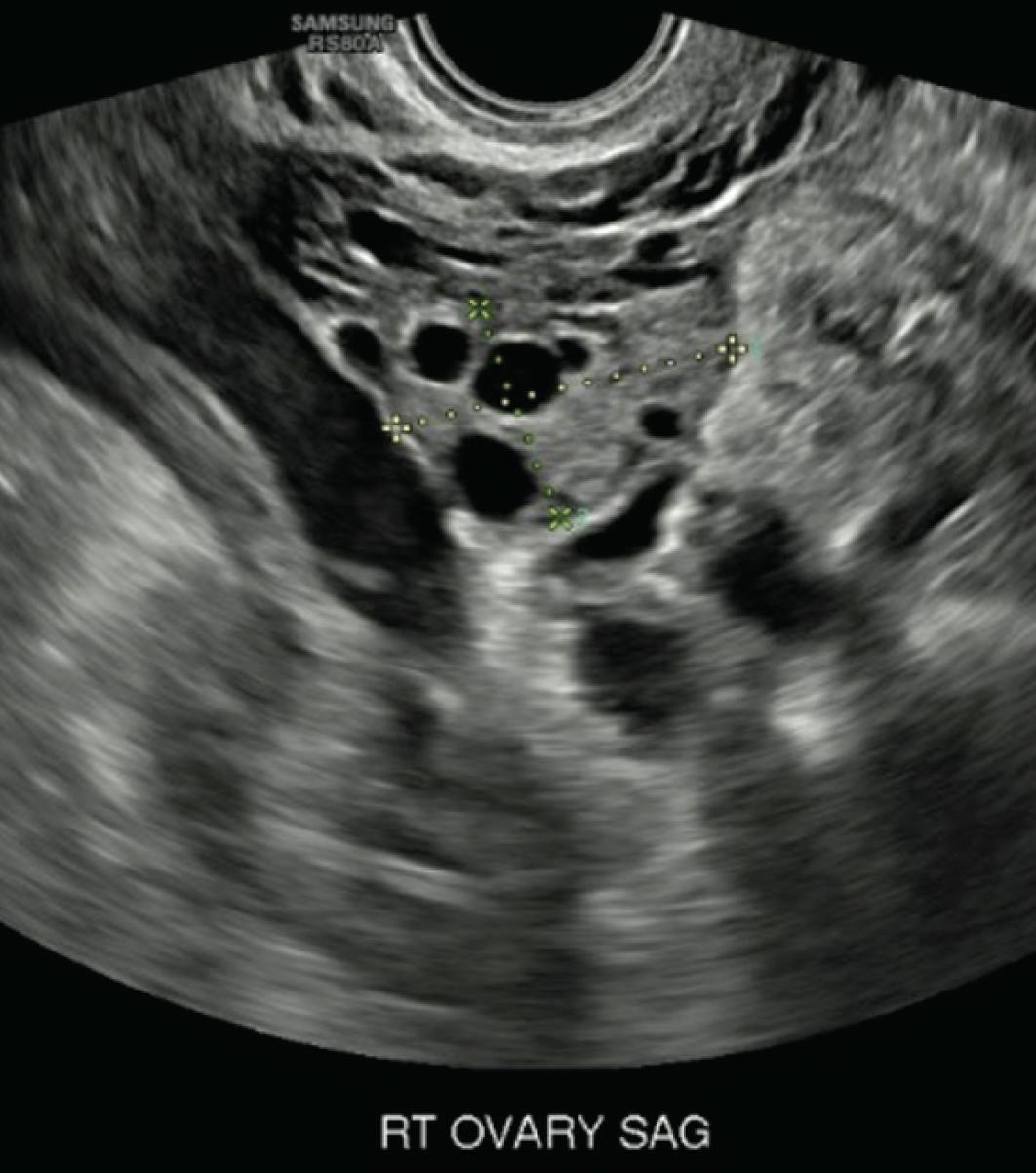
Figure 1. Pelvic ultrasound.
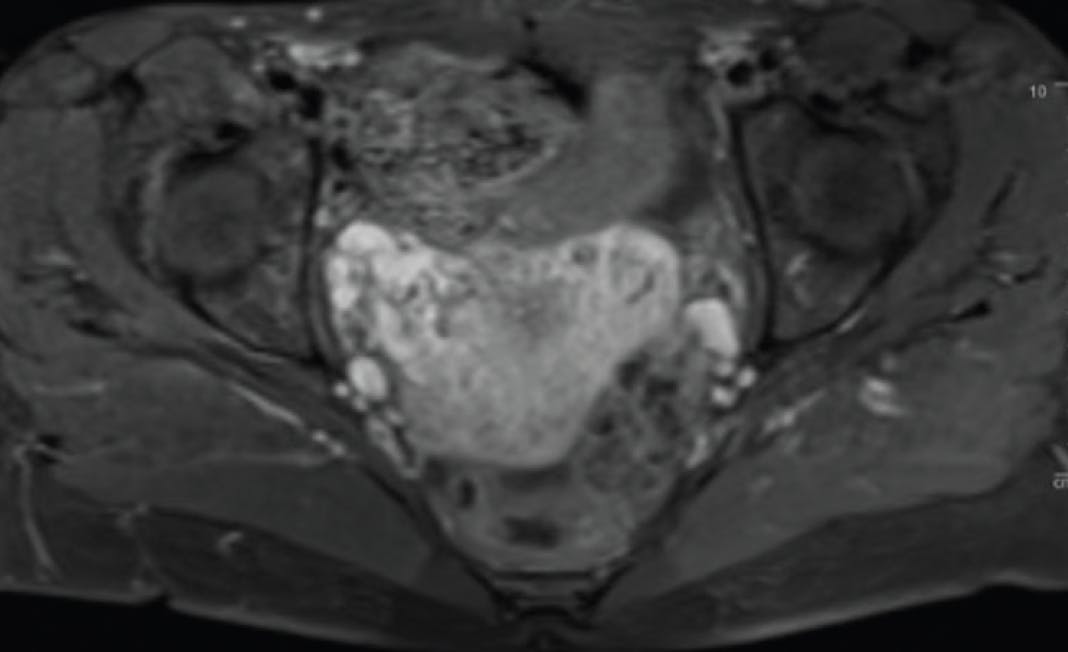
Figure 2. Pelvic MRI (pre-hysterectomy).
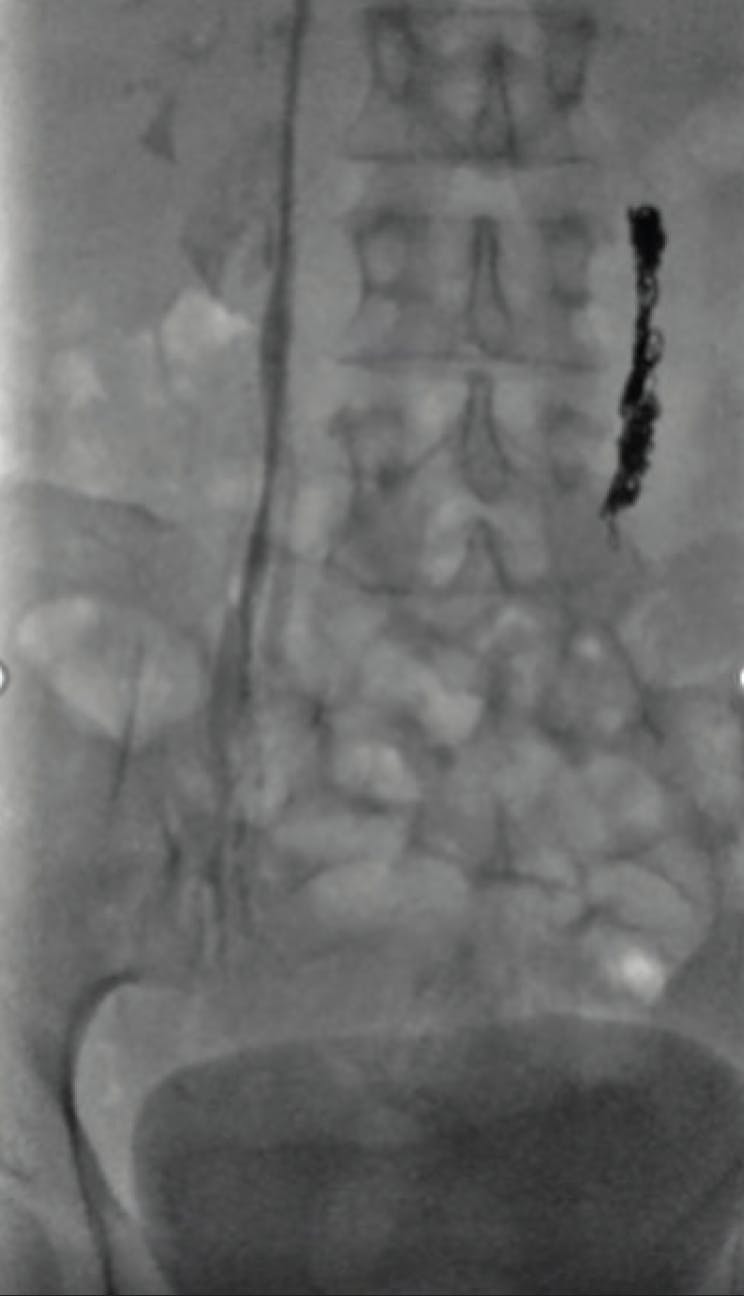
Figure 3. POD coil delivered into the left gonadal vessel.
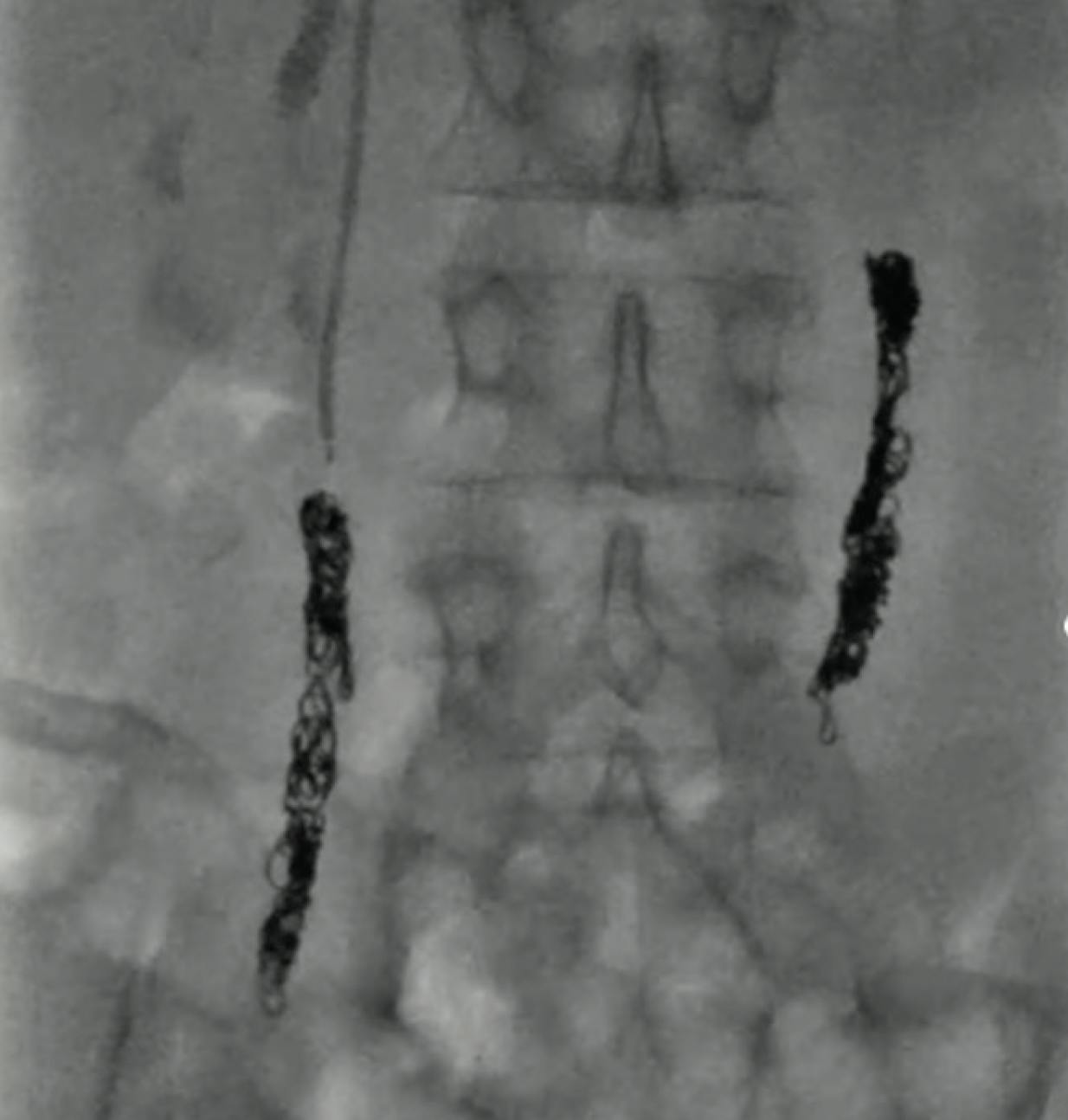
Figure 4. Postprocedure image.
GONADAL VEIN EMBOLIZATION
PATIENT PRESENTATION
A G3P3 woman in her early 30s presented with noncyclic pelvic pain (CPP) in the left lower quadrant and bilateral suprapubic regions with associated fatigue for 4 years. She started having CPP after her second birth that had progressively worsened with every subsequent pregnancy. She was taking oral contraceptive pills, and her periods were regular. She described the pain as cramping level 7/10 on VAS with pelvic heaviness that was worse at the end of the day. She also reported having urinary urgency. Although she denied dyspareunia, she reported persistent post-coital pain. Her symptoms were greatly impacting quality of life, as she had to lay flat most of the day to relieve her discomfort. She denied back or renal pain and had no history of vulvar and/or leg varicose veins in the lower extremities. Initial pelvic venographic evaluation demonstrated bilateral gonadal vein reflux and the presence of dilated periuterine varices (pelvic varices).
INTERVENTION
Access was obtained through the internal jugular vein and a 5-F diagnostic catheter was used to access the gonadal veins. A 2.6-F Lantern catheter was advanced into the pelvic varices. To begin, a POD 6 was delivered, followed by a 4-mm and 30-cm Ruby® Standard Coil (Penumbra, Inc.), capped with Packing Coils for complete mechanical occlusion (Figure 1, Figure 2, and Figure 3). After embolization, the final angiogram showed complete occlusion of the bilateral gonadal veins and the patient was discharged. At a 3 month clinic follow-up, the patient reported significant improvement of pelvic pain and post-coital pain with a meaningful decline in VAS score.
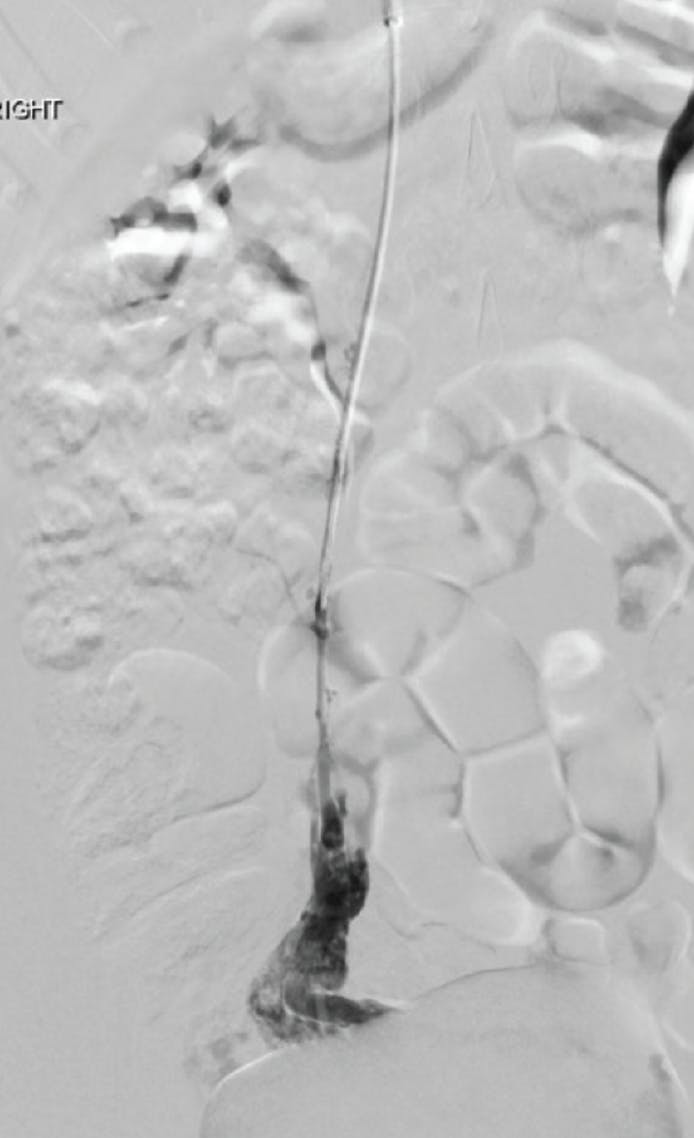
Figure 1. Initial angiogram.
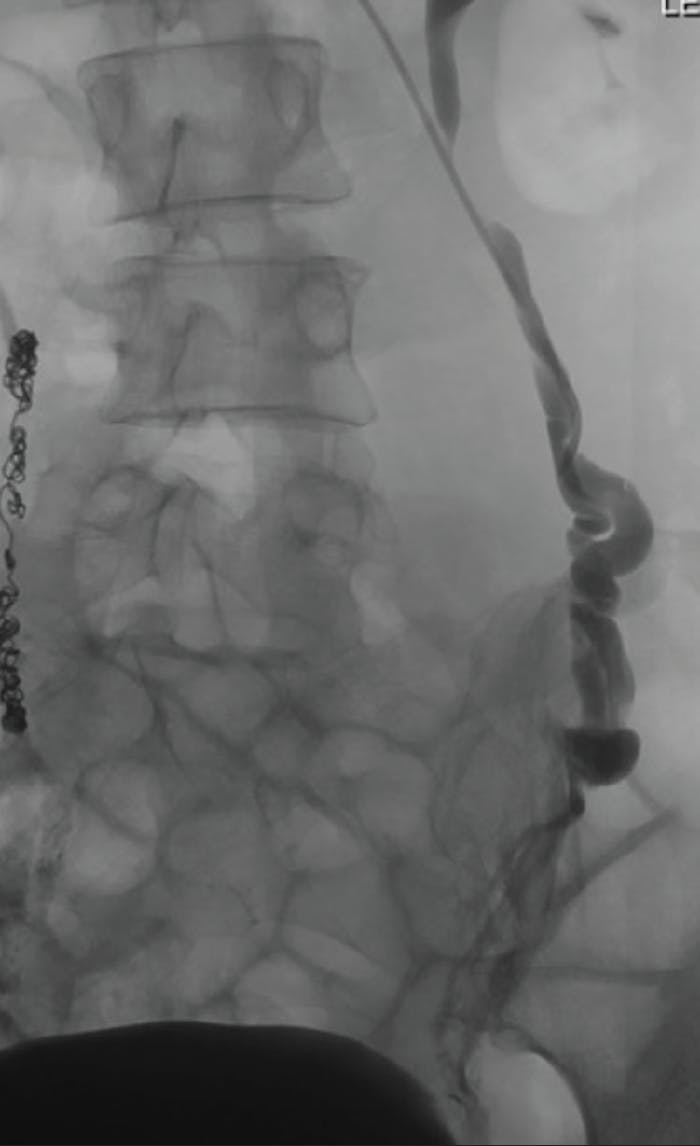
Figure 2. Intraprocedural angiogram.
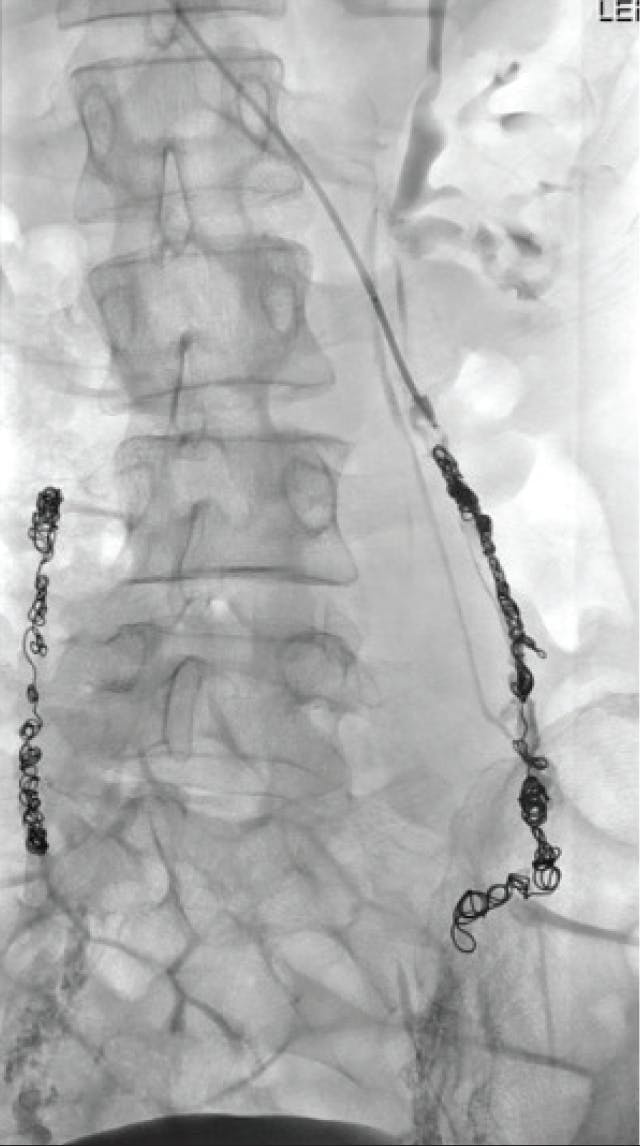
Figure 3. Completion venogram.
Disclaimer: The opinions and clinical experiences presented herein are for informational purposes only. The results may not be predictive of all patients. Individual results may vary depending on a variety of patient-specific attributes.
Advertisement
Advertisement