Advertisement
Advertisement
March 2024
Sponsored by Shockwave Medical
Shockwave Peripheral IVL: Size for Success
Oversizing by 10% for optimal peripheral IVL results.
With Sasanka Jayasuriya, MD, FACC, RPVI, FSCAI, and Paul J. Foley III, MD

How do you typically size your endovascular tools? With Shockwave Peripheral Intravascular Lithotripsy (IVL; Shockwave Medical)?
I use both noninvasive imaging and intraprocedural imaging for sizing of endovascular tools. To set oneself up for procedural success in patients with chronic limb-threatening ischemia (CLTI), it’s important to collect as much information as possible prior to the procedure.
If preprocedural ultrasound or CTA imaging is available, review of this imaging could guide access site and sheath size, enabling a wider choice of endovascular tools for the procedure. Although these imaging modalities could also guide sizing of balloons and stents, I personally opt to use intravascular ultrasound (IVUS) during the procedure. In addition to real-time sizing, IVUS helps clearly guide the location and morphology of the diseased segments.
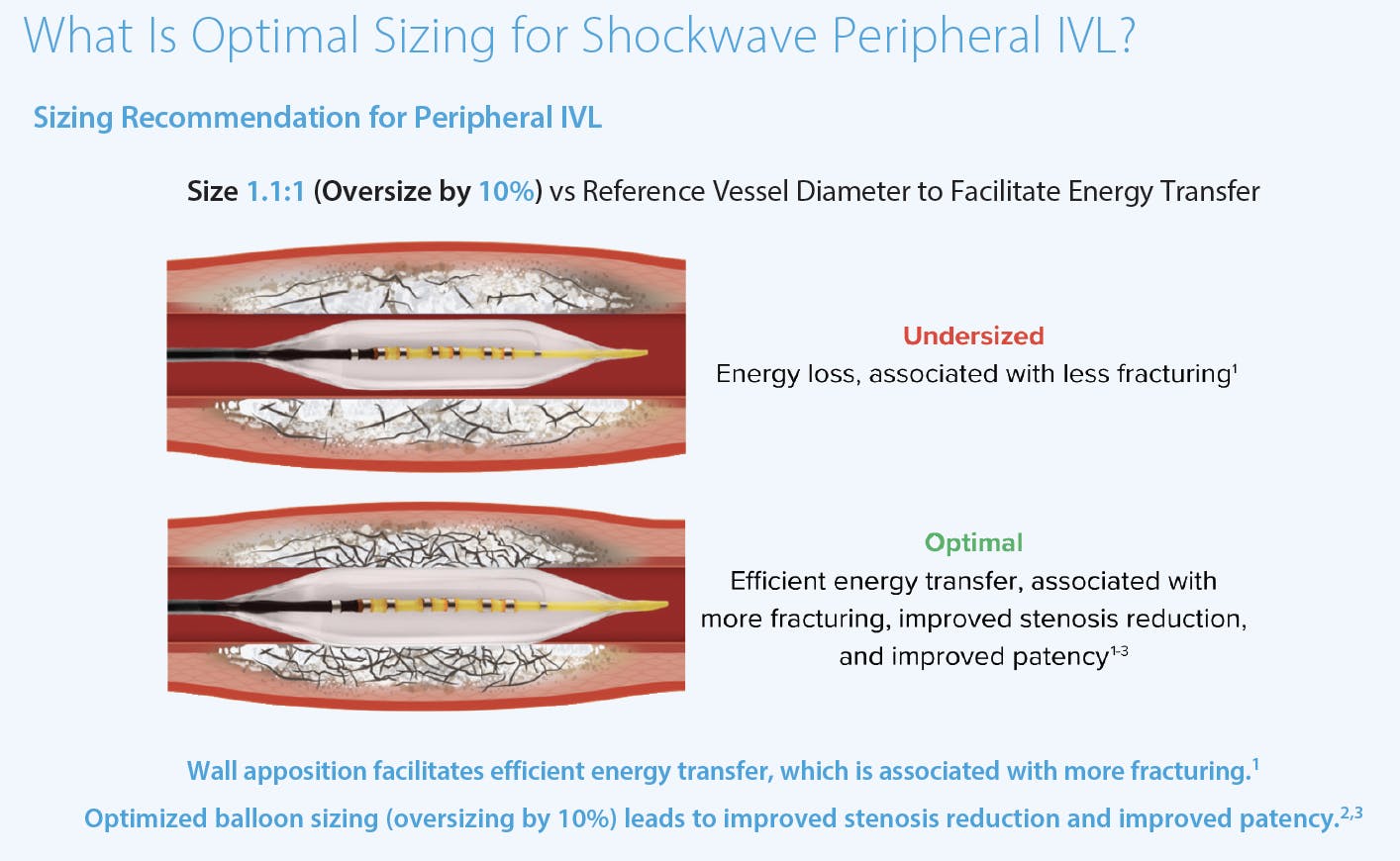
When utilizing IVUS and Shockwave Peripheral IVL, I now oversize the balloon by 10% to the healthy reference vessel diameter (RVD). If CTA and ultrasound images are reviewed prior, the sheath size and access site will be appropriately sized to accommodate the IVL catheter and ensure catheter length would reach the lesion. For example, if the superficial femoral artery (SFA) is 6 mm in diameter, a 7-F sheath allows for optimally sized 6.5-mm IVL catheter delivery. If a distal tibial lesion is treated, ipsilateral antegrade common femoral artery (CFA) access may be needed depending on body habitus.
Have you always oversized by 10%? If not, what was the pivotal moment that led you to this optimal sizing practice?
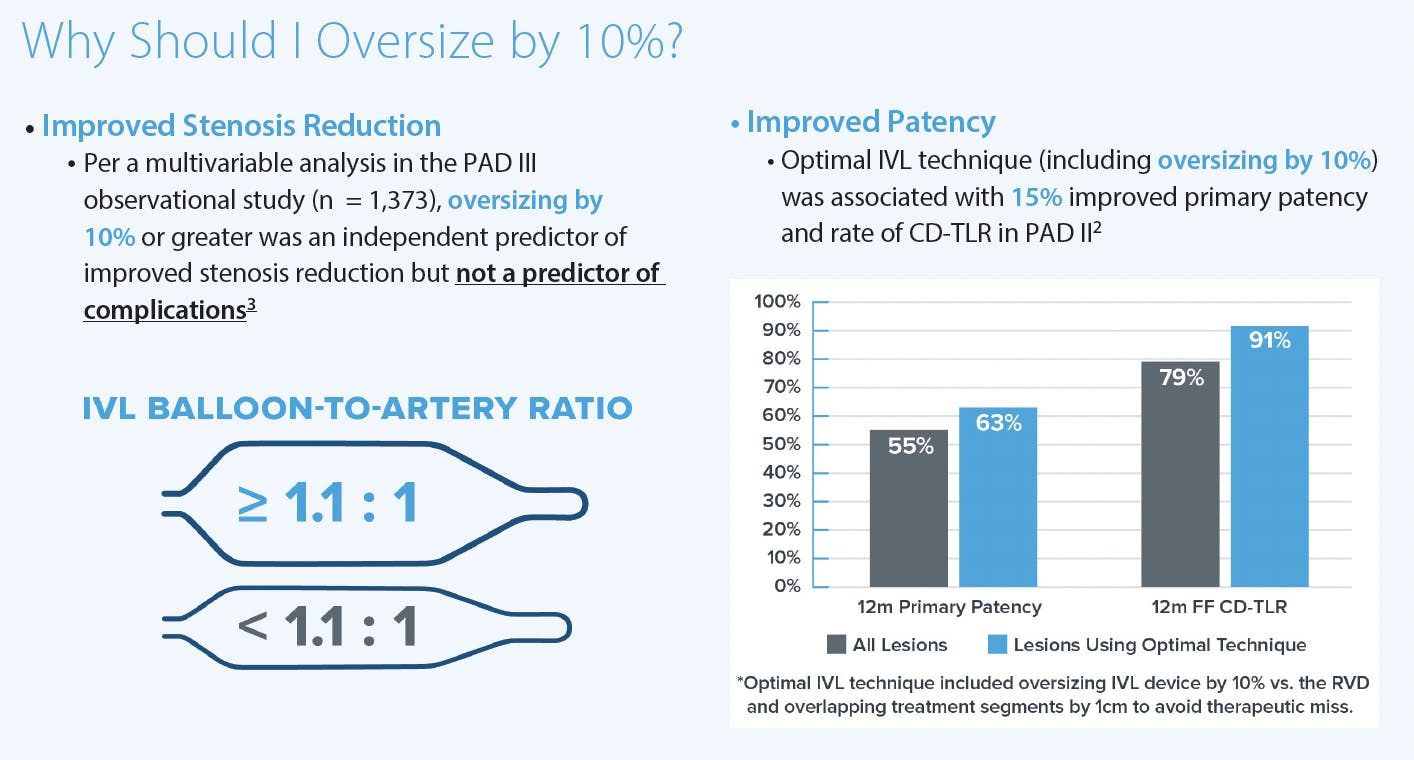
No, I didn’t. Because the data from DISRUPT PAD II and DISRUPT PAD III showed that oversizing improved stenosis reduction, I began to look closely at the safety data.1,2 Considering there was no signal of increased complications of perforation, dissection, or embolization, I began to cautiously oversize Shockwave balloons, and as my personal experience was very favorable in terms of lack of complications and optimal stenosis reduction, I now oversize in 100% of cases.
What would you tell someone if they had concerns with oversizing by 10%?
The IVL catheter is inflated at very low pressures of 2 to 4 atm; therefore, the balloon is not nominally dilated. IVL's mechanism of action relies on sonic pressure waves to crack calcium, not mechanical force from the balloon itself. Therefore, oversizing helps with optimal apposition as the vessel is dilated. If you were to watch the vessel dilate on fluoroscopy while pulses are delivered, it is clear that, as the vessel dilates, the entire balloon reaches apposition of the target segment at low pressure with uniform dilatation.
Is your sizing algorithm the same across vessel beds?
I oversize by 10% for all peripheral vessel beds.
What imaging modality do you use for your measurements?
I use IVUS for intraprocedural imaging. Studies have repeatedly shown that angiography alone underestimates vessel diameter.4,5 As we know that optimal sizing improves stenosis reduction and patency, I use IVUS to optimally size devices.
Any tips or tricks on appropriately sizing Shockwave Peripheral IVL, or general use?
Regarding sizing, having IVUS readily available in the lab is important. In instances where delivering the IVL balloon through calcific vessels is challenging over a 0.014-inch wire, predilatation of the tract with a 2-mm balloon solves the issue. Usually if the IVUS catheter delivers, the IVL catheter would also deliver, so that is a good reference for me. If treating a long segment, start with the most distal area to be treated, and make sure there is overlap of at least one emitter length when withdrawing the balloon for treatment of the adjacent segment, to avoid geographic miss.
1. Kereiakes DJ, Virmani R, Hokama JY, et al. Principles of intravascular lithotripsy for calcific plaque modification. JACC Cardiovasc Interv. 2021;14:1275-1292. doi: 10.1016/j.jcin.2021.03.036
2. Brodmann M, Werner M, Holden A, et al. Primary outcomes and mechanism of action of intravascular lithotripsy in calcified, femoropopliteal lesions: results of Disrupt PAD II. Catheter Cardiovasc Interv. 2019;93:335-342. doi: 10.1002/ccd.27943
3. Data on file at Shockwave Medical.
4. Arthurs ZM, Bishop PD, Feiten LE, et al. Evaluation of peripheral atherosclerosis: a comparative analysis of angiography and intravascular ultrasound imaging. J Vasc Surg. 2010;51:933-938. doi: 10.1016/j.jvs.2009.11.034
5. Hitchner E, Zayed M, Varu V, et al. A prospective evaluation of using IVUS during percutaneous femoral artery interventions. Ann Vasc Surg. 2015;29:28-33. doi: 10.1016/j.avsg.2014.07.026
CASE 1: SUCCESSFUL REVASCULARIZATION OF A MID SFA CTO AFTER SHOCKWAVE IVL AND DCB ANGIOPLASTY
Case Presentation
A woman in her early 80s was referred for a second opinion for CLTI. She was admitted to a peripheral hospital with osteomyelitis of the right hallux, which was amputated. Due to poor wound healing and complex medical conditions, she was transferred for further evaluation and treatment. Her past medical history was complex with ischemic cardiomyopathy and left ventricular ejection fraction of 25%, stage 4 chronic kidney disease (glomerular filtration rate, 26 mL/min/1.73 m2), coronary artery disease (CAD) with prior coronary bypass surgery, moderate-to-severe chronic obstructive pulmonary disease, and anemia. An implantable cardioverter defibrillator was declined. The patient was very clear on her short- and long-term goals of care. Although renal replacement therapy and invasive cardiac procedures were declined by the patient, her main aim was to be present at her granddaughter’s wedding in 6 weeks several states away, and she agreed to consider invasive treatment for this reason.
Noninvasive imaging revealed noncompressible ankle-brachial index (ABI) levels and toe pressures of 0 mm Hg on the right and 0.3 mm Hg on the left (Figure 1). A duplex ultrasound identified an intermediate-length chronic total occlusion (CTO) of the right mid SFA with collaterals from the profunda femoris leading to reconstitution of the P1 segment of the right popliteal artery. Duplex ultrasound identified an intermediate-length CTO of the right mid SFA, with collaterals from the profunda femoris leading to reconstitution of the P1 segment of the right popliteal artery.
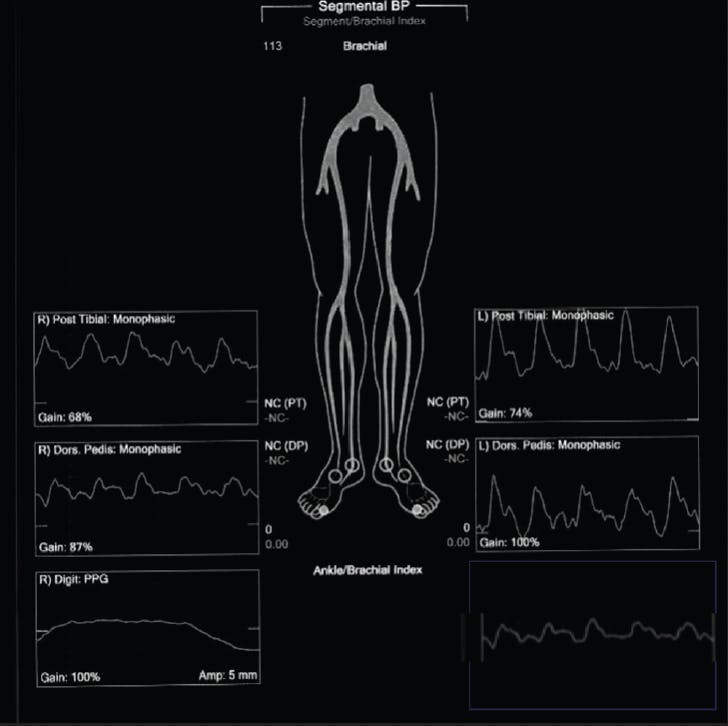
Figure 1. Results of noninvasive testing.
Procedural Overview
The anatomy of the lesion when considered in isolation was not exceptionally challenging; however, considering the significant tenuous nature of the patient’s medical status, it was important that utmost care was taken to foresee and avoid potential complications. Renal failure due to contrast-induced nephropathy, acute heart failure, or hypovolemia was a significant risk. Further, bleeding, decompensated cardiac status, and arrhythmia were a concern. For imaging, CO2 angiography and IVUS were used. Moderate sedation required a careful balance between avoiding hypercarbia but adequate enough for imaging, considering CO2 angiography–related pain.
Access was achieved in the contralateral CFA under ultrasound guidance, and a 6-F sheath was placed by micropuncture technique. A Soft-Vu Omni Flush catheter (AngioDynamics, Inc.) was advanced to level of the renal arteries, and aortic angiography was performed (Figure 2). The distal aorta and bilateral common iliac arteries (CIAs), external iliac arteries, and CFAs were patent. The catheter was advanced to the right CFA, and angiography with runoff of the right lower extremity was performed, identifying the 100-mm CTO of the mid SFA. The lesion was crossed with a V-18 ControlWire guidewire (Boston Scientific Corporation) and NaviCross support catheter (Terumo Interventional Systems). IVUS was performed with an Eagle Eye IVUS catheter (Philips) (Figure 3).
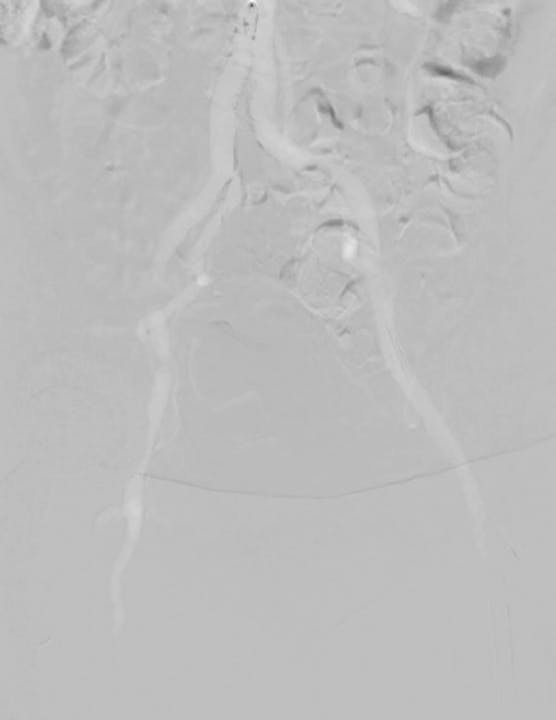
Figure 2. Aortic angiogram.
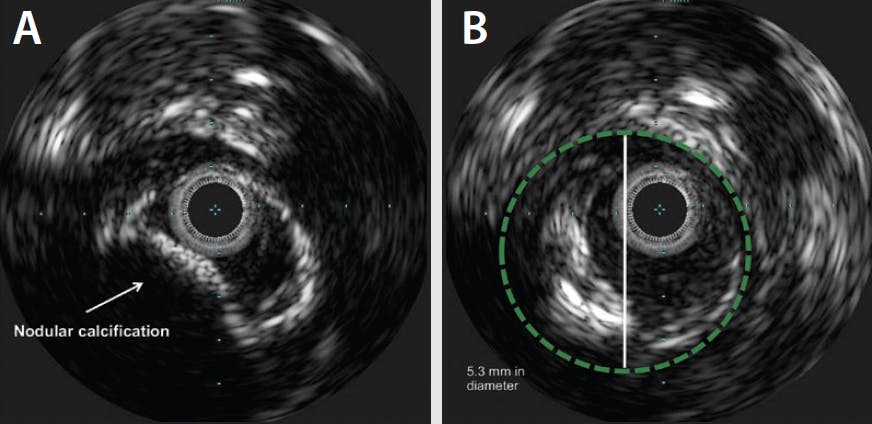
Figure 3. IVUS showing intraluminal wire crossing and circumferential and nodular calcification (A). The index SFA segment was 5.3 mm (B).
IVUS images revealed intraluminal wire crossing within the index SFA segment of 5.6 mm in diameter. IVUS revealed that the lesion had circumferential calcification. Therefore, a Shockwave IVL 6-mm catheter was advanced to the distal SFA with inflation to 2 atm, and 30 seconds of pulses were delivered with sequential pullback allowing for overlap between treatment zones. Repeat IVUS revealed patency with areas of calcium fracture secondary to Shockwave therapy (Figure 4). A 6 X 120-mm Lutonix drug-coated balloon (DCB; BD Interventional) was inflated for final treatment. CO2 angiography revealed an excellent result. The ulcer improved with aggressive wound care over the ensuing weeks.
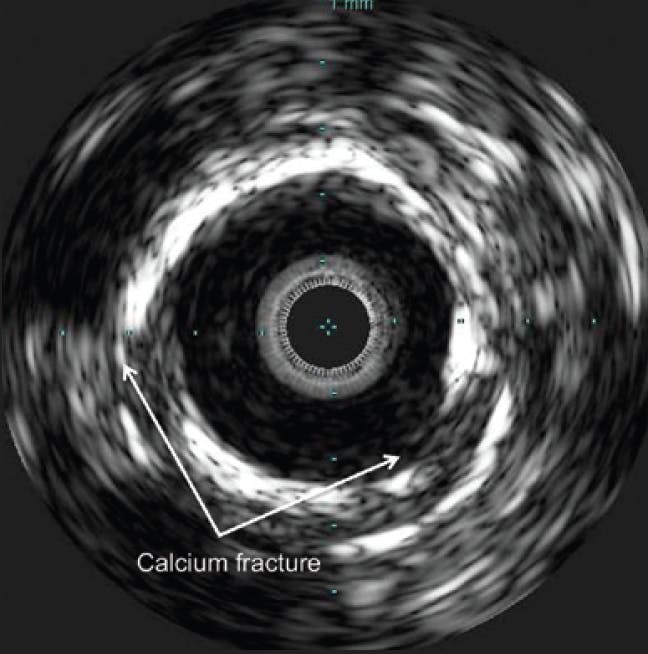
Figure 4. Repeat IVUS showing patency with areas of calcium fracture after Shockwave IVL.
Discussion
An important aspect of this case is the necessity to prevent any complications, as any minor complication could result in a poor outcome. We opted for Shockwave IVL over atherectomy due to the reduced risk of dissection and distal embolization. The best option was to not leave behind a scaffold, as her intermediate-term tolerance to dual antiplatelet therapy was not known. Hence, optimal lesion preparation with Shockwave allowed for DCB therapy without stent placement. Utilization of CO2 angiography, IVUS, and even a radiopaque marker with careful planning could allow for zero contrast interventions. With the above tools, we were able to successful achieve revascularization and improvement in wound condition.
CASE 2: USE OF ANTEGRADE ACCESS, SHOCKWAVE IVL, AND PTA TO TREAT HIGH-GRADE CALCIFIC STENOSES IN THE PT AND PERONEAL ARTERIES
Case Presentation
A man in his early 50s presented for evaluation of CLTI with ulceration of the right hallux and heel. His past medical history included peripheral artery disease with a healed left transmetatarsal amputation, type 2 diabetes on long-term insulin, and CAD with prior coronary artery bypass grafting. Noninvasive imaging revealed noncompressible ABI values and critically decreased toe-brachial indices (TBIs).
He previously underwent angiography with access in the left CFA, which revealed high-grade stenosis in the right posterior tibial (PT) and peroneal arteries with subtotal occlusion of the anterior tibial (AT) artery, which reconstituted at the ankle via collaterals. He further had a high-grade calcific stenosis of the distal PT artery. Percutaneous transluminal angioplasty (PTA) was undertaken at the time, but because of the patient’s height (6 ft 3 in), the distal PT lesions were treated with balloon angioplasty alone. Due to poor wound healing, he returned for angiography 6 weeks later.
Procedural Overview
Antegrade access was obtained in the right CFA under ultrasound guidance by micropuncture technique. A 5-F Brite Tip sheath (Cordis) was placed and angiography was performed. The right SFA and popliteal arteries had calcific nonobstructive disease (Figure 1). The right proximal PT and peroneal arteries, previously treated with angioplasty, had significant restenosis (Figure 2). The distal PT artery was diffusely diseased and heavily calcified. The PT artery was crossed with a Fielder XT guidewire (Asahi Intecc USA, Inc.). Predilatation of the left PT was performed with a 1.5-mm balloon to the level of the ankle. IVUS evaluation revealed circumferential calcification. The distal PT was 2.2 mm in diameter (Figure 3). Considering the previously mentioned findings, a Shockwave S4 2.5-mm balloon was used for IVL of the entirety of the PT artery. There was some plaque shift to the ostial peroneal artery. Hence, simultaneous PTA was undertaken with a 2.5-mm balloon in the PT artery and a 2.5-mm balloon in the peroneal artery. Final angiography revealed excellent results with good flow to the pedal circulation (Figure 4). The patient’s wound healed in the following 4 weeks with aggressive wound care.
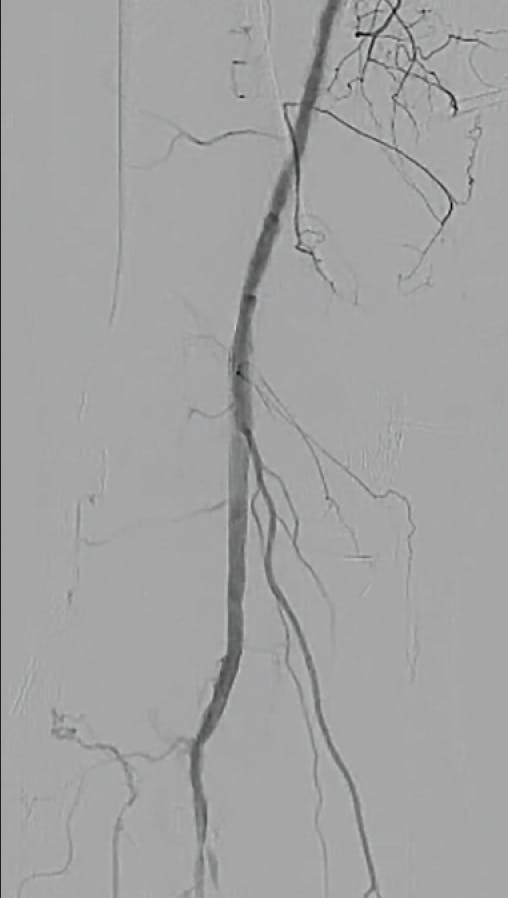
Figure 1. Angiogram of left SFA and popliteal arteries.
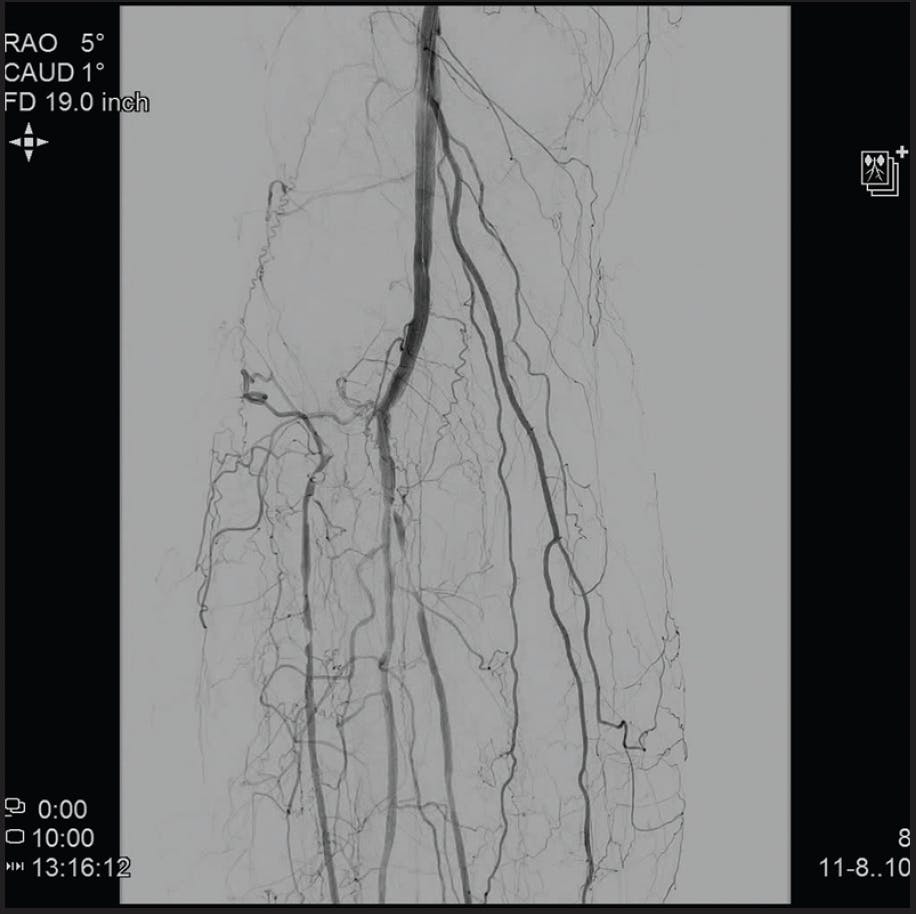
Figure 2. Angiogram of left proximal PT and peroneal arteries.
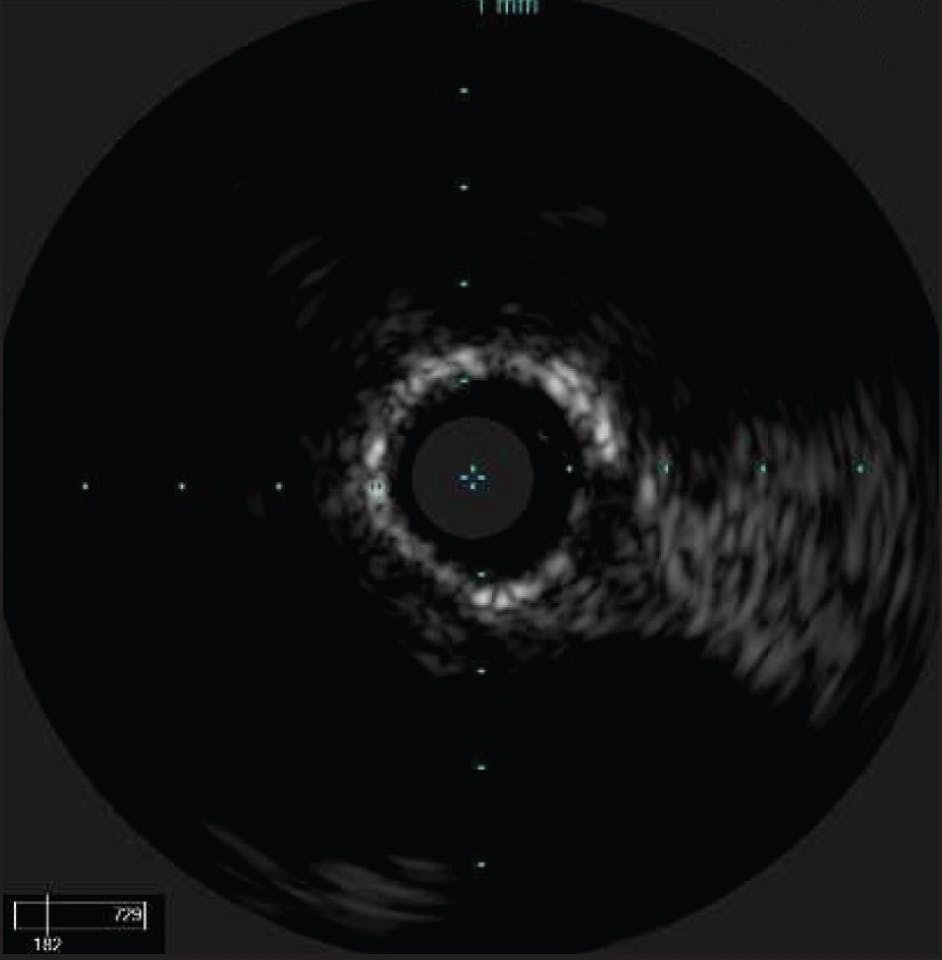
Figure 3. IVUS showing circumferential calcification. The distal PT was 2.2 mm in diameter.
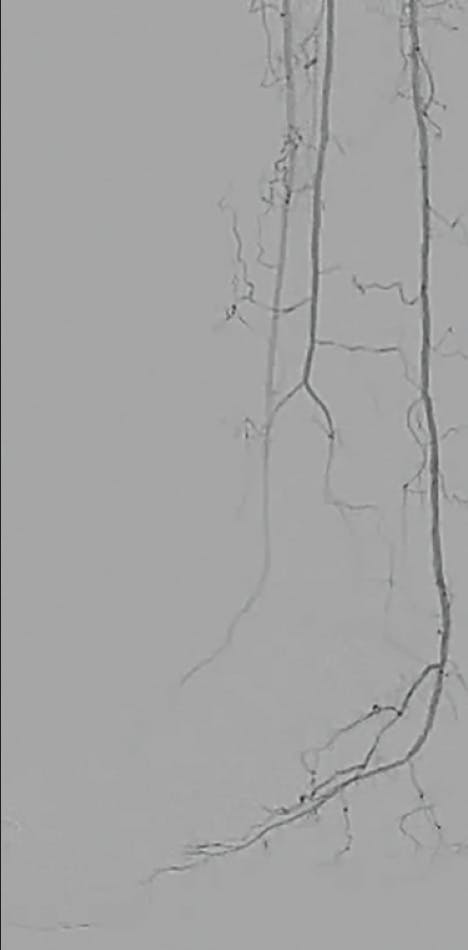
Figure 4. Final angiogram.
Discussion
This case was an example where planning access prior to the procedure resulted in a successful outcome. Considering the patient’s body habitus, atherectomy devices or IVL catheters did not reach the distal tibial arteries. Hence, utilizing an antegrade access approach expanded the treatment tool options necessary for the procedure, thus leading to an optimal result.

How were you first introduced to Shockwave IVL, and where did you first start using it?
I was first introduced to Shockwave IVL during vascular surgery fellowship training as a way to modify calcium to facilitate aortic device delivery through calcified iliac access. Not surprisingly, I first started using Shockwave IVL during aortic interventions to accomplish this same goal.
How and why did you expand your use?
I have consistently been underwhelmed with the technical results of balloon angioplasty and stenting in the setting of heavily calcified plaque. It is difficult to achieve the desired luminal gain, and you can be left with a suboptimal result where there is vessel recoil, inadequate stent expansion, or clear residual extrinsic compression on the stent by calcium that had simply been shifted aside. In this setting, the concept of calcium modification by IVL makes sense. I was impressed by the results I achieved using IVL in the iliac arteries and extrapolated its use in my practice for peripheral endovascular interventions, both above and below the inguinal ligament. I have been most impressed with the results I have achieved with IVL in the setting of bulky calcified plaque and with tibial artery interventions in general.
Tell us about your journey on comfort with sizing. How did you start, and how do you size today?
There is certainly a balance between achieving an outstanding technical result with balloon angioplasty and causing injury to the target vessel. This is particularly true for difficult lesions such as heavily calcified plaque where high balloon inflation pressures might be required. When I started using IVL, this was at the front of my mind, and as a result, I was regularly undersizing the Shockwave balloon. As I began to understand the technology more and recognize that lithotripsy pulses are delivered at relatively low balloon pressure (4 atm for Shockwave S4 and Shockwave M5+; 2 atm for Shockwave L6 [all Shockwave Medical]), I shifted away from seeing the Shockwave device as an angioplasty balloon and began to view it more as a vehicle to facilitate energy delivery into the calcified plaque. In order to achieve the desired energy delivery, I began to understand that a seamless interface between the Shockwave balloon and the calcified plaque is ideal. Once I shifted my thinking about the device, I then became much more comfortable using a 10% oversizing strategy relative to the target vessel diameter.
What imaging modality do you use for your measurements?
I size as much as I can from available cross-sectional imaging, preferably CTA. When this is not available to me, I will size directly off the arteriogram, sometimes utilizing measurement tools that are available in the imaging software of our hybrid operating room.
Has the adoption of Shockwave IVL impacted your definitive therapy?
I have been impressed with the number of times I have achieved an excellent technical result following IVL alone with no need for additional intervention. I have seen this in the iliac segment, femoropopliteal segment, and below the knee. This has been particularly satisfying when treating challenging anatomic areas such as the CFA, femoral bifurcation, and popliteal artery behind the knee.
Any tips or tricks on appropriately sizing Shockwave Peripheral IVL or general use?
For me, pivoting away from viewing the Shockwave IVL catheter as another balloon angioplasty device helped quite a bit to become comfortable with 1.1:1 oversizing. In the setting of severe calcification, bulky luminal calcified plaque, and severely diseased tibial artery targets, predilation with a smaller-diameter angioplasty balloon can be helpful to deliver and position the IVL catheter in the desired location. In the setting of long-segment disease involving the target artery, pulse delivery management with the IVL catheter is particularly important.
CASE 1: BILATERAL CIA STENOSES TREATED WITH SHOCKWAVE IVL AND STENTING
Case Presentation
A man in his early 60s with a past medical history notable for hypertension, hyperlipidemia, and significant smoking history presented to the office with debilitating bilateral lower extremity exertional pain. The physical examination was notable for weak femoral pulses bilaterally and nonpalpable pedal pulses bilaterally. Preoperative noninvasive arterial imaging demonstrated a right ABI of 0.75 and a left ABI of 0.77, with reduced high thigh pressures bilaterally. CTA of the abdomen, pelvis, and bilateral lower extremity runoff was obtained. CTA demonstrated high-grade stenoses with heavily calcified plaque involving the bilateral CIAs (Figure 1A), which measured 11 mm in diameter bilaterally (Figure 1B). Centerline reconstruction of the aortoiliac segment was also performed (Figure 2). The patient was taken to the operating room for a planned endovascular intervention.
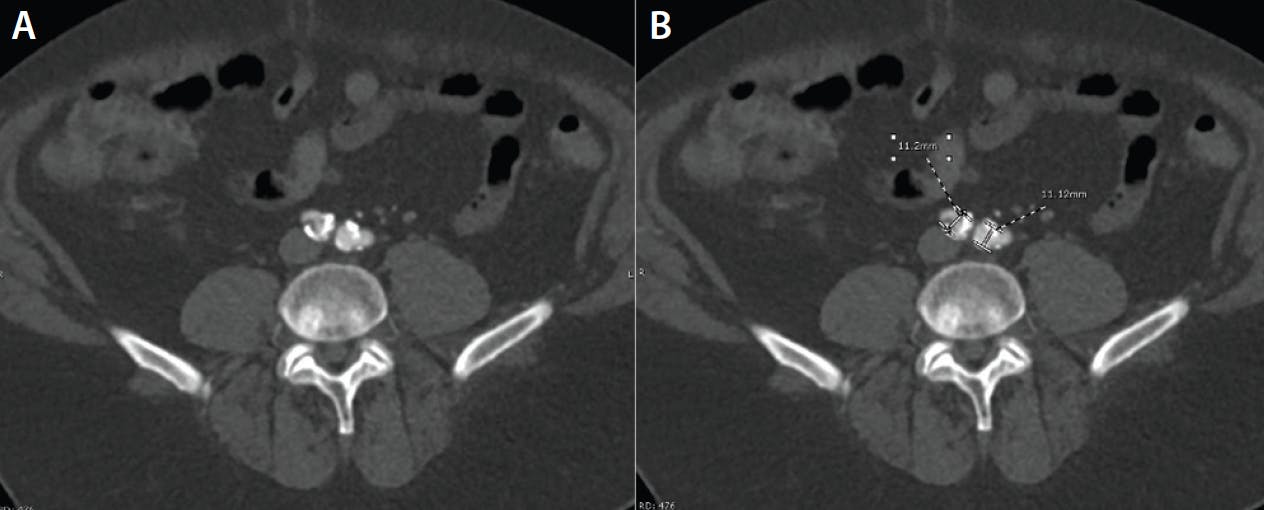
Figure 1. Preoperative CTA (A, B).
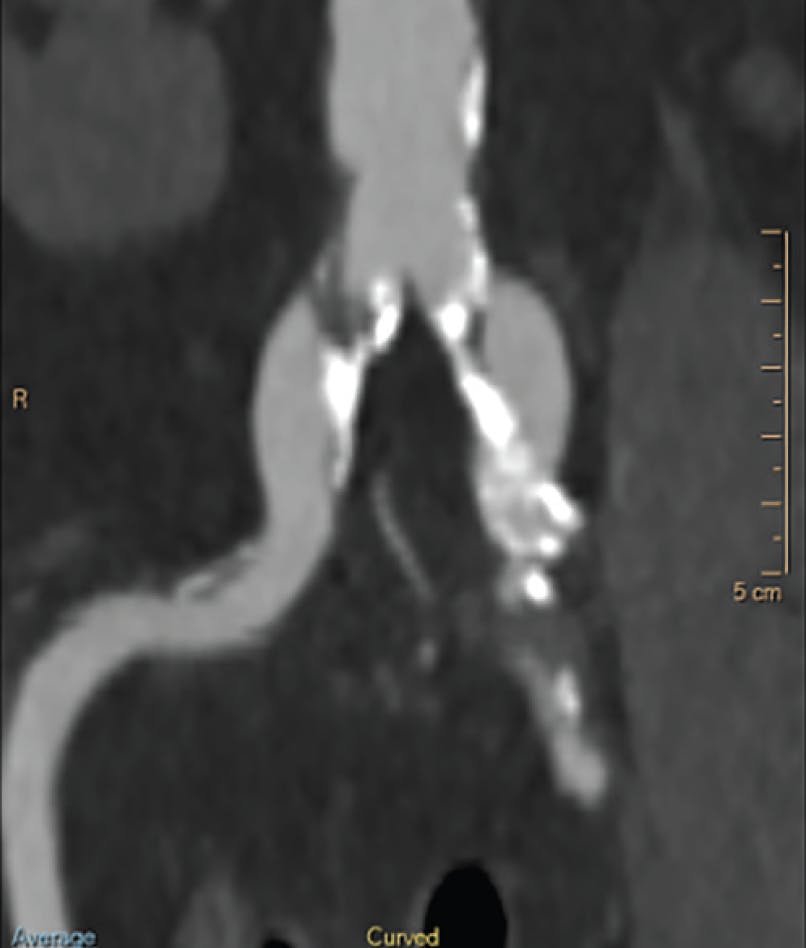
Figure 2. Preoperative CTA centerline reconstructions.
Procedural Overview
Bilateral CFA access was achieved. The bilateral CIA stenoses were crossed in a retrograde fashion. IVL sizing was based on the preoperative CTA. Bilateral Shockwave L6 12-mm balloons were positioned in the bilateral CIAs (Figure 3). IVL was performed and 300 pulses were delivered from each Shockwave L6 catheter bilaterally. A post-IVL arteriogram demonstrated significant improvement (Figure 4A). Covered stents were placed in the bilateral CIAs and postdilated to 12 mm. A completion arteriogram demonstrated an excellent technical result (Figure 4B). The patient’s postoperative course was unremarkable. He had complete resolution of his lower extremity symptoms and his ABIs normalized (ABI, 1.1 bilaterally). The postoperative duplex ultrasound demonstrated widely patent iliac artery stents bilaterally.
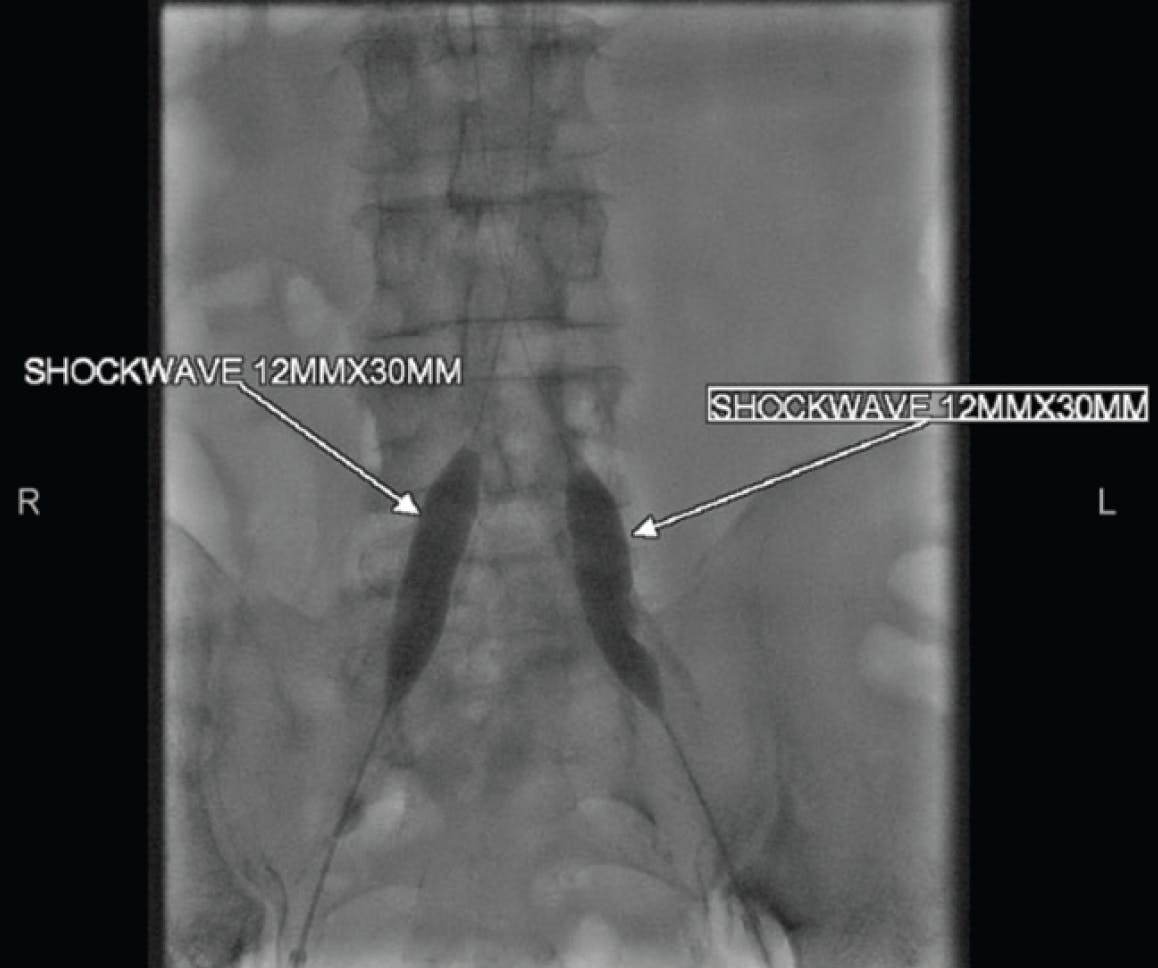
Figure 3. Bilateral Shockwave L6 12-mm balloons positioned in the bilateral CIAs.
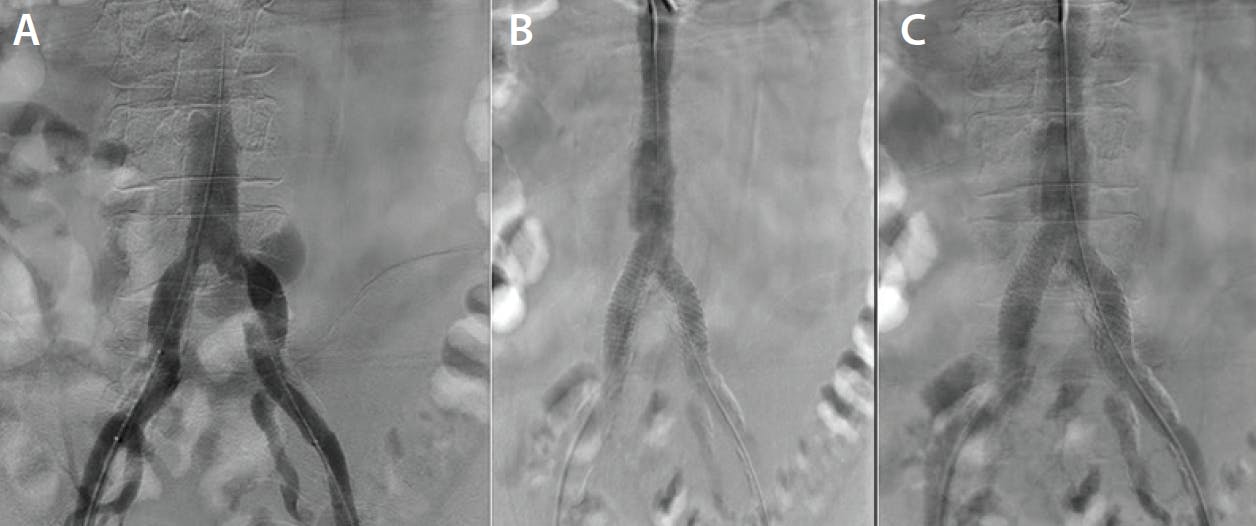
Figure 4. Post-IVL arteriogram (A). Post-IVL PTA with 10-mm covered stents placed at 12 mm bilaterally (B, C).
CASE 2: USE OF SHOCKWAVE IVL FOR CALCIFIED POPLITEAL STENOSIS
Case Presentation
A man in his late 70s with hypertension, hypercholesterolemia, CAD, and prior smoking history presented to the office with debilitating left calf claudication. His surgical history was notable for a left common femoral endarterectomy. Preoperative lower extremity arterial duplex ultrasound demonstrated bulky plaque in the left popliteal artery with velocities consistent with a high-grade stenosis (323 cm/sec; ratio, 7). He was taken to the operating room for a left lower extremity arteriogram and possible endovascular intervention.
Procedural Overview
An arteriogram demonstrated bulky, calcified plaque in the left popliteal artery behind and below the knee (Figure 1A). The calcified plaque was crossed, and predilatation was performed with a 4-mm angioplasty balloon. The 4-mm balloon was undersized based on the roadmap imaging (Figure 1B). A Shockwave M5+ 6-mm balloon was positioned across the calcified stenosis, and IVL was performed (Figure 1C). All 300 pulses were delivered and distributed across the length of the calcified popliteal stenosis. A completion arteriogram demonstrated an excellent technical result with brisk flow through the popliteal artery and only a mild residual mid popliteal artery stenosis (Figure 1D). No additional intervention was performed. The patient experienced immediate symptom resolution. Postprocedure ABI and TBI were within normal limits at 1.01 and 0.70, respectively. An arterial duplex ultrasound performed 8 months postprocedure demonstrated a widely patent left popliteal artery with no evidence of recurrent stenosis, and he remains symptom-free.
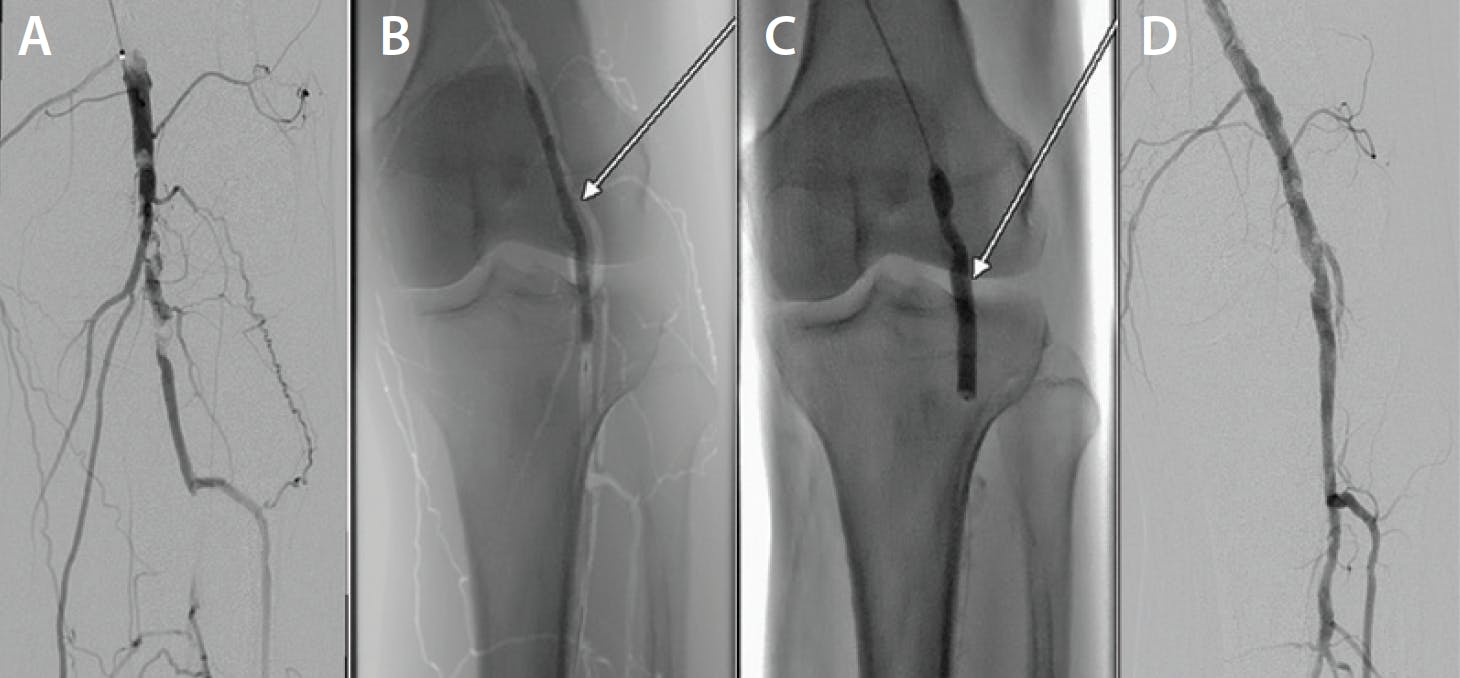
Figure 1. Pretreatment arteriogram (A). Undersized 4-mm PTA balloon (B). IVL performed with Shockwave M5+ 6.0-mm balloon (C). Completion arteriogram (D).
CASE 3: SUCCESSFUL TREATMENT OF AT ARTERY DISEASE WITH SHOCKWAVE IVL AFTER SUBOPTIMAL ANGIOPLASTY
CASE PRESENTATION
A man in his mid 60s with a history of hypertension, hyperlipidemia, diabetes, and CAD developed a left fourth toe infection with underlying osteomyelitis. Preoperative lower extremity arterial studies demonstrated an unmeasurable ABI on the left secondary to noncompressible arteries. The TBI was reduced at 0.41. He was taken to the operating room for diagnostic arteriography with possible endovascular intervention.
PROCEDURAL OVERVIEW
A left lower extremity arteriogram demonstrated significantly calcified tibial artery disease (Figure 1A). A high-grade calcified stenosis of the proximal AT artery was identified (Figure 1B) as well as a calcified occlusion of the mid AT artery (Figure 1C). The AT artery disease was crossed and predilated with a 2- X 80-mm PTA balloon. There was a suboptimal result with recoil stenosis identified and clear undersizing of the balloon (Figure 2). A Shockwave S4 3.0-mm balloon was subsequently positioned across the AT artery disease, and IVL was performed. All 160 pulses were delivered from the Shockwave S4 and distributed across the length of the AT artery disease (Figure 3). A completion arteriogram demonstrated an excellent technical result with a widely patent AT artery, brisk flow, no significant residual stenosis, and inline flow to the forefoot (Figure 4). The patient had a palpable dorsalis pedis pulse at the conclusion of the case. The subsequent toe amputation healed without issue. Postprocedure, TBI improved to 0.65.
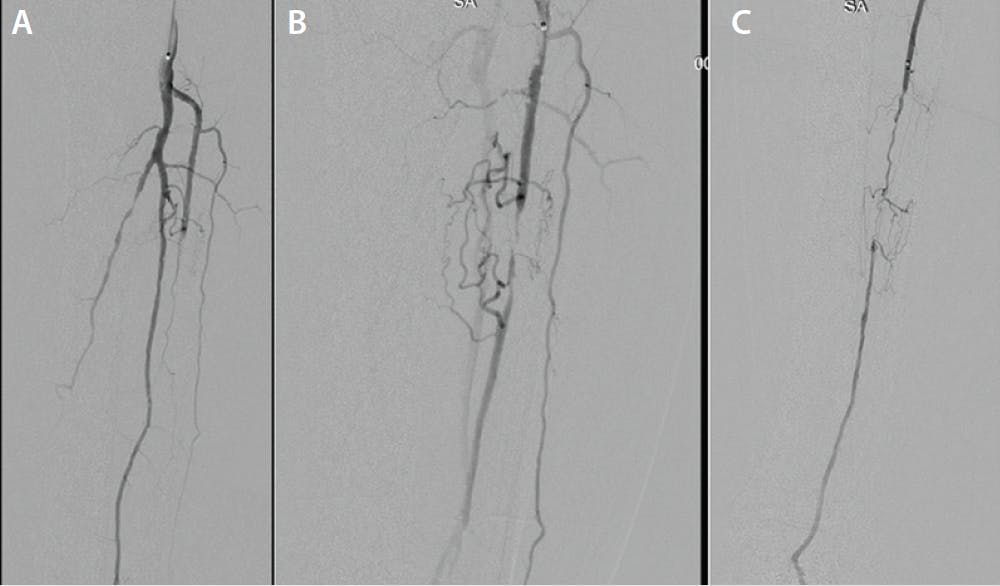
Figure 1. Pretreatment arteriogram showing proximal AT stenosis (A, B) and a mid AT occlusion (C).
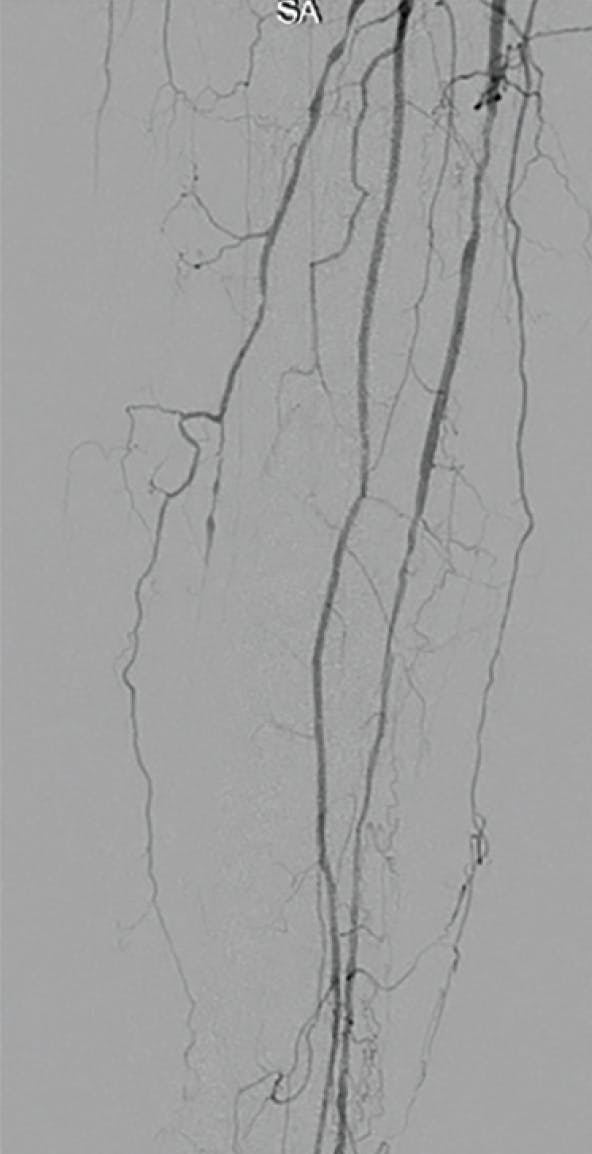
Figure 2. Suboptimal result after PTA with a 2- X 80-mm balloon.
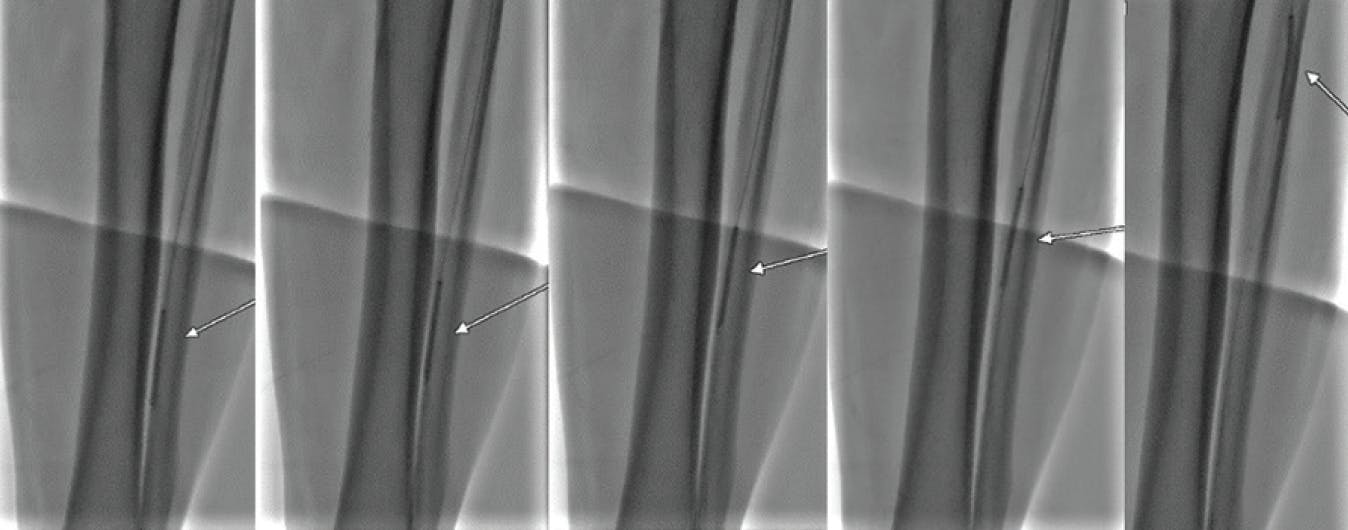
Figure 3. Shockwave S4 3.0-mm balloon to AT artery.
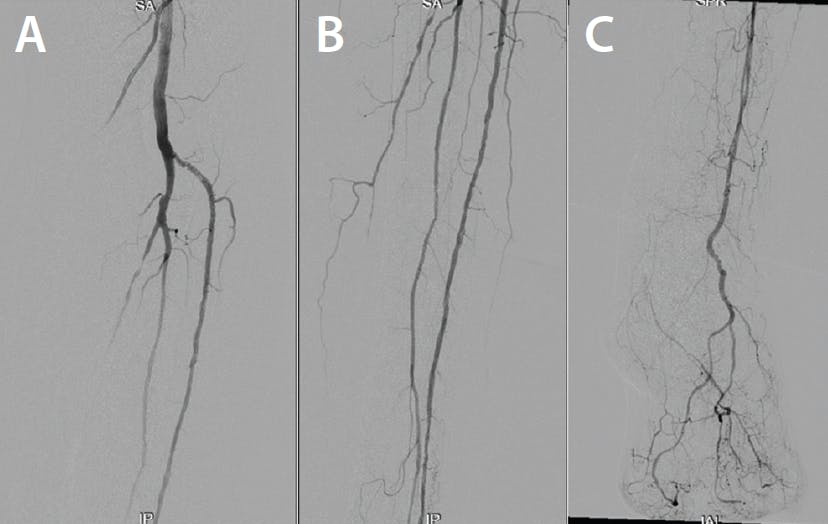
Figure 4. Completion arteriograms of the proximal (A), mid (B), and distal AT artery (C).
SPL-71365 Rev. A
All trademarks, logos, trade names, and brand names are the property of their respective owners or holders; solely for convenience, reference to the same in this document may appear without ® or ™ symbols, but such references are not intended to indicate in any way the status of such rights under applicable law.
Views expressed are those of the author and not necessarily those of Shockwave Medical.
Shockwave M5+, Shockwave M5, Shockwave S4 and Shockwave L6 Safety Information
In the United States: Rx only.
Indications for Use—The Shockwave Medical Intravascular Lithotripsy (IVL) System is intended for lithotripsy-enhanced balloon dilatation of lesions, including calcified lesions, in the peripheral vasculature, including the iliac, femoral, ilio-femoral, popliteal, infra-popliteal, and renal arteries. Not for use in the coronary or cerebral vasculature.
Contraindications—Do not use if unable to pass 0.014" (M5, M5+, S4) or 0.018" (L6) guidewire across the lesion-Not intended for treatment of in-stent restenosis or in coronary, carotid, or cerebrovascular arteries.
Warnings—Only to be used by physicians who are familiar with interventional vascular procedures—Physicians must be trained prior to use of the device—Use the generator in accordance with recommended settings as stated in the Operator’s Manual.
Precautions—use only the recommended balloon inflation medium—Appropriate anticoagulant therapy should be administered by the physician—Decision regarding use of distal protection should be made based on physician assessment of treatment lesion morphology.
Adverse effects–Possible adverse effects consistent with standard angioplasty include–Access site complications–Allergy to contrast or blood thinner–Arterial bypass surgery—Bleeding complications—Death—Fracture of guidewire or device—Hypertension/Hypotension—Infection/sepsis—Placement of a stent—renal failure—Shock/pulmonary edema—target vessel stenosis or occlusion—Vascular complications. Risks unique to the device and its use—Allergy to catheter material(s)— Device malfunction or failure—Excess heat at target site.
Prior to use, please reference the Instructions for Use for more information on indications, contraindications, warnings, precautions and adverse events. https://discover.shockwavemedical.com/ifu
Advertisement
Advertisement