Advertisement
Advertisement
May 2024
Sponsored by Reflow Medical
Spur RST: Maximizing BTK CLTI Treatment Outcomes Without Compromising Safety
Physicians describe their experiences using the Spur Retrievable Scaffold followed by a DCB as a novel CLTI therapy that facilitates acute luminal gain, minimizes vessel recoil, and enhances drug delivery.
With Jos C. van den Berg, MD, PhD; Marcus Thieme, MD; Marianne Brodmann, MD; Leyla Schweiger, MD; and Thomas Zeller, MD
The information presented and the device featured on this website is CE Mark approved for use in the EU. The Spur is indicated for treatment of de novo or restenotic infrapopliteal lesions, with reference vessel diameters ranging from 2.5 – 4.5mm, prior to treatment with a commercially available drug coated balloon.

Endovascular treatment of the below-the-knee (BTK) arteries plays an important role in the management of patients with chronic limb-threatening ischemia (CLTI). Compared to the femoropopliteal segment, there are still many issues with early restenosis. Several randomized controlled trials (RCTs) have demonstrated the benefit of stenting—and later, drug-coated balloons (DCBs)—in the femoropopliteal segment, and this has resulted in a trend to “leave as little as possible” behind. However, all randomized trials using DCBs in the BTK arteries have failed thus far.1-3 Drug-eluting stents (DESs) have demonstrated a benefit only in short lesions (mean length, 30 mm) in several randomized trials, including YUKON, ACHILLES, and DESTINY.4-6 Recently, the SAVAL trial used a drug-eluting, self-expanding stent in slightly longer lesions (mean lesion length, just under 7 cm) and failed to demonstrate a benefit.7 These results indicate that there are some unique challenges to overcome in the tibial arteries with the use of drug-eluting therapy, including calcification, vessel recoil, dissection, and lesion length.
Although no specific data are available for the BTK segment, it is known from a study in the superficial femoral artery that the presence of circumferential calcium is associated with higher restenosis rates after DCBs, indicating a problem with drug transfer.8 It is likely that intimal and medial calcification form a barrier for optimal management of infrapopliteal arteries.9
Vessel recoil, together with dissection and thrombosis, is a cause of early failure of percutaneous transluminal angioplasty (PTA) in patients with CLTI. One meta-analysis demonstrated that repeat intervention and amputation occur in 23.8% of patients within 30 days of the initial procedure.10 Another study demonstrated that vessel recoil occurs in up to 97% of BTK arteries within 15 minutes of PTA; a mean luminal compromise of 29% according to minimal lumen diameter (MLD) measurements was seen.11 The recoil effects are more pronounced and therefore the resulting lumen loss will be more clinically relevant in diabetic patients, who have a more rigid arterial wall and typically less luminal gain after PTA but the same absolute MLD lumen loss at 15 minutes. The authors of this study concluded that these findings support the role of dedicated mechanical scaffolding approaches for the prevention of restenosis in tibial arteries.
Positive results from the LIFE-BTK trial, which used a bioresorbable scaffold (BRS), also indicate that overcoming recoil is a necessity.12 One drawback of a BRS is that it takes time to resorb, and thus full restoration of vessel wall compliance and dynamics may not be achieved immediately postprocedure.
The final hurdle to overcome is the long lesion length (typically > 150 mm), which precludes DES placement and is a risk factor for restenosis.13
This article focuses on the Spur Retrievable Scaffold Therapy (RST) (Reflow Medical), a novel approach to CLTI treatment that enhances drug delivery to the adventitia and can overcome recoil. The Spur system consists of a retrievable nitinol scaffold with radial spikes integrated onto a 6-F balloon delivery system (Figure 1). The radial spikes create channels in the vessel wall to enhance drug absorption, change vessel compliance, and reduce recoil (Figure 2). When performing RST, the Spur can be deployed, recaptured, reused to cover a longer lesion length, and subsequently removed. This innovative device design allows for temporary placement within the affected vessel to restore blood flow and provide immediate relief to the patient. It also creates a means for more effective drug delivery from commercially available DCBs (either paclitaxel- or sirolimus-based) used after the RST to provide long-term patency to the vessel.

Figure 1. Fully deployed Spur System.
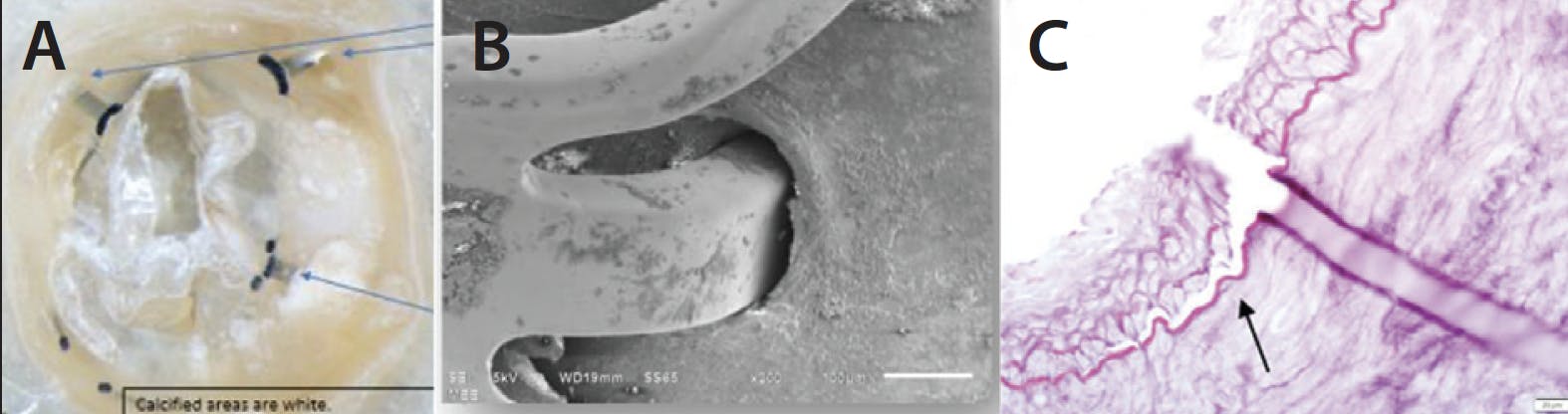
Figure 2. Spur scaffolding with novel spikes is designed to address the main challenges to BTK treatment. The Spur can pierce and penetrate calcification as shown in this cadaver study (A). Spur can disrupt the elastic lamina, leading to prevention of vessel recoil and decreasing uneven forces that contribute to dissection and perforation (B). The spikes create channels that improve drug uptake (C).
In an animal study, Spur-treated vessels showed channels in the vessel wall that were primarily free of fibrin, as well as disruption of elastic fibers that may aid in recoil inhibition. Deployment in a human specimen demonstrated the capability of the spikes to penetrate a heavily calcified vessel.14 The temporary mechanical scaffolding offered by Spur RST minimizes vessel recoil and dissections and increases acute luminal gain, as shown in the DEEPER OUS substudy. It is intended to deliver stent-like results while leaving nothing behind, therefore preserving future treatment options and reducing the need for adjunctive therapies. Promising clinical data have been seen in the DEEPER LIMUS, DEEPER OUS, and DEEPER studies (Table 1).15-17
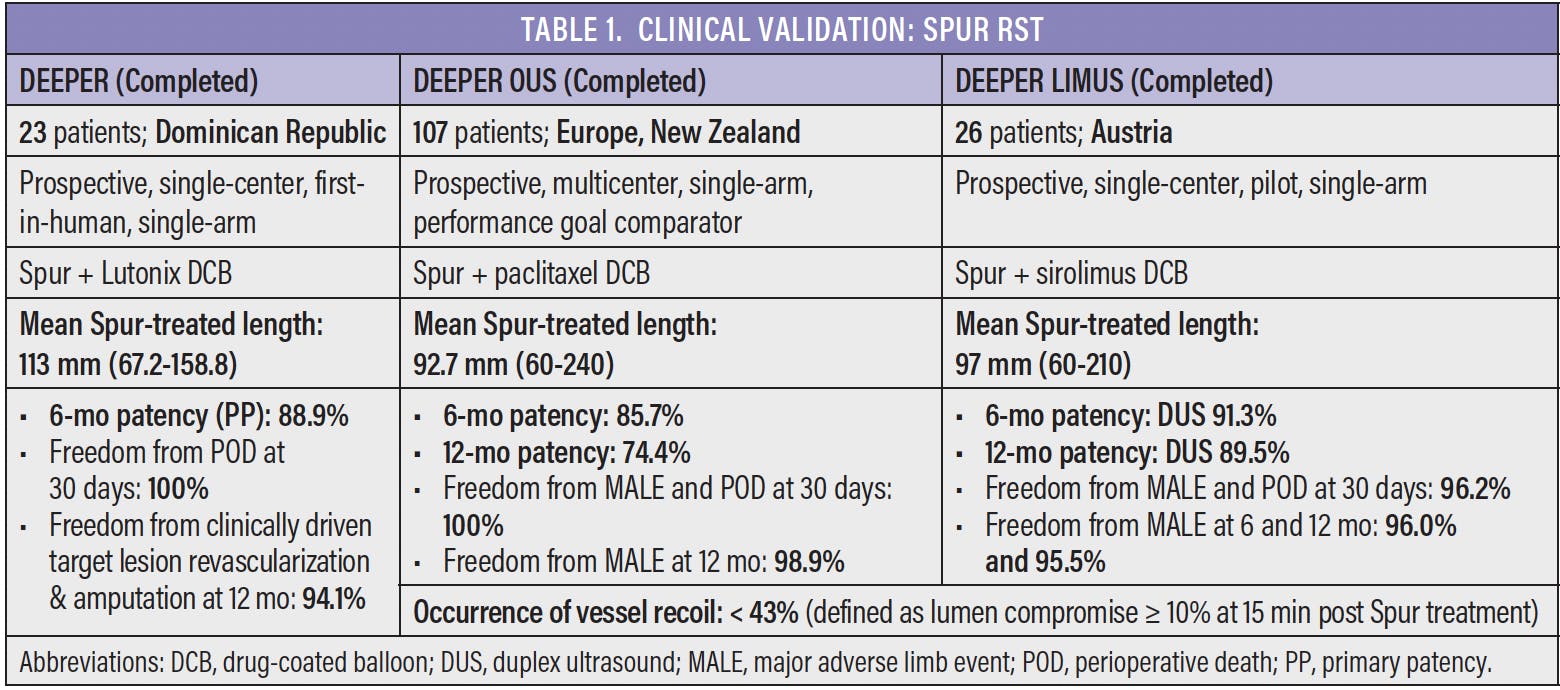
With a roundtable discussion and case reports from Marianne Brodmann, MD; Leyla Schweiger, MD; Thomas Zeller, MD; and Marcus Thieme, MD, this article highlights the features and clinical benefits of Spur RST followed by a DCB.
1. Zeller T, Beschorner U, Pilger E, et al. Paclitaxel-coated balloon in infrapopliteal arteries: 12-month results from the BIOLUX P-II randomized trial (BIOTRONIK’S-first in man study of the Passeo-18 LUX drug releasing PTA balloon catheter vs. the uncoated Passeo-18 PTA balloon catheter in subjects requiring revascularization of infrapopliteal arteries). JACC Cardiovasc Interv. 2015;8:1614-1622. doi: 10.1016/j.jcin.2015.07.011
2. Zeller T, Baumgartner I, Scheinert D, et al. Drug-eluting balloon versus standard balloon angioplasty for infrapopliteal arterial revascularization in critical limb ischemia: 12-month results from the IN.PACT DEEP randomized trial. J Am Coll Cardiol. 2014;64:1568-1576. doi: 10.1016/j.jacc.2014.06.1198.
3. Mustapha JA, Brodmann M, Geraghty PJ, et al. Drug-coated vs uncoated percutaneous transluminal angioplasty in infrapopliteal arteries: six-month results of the Lutonix BTK trial. J Invasive Cardiol. 2019;31:205-211.
4. Scheinert D, Katsanos K, Zeller T, et al. A prospective randomized multicenter comparison of balloon angioplasty and infrapopliteal stenting with the sirolimus-eluting stent in patients with ischemic peripheral arterial disease: 1-year results from the ACHILLES trial. J Am Coll Cardiol. 2012;60:2290-2295. doi: 10.1016/j.jacc.2012.08.989
5. Rastan A, Tepe G, Krankenberg H, et al. Sirolimus-eluting stents vs. bare-metal stents for treatment of focal lesions in infrapopliteal arteries: a double-blind, multi-centre, randomized clinical trial. Eur Heart J. 2011;32:2274-2281. doi: 10.1093/eurheartj/ehr144
6. Bosiers M, Scheinert D, Peeters P, et al. Randomized comparison of everolimus-eluting versus bare-metal stents in patients with critical limb ischemia and infrapopliteal arterial occlusive disease. J Vasc Surg. 2012;55:390-398. doi: 10.1016/j.jvs.2011.07.099
7. van Overhagen H, Nakamura M, Geraghty PJ, et al. Primary results of the SAVAL randomized trial of a paclitaxel-eluting nitinol stent versus percutaneous transluminal angioplasty in infrapopliteal arteries. Vasc Med. 2023;28:571-580. doi: 10.1177/1358863X231199489
8. Fanelli F, Cannavale A, Gazzetti M, et al. Calcium burden assessment and impact on drug-eluting balloons in peripheral arterial disease. Cardiovasc Intervent Radiol. 2014;37:898-907. doi: 10.1007/s00270-014-0904-3
9. Mustapha JA, Diaz-Sandoval LJ, Saab F. Infrapopliteal calcification patterns in critical limb ischemia: diagnostic, pathologic and therapeutic implications in the search for the endovascular holy grail. J Cardiovasc Surg (Torino). 2017;58:383-401. doi: 10.23736/S0021-9509.17.09878-0
10. Razavi MK, Mustapha JA, Miller LE. Contemporary systematic review and meta-analysis of early outcomes with percutaneous treatment for infrapopliteal atherosclerotic disease. J Vasc Interv Radiol. 2014;25: 1489-96, 1496.e1-3. doi: 10.1016/j.jvir.2014.06.018
11. Baumann F, Fust J, Engelberger RP, et al. Early recoil after balloon angioplasty of tibial artery obstructions in patients with critical limb ischemia. J Endovasc Ther. 2014;21:44-51. doi: 10.1583/13-4486MR.1
12. Varcoe RL, DeRubertis BG, Kolluri R, et al. Drug-eluting resorbable scaffold versus angioplasty for infrapopliteal artery disease. N Engl J Med. 2024;390:9-19. doi: 10.1056/NEJMoa2305637
13. Schmidt A, Piorkowski M, Werner M, et al. First experience with drug-eluting balloons in infrapopliteal arteries: restenosis rate and clinical outcome. J Am Coll Cardiol. 2011;58:1105-1109. doi: 10.1016/j.jacc.2011.05.034
14. Data on file at Reflow Medical.
15. Mustapha JA, Ibrahim A, Saab F, et al. A novel temporary stent for treatment of infrapopliteal arteries in conjunction with drug-coated balloon angioplasty: the DEEPER pilot study. J Crit Limb Ischem. 2022;2. doi: 10.25270/jcli/CLIG22-00007
16. Zeller T. 300.04 One-year results of the DEEPER OUS trial: the Bare Temporary Spur Stent System followed by a paclitaxel-coated balloon. J Am Coll Cardiol Intv. 2024;17(4 suppl):S33-S34.
17. Brodmann M. 300.03 One-year results of the DEEPER LIMUS trial: the Bare Temporary Spur Stent System in combination with a sirolimus-coated balloon. J Am Coll Cardiol Intv. 2024;17(4 suppl):S33.
Optimal Lesion Preparation With the Spur System in a Patient With a Nonhealing Wound and Occluded BTK Vessels

PATIENT PRESENTATION
A man in his late 70s presented to our institution with a nonhealing wound after undergoing amputation of the right big toe months previously (Figure 1). In addition to peripheral artery disease, the patient’s history was significant for diabetes mellitus; diabetic foot ulcers; a previous amputation of the first, second, and third right toes; chronic atrial flutter; and arterial hypertension. His ankle-brachial index (ABI) at initial presentation was 0.72, and initial duplex ultrasound revealed a suspected cross-sectional occlusion of the BTK vessels.
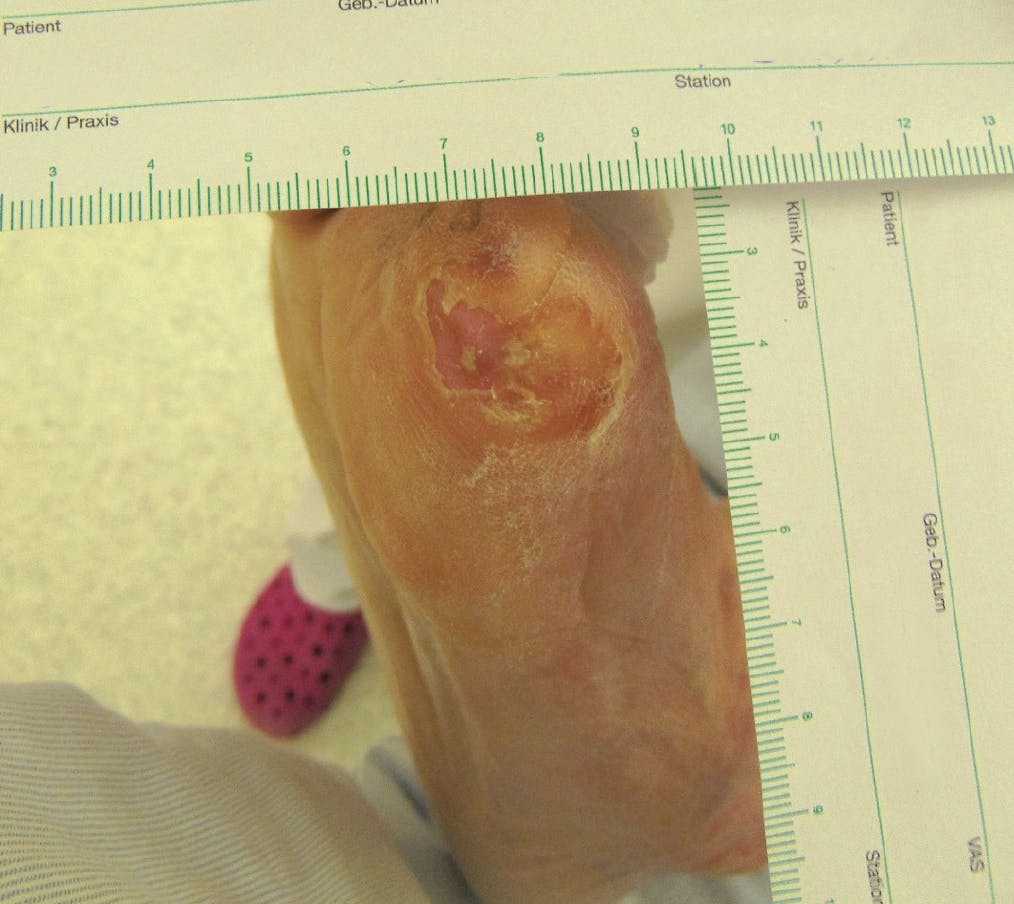
Figure 1. Baseline image of the nonhealing wound on the right foot.
PROCEDURAL OVERVIEW
Angiographic imaging showed patent femoropopliteal vessels (Figure 2A and 2B). The anterior tibial (AT) and posterior tibial (PT) arteries were completely occluded, and the proximal peroneal artery was highly stenosed over a distance of almost 12 cm (Figure 2C and 2D). The peroneal artery showed a very good collateral supply of the foot (Figure 2E), so the decision was made to recanalize this artery.
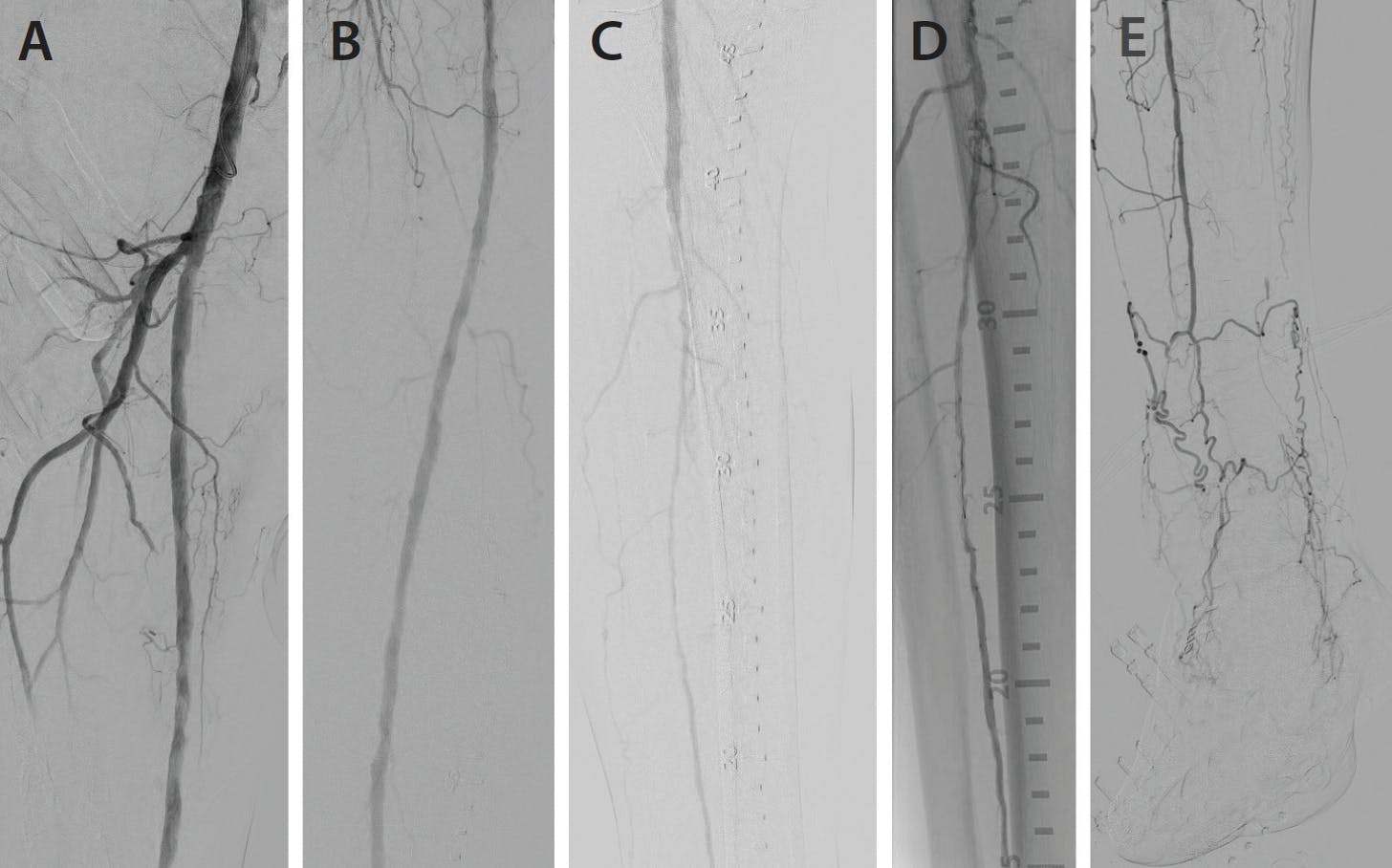
Figure 2. Angiograms of the femoropopliteal vessels (A, B) and PT and proximal peroneal arteries (C, D). Good collateral supply of the foot in the peroneal artery (E).
After crossing the lesion with a 0.014-inch guidewire, predilation was performed with a 2.5- X 120-mm balloon (Figure 3A). The lesion was then treated twice with the same 3- X 60-mm Spur device (Figure 3B-3E). After subsequent dilatation with a 3- X 150-mm Luminor paclitaxel-coated balloon (iVascular), the result was very satisfactory (Figure 4A and 4B), with good outflow into the foot (Figure 4C).
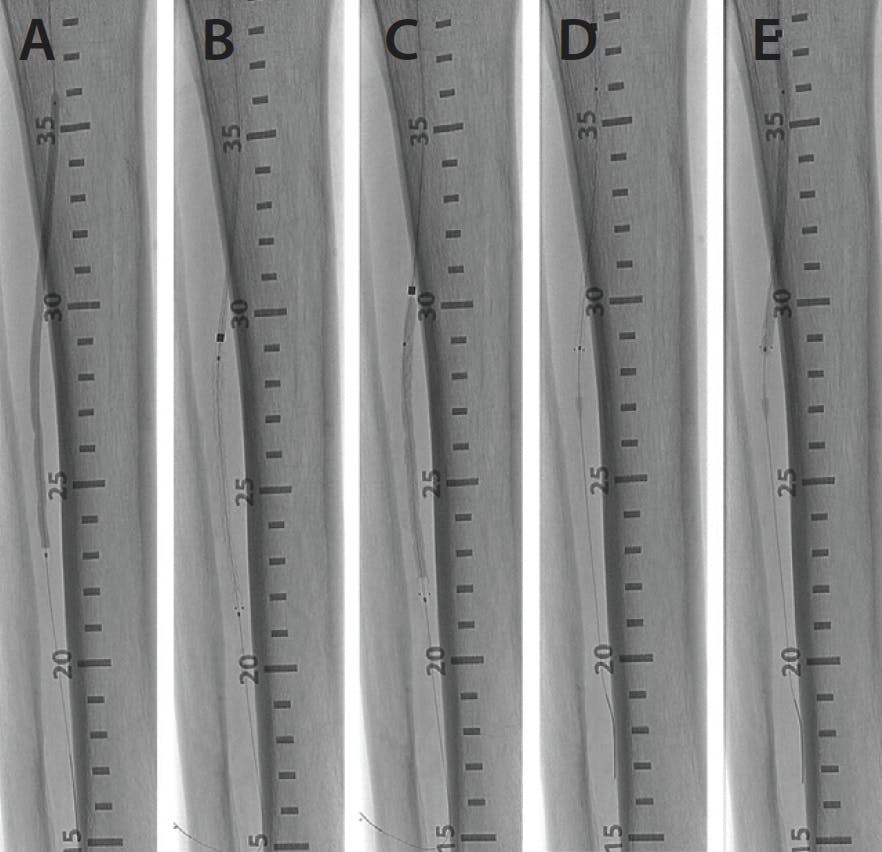
Figure 3. Angiograms showing predilation of the peroneal artery lesion (A), as well as the lesion with the native Spur RST (B, D) and with the inflated balloon (C, E).
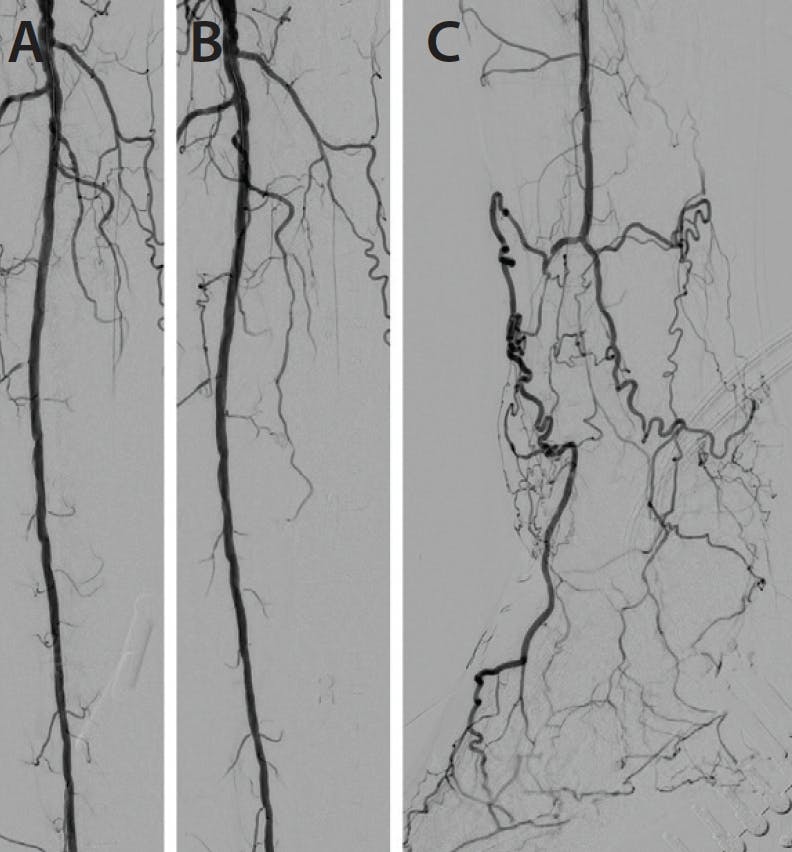
Figure 4. Angiograms after Spur RST (A) and after paclitaxel balloon (B), showing good outflow into the foot (C).
DISCUSSION
Alternatively, treatment with plain old balloon angioplasty (POBA) could have been considered in this case; however, high restenosis rates are associated with this therapy. The lesion length was slightly too long for implantation of DES, and there is still limited evidence for use of DCBs in BTK vessels.
In our view, because the patient was included in the DEEPER OUS study, we were able to offer a treatment strategy of optimal lesion preparation with Spur prior to DCB application.
Good wound healing was already evident at 1-month follow-up (Figure 5), and the wound was classified as healed at 6-month follow-up. Postintervention, the ABI had improved to 0.92, and this was maintained at subsequent follow-up visits. Duplex ultrasound showed the vessel to be patent at 12-month follow-up. To date, no further interventions on the right leg have been necessary, and the patient is independent of external help.
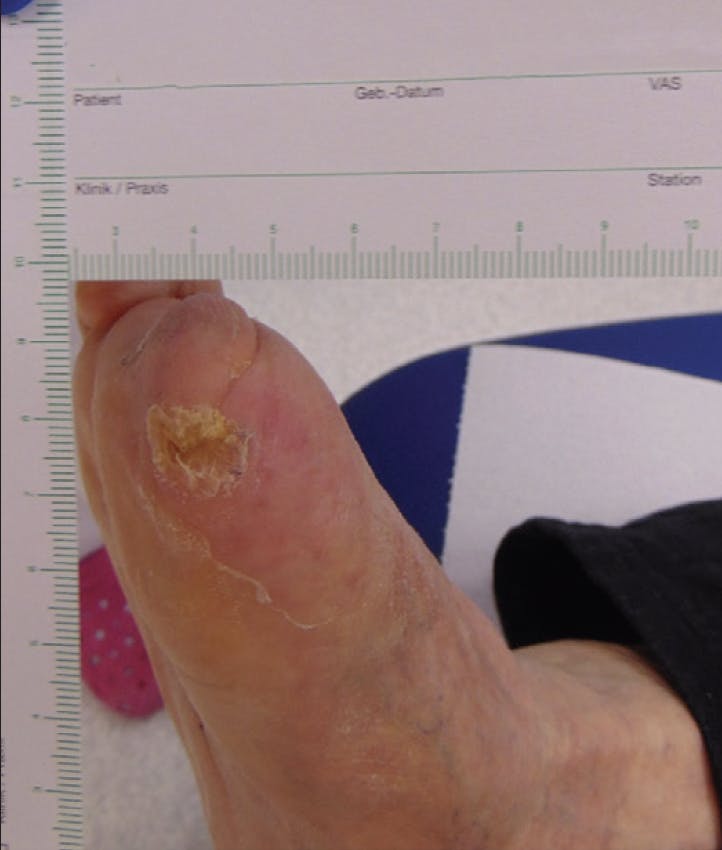
Figure 5. Wound healing progress seen at 1-month follow-up.
Addressing Acute Recoil With the Spur RST: Mechanisms and Clinical Benefits
With Marianne Brodmann, MD; Leyla Schweiger, MD; Thomas Zeller, MD; and Marcus Thieme, MD
What is the technology behind Spur RST, and how does it work to treat CLTI?
Prof. Zeller: The Spur Retrievable Scaffold System comprises a retrievable, self-expanding, closed-cell nitinol scaffold platform mounted on top of a semicompliant balloon catheter, which enables full Spur expansion during short-term (3 to 5 minutes) device exposure to the vessel wall. The device has spikes that are oriented toward the vessel wall and are designed to penetrate the plaque and vessel wall into the periadventitial tissue (Figure 1). After deflation of the balloon, the Spur can be recaptured by advancing the catheter tube. The current device was tested as an uncoated device in dimensions of 3- X 65-mm and 4- X 60-mm, followed by postdilatation with either paclitaxel-coated balloons (DEEPER OUS study) or sirolimus-coated balloons (DEEPER LIMUS study).
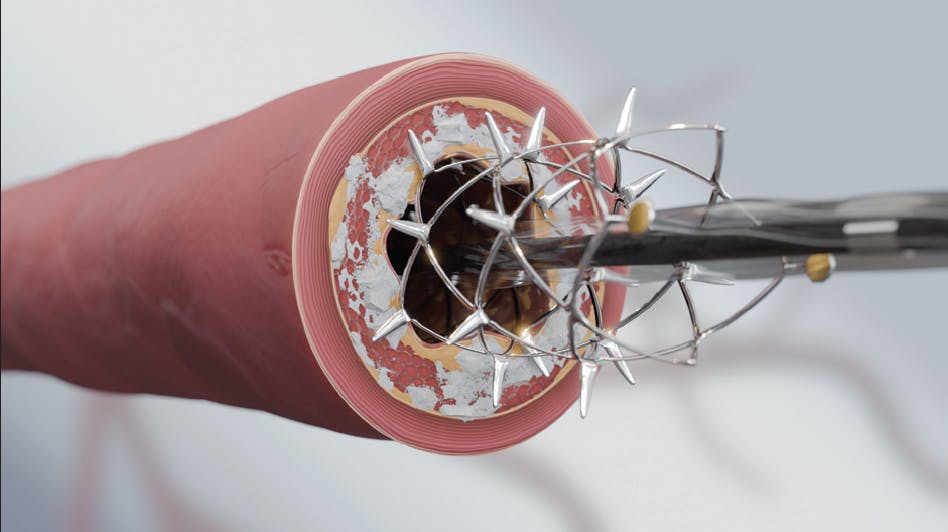
Figure 1. Cross-section view of the Spur Retrievable Scaffold.
The goal of Spur RST is to reduce acute recoil after balloon dilatation of BTK arteries, which are as frequent as 97% as shown in a study from Baumann et al.1 This early structural vessel recoil is considered a predictor of restenosis. Additionally, reducing recoil is expected to reduce the likelihood of severe dissection.
What are the clinical benefits of using Spur RST compared to traditional treatment options for CLTI?
Prof. Brodmann and Dr. Schweiger: The clinical benefit of using Spur RST compared to traditional treatment options for CLTI lies in the prevention of recoil, which improves the long-term outcome in terms of preventing restenosis occurrence. Restenosis and need for repeat treatment are significant issues in CLTI patients, especially in the BTK space. CLTI patients often have multiple comorbidities, and you do not want to bring them repeatedly to perform reinterventions. On the other hand, CLTI patients need adequate flow to the foot to heal their ulcers and avoid amputation.
Another advantage seen in preclinical work is the improvement of drug uptake through the use of spikes for creating channels in the vessel wall, which is even more important below the knee than above the knee with the severe medial calcification seen in most CLTI patients.
How easy it is for physicians to use the Spur Retrievable Scaffold System in clinical practice?
Dr. Thieme: It is very easy to integrate it into clinical practice, as PTA can initially be performed as normal. Only one additional step is then required to prepare the vessel with the Spur System for treatment with a DCB. Limitations may arise if very distal lower leg arteries need to be treated using the crossover technique, as the maximum working length is currently 135 cm.
In the current landscape of CLTI treatment options, where does Spur RST fit in terms of efficacy, safety, and patient outcomes?
Prof. Zeller: The durability of blood flow restoration in CLTI patients to improve wound healing and limb preservation is one major limitation of endovascular therapy. For distinct BTK lesions, coronary DESs offer excellent patency outcomes at the expense of a permanent implant. Spur RST aims to improve acute and midterm patency outcomes by reducing recoil forces in even longer lesions without leaving an implant behind. Spur RST is also expected to offer an improvement on the limited efficacy of DCBs in BTK lesions by creating microchannels into the periadventitial tissue. These are intended to improve drug penetration through calcified arterial wall layers. By retrieving the system after use, we can avoid potential limitations of permanent implants, such as stent crush or impairment of side branches.
What advantages or disadvantages does Spur RST pose versus a traditional stent?
Dr. Thieme: A “leave nothing behind” concept is currently being pursued in the vessels distal to the groin. We know from clinical studies that use of DES in BTK vessels has clear benefits in lesions with mean lengths of about 30 mm (ACHILLES, DESTINY, YUKON), but lesions are often significantly longer. Using the Spur RST with a DCB could make it possible to combine the advantages of both methods, thus achieving good results comparable to those with DES.
How does the availability of Spur RST as a method to prepare the vessel for DCB therapy affect your approach in using a DCB?
Prof. Brodmann and Dr. Schweiger: Because the Spur RST prepares the drug uptake, we can use any kind of DCB, and in the BTK field, this allows us to use limus-coated DCBs and improve efficacy.
In what types of patients have you seen Spur RST plus DCB to be most favorable for long-term outcomes?
Dr. Thieme: In my opinion, the best-suited lesions are those in the distal, often very narrow BTK vessels and those in the proximal AT artery, where stenting should be avoided if possible. There was initially concern about whether the 3-mm-diameter Spurs could also be used distally, but our experience with these has been very good.
What acute clinical results have you observed using Spur RST postprocedure, and how does that compare with other treatment modalities for infrapopliteal disease?
Prof. Zeller: During treatment of patients within the DEEPER OUS study protocol, I observed an easy application of the technology, with the only limitation being access to concentrically calcified lesions with a reference vessel diameter < 2.5 mm. I observed no significant dissection or relevant vessel recoil necessitating bailout stent implantation in my cases. Different vessel preparation strategies exist, and some of these require capital equipment like generators or drive units (lithoplasty, atherectomy) or dedicated guidewires. These are not needed with Spur RST as it allows you to safely maximize luminal gain and deliver durable outcomes without leaving anything behind.
Spur RST is straightforward. After predilatation as indicated, the Spur is inserted, released, and, after 3 minutes, recaptured. The frequency of Spur exposure depends on lesion length. Within the DEEPER OUS study, we could treat lesions up to 21 cm with one single device. The final step is DCB angioplasty, usually for another 3 minutes.
How do you think Spur RST changes vessel compliance?
Dr. Thieme: An upcoming substudy on the Spur RST showed that the vessel recoil decreases significantly compared to previous PTA studies. The Spur with spikes conforms to the vessel anatomy, allowing us to prepare BTK vessels much better than before to improve the uptake of paclitaxel or sirolimus into the vessel wall and avoid possible distal embolization of the drug. In our own patient population, we have seen a patency of 100% after 1 year when we use Spur RST in combination with a modern nanocoated paclitaxel balloon. Confirming these results in longer lesions would be an incredible advancement, especially for patients with CLTI.
How does this compare to a specialty balloon, and what does that mean for possible drug uptake?
Prof. Brodmann and Dr. Schweiger: Specialty balloons are a good option for vessel preparation compared to POBA. They help open the vessels in a more controlled manner than POBA. However, drug uptake has not been proven for specialty balloons, and the mode of action is not as good as with Spur RST.
How has the Spur worked with decreasing recoil?
Prof. Zeller: The DEEPER OUS study included a vessel recoil substudy that evaluated elastic recoil, defined as a > 10% reduction in lumen diameter on angiography 15 minutes after Spur retrieval. In a subset of 38 patients and 40 lesions, 42% of vessels demonstrated recoil as predefined, compared to 97% in the previous trial by Baumann et al.1,2 Due to the small numbers, no significant clinical differences were noted up to 1 year when comparing lesions with and without recoil. The potential longer-term impact of this promising initial outcome must be determined in an RCT compared to POBA, which is considered the gold standard.
1. Baumann F, Fust J, Engelberger RP, et al. Early recoil after balloon angioplasty of tibial artery obstructions in patients with critical limb ischemia. J Endovasc Ther. 2014;21:44-51. doi: 10.1583/13-4486MR.1
2. Zeller T. DEEPER OUS trial vessel recoil sub-study: initial insights. Presented at: Leipzig Interventional Course (LINC) 2023; June 6-9, 2023; Leipzig, Germany
Treatment of Gangrenous Wounds and BTK Disease With Spur RST


PATIENT PRESENTATION
A woman in her early 70s presented with gangrene of the first toe and heel and an ulcer of the fifth toe, all on the right foot and present for 1 month (Figure 1). She experienced severe rest pain throughout the night. Her history was significant for long-standing type 2 diabetes. On presentation to our institution, MRA images from an external physician were reviewed, revealing stenosis of the distal superficial femoral artery/popliteal segment and BTK disease.
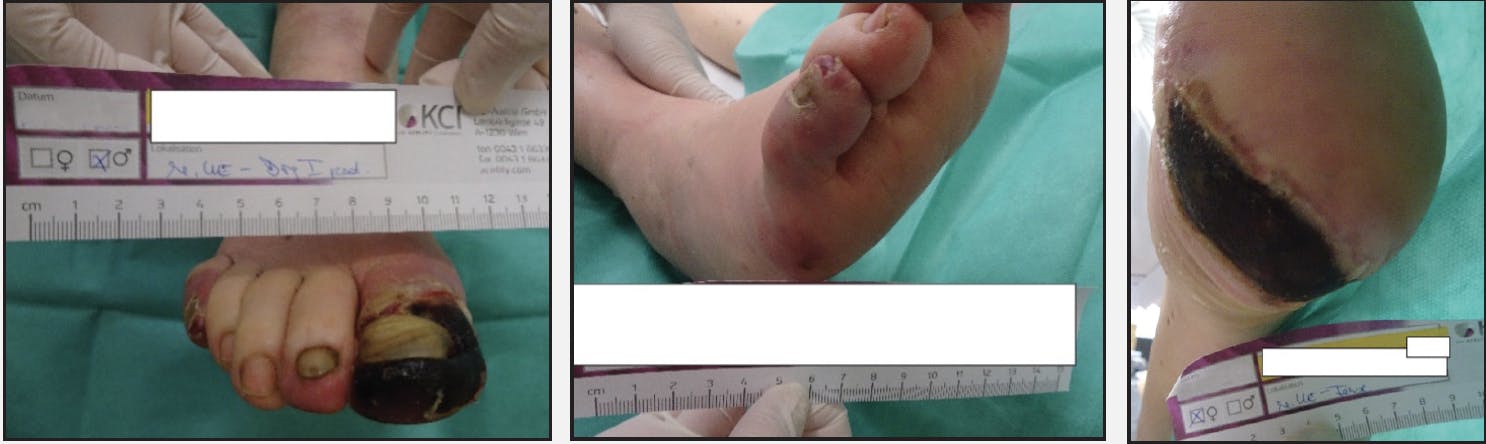
Figure 1. Preprocedure images of the gangrene and ulcer on the right foot.
PROCEDURAL OVERVIEW
Due to the severe pain and progressive worsening of the wounds from initial presentation as ulcers to gangrene, immediate revascularization was scheduled. The patient was included in the DEEPER LIMUS study based on the appearance of the lesion in the BTK arteries.
After inflow treatment, the Spur was deployed in the AT artery (the target vessel), followed by treatment with a limus-coated balloon (Figure 2, Figure 3, and Figure 4). There was no residual stenosis after treatment with Spur or limus application (Figure 5).
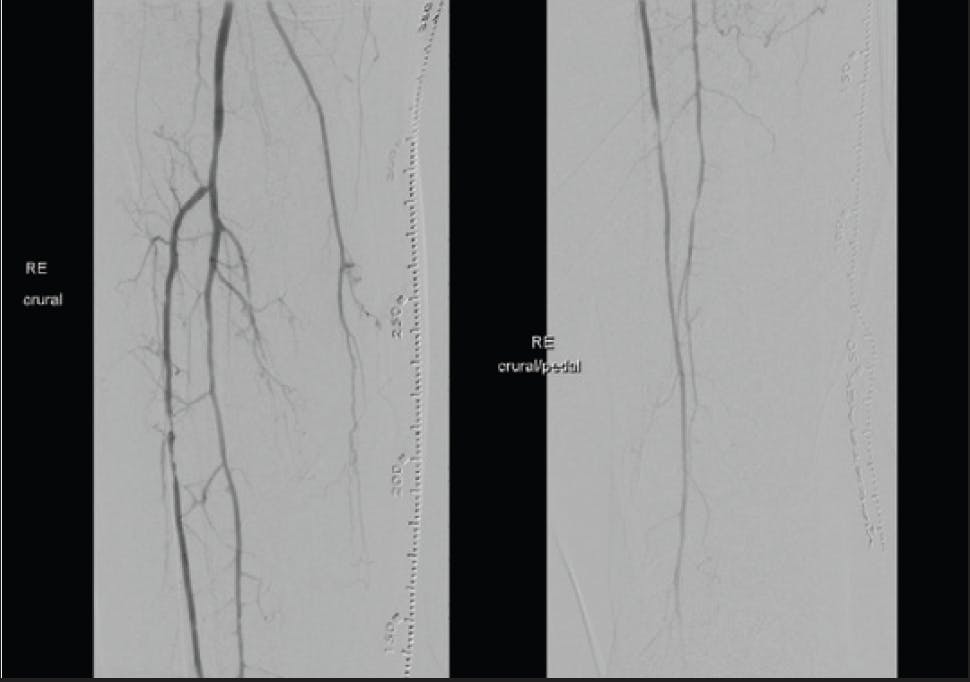
Figure 2. Procedural angiography of the baseline BTK arteries.
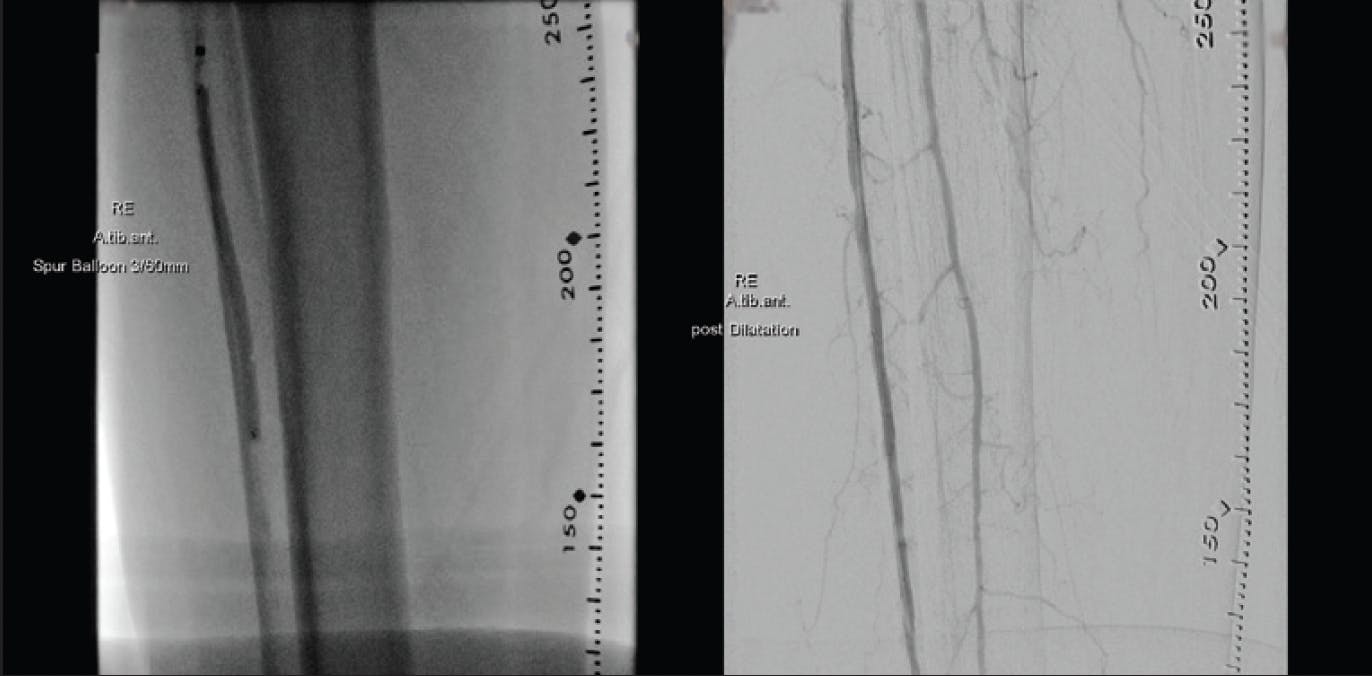
Figure 3. Angiography of the Spur and post-Spur.
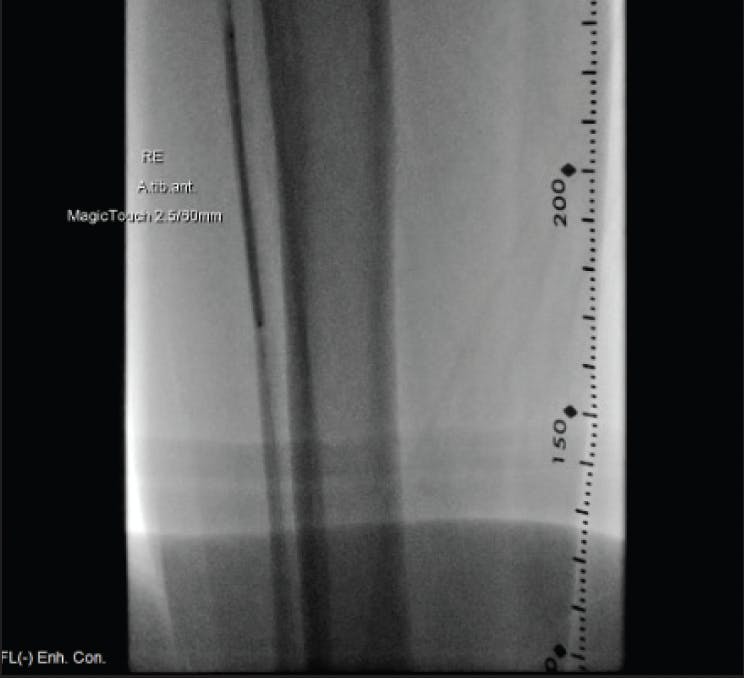
Figure 4. MagicTouch DCB (Concept Medical).
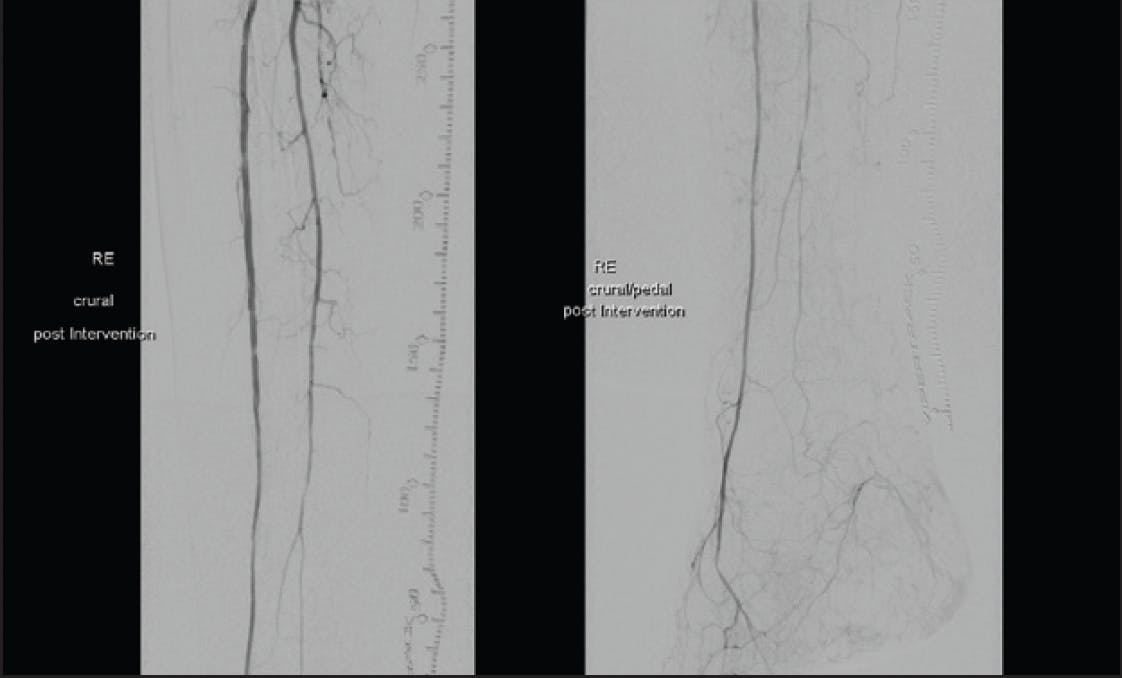
Figure 5. Final angiography.
At 3 months postprocedure, the ulcer of the fifth toe had already healed (Figure 6). A minor amputation of the first toe was performed; this was healed at 6-month follow-up, as was the heel lesion. Angiography at 6-month follow-up showed no restenosis of the target lesion (Figure 7).
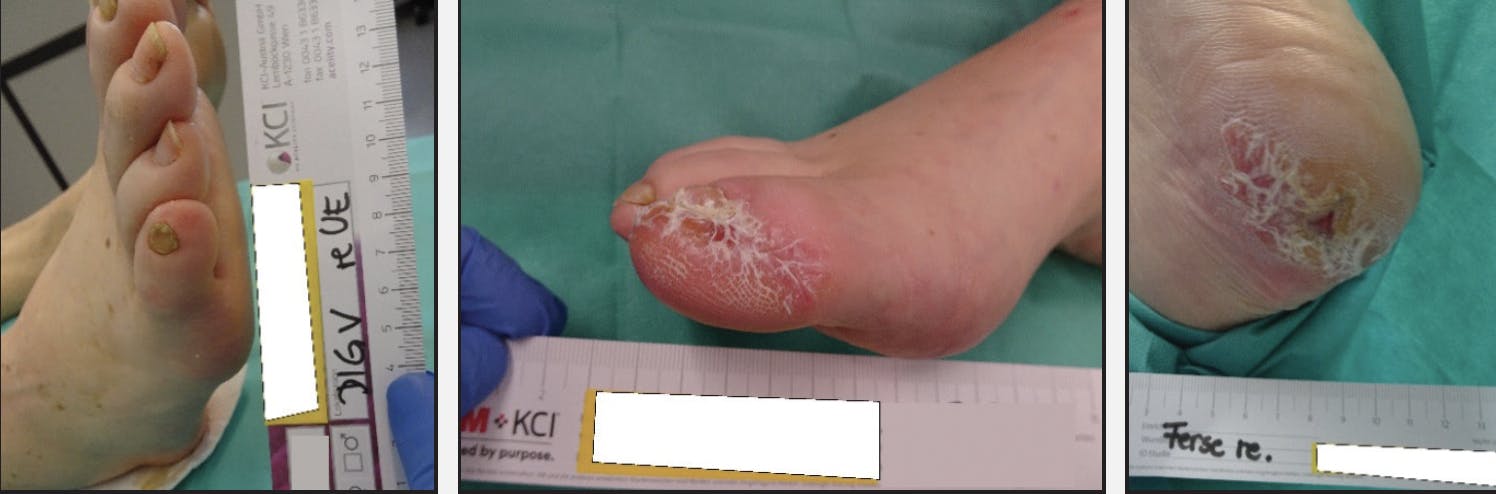
Figure 6. Images at 3 months postprocedure.
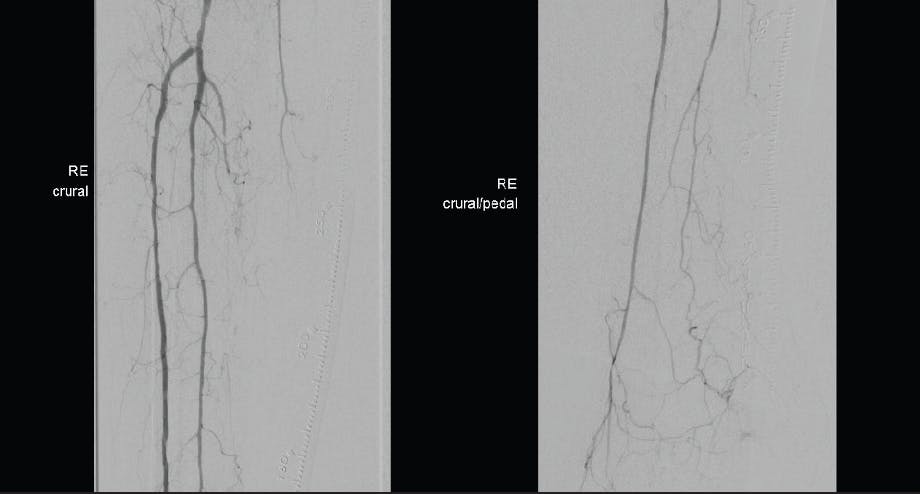
Figure 7. Six-month follow-up angiography.
DISCUSSION
The main advantage of Spur RST in vessel preparation is its prevention of acute recoil. This is achieved by device’s mode of action: vessel wall expansion. Additionally, the utility of Spur for preparation is suitable for any drug uptake.
AT Artery Recanalization and TPT Stenosis Treatment With Spur RST and DCB Angioplasty

PATIENT PRESENTATION
A man in his early 80s presented with peripheral arterial occlusive disease of the right leg, characterized by nonhealing wounds of the first and second toes and Rutherford class 5 symptoms. His history was significant for permanent atrial fibrillation (on oral anticoagulation), grade 2 renal insufficiency, and cardiovascular risk factors including type 2 diabetes mellitus, arterial hypertension, and hypercholesterolemia.
PROCEDURAL OVERVIEW
Baseline imaging revealed isolated tibial arterial occlusive disease. There was a proximal occlusion of the AT artery (approximately 10-cm long), high-grade stenosis of the tibioperoneal trunk (TPT), and total occlusion of entire PT artery (Figure 1).
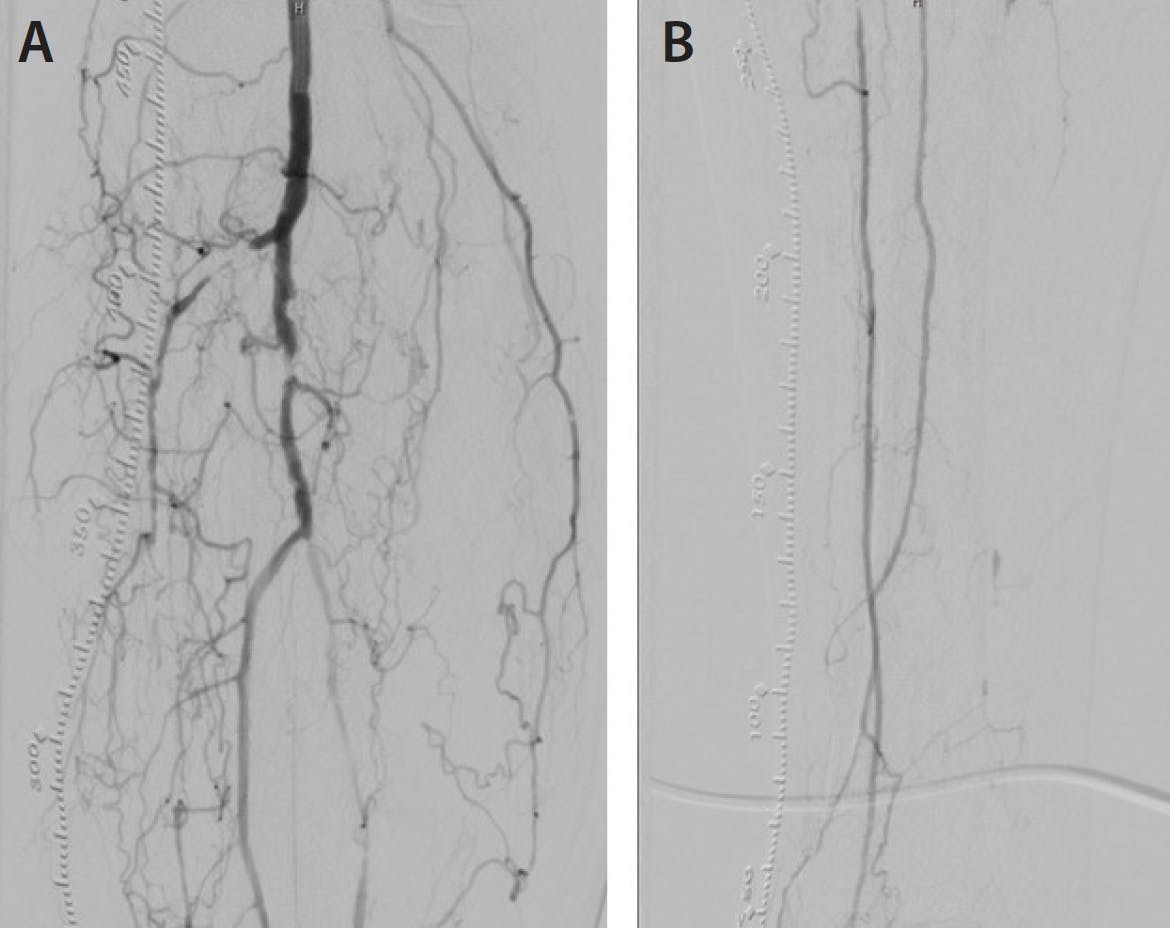
Figure 1. The TPT (study target lesion), which was classified as Peripheral Arterial Calcium Scoring Scale 3 and TransAtlantic Inter-Society Consensus C, and the AT artery (nonstudy lesion) (A). Distal outflow, with the occluded baseline plantar artery (B).
The decision was made to proceed with endovascular treatment. A distal popliteal-to-AT artery bypass could have been a revascularization alternative. However, the proximal and focal location as well as the patient’s age drove the decision for endovascular approach.
Antegrade femoral access was achieved via a 6-F sheath, and a 5-F straight guiding catheter was positioned in the distal popliteal artery. A primary attempt was made to recanalize the AT artery via the antegrade approach but failed due to subintimal guidewire position. Next, a retrograde sheathless approach was taken via the distal AT artery, with successful lesion crossing. Two 3.5- X 38-mm Promus DESs (Boston Scientific Corporation) were implanted near the origin of the AT artery (Figure 2A), followed by angioplasty with a 3-mm balloon of the remaining AT artery down to the dorsalis pedis artery. A 4- X 60-mm Spur device was temporarily inserted into the TPT for 3 minutes, followed by angioplasty with a 4- X 60-mm DCB.
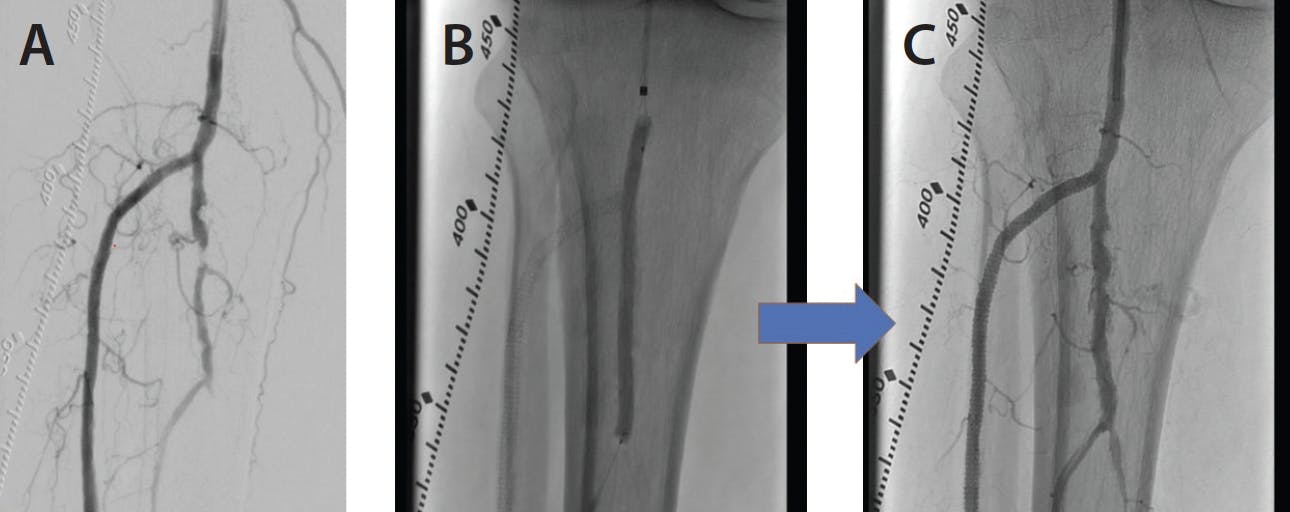
Figure 2. The TPT (A) at baseline. The 4- X 60-mm inflated Spur (B). Post-Spur, prior to DCB angioplasty (C).
Duplex ultrasound examination predischarge and at 1, 3, 6, and 12 months did not show any restenosis (Figure 3). Complete healing was seen in the second toe at 2 months and the first toe between 6 and 12 months.
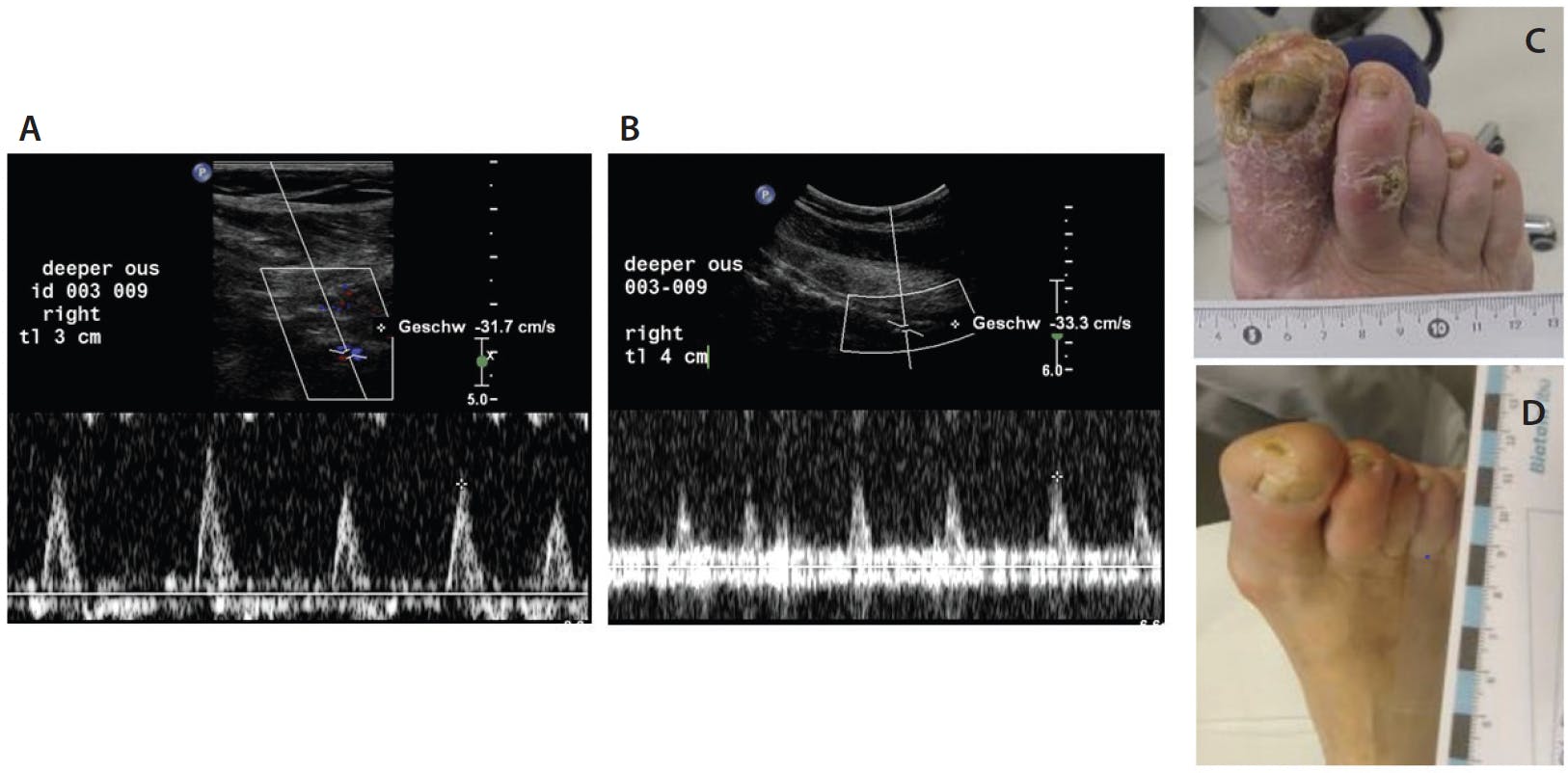
Figure 3. Duplex ultrasounds of the patent TPT at 6 (A) and 12 months (B).* Preprocedure (C) and 6-month (D) images of the foot. No 12-month pictures were taken because the wound remained healed. *Core lab adjudicated by VasCore in Boston, Massachusetts.
DISCUSSION
No dissection or acute recoil was seen after treatment with Spur and DCB. Despite severe calcification, use of Spur RST resulted in persistent procedural success similar to a permanent implant (DES) up to 1 year. Under appropriate wound care, preserved blood flow resulted in complete healing of both toe wounds.
The information presented and the device featured on this website is CE Mark approved for use in the EU. The Spur is indicated for treatment of de novo or restenotic infrapopliteal lesions, with reference vessel diameters ranging from 2.5 – 4.5mm, prior to treatment with a commercially available drug coated balloon.
Advertisement
Advertisement