Advertisement
Advertisement
November 2024 Supplement
Sponsored by Contego Medical, Inc.
Embracing a New Era: Putting Data Into Practice
Dr. Silver moderates a panel of experts who discuss their experiences with the Neuroguard IEP® System, insights into the data, device design characteristics, and impact on the field.
By Mitchell J. Silver, DO, FACC, FSVM, RPVI; Gary Ansel, MD; William A. Gray, MD, MSCAI, FACC; Elad I. Levy, MD, MBA; Sean P. Lyden, MD; S. Jay Mathews, MD, FACC, FSCAI; Robert Mendes, MD, FACS; D. Christopher Metzger, MD, FACC; Kenneth Rosenfield, MD, MHCDS; Adnan H. Siddiqui, MD, PhD; and Peter A. Soukas, MD
The Neuroguard IEP® System is approved for sale in the USA.






Dr. Soukas, as an investigator and a high enroller in the PERFORMANCE II trial, could you reflect on your experience with the Neuroguard IEP® System (Contego Medical), the study’s clinical outcomes, and why the benefits of the 40-µm integrated embolic protection (IEP) system have set the new standard of care for patients undergoing carotid artery revascularization?
Dr. Soukas: We’ve learned a great deal over the past 2 decades regarding the importance of patient selection and operator experience in the performance of safe and effective carotid stenting, with demonstrated parity of transfemoral carotid artery stenting (TF-CAS) with carotid endarterectomy (CEA) in several randomized trials.1-4
That said, there was a small but higher risk of minor stroke with carotid stenting. Mechanistically, this appears to be related to microembolization, with the greatest risk of embolization occurring during deployment and postdilation of the stent.5,6 Both the number and volume of microemboli appear to correlate with stroke risk, as evidenced by diffusion-weighted MRI (DWI) data.7
The Neuroguard IEP System is an easy-to-use, intuitive device that incorporates a closed-cell conformable stent with an adjustable filter that has a pore size of 40 µm and an integrated 5-mm balloon for postdilation of the stent. This same filter and postdilation balloon was utilized in the PALADIN trial, which demonstrated fewer and smaller DWI lesions with a clinical stroke rate of < 1%. Examination of the filters confirmed that approximately 90% of the particles were < 100 µm.7 Following the success of the PALADIN trial was the PERFORMANCE I EU feasibility study that evaluated the Neuroguard IEP System in 67 real-world patients, also documenting a 0% stroke rate at 1 year.8
The PERFORMANCE II study was a global, prospective, multicenter, single-arm study performed at 32 sites in the United States and European Union in 305 patients aged 20 to 80 years deemed to be at high surgical risk for CEA.9 Strengths of the study included independent screening committee, data and safety monitoring board, clinical events committee, and angiographic and ultrasound core labs. Twenty percent of patients were symptomatic, and 28.5% were considered both physiologically and anatomically high risk for CEA. The intention-to-treat 30-day stroke rate was 1.3% with no major strokes, the composite stroke/death rate was 1.6%, and the stroke/death/myocardial infarction rate was 2.3%. Between 31 days and 12 months, there was one minor ipsilateral stroke unrelated to the device, resulting in a primary endpoint rate of 2.8%. At 12 months, there were no major strokes, clinically driven target lesion revascularization, stent thromboses, or neurologic deaths.
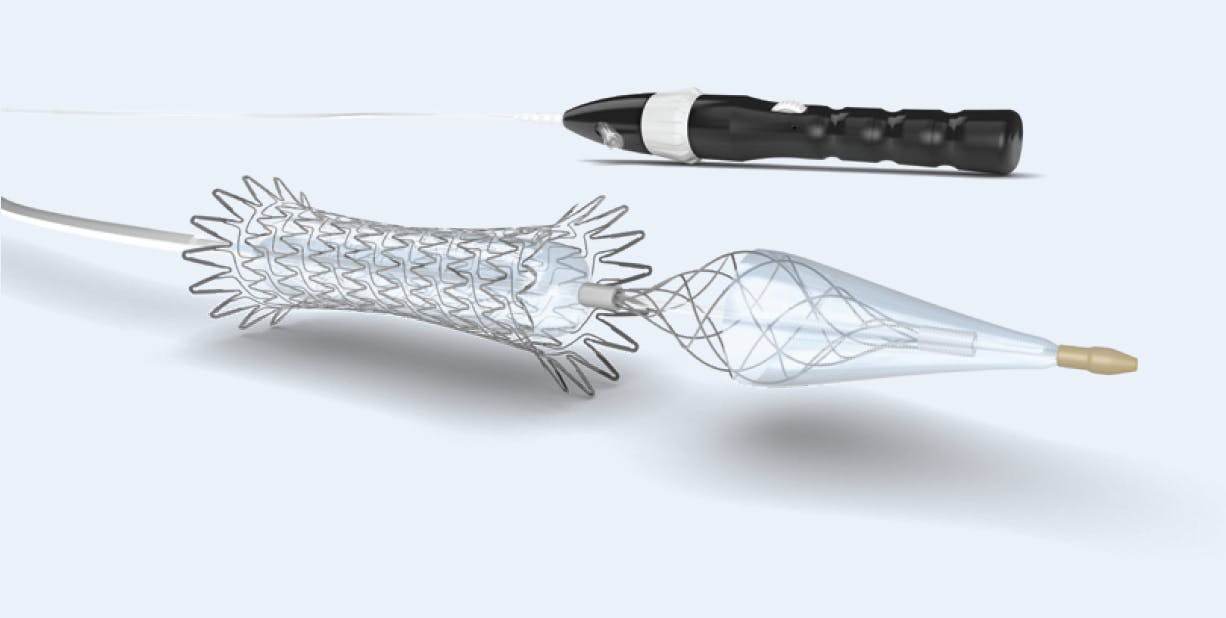
The Neuroguard IEP® System. A 3-in-1 System: Carotid Stent + Dilation Balloon + Integrated Embolic Protection
The combined 30-day stroke and 1-year ipsilateral stroke rate is the lowest ever reported for any multicenter controlled trial of carotid revascularization. The results compare favorably with those of the C-GUARDIANS study of the micromesh stent (2.0%) as well as the CREST CEA cohort (3.9%).10,11 Importantly, there was no significant difference in 30-day all-stroke risk in patients aged < 70 and > 70 years (0.7% vs 1.8%; P = .633). There were no contralateral strokes reported in PERFORMANCE II, confirming that the risk of stroke traversing the arch can be largely mitigated with good patient selection and experienced operators.
With the DWI-MRI data using IEP technology showing few and smaller lesions than traditional CAS and comparable to CEA and transcarotid artery revascularization (TCAR), along with the stellar clinical results of the PERFORMANCE I and PERFORMANCE II studies, we can now offer our patients a standard-of-care therapy for carotid revascularization.
Dr. Metzger, given your significant experience using the Neuroguard IEP System from the PERFORMANCE II trial, could you comment from a procedural standpoint on device ease of use, procedural efficiency, and the short- and long-term performance of the novel Neuroguard stent?
Dr. Metzger: I have had the pleasure of performing the most cases utilizing this device in the PERFORMANCE II trial and followed these patients closely long term as a clinician and researcher. I found the 3-in-1 Neuroguard IEP System to be a very efficient, intuitive system. After placement of our preferred distal embolic protection device (EPD), a standard predilation is performed, and the rest of the procedure is completed seamlessly and safely with the Neuroguard IEP System. The second 40-µm filter deployed easily and provided maximal embolic protection, such that we treated severe symptomatic lesions safely and with confidence. Using the same device, we could then precisely deploy the prepositioned stent by rolling a dial. Thereafter, without any additional movements or exchanges, we performed postdilation with the incorporated balloon. The device with these three functions can then easily be removed as one unit.
Additionally, I found the performance of this stent to be outstanding acutely and over the long term. The stent, with its scaffolding and closed-cell conformable design, had ideal flexibility, even in tortuous lesions. The acute angiographic results were outstanding, and importantly, the 2-year results were excellent in terms of patency and freedom from neurologic events.
In summary, the device is extremely efficient and provided excellent acute and long-term carotid stent results. The procedure is performed safely and with confidence. These results were confirmed in a large, prospective clinical trial in high-risk patients with careful adjudication and long-term follow-up.
Dr. Mathews, there has been much focus in the field of carotid stenting aimed at stent design. Could you review some of the design and engineering features of the Neuroguard purpose-built carotid artery stent?
Dr. Mathews: In general, carotid stents follow one of two designs, either open or closed cell. Closed-cell stents have interconnected smaller cells (free cell area < 5 mm2), which confer more radial strength and plaque coverage but at the expense of increased stiffness.12 This may be problematic in tortuous segments, resulting in less conformability and even pseudolesions adjacent to the stents. Open-cell stents do a better job with flexibility with larger cells (free cell area > 5 mm2) with fewer interconnections.12 However, these stents have less radial strength and may fare worse in reducing recoil, especially in calcified lesions. Moreover, there is risk for plaque extrusion/embolization in the gap regions. Although there has been much debate about the utility of one design over the other, clinical data have been inconclusive about the superiority of one design over the other, except perhaps in the carotid bulb where closed-cell designs fared worse.12-14
The Neuroguard nitinol stent is a closed-cell conformable design that has the flexibility to perform very well even in tortuous anatomies. It was studied in the PERFORMANCE I and II trials, where it was found to have a significant impact on minimizing the risk of stroke during carotid intervention. Neuroguard has a hybrid design, which confers compression resistance/radial force but still allows for flexibility and vessel conformability using the proprietary FlexRing™ technology (Figure 1). In addition, the Neuroguard has an hourglass shape, which allows for less plaque protrusion within the culprit lesion. In this case example, there is a highly calcified lesion of the internal carotid artery (Figure 2). The Neuroguard stent conforms without kinking to the vessel, while avoiding the incomplete lesion expansion/“stent regret” that can lead to future complications. Hybrid stent designs may be the key to successful carotid stenting interventions.
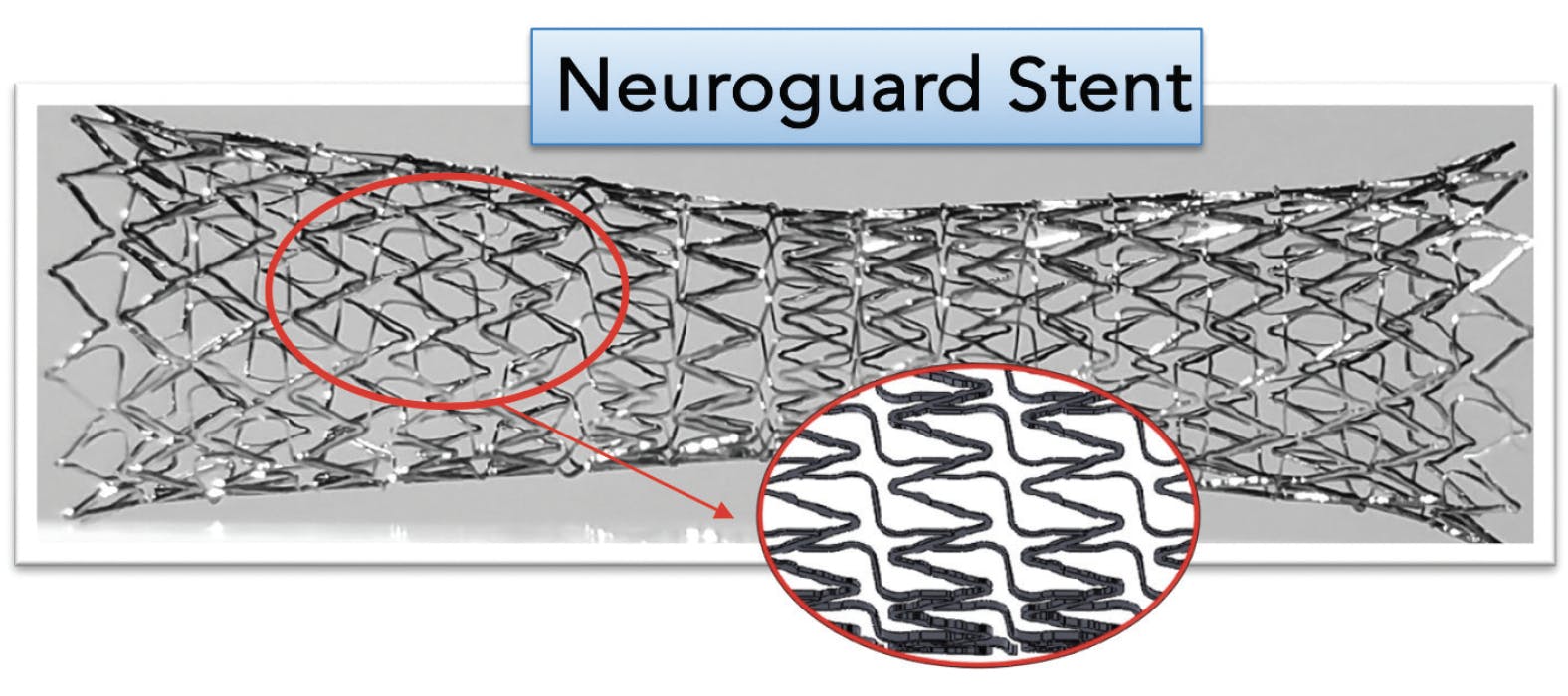
Figure 1. Closed-cell design of the Neuroguard IEP stent with the proprietary FlexRing™ technology.
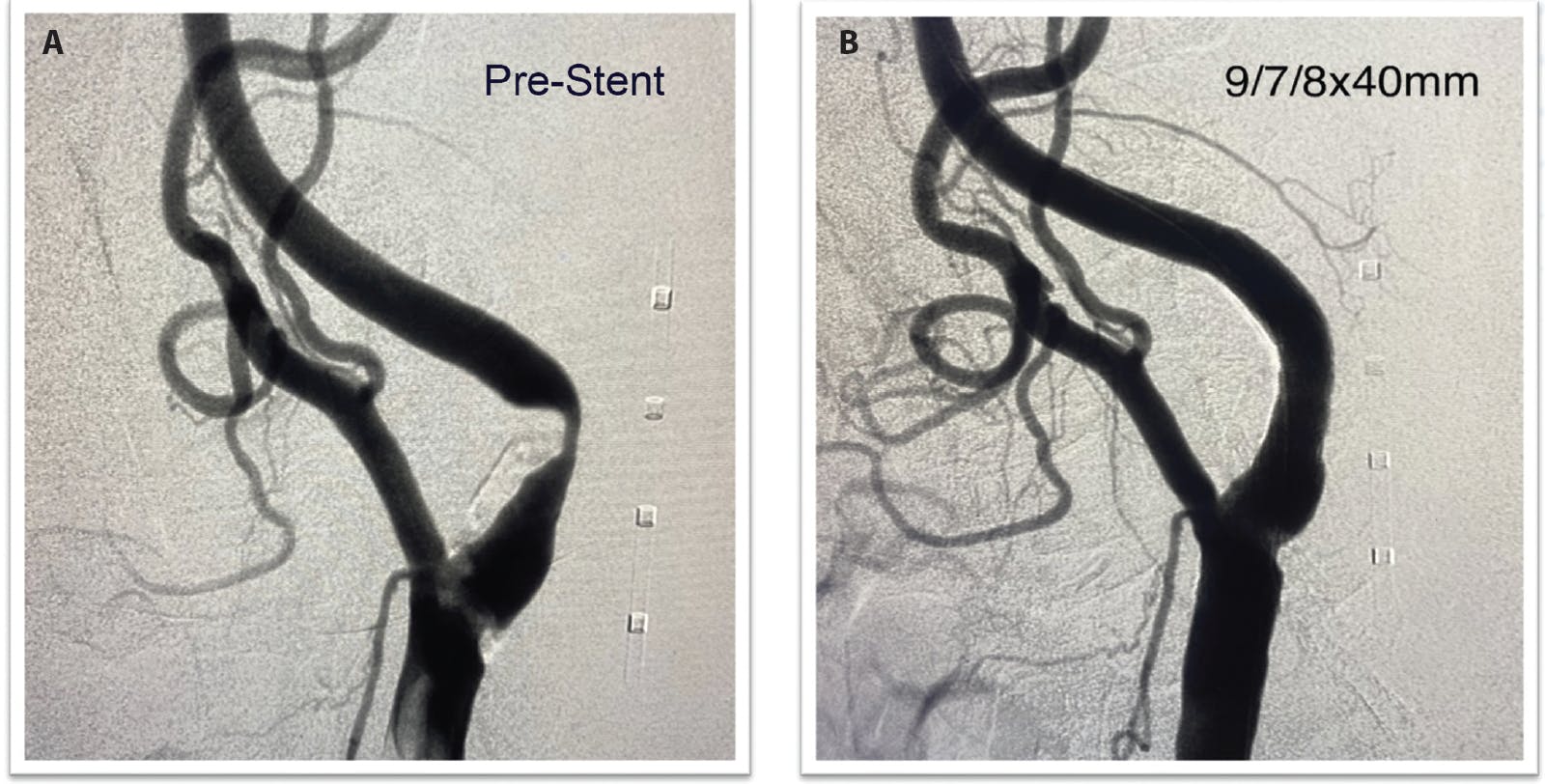
Figure 2. Highly calcified internal carotid artery before (A) and after (B) placement of a Neuroguard IEP stent.
Dr. Gray, you have been involved as a clinical trialist in most of the pivotal studies of carotid stenting and were the National Co-Principal Investigator for PERFORMANCE II. From a proceduralist standpoint, what is your vision on how the Neuroguard IEP System and the associated PERFORMANCE II data will impact the field of carotid stenting?
Dr. Gray: This is a great question with several nuanced and potentially far-ranging effects even beyond the field of carotid stenting. To establish the foundational element that will drive this discussion, from an outcome data standpoint, the PERFORMANCE II 30-day and 1-year data set new standards for transfemoral/transradial carotid stenting results.9 Safety for the procedural element of the intervention in 305 subjects was excellent, with four (~1%) subjects experiencing a stroke event, all of which were minor. In the 1-year follow-up, there was only one additional neurologic event (a minor stroke unrelated to the stent).
Although not a comparative study, when these results are contextualized against the other available data in surgical high-risk, and even standard-risk, carotid revascularization outcomes, it ranks among the best prospective, multicenter, controlled data ever reported in CAS, CEA, or TCAR.
So, assuming these results with Neuroguard IEP are generalizable (and there is no reason to believe otherwise), carotid stenting becomes a very attractive option for indicated patients who may not want surgery (of any type), assuming they are anatomically suitable for TF-CAS, especially when paired with the recent unrestricted TF-CAS coverage from the Centers for Medicare & Medicaid Services.
However, it is also axiomatic that patients are more likely to be presented with the option that their physician has the most experience and is most comfortable with (eg, CEA, CAS, TCAR), with very few of us offering all three. For the majority of cases, any of the three options will be clinically appropriate. As a result of these specialty “biases,” any uptick in TF-CAS adoption based purely on the excellent data from PERFORMANCE II will likely be somewhat slower but may also be boosted by the reentry of cardiology into the TF-CAS field in greater numbers, as well as the emergence and increasing TF-CAS practice among the neurointerventional community.
It will likely take several years, but once the TF-CAS workforce is more fully realized across multiple specialties, there could be a reshuffling of the currently accepted hierarchy of CEA as the gold standard and TF-CAS and TCAR (with increasing uptake among surgeons going forward) as “alternatives.” As with valvular heart approaches, carotid patients will typically opt for an equally effective, possibly safer (no cranial nerve injury, less bleeding), less invasive option for stroke prevention if given the choice. In that future environment, the approach to carotid disease becomes inverted with TF-CAS as the putative gold standard, with excellent alternatives available in TCAR and CEA.
None of this is possible, at least in the timeline described, without the exemplary PERFORMANCE II outcome data.
Dr. Ansel, there has been debate in the field of carotid stenting regarding the timing of stroke associated with carotid stenting. Given your vast clinical experience in carotid stenting and analysis of available trial data, at what time point do you think stroke is most likely occurring, and what do you think is the best way to mitigate this risk?
Dr. Ansel: With the recent broadening of carotid procedural reimbursement, we can expect renewed efforts in developing technology that improve on the currently available technologies for carotid stenting. In my opinion, the focus will be on several areas but mostly likely centered around the minor stroke rates, followed by stent restenosis and moving to radial access.
Randomized trials comparing carotid stenting and CEA have not demonstrated a significant difference in procedure-related major strokes, but there was an increase in minor stokes with carotid stenting. It was evident in early benchtop testing of surgically removed carotid stenoses that the majority of debris was released during the stenting part of the carotid procedure.15 One of the most enlightening studies looked at periprocedural stroke and death and documented clinically what appeared to be evident on the benchtop—that poststent angioplasty was associated with a significant increase in risk for embolization.5 The focus was then rightly placed on developing EPDs. As generations of devices were developed, there was a focus on pore size (although not optimized) and wall apposition for distal EPDs. There were also devices developed for proximal EPD by using flow reversal and flow cessation. In my clinical experience, most of our institution’s neurologic events occurred during the carotid intervention procedure itself. In the clinical trials, it was evident that across various stent lines, enhanced EPDs improved the minor stroke risk. I think that continued improvement in EPDs addressing the smaller debris currently not optimized in the historic EPD systems will improve clinical results. Any new devices need to be simple and able to be used across operator skill set levels.
Drs. Siddiqui and Levy, as recognized pioneers in the field of acute stroke intervention, how does the concept of 40-µm IEP filter pore size resonate when you’re faced with a tandem lesion during an acute stroke intervention?
Dr. Siddiqui: We think of tandem lesions as the ultimate symptomatic, high-risk carotid plaques, with confirmed fragility and friability demonstrated by the intracranial embolus. Having a smaller filter pore size can be a significant benefit in these cases, preventing emboli from drifting north after angioplasty. We believe flow reversal further helps in these cases, and we routinely use a Walrus balloon guide catheter (Q’Apel Medical Inc.) for all these lesions.
Dr. Levy: The concept of embolic protection integrated into interventional devices may prove very useful in tandem stroke. Tandem occlusions in anterior circulation stroke intervention are both technically challenging and common, accounting for about 18% to 30% of all acute large vessel occlusions.16,17 These occlusion patterns are defined by the presence of both an intracranial large vessel occlusion and a concurrent extracranial occlusion of the carotid circulation, 60% of which are thought to be secondary to extracranial atherosclerosis.18 Atherosclerotic tandem lesions are correlated with higher complication rates, longer procedural times, and lower recanalization rates as compared to alternative etiologies.18
Treatment of these lesions is complex, owing to the inherent nature of a double occlusion: one intracranial impeding blood flow to the brain and one extracranial impeding blood flow to both the vessels of the brain as well as serving as a potential source of distal emboli. We know that the odds of successful perfusion are dramatically increased if we treat the extracranial lesion acutely with the intracranial occlusion,19,20 and we have recently published data correlating the use of flow arrest with balloon guide catheters and improved long-term patient functional outcomes.21
Flow arrest refers to blocking the carotid artery proximal to the site of disease, the idea being to prevent further atheroemboli from breaking off and traveling distally when crossing the occluded segment. The concept is of particular importance in acute stroke interventions as compared with elective or nonemergent treatment of carotid stenosis, where a distal EPD containing pore size ranging from 100 to 200 µm is advanced distal to the stenosis prior to angioplasty and/or stenting.22 This is done because transluminal carotid intervention in atherosclerotic disease is known to generate potentially harmful microemboli. In acute tandem stroke management, the presence of total occlusions and the time-sensitive nature of the disease frequently make the use of EPDs unhelpful. However, devices such as the Paladin® Carotid PTA balloon (Contego Medical) with IEP would potentially provide the benefits of embolic protection without the increased risk and time required to deliver, deploy, and retrieve an EPD across an occluded segment. Such technologies may further reduce the observed morbidity of tandem stroke, which, while improving in the era of modern endovascular management, remains significant.20,21
Specifically, Dr. Siddiqui, could you comment on the role of the Paladin Carotid PTA Balloon System and IEP filter when approaching patients with tandem lesions?
Dr. Siddiqui: The unitized system without the need for a separate distal embolic system in place, as is recommended for standard carotid lesions, is a huge advantage. During tandem strokes, sometimes you do not know exactly where the lesion is located. Having a distal wire that allows the use of a combined balloon and filter provides the necessary embolic protection during angioplasty without the need for an additional distal embolic protection system.
Dr. Levy, could you then follow up on the role of the Neuroguard IEP System should a tandem lesion need definitive stenting?
Dr. Levy: As previously discussed, a potential source of periprocedural morbidity in tandem occlusion treatment in patients with extracranial atherosclerotic disease is the generation of atheroemboli during proximal occlusion recanalization. The lumen of such vessels is often crowded with friable, inflamed intima and cholesterol-laden atherosclerotic debris, making crossing and manipulation highly associated with emboli.20,21
When confronted with an occluded proximal lesion, the occlusion must first be crossed with a microwire, then crossed and treated with either a stent or angioplasty balloon, or both. Each of these steps (crossing with the microwire, crossing with a balloon, inflating the balloon, retrieving the balloon, crossing with a stent system, and deploying the stent) is associated with a risk of atheroembolism.19-21 The Neuroguard IEP 3-in-1 system basically combines every one of these steps, with the exception of the first (crossing with a microwire), onto a single device, meaning that the diseased vessel segment only needs to be crossed twice before being treated definitively. Importantly, the current instructions for use does mandate that the Neuroguard IEP System should always be used in conjunction with an available primary distal EPD. The deployment of the integrated filter on the Neuroguard IEP 3-in-1 system prior to angioplasty and stenting conceptually allows for enhanced embolic protection, and if combined with proximal flow arrest, such devices may significantly improve functional outcomes.
Additionally, less steps and less independent devices means lower procedural time. Everything about stroke treatment is defined by time constraints. Time elapsed from a patient’s last-seen-normal state is a parameter that permeates every aspect of stroke treatment. It defines treatment indications and eligibility, dictates hospital protocols and stroke center certification status, and is a major correlate of clinical outcomes. When treating these patients, we have limited time before surviving brain tissue trapped in a state of penumbra finally succumbs to oxygen starvation and becomes a completed infarct, but we can never be certain of how much. Even in the era of advanced imaging, predictive algorithms, and increasingly deeper understandings of cerebrovascular pathophysiology, the best we can do in predicting how long we have to recanalize a vessel to avoid a major infarct is to make a highly educated guess. What we do know, however, is that the time we have is limited. So, we emphasize speed and restore blood flow to at-risk brain as fast as safely possible. That makes a device that combines multiple independent aspects of intervention into one a very efficient and promising prospect, particularly in tandem disease, where the length of procedure is increased from the start due to the need to address to separate, occluded vessels.
Dr. Lyden, as the National Principal Investigator of the PERFORMANCE III trial, can you briefly outline the trial design and the differences between the first-generation TCAR procedure and the next-generation TCAR-IEP procedure with the Neuroguard IEP® Direct Access System (Contego Medical)*?
Dr. Lyden: The trial design mimics the inclusion criteria of the PERFORMANCE II trial. With incredible data and 1-year outcomes from the Neuroguard IEP device from a transfemoral/transradial approach, the FDA allowed Contego to leverage the outcomes of the stent in the trial design. The Neuroguard IEP Direct trial uses the same indications for the patient population and adds Contego’s direct access sheath, micropuncture set, and wires. The PERFORMANCE III trial will look at acute outcomes at 30 days to evaluate the safety of a direct carotid or TCAR approach. The TCAR-IEP procedure with the Neuroguard IEP Direct Access System uses an integrated filter with postdilation angioplasty to further reduce the risk of distal embolization. The TCAR-IEP procedure with the Neuroguard IEP Direct Access System also eliminates the need for venous access and collects blood externally, creating a higher gradient for flow reversal. In addition, the Neuroguard IEP stent has both open- and closed-cell attributes, making it very flexible but with a high radial resistive force. These innovations in the TCAR-IEP procedure with the Neuroguard IEP Direct Access System should reduce steps for the physician and improve outcomes for the patient.
Dr. Mendes, you have the most experience with the next-generation TCAR-IEP procedure using the Neuroguard IEP Direct Access System.* What are some general observations you can share with us?
Dr. Mendes: I was present at the VIVA (Vascular InterVentional Advances) 2023 annual meeting and was fortunate enough to hear Dr. Gray’s presentation on the PERFORMANCE II trial. What struck me during the presentation were the all-stroke rate of 1.3%, with no major strokes at 30 days; only one (0.4%) ipsilateral minor stroke event at 31 days to 1 year; and the 1.1% stent restenosis rate requiring an intervention at 1 year. These results essentially demonstrate that the Neuroguard IEP stent system is the safest carotid stent currently on the market in the United States, based on adequately powered, multicenter trials.
Using a transcarotid approach to treat carotid stenosis has gained popularity among the vascular community; however, I always felt uncomfortable using flow reversal without occluding the external carotid artery. In that situation, I cannot guarantee total embolic protection. Using the Neuroguard IEP Direct Access System gives me an assurance that I have embolic protection at all times during the procedure, using both flow reversal and a 40-µm filter (IEP). In addition, the stent/embolic protection system is extremely efficient with an easy learning curve. My goal is to use the best stent, based on data, and deliver it with the safest procedure possible. I believe this is TCAR 2.0.
Dr. Rosenfield, you have been involved in executing and designing carotid stenting clinical trials for decades. In that light, could you provide your perspective on the results of the PERFORMANCE II trial and its impact on clinical practice?
Dr. Rosenfield: PERFORMANCE II is transformative, and this trial will forever be recognized as the study that elevated carotid stenting to first-line therapy—indeed, the treatment of choice—for most patients with carotid artery disease. Looking at this cohort of 305 patients deemed high risk for CEA, 20% symptomatic and 80% asymptomatic, 34% with severe calcification, and 43% with diabetes, the results of carotid stenting with the Neuroguard IEP System were nothing short of spectacular. The 30-day and 1-year stroke rates of 1.3% and 1.8%, respectively—all minor events that resolved quickly—represent the lowest stroke rates seen in any carotid trial to date. These event rates are even lower than those seen in any study of CEA in standard-surgical-risk patients. It is conceivable that Neuroguard IEP may enable even better outcomes in standard-risk patients. Furthermore, there were no neurologic-related deaths, no stent thromboses, and no contralateral strokes. Longer-term outcomes and durability are equally impressive with a restenosis rate of 3.6% and target lesion revascularization rate of 1.1%, none of which were clinically driven. PERFORMANCE II, which utilized a novel, more intense filtration system (40-µm pores), demonstrates what can be accomplished with carotid stenting and launches us into a new era for treatment of carotid disease, using less invasive, highly effective therapy. In the end, this will greatly benefit our patients.
In addition, since the October 2023 national coverage decision and the resultant change in carotid stenting reimbursement, can you comment on the importance of carotid stenting training and education programs to ensure patient safety and good outcomes?
Dr. Rosenfield: Achieving the excellent results seen in PERFORMANCE II and in carotid stenting in general requires careful case selection, skilled operators, and a supportive and talented team. In this regard, CAS is like CEA, TCAR, and any other intricate invasive procedure. Prior analysis has demonstrated that there is an inflection curve at somewhere between 50 and 75 procedures, after which operators have better outcomes. Some of this is undoubtedly due to better case selection, and some due to more experience and comfort with the procedure. The Neuroguard IEP System simplifies the procedure by incorporating the stent, balloon, and protection device all into one. That said, dedicated training with formal didactic curriculum and hands-on experience is critical to developing the cognitive and technical skill sets unique to carotid stenting. Such training programs are currently under development, spearheaded by multiple specialty societies (working in collaboration) and supported by industry. We are excited about the future potential for carotid stenting, which represents a significant advance and promises more choice and better outcomes for our patients.
*The Neuroguard IEP® Direct Access System is an investigational device. Limited by Federal (or United States) law to investigational use.
1. Mantese VA, Timaran CH, Chiu D, et al. The Carotid Revascularization Endarterectomy versus Stenting Trial (CREST): stenting versus carotid endarterectomy for carotid disease. Stroke. 2010;41(10 suppl):S31-34. doi: 10.1161/STROKEAHA.110.595330
2. Rosenfield K, Matsumura JS, Chaturvedi S, et al. Randomized trial of stent versus surgery for asymptomatic carotid stenosis. N Engl J Med. 2016;374:1011-1020. doi: 10.1056/NEJMoa1515706
3. Yadav JS, Wholey MH, Kuntz RE, et al. Protected carotid-artery stenting versus endarterectomy in high-risk patients. N Engl J Med. 2004;351:1493-1501. doi: 10.1056/NEJMoa040127
4. Halliday A, Bulbulia R, Bonati LH, et al. Second asymptomatic carotid surgery trial (ACST-2): a randomised comparison of carotid artery stenting versus carotid endarterectomy. Lancet. 2021;398:1065-1073. doi: 10.1016/S0140-6736(21)01910-3
5. Obeid T, Arnaoutakis DJ, Arhuidese I, et al. Poststent ballooning is associated with increased periprocedural stroke and death rate in carotid artery stenting. J Vasc Surg. 2015;62:616-623.e1. doi: 10.1016/j.jvs.2015.03.069
6. Bijuklic K, Wandler A, Hazizi F, Schofer J. The PROFI study (Prevention of Cerebral Embolization by Proximal Balloon Occlusion Compared to Filter Protection During Carotid Artery Stenting): a prospective randomized trial. J Am Coll Cardiol. 2012;59:1383-1389. doi: 10.1016/j.jacc.2011.11.035
7. Langhoff R, Schofer J, Scheinert D, et al. Double filtration during carotid artery stenting using a novel postdilation balloon with integrated embolic protection. JACC Cardiovasc Interv. 2019;12:395-403. doi: 10.1016/j.jcin.2018.11.039
8. Langhoff R, Petrov I, Kedev S, et al. PERFORMANCE 1 study: Novel carotid stent system with integrated post-dilation balloon and embolic protection device. Catheter Cardiovasc Interv. 2022;100:1090-1099. doi: 10.1002/ccd.30410
9. Gray WA. A multicenter trial evaluation of the Neuroguard carotid artery stent system with integrated embolic protection: 30-day and 1-year outcomes of PERFORMANCE II. Presented at: Vascular InterVentional Advances (VIVA) 2023; November 1, 2023; Las Vegas, Nevada.
10. Metzger DC. 1-year outcomes from the C-GUARDIANS trial of the CGuard carotid stent system. Presented at: Leipzig Interventional Course (LINC); May 28-31, 2024; Leipzig, Germany.
11. Gray WA, Simonton CA, Verta P. Overview of the 2011 Food and Drug Administration Circulatory System Devices Panel meeting on the ACCULINK and ACCUNET carotid artery stent system. Circulation. 2012;125:2256-2264. doi: 10.1161/CIRCULATIONAHA.111.073486
12. Faateh M, Dakour-Aridi H, Mathlouthi A, et al. Comparison of open- and closed-cell stent design outcomes after carotid artery stenting in the Vascular Quality Initiative. J Vasc Surg. 2021;73:1639-1648. doi: 10.1016/j.jvs.2020.08.155
13. Schillinger M, et al. Does carotid stent cell design matter? Stroke. 2008;39:905-909. doi: 10.1161/STROKEAHA.107.499145
14. Bosiers M, de Donato G, Deloose K, et al. Does free cell area influence the outcome in carotid artery stenting? Eur J Vasc Endovasc Surg. 2007;33:135-141. doi: 10.1016/j.ejvs.2006.09.019
15. Ohki T, Roubin GS, Veith FJ, et al. Efficacy of a filter device in the prevention of embolic events during carotid angioplasty and stenting: an ex vivo analysis. J Vasc Surg. 1996:1034-44.
16. Berkhemer OA, Fransen PS, Beumer D, et al. A randomized trial of intraarterial treatment for acute ischemic stroke. N Engl J Med. 2015;372:11-20. doi: 10.1056/NEJMoa1411587
17. Jovin TG, Chamorro A, Cobo E, et al. Thrombectomy within 8 hours after symptom onset in ischemic stroke. N Engl J Med. 2015;372:2296-306. doi: 10.1056/NEJMoa1503780
18. Poppe AY, Jacquin G, Roy D, et al. Tandem carotid lesions in acute ischemic stroke: mechanisms, therapeutic challenges, and future directions. AJNR Am J Neuroradiol. 2020;41:1142-1148. doi: 10.3174/ajnr.A6582
19. Feil K, Herzberg M, Dorn F, et al. Tandem lesions in anterior circulation stroke: analysis of the German Stroke Registry-endovascular treatment. Stroke. 2021;52:1265-1275. doi: 10.1161/STROKEAHA.120.031797
20. Farooqui M, Zaidat OO, Hassan AE, et al. Functional and safety outcomes of carotid artery stenting and mechanical thrombectomy for large vessel occlusion ischemic stroke with tandem lesions. JAMA Netw Open. 2023;6:e230736. doi: 10.1001/jamanetworkopen.2023.0736
21. Baig AA, Waqas M, Turner RC, et al. A propensity score-matched comparative study of balloon guide catheters versus conventional guide catheters for concurrent mechanical thrombectomy with carotid stenting in tandem strokes: comparison of first pass effect, symptomatic intracranial hemorrhage, and 90-day functional outcomes. J Neurointerv Surg. 2024;16:124-130. doi: 10.1136/jnis-2023-020114
22. Nii K, Tsutsumi M, Maeda H, et al. Comparison of flow impairment during carotid artery stenting using two types of eccentric filter embolic protection devices. Neurol Med Chir (Tokyo). 2016;56:759-765. doi: 10.2176/nmc.oa.2016-0036
Disclosures
Dr. Silver: Chief Medical Officer, Contego Medical, Inc.
Dr. Ansel: Founder, Healthcare Inroads; consultant to Contego Medical, Medtronic, Boston Scientific Corporation, Cordis, Silk Road Medical, Cook Medical, and Surmodics, Inc.
Dr. Gray: Consultant to and institutional research from Contego Medical.
Dr. Levy: Shareholder/ownership interest, NeXtGen Biologics, Rapid Medical, Claret Medical, Cognition Medical, Imperative Care, StimMed, Three Rivers Medical, Q’Apel, and Dendrite; patent holder, Ultrasonic Surgical Blade; National Principal Investigator, THUNDER trial (Penumbra, Inc.) and SHIELD trial (Medtronic); steering committee member, SWIFT Prime and SWIFT Direct trials (Medtronic); site study Principal Investigator, CONFIDENCE study (Terumo Neuro) and STRATIS study (Medtronic); honorarium for training and lectures from Medtronic, Penumbra, Inc., MicroVention, and Integra; consultant to Clarion, GLG Consulting, Guidepoint Global, Medtronic, StimMed, and Mosaic; Chief Medical Officer, Haniva Technology; advisory board, NeXtGen Biologics, Cognition Medical, Endostream Medical, and IRRAS AB; leadership or fiduciary role, Congress of Neurological Surgeons, American Board of Neurological Surgery, and University at Buffalo Neurosurgery; medical legal review: expert witness rendering medical/legal opinions.
Dr. Lyden: Consultant to BD, Boston Scientific, Contego Medical, Cordis, Endologix, InspireMD, Medtronic, Rapid Medical, Shockwave, Penumbra, Vivasure, Nectero, and Reflow Medical; stock options for InspireMD, Reflow Medical, and Centerline Biomedical; VIVA Foundation Board Member; research studies for Abbott, Endologix, Surmodics, W.L. Gore, Terumo Aortic, National Institutes of Health, Boston Scientific, Merit, Contego Medical, InspireMD, Reva Medical, Penumbra, Medalliance, and Nectero.
Dr. Mathews: Speakers bureau for Boston Scientific and Cordis; consultant to Cordis and Abbott; grant/research support from Boston Scientific, Abbott, and Contego Medical; scientific advisory board for Boston Scientific and Contego Medical.
Dr. Mendes: Site Primary Investigator, PERFORMANCE III trial (Contego Medical).
Dr. Metzger: National Coprimary Investigator, PERFORMANCE III trial (Contego Medical), CONFIDENCE trial (Terumo Neuro); speaker symposia proctor fees, Abbott Vascular; National Primary Investigator and stock options, InspireMD; speaker honoraria, Penumbra, Inc. and Shockwave Medical; medical advisory board, Boston Scientific.
Dr. Rosenfield: Consultant/scientific advisory board for Abbott Vascular, Boston Scientific, Contego, Cordis, Imperative Care, Johnson & Johnson, Biosense Webster, Medtronic, NAMSA, Philips, and Viz.ai; equity or stock options in Contego, Imperative Care, InspireMD, and Jana Care.
Dr. Siddiqui: Financial interest/investor/stock options/ownership in InspireMD, Q’Apel Medical, Inc., and Silk Road Medical; consultant/advisory board for Boston Scientific, Cordis, InspireMD, Medtronic, MicroVention, and Silk Road Medical.
Dr. Soukas: Consultant to Contego Medical, Abbott, and Cordis; has received institutional grant support from Contego Medical, InspireMD, and Cordis.
Neuroguard IEP® 3 in 1 Carotid Stent and Post-Dilation Balloon System with Integrated Embolic Protection
Reference Statement
Important Information: Prior to use, please see the Instructions for Use for a complete listing of Indications, Contraindications, Warnings, Precautions, Potential Adverse Events, Operator Instructions, and Directions for Use.
Indications for Use: The Neuroguard IEP 3-in-1 Carotid Stent and Post-Dilatation Balloon System with Integrated Embolic Protection is indicated for improving the carotid luminal diameter in subjects at high risk for adverse events from carotid endarterectomy who require carotid revascularization and meet the criteria outlined below:
- Patients with symptomatic stenosis of the common or internal carotid artery with ≥ 50% as determined by angiography using NASCET methodology, OR Patients with asymptomatic stenosis of the common or internal carotid artery with ≥ 80% as determined by angiography using NASCET methodology.
- Patients with reference vessel diameters 4.0 – 8.0 mm.
This device is also indicated for post-dilation of the stent component with simultaneous capture and removal of embolic material. The Neuroguard IEP System should always be used in conjunction with an available primary distal embolic protection device as described in the IFU.
Contraindications: The Neuroguard IEP® 3-in-1 Carotid Stent and Post-Dilation Balloon System with Integrated Embolic Protection is contraindicated for use in: patients in whom anticoagulant and/or antiplatelet therapy is contraindicated; patients with a known hypersensitivity to nickel-titanium; patients with severe vascular tortuosity or anatomy that would preclude the safe introduction of a guidewire, catheter, introducer sheath, delivery system or embolic protection device; patients with uncorrected bleeding disorders; patients with known hypersensitivity to heparin, including those patients who have had a previous incident of Heparin-Induced Thrombocytopenia (HIT) type II.
Potential Complications/Adverse Effects: Complications may occur at any time during or after the procedure. Possible complications include, but are not limited to the following: angina, allergic reactions (including to antiplatelet agents, contrast medium or stent materials), aneurysm, arrhythmias, arterial occlusion/thrombosis at puncture site, bleeding from anticoagulant or antiplatelet medications, bradycardia, carotid artery spasm, cerebral edema, cerebral hemorrhage, cerebral ischemia/transient ischemia attack (TIA), cardiac tamponade, cardiogenic shock, death, detachment and/or implantation of a component, embolism, fever, filter thrombosis/occlusion, groin hematoma, with or without surgical repair, heart failure, hematoma, hemorrhage, hypotension/hypertension, infection, ischemia/infarction of tissue/organ, myocardial infarction, pain and tenderness, pericardial effusion, pulmonary edema, pseudoaneurysm at the vascular access site, renal failure/insufficiency, respiratory failure, restenosis of the stented segment, seizure, severe unilateral headache, stent embolization, stent / filter entanglement / damage, stent malapposition, stent migration, stent misplacement, stent thrombosis/occlusion, stroke / cerebrovascular accident (CVA), total occlusion of carotid artery, vessel dissection, perforation, spasm or recoil, vessel trauma requiring surgical repair or reintervention. See the Instructions for Use provided with the product for a complete list of warnings, precautions, adverse events and device information.
CAUTION: Federal law restricts this device to sale by or on the order of a physician.
Neuroguard IEP, Contego Medical, and Integrated Embolic Protection are trademarks or registered trademarks of Contego Medical, Inc.
Advertisement
Advertisement