Advertisement
Advertisement
September 2024
Mentors and Protégés: Conversations on Career and Craft With Jeffrey Chick, MD, MPH
Neginder Saini, DO, asks Dr. Chick about his path to a career in IR, choosing a specialty, building a venous practice, the challenges of an endoscopy program, advice for trainees, and more!
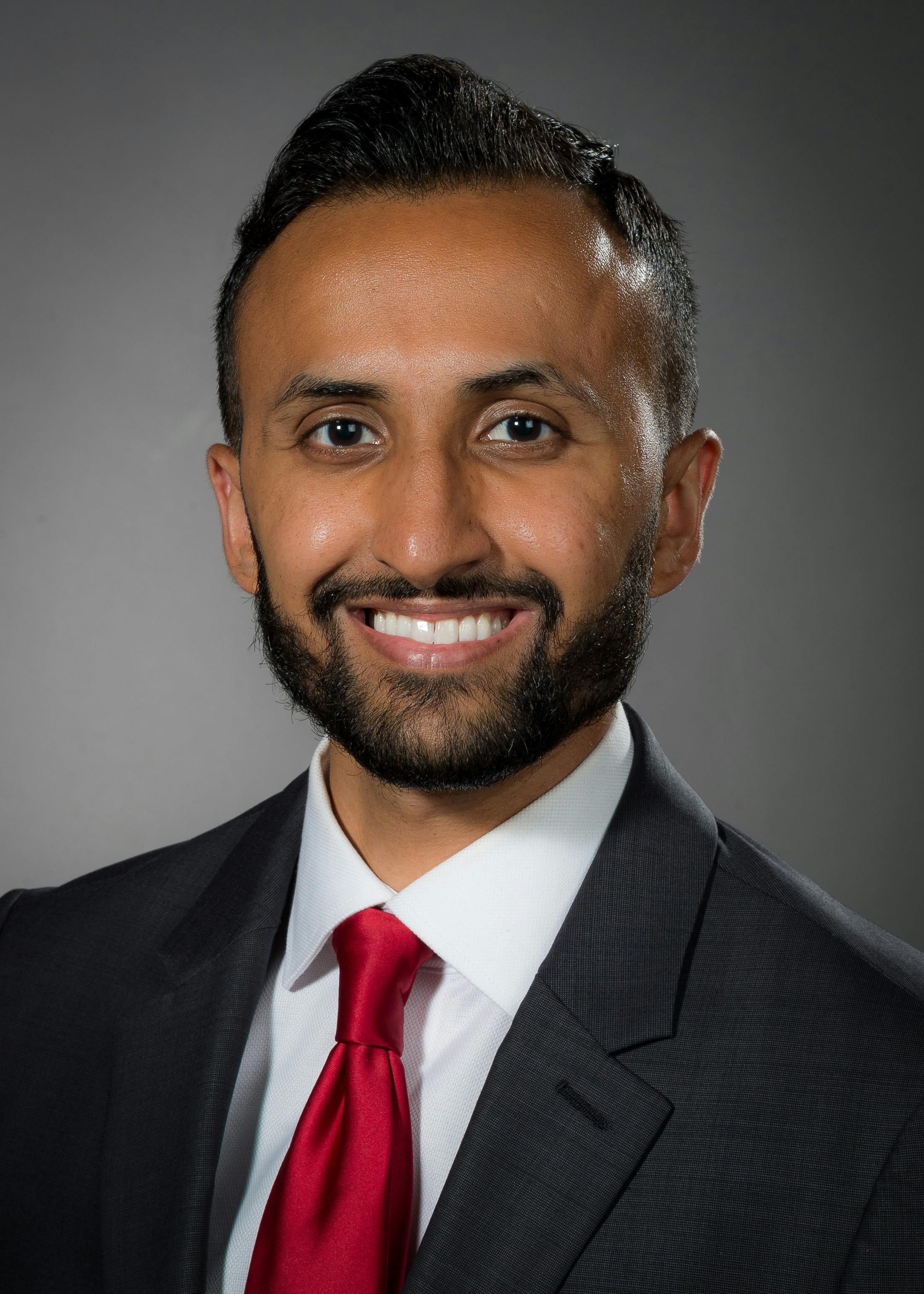
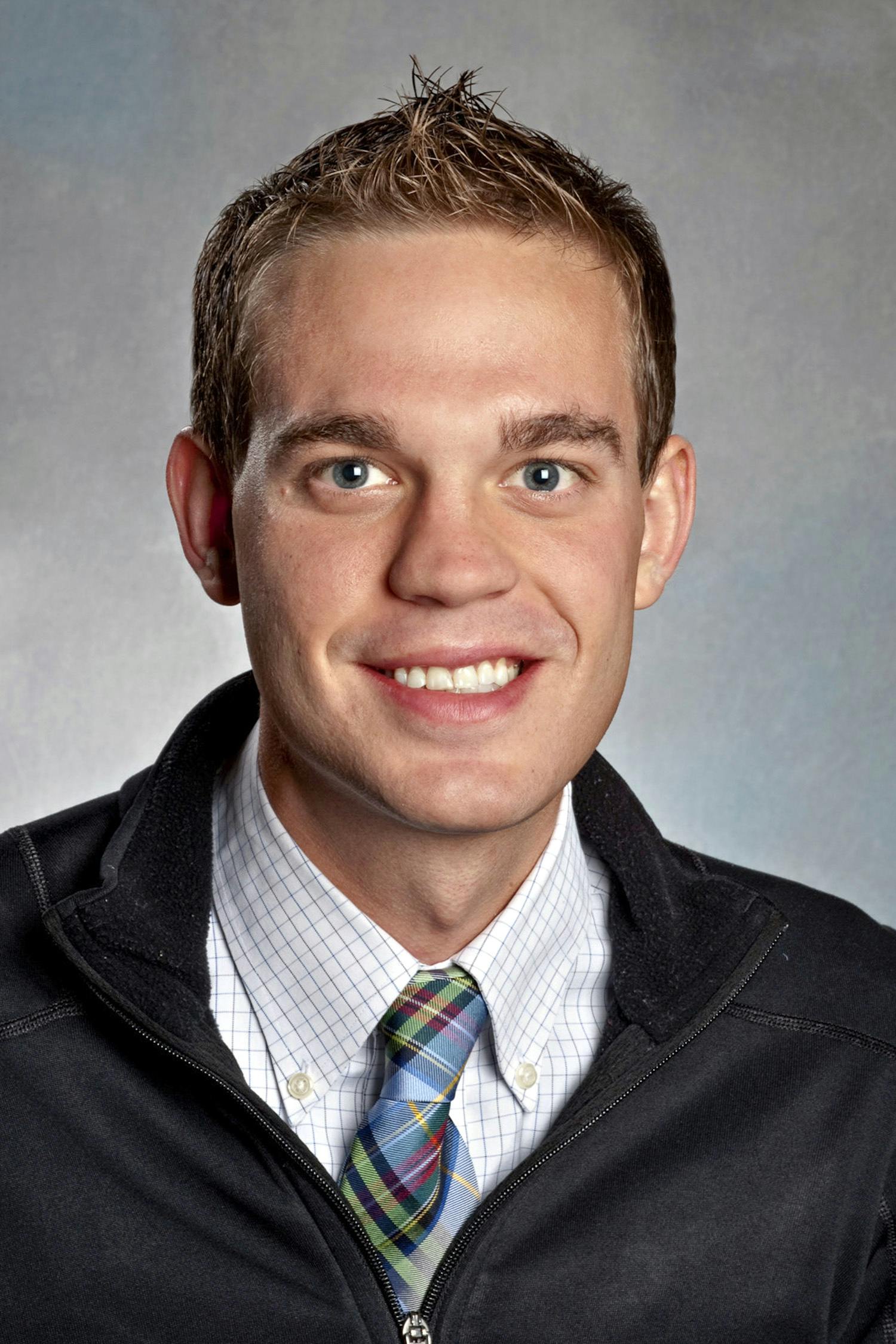
Thank you for discussing your career with us. Could you begin by sharing an overview of your background, training, and current practice?
I’m originally from upstate New York, and I completed my medical internship at Stanford University. I then pursued my radiology residency at Brigham and Women’s Hospital in Boston, Massachusetts, followed by an interventional radiology (IR) fellowship at University of Pennsylvania in Philadelphia. My professional journey includes positions at University of Michigan, Inova Alexandria Hospital, and currently, University of Washington. My clinical focus is predominantly on venous disease, including complex inferior vena cava filter removal, treatment of both acute and chronic deep vein thrombosis, and venous stent reconstruction. Additionally, I have a strong interest in lymphatic disease, endoscopy, and physician wellness in IR.
You have lived in various regions across the United States. How would you compare the East and West Coasts?
The East Coast is characterized by a direct, fast-paced, and efficiency-oriented approach, while the West Coast tends to emphasize a more friendly, holistic approach to care. Both have provided valuable opportunities and significantly shaped my interest in venous disease.
Can you tell us about your experience maintaining a practice focused almost entirely on venous disease?
Maintaining a specialized focus such as venous disease requires nuanced training, which many interventional radiologists now receive. Although IR encompasses a broad range of disciplines, including oncology and vascular and nonvascular procedures, mastering one area demands considerable dedication. Although focusing on venous disease may be challenging, it is achievable in both academic and private practice settings. Over the past 5 years, I have concentrated my academic and clinical interests in this field.
What led you to choose IR as a specialty, and did you consider other fields?
Initially, I aimed to become a neurologist due to a personal experience with a head injury. I was interested in either neurology or neuroradiology. During my radiology residency, I discovered a passion for procedural work and patient interaction. My exposure to IR during residency piqued my interest, particularly due to the innovation and patient care. My interest in venous disease specifically developed during my IR fellowship with Dr. Deepak Sudheendra, and it was further refined by Drs. Ravi Srinivasa and Joseph Gemmete at the University of Michigan and Dr. David Shin at the University of Washington. Although my path was slightly unconventional, I have greatly enjoyed it and cannot envision a different career.
With your primary focus on venous disease, do you miss performing other procedures?
I still take general IR call and perform a variety of procedures, including those outside the realm of venous disease. Currently, my practice involves venous procedures about 80% of the time, with the remaining 20% encompassing nonvascular and arterial work. While I appreciate the breadth of IR, my primary passion lies in venous disease, particularly in thrombectomy and complex reconstructions. I find it fulfilling to address complex venous issues that other providers might consider untreatable.
Do most interventional radiologists eventually specialize in one disease area?
There are generally two approaches within IR: a holistic jack-of-all-trades approach or a focus on a specific service line. Both have their advantages, but I personally prefer specializing in one area and mastering its nuances. This focused expertise allows for a deeper understanding and recognition as a leading authority in that specific domain. Keeping abreast of the literature and techniques across all IR disciplines can be challenging, making specialization a more feasible approach for many.
How are advanced procedures in complex venous reconstructions learned if one had limited exposure during training? How does training impact future skills?
Having worked with pioneering interventional radiologists, I was fortunate to gain extensive experience in venous disease. Early exposure to advanced techniques and the evolution of technologies, such as single-session thrombectomy and innovative stent designs, has been invaluable. Even if venous disease is not a primary focus during initial training, practitioners may develop proficiency in this area through continued practice and learning.
What advice would you give to someone interested in establishing a venous program?
Raising awareness about the capabilities of IR is crucial. Because other specialties also perform similar procedures, educating referrers and colleagues about IR’s specific offerings is essential. This may be achieved through lectures, case presentations, consultations, and longitudinal patient care. Establishing vein screening clinics and collaborating with local specialists may also help identify and treat patients effectively. Developing a comprehensive outreach program is key to building a successful venous program.
At what point did you feel confident performing high-risk procedures or operating on unstable patients?
My confidence in performing complex procedures developed under the mentorship of experienced colleagues at the University of Michigan, where I was involved in managing complicated cases. With the experience gained from these high-stakes situations and subsequent practice, I felt prepared to lead complex venous disease programs. I also take pride in mentoring my trainees, helping them become proficient in managing a diverse range of procedures.
How do you determine when to abort a procedure?
I do not frequently abort procedures, as my clinical success rate is high. For patients with acute or chronic deep vein thrombosis, I discuss standard and more aggressive techniques with them beforehand. If necessary, I may perform a follow-up procedure with advanced techniques. Collaborating with another operator enhances efficiency and safety, contributing to our overall success rate.
You have published extensively on IR-operated endoscopy. When did you first encounter these techniques?
I was first exposed to endoscopy techniques at the University of Pennsylvania. My advanced training in endoscopy, particularly in removing biliary stones and gallstones, occurred at the University of Michigan under Dr. Ravi Srinivasa. The integration of endoscopic equipment from gastroenterology and urology departments facilitated frequent use of these techniques. Advances in single-use, disposable devices have since transformed this field, making procedures more accessible.
What are the most critical factors to consider when starting an endoscopy program, and which is typically the most challenging?
Educating general physicians and patients about the capabilities of IR is essential, as many may not be aware of our procedures. Raising awareness among other specialties and showcasing the range of interventions possible with endoscopy may increase consults and program success. Familiarizing providers with endoscopic capabilities and incorporating them into routine practice is crucial for program development.
Do you collaborate with gastroenterologists during procedures, and if so, how?
Collaboration with gastroenterologists varies by institution. At some facilities, interventional radiologists and gastroenterologists work closely, such as in rendezvous procedures. In other settings, the two specialties may perform interventions separately but consult each other as needed. Both approaches are effective, but in many cases, interventional radiologists are equipped to perform these procedures independently.
What are some research projects you are particularly proud of?
I am proud of my research on venous disease, including treatments for superior vena cava syndrome including thrombectomy and stent reconstruction. Additionally, my work on physician wellness and burnout has yielded several publications on anxiety and moral injury in IR. Addressing wellness in medicine is vital, and I am committed to further exploring this area.
How can one transition from contributing to existing research projects to developing original research ideas?
Reading articles from other specialty journals can provide inspiration for research ideas. For example, our study on physician burnout was influenced by similar research in internal medicine. Additionally, exploring institutional data sets and identifying gaps or opportunities within your practice can lead to valuable research projects. Leveraging existing expertise and data may facilitate the development of original research contributions.
What initiatives have you implemented to promote physician wellness and reduce burnout?
As former Program Director of the Integrated and Independent Interventional Radiology Residencies, we focused on improving resident satisfaction by providing earlier exposure to clinical practice through dedicated clinics and offering optional participation in after-hours cases. We have also introduced postcall days to allow residents time to decompress. Recognizing and addressing the significant demands on residents and faculty, we strive to reduce stress and support wellness.
How is physician burnout being addressed globally, and what role do administrative and individual efforts play?
Global changes are indeed occurring, but they are complex and require administrative support. Increased demands from medical records and charting necessitate systemic solutions. On an individual level, wellness may be improved through personal strategies such as spending time with loved ones, engaging in exercise, and participating in mental health programs. While challenging, efforts are being made to address burnout comprehensively.
How do you personally manage stress and prevent burnout?
I have found it beneficial to unplug from work after hours, refraining from addressing nonurgent emails or messages until the next day. Although maintaining this boundary may be challenging, it is important for managing stress and avoiding burnout.
What advice would you offer to trainees and new attendings starting their careers?
For trainees, I recommend immersing yourself in as many cases, research projects, and learning opportunities as possible during residency. As an early career faculty member, seek guidance from experienced colleagues who can offer valuable insights and support. The IR community is collaborative and supportive, and leveraging this network may greatly benefit your professional development.
Is there anything else you would like to share about your career or experiences?
I believe the field of IR offers a unique blend of procedural expertise and patient care. I particularly value the collaborative nature of the specialty and the opportunity to make significant impacts on patient outcomes. I encourage others to explore and embrace the diverse opportunities within IR.
Disclosures
Dr. Saini: None.
Dr. Chick: Consultant and speaker for Inari Medical, Guerbet, C. R. Bard, Argon Medical Devices, Boston Scientific, NXT Biomedical, and AiDoc.
Advertisement
Advertisement
