Advertisement
Advertisement
September 2024
Sponsored by Endologix LLC
Percutaneous Transmural Arterial Bypass (PTAB): A Novel Addition to the Treatment Options for Symptomatic PAD
Two case examples help demonstrate the varied use of PTAB with the DETOUR System in treating superficial femoral artery disease.
With Vincent M. DiGiovanni, DO, FACOS, FSVS; Henry D. Hirsch, MD; and Ioannis Tsouknidas, MD
Peripheral artery disease (PAD) and resultant chronic limb-threatening ischemia (CLTI) have both demonstrated increasing incidence in the last decade.1,2 The femoropopliteal arterial segment is very commonly affected within this disease spectrum.3 Superficial femoral artery (SFA) disease often necessitates a range of interventions from conservative management to advanced revascularization techniques to open surgery. Although angioplasty, stenting, and atherectomy offer minimally invasive solutions, open surgical bypass remains the gold standard; however, it arguably confers higher cost and periprocedural morbidity.1,4 Therefore, it is typically reserved for TASC C and D lesions and patients with CLTI, extensive or recurrent disease, failed endovascular interventions, or poor distal runoff.
Percutaneous transmural arterial bypass (PTAB) with the DETOUR™ System (Endologix) combines the reasoning of traditional open bypass with a minimally invasive technique to address long-segment SFA and popliteal artery occlusions, thereby avoiding the risks and inpatient costs associated with an open therapy.
The DETOUR system, a novel approach from Endologix, represents a significant advancement in the treatment of complex SFA disease. Designed to offer a less invasive solution with comparable efficacy to open bypass,3,4 DETOUR utilizes a unique endovascular approach to create an extended-segment femoral bypass, potentially reducing complications and improving recovery times. This system provides an additional therapeutic option for patients with complex SFA disease who have a combination of long segment (≥ 20 cm), heavily calcified chronic total occlusion, repeatedly fail or are predicted to fail traditional endovascular treatments, or are not ideal candidates for open surgical femoropopliteal intervention.
CASE 1: PTAB in the Treatment of Distal Lesions for Limb Salvage
By Vincent M. DiGiovanni, DO, FACOS, FSVS

PRESENTATION
A woman in her late 70s presented with 2-week history of right lower extremity pain, numbness, and ischemic foot wounds. The patient’s history was significant for severe multilevel PAD and three failed endovascular interventions to the right lower extremity. Most recently, she had a recent right common femoral artery (CFA)–to–below-the-knee popliteal artery bypass graft with in situ vein complicated by infection, requiring graft ligation/excision. Preprocedure ankle-brachial index (ABI) was 0.42 with absent popliteal Doppler signal. Angiography showed occlusion of the femoropopliteal bypass graft, a severely calcified diminutive SFA with long multilevel occlusion, and distal reconstitution at the level of the P2 and two–tibial vessel runoff (Figure 1).
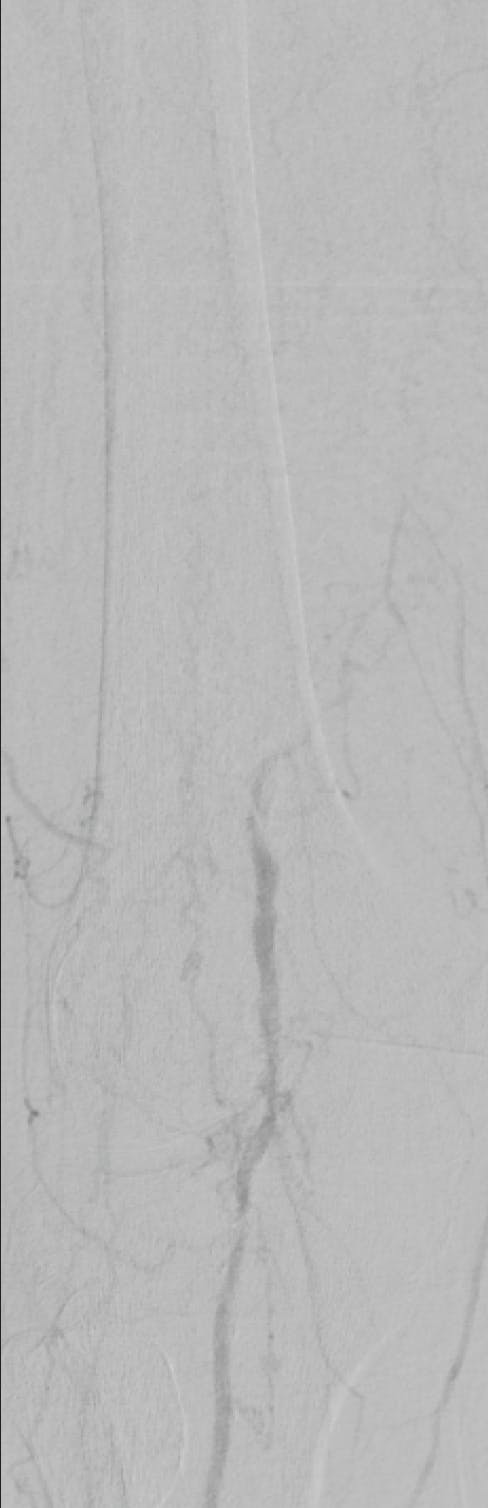
Figure 1. Angiogram of the ipsilateral CFA depicting the isolated popliteal reconstitution at the knee joint with poor opacification of the tibial vessels.
PROCEDURAL DETAILS
A hydrophilic catheter and wires were used to traverse a previously placed AFX endograft (Endologix). An 8-F sheath was advanced from the contralateral CFA, and percutaneous access was established into both the posterior tibial vein and posterior tibial artery on the target limb. The ENDOCROSS device (Endologix) was fired from the right proximal SFA into the right proximal femoral vein. A 0.014-inch Glidewire (Terumo Interventional Systems) was then advanced into the vein and externalized. Balloon angioplasty of the proximal anastomosis was completed with a 5- X 40-mm Serranator balloon (Cagent Vascular).
The ENDOCROSS device was advanced through the distal femoral vein to the P3 level while a micro snare catheter was advanced through the posterior tibial artery up to the proposed reentry site (Figure 2). The device was fired anteriorly. The ENDOCROSS successfully engaged the snare catheter, and the wire was externalized through the pedal arterial sheath. This “through and through” access allowed for treatment of the distal arterial circulation. Dilation of the distal anastomosis was performed, and a wire exchange was completed with a 0.035-inch Versacore wire (Abbott) advanced into the tibial circulation. Three TORUS™ stent grafts (Endologix) were deployed sequentially at their proposed segments, including a very fibrotic and calcified proximal SFA and distal target. The distal popliteal segment was dilated due to residual disease, and a completion angiogram demonstrated inline flow to the foot (Figure 3).
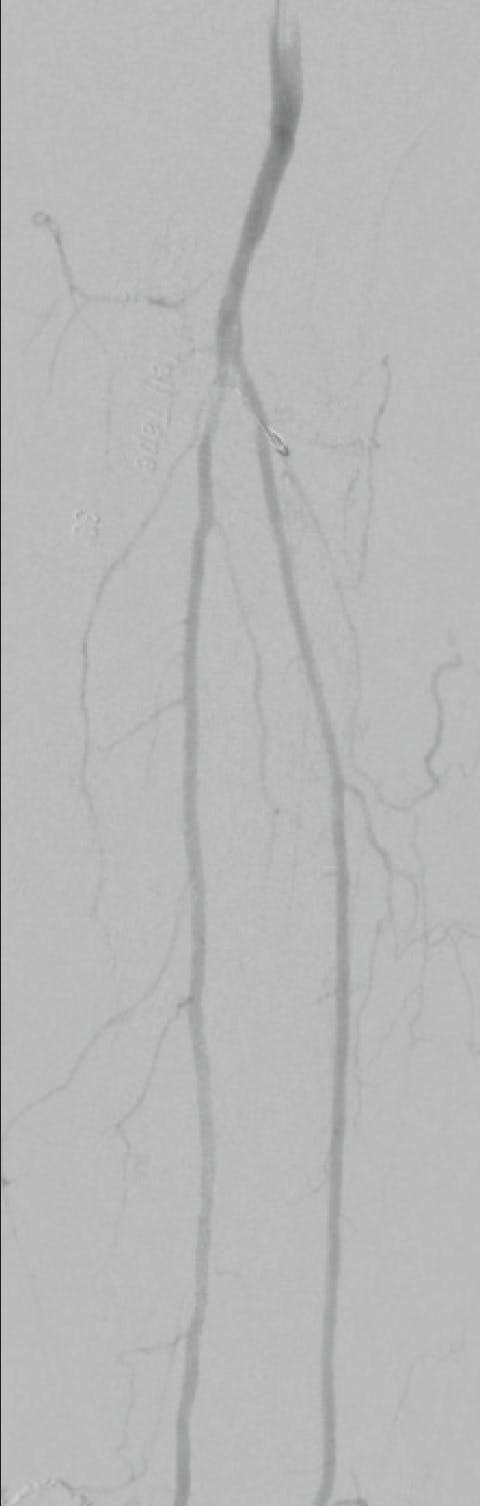
Figure 2. Contrast angiogram following reentry into the P2 segment popliteal artery with the ENDOCROSS device, demonstrating a two-vessel runoff to the foot.
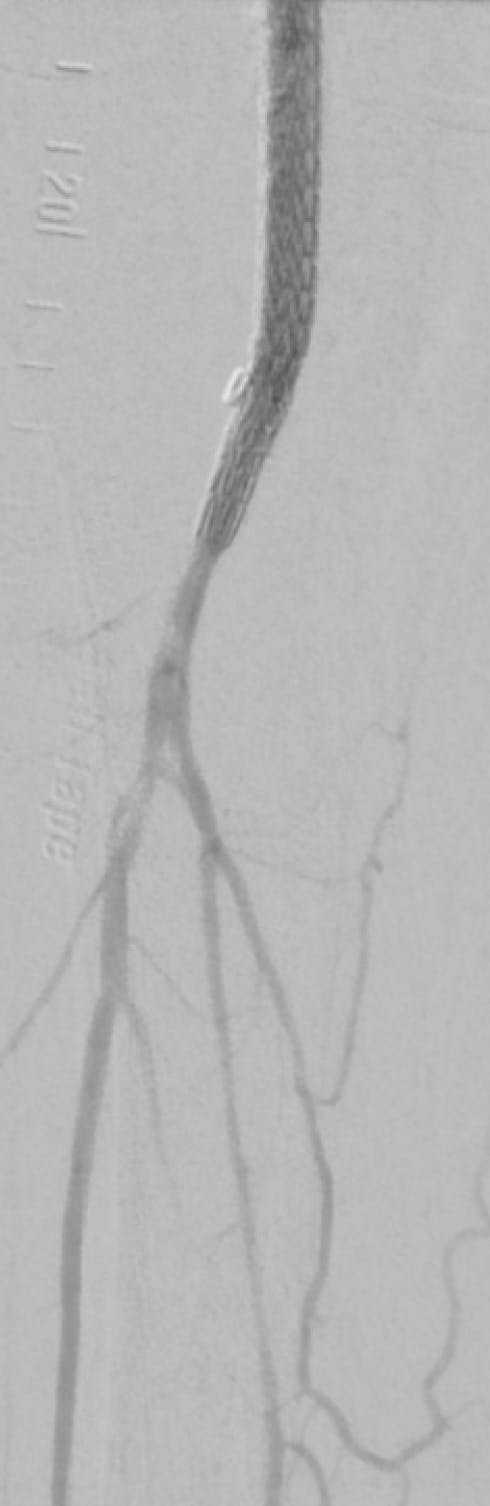
Figure 3. Completion angiogram of lower extremity following successful deployment of TORUS stent graft depicting patent tibial vasculature.
The patient was discharged home with dual antiplatelet therapy (DAPT) the next day. She had a planned fourth toe amputation 10 days postoperatively, which had healed by the 3-week follow-up visit. At the 4-month visit, the patient denied right leg discomfort and ABI had improved to 0.62.
CASE 2: PTAB for Failed SFA Stenting With Claudication
By Henry D. Hirsch, MD, and Ioannis Tsouknidas, MD


PRESENTATION
A man in his mid-50s with PAD treated with bilateral SFA stents on DAPT and other significant history presented with complaint of life-limiting left lower extremity claudication. Examination revealed nonpalpable pedal pulses, but no wounds or gangrene. Angiography confirmed an occluded left distal SFA stent with heavy calcification (Figure 1). The CFA was patent and there was reconstitution in the above-the-knee (ATK) popliteal segment with two vessel run-off via the anterior and posterior tibial arteries. Antegrade attempts to cross the occluded stent were unsuccessful, as was retrograde pedal access. Revascularization options included surgical femoral-to–ATK popliteal bypass; however, the patient desired an early return to work and a minimally invasive approach. Given the failed previous endovascular treatment, PTAB was ultimately selected as the revascularization strategy.
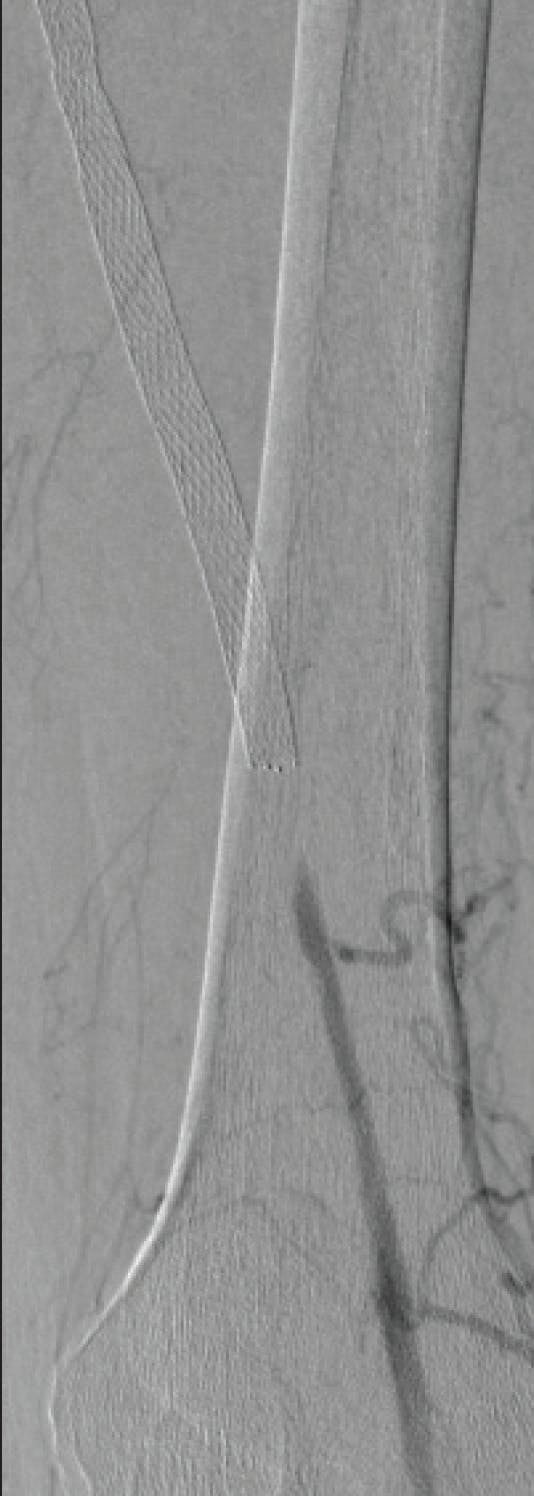
Figure 1. Initial angiogram demonstrates occluded left distal superficial artery stent. Despite attempts with traditional catheter technique, using antegrade and retrograde approaches failed to cross the occluded segment and reenter.
PROCEDURAL DETAILS
In the catheterization laboratory the patient was given conscious sedation. Contralateral CFA access and ipsilateral posterior tibial vein access were performed under ultrasound guidance. An 8-F sheath was positioned in the distal left external iliac artery. The proximal anastomosis from the SFA to the proximal femoral vein was created using the ENDOCROSS device. A 0.014-inch wire was advanced into the vein where it was captured with a 6-F snare and externalized through the posterior tibial vein sheath.
The proximal anastomosis was then dilated with a 4- X 40-mm plain balloon angioplasty (POBA) before the ENDOCROSS was advanced to the popliteal vein level. The distal anastomosis was created in the P2 popliteal segment, 3 cm above the knee joint, and dilated with a plain 4- X 40-mm balloon and a 4- X 40-mm Serranator balloon (Figure 2 and Figure 3). The wire was exchanged for a 0.035-inch, 300-cm wire, and overlapping TORUS stent grafts were deployed beginning distally, with the last one landing at the SFA origin (6- X 200-mm, 6.7- X 200-mm, and 6.7- x 150-mm stent grafts were used). Postdilation was performed with overlapping inflations of a 7- X 200-mm POBA. The total procedure time was 102 minutes.
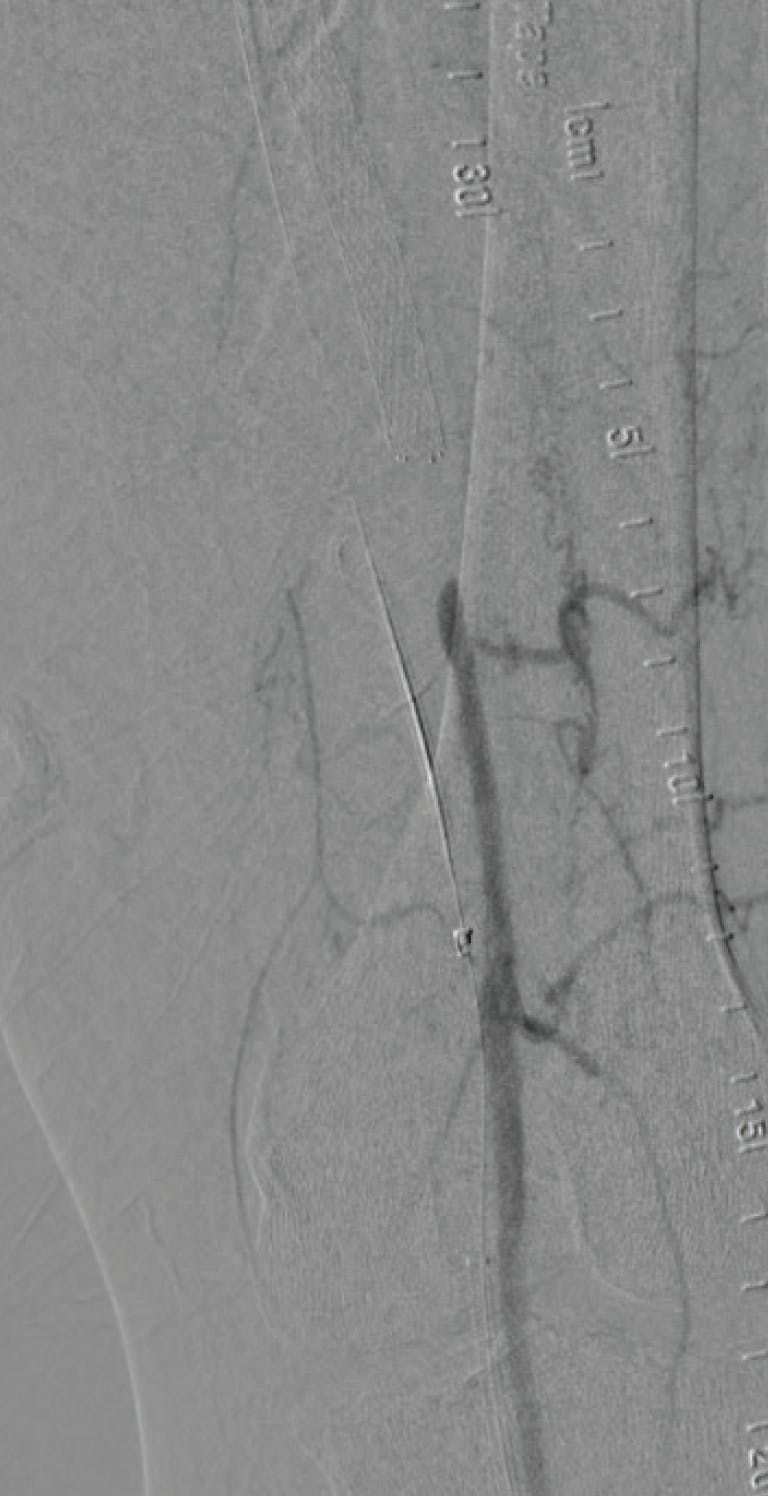
Figure 2. Angiogram of the reconstituted popliteal artery with the Endocross device positioned in the popliteal vein. Superimposing the artery over the vein by rotating the C-arm facilitates creation of the distal transmural anastomosis.
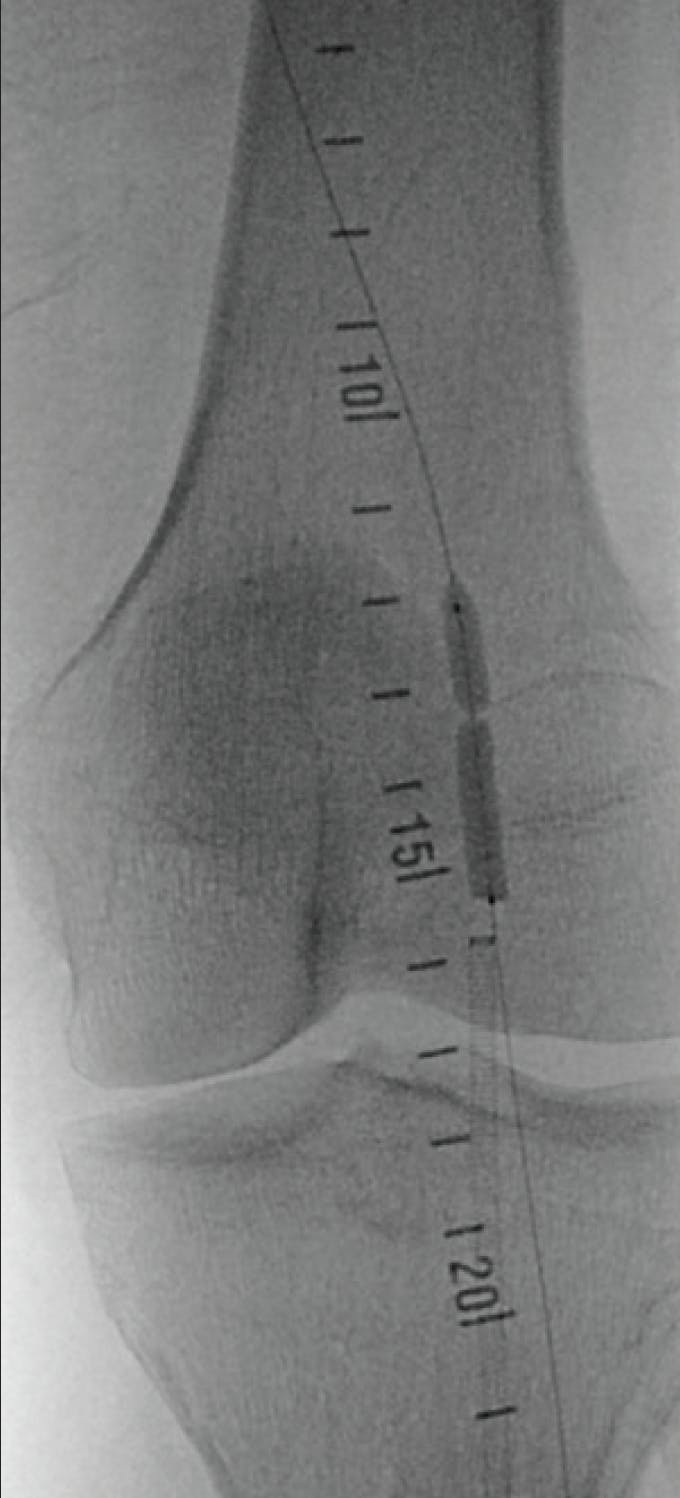
Figure 3. Balloon maturation of the distal anastomosis using a 4-mm balloon.
Completion angiography demonstrated patency of the TORUS stent grafts with persistent two-vessel runoff (Figure 4 and Figure 5). The postoperative examination found palpable anterior tibial and posterior tibial pulses. The patient did have calf swelling and mild discomfort that was managed conservatively with diuresis and compression.
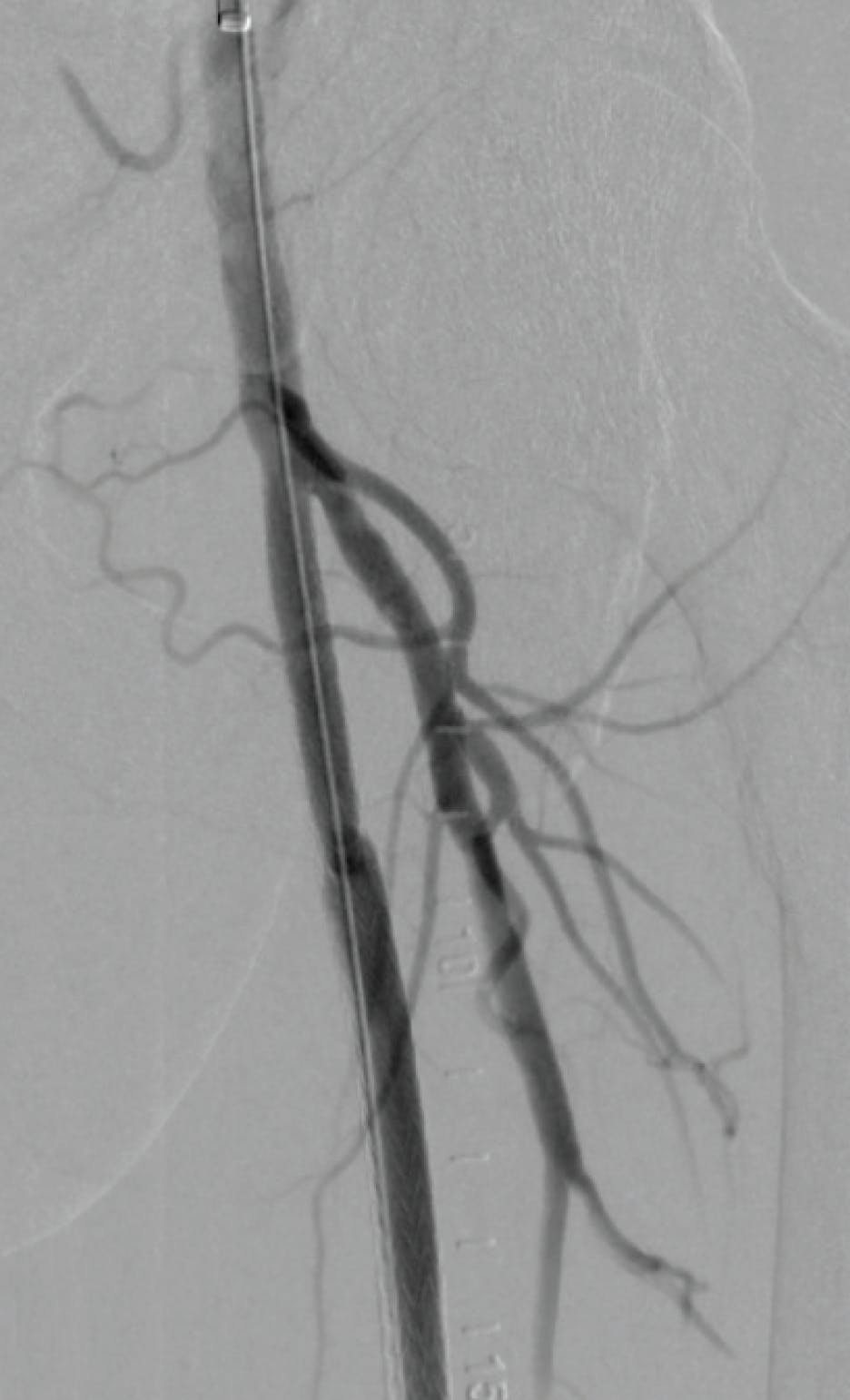
Figure 4. Completion angiogram showing the proximal extent of the TORUS stents and patent profunda. The proximal stent graft is ideally positioned with the uncovered portion of the TORUS stent slightly overlapping the profunda origin.
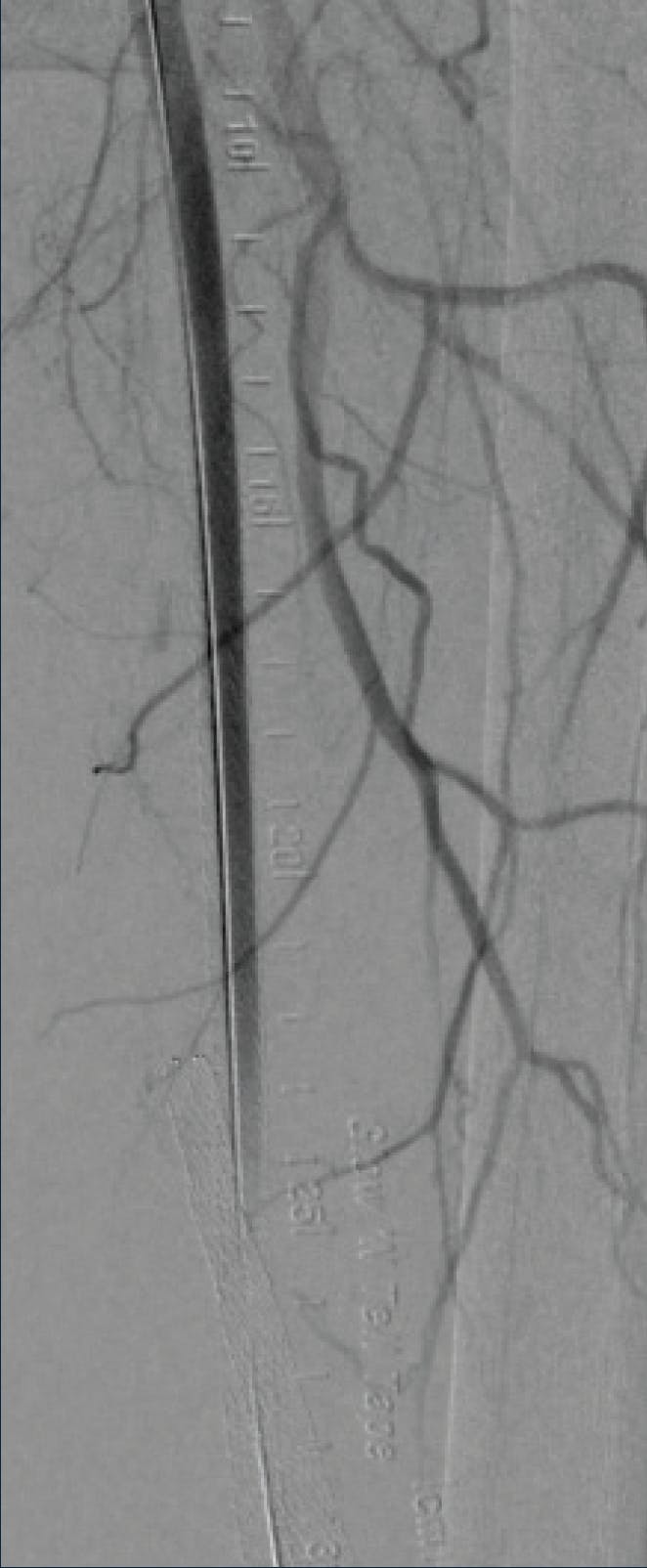
Figure 5. Completion angiogram showing the mid portion of the completed PTAB. The occluded SFA stent can be seen in the background.
The patient was discharged on postoperative day one with DAPT and an additional 30 days of rivaroxaban 10 mg. The patient returned to work 2 weeks after the procedure. At 10-month follow-up, he remained asymptomatic without claudication.
DISCUSSION
PTAB with the DETOUR system is an innovative alternative for the treatment of long-segment, complex SFA disease or TASC D lesions. This unique endovascular approach utilizes the femoral vein as a conduit for TORUS stent grafts to bypass the lesion. The cases presented here illustrate that PTAB is an effective therapy in various patient case scenarios.
For example, Case 1 demonstrates the utility of PTAB in limb salvage and for distal lesions characterized by rest pain and ischemic ulcers. This patient had multiple failed endovascular interventions and vein bypass complications exacerbated by poor wound healing. PTAB with the DETOUR System in this case avoided the anticipated complications of another traditional open bypass while extending patency as long as possible. Additionally, the retrograde distal arterial access point obtained provided “through and through” control of a floss wire. This allowed for comparatively easier antegrade advancement of balloons and placement of stent grafts into a healthy distal arterial segment. The PTAB procedure successfully restored blood flow with the DETOUR system, which likely contributed to short healing time of the amputation wound. The patient remains asymptomatic with an improved ABI.
Case 2 is an example of a younger PAD patient with severe claudication and an SFA stent that occluded who had additional endovascular attempts to cross the lesion that failed. Therefore, the revascularization options were limited to open surgical bypass. However, the patient desired a minimally invasive approach to return to normal activity quickly. Therefore, a percutaneous, minimally invasive approach with PTAB was an ideal treatment strategy for this situation. Both the procedure time and hospital stay were short, and the recovery was uneventful. This patient was able to return to work early and remains symptom-free.
PTAB with the DETOUR system represents an evolution in the treatment of complex PAD by overcoming the limitations of conventional methods. The DETOUR system provides an additional therapeutic treatment option for physicians and their patients with SFA disease who continue to fail endovascular treatments or who are not ideal candidates for open surgical femoropopliteal intervention.
1. Krievins DK, Savloskis J, Ezite N, et al. The DETOUR procedure: no more need for conventional bypass surgery? J Cardiovasc Surg (Torino). 2018;59:172-177. doi: 10.23736/S0021-9509.18.10353-3
2. Rumba R, Krievins DK, Savloskis J, et al. Long term clinical and functional venous outcomes after endovascular transvenous femoro-popliteal bypass. Int Angiol. 2022;41:509-516. doi: 10.23736/S0392-9590.22.04937-9
3. Krievins DK, Halena G, Scheinert D, et al. One-year results from the DETOUR I trial of the PQ Bypass DETOUR System for percutaneous femoropopliteal bypass. J Vasc Surg. 2020;72:1648-1658.e2. doi: 10.1016/j.jvs.2020.02.043
4. Halena G, Krievins DK, Scheinert D, et al. Percutaneous femoropopliteal bypass: 2-year results of the DETOUR System. J Endovasc Ther. 2022;29:84-95. doi: 10.1177/15266028211034862
INDICATIONS FOR USE:
The DETOUR™ System is indicated for use for percutaneous revascularization in patients with symptomatic femoropopliteal lesions from 200 mm to 460 mm in length with chronic total occlusions (100 mm to 425 mm) or diffuse stenosis > 70% who may be considered suboptimal candidates for surgical or alternative endovascular treatments. The DETOUR™ System, or any of its components, is not for use in the coronary and cerebral vasculature.
CONTRAINDICATIONS:
The DETOUR™ System is contraindicated in patients with:
- A distal common femoral artery (CFA) < 7 mm in diameter.
- Increased risk of deep vein thrombosis (DVT), such as patients with a recent history of DVT, thrombophilia, and disseminated malignancy.
- Untreated flow-limiting aortoiliac occlusive disease.
- Lack of patent single vessel tibial runoff to ankle.
- Known coagulopathy, bleeding diathesis, or thrombocytopenia that cannot be medically managed.
- Known hypersensitivities, allergies or contraindications to: Nitinol; PTFE; aspirin; heparin; antiplatelet; anticoagulant or thrombolytic therapy; or contrast media that cannot otherwise be medically managed.
Refer to Instructions for Use for more information concerning Indications, Contraindications, Specific Anatomic Considerations, Warnings, Precautions, and Adverse Events.
CAUTION: Federal (USA) law restricts this device to sale by or on the order of a physician.
NOTE: Not all product components are available in every country. Please consult with your Endologix representative to confirm product availability.
Endologix® is a registered trademark of Endologix LLC in the United States, Europe and Japan. All other trademarks are the property of their respective owners.
©2024 Endologix LLC. All rights reserved. MM2835-US Rev 01
Advertisement
Advertisement
