Advertisement
Advertisement
April 2025
Salvaging the Unsalvageable: Clinical Considerations for TADV in “No-Option” CLTI
A case-based discussion navigates the decision-making process for a patient with chronic limb-threatening ischemia with poor targets and failed endovascular interventions.
By Sundeep Kumar, MD; Mehdi Shishehbor, DO, MPH, PhD; and Jun Li, MD, FACC, FSCAI, RPVI
More than 150,000 nontraumatic lower extremity amputations occur annually in the United States, with the majority affecting individuals with diabetes. Alarmingly, between 2009 and 2015, there was a 50% increase in amputation rates among diabetic patients, reversing a previous downward trend.1 Chronic limb-threatening ischemia (CLTI) is a severe form of peripheral artery disease (PAD) where inadequate blood flow fails to meet the resting metabolic demands of the limb, resulting in persistent ischemic pain at rest, nonhealing ulcers, and/or gangrene. Within 1 year of a CLTI diagnosis, one in four patients undergoes amputation to manage severe limb pain, nonhealing wounds, or life-threatening infections.2 No-option CLTI patients are those who lack viable surgical or endovascular revascularization options due to diffuse arterial disease, poor distal targets, and/or failed prior interventions. This case describes a patient with CLTI with poor targets and failed endovascular interventions.
CASE PRESENTATION
A nonsmoking man in his early 80s with coronary artery disease and prior percutaneous coronary intervention, type 2 diabetes mellitus, hypertension, stage 3 chronic kidney disease, immunoglobulin M deficiency, and anemia of chronic disease presented with a right hallux ulcer. An MRI of the foot showed evidence of osteomyelitis of the right hallux, necessitating distal partial hallux amputation. The amputation site became gangrenous soon after the partial amputation (Figure 1), and the patient was referred to the endovascular clinic for evaluation.
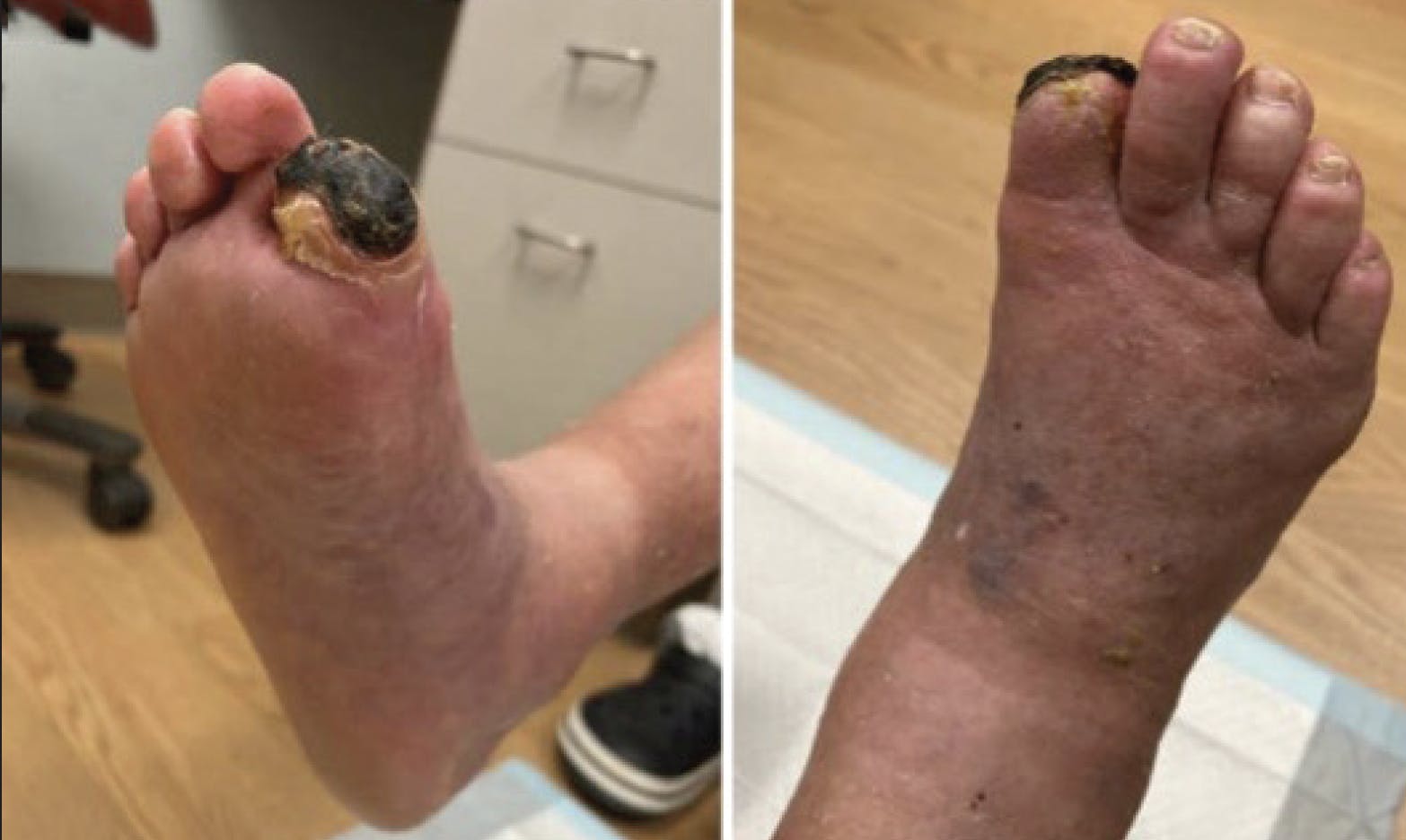
Figure 1. Nonhealing wound in the right great toe.
Highlight Point
Patients with CLTI and noncompressible ABI results have a high incidence of tibial and pedal arch occlusive disease, significantly limiting distal perfusion and reducing the feasibility of conventional revascularization strategies. A high index of suspicion and addition of TBI (abnormal < 0.7) can assist in diagnosis.3
The initial ankle-brachial index (ABI) showed noncompressible vessels, with flattened toe pressures throughout all digits bilaterally, congruent with a toe-brachial index (TBI) of 0 (Figure 2). Given the concern of severe below-the-knee PAD, the patient was referred for lower extremity angiography, which revealed an occluded posterior tibial (PT) artery and dorsalis pedis (DP) artery (Figure 3). An effort to revascularize the DP and PT was unsuccessful, with persistent desert foot.
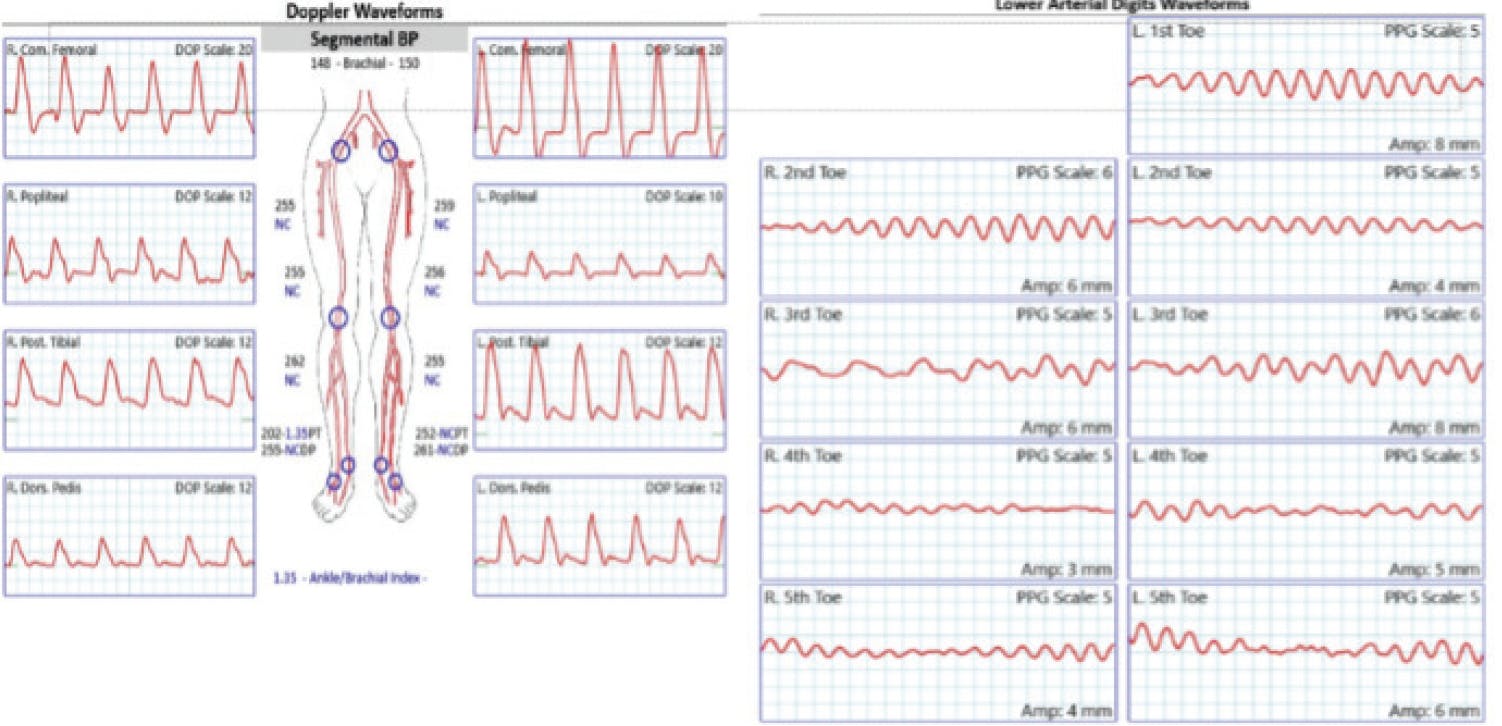
Figure 2. ABI and TBI values.
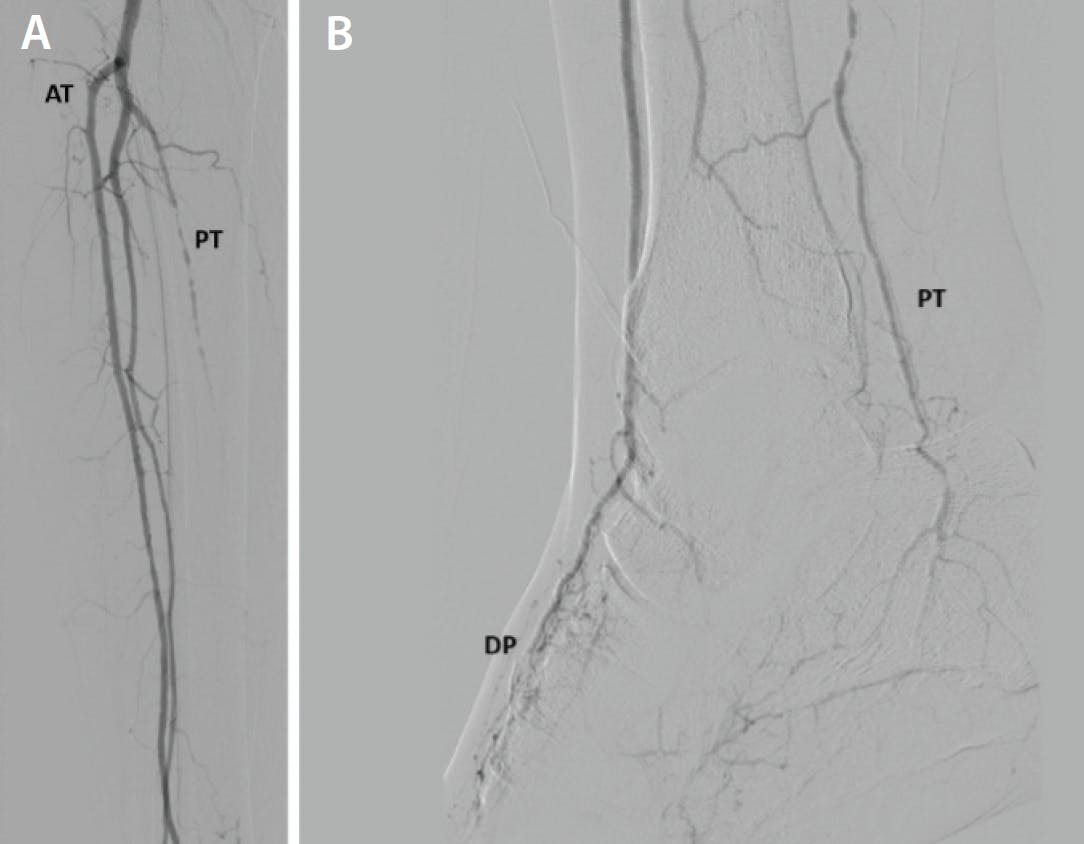
Figure 3. Peripheral angiogram showing an occluded PT artery and patent proximal AT artery and peroneal vessel (A) and an occluded DP, PT, and desert foot (B).
CASE CONTINUED
After discussion with our multidisciplinary limb salvage team, the foot was deemed to be salvageable, although there was a lack of arterial targets for revascularization into the angiosome. The decision was made to perform transcatheter arterialization of the deep veins (TADV). In select patients with no-option CLTI, specifically those with desert foot and no available conventional surgical or endovascular revascularization treatment options, TADV is effective for limb salvage and wound healing.4
Highlight Point
The angiosome-directed approach in CLTI is a targeted revascularization strategy aimed at restoring direct arterial perfusion to the ischemic tissue.5 It relies on the fact that each region of the foot is typically supplied by a distinct arterial branch, thus prioritizing revascularization of the artery that serves the affected wound area to enhance healing and improve clinical outcomes. Although this approach is often the ideal strategy, anatomic and technical challenges may limit feasibility. In such cases, indirect revascularization, which improves collateral circulation by increasing perfusion to adjacent angiosomes, may be considered as an alternative strategy to promote wound healing.
CASE CONTINUED
The TADV procedure creates a connection from a tibial artery into an adjacent deep vein, ultimately connecting into the venous pedal arch to allow delivery of oxygenated blood into ischemic tissues via a venous conduit (Figure 4). Our patient was evaluated for the PROMISE III trial but was excluded due to his underlying immunoglobulin M deficiency. Due to limited options for limb salvage, a decision was made to proceed with off-the-shelf TADV with alternative equipment.
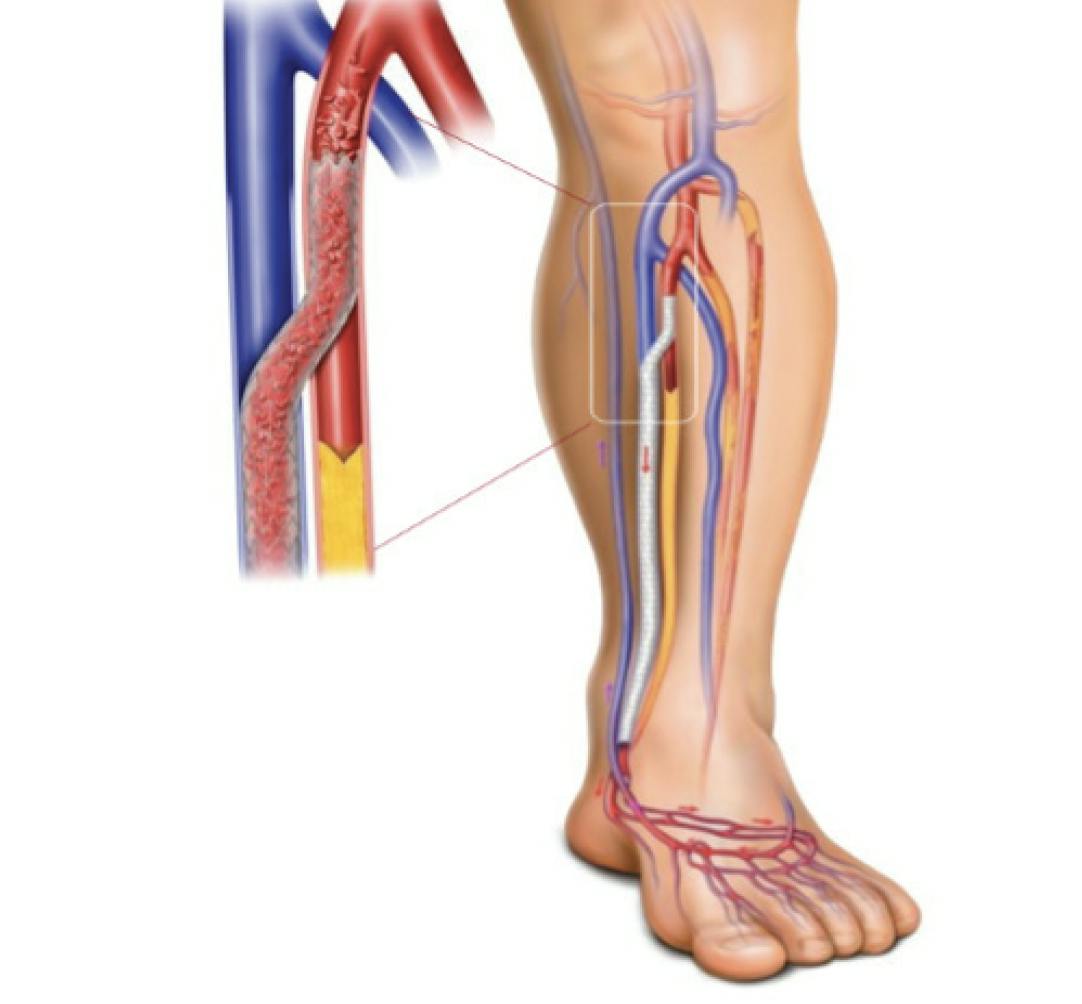
Figure 4. Schematic illustration of TADV. From The New England Journal of Medicine, Shishehbor MH, Powell RJ, Montero-Baker MF, et al, Transcatheter arterialization of deep veins in chronic limb-threatening ischemia, Volume 13, Page 1171-1180, Copyright © 2023. Massachusetts Medical Society. Reprinted with permission from Massachusetts Medical Society.
In typical fashion, the toes were covered with a sterile glove beforehand to allow complete, sterile exposure of the plantar surface. The entirety of the foot and leg was prepared with antiseptic prior to draping. A tourniquet was applied to allow better visualization of the plantar veins.
Our usual target for creating the arteriovenous crossing is the PT artery, and thus the preferred venous access point is the lateral plantar vein. After access, venography was performed to ensure a complete plantar venous arch. Following this, a 0.014-inch wire was advanced in retrograde fashion to the PT vein, and a 6-F Glidesheath Slender (Terumo Interventional Systems) was placed into the venous system.
Using a 0.014-inch Hi-Torque Command guidewire (Abbott), we accessed into the PT artery and identified a proximal location within the PT with favorable apposition between the arterial and venous systems. An Outback device (Cordis) was advanced from the arterial side, which sometimes requires predilation to accomplish. A balloon was advanced from the venous system to serve as a target for the Outback needle. After puncturing the balloon using the reentry device needle (Figure 5), the antegrade wire was externalized with the punctured balloon into the venous sheath. A radiopaque tape is helpful to discern the location of the crossover for endograft landing.
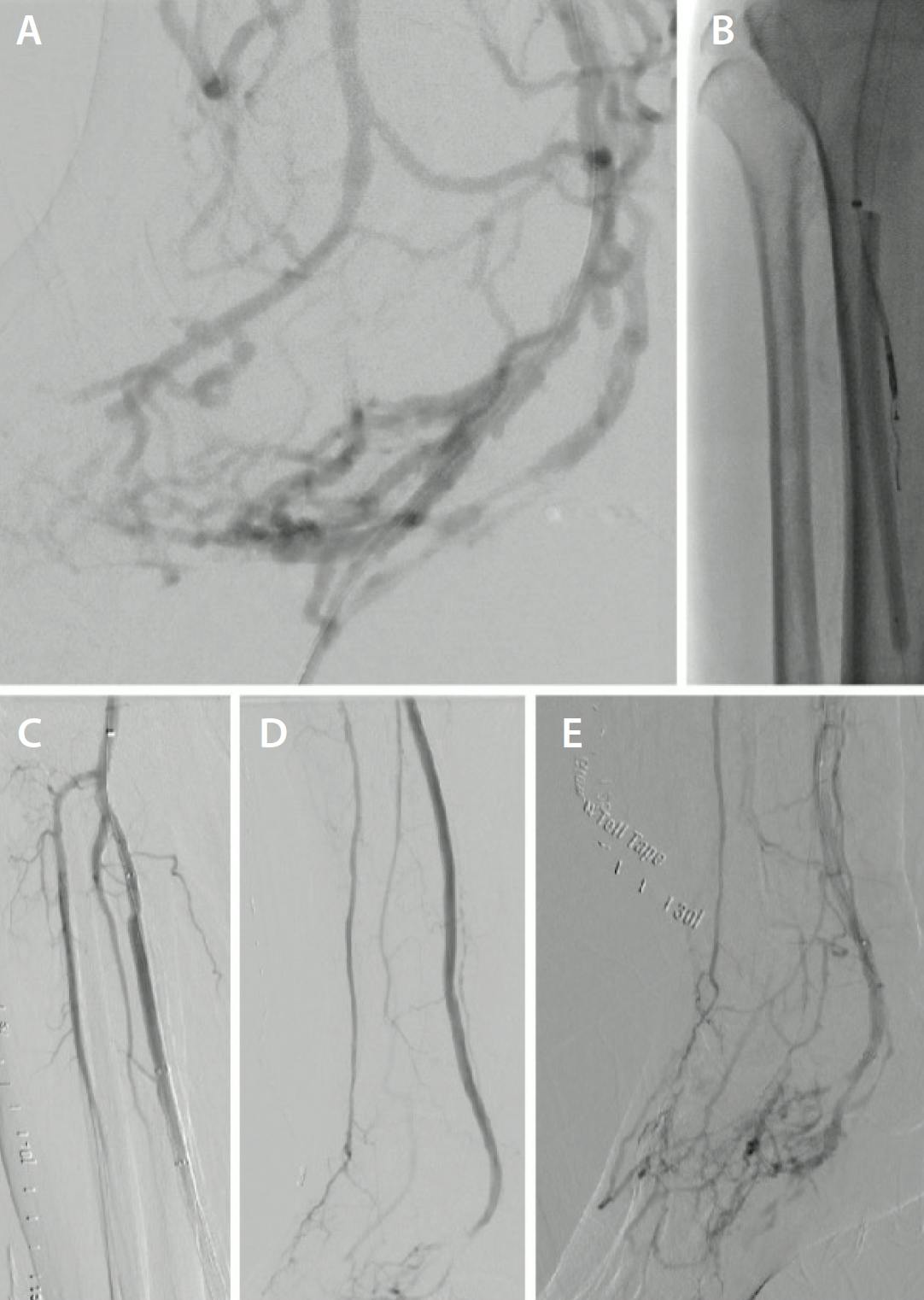
Figure 5. Baseline venogram (A). Outback device crossing from the PT artery to PT vein (B). Conclusion angiograms with the patent native AT and PT arteriovenous connection, supplying outflow to the foot (C-E).
Valves within the PT vein were dilated using a 5- X 200-mm peripheral balloon at nominal pressure. The PT vein was stented with a 5- X 250-mm Gore Viabahn covered endoprosthesis (Gore & Associates) and a 5- X 100-mm Gore Viabahn covered endoprosthesis, landing the latter stent just across the crossover point. A 3.5- X 28-mm Synergy coronary drug-eluting stent (DES) (Boston Scientific Corporation) was placed into the PT artery in overlap with the Viabahn endoprosthesis. The final angiogram showed brisk flow through the arteriovenous conduit and complete plantar venous arch. The plan for antithrombotic therapy was to administer aspirin, clopidogrel, and low-dose rivaroxaban postprocedure.
However, significant pain was noted in the leg the next day. Arterial duplex ultrasound (DUS) revealed an occlusion at the anterior tibial (AT) artery. The stent graft in the calf was also occluded (Figure 6). The patient was taken for a relook angiogram, which showed thrombotic occlusion of not only the TADV but also protrusion into the tibioperoneal trunk (TPT) and compromised flow into the AT artery (Figure 7A).
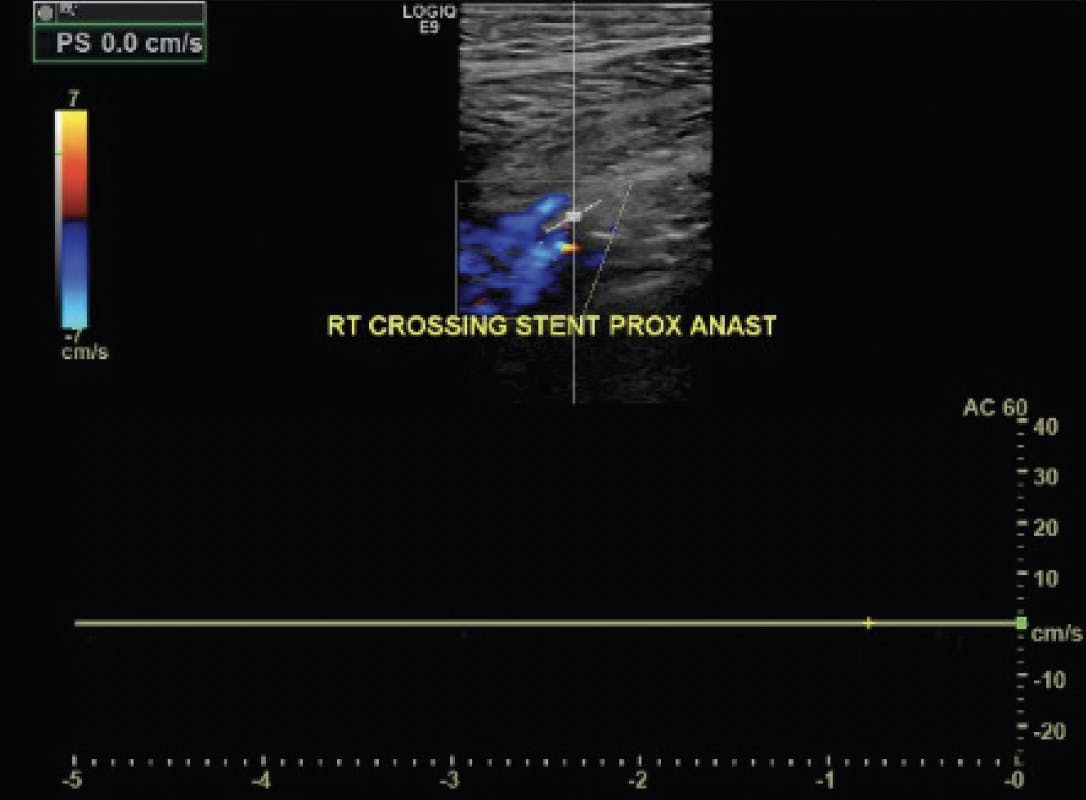
Figure 6. Arterial DUS suggestive of an occluded stent.
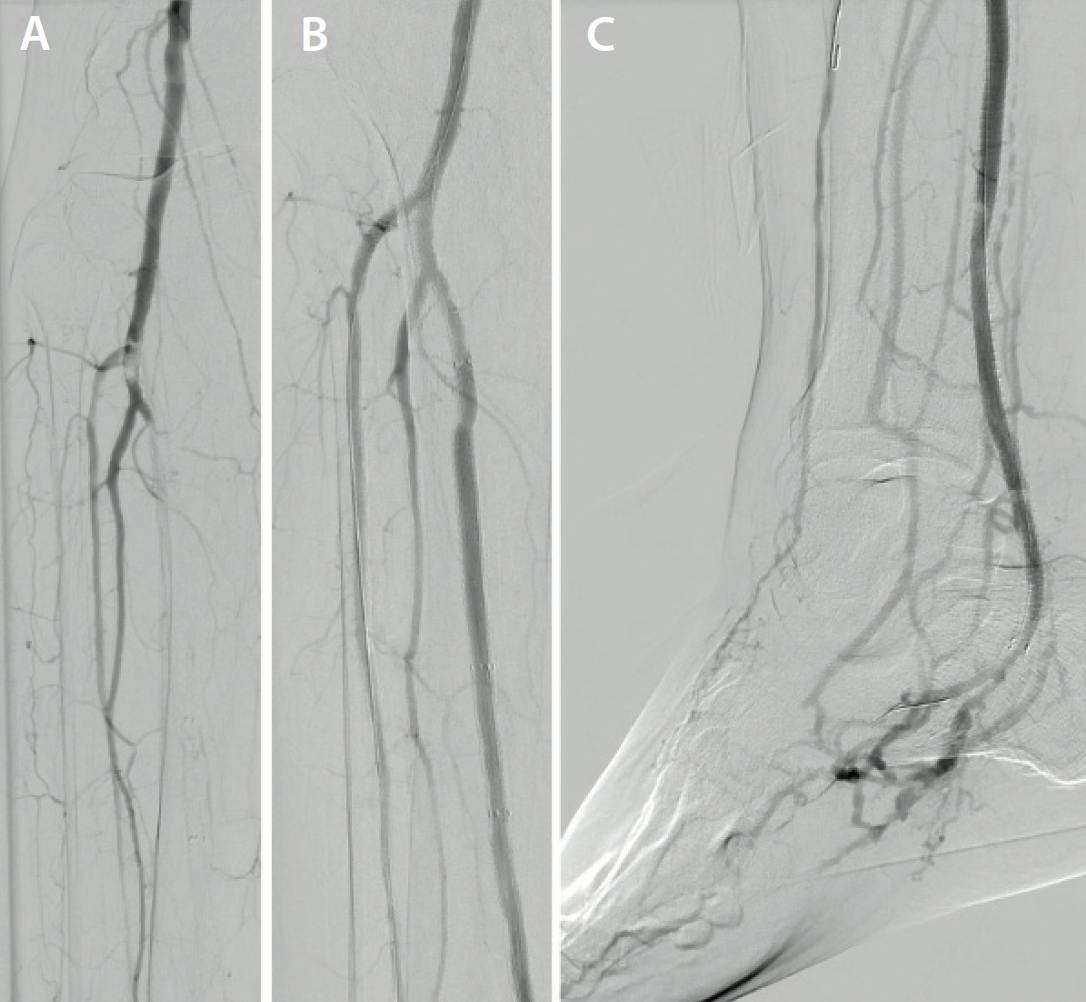
Figure 7. Initial angiogram showing thrombus in the TPT compromising the ostium of the AT as well as the occluded TADV (A). Final angiogram showing patent TPT, AT, and TADV (B) and good flow into the foot (C).
A wire was easily placed into the occluded stent graft, and mechanical thrombectomy with Jeti (Abbott) was performed. Flow was successfully established to the distal PT vein through the graft, but there was still a significant amount of thrombus at the distal popliteal–AT-TPT bifurcation. An attempt was made to cross the AT in an antegrade fashion but was unsuccessful due to thrombus interaction with the wire. The AT was accessed in a retrograde fashion from the pedal segment, and the wire was externalized into the femoral sheath. Balloon angioplasty was performed at the bifurcation, as well as additional mechanical thrombectomy of the AT artery and TPT, but without significant improvement.
A decision was made to perform culotte bifurcation stenting to trap the thrombus because it compromised both branches of the leg. A 3.5- X 38-mm Synergy DES was placed from the AT artery into the popliteal artery and postdilated to 5.5 mm proximally. After rewiring into the PT artery, a 4- x 32-mm Synergy DES was placed in an overlapping fashion with the prior PT DESs, through the TPT, and proximally into the popliteal artery. Kissing balloon dilation and proximal optimization were performed. Completion angiography showed intact AT flow with the known occluded DP and a patent PT TADV (Figure 7B and 7C).
CASE CONCLUSION
The patient progressed well and was discharged 5 days later in stable condition. Postprocedure repeat DUS showed a patent TADV stent graft. At 2-week and 4-month follow-up, the patient demonstrated improved wound healing (Figure 8A and 8B). The DUS showed the patent TADV (Figure 8C).
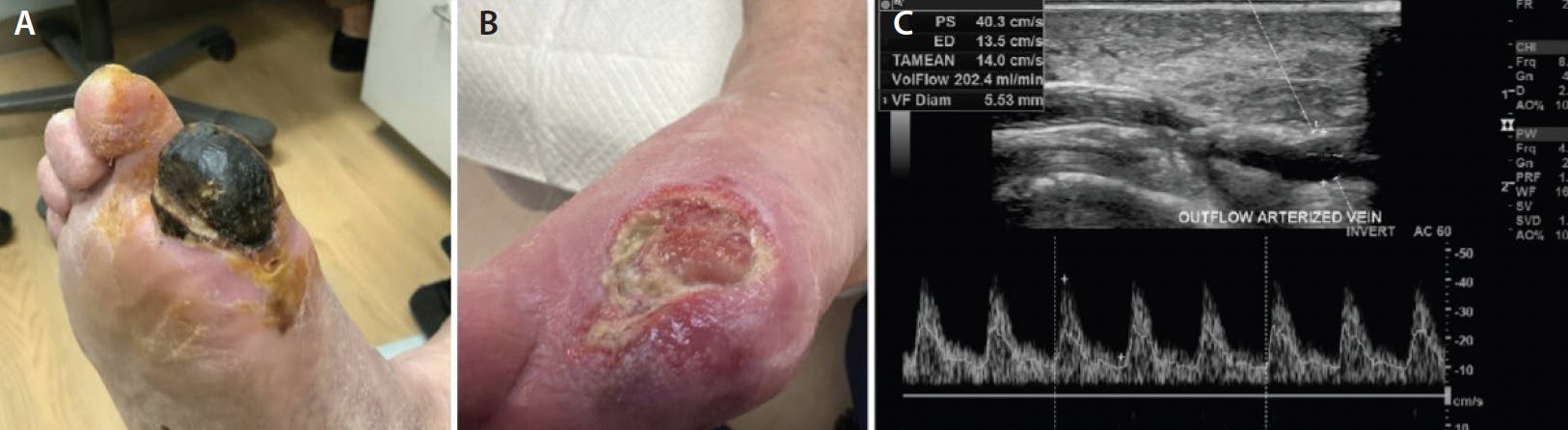
Figure 8. Right hallux wound at 2-week (A) and 4-month follow-up (B). Arterial DUS at 4-month follow-up (C).
DISCUSSION
Patency of TADV is a prerequisite for limb salvage. Postoperative discomfort in the extremity is not an uncommon finding in patients undergoing TADV for several reasons, including periprocedural discomfort, edema, and ischemia (the latter due to steal from the native arterial system). However, significant pain should raise concern for patency of the stent and ongoing tissue ischemia. Further investigation using angiography or DUS should be considered for evaluation, and flow volumes should be assessed. Both VF and velocities should be evaluated in these patients. Duplex flow measurements can be helpful to identify a flow decrease. A flow < 100 mL/min increases the risk of TADV thrombosis.
There are three major issues to consider when interpreting TADV DUS.
- Is the flow too high? Flow may not perfuse the small metatarsal vessels necessary to reach/heal wounds.
- Is the flow too low? Stent patency is then threatened.
- Are there stealing vessels from the arterialized vein? Even if the stent remains patent, flow diversion into nontarget venous branches may result in poor perfusion of the ischemic tissue, limiting the benefits of TADV.
High volume flow (VF) may cause injury and may require compression to better control the volume of flow. A shift in VF may indicate distal steal. This could be identified on ultrasound and can be treated with a suture or endovascular coiling. On the contrary, a low flow volume requires evaluation for TADV patency. If there is steal phenomenon, endovascular embolization of stealing vessel/venous branches may be required to redirect flow to the target angiosome. Patients require serial DUS every 2 to 4 weeks for the initial 8 weeks.
Highlight Point
When evaluating DUS after TADV, attention should be given to VF rates, as this allows physiologic assessment of perfusion through fistulas by considering velocity and vessel area. Velocity measurements vary significantly with vessel diameter, making it difficult to compare across different patients or conditions. The VF accounts for both velocity and cross-sectional area (Q = V × A), providing a more reliable indicator of flow adequacy.
The postoperative care of these patients is complex and requires careful surgical planning. Maturation of TADV may take 4 to 6 weeks; however, early open amputation is frequently necessary with a revision 4 to 6 weeks after. All amputation should heal by second secondary intention without sutures or staples. An attempt should be made at conservative amputation, ideally at the midmetatarsal, to avoid damaging the lateral plantar vein, first metatarsal perforator, and dorsal outflow tract. Due to venous conduit, tourniquets are never to be used during any amputation, as it will result in graft closure.
Additionally, primary wound closure should be avoided in early TADV patients for two reasons. First, given the high-pressure arterialized venous system, venous congestion and edema can occur if the outflow is not well-established. Primary closure tends to trap excess fluid, increasing compartment pressures and leading to compromised perfusion. Instead, leaving the wound open allows for pressure dissipation and reduces the risk of excessive venous hypertension. Second, sutures and staples create excessive pressure on venous structures, resulting in obstruction of conduit and possibly graft closure.
Wound healing in TADV patients typically accelerates at 4 to 6 weeks postprocedure, possibly due to the maturation of the arterialized venous system. It is common to have postprocedure edema in these patients, and patients should be educated to elevate the affected limb. Use of light compression (≤ 20 mm Hg) with a wrap/bandage can be considered cautiously.
Successful TADV outcomes rely on a multidisciplinary team approach, with active involvement of the patient, endovascular and/or vascular surgery teams, podiatry, and wound care specialists. Educating the patient and their family members regarding proper postprocedural care and dedication to the process is essential for the success of a TADV program.
1. Creager MA, Matsushita K, Arya S, et al. Reducing nontraumatic lower-extremity amputations by 20% by 2030: time to get to our feet: a policy statement from the American Heart Association. Circulation. 2021;143: e875-e891. doi: 10.1161/cir.0000000000000967
2. Norgren L, Hiatt WR, Dormandy JA, et al. Inter-society consensus for the management of peripheral arterial disease (TASC II). J Vasc Surg. 2007;45:S5-S67. doi: 10.1016/j.jvs.2006.12.037
3. Randhawa MS, Reed GW, Grafmiller K, et al. Prevalence of tibial artery and pedal arch patency by angiography in patients with critical limb ischemia and noncompressible ankle brachial index. Circ Cardiovasc Interv. 2017;10:e004605. doi: 10.1161/circinterventions.116.004605
4. Shishehbor MH, Powell RJ, Montero-Baker MF, et al. Transcatheter arterialization of deep veins in chronic limb-threatening ischemia. N Engl J Med. 2023;388:1171-1180. doi: 10.1056/nejmoa2212754
5. Bunte MC, Shishehbor MH. Angiosome-guided intervention in critical limb ischemia. Interv Cardiol Clin. 2017;6:271-277. doi: 10.1016/j.iccl.2016.12.010
Advertisement
Advertisement