Advertisement
Advertisement
December 2025 Supplement
Sponsored by Surmodics
Pounce™ Thrombectomy Platform: Physician-Designed for Simplicity and Effectiveness
By Gary Ansel, MD, and Chad Stark
Acute limb ischemia (ALI) is associated with 30-day amputation rates as high as 30%.1 Prompt revascularization is essential for limb salvage, and the history of ALI treatment is marked by innovations that have reduced time to limb perfusion. No such innovation changed the course of treatment more than the Fogarty balloon catheter, which inspired the development of the endovascular Pounce™ Thrombectomy Platform (Surmodics, Inc.).
As the inventors and developers of the Pounce™ Platform, our vision was to create a simple-to-use percutaneous device—one that did not require capital equipment or use of thrombolytics—modeled on the Fogarty catheter’s mode of action, with basket deployment distal to thrombus and withdrawal back. The driving need was to make it easier for more physicians, across specialty lines, to remove arterial emboli and thrombi right on the angiographic table through their preferred sheaths, without transferring patients to tertiary care centers. In an era of understaffed, overburdened health care systems, simplicity of use would be critical.
Ambitious Goals
The original design specifications for the Pounce™ Thrombectomy Platform*, which date to 2008, called for use of wall-apposed, clot-engagement baskets effective at removing organized thrombi and emboli without aspiration and its associated blood loss. The device had to be atraumatic to the vessel wall and capture clot engaged by the baskets into a proximal enveloping funnel with low risk of distal embolization while removing the clot-burdened system through a conventional access sheath. It had to be long enough for the baskets to reach below-the-knee arteries within its indicated diameter range from contralateral access, and be compatible with 035 PTA balloon catheters, which could be introduced over the basket wire to aid with clot disruption. These attributes are realized in today’s Pounce™ Platform (Figure 1).
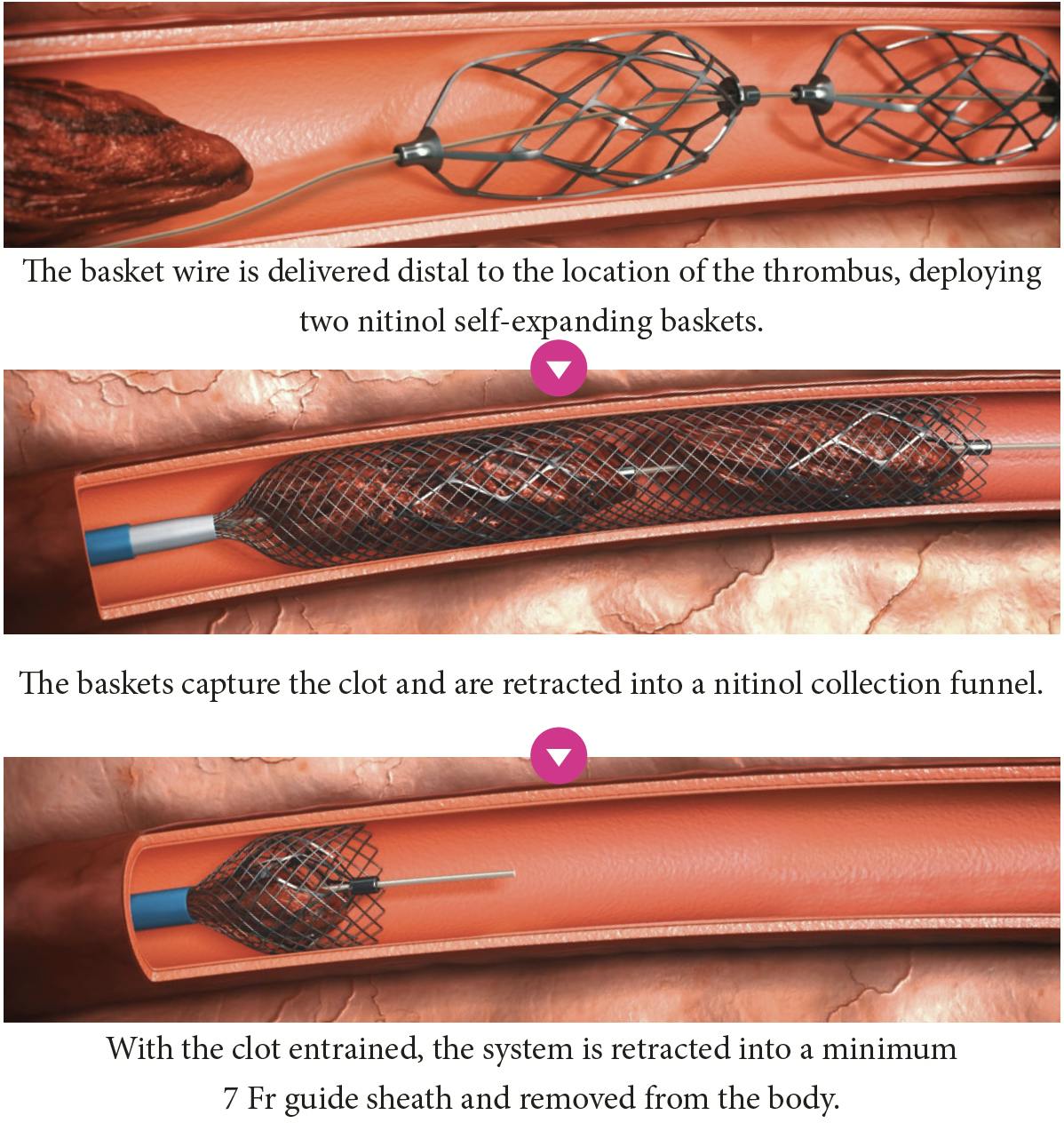
Figure 1. Pounce™ Platform mode of action.
The question arises how a simple, readily deployable device could meet these ambitious design goals. The answer lies in dedicated effort spanning several years of rapid prototyping, continual design improvements, and ongoing physician feedback.
Efficient Clot Capture With Low Risk of Embolization
In terms of clot capture, a central principle of the Pounce™ Platform is to have a two-basket design in which the baskets are spaced longitudinally and rotationally offset against each other. The baskets are welded to the basket wire only on their proximal ends; this allows their distal ends to remain “floating” on the wire. The longitudinal spacing between baskets allows the distal basket to pick up clot that the proximal basket may have missed. Importantly, the rotational offset of these self-expanding nitinol baskets creates a dense mesh pattern for clot capture (see Figure 1 here). The use of two baskets instead of one, the cell design of the baskets, and the spacing between the baskets are the result of testing on multiple design prototypes. For benchtop testing of design iterations, considerable scientific and engineering diligence went into the development of a range of physician-vetted, blood-derived acute, subacute, and chronic clot morphologies meant to represent clinical conditions.
This basket design works in tandem with the Pounce™ Platform’s 6.5 cm double-layer, nitinol wire-braided funnel, which encloses the baskets and their thromboembolic load before retraction into the procedural access sheath. As the baskets begin to enter the sheath and collapse, their grip on the entrained clot tightens—an effect somewhat similar to a Chinese finger trap. The pressure within this mesh pattern compresses and dehydrates the clot, facilitating clot removal through a standard 7 Fr sheath of the operator’s choosing.
The speed and efficiency of this proprietary basket-funnel mechanism is supported by emerging data from the Pounce™ Platform PROWL registry. In a January 2025 interim analysis2 of 74 patients with native infrainguinal vessel limb ischemia in this all-comers registry, the median number of system passes was 2.5 (N = 56), while the average Pounce™ thrombectomy use time was 20.3 minutes. There were no reports of device-related distal embolization.†
Visualization
Good fluoroscopic visibility was another specification for the Pounce™ Platform at the concept stage and remains a notable feature. In addition to the radiopaque spring-coil tip on the basket wire, the baskets themselves are dotted with radiopaque markers. This allows operators to visualize the longitudinal span and wall apposition of the baskets as they move through the vessel. The funnel catheter has a marker at the distal tip, and the deployed funnel component is also radiopaque for confirmation and clarity of funnel placement.
Clot Removal Throughout the Lower and Upper Extremities
Since the 2021 introduction of the Pounce™ Thrombectomy System, intended for use in 3.5–6 mm peripheral arteries, Surmodics has expanded the vessel diameter range for the Pounce™ Platform with the addition of the Pounce™ LP (Low–Profile) and Pounce™ XL Thrombectomy Systems (Surmodics, Inc.), intended for 2–4 mm and 5.5–10 mm peripheral arteries, respectively. These progressive product iterations fulfill our intention of providing a standalone solution for rapid removal of peripheral arterial thrombi and emboli throughout the lower and upper extremities. Notably, the Pounce™ LP System provides a solution for rapid removal of emboli and thrombi in distal tibial arteries, long a major concern for interventionalists,3 or in like-sized peripheral arterial vessels.
The growing use of the Pounce™ Platform, as well as data emerging from the PROWL registry, suggests we were on the right track in 2008. In the aforementioned interim analysis,2 79.7% of patients received no additional clot removal treatment of the target lesion after Pounce™ Platform use; device-related adverse events were limited to one flow-limiting dissection.‡ Four in 10 (40.5%) PROWL patients had experienced symptoms for >14 days, suggesting a complex population with a wide range of clot chronicity. Of the clots removed, 73.6% were thrombotic and 24.4% were embolic. As of today, the registry continues to enroll patients in centers across the US.
The original goals for the Pounce™ Platform were driven by clinical need and realized through diligent engineering. The result is a groundbreaking solution for flow restoration in ALI—one that seamlessly integrates into physician workflows, prioritizes user-friendliness, and offers a cost-effective approach to treatment. In today’s overburdened health care landscape, inundated with novel devices, we believe these attributes are critical for driving meaningful improvements in patient care.
Find additional PROWL results here.
The Pounce™ Thrombectomy Platform—Key Takeaways
- Rapidly removes acute or chronic peripheral arterial clot—20.3 minutes average use time in PROWL2
- No capital equipment or thrombolytics required
- Uses no aspiration for clot removal, minimizing blood loss
- Associated with low risk of distal embolization2†
- Atraumatic—low risk of flow-limiting dissection2‡
- Compatible with 035 PTA balloon catheters for clot disruption and conventional ≥7 Fr access sheaths
Gary Ansel, MD, inventor of the Pounce™ Thrombectomy System, is an interventional cardiologist and former system medical chief for the vascular program at OhioHealth and Assistant Clinical Professor of Medicine at the University of Toledo Medical Center. He is a consultant/on advisory board for Boston Scientific Corporation, Medtronic, Cook Medical, Surmodics, Otsuka/Veryan Medical, Reflow Medical, and Akura.
Chad Stark is senior staff engineer for vascular interventions product development at Surmodics. He reports no disclosures.
Caution: Federal (US) law restricts the Pounce™ Thrombectomy System to sale by or on the order of a physician. Please refer to the product’s Instructions for Use for indications, contraindications, warnings, and precautions. SURMODICS, POUNCE, and SURMODICS and POUNCE logos are trademarks of Surmodics, Inc. and/or its affiliates. Third-party trademarks are the property of their respective owners.
1. Gupta R, Siada SS, Bronsert M, et al. Ann Vasc Surg. 2022;87:334-342. doi: 10.1016/j.avsg.2022.06.019
2. Lyden S. Results of novel non-aspiration mechanical arterial thrombectomy device for acute and chronic lower extremity ischemia: PROWL registry study. Presented at: the 20th annual Leipzig Interventional Course (LINC); January 29, 2025; Leipzig, Germany.
3. Marques L, Preiss M, Lehrke S, et al. Endovasc Today. 2014;13:71-76.
*Then called the Ansel Trumpet Device.
†Distal embolization requiring surgical procedure or obstructing one of the major downstream vessels >70% (at the end of the procedure).
‡Device-related adverse events tracked in the registry were flow-limiting dissection, distal embolization, perforations, or major bleeding (requiring transfusion).
This article first appeared as a digital featured technology article in the May 2025 issue of Endovascular Today.
Advertisement
Advertisement