Advertisement
Advertisement
January 2025
Sponsored by Penumbra, Inc.
Penumbra’s Dedication to Innovation: Expanding the CAVT™ Platform
With Alan Lumsden, MD; Alex Powell, MD; Kush R. Desai, MD, FSIR; Nikoloz Shekiladze, MD; and Raj Kakarla, MD

The treatment landscape for venous and arterial disease has undergone significant transformation over the past few decades. From traditional open surgical approaches and anticoagulation therapies to the more advanced endovascular techniques, the emergence of the most cutting-edge tools and technologies are opening doors to increasingly effective and timely venous thromboembolism (VTE) and arterial management.
Outdated technologies have emphasized the need for innovation in thrombectomy. Surgical embolectomy comes at a great cost, with poor limb salvage rates, extensive procedure times, and high infection rates, often requiring additional reintervention. Thrombolytics may have their own shortcomings: numerous contraindications, risks of major bleeding and acute kidney injury, and extensive treatment times, to name a few.1-4 The use of large-bore devices may not be appropriate for every patient and is associated with safety trade-offs, such as limited patient suitability, major bleeding, and serious adverse events, including cardiovascular collapse in patients with high-risk features.5 Whether combined with a syringe or a power vacuum pump, many of the recent catheter designs do not utilize frontline blood mitigation tools or algorithms. It’s clear that these options leave much to be desired in meeting our standard of care. We are now at a time where that standard can be met across a spectrum of vascular beds with an endovascular-first approach using Penumbra’s Computer Assisted Vacuum Thrombectomy (CAVT™).
Penumbra, Inc. has pioneered this approach with its complete CAVT platform, designed for speed, safety, and simplicity in thrombus removal. Recent data releases such as STRIDE and STRIKE-PE, both utilizing Penumbra’s CAVT technology, indicate positive long-term patient outcomes.a,6,7 Lightning Bolt® 12 and Lightning Bolt 6X with TraX, the latest additions to the CAVT platform, further Penumbra’s mission to streamline thrombectomy procedures with new catheter sizes matched to a more diverse range of vessels. In addition, improved algorithms are engineered to optimize thrombus removal through modulated aspiration, coupled with an atraumatic catheter design.
Lightning Bolt 12, paired with the updated Bolt 2.0 software, joins Penumbra’s complete VTE platform and brings modulation to a 12-F profile. The applications for Lightning Bolt 12 are diverse, including upper extremity, portal veins, and large arterial thrombus. The Bolt 2.0 algorithm is engineered for improved clot removal efficiency, using escalated modulation for high thrombus burden, making the system 3 times faster than Lightning 12 with Separator 12 (Penumbra, Inc.).b
Penumbra’s Lightning Bolt 6X with TraX™ offers modulated aspiration designed for rapid access and management of distal arterial thrombus below the knee. The CAT6X catheter (Penumbra, Inc.) features advanced coil-winding designed for superior trackability and an enhanced hydrophilic coating for smoother navigation. It also introduces the first Penumbra arterial-designed dilator, TraX, providing precise vessel selection with 99% ledge reduction for continuous navigation to the target lesion.b
Our optimism around the impact that CAVT has had on the thrombectomy paradigm grows as Penumbra continues to innovate. It’s safe to say that CAVT is revolutionizing the thrombectomy management landscape.
1. Veenstra EB, van der Laan MJ, Zeebregts CJ, et al. A systematic review and meta-analysis of endovascular and surgical revascularization techniques in acute limb ischemia. J Vasc Surg. 2020;71:654-668.e3. doi: 10.1016/j.jvs.2019.05.031
2. Taha AG, Byrne RM, Avgerinos ED, et al. Comparative effectiveness of endovascular versus surgical revascularization for acute lower extremity ischemia. J Vasc Surg. 2015;61:147-154. doi: 10.1016/j.jvs.2014.06.109
3. Vedantham S, Goldhaber SZ, Julian JA, et al; ATTRACT Trial Investigators. Pharmacomechanical catheter-directed thrombolysis for deep-vein thrombosis. N Engl J Med. 2017;377:2240-2252. doi: 10.1056/NEJMoa1615066
4. Salem KM, Saadeddin Z, Go C, et al. Risk factors for acute kidney injury after pharmacomechanical thrombolysis for acute deep vein thrombosis. J Vasc Surg Venous Lymphat Disord. 2021;9:868-873. doi: 10.1016/j.jvsv.2020.11.005
5. Benfor B, Haddad P, Bohle K, et al. Cardiovascular collapse during mechanical thrombectomy for acute pulmonary embolism and the role of extracorporeal membrane oxygenation in patient rescue. J Vasc Surg Venous Lymphat Disord. 2023;11:978-985.e3. doi: 10.1016/j.jvsv.2023.03.016
6. Maldonado TS, Powell A, Wendorff H, et al; STRIDE study group. Safety and efficacy of mechanical aspiration thrombectomy for patients with acute lower extremity ischemia. J Vasc Surg. 2024;79:584-592.e5. doi: 10.1016/j.jvs.2023.10.062
7. Weinberg I. Acute clinical and 90-day functional outcomes in pulmonary embolism patients treated with computer assisted vacuum thrombectomy: interim analysis of the STRIKE-PE study. Presented at: VIVA (Vascular InterVentional Advances) 2023; November 1, 2023; Las Vegas, Nevada.
aCAVT was used in 43.7% of cases and Lightning devices only. STRIDE completed enrollment prior to launch of Lightning Bolt.
bTests performed by and data on file at Penumbra Inc. Bench test results may not be indicative of clinical performance.
MANAGEMENT OF BELOW-THE-KNEE ARTERIAL OCCLUSION WITH LIGHTNING BOLT 6X WITH TRAX POST-FEVAR
Contribution from Indiana University Health, Heart & Vascular Care, Indianapolis, Indiana.
PATIENT PRESENTATION
A man in his early 70s presented to the hospital with symptoms of an arterial occlusion after bilateral cutdowns following a fenestrated endovascular aneurysm repair (FEVAR). Distal pulses were confirmed prior to abdominal aortic aneurysm (AAA) intervention, and post-procedure pulses were undetectable in the left dorsalis pedis artery.
INTERVENTION
Initial angiograms were obtained, and clot was visible in the left anterior tibial and tibioperoneal arteries (Figure 1). Access was achieved with a short, 6-F sheath that was introduced into the left common femoral artery. A 7-F, 45-cm Destination sheath (Terumo Interventional Systems) and 0.014-inch Glidewire Advantage (Terumo Interventional Systems) were inserted, followed by Lightning Bolt 6X with TraX. With one pass, acute thrombus was successfully removed with insignificant blood loss. The recorded device time was under 1 minute. Final angiograms showed successful removal of the thrombus (Figure 2), and the left dorsalis pedis artery pulse indicated distal flow. The patient was kept overnight due to standard FEVAR AAA graft protocol and discharged the next day.
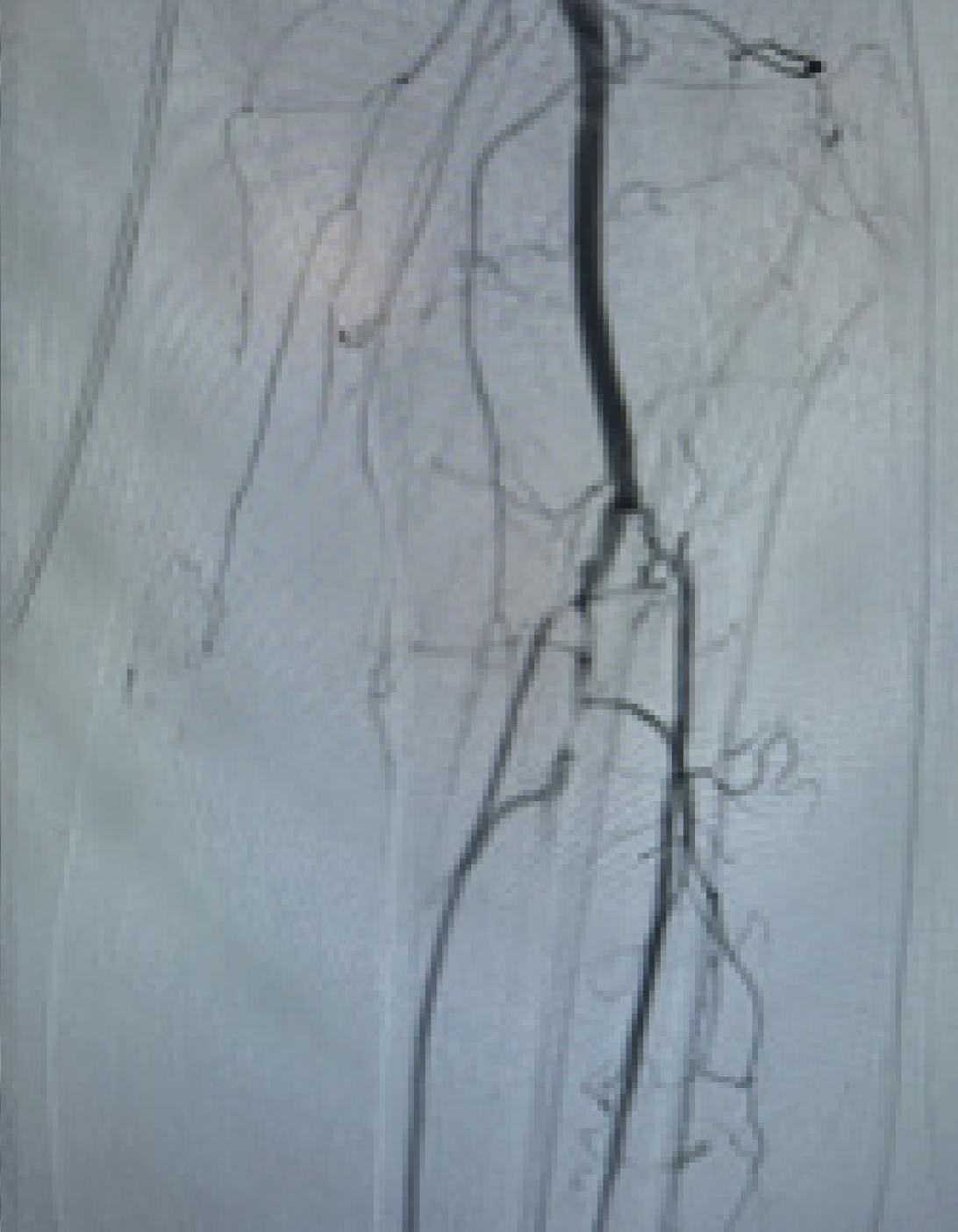
Figure 1. Initial angiogram of occlusion in the anterior tibial and tibioperoneal arteries.
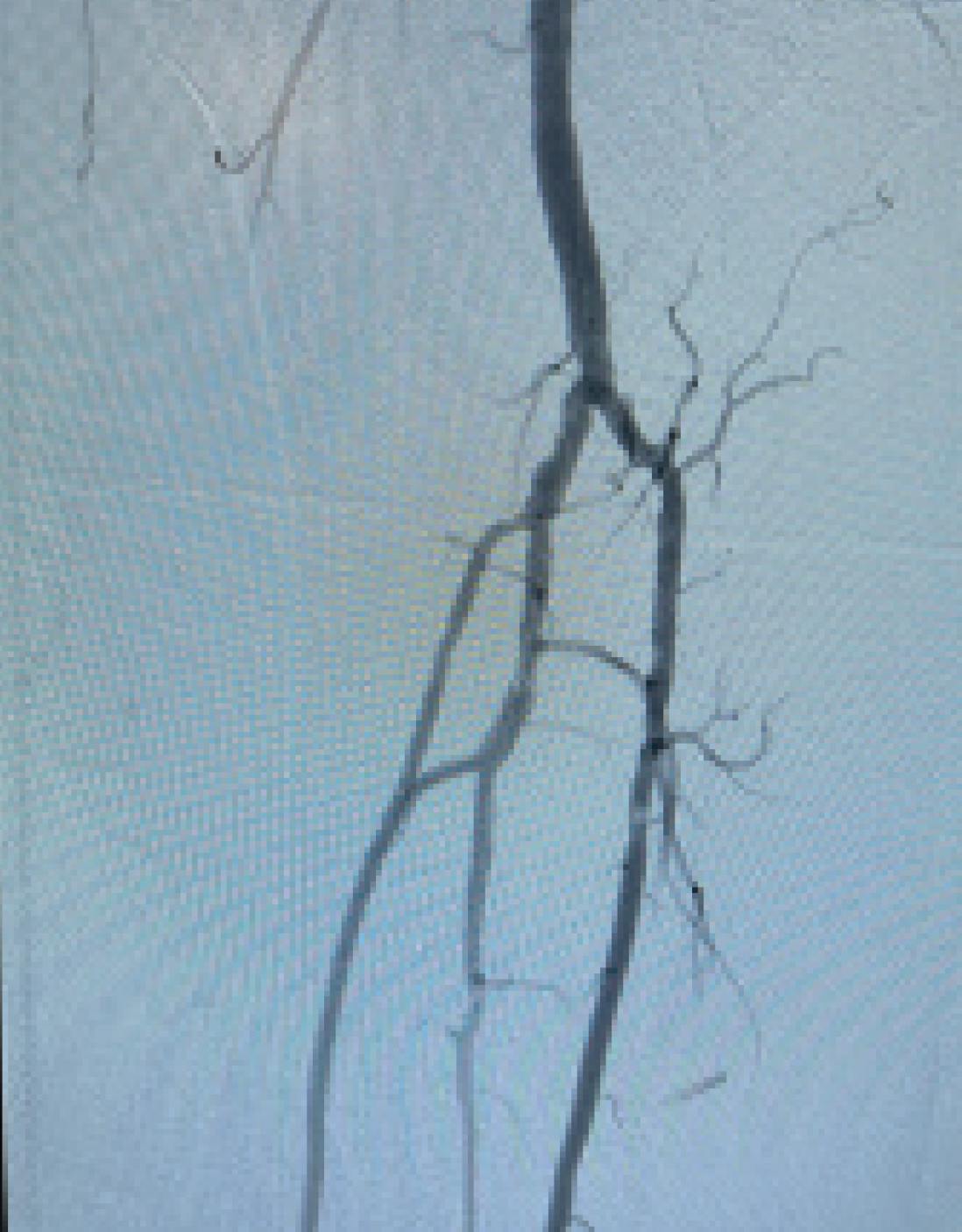
Figure 2. Post-thrombectomy angiogram of the left anterior tibial and tibioperoneal arteries.
CONCLUSION
This was our first experience with Lightning Bolt 6X with TraX, and we were pleased with the ease of use and positive results of CAVT. The features of Penumbra’s Lightning Bolt 6X with TraX made for easy navigation through the tortuous anatomy. Increasing the aspiration capabilities with modulated aspiration while keeping 6-F access for this patient was essential and allowed us to be able to detect and remove thrombus quickly.
MANAGEMENT OF A PERSISTENT SCIATIC ARTERY ANEURYSM WITH LIGHTNING BOLT 12

PATIENT PRESENTATION
A woman in her early 80s presented with signs and symptoms of acute lower extremity arterial insufficiency. A pre-procedure CTA revealed a rare anomaly: a persistent sciatic artery (type IIA). This anomaly was associated with a large aneurysm, likely secondary to long-term bony compression. Distal to the aneurysm, an occlusion of the popliteal artery was identified.
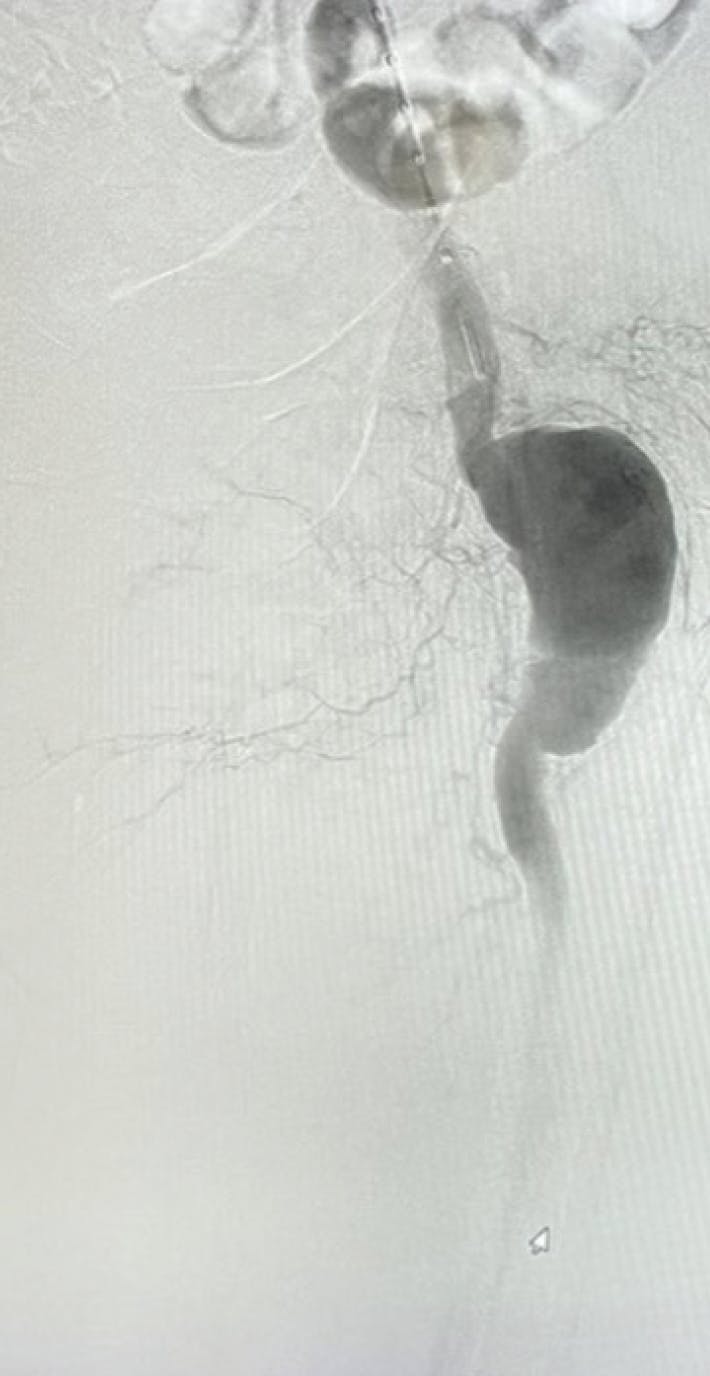
Figure 1. Sciatic artery aneurysm measuring 4 cm.
Given the patient’s advanced age, the treatment approach prioritized minimally invasive intervention. A covered stent was used to exclude the aneurysm, followed by suction and catheter-assisted vacuum thrombectomy (CAVT) utilizing Penumbra’s Lightning Bolt 12 device. This approach was chosen to address the vessel dilation caused by the disease process effectively.
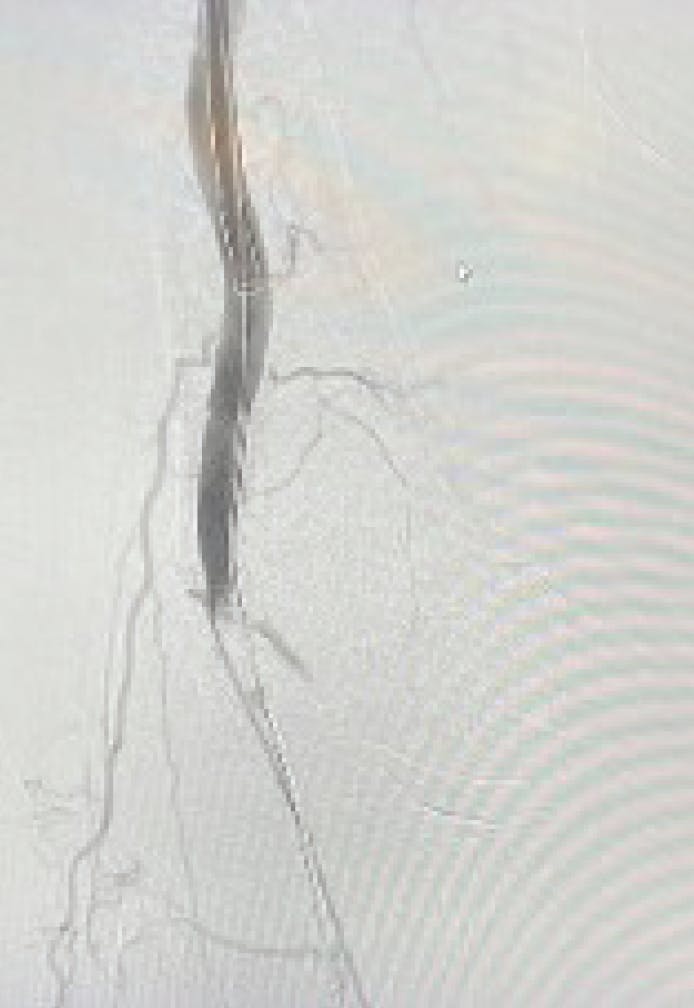
Figure 2. Occlusion showing emboli in the popliteal artery.
INTERVENTION
Access was achieved contralaterally with a 5-F sheath before upsizing sequentially to an 8-F sheath and then a 12-F DrySeal sheath (Gore & Associates). Once the aneurysm was excluded, Lightning Bolt 12 was inserted, and we aspirated through the popliteal artery. Reperfusion of the vessel was achieved after three passes of the device (Figure 3). The intervention was successful, with a 3-minute device time and insignificant blood loss.
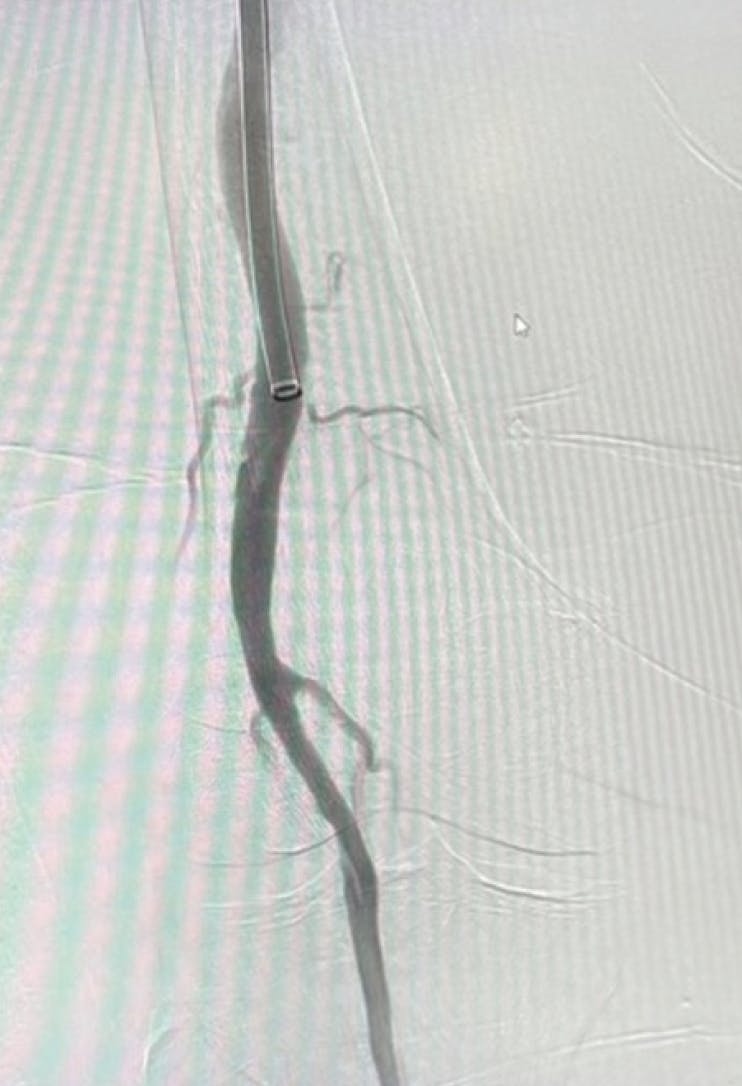
Figure 3. Angiogram showing full reperfusion after Lightning Bolt 12.
CONCLUSION
Given the size of the ectatic vessels and chronicity of the clot, having a 12-F device was paramount and allowed for the best possible result for such a complex case. The procedure went smoothly, with Bolt Mode working as designed, sampling in patent vessel, and employing modulated aspiration in thrombus (Figure 4). The device enabled full reperfusion in record time, and with < 50 mL of blood loss. Lightning Bolt 12 proved to meet our expectations in this case and continues to set new standards for speed, simplicity, safety, and efficacy.
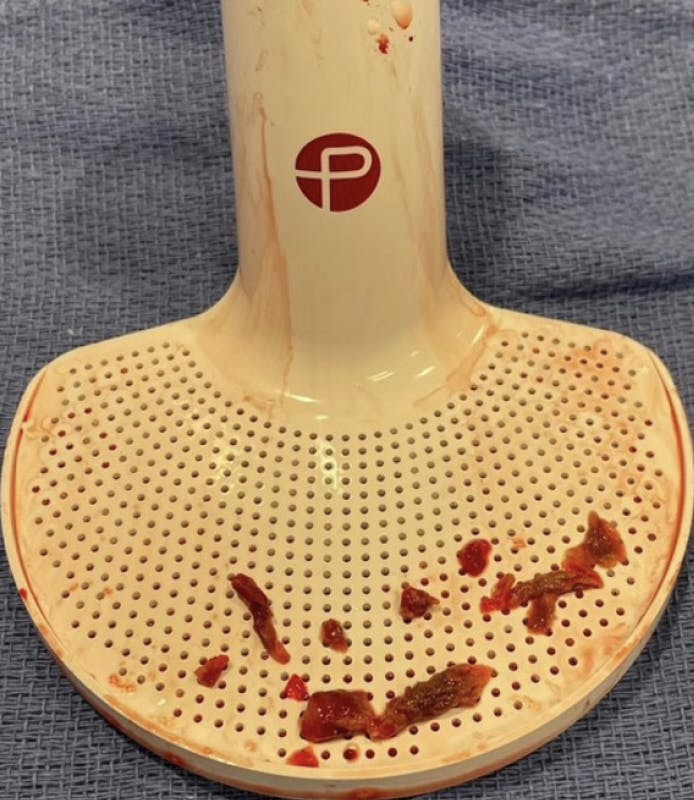
Figure 4. Thrombus removed from the popliteal artery.
ILIOCAVAL THROMBOSIS: THROMBECTOMY FROM ONE ACCESS

PATIENT PRESENTATION
A woman in her early 60s with Crohn’s disease and multiple prior femoropopliteal deep vein thromboses (DVTs) presented to the emergency department. An inferior vena cava (IVC) filter had been placed several years previously due to a prior DVT with concurrent gastrointestinal bleed, and the patient now presented with new-onset lower extremity DVT and abdominal pain. CT revealed bilateral venous thrombus involving the external iliac veins and extending into the left common femoral vein (CFV) (Figure 1). The patient was immediately put on enoxaparin with a plan to perform thrombectomy with Lightning Flash™ 2.0 (Penumbra, Inc.) and retrieve the filter using jugular access.
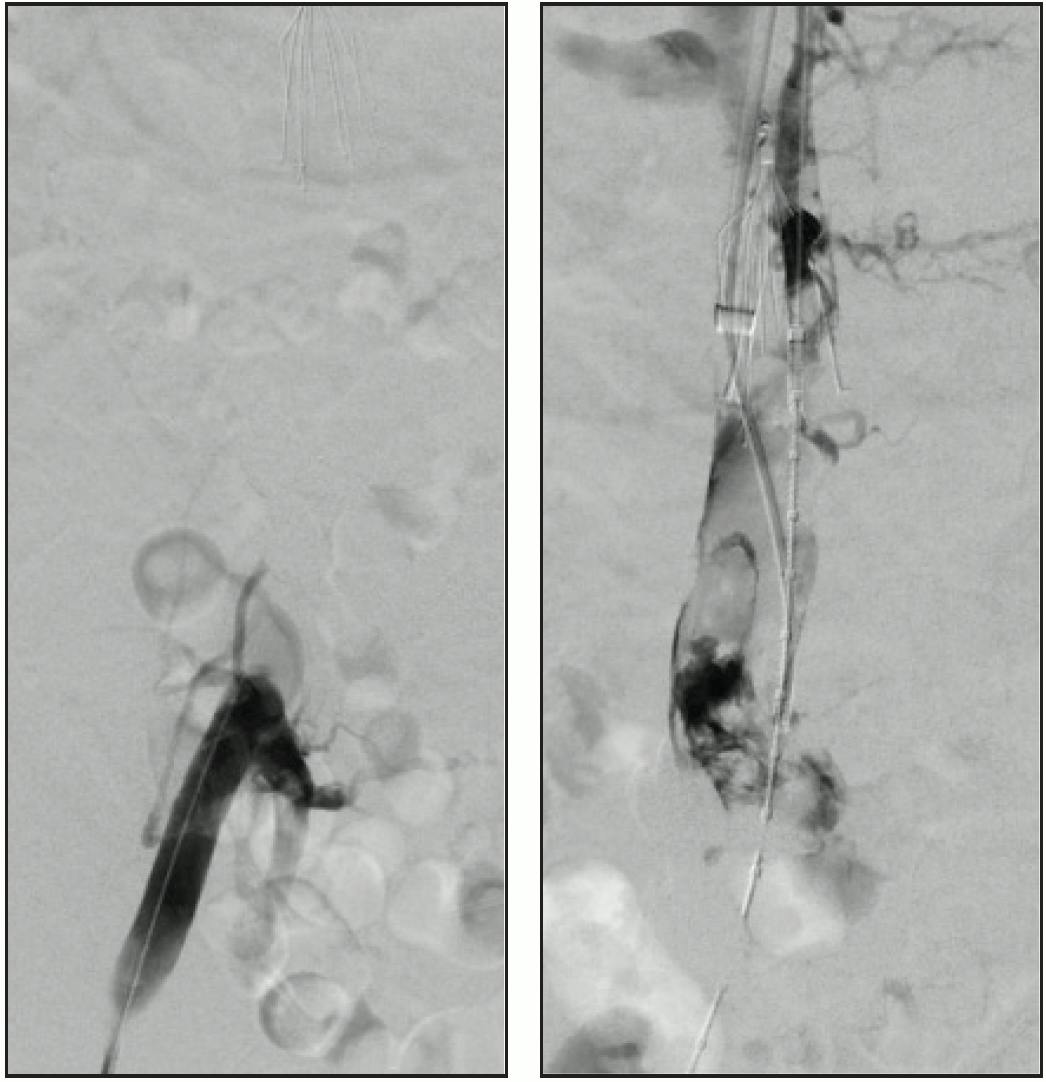
Figure 1. Pre-procedural venograms showing thrombus in the IVC filter and iliofemoral segment.
INTERVENTION
Due to the extent of the occlusion and the IVC filter, Lightning Flash 2.0 was the best option for this case. A CTV was performed, showing thrombus in both the femoropopliteal segment (Figure 2) and the profound vein. We were able to remove thrombus from both areas from one internal jugular access site, rather than accessing the popliteal veins and obtaining separate access to remove the filter. The longer catheter lengths and flexibility were extremely valuable in achieving this and restoring inflow with ease.
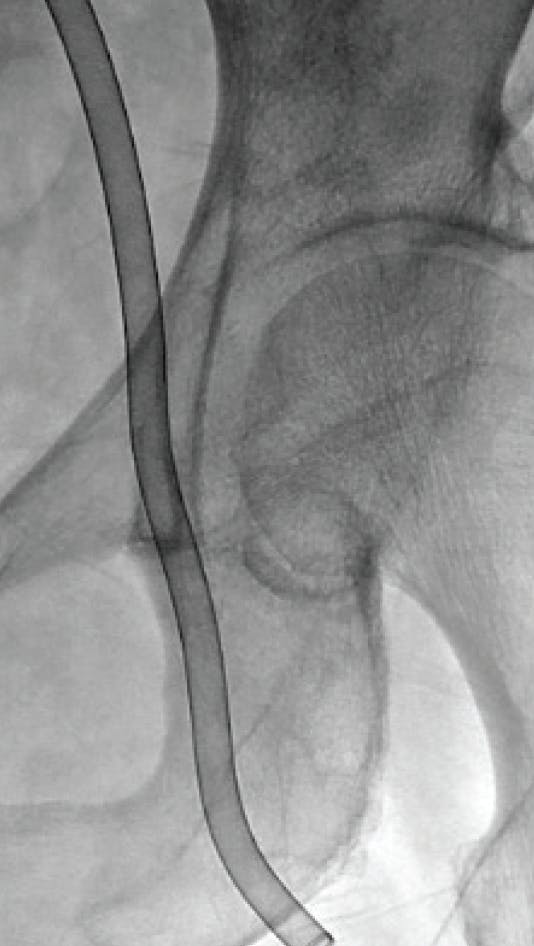
Figure 2. Intraprocedural venogram showing the Lightning Flash 2.0 catheter in the left CFV.
POST-PROCEDURE OUTCOME
At 1-month follow-up, the patient’s venous stasis symptoms had completely resolved and there was no indication of rethrombosis (Figure 3). Lightning Flash 2.0 performed extremely well in the filter-related iliocaval thrombus from a single access site.
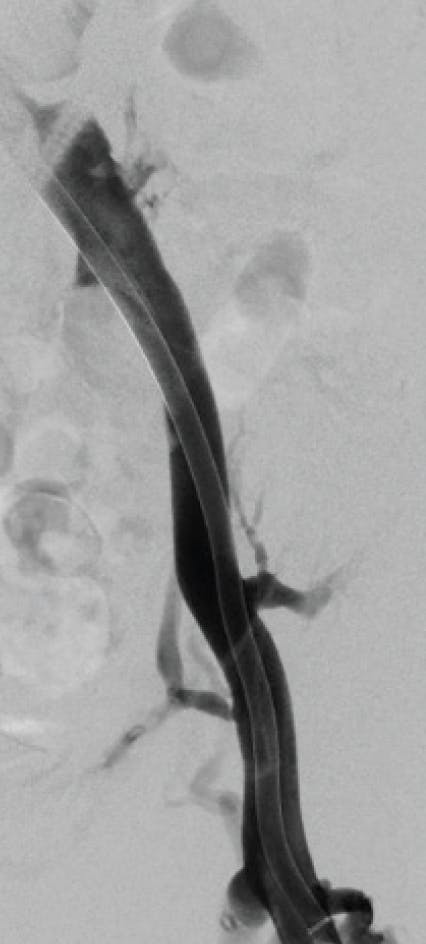
Figure 3. Post-procedural venogram showing full reperfusion.
ACUTE BILATERAL AND SADDLE PE THROMBECTOMY WITH LIGHTNING FLASH 2.0

PATIENT PRESENTATION
A woman in her early 70s with a medical history of hypertension, hyperlipidemia, peripheral artery disease, type 2 diabetes mellitus, and a recent diagnosis of stage IV pancreatic cancer presented to the emergency department with hour-long chest pain and dyspnea, as well as cramping in the right calf. She underwent the CT pulmonary embolism (PE) protocol, which showed significant clot burden with a saddle PE extending into the bilateral main pulmonary arteries (PAs) (Figure 1 and Figure 2). Her lactate level was 8.2 mmol/L. She was started on a heparin drip and had evidence of hypoxia that required 3 L of nasal cannula. Initial vitals recorded a blood pressure of 117/82 mm Hg, pulse of 96 bpm, SpO2 of 87%, and respiratory rate of 31 breaths per minute. There was evidence of right heart strain with a right ventricular/left ventricular ratio of 1.4 by CT, as well as a high PE Severity Index. Given the large clot burden, marginal hemodynamics, and hypoxia, we decided to move forward with CAVT with Lightning Flash 2.0.
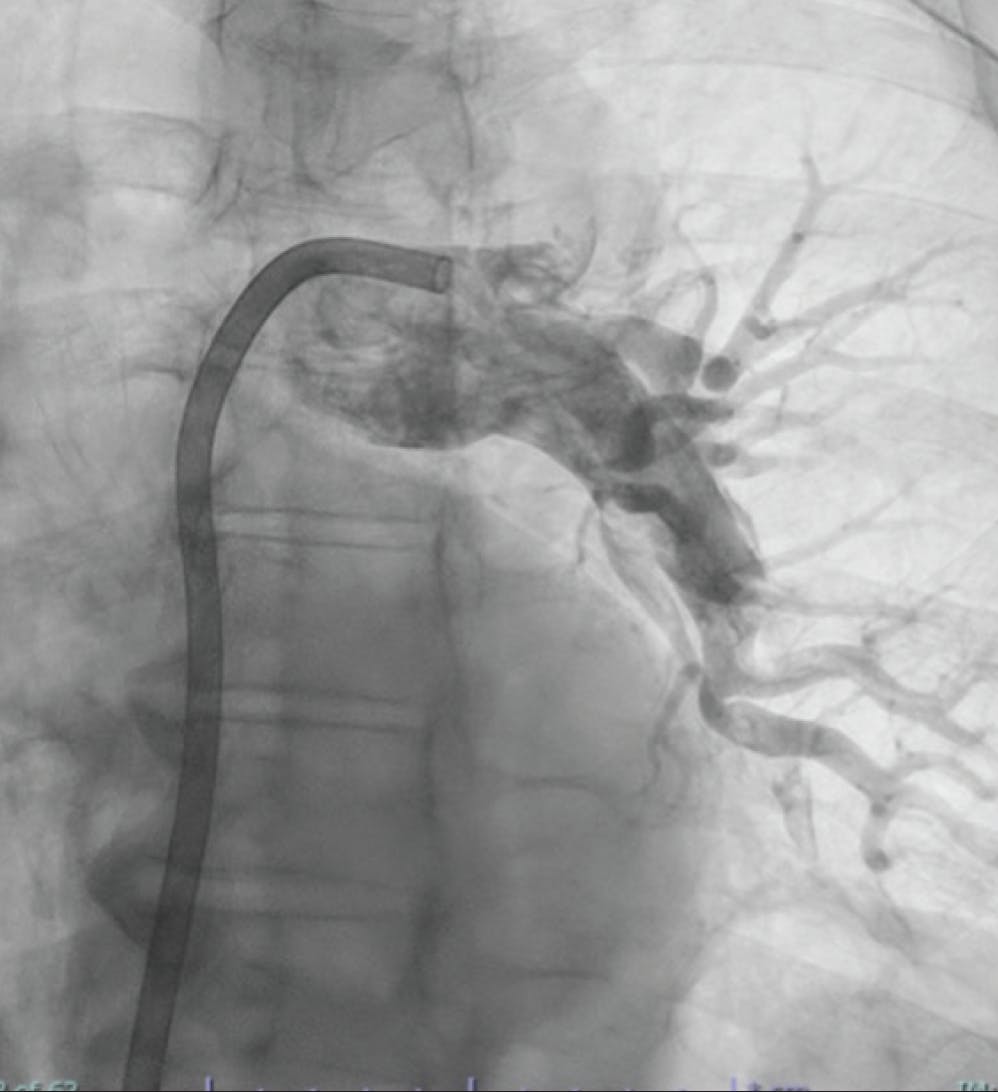
Figure 1. Initial angiogram of the left lobe.
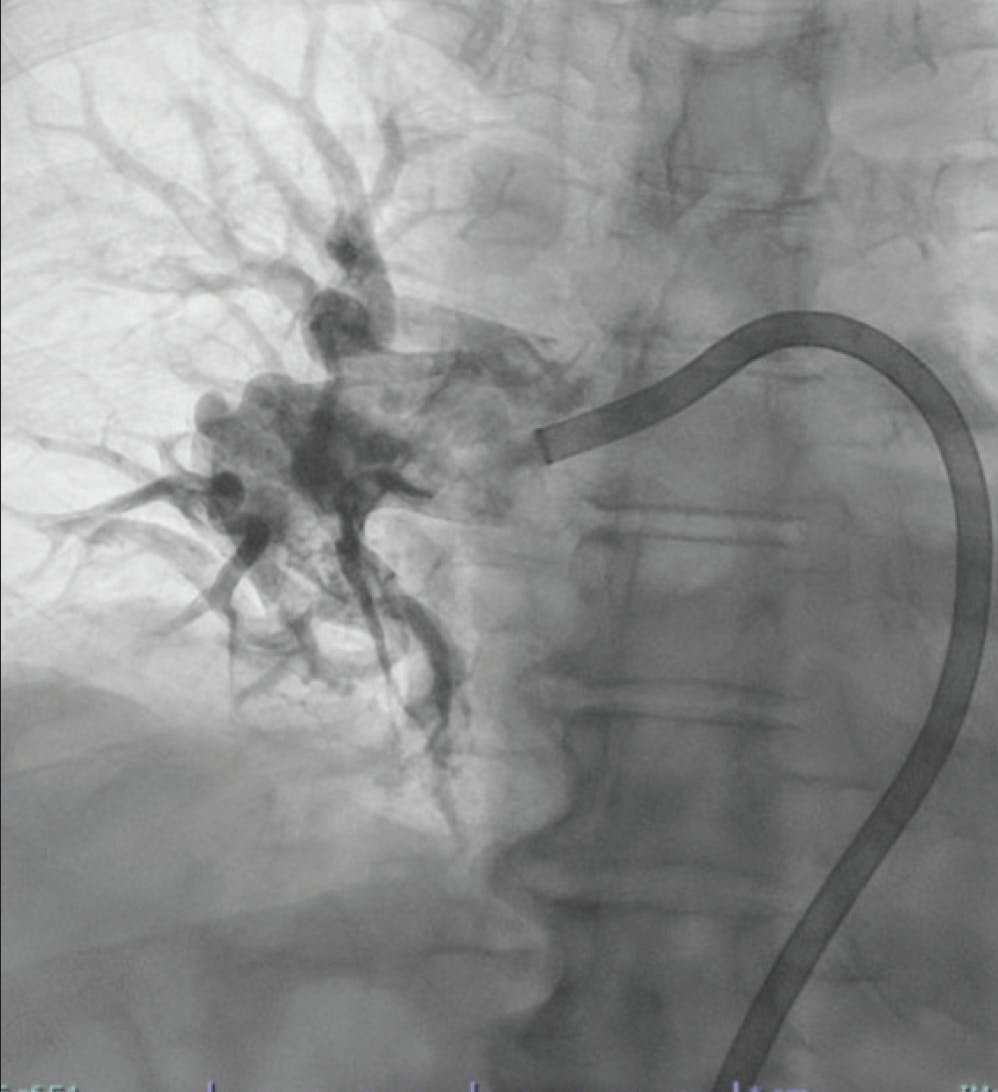
Figure 2. Initial angiogram of the right lobe.
INTERVENTION
After achieving wire access, the Lightning Flash 2.0 was inserted. While in “Gallop Mode,” the saddle clot burden and subsequently the left and right main PAs were aspirated. Once the algorithm returned to “Sampling Mode,” aspiration was turned off and angiograms were obtained to assess the progress. After 5 minutes of aspiration, reperfusion of the main PAs and distal branches (Figure 3, Figure 4, and Figure 5) was achieved, with improvement in the patient’s vital signs and no device-related complications.
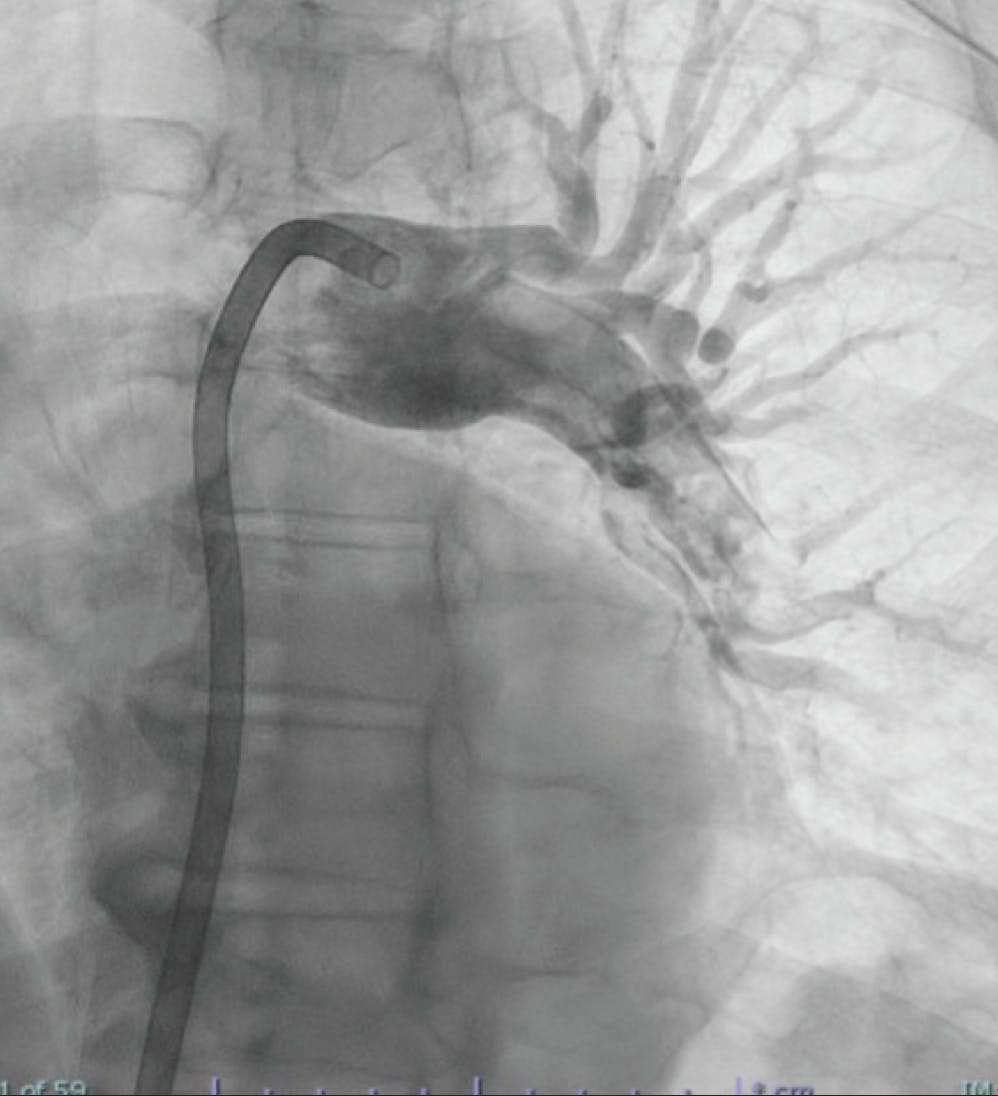
Figure 3. Post-thrombectomy angiogram of the left lobe.
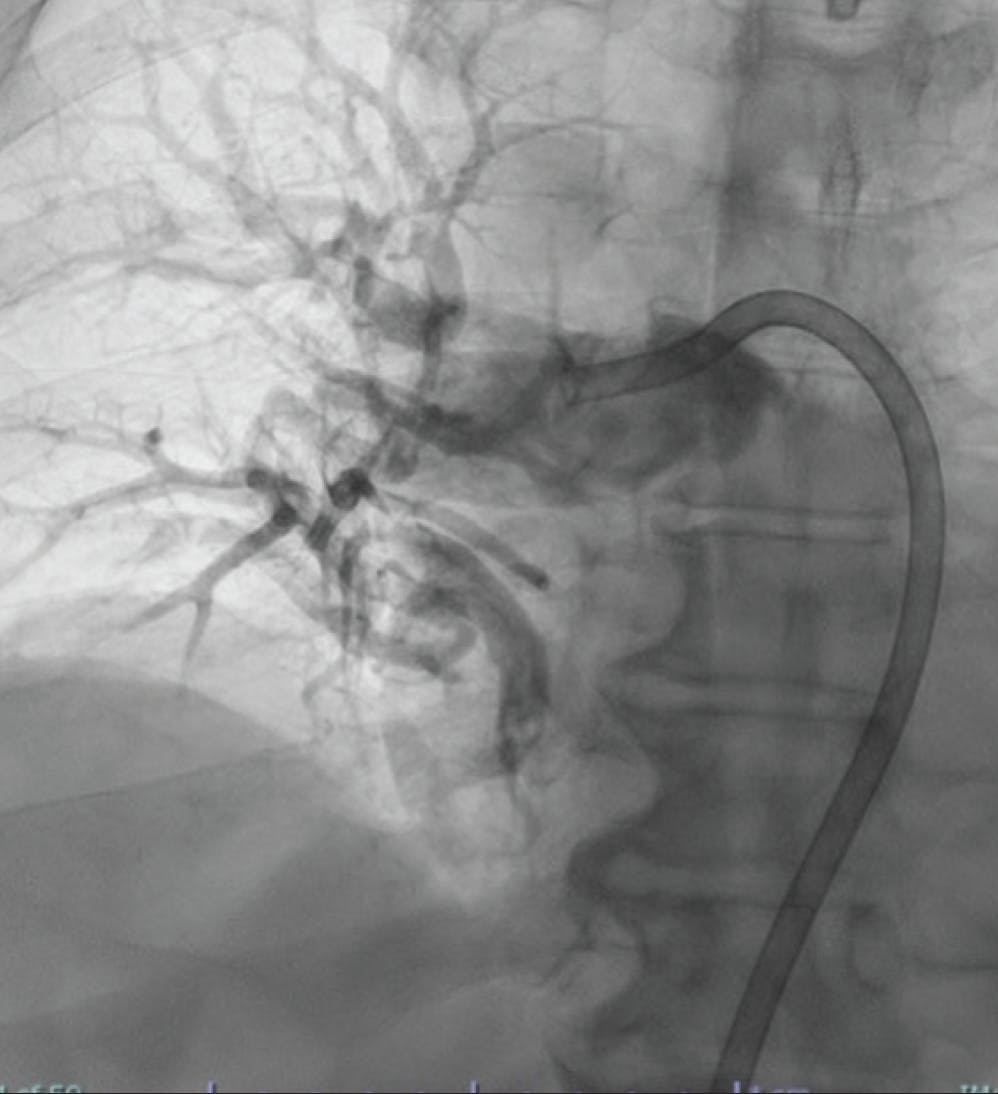
Figure 4. Post-thrombectomy angiogram of the right lobe.
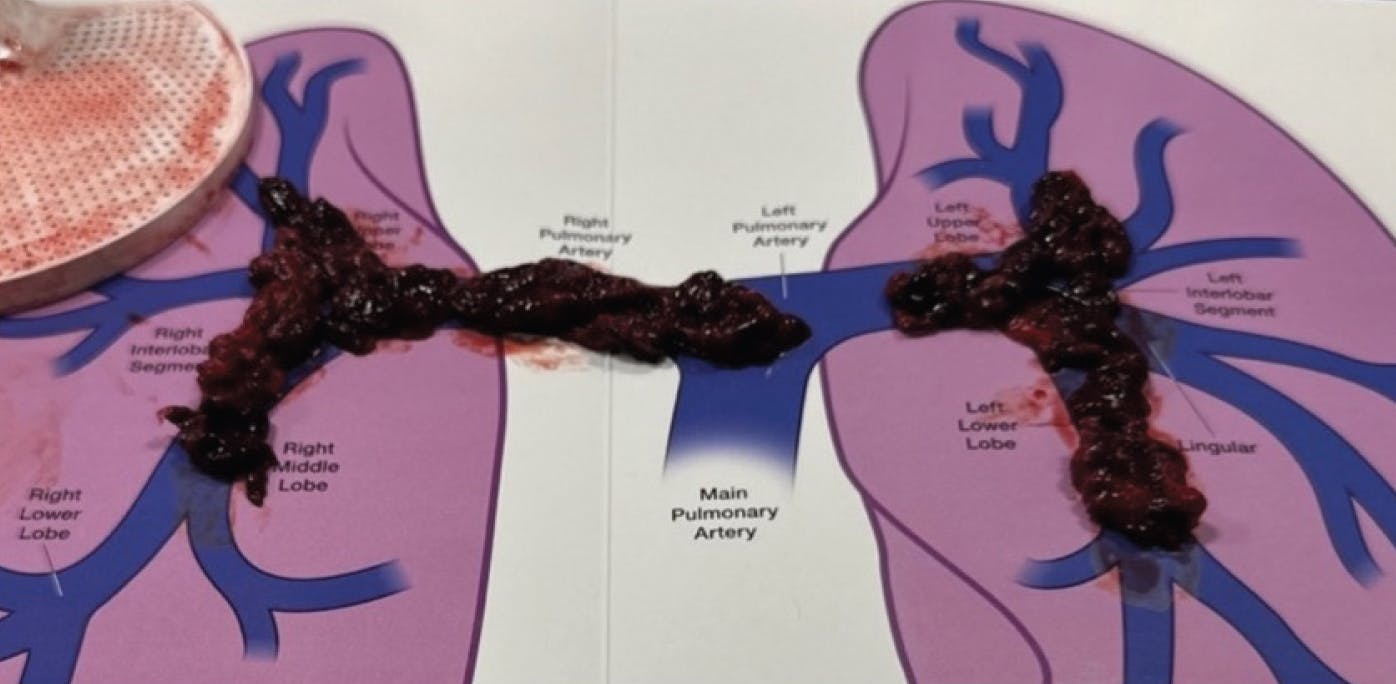
Figure 5. Thrombus removed.
CONCLUSION
Lightning Flash 2.0 performed exceptionally and was the truly best option for this case due to its speed and safety in getting the patient off the table. CAVT offers the most advanced form of thrombectomy on the market and is our go-to treatment for intermediate- to high-risk PE.
RIGHT-SIDED PE MANAGEMENT WITH LIGHTNING FLASH 2.0 AND ELEMENT™ VASCULAR ACCESS SYSTEM

PATIENT PRESENTATION
A man in his mid 70s with history of prostate cancer, currently undergoing chemotherapy, presented with severe hypotension and mild hypoxia.
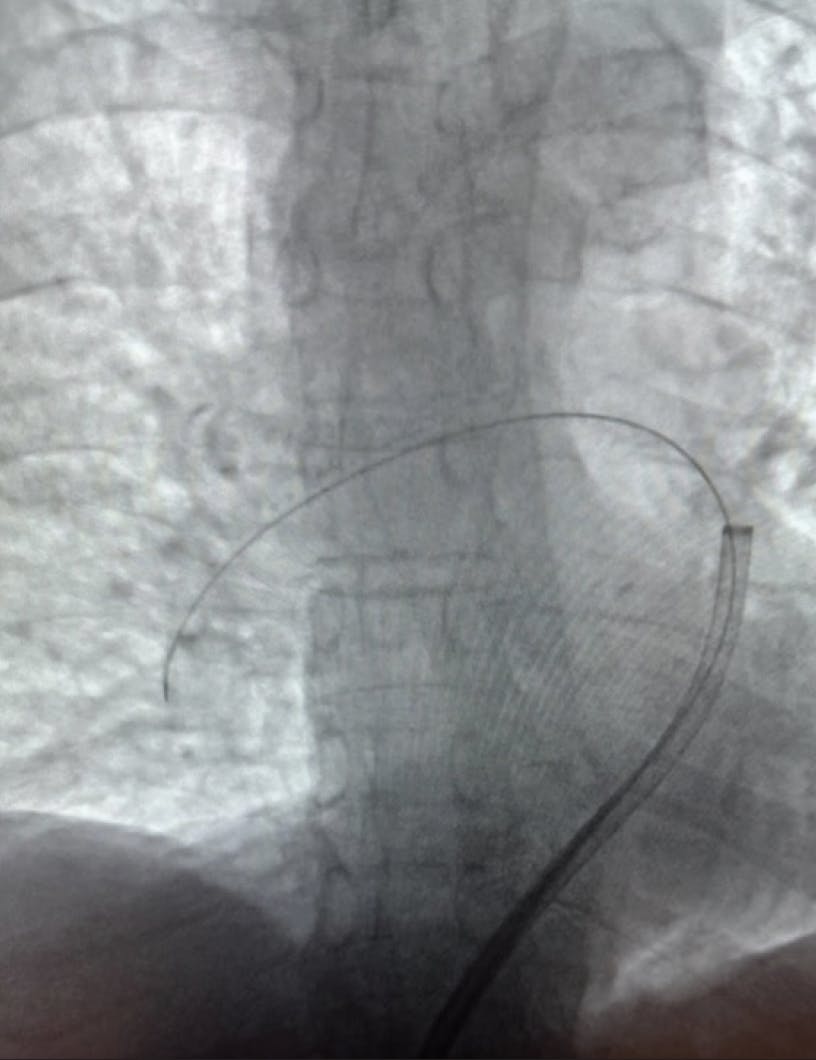
Figure 1. Angiogram depicting Element sheath in the main PA.
Upon examination, the patient was diaphoretic and experiencing no chest pain. He had elevated troponins, as well as an elevated brain natriuretic peptide (BNP). The patient was contraindicated to thrombolytics due to a recent spinal surgery. CT revealed a massive saddle pulmonary embolism and right ventricular/left ventricular ratio of 2.7, indicating significant RV strain.
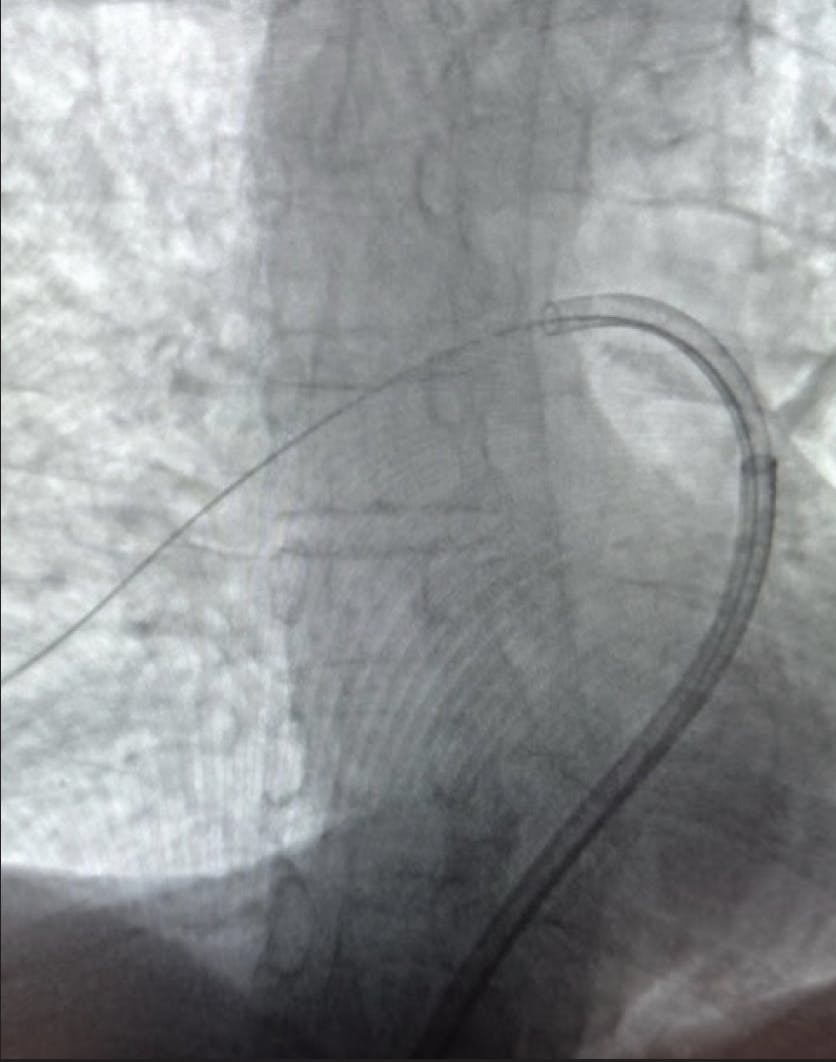
Figure 2. Angiogram depicting Lightning Flash aspiration catheter through Element sheath.
INTERVENTION
After gaining access in the right CFV under ultrasound guidance, we selectively catheterized the pulmonary artery over a 0.035-inch exchange guidewire and a 5-F pigtail catheter. We advanced into the distal, right, lower lobar pulmonary artery, then exchanged the guidewire for a 1-cm, floppy-tip, 0.035-inch stiff Amplatz. Sheath exchange was performed for Penumbra’s 17-F Element™ sheath and dilator. Element features a HemoLock™ valve system, designed to ensure hemostatis, and a laser-cut hypotube design to help maintain stepwise support throughout the vasculature. Penumbra’s Lightning Flash 2.0 was inserted, and aspiration was performed in the right main, interlobar, and descending vessels, then into the upper lobar artery. The Element sheath allowed easy access to the left pulmonary artery, where thrombectomy was performed in similar fashion. After 20 minutes of device time, clot was removed and reperfusion was achieved with an estimated blood loss of 150 mL.
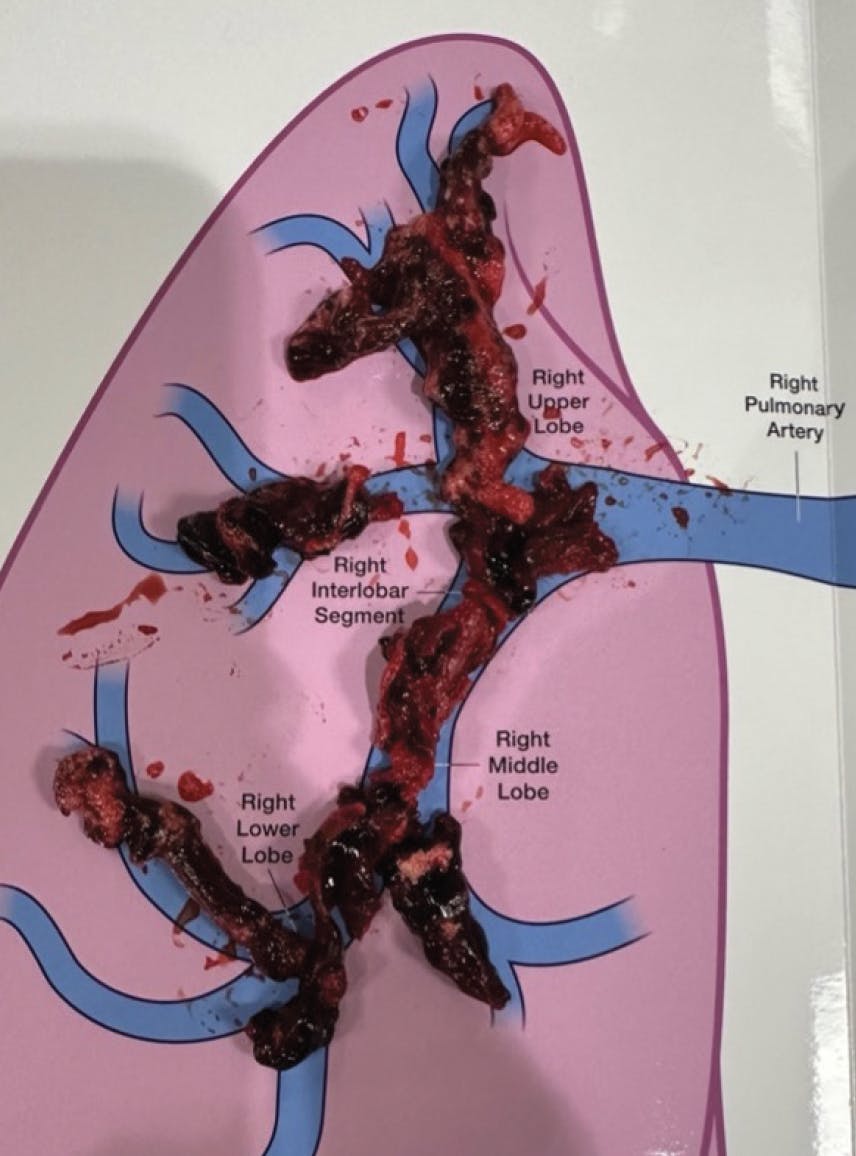
Figure 3. Thrombus removed from the right PA.
CONCLUSION
Post-procedure, mean pulmonary pressures decreased from 38 mm Hg to 21 mm Hg and O2 saturation increased from 87% to 95%. The flexibility and torque-ability of the Lightning Flash 2.0 catheter paired with the foundational support of the Element sheath allowed for excellent angiographic and clinical success. Thanks to Penumbra’s VTE platform, complete with their Element sheath, we were well equipped to take on this case with confidence and perform it with ease.
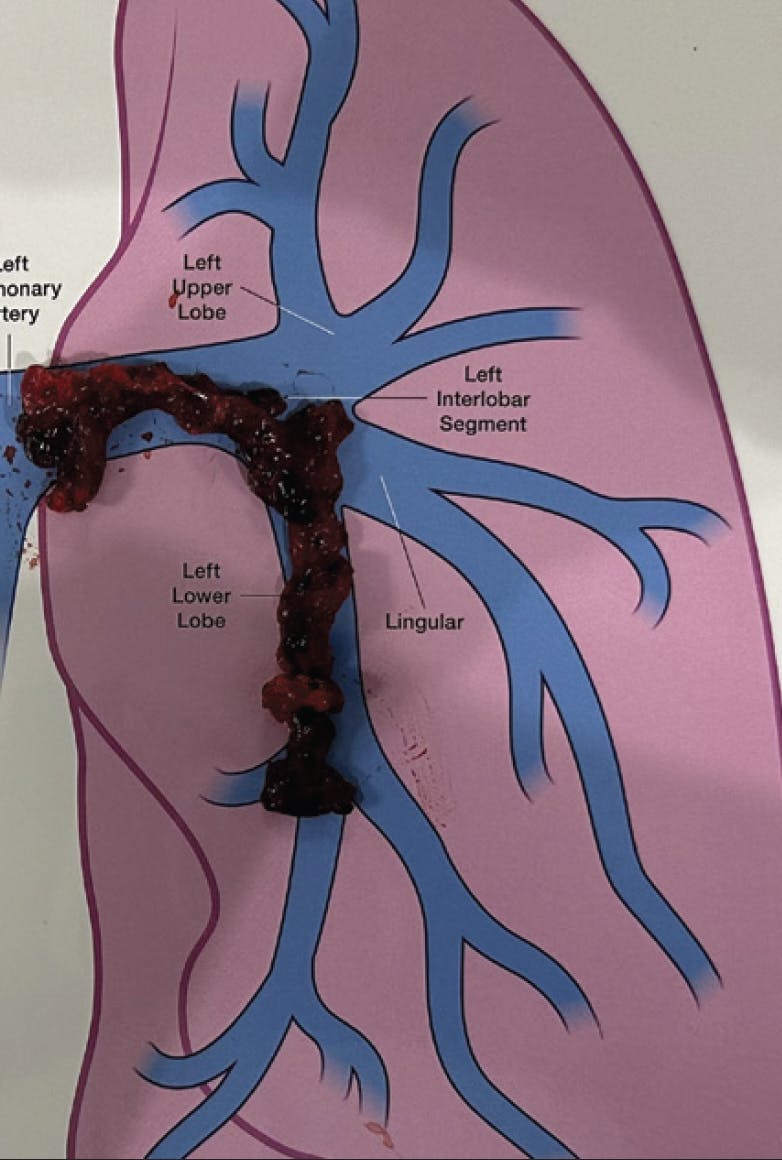
Figure 4. Thrombus removed from the left PA.
Disclaimer: The opinions and clinical experiences presented herein are for informational purposes only. The results may not be predictive of all patients. Individual results may vary depending on a variety of patient-specific attributes.
Advertisement
Advertisement