Advertisement
Advertisement
July 2025
Sponsored by Penumbra, Inc.
A New Class of Coil: Introducing the Ruby® XL System
With Jafar Golzarian, MD, FSIR; Mel Ghaleb, MD; and Raj Pyne, MD, FSIR

We are entering a new era in embolization—one defined by efficiency and adaptability to high-flow, large-vessel pathology. The Ruby® XL System—an expansion of Penumbra’s embolization platform—is a great addition to the existing coils by combining volume, deliverability, and coil softness in a way not previously available.
A NEW CLASS OF COIL
The Ruby XL System comprises three market-leading coil technologies (Figure 1 and Figure 2): Ruby Coil XL, POD® XL, and Packing Coil XL.
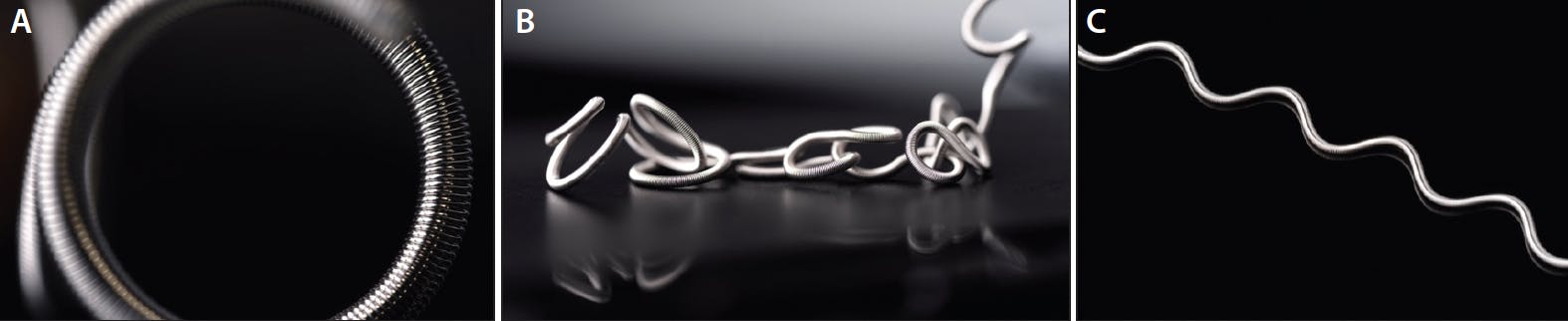
Figure 1. The Ruby XL System consists of three unique coil technologies: the Ruby Coil XL (A), POD XL (B), and Packing Coil XL (C).
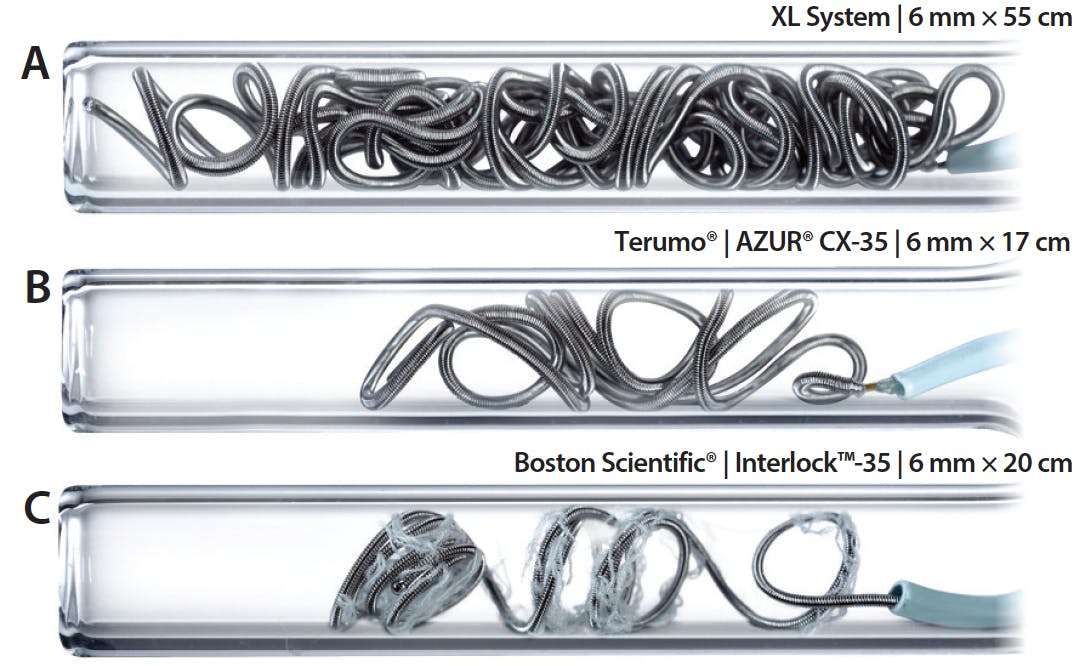
Figure 2. POD XL (6 mm X 55 cm) (A). AZUR CX-35 (Terumo Interventional Systems) in the longest available length of 6 mm X 17 cm (B). Interlock-35 (Boston Scientific Corporation) shown in the longest available length of 6 mm X 20 cm (C).
All three coils feature a 0.030-inch primary diameter, are available in lengths up to 70 cm, and are deliverable through standard 0.035-inch+ diagnostic catheters. The ability to deliver coils through standard 0.035-inch+ diagnostic catheters eliminates the need for microcatheter access in many scenarios.
Ruby Coil XL is designed to frame large aneurysm sacs and spaces with coils ranging from 20 to 40 mm.
POD XL introduces a multistage design with anchoring, framing, and filling segments—offering robust vessel wall apposition and dense occlusion, especially effective for high-flow territories such as gastric varices, hypogastric arteries, and gonadal veins.
Packing Coil XL uses a wave-shaped, liquid metal design that conforms to vessel morphology and is available in sizes from 15 to 70 cm, enabling deep access into distal beds without complex catheterization.
The Ruby XL System is more than just any other 035 coil—it represents a shift in how we approach large-vessel embolization. With thoughtful engineering and an emphasis on procedural efficiency, it enables us to treat complex anatomy with greater confidence. The Ruby XL System can serve as a primary option across more embolization applications.
Case 1: Embolization of Extensive Mesenteric Varices

CASE PRESENTATION
A male patient in his late 20s with recurrent episodes of pancreatitis from hypertriglyceridemia presented to the emergency department for severe left upper abdominal pain, nausea, and vomiting. His past medical history was significant for type 1 diabetes and prior episodes of diabetic ketoacidosis.
His admission glucose was 478 mg/dL and triglycerides were > 1,100 mg/dL. Abdominal CT was obtained, revealing splenomegaly with splenic vein thrombosis and large proliferative mesenteric variceal collaterals (Figure 1) arising from a single feeding superior mesenteric vein (SMV) in the proximal lateral trunk.
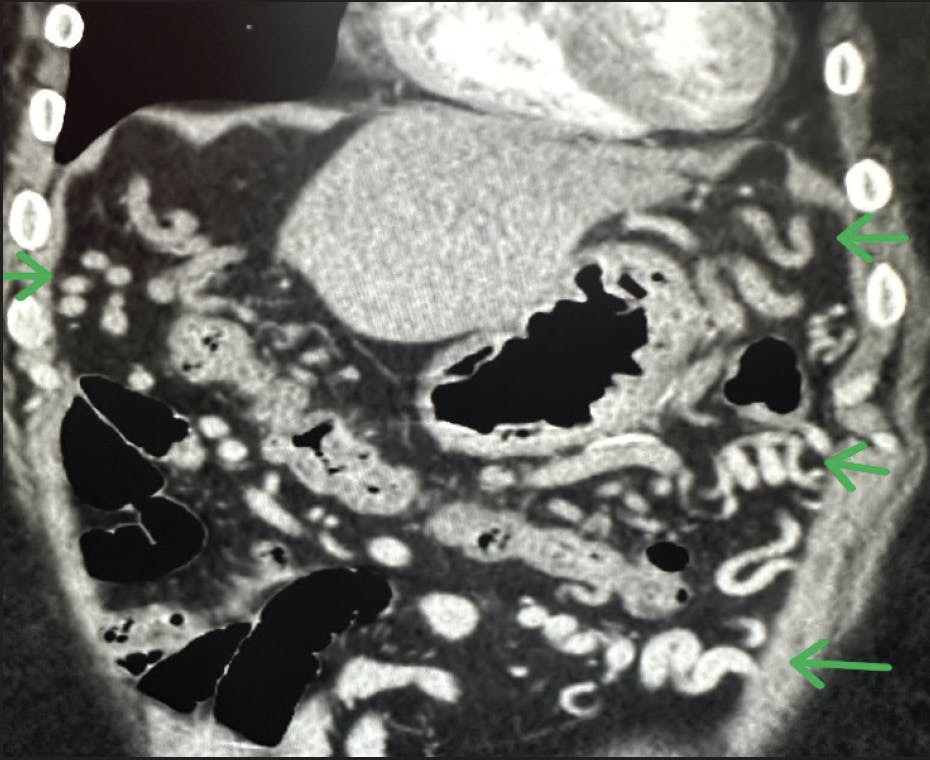
Figure 1. Coronal CT image showing an extensive network of mesenteric varices (green arrows).
PROCEDURAL OVERVIEW
Lacking medical or surgical curative treatment options and given the patient’s recurrent symptomatology, a decision was made to perform a two-step endovascular procedure under conscious sedation:
- Step 1: Splenic artery embolization to shrink the enlarged spleen and decrease the arterial inflow of the large portal venous variceal network
- Step 2: Transhepatic portal venography and selective embolization of the SMV varices
Step 1 was achieved via traditional cannulation of the splenic artery from a femoral approach and distal splenic artery embolization using two Ruby Standard Coils (8 X 25 mm and 10 X 35 mm), followed by two Packing Coils (45 and 15 cm respectively).
Step 2 was performed via an ultrasound-guided transhepatic portal vein access and selective cannulation of the SMV proximal lateral variceal branch (Figure 2). A 5-F, 100-cm vertebral catheter was used to engage the SMV branch and advanced as distally as possible inside the convoluted and dilated network of SMV varices. Subsequently, embolization was performed with a total of six Penumbra coils, starting with an 8-mm X 70-cm POD XL, 12-mm X 55-cm POD XL, and four Packing Coil XLs ranging in length from 15 cm up to 70 cm (Figure 3).
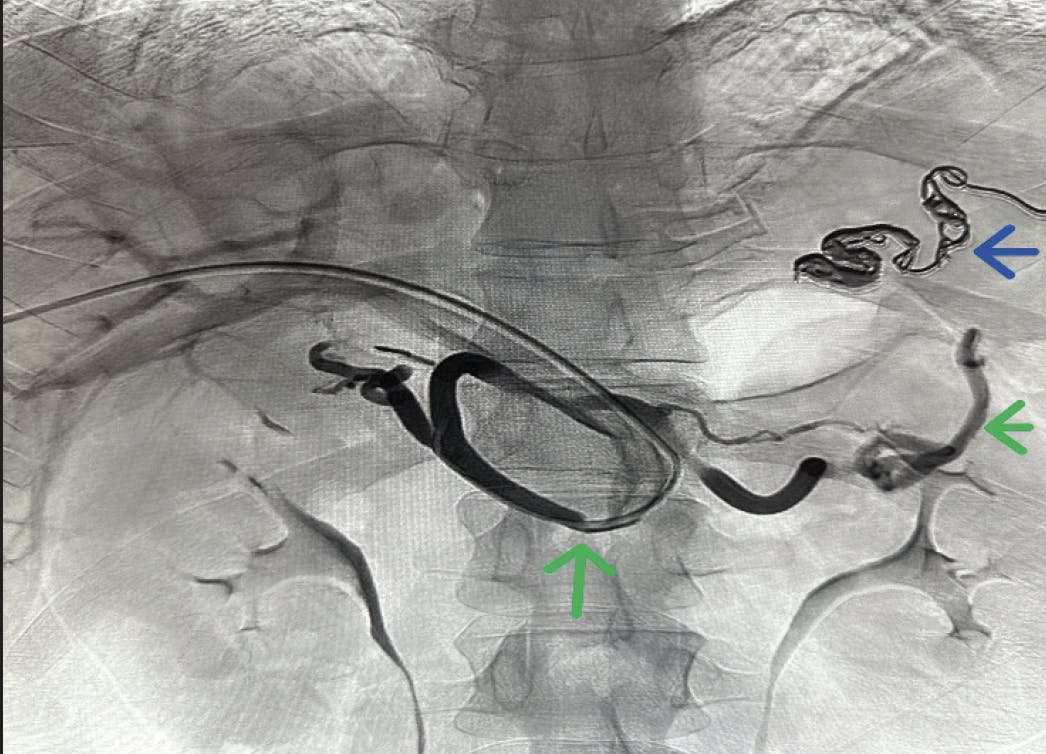
Figure 2. Transhepatic SMV trunk variceal venogram. Recent embolization is shown (green arrows). Note prior embolization coils within the splenic artery (blue arrow).
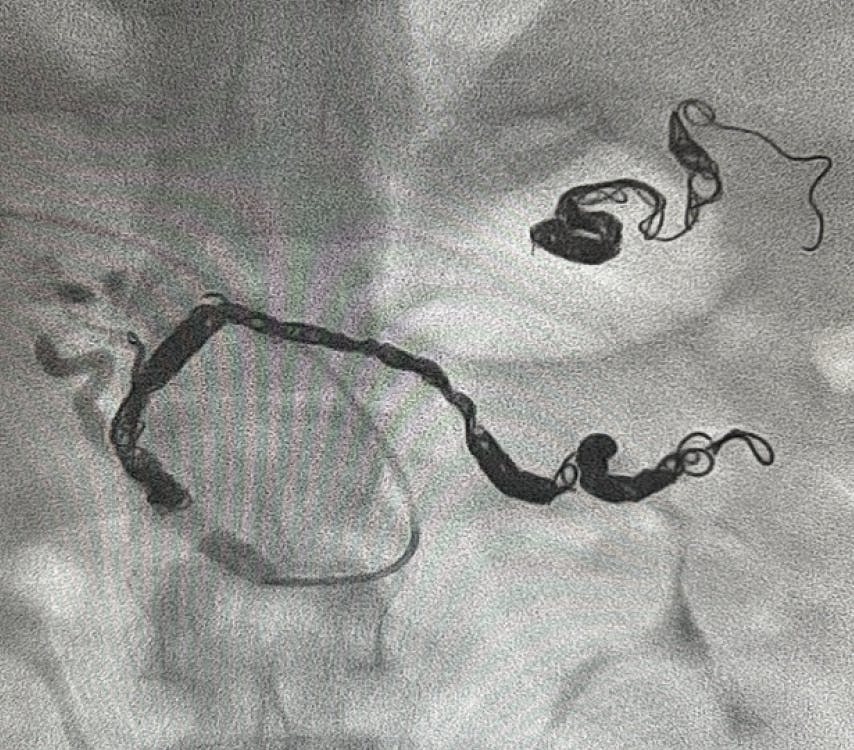
Figure 3. Final image of the SMV variceal trunk postembolization.
A postembolization variceal venogram showed successful embolization, and the catheter and sheath were retracted to embolize the liver capsule access with two traditional 0.035-inch coils (6 mm X 17 cm) (Terumo Interventional Systems). Traditional 035 coils offer limited lengths, but the ability to deliver up to 70-cm length coils with the Ruby XL System means fewer coils required for embolization. Both procedures were done in 57 minutes with 997 mGy of radiation.
The patient had an uneventful postprocedure hospital stay and was discharged home once his lab work levels normalized.
DISCUSSION
Penumbra’s Ruby XL System provides much needed innovation to embolize using diagnostic catheters with this new class of coil, thus eliminating the need of coaxial microcatheters systems. The dual diagnostic and therapeutic capabilities using a “one-catheter option” equals faster procedure times, minimizing intraprocedural steps and potential mishaps while decreasing inventory microcatheter needs. The welcome addition of the only 70-cm-long coils to the interventionalist’s armamentarium means less coils needed to achieve successful occlusions and therefore an overall decrease in cost, procedural time, and total radiation.
From a technical standpoint, the XL coil deployment was straightforward despite its length and the hostile tortuous vascular bed in this case. The softness of the XL coil, coupled with the sturdiness of its pusher, resulted in a smooth and precise luminal delivery.
When embolizing long vascular beds, Penumbra’s new Ruby XL System checks all the boxes: fewer coils needed, fewer procedural steps, and faster interventions.
Case 2: Pelvic Venous Disease (PeVD)

CASE PRESENTATION
A G2P2 female patient in her mid-30s presented with 6 years of worsening significant pelvic symptoms. Her main symptom was severe left-sided pain, aching, throbbing, and heaviness, which had become debilitating. The pain was constant but worsened during her periods. Due to the pain, she reported that she constantly had to shift when sitting in a chair onto her right side and avoided laying down in bed on her left side. Additionally, she had constant gassiness and bloating despite multiple recent dietary changes.
She had tried multiple approaches to help address the pain, including a left ovarian cyst resection; hormonal therapy, which worsened her symptoms; and tubal ligation. She stated that her gynecologist was also doing a workup for possible endometriosis. Colonoscopy was performed by a gastroenterologist, which was negative. She was referred to an orthopedic surgeon to rule out left hip issues as well as a general surgeon to exclude a left inguinal hernia. She was worried about being labeled as having a pain syndrome because physicians had been unable to determine the cause of her pain. She expressed that she did not want to take regular pain medications with two young children.
CT of the abdomen and pelvis from the hernia workup incidentally demonstrated engorged ovarian and pelvic veins. Upon review of symptoms, the patient stated that she was negatively impacted by dyspareunia, pelvic pain and discomfort, severe bloating, irritable bowel symptoms, and back pain. CT venography with PeVD protocol was performed and reviewed, and SVP (Symptoms-Varices-Pathophysiology) classification was S2, S3b; V2, V3b; left common iliac vein (O, NT), left ovarian vein (R), right ovarian vein (R).
PROCEDURAL OVERVIEW
After consultation and a review of the imaging, the plan was for venography with intravascular ultrasound (IVUS) and bilateral ovarian embolization, pelvic varix sclerotherapy, and possible left iliac vein stenting.
Initial left iliofemoral venography showed significant compression of the left iliac vein just below the caval confluence consistent with a nonthrombotic iliac vein lesion (NIVL) (Figure 1A), confirmed with IVUS as a 72% stenosis (not shown). Given the findings and the progressive left leg swelling, stenting was performed from the caval confluence down past the iliac genu using a bare-metal stent (Medtronic) (Figure 1B).
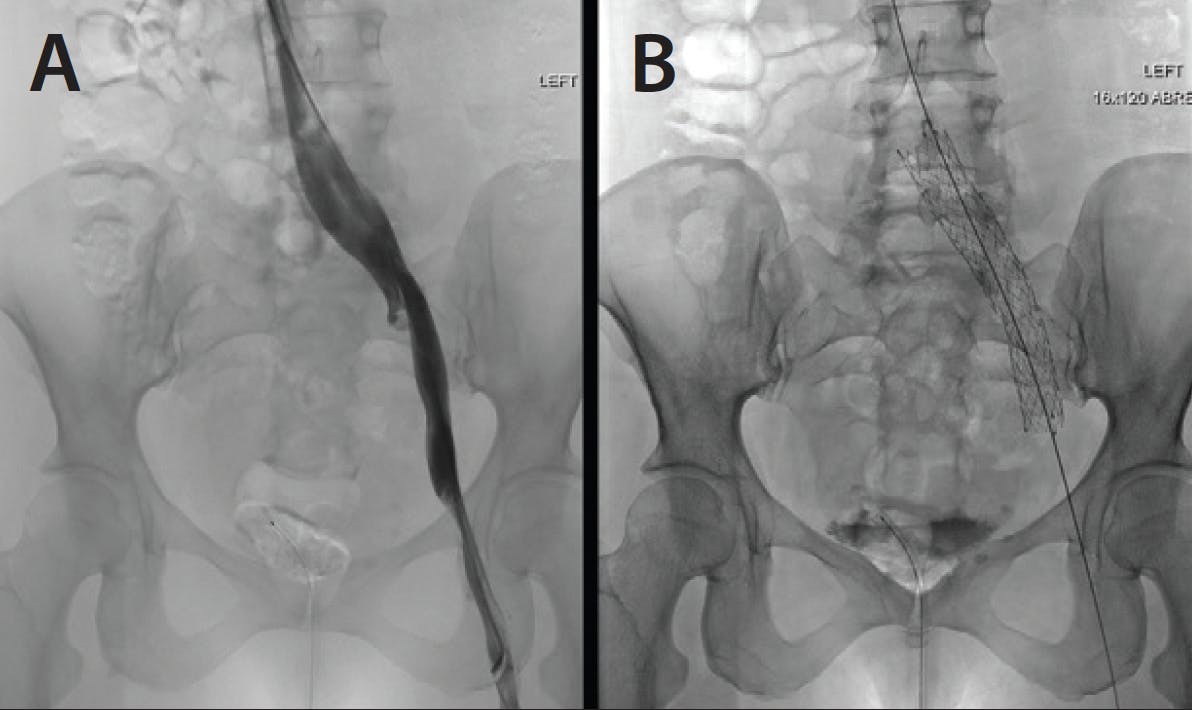
Figure 1. Initial left iliofemoral venogram showing left iliac vein compression just below the caval confluence consistent with a NIVL (A). Stent placement from the caval confluence down past the iliac genu (B).
Attention was then turned to the ovarian veins. Using a 5-F Bernstein catheter with Roadrunner hydrophilic wire (Cook Medical) through a 6-F Destination guiding sheath (Terumo Interventional Systems), the left renal vein was interrogated. Venography confirmed massive reflux down a dilated and engorged left ovarian vein and into a left deep hemipelvis varix reservoir sitting atop the urinary bladder (Figure 2), correlating to her symptoms of left-side heaviness and pain, inguinal pain, urinary frequency, bloating, and gassiness.
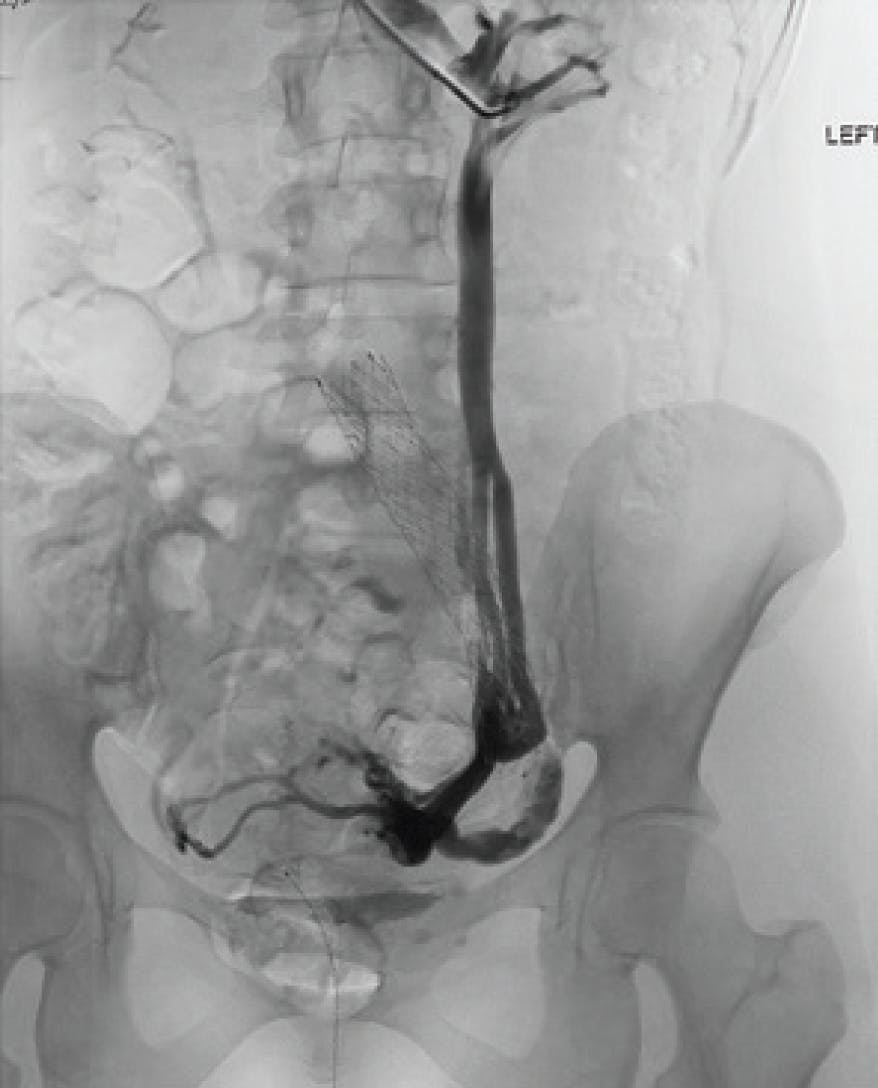
Figure 2. Venogram showing reflux of the dilated/engorged left ovarian vein into the left deep hemipelvis varix reservoir.
The catheter was advanced over the wire into the largest lateral channel, but this did not connect to the lower pelvic varices, as the wire could not be advanced. A traditional 0.035-inch coil (8-mm X 24-cm Azur CX 035 [Terumo Interventional Systems]) was then deployed in the deepest part of that lateral channel. The longest available length was chosen for that size.
The catheter was then retracted, and the wire was used to select the primary central ovarian vein channel, which led to the deep hemipelvis varices. The catheter was advanced down into the deep left hemipelvis, and contrast was injected to confirm positioning; clear connection was noted from the stagnant pelvic reservoir with some return via the left internal iliac vein and through the newly stented left common iliac vein. Sodium tetradecyl sulfate (STS) was then mixed with contrast and diluted down to a 1.0% concentration, foamed using the Tessari method, and then injected into the deep pelvic varices while being cognizant not to allow any sclerosant to escape past the left internal iliac vein into the stent.
The 5-F catheter was then retracted while injecting additional foamed STS back near the ovarian vein confluence (Figure 3A). A decision was then made to embolize this ovarian vein back to the confluence with hopes of “spilling” a coil back into the other lateral channel; each channel measured approximately 6 mm in diameter, with the main confluence of the ovarian vein above measuring up to 11 mm. A 70-cm Packing Coil XL was deployed, first filling in the middle channel with good coil density. Given its long 70-cm length, it was then pulled back and coiled tightly just before the confluence and into the main channel; the final 20 cm of the coil was then purposefully allowed to “reflux” into the lateral channel given its “liquid metal” characteristics (Figure 3B). A small contrast injection at this point demonstrated successful occlusion of these two channels.
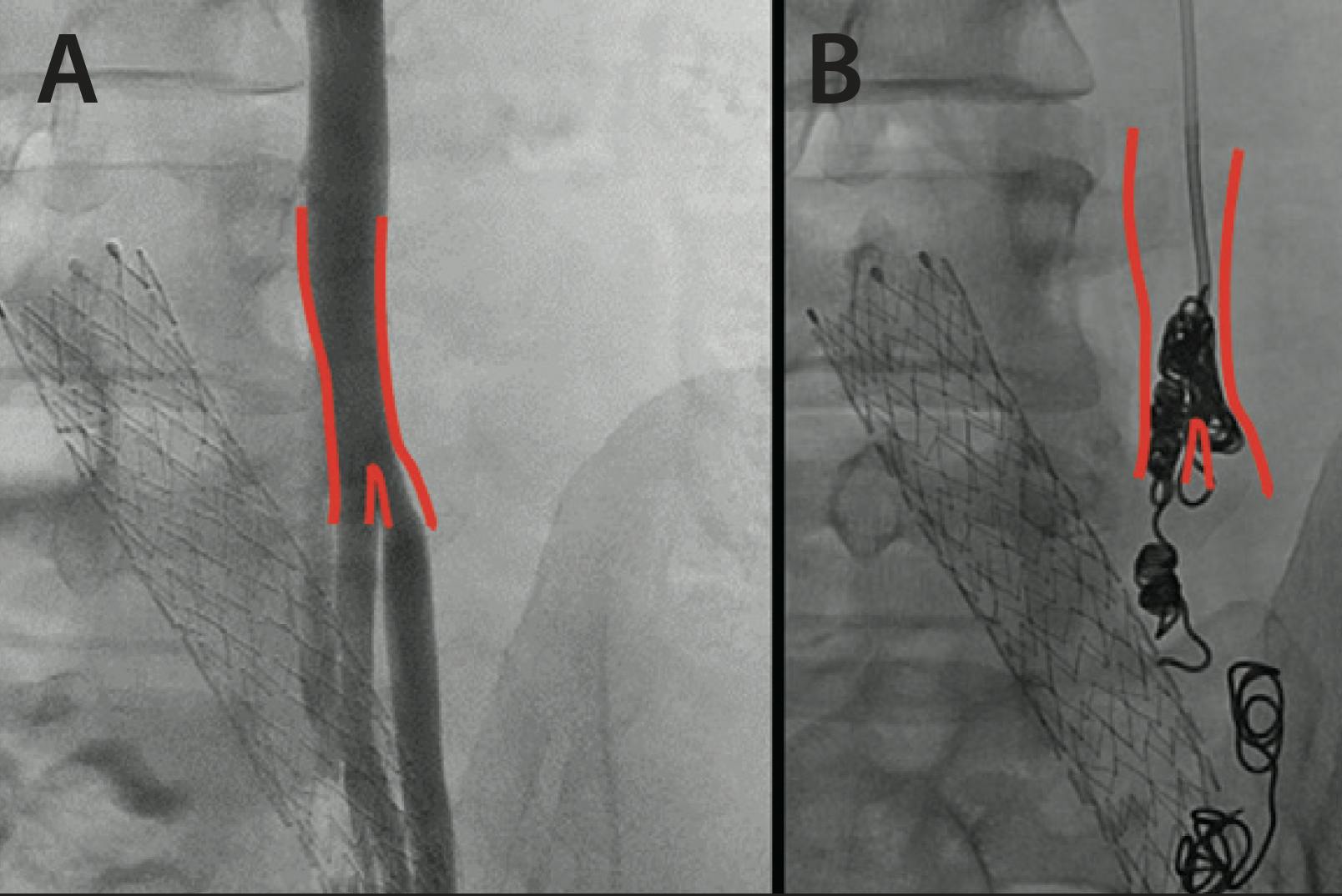
Figure 3. STS foam injected near the ovarian vein confluence (red lines) (A). Deployment of a 70-cm Packing Coil XL (confluence noted by red lines) (B).
As a third medial channel was still present, the decision was made to inject some additional foamed STS into this channel and finally coil the main ovarian more cranially using a 8-mm X 70-cm POD XL. Due to POD XL’s ability to anchor in a vessel, I was able to maintain stability and did not have to worry about coil migration.
Finally, the contralateral right ovarian vein was interrogated (not shown). It demonstrated significant reflux, but there was variant anatomy with a fenestrated portion superiorly draining much of the right kidney. A 55-cm Packing Coil XL was deployed in the mid-portion (below the fenestration), after which foamed STS injection in the right deep hemipelvis. Final venography demonstrated placement of all four coils in the bilateral ovarian veins and left iliac vein stenting (Figure 4).
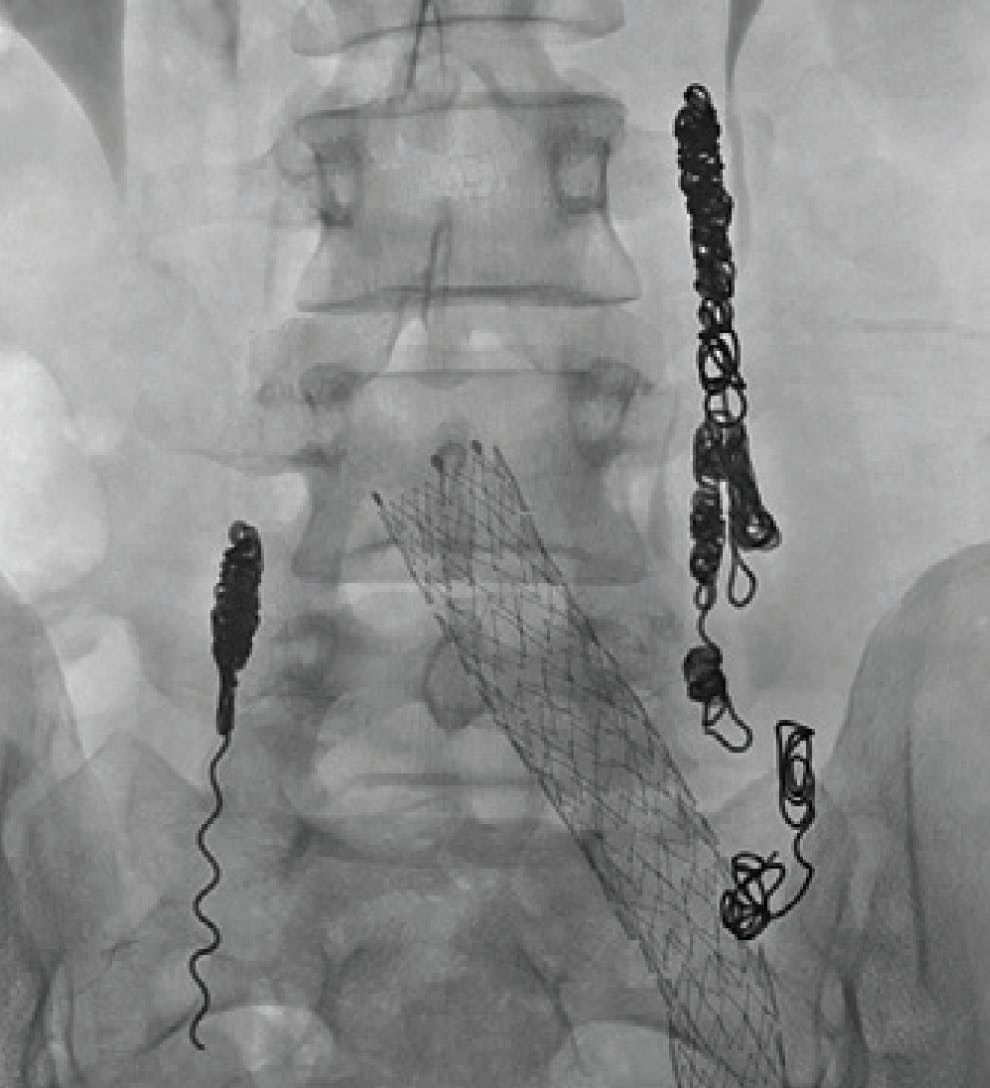
Figure 4. Final venogram showing placement of four coils in the bilateral ovarian veins and left iliac vein stenting (55-cm Packing Coil XL, 70-cm Packing Coil XL, 8-mm X 70-cm POD XL, 8-mm X 24-cm Azur CX 035).
POSTPROCEDURE AND FOLLOW-UP
Two hours later, the patient was discharged on anticoagulation with aspirin and clopidogrel along with our standard PeVD pain management protocol. During a customary short-term follow-up at 1 week via phone call, the patient related that she still was recovering from postprocedural pain, but for the first time in years, was not feeling debilitating pelvic and back pain.
Discussion
The Ruby XL System offers large 0.030-inch diameter coils with long lengths, allowing for faster and more effective embolization. The ability to deliver through a 4-F Glidecath (Terumo Interventional Systems) or a 5-F parent diagnostic catheter streamlines the procedure by eliminating the need for a microcatheter or microwire—saving time, cost, equipment, and radiation exposure. Despite their soft and flexible design, Ruby XL Coils provide substantial volume and anchoring capability, making them ideal for large-vessel sacrifice in high-flow and turbulent environments. This makes them particularly well suited for use in trauma-related proximal splenic artery embolization, dilated ovarian vein embolization, portal vein or varix embolization, high-flow shunt embolization, and hypogastric artery embolization.
Disclaimer: The opinions and clinical experiences presented herein are for informational purposes only. The results may not be predictive of all patients. Individual results may vary depending on a variety of patient-specific attributes.
Advertisement
Advertisement