Advertisement
Advertisement
July 2025
Sponsored by Penumbra, Inc.
Venous Health and Economic Optimization With CAVT
With Ansar Vance, MD; Neelima Katragunta, MD, FACS; Kristin Cook, MD; Kush Desai, MD, FSIR; Os Ahmed, MD, FSIR; Kunal Karani, MD; and Peyman Borghei, MD
Understanding of venous health has evolved—veins are no longer viewed as passive conduits, but as dynamic structures with functions beyond simple blood transport. In the management of venous thromboembolism (VTE), the objective is no longer simply clot removal, but the restoration and preservation of healthy venous inflow. Success can no longer be measured by short-term patency alone and is rather measured by long-term vein health, achieved through restoring patency, preserving valve function, and preventing endothelial damage.
Emerging clinical discussion now places inflow patency at the center of long-term therapeutic success.1 Failure to restore inflow from supplying vessels can compromise valve function, significantly contributing to recurrence and the progression of chronic venous disease.
This evolution in understanding raises important questions about which thrombectomy devices meet the standard of care. Comparative outcomes from data such as the Brevard Physician Experience* and the University of South Florida’s retrospective review2 reveal striking differences in long-term patency between basket-based technologies and Computer-Assisted Vacuum Thrombectomy (CAVT™) (Penumbra, Inc.). Basket-based interventions have been shown to cause damage to the endothelium of veins, potentially leading to a “lead pipe effect” being observed at final angiography.* Insufficient treatment of inflow vessels and aggressive clot extraction are supported by data showing a potential correlation with recurrent venous thrombosis.1
Penumbra’s Lightning Flash® 2.0 leverages CAVT technology to deliver expedited clot removal through its “gallop mode” and automated clot detection system. This platform offers the versatility required to manage complex clinical scenarios, including in-stent thrombosis, upper extremity thrombosis, occluded inflow vessels such as the profunda and inferior vena cava filter occlusions, while introducing the potential to significantly reduce procedure times.
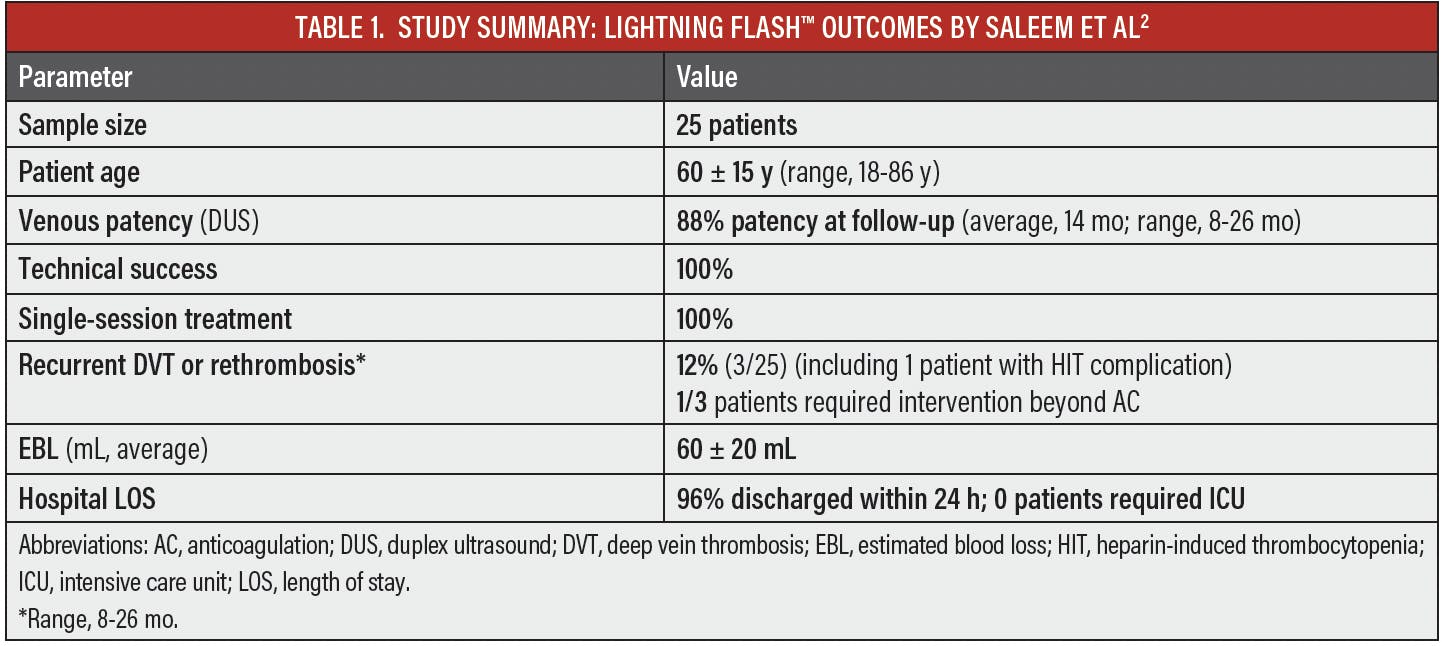
Data from the RANE Center for Venous and Lymphatic Diseases (Table 1) demonstrate the system’s ability to effectively manage venous thrombosis, establishing inline flow in a single session, with the majority of patients maintaining patency at long-term follow-up.3 The analysis concluded that Lightning Flash 2.0 represents a meaningful advancement in both form and function over its predecessors for managing acute and subacute iliofemoral-caval venous thrombosis.
Furthermore, Penumbra’s ongoing BOLT-DVT study continues to assess the long-term benefits of CAVT technology, with Villalta scores being reported out to 24 months postprocedure, underscoring the commitment to long-term vein health.4
As our understanding of venous physiology deepens, so too must our therapeutic strategies. Lightning Flash 2.0 represents a next-generation solution—designed for speed, safety, and simplicity, while honoring the complexity of the venous system.
*Brevard Physician Associates anecdotal data was presented by Dr. Paul Rotolo at the July 2022 Penumbra VTE Summit, San Diego, CA. Patients for both treatment modalities were concurrently enrolled and similar clinical presentations. Interventions were done between 07/2021-06/2022
1. Wise R, Qamhawi Z, Wilton E, Wigham A. Iliofemoral DVT thrombectomy: a dual-access approach to optimise inflow. CVIR Endovasc. 2025;8:43. doi: 10.1186/s42155-025-00543-0
2. Goloubev AY, Kang R, Boggs Z, et al. Comparing incidence of recurrent iliofemoral deep venous thrombosis following ClotTriever mechanical thrombectomy and thrombolysis: a multicenter retrospective review. Presented at: SIR (Society of Interventional Radiology) 2023; March 5, 2023; Pheonix, Arizona.
3. Saleem T, Raju S. Computer-assisted vacuum aspiration mechanical thrombectomy with Lightning Flash allows broader clinical application, enhanced procedural safety, and improved clinical outcomes for the treatment of acute and subacute iliofemoral and central deep venous thrombosis. J Vasc Surg Cases Innov Tech. Published online May 20, 2025. doi: 10.1016/j.jvscit.2025.101849
4. BOLT: Study of the Indigo® Aspiration System when used in patients with deep vein thrombosis. Clinicaltrials.gov website. Accessed June 24, 2025. https://clinicaltrials.gov/study/NCT05003843
Case 1: Lightning Flash 2.0 With CAVT for Acute, Occlusive Venous Thrombus

PATIENT PRESENTATION
A female patient with a history of hypertension, hyperlipidemia, and coronary artery disease presented to the hospital with sudden-onset left lower extremity pain and swelling. The patient had no history of deep vein thrombosis (DVT), pulmonary embolism (PE), or hypercoagulable disorders. She was experiencing new left calf and foot numbness with worsening pain and swelling, as well as limited mobility and range of motion. Venous duplex ultrasound revealed acute venous thrombus involving the left common femoral, profunda, proximal to distal femoral, and popliteal veins. CT venography revealed concomitant left iliac vein thrombosis with suggestion of iliac vein compression. Interventional radiology was consulted, and expedited thrombectomy was prioritized to restore venous outflow due to the patient’s worsening numbness, pain, swelling, and immobility. Given the extent of thrombus from the common iliac through popliteal veins, as well as involvement of the profunda femoris and internal iliac veins, pre-procedural considerations included strategies to reestablish maximal inflow to improve patency of any significant iliac reconstruction.
INTERVENTION
Diagnostic venography revealed left common, external, and internal iliac vein thrombosis as well as thrombosis of left profunda femoris branches (Figure 1). Non-occlusive thrombus was also identified involving the popliteal vein (Figure 2) in the area where traditional 12-F to 16-F popliteal access would be achieved for antegrade thrombectomy. Based on the patient evaluation and therapeutic concerns, the decision was made to use right internal jugular (IJ) access to enable use of the Lightning Flash 2.0 retrograde through the thrombosed segments. The CAT16 catheter (Penumbra, Inc.) was introduced through the 17-F Element™ sheath (Penumbra, Inc.), and thrombectomy was performed to clear inline flow from the left popliteal vein through the inferior vena cava. Additional thrombectomy passes of the left internal iliac and profunda femoris veins were performed requiring minimal additional time. The total device time for Lightning Flash 2.0 was approximately 15 minutes. Percutaneous transluminal angioplasty of the common iliac vein was performed with interval venography, revealing resolution of acute thrombus from the external and internal iliac veins and residual left common iliac vein compression (Figure 3). Completion venogram post-stent reconstruction confirmed brisk outflow through the managed segments (Figure 4). At a 1-month clinic follow-up, imaging revealed patency of the managed segments, and the patient reported maintained resolution of her presenting symptoms.
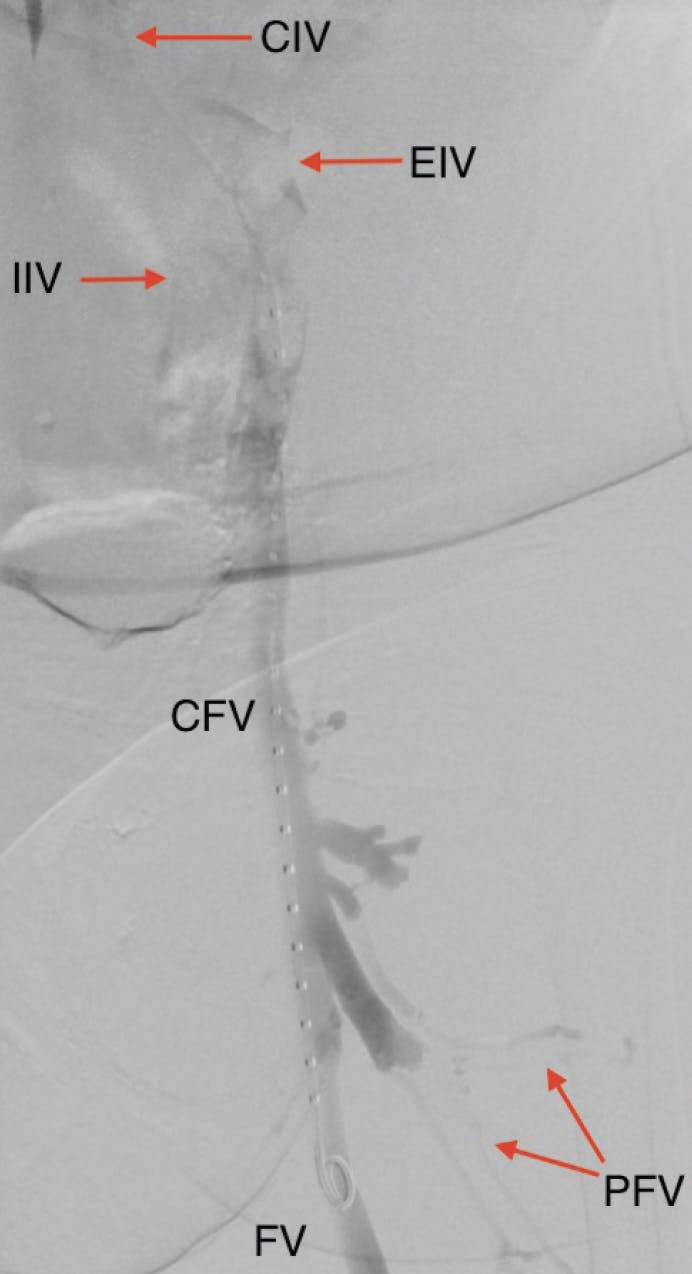
Figure 1. Initial venogram demonstrating thrombosis with iliofemoral involvement, including thrombus within internal iliac and profunda femoris vein branches.
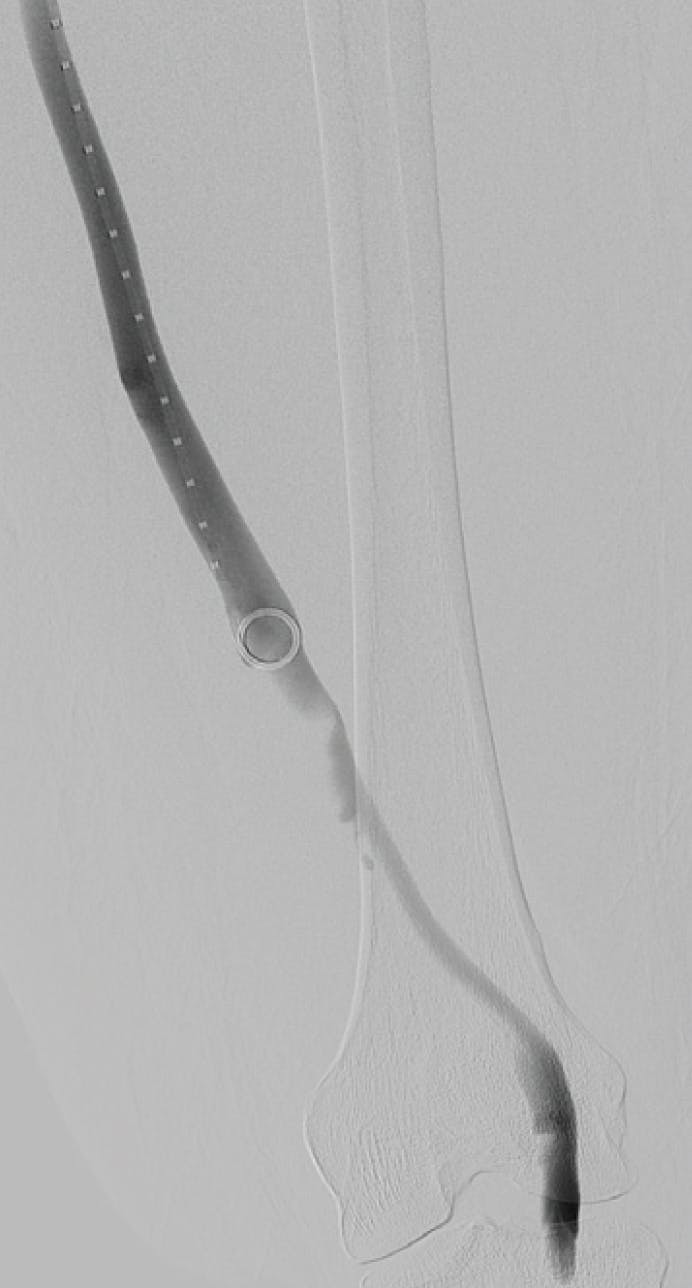
Figure 2. Caudal venography demonstrating acute thrombus within the popliteal vein.
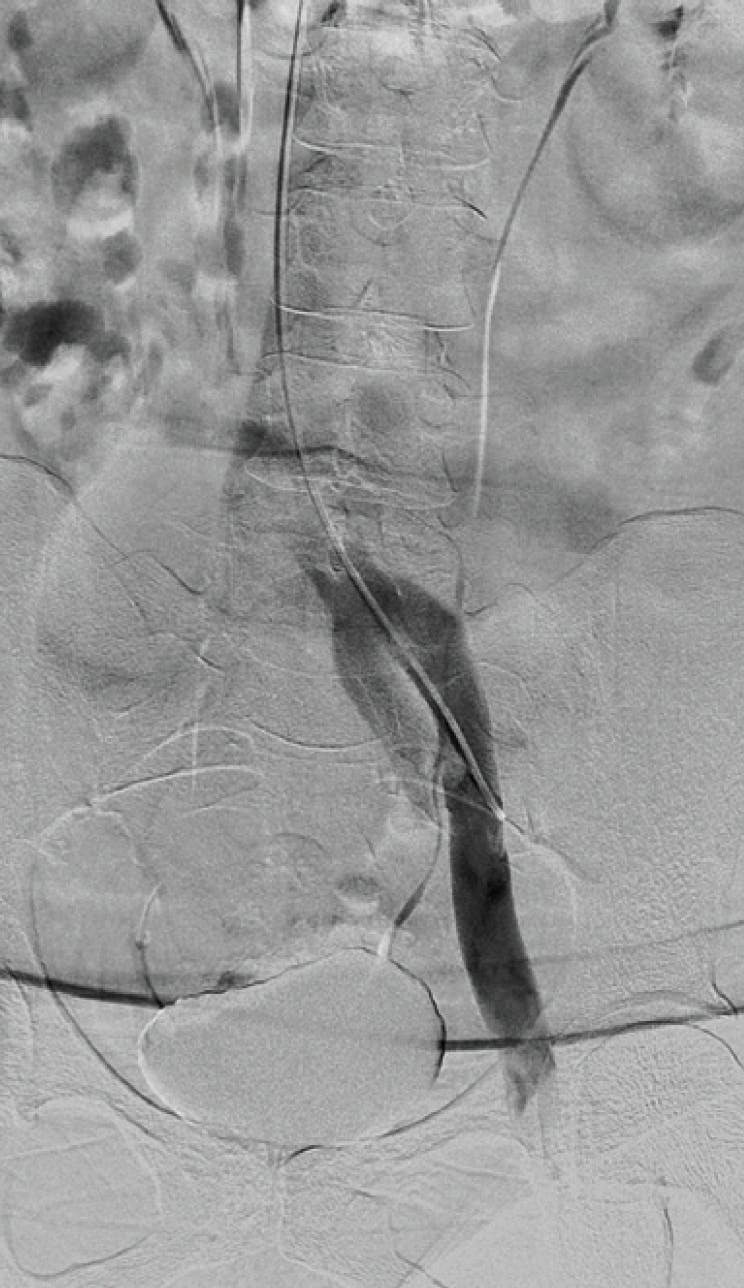
Figure 3. Post-thrombectomy iliac venography demonstrating resolution of acute thrombus within the left common, external, and internal iliac veins and residual left common iliac vein compression.
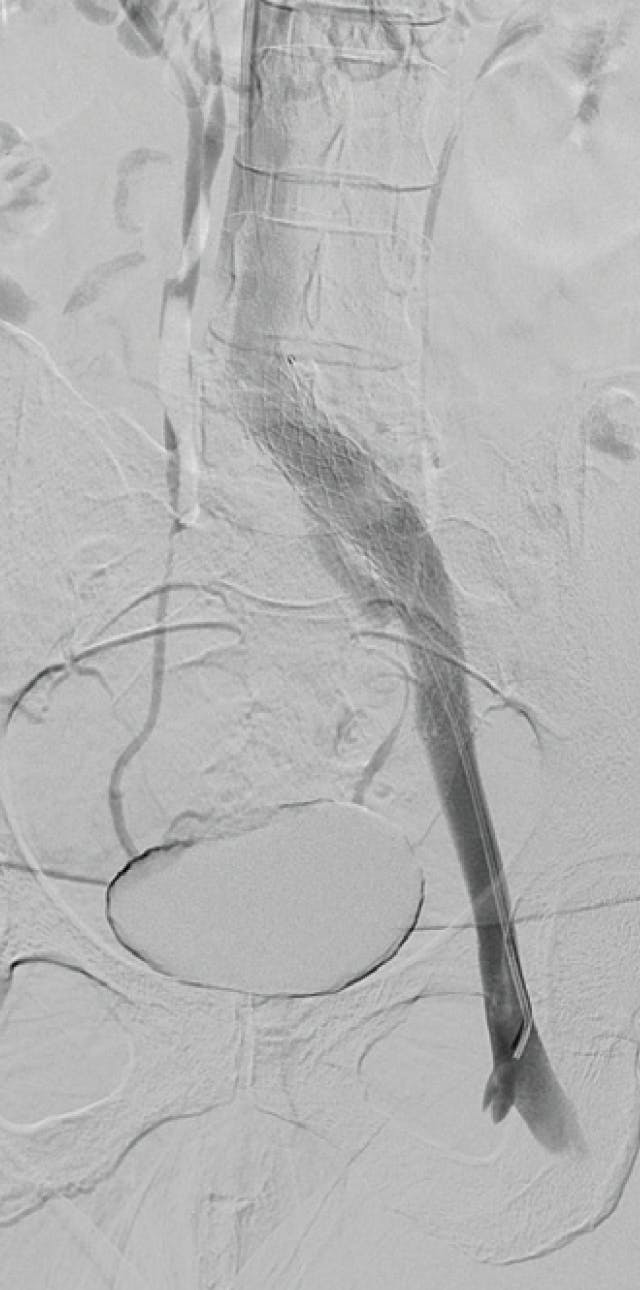
Figure 4. Completion venography demonstrating brisk outflow through managed left iliofemoral segments.
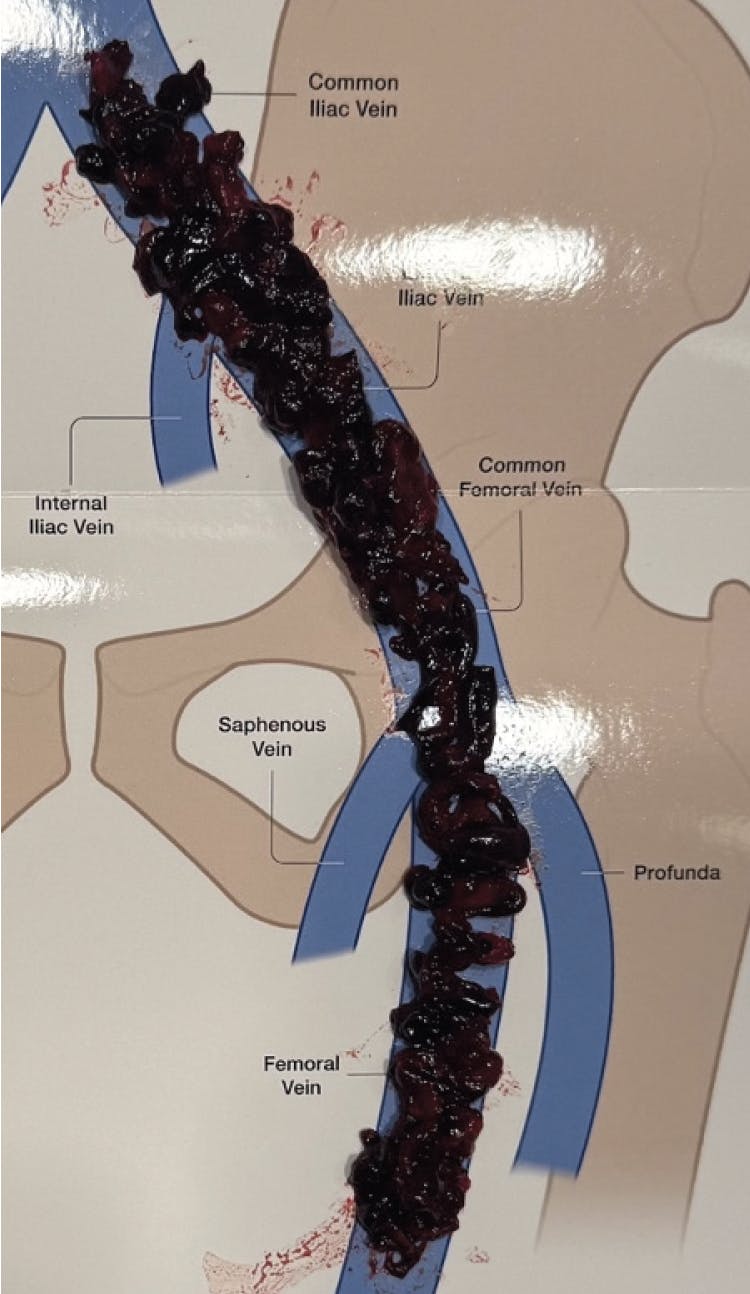
Figure 5. Total thrombus removed. (Note: Placement in image not necessarily indicative of thrombus location when removed.)
CONCLUSION
With preoperative planning, inline flow through the popliteal, femoral, common femoral, external iliac, and common iliac veins was able to be established. Augmented inflow from the internal iliac and profunda femoris veins was also achieved via single IJ access to maximize flow through the iliac stent reconstruction. Optimizing inflow vessels is of critical importance to maintain long-term patency of managed segments. Although current venous thrombectomy concepts center around clearing flow with access from the popliteal vein, avoiding the thrombogenicity of large-bore popliteal access, the ability to clear the caudal extent of popliteal thrombosis, as well as the option to optimize additional internal iliac or profunda femoris inflow can be critical advantages in the long-term success of complex venous reconstructions.
Case 2: Lightning Flash 2.0 With Element Vascular Access System for the Treatment of Saddle PE

PATIENT PRESENTATION
A woman in her late 50s presented to an outside emergency department with chest pain and severe dyspnea from minimal activity. An initial CT chest scan revealed a saddle embolus in the main pulmonary artery (PA) (Figure 1). The patient had a past medical history of obesity, hypertension, hyperlipidemia, and a hip replacement surgery about a month prior. Initial measurements indicated the patient was hemodynamically stable. An echocardiogram showed severe right heart strain with a right ventricular/left ventricular ratio of 2.5, raising concern for a large right ventricle and risk of decompensation intraoperatively. Based on patient presentation, history, and evaluation, the decision was made to treat the saddle PE with CAVT using Penumbra’s Lightning Flash 2.0.
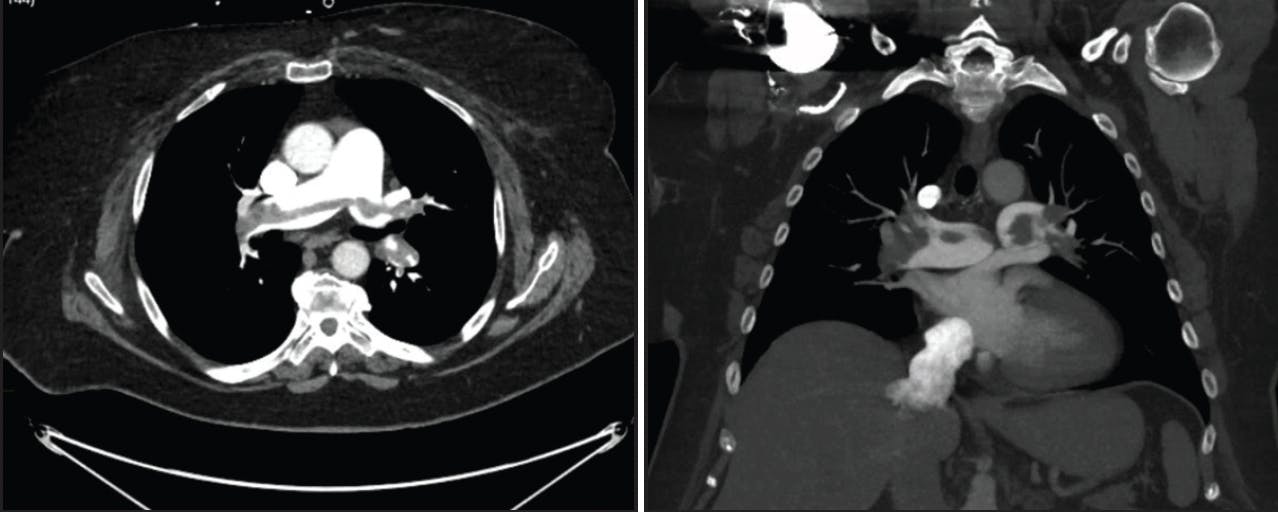
Figure 1. CT scans showing saddle embolus in main PA.
INTERVENTION
Access was achieved in the right common femoral vein. A 17-F, 65-cm Element sheath was placed, intended to facilitate the delivery of the 16-F aspiration catheter with the Select +™ dilator (Penumbra, Inc.) (Figure 2 and Figure 3). The device time of Lightning Flash was < 5 minutes, and the total procedure time was 24 minutes skin to skin. The patient initially arrived in the hybrid suite on 10 L at 95% saturation, extremely anxious, and left on 4 L at 98% and very comfortable. She was able to come off oxygen completely by the next morning. By the conclusion of the case, the estimated blood loss (EBL) was 130 mL.
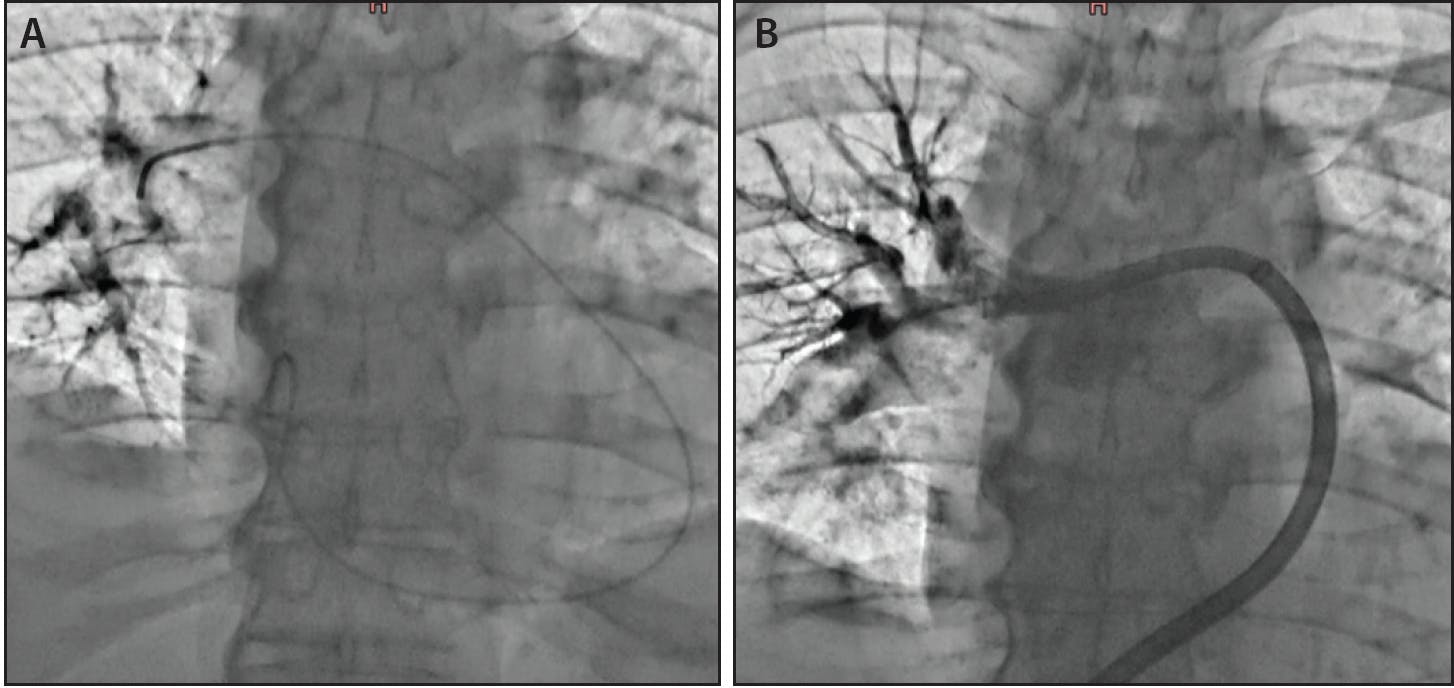
Figure 2. Right initial angiogram (A). Post-thrombectomy right angiogram (B).
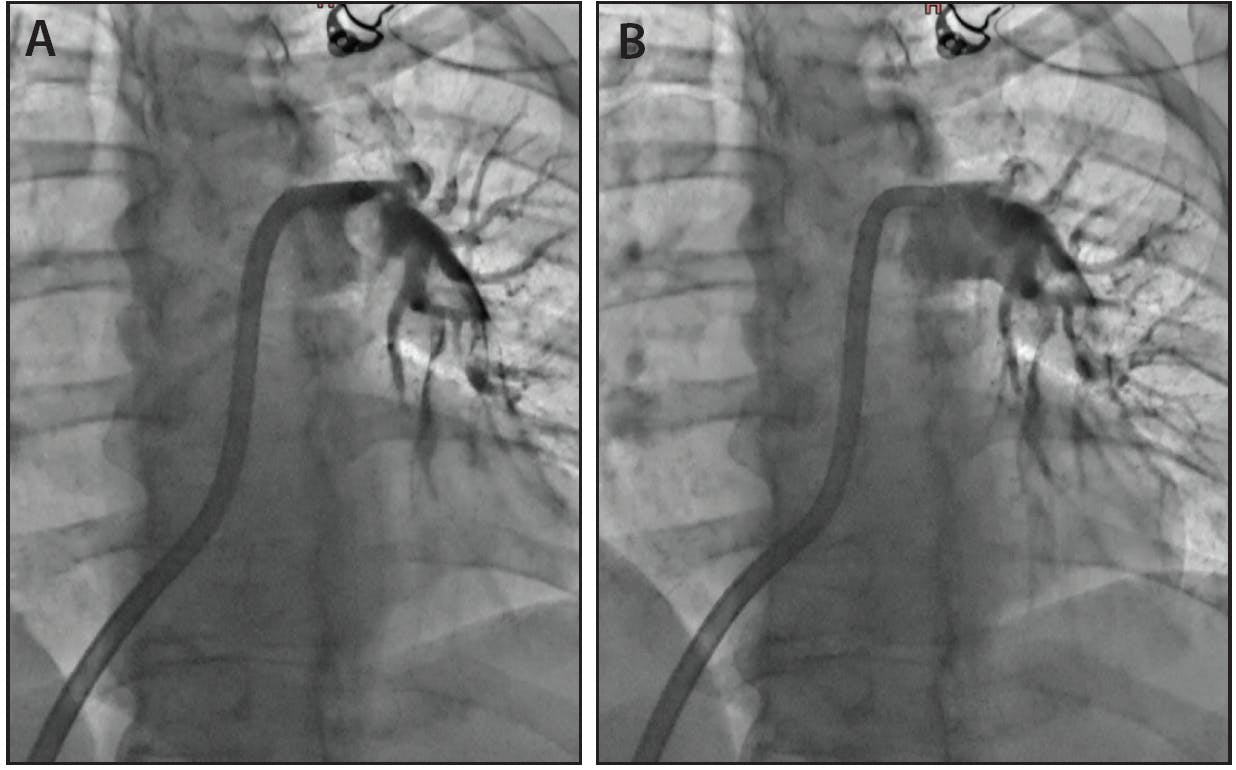
Figure 3. Left initial angiogram (A). Post-thrombectomy left angiogram (B).
CONCLUSION
Lightning Flash 2.0, paired with the Element sheath, was the right treatment option for this PE. CAVT was remarkably efficient at thrombus removal and mitigation of blood loss in a saddle embolus with minimal flow (Figure 4).
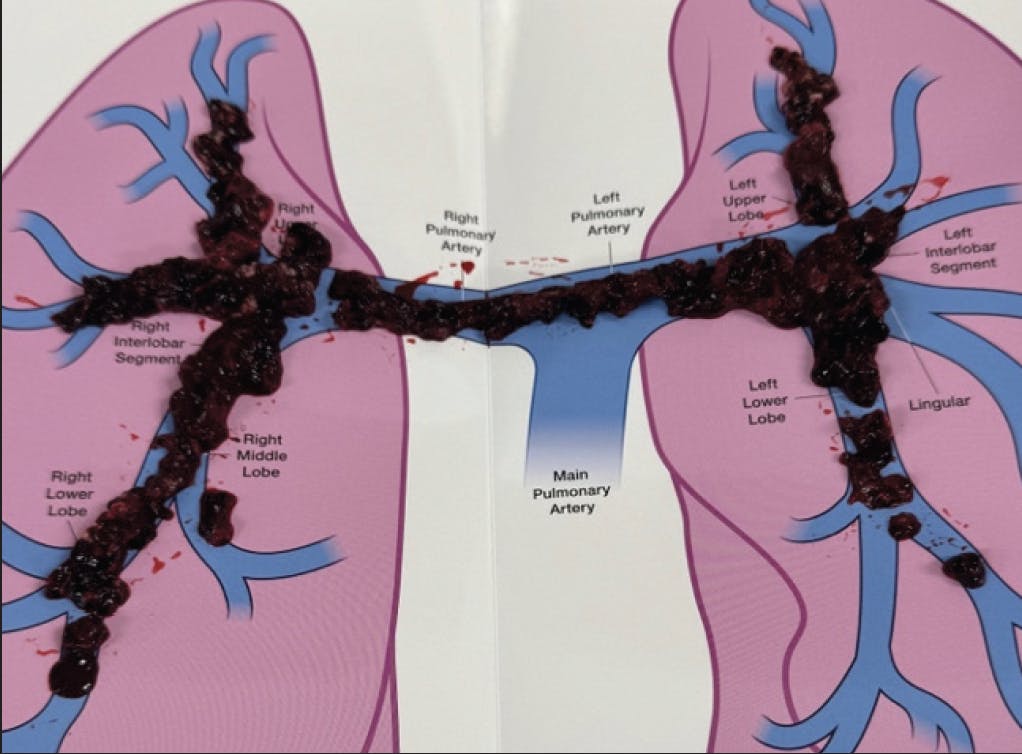
Figure 4. Thrombus removed.
Case 3: May-Thurner and Acute Venous Thrombus Removal With Lightning Flash 2.0

PATIENT PRESENTATION
A woman in her late 40s had previously arrived on a flight from out of town with sudden lower left extremity swelling. She had recently undergone scar revision and open hernia repair in the Dominican Republic. Doppler ultrasound imaging confirmed the presence of venous thrombus burden from the tibial veins through the external iliac vein (Figure 1). For years, the patient had noticed left lower extremity swelling, particularly at the end of the day. Due to her symptoms, combined with acute lower extremity thrombosis, there was a high suspicion for May-Thurner syndrome. The patient was amenable to thrombectomy and stenting; however, she was unable to lay prone, raising some concern. This required the patient to be in the supine position with her left leg "frogged out" to allow for access into the vein.
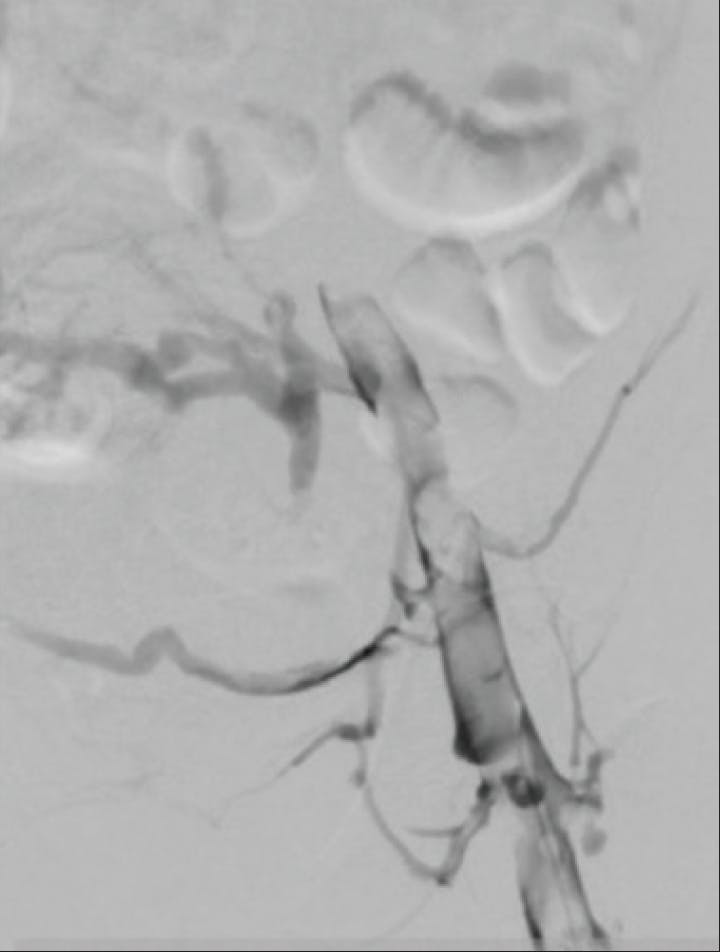
Figure 1. Initial angiogram.
INTERVENTION
Access was achieved in the left popliteal vein and a 16-F DrySeal sheath (Gore & Associates) was placed. Based on the patient’s evaluation, we chose to pursue CAVT with Penumbra’s 16-F Lightning Flash 2.0. The patient underwent successful thrombectomy (Figure 2, Figure 3, and Figure 4). Imaging after retrieval of thrombus showed extensive collateral filling throughout the pelvis with compression of the iliac vein. This was successfully managed with a venous stent. Upon the conclusion of the case, the total procedure time was 30 minutes and the device time was about 8 minutes. At her 3-month follow-up, ultrasonography showed no evidence of residual thrombus or venous scarring.
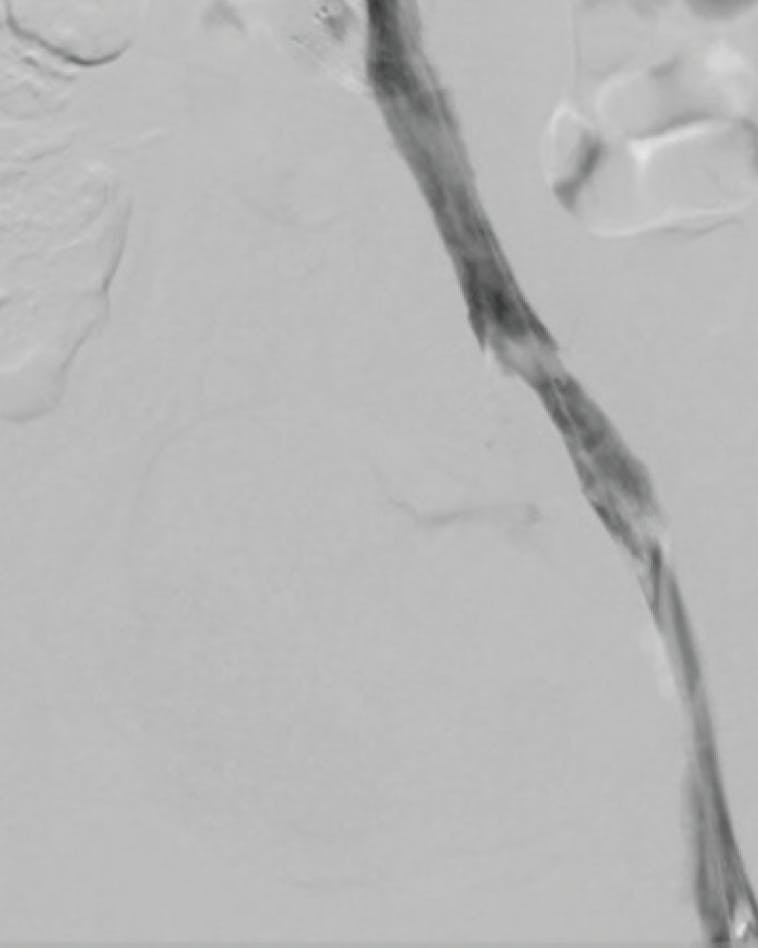
Figure 2. Iliac vein post-thrombectomy angiogram.
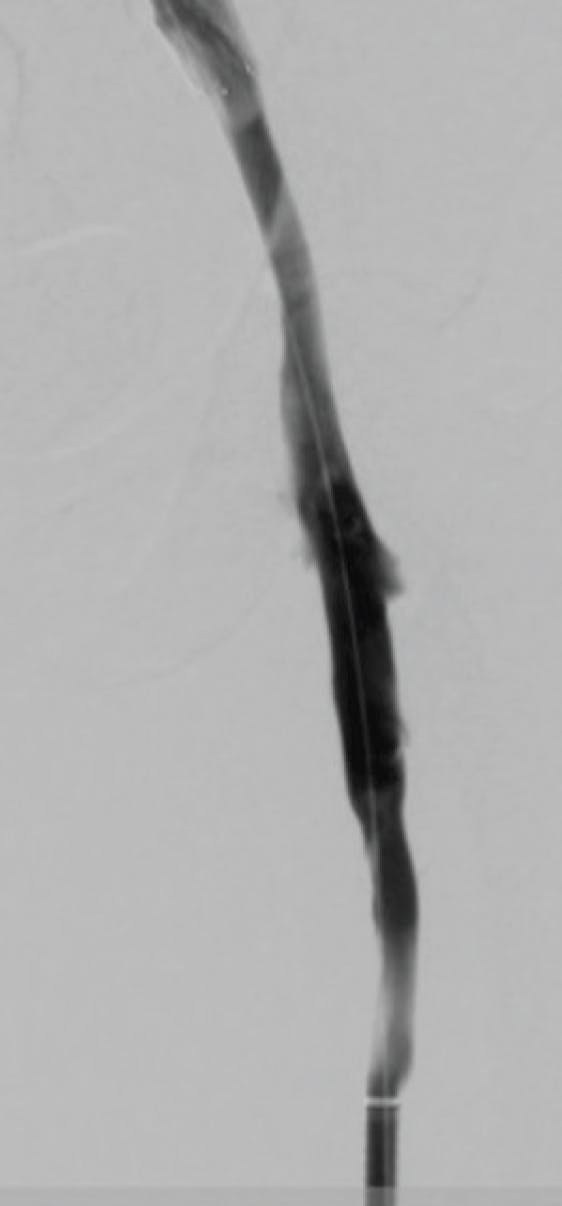
Figure 3. Femoral vein post-thrombectomy angiogram.
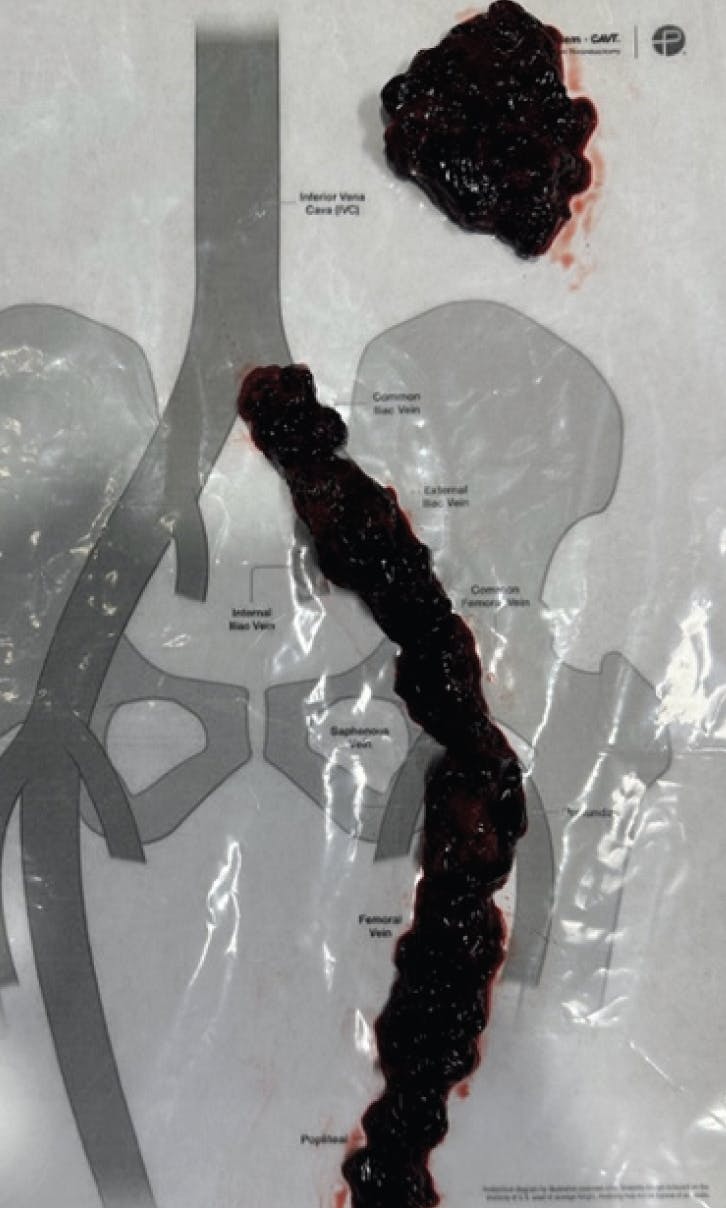
Figure 4. Thrombus removed.
CONCLUSION
Despite the potential complications of the vein compression and initial access concern, Lightning Flash 2.0’s atraumatic catheter design made it the ideal choice for this case. The platform not only simplified intraprocedural outcomes but also supported long-term patency with its ability to extract clot while maintaining the vein’s structural integrity.
CAVT Versus Anticoagulation for Lower Extremity Venous Thrombus Management: A Comparative Analysis
Prioritizing long-term venous health and resource utilization with CAVT.

Venous thrombosis affects more than 200,000 Americans per year.1 Patients diagnosed with lower extremity venous thrombus can face serious complications, including the ongoing risk of PE. It is estimated that 20% to 50% of patients with lower extremity venous thrombus experience postthrombotic syndrome corresponding to a median per patient cost of $20,569.2 Left untreated, lower extremity venous thrombus patients may also develop venous leg ulcers, which can double baseline healthcare costs and increase work loss costs for patients by 29%.3
INVESTIGATION
A retrospective analysis was performed to compare healthcare resource utilization and outcomes of patients with iliofemoral venous thrombus managed with CAVT (Lightning® 12 and Lightning Flash®) versus anticoagulation (AC) alone using data from inpatient adults at more than 1,300 Vizient hospitals.4 Sg2, a Vizient company, used propensity score matching to balance the CAVT and AC groups at a 1:1 ratio.
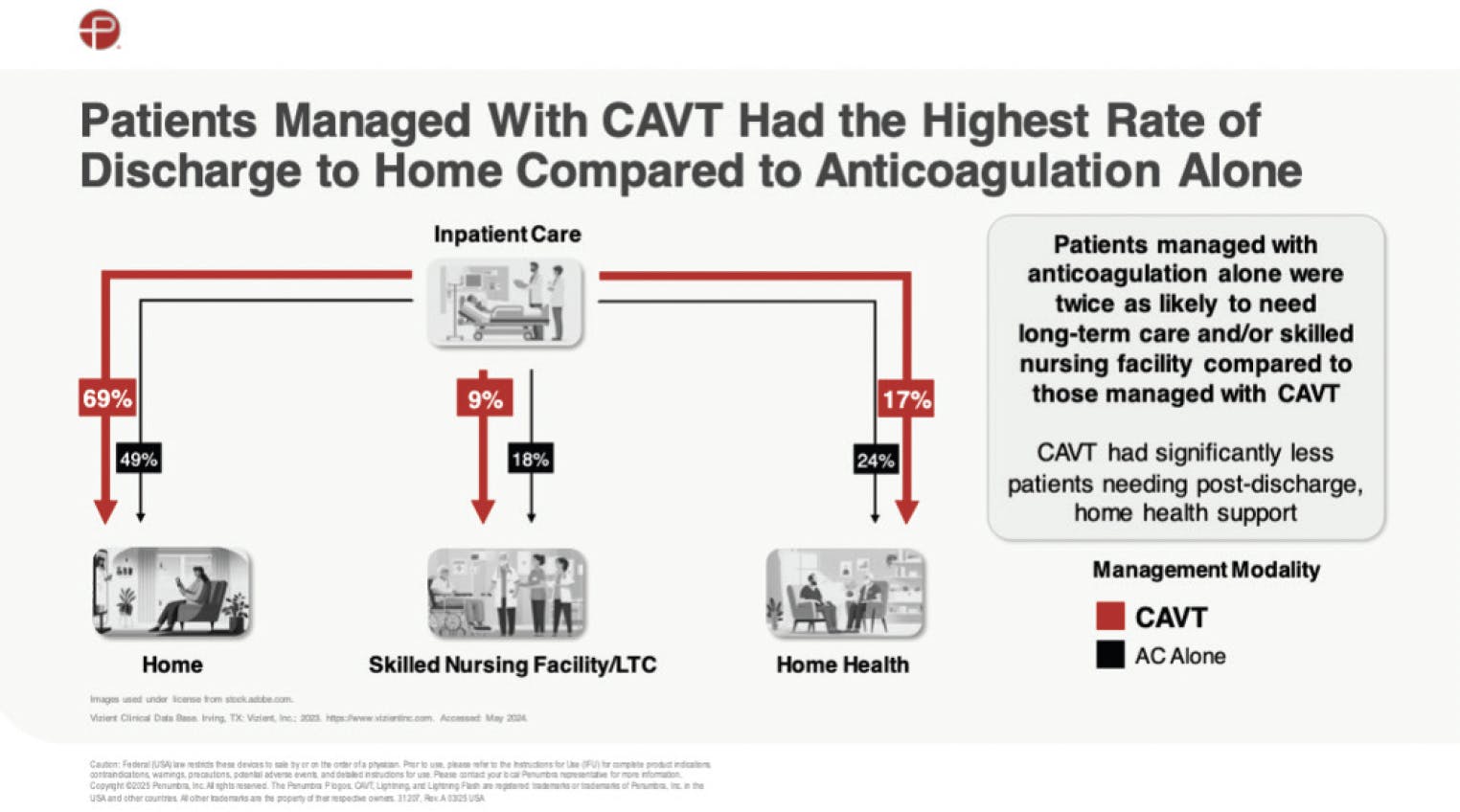
The results of this analysis were encouraging and support the use of the CAVT management approach. In patients with iliofemoral venous thrombus, CAVT was associated with a 1-day reduction in hospital length of stay compared to AC alone. Patients managed with CAVT were 40% more likely to be discharged home, while those managed with AC alone were twice as likely to require long-term care or admission to a skilled nursing facility. Furthermore, significantly fewer CAVT patients required postdischarge home health support. Safety analyses showed that CAVT did not increase readmission rates when compared to AC alone and showed low complication rates.
ECONOMIC IMPACT OF CAVT
Reducing hospital length of stay and complications can lower resource utilization and increase service line contribution. Based on the data mentioned previously, a hospital could see an overall reduction in hospital resource utilization by managing more iliofemoral venous thrombus cases with CAVT. Those funds could then be reinvested to enhance disease state awareness and effective treatment algorithms.
1. Waheed SM, Kudaravalli P, Hotwagner DT. Deep Vein Thrombosis. In: StatPearls. StatPearls Publishing. Updated January 19, 2023. Accessed June 27, 2025. https://www.ncbi.nlm.nih.gov/books/NBK507708/
2. Annualized median total cost for lower extremity patients who developed PTS in 2006. Rabinovich A, Kahn SR. The postthrombotic syndrome: current evidence and future challenges. J Thromb Haemost. 2017;15:230-241. doi: 10.1111/jth.13569
3. Rice JB, Desai U, Cummings AK, et al. Burden of venous leg ulcers in the United States. J Med Econ. 2014;17:347-356. doi: 10.3111/13696998.2014.903258
4. Desai K, Hoots G, Ryu RK, et al. Computer-assisted vacuum thrombectomy vs. anticoagulation for iliofemoral deep vein thrombosis management: a comparative analysis of hospital and post-hospital outcomes. Presented at SIR (Society of Interventional Radiology) 2025; March 29-April 2, 2025; Nashville, Tennessee.
Case 4: Malignant Superior Vena Cava Syndrome Managed With Lightning Flash 2.0


PATIENT PRESENTATION
A woman in her early 80s with a past medical history of rectal cancer presented as a direct transfer from an outside hospital emergency department due to a 2-week history of bilateral upper extremity swelling from a new mediastinal mass seen on imaging (Figure 1). Based on the initial evaluation, the decision was made to pursue aspiration thrombectomy with the 16-F Lightning Flash 2.0, followed by superior vena cava (SVC) stenting.
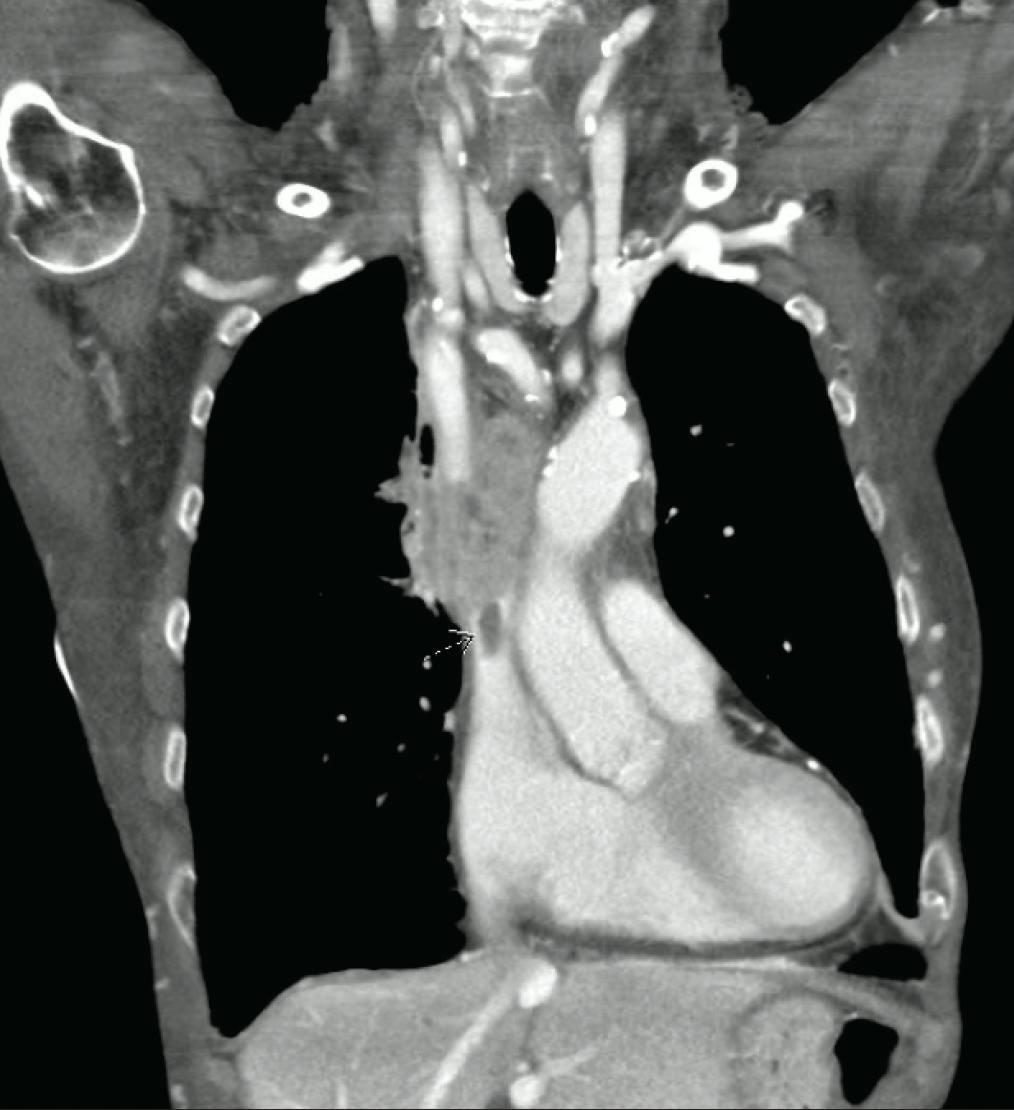
Figure 1. CT showing the mediastinal mass.
INTERVENTION
Access was achieved in the right common femoral vein, and a 16-F sheath was placed. The SVC lesion was crossed with an MPA catheter and Glidewire (Terumo Interventional Systems) (Figure 2). An exchange-length Amplatz wire was placed in the right internal jugular vein. Three passes were made with Lightning Flash 2.0 over the wire in the SVC, which resulted in significant debulking of thrombus (Figure 3 and Figure 4). By the conclusion of the case, the EBL was only 50 mL. Thrombectomy allowed for a sufficient channel to place a stent to relieve SVC syndrome symptoms. A pathologic analysis of the aspirated thrombus revealed poorly differentiated squamous cell carcinoma, and the patient was started on chemoradiation therapy. In this case, a high-risk percutaneous mediastinal biopsy was also requested. A pathologic specimen from the aspirated thrombus was sufficient to forego a potentially risky mediastinal biopsy.
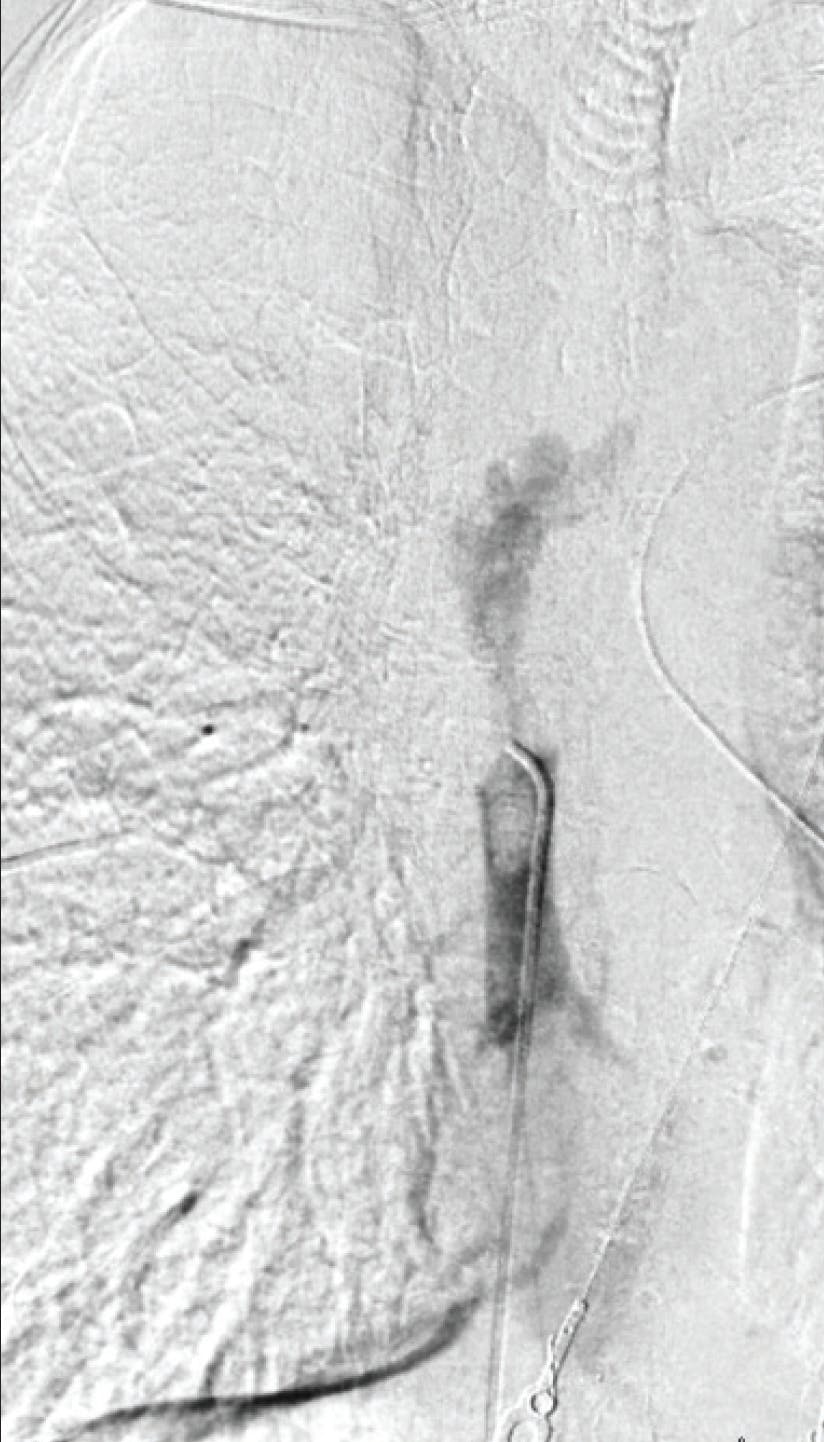
Figure 2. SVC initial angiogram.
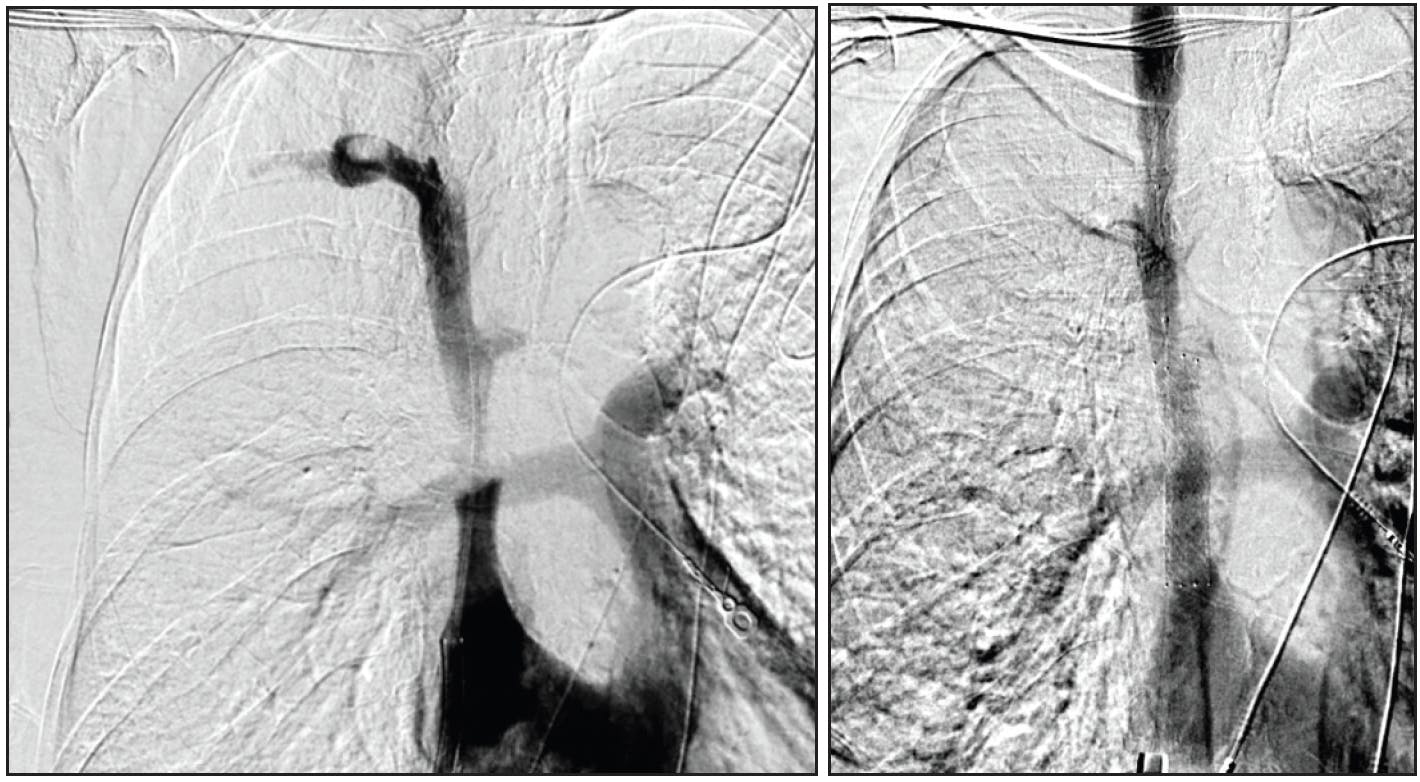
Figure 3. SVC post-thrombectomy angiograms.
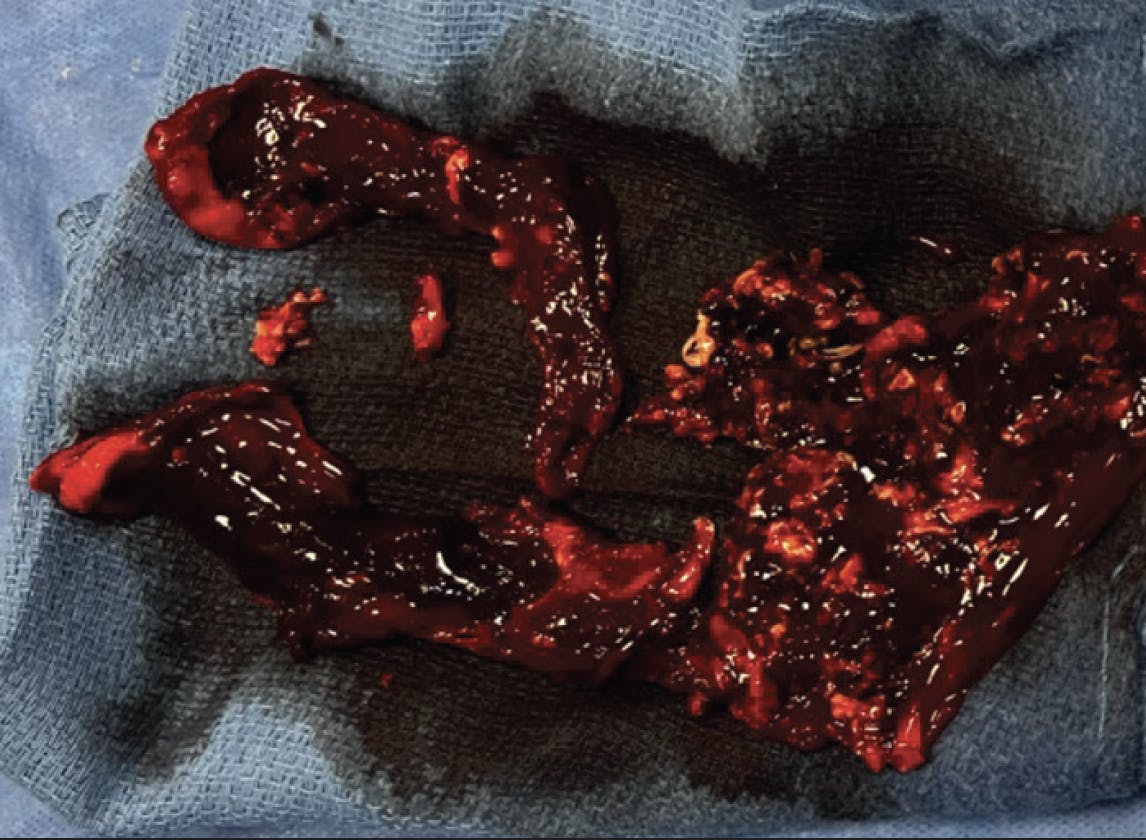
Figure 4. Thrombus removed.
CONCLUSION
This case demonstrates the potential for diagnosis of primary tumor via thrombus aspirated by Lightning Flash 2.0, which is not routinely sent to pathology for evaluation. This can offer diagnostic information and potentially reduce the number of procedures the patient requires. Further studies may help determine the diagnostic testing accuracy of aspirated tumor thrombus pathology.
Case 5: Lightning Bolt® 12 Clears Fem-Pop Occlusion

PATIENT PRESENTATION
A man in his late 40s experienced a recent fall and ankle fracture and presented with 2 to 3 days of right leg swelling. Upon evaluation and imaging, there was extensive thrombus extending to and partially occluding the distal external iliac and common femoral vein (Figure 1). Additionally, there was complete occlusion of the superficial femoral, popliteal, and posterior tibial veins. The patient was started on heparin; however, he exhibited minimal improvement at 48 hours. Given that there was negligible clinical improvement, the decision was made to proceed with CAVT with Penumbra’s Lightning Bolt® 12.
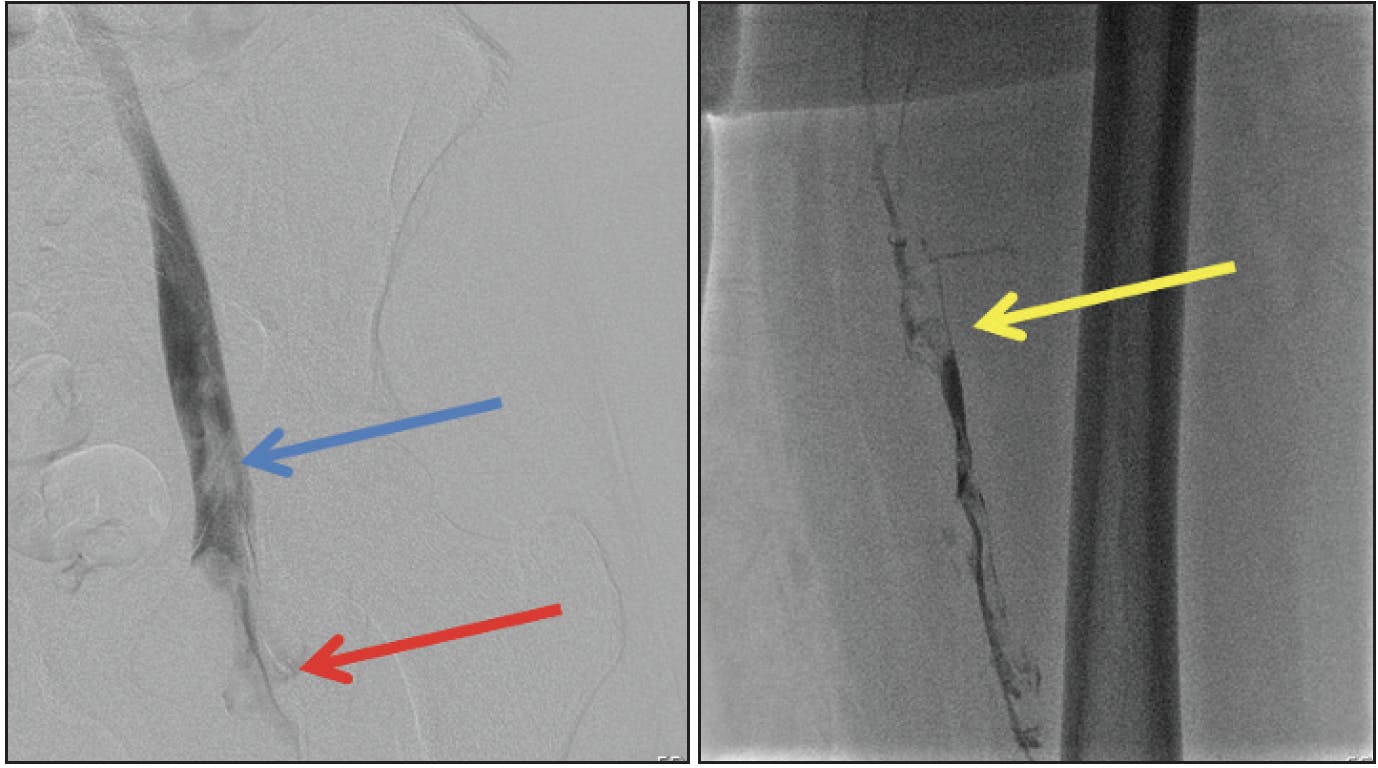
Figure 1. Initial angiogram of thrombus burden.
INTERVENTION
Retrograde access was gained through the distal thrombosed right popliteal vein toward the posterior tibial vein to clear the clot in the distal popliteal and posterior tibial vein and restore the inflow (Figure 2). Initial thrombectomy was performed with Lightning Bolt 12 on the proximal popliteal, superficial femoral, common femoral, and external iliac veins. A second access was obtained from the more proximal right popliteal vein toward the peripheral veins. Subsequently, thrombectomy of the mid-distal popliteal and tibioperoneal veins was conducted, achieving and restoring inflow to the popliteal vein (Figure 3). The total case time was 47 minutes, and the device time was 8 minutes. By the conclusion of the case, the entire thrombus burden was removed, and the patient’s symptoms resolved (Figure 4).
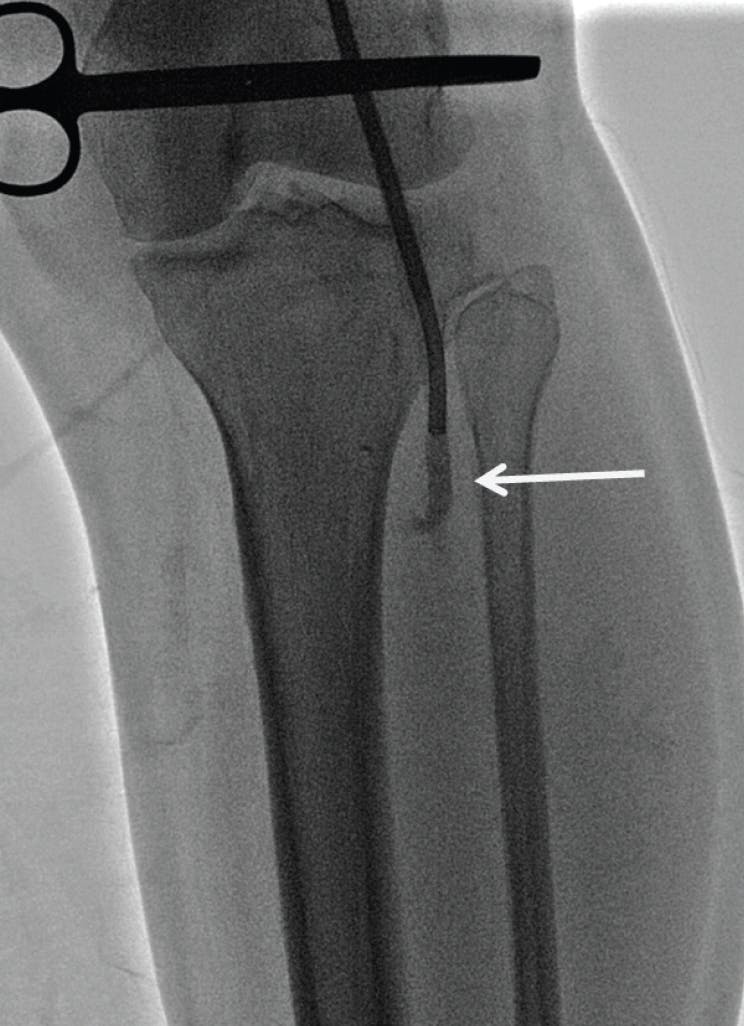
Figure 2. Retrograde access from the popliteal vein.
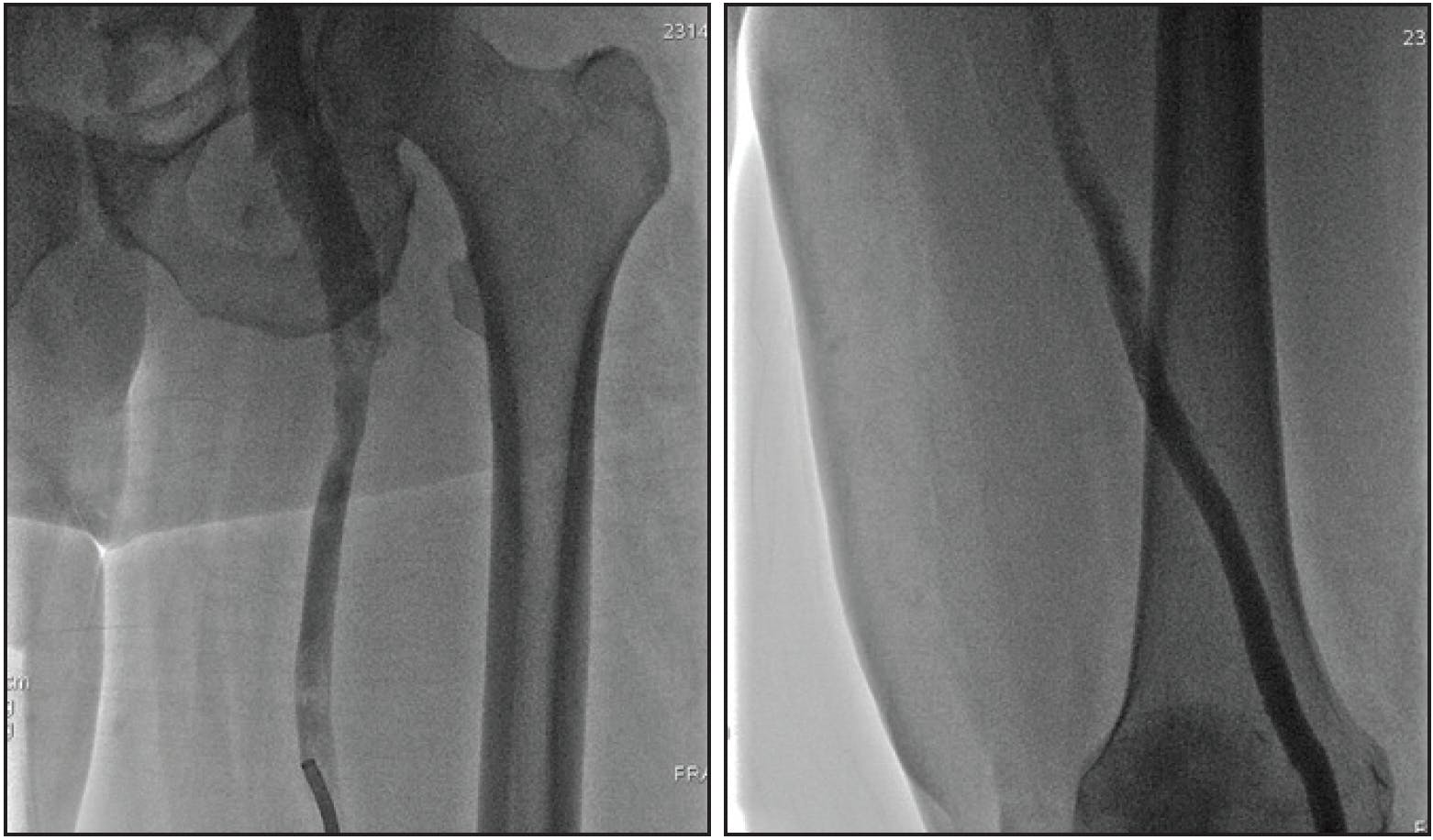
Figure 3. Post-thrombectomy angiograms showing resolution of thrombus burden.
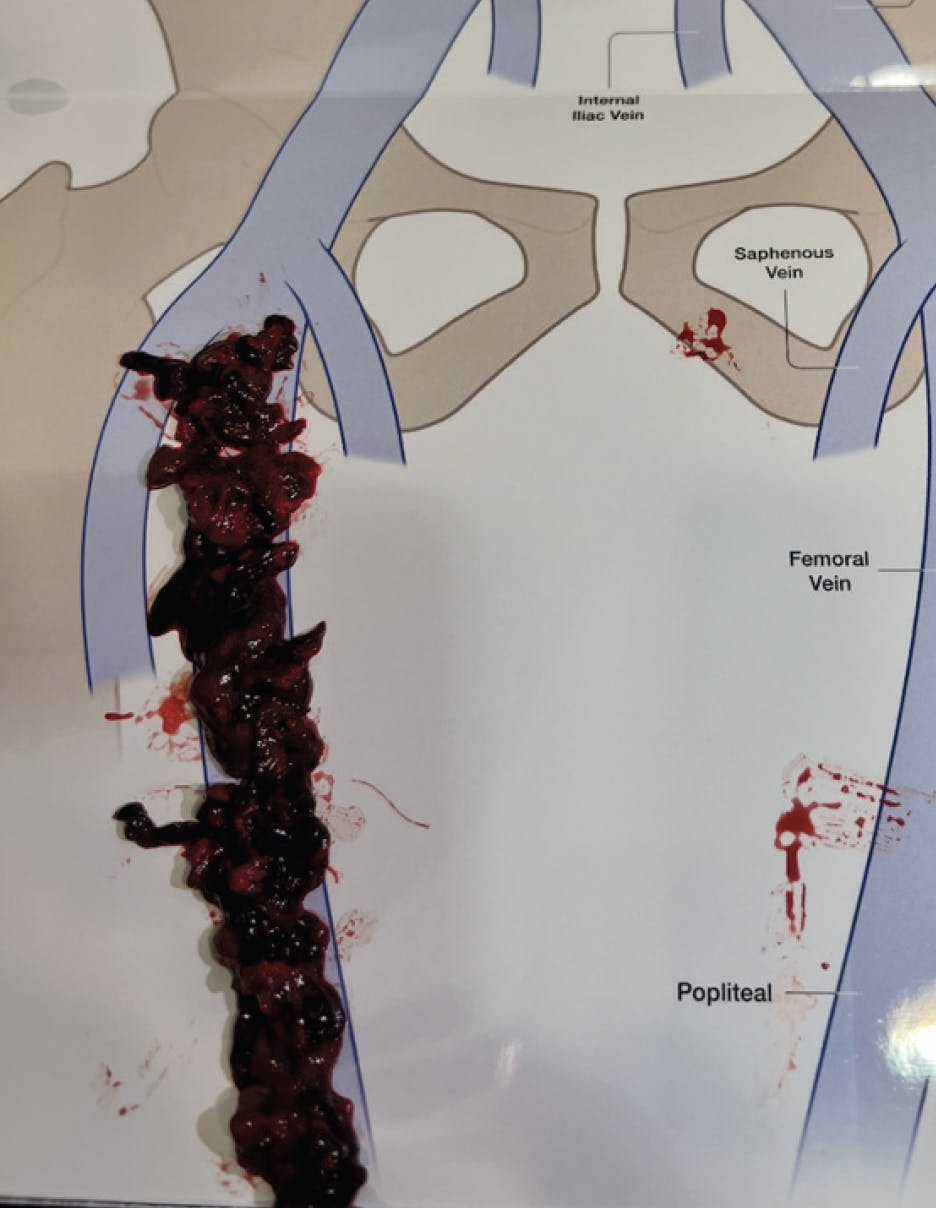
Figure 4. Thrombus removed.
CONCLUSION
When managing venous thrombus, restoration of the inflow is an important step to prevent rethrombosis. Penumbra’s CAVT technology paired with the Lightning Bolt 12 thrombectomy catheter is an ideal system with optimal diameter size to navigate into the distal peripheral veins, helping to achieve the desired patient outcomes.
Disclaimer: The opinions and clinical experiences presented herein are for informational purposes only. The results may not be predictive of all patients. Individual results may vary depending on a variety of patient-specific attributes.
Advertisement
Advertisement