Advertisement
Advertisement
June 2025 Supplement
Sponsored by Rampart
Is It Time to Shed the Lead?
Why an innovative, inclusive radiation protection strategy for the cath lab must be prioritized.
For decades, the lead apron has been a symbol of protection in interventional medicine: necessary, familiar, and flawed. As procedural complexity and caseloads have grown, so too has our awareness of the long-term consequences of radiation protection garments on our bodies. Interventionalists have some of the highest rates of work-related orthopedic injury in medicine.1 At the same time, we face chronic, cumulative radiation exposure that threatens our health and that of our teams (Figure 1).2 The time has come to ask a critical question: Is it time to shed the lead? The answer is yes, but only if we can replace it with something proven to be equal or better at radiation protection.
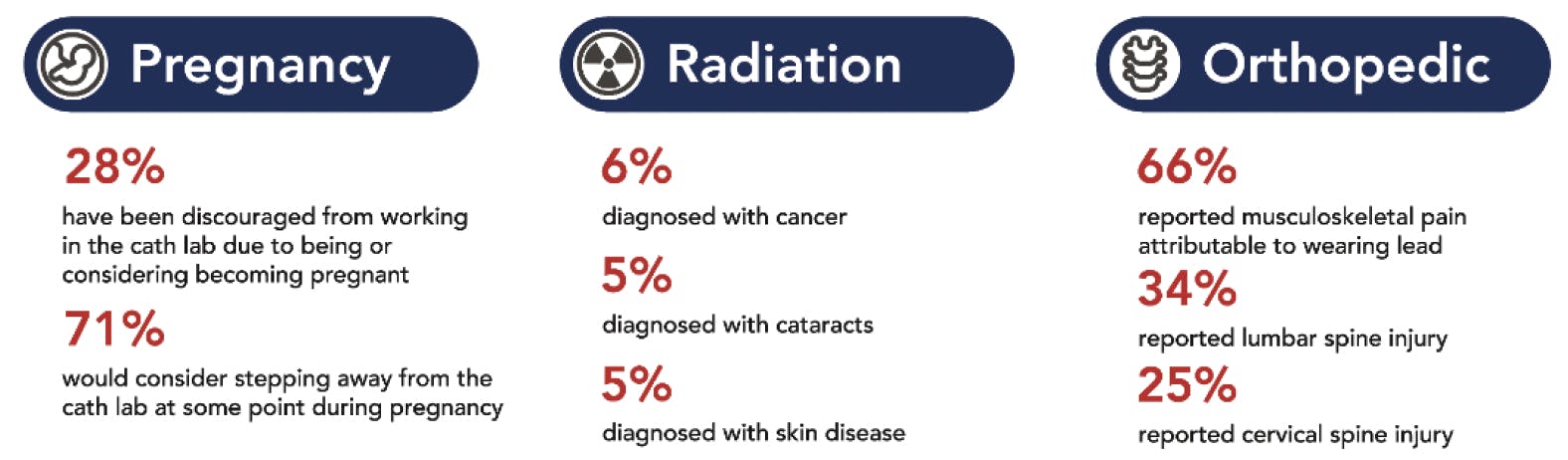
Figure 1. Occupational hazards in the cardiac catheterization lab as seen in a 2023 survey. Reprinted from JSCAI, Vol 4, Abudayyeh I, Dupont AG, Hermiller JB, et al, Occupational health hazards in the cardiac catheterization laboratory: results of the 2023 SCAI survey, Page 102493, Copyright 2025, with permission from Elsevier.
Radiation safety has traditionally focused on shielding the primary operator at the table, often overlooking team members at the head, foot, and left side of the patient. Nurses, techs, anesthesiologists, and trainees remain vulnerable. Today’s procedures are no longer limited to straightforward coronary interventions from a femoral approach. They span peripheral, structural, venous, and cerebrovascular therapies. In this evolving landscape, our radiation protection strategy must adapt, protecting everyone, in every room, at every position.
After 100 years of the lead apron, there is a new class of radiation protection solutions. Mobile and suspended shielding systems—like those developed by Rampart—are transforming how we think about cath lab safety. These systems eliminate the need for wearable lead by offering full-body protection for multiple staff members, including those at positions previously left exposed (Figure 2). Rampart’s configurations are designed to work across the full spectrum of procedures, allowing teams to perform complex interventions without compromising access or workflow (Figure 3).
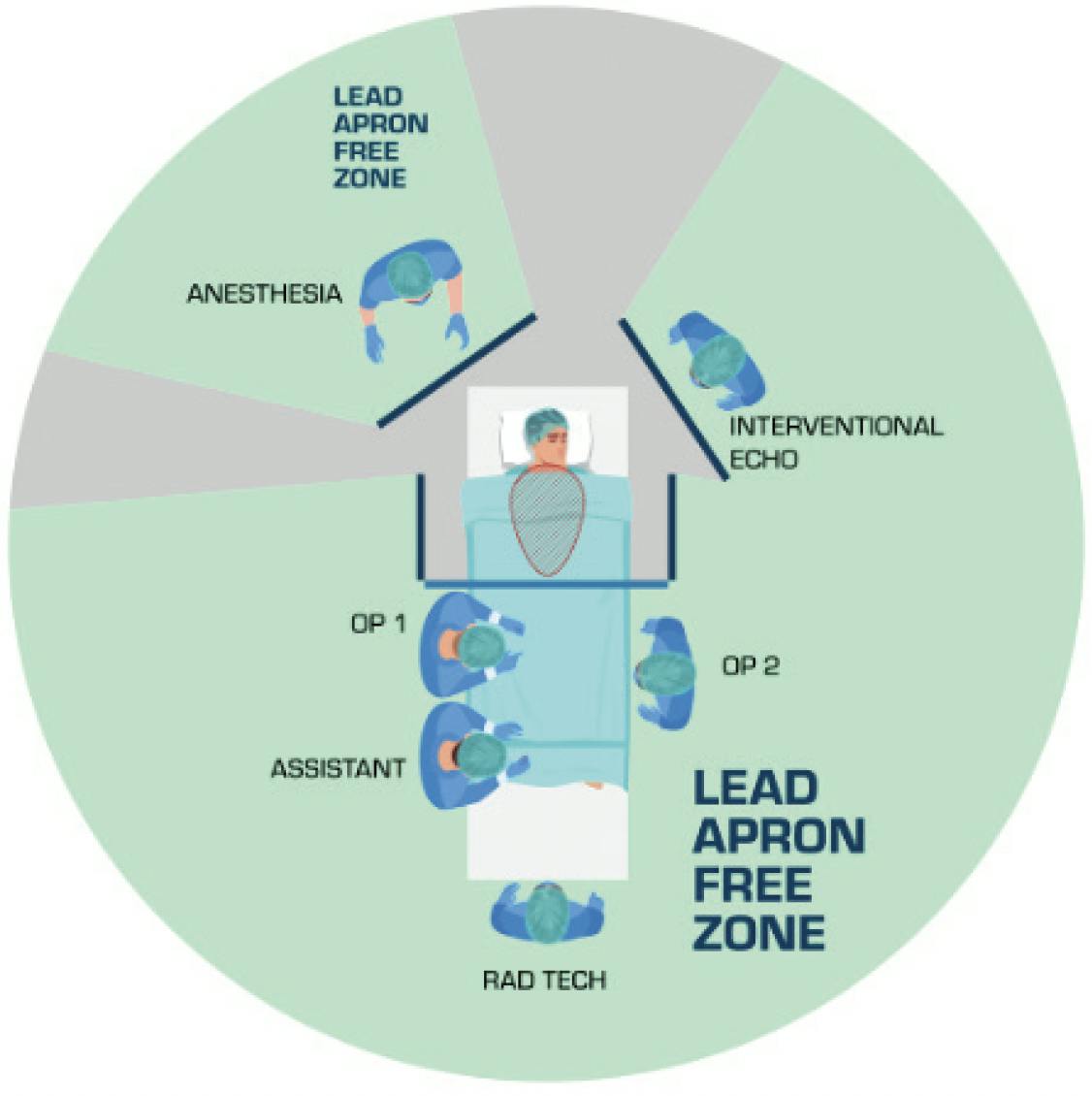
Figure 2. Rampart eliminates the need for lead aprons, offering full-body protection for the interventional team.
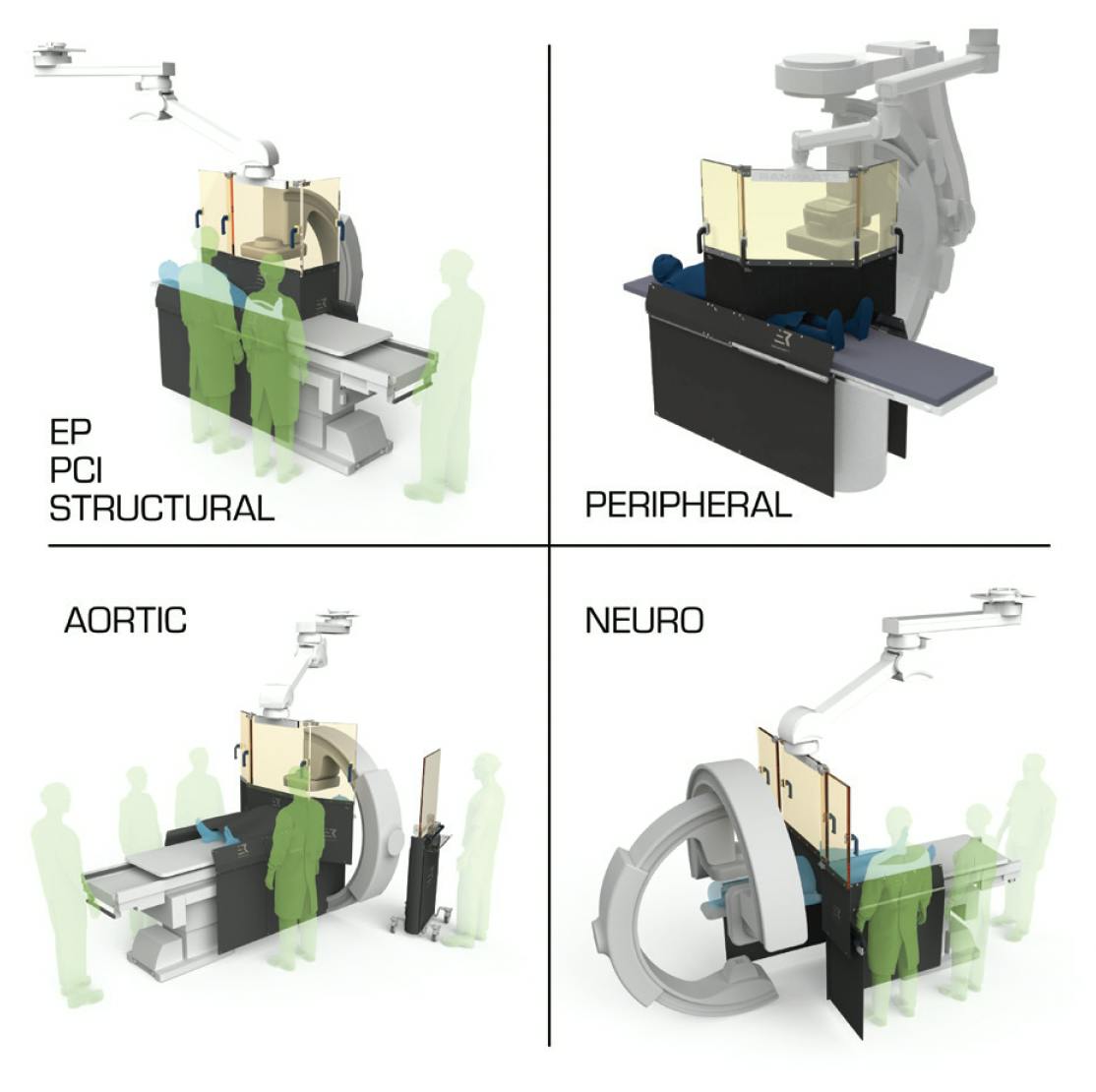
Figure 3. Rampart’s portfolio of radiation shields are designed to work across the full spectrum of procedures. EP, electrophysiology; PCI, percutaneous coronary intervention.
A particularly important advance is the integration of real-time dosimetry into modern cath lab workflows. By “visualizing” exposure as it happens, we gain unprecedented insight into radiation risk and the effectiveness of protective strategies. It empowers every team member to make safer choices and reinforces accountability in radiation protection.
Recent data have underscored just how effective these innovations can be. Clinical trials and large real-world studies demonstrate that Rampart’s shielding system can reduce total body radiation exposure by greater than 99% for operators and staff, without requiring anyone to wear a lead apron.3-8 That kind of impact isn’t just ergonomic—it’s transformative.
Radiation and orthopedic protection are no longer overlooked concerns. This is a matter of occupational health, sustained personal wellness, staff retention, and talent recruitment. As leaders in interventional medicine, we must set the standard, not only for how we treat our patients but also for how we protect ourselves and our teams. Our tools must reflect our commitment to innovation, safety, and long-term health. ALARA (as low as reasonably achievable) should be mandated and enforced, as what is now achievable has changed. In addition, it should include protection systems that could mitigate the risk of orthopedic injury to all team members.
The question is not whether we can afford to shed the lead. It’s whether we can afford not to!
1. Organization for Occupational Radiation Safety in Interventional Fluoroscopy (ORSIF). Economic impacts of radiation exposures associated with interventional fluoroscopy. Accessed May 12, 2025. https://www.orsif.org/_files/ugd/291b44_6858ef74540a4ef3aac0344b978b0ba0.pdf
2. Abudayyeh I, Dupont AG, Hermiller JB, et al. Occupational health hazards in the cardiac catheterization laboratory: results of the 2023 SCAI Survey. J Soc Cardiovasc Angiogr Interv. 2025;4:102493. doi: 10.1016/j.jscai.2024.102493
3. Lisko JC, Shekiladze N, Chamoun J, et al. Radiation exposure using Rampart vs standard lead aprons and shields during invasive cardiovascular procedures. J Soc Cardiovasc Angiogr Interv. 2023;3:101184. doi: 10.1016/j.jscai.2023.101184
4. Crowhurst JA, Tse J, Mirjalili N, et al. Trial of a novel radiation shielding device to protect staff in the cardiac catheter laboratory. Am J Cardiol. 2023;203:429-435. doi: 10.1016/j.amjcard.2023.07.050
5. Biswas S, Hung J, Durham J, et al. TCT-248: Systematic comparison of the efficacy of various radiation protection devices in reducing operator scatter radiation dose in the cardiac catheterisation laboratory. J Am Coll Cardiol. 2022;80(12 suppl):B98.
6. Noor HA, Althawadi N, Noor Z, et al. Radiation exposure during invasive cardiovascular procedures: portable shielding system versus standard lead aprons. Cureus. 2024;16: e68108. doi: 10.7759/cureus.68108
7. Rampart. Rampart radiation scatter report. TR-007-DHF-001/DHF-002 (M1128 V2, L148-MPS, L148-TMS) Rev A. Accessed May 12, 2025. https://static1.squarespace.com/static/5c7d5feda9ab952d5c179b80/t/652828d328a8c1676a26cb14/1697130710616/TR-007-DHF-001_002+M1128V2%2C+L148-TMS%2C+L148-MPS+Rampart+Radiation+Scatter+Report%5B81%5D.pdf
8. Herzig MS, Kochar A, Hermiller JB, et al. Real-world reductions in lead-free radiation exposure with the Rampart system during endovascular procedures. Am J Cardiol. 2025;243:59-64. doi: 10.1016/j.amjcard.2025.02.019

Advertisement
Advertisement