Advertisement
Advertisement
November 2025
Early Experiences With Thoracic Branch Devices
A look at expanding endovascular solutions for complex aortic disease, highlighting next-generation thoracic branch systems, their design innovation and early clinical experience, and the evolving regulatory landscape.
With Michael D. Dake, MD; Adam W. Beck, MD, FACS; Carlos Timaran, MD; Giovanni Tinelli, MD, PhD; Simona Sica, MD; Yamume Tshomba, MD; Robert C. Lind, MD, PhD; and Jacob Budtz-Lilly, MD, PhD, FEBVS
Gore TAG Thoracic Branch Endoprosthesis
By Michael D. Dake, MD
The Gore TAG thoracic branch endoprosthesis (TBE) (Gore & Associates) is the first, and currently only, FDA-approved aortic endograft with a single side branch to maintain flow to a branch vessel in cases with proximal lesion involvement of arch zones 0, 1, and 2. The TBE device was approved for general clinical use in May 2022 for treatment of patients with aortic lesions requiring proximal graft extension into zone 2. The FDA subsequently extended TBE approval in April 2025 to include patients with arch involvement necessitating a proximal device landing in zone 0 or 1.
DEVICE DESIGN AND UNIQUE FEATURES
The TBE device is an off-the-shelf, single-retrograde-branch prosthesis based on the Conformable TAG thoracic endoprosthesis platform (Gore & Associates). It features three modular components. The two main devices are the aortic component with a precannulated side branch portal and a side branch component connected within the portal on the greater curvature of the device, and the third is an optional aortic extender (Figure 1).
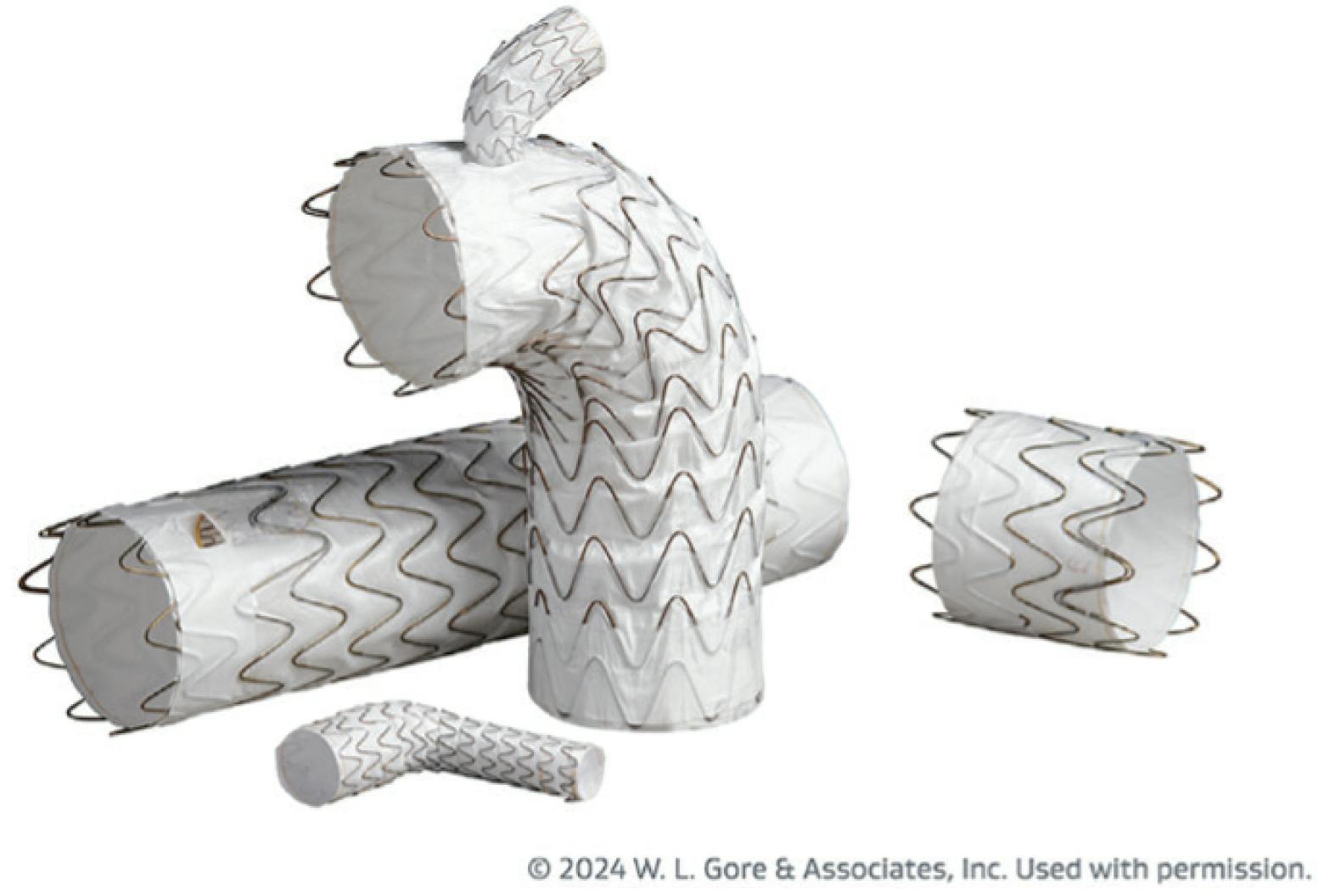
Figure 1. The Gore TAG TBE aortic and side branch components (left), and aortic extender (right).
(Courtesy of W.L. Gore & Associates.)
The main aortic component is available in two configurations: one with an 8-mm internal portal and a proximal segment length of 20 to 25 mm commonly used in native zone 2 landings and the other with a 12-mm internal portal and a proximal segment length of 40 mm, ideal for either ascending aorta (zone 0) or surgical graft landing. The aortic component comes in diameters ranging from 21 to 45 mm for treating aortic diameters of 16 to 42 mm. An optional aortic extender piece, the third TBE device, ranges from about 3.5- to 4.5-cm long and is intended to improve sealing of the aortic component and/or add seal length proximally within the aorta.
Multiple branch graft sizes are available to accommodate a range of branch artery diameters. The side branches are tapered grafts designed to lock into the portal to resist motion from pulsatility and respiration. All components are delivered from a single femoral access site. Each component consists of a graft of expanded polytetrafluoroethylene supported over its entire length by a nitinol wire frame.
REGULATORY STATUS AND DATA OVERVIEW
The regulatory approvals for TBE were supported by clinical trial outcomes for a variety of aortic pathologies, including aneurysm, dissection, traumatic injury, and other isolated lesions, which included penetrating aortic ulcer and intramural hematoma. The primary technical success rates for zone 2 TBE placement have been consistently high since the initial published feasibility study report in 2016, ranging from 97.7% to 100% for all lesion pathologies.1-7
Midterm (1- to 2-year) outcomes have been very encouraging for zone 2 TBE placement in the two most common aortic pathologies (aneurysm and dissection)—including in an initial feasibility trial (aneurysm, n = 31); phase 2 prospective, multicenter, pivotal trial (aneurysm, n = 84; dissection, n = 132); and multicenter, real-world experience with symptomatic aneurysm (n = 21) and acute dissection (n = 70 ).1-7 Outcomes include rates of lesion-related mortality from 0% to 4.5%, stroke ranging from 1.5% to 6%, paraplegia from 0% to 6%, retrograde type A or new dissection from 5% to 8.7% (half occurring > 1 year after the procedure), side branch patency from 91% (initial feasibility) to 100%, freedom from type I or III endoleak from 90% to 96%, and freedom from reintervention through 1 year from 97% to 99%. The rates of retrograde dissection and new dissection were primarily in the dissection group, while the rates of stroke were greater in aneurysm patients.
A recent nonrandomized, multicenter, prospective clinical study enrolled 77 patients in the United States and Japan (aneurysm, n = 50; dissection, n = 24) who required TBE proximal landing in zone 0/1.8 Technical success was achieved in 94.8% (Figure 2). At 30 days postprocedure, 77.8% had successful aneurysm or primary tear exclusion on initial imaging and were free from stroke or other adverse outcomes. Lesion-related mortality was 3.9% at 30 days. Stroke occurred in six patients (7.8%), and 6% had type I or type III endoleak. An unplanned additional procedure was required in four patients (5.2%). There were no aortic ruptures, permanent paraplegia, or paraparesis through 30 days.
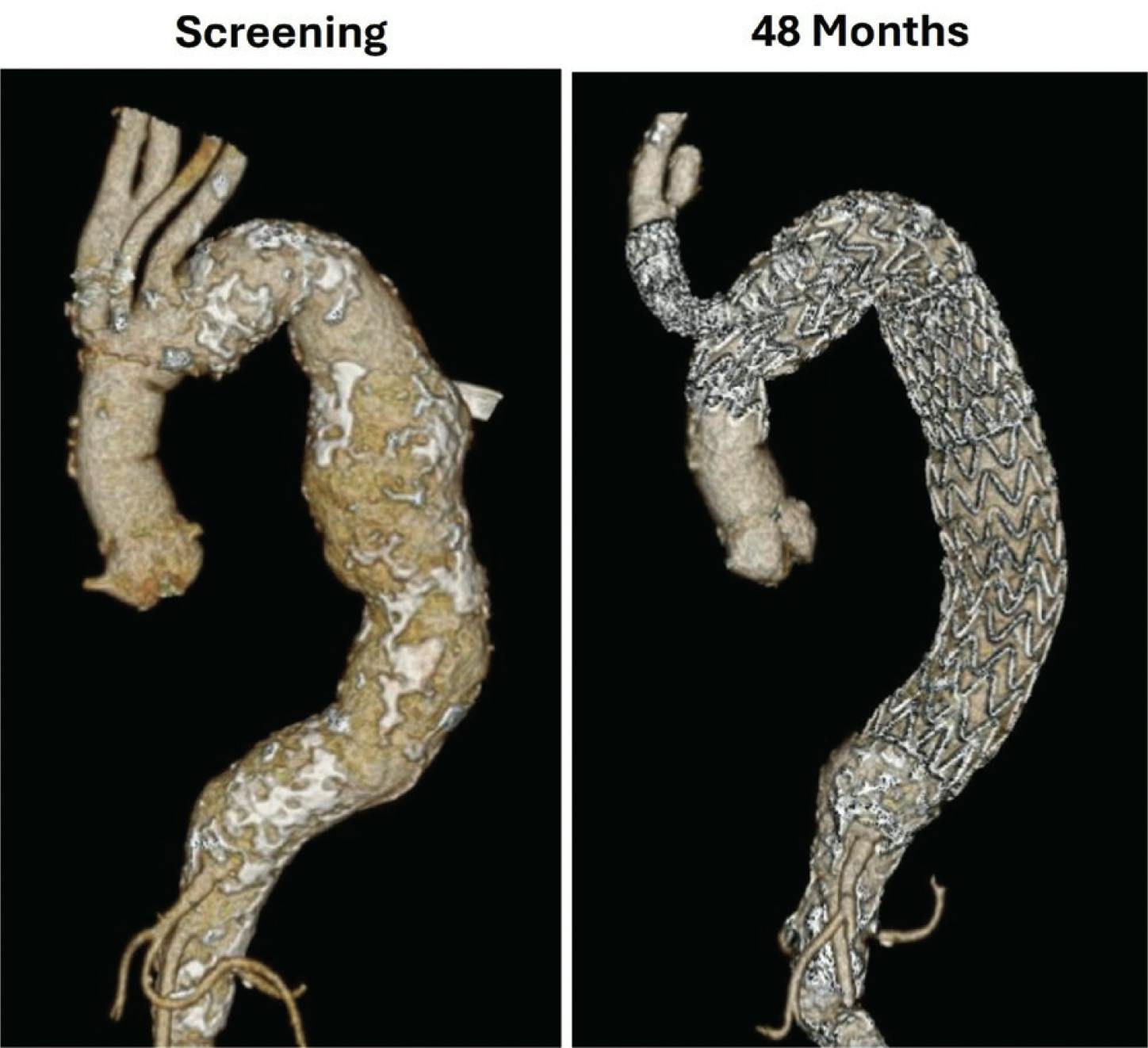
Figure 2. Zone 0 placement of the TBE. A woman in her early 70s with arch and descending aortic aneurysm (maximum aortic diameter, 60 mm) previously underwent an ascending aorta repair with surgical graft. CT aortograms before and 4 years after the TBE procedure detail TBE landing in zone 0 graft, a patent innominate artery side branch, and aneurysm exclusion without endoleak.
(Courtesy of Matthew Sweet, MD, with University of Washington.)
TBE is approved for zone 2 use in most countries where Gore aortic devices are available. Zone 0/1 is currently approved in the United States, Europe, Australia, New Zealand, and Canada, with other countries currently pending approval.
1. Patel HJ, Dake MD, Bavaria JE, et al. Branched endovascular therapy of the distal aortic arch: preliminary results of the feasibility multicenter trial of the Gore thoracic branch endoprosthesis. Ann Thorac Surg. 2016;102:1190-1198. doi: 10.1016/j.athoracsur.2016.03.091
2. Dake MD, Fischbein MP, Bavaria JE, et al. Evaluation of the Gore TAG thoracic branch endoprosthesis in the treatment of proximal descending thoracic aortic aneurysms. J Vasc Surg. 2021;7:1483-1490.e2. doi: 10.1016/j.jvs.2021.04.025
3. Liang NL, Dake MD, Fischbein MP, et al. Midterm outcomes of endovascular repair of aortic arch aneurysms with the Gore thoracic branch endoprosthesis. Eur J Vasc Endovasc Surg. 2022;64:639-645. doi: 10.1016/j.ejvs.2022.08.003
4. Dake MD, Bavaria JE, Singh MJ, et al. Management of arch aneurysms with a single-branch thoracic endograft in zone 0. JTCVS Tech. 202;7:1-6. doi: 10.1016/j.xjtc.2021.01.011
5. Dake MD, Brinkman WT, Han SM, et al. Outcomes of endovascular repair of aortic aneurysms with the GORE® thoracic branch endoprosthesis for left subclavian artery preservation. J Vasc Surg. 2022;76:1141-1149.e3
6. Desai ND, Wang GJ, Brinkman W, et al. Outcomes of a novel single branched aortic stent graft for treatment of type B aortic dissection. Ann Thorac Surg. 2024;119:826-834. doi: 10.1016/j.athoracsur.2024.07.053
7. DiLosa KL, Manesh M, Kanamori LR, et al. Multi-center experience with an off-the-shelf single retrograde thoracic branch endoprosthesis for acute aortic pathology. 2025;81:839-846. doi: 10.1016/j.jvs.2024.12.007
8. Sweet MP, Azizzadeh A, Oderich GS, et al. Early outcomes of endovascular repair of aortic arch lesions in zone 0/1 with a thoracic branched endoprosthesis. J Vasc Surg. Published online July 30, 2025. doi: 10.1016/j.jvs.2025.07.040
Nexus Platform
By Adam W. Beck, MD, FACS
The evolution of endovascular aortic repair has steadily expanded into increasingly complex anatomic areas. The aortic arch, once exclusively the domain of high-risk open surgery, is now a focus of innovative endovascular solutions. Among these, the Nexus device portfolio (Endospan) represents a major advancement (Figure 1), offering an off-the-shelf, bimodular, multibranch endograft system designed to simplify procedures, reduce technical complexity, and provide a less invasive alternative for patients with pathologies involving the aortic arch.
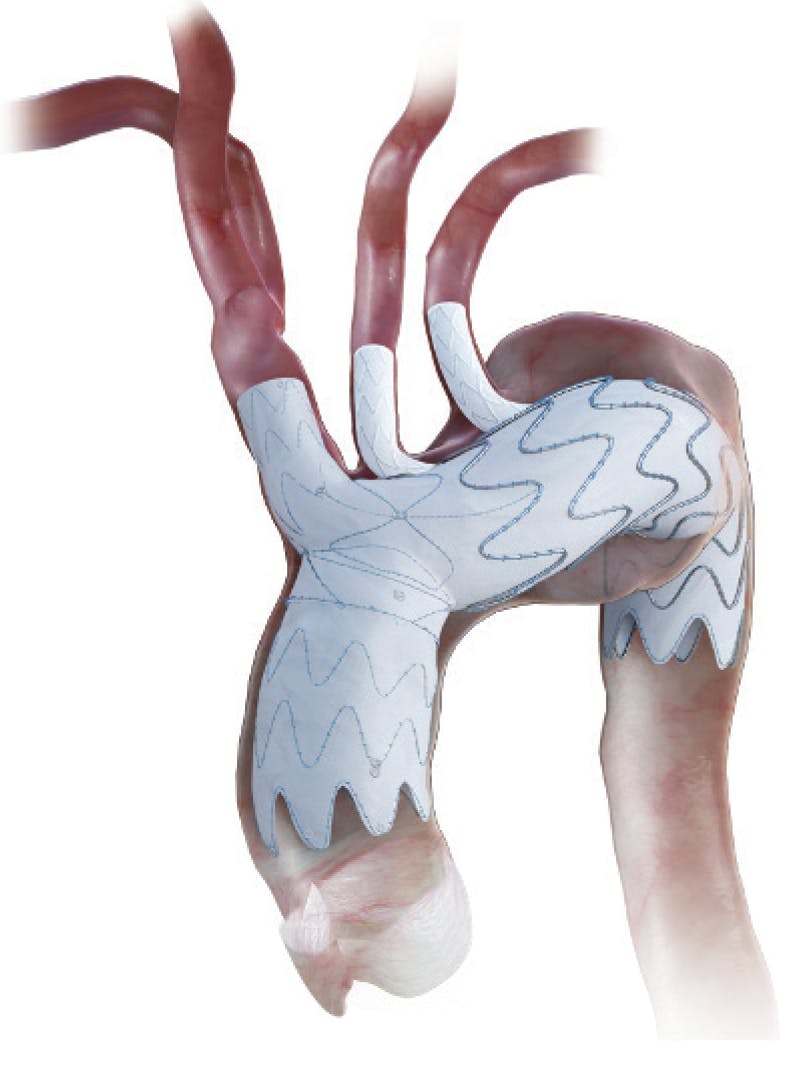
Figure 1. The Nexus Tre aortic arch endovascular system.
(Courtesy of Endospan.)
DEVICE DESIGN AND UNIQUE FEATURES
The Nexus platform is a two-module system. The ascending aortic module is a precurved module designed for atraumatic positioning within the ascending aorta, while the main arch module extends from the brachiocephalic trunk (BCT) to the descending thoracic aorta. Key features include the following (Figure 2):
- Branch configurations: A single-branch design for the anatomic integrated BCT branch and dual- and triple-branch designs (Nexus Duo and Nexus Tre, respectively) for additional retrograde inner branches for the left common carotid artery (LCCA) and left subclavian artery (LSA)
- Dock and lock technology: A mechanical connection between modules to ensure a durable, atraumatic seal and prevent device separation
- Precurved delivery systems: Engineered to follow the natural curvature of the arch, minimizing manipulation and the resulting embolic risk
- Fully transfemoral (TF) access: For left carotid/left subclavian branch revascularization—no need for cervical access, reducing procedural stroke risk
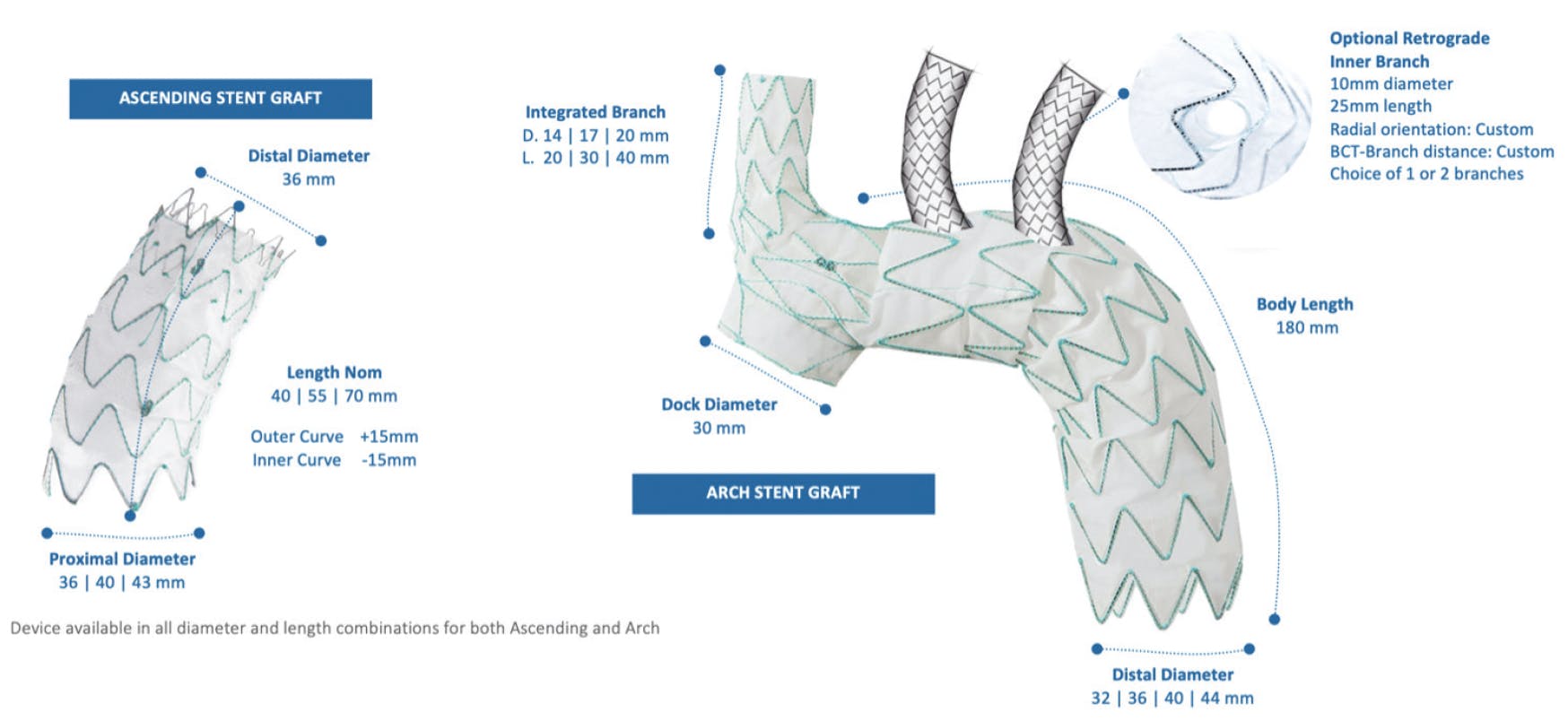
Figure 2. Nexus Duo ascending and arch components.
(Courtesy of Endospan.)
CLINICAL DATA AND ONGOING STUDIES
Two primary clinical studies are evaluating the Nexus platform. The United States investigational device exemption (IDE) trial is TRIOMPHE, a prospective, multicenter, nonrandomized trial assessing safety and effectiveness for thoracic aortic lesions involving the arch. Early results in chronic dissection and other high-risk cohorts are encouraging. Thirty-day outcomes noted a neurologic complication rate of 3.7% (endovascular phase) with no type Ia, Ib, or III endoleak.1
In a European trial, 3-year outcomes demonstrated no device- or procedure-related deaths from years 1 to 3 and no strokes, paraplegia, aneurysm rupture, myocardial infarction, or new aortic valve insufficiency during follow-up.2
Additional registry and single-center reports confirm high procedural success rates and acceptable long-term survival, supporting use in patients at elevated risk for open arch repair.
REGULATORY STATUS
The single-branch system has been CE Mark–approved since 2019 with a zone 0 indication. The portfolio expanded in Europe in 2023 to include dual- (Duo) and triple- (Tre) branch designs.
Nexus is still under investigation in the United States within the TRIOMPHE IDE trial. FDA approval for the single-branch system is anticipated in the second half of 2026, with multibranch designs planned for evaluation shortly thereafter.
CONCLUSION
The Nexus platform demonstrates that off-the-shelf, minimally invasive solutions for complex aortic arch repair are both feasible and effective. By addressing anatomic challenges through a modular, branched design and TF access strategy, Nexus offers a favorable safety profile and durable outcomes in high-risk patients. With encouraging early and midterm data and pivotal studies ongoing, the system is poised to become an important treatment option in the evolving therapeutic landscape for aortic arch disease.
1. Leshnower B. Endovascular aortic arch repair using a novel single-branch arch stent graft for chronic dissection: 30-day outcomes of the TRIOMPHE FDA pivotal study. Presented at: American Association for Thoracic Surgery annual meeting; May 2-5, 2025; Seattle, Washington.
2. D’Onofrio A, Lachat M, Mangialardi N, et al. Three-year follow-up of aortic arch endovascular stent grafting with the Nexus device: results from a prospective multicentre study. Eur J Cardiothorac Surg. 2022;63:ezac561. doi: 10.1093/ejcts/ezac561
Zenith Arch Branch Platform
By Carlos Timaran, MD
The Zenith Arch Branch device (Cook Medical) is a multimodular platform with one, two, or three internal branches, which can be combined with scallops and fenestrations. It is designed for the endovascular repair of arch thoracic aortic aneurysms (TAAs). The device’s ability to be extended proximally and distally allows for repair of the most extensive TAAs, including thoracoabdominal and ascending aortic aneurysms. It is particularly useful for the treatment of postdissection aortic arch aneurysms developed after open repair of type A aortic dissections.
Landing in a suitable ascending graft has proven an effective strategy for a less invasive and, in many instances, total endovascular repair of arch and distal descending TAAs. In its three-vessel configuration, the Zenith Arch Branch device is the most widely used device globally for the total endovascular repair of aortic arch aneurysms. Other configurations—including a single internal branch for the LSA with more proximal scallops and a two-branch design—allow for customization of the device for landing in zones 0, 1, and 2, depending on the specific anatomic characteristics and landing zones of the arch pathologies requiring treatment.
Although currently a patient-specific, company-manufactured device, the predictable origin of the supra-aortic trunks may allow for off-the-shelf designs in the near future. For now, standard configurations may allow immediate availability for more urgent cases when a waiting period for a patient-specific or custom-made device is not desirable. Numerous observational studies and registries have demonstrated the safety and efficacy of the Zenith Arch Branch device for both degenerative and postdissection arch TAAs.
DEVICE DESIGN AND UNIQUE FEATURES
Several key characteristics make the Zenith Arch Branch device an attractive alternative compared to other branched devices. The precurved cannula and the spiral stabilizing wire or “spine” allow self-alignment of the device with the external openings of the inner branches along the outer curve of the arch (Figure 1). This self-alignment feature diminishes or eliminates the need for any manipulation or forcing of the device in the arch, which is key to minimizing embolization. The anatomic distribution of the branches enables the incorporation of one, two, or all of the supra-aortic arteries with shorter bridging stents, which is crucial for improving patency and preventing target vessel instability. Moreover, the need for extra-anatomic debranching of the arch vessels is not necessary, thereby decreasing the morbidity of these procedures.
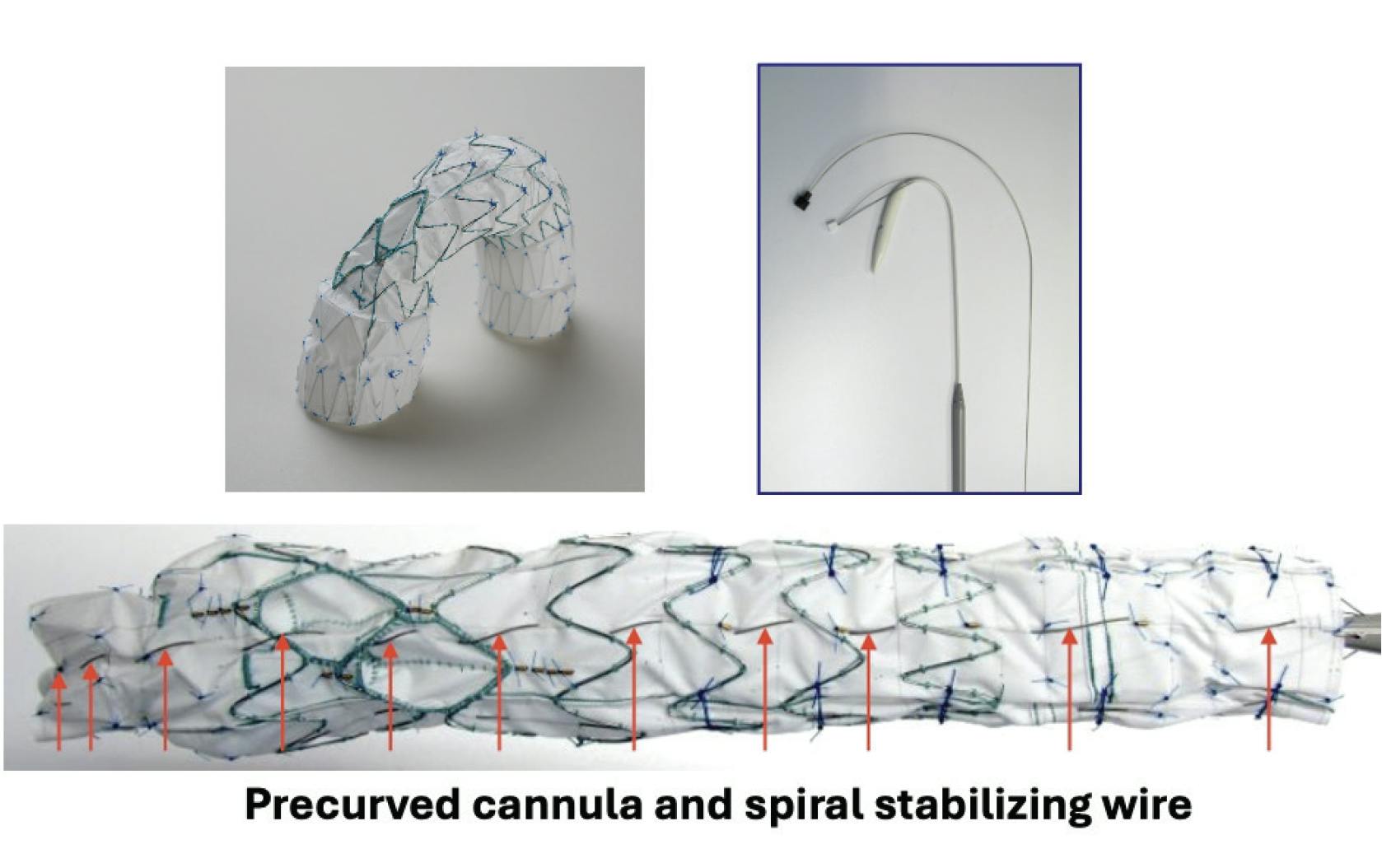
Figure 1. The precurved cannula and spiral stabilizing wire (“spine”) of the Zenith Arch Branch platform.
The proximal and distal portions of the stent allow sufficient length to overlap and accommodate proximal and distal extensions, which is essential for treating the most extensive TAAs. The internal branches have large rhomboid depressed valleys that facilitate access, catheterization, and more anatomic connection with the target vessels, thus preventing angulation and kinking. The constraining wire and sutures throughout the device provide not only extra assurance for self-alignment of the device during deployment but also, and more importantly, the necessary minor adjustments for matching the internal branches and target vessels. The barbs in the proximal stent facilitate active fixation and minimize the risk of migration.
Lastly, the three-vessel retrograde branches enable the repair to be exclusively performed with TF access (Figure 2). As the endovascular repair of more complex aortic aneurysms has progressed, the use of upper extremity access has decreased due to its association with a higher frequency of cerebrovascular events. The current bridging stent technology with longer catheter shafts and exclusive use of self-expanding covered stents facilitates easy and expeditious TF access for the complete endovascular repair of arch TAAs with the Zenith Arch Branch device.
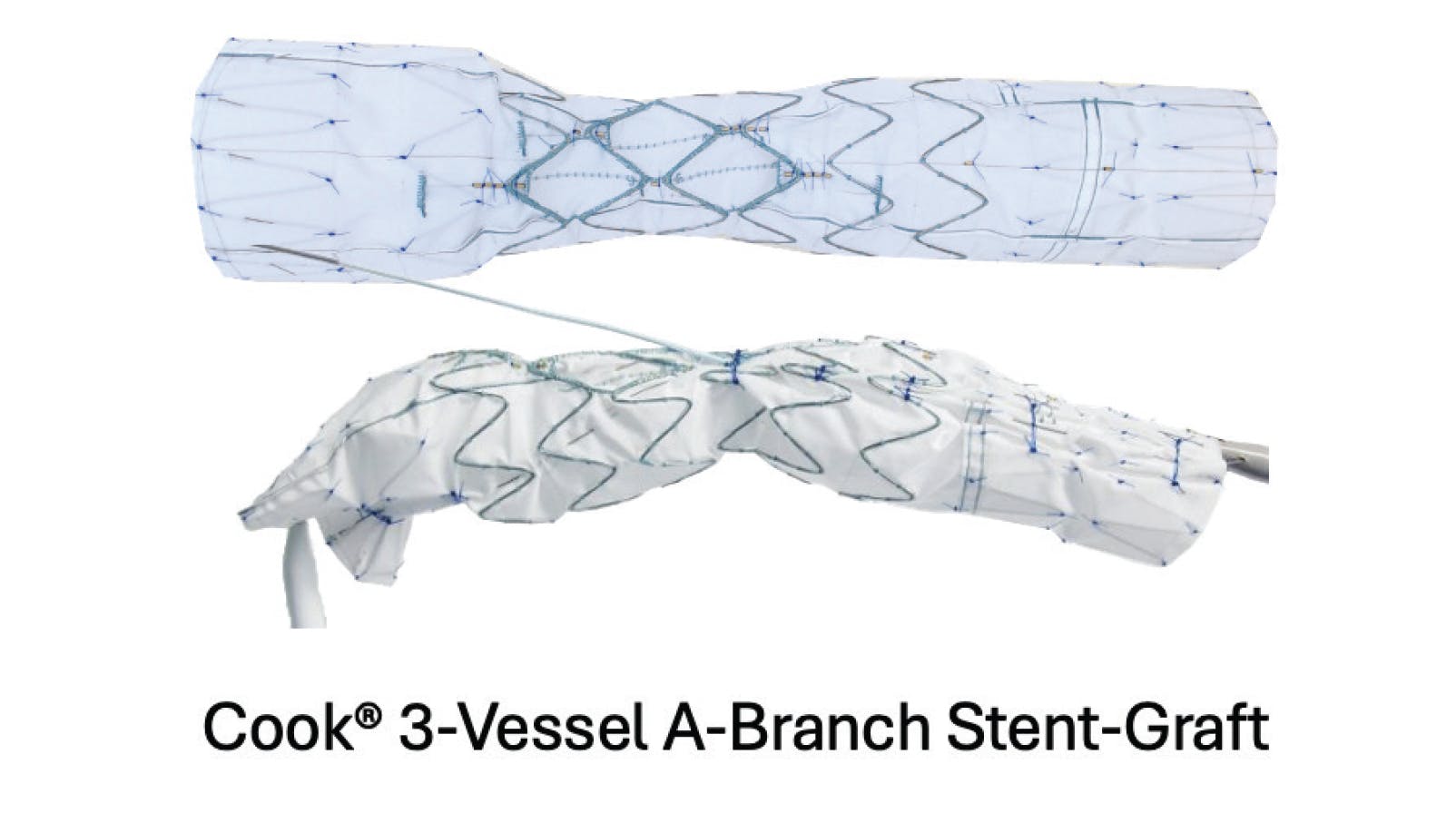
Figure 2. The three-vessel configuration of the Zenith Arch Branch platform.
REGULATORY STATUS AND CLINICAL EXPERIENCE
In the United States, the Zenith Arch Branch device has not received FDA approval for commercial use. Consequently, its primary application has been within the framework of IDE protocols. Approximately 100 Arch Branch devices have been implanted in the United States. The collective experience gained from these IDE protocols has been documented by the data coordinating center of the United States Aortic Research Consortium (ARC). The majority of Zenith Arch Branch devices have been used for the treatment of larger aneurysms, more critical conditions, and exclusively in patients unfit for open repair. Notably, in two-thirds of cases, the device has been employed to treat arch aneurysms after previous type A dissection repairs. Despite the relatively higher complexity of the aneurysms treated with the Zenith Arch Branch device within the IDE studies, the early outcomes are encouraging, indicating that the device demonstrates both safety and efficacy. It is plausible that the experience gained with the Zenith Arch Branch device within the IDE studies and the United States ARC may in the future pave the way for its approval for commercial use in the United States.
RelayBranch Thoracic Stent Graft System
By Giovanni Tinelli, MD, PhD; Simona Sica, MD; and Yamume Tshomba, MD
The evolution of thoracic endovascular aortic repair (TEVAR) has opened new frontiers in the management of complex aortic arch pathologies, traditionally managed with open approaches.
Nowadays, aortic arch branched endovascular aortic repair (arch BEVAR) has become an important component of our treatment strategy for aortic arch repair. The RelayBranch thoracic stent graft platform (Terumo Aortic) offers a significant advantage, particularly for high-risk or fragile patients unsuitable for open surgery (Figure 1).
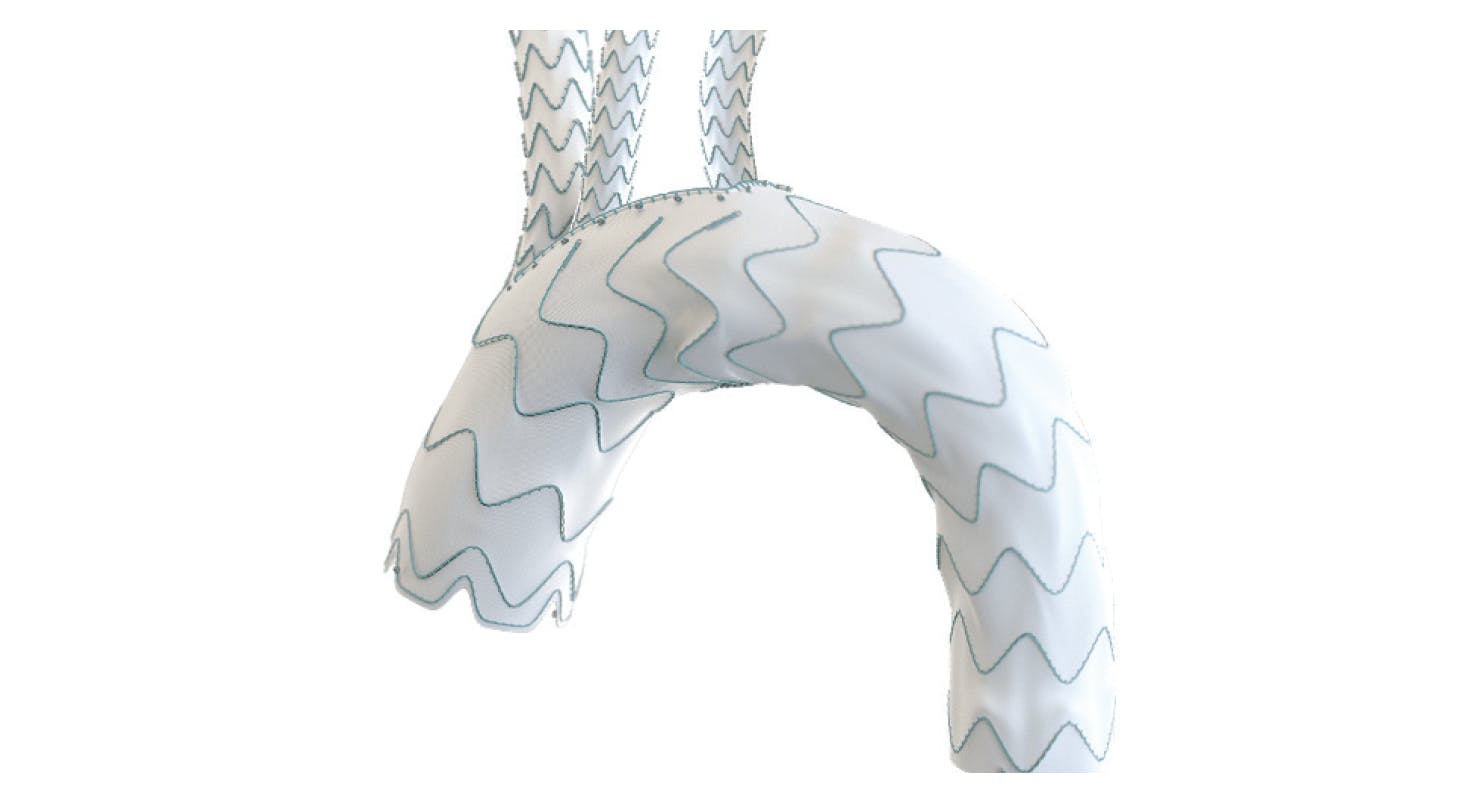
Figure 1. The RelayBranch thoracic stent graft system with triple branches.
Successful outcomes with arch BEVAR depend heavily on careful patient selection and procedural planning. Treatment in high-volume centers with dedicated aortic teams is essential, as multidisciplinary discussions help minimize complications such as postoperative stroke—a key concern in arch interventions.
Optimal patient selection involves identifying those with favorable aortic anatomy and avoiding cases with extreme arch angulation or heavy atheromatous burden. For experienced operators, it is critical to reduce manipulation of the aortic arch and supra-aortic vessels to achieve favorable outcomes.
DEVICE DESIGN AND UNIQUE FEATURES
The RelayBranch thoracic stent graft system offers a total endovascular aortic arch solution, designed specifically to address the unique anatomic and hemodynamic challenges of proximal landing in zone 0.
RelayBranch was developed to provide a controlled, precise, and patient-specific solution. It offers configuration flexibility, with options for two antegrade and one retrograde branch, or, alternatively, one antegrade and two retrograde branches. This adaptability allows customization based on patient-specific arch anatomy.
One of the hallmark features of this platform is its dual-sheath delivery system, a mechanism that enables atraumatic navigation through the arch while preserving access and control. The outer sheath facilitates safe advancement and positioning, while the inner sheath—composed of a precurved nitinol catheter—self-orients to match the curvature of the aortic arch, aiding in the precise alignment of the cannulation window with the supra-aortic branches, with less aortic arch manipulation.
Another defining aspect of the RelayBranch platform is its wide cannulation window, which optimizes visualization and access during branch vessel cannulation. This is particularly beneficial in complex arch anatomies or in cases with challenging angles. The configuration also supports anatomic customization, with asymmetrical branch alignment allowing adaptation to variable supra-aortic vessel origins and arch morphologies (Figure 2).
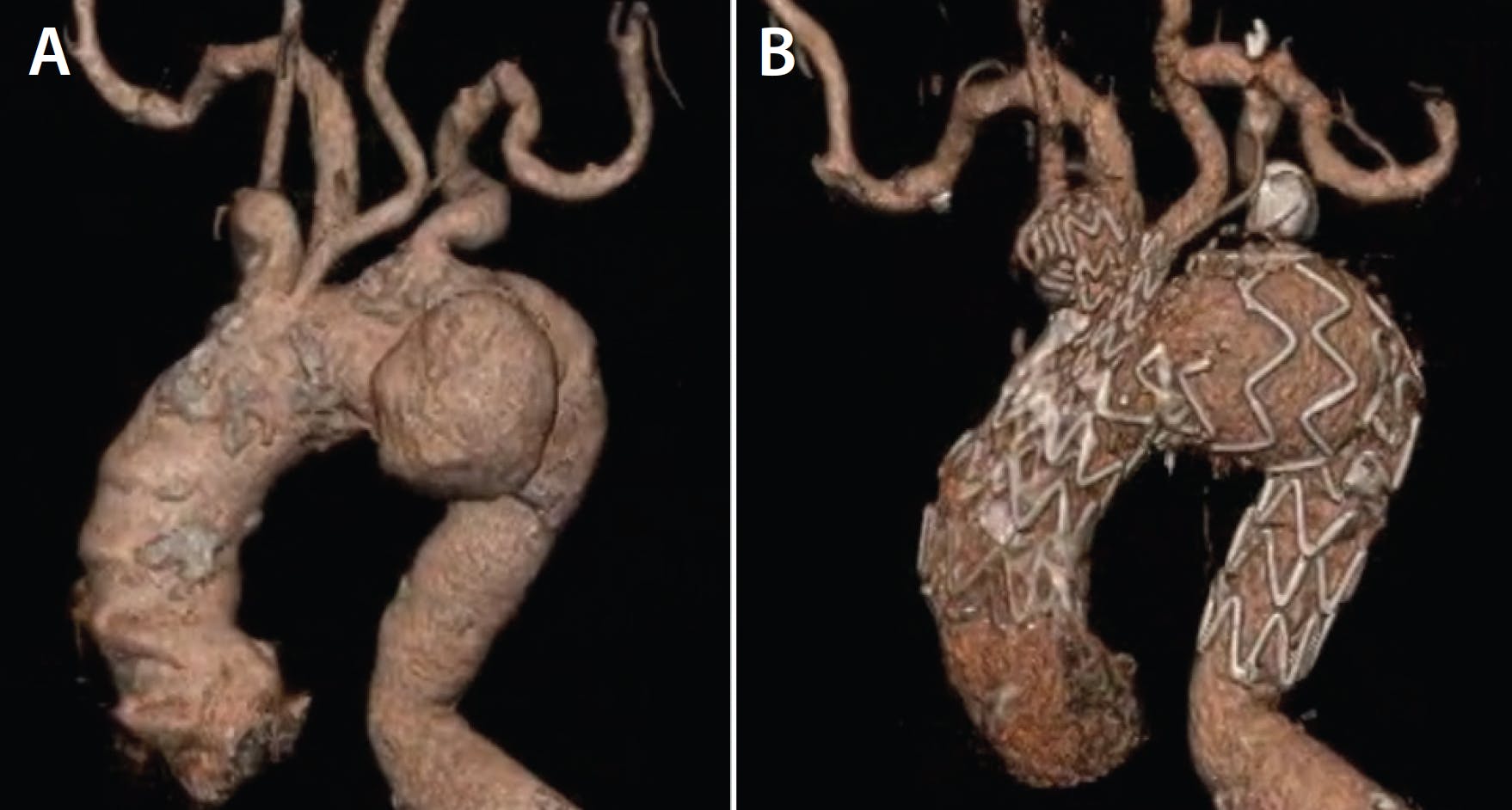
Figure 2. Preoperative CTA three-dimensional volume rendering reconstruction of a penetrating aortic ulcer of the aortic arch (A), treated with a carotid-subclavian bypass, LSA embolization, and arch TEVAR with a RelayBranch stent graft with a double inner branch for the BCT and LCCA (B).
(Courtesy of Terumo Aortic.)
To further enhance stability and durability, the system incorporates support wires designed to maintain radial force and prevent migration or collapse, even under the dynamic forces of the ascending aorta. Additionally, asymmetrical clasping mechanisms or anchoring elements, including inward-facing barbs (lock stents), are employed at the junction of the main graft and branch tunnels. These features reduce the risk of branch disconnection or type III endoleaks, contributing to procedural durability.
CLINICAL DATA AND REGULATORY STATUS
Early clinical experience with RelayBranch has been promising, with high technical success rates and encouraging early outcomes. Czerny et al reported the first series of 15 patients, with one case of in-hospital mortality and one case of disabling stroke.1
Initial evidence primarily focused on the feasibility of the procedure, showing a high technical success rate and a reported incidence of major stroke ranging from 7% to 12.5%, depending on center experience and patient selection.
The device has been used in selected centers across Europe under CE Mark approval, and in 12 centers in the United States as part of investigator-led and early feasibility trials.1-7
Currently, studies are enrolling patients across multiple international, high-volume centers to evaluate the advanced experience with the RelayBranch system, aiming to minimize learning curve bias and ensure appropriate patient selection.
Further data will be essential to define the long-term outcomes and durability of the device in real-world settings for the treatment of aortic arch pathologies.
CONCLUSION
The RelayBranch system brings a purpose-built solution to one of the most challenging anatomic regions in aortic endovascular repair. With its thoughtful design, early encouraging outcomes, and active clinical study, it stands as a leading option in the evolving armamentarium of thoracic branch grafts. Continued global experience and long-term follow-up will further define its role and optimize patient selection and procedural strategies.
1. Czerny M, Rylski B, Morlock J, et al. Orthotopic branched endovascular aortic arch repair in patients who cannot undergo classical surgery. Eur J Cardiothorac Surg. 2018;53:1007-1012. doi: 10.1093/ejcts/ezx493
2. Czerny M, Berger T, Kondov S, et al. Results of endovascular aortic arch repair using the Relay Branch system. Eur J Cardiothorac Surg. 2021;60:662-668. doi: 10.1093/ejcts/ezab160
3. Ferrer C, Cao P, Coscarella C, et al; TRIUmPH registry investigators. Italian registry of double inner branch stent graft for arch pathology (the TRIUmPH registry). J Vasc Surg. 2019;70:672-682.e1. doi: 10.1016/j.jvs.2018.11.046
4. van der Weijde E, Heijmen RH, van Schaik PM, et al. Total endovascular repair of the aortic arch: initial experience in the Netherlands. Ann Thorac Surg. 2020;109:1858-1863. doi: 10.1016/j.athoracsur.2019.09.009
5. Kudo T, Kuratani T, Shimamura K, Sawa Y. Early and midterm results of thoracic endovascular aortic repair using a branched endograft for aortic arch pathologies: a retrospective single-center study. JTCVS Tech. 2020;26;4:17-25. doi: 10.1016/j.xjtc.2020.09.023
6. Iglesias Iglesias C, González Canga C, Abril Ramiro F, et al. An early single-center experience with the Relay double inner-branch arch endograft. J Thorac Dis. 2023;15:6721-6729. doi: 10.21037/jtd-23-1211
7. Early feasibility study of the RelayBranch thoracic stent-graft system (RelayBranch) (NCT03214601). Clinicaltrials.gov. Accessed November 5, 2025. https://www.clinicaltrials.gov/study/NCT03214601
Castor and Cratos Branched Thoracic Stent Grafts
By Robert C. Lind, MD, PhD, and Jacob Budtz-Lilly, MD, PhD, FEBVS
Branched TEVAR (bTEVAR) extends the principles of TEVAR into arch-adjacent disease by incorporating a side branch that preserves supra-aortic flow while securing an appropriate proximal landing. Recent evidence has reinforced the safety and efficacy of single-branched stent grafts for complex thoracic aortic disease, with favorable outcomes in terms of technical success and branch patency and low rates of severe complications such as endoleak and stroke.1 A recent Scandinavian study reiterated the favorable results in a cohort of 23 patients, with a notable perioperative stroke incidence of 0%.2 Lombard Medical distributes both the Castor and Cratos branched thoracic stent grafts (Endovastec) in Europe.
DEVICE DESIGN AND UNIQUE FEATURES
These single-branch, unibody systems are designed primarily to maintain perfusion of the LSA during repair of zone 2 and selected zone 3 lesions. The Castor and Cratos devices consist of a unibody main graft with an integrated branch that can be oriented to varying LSA takeoff angles (Figure 1). The unibody design and sutured branch cuff aim to reduce type III endoleak and migration. The device can be tailored with both varying lengths to the LSA takeoff, as well as varying main body and branch diameters and tapering.
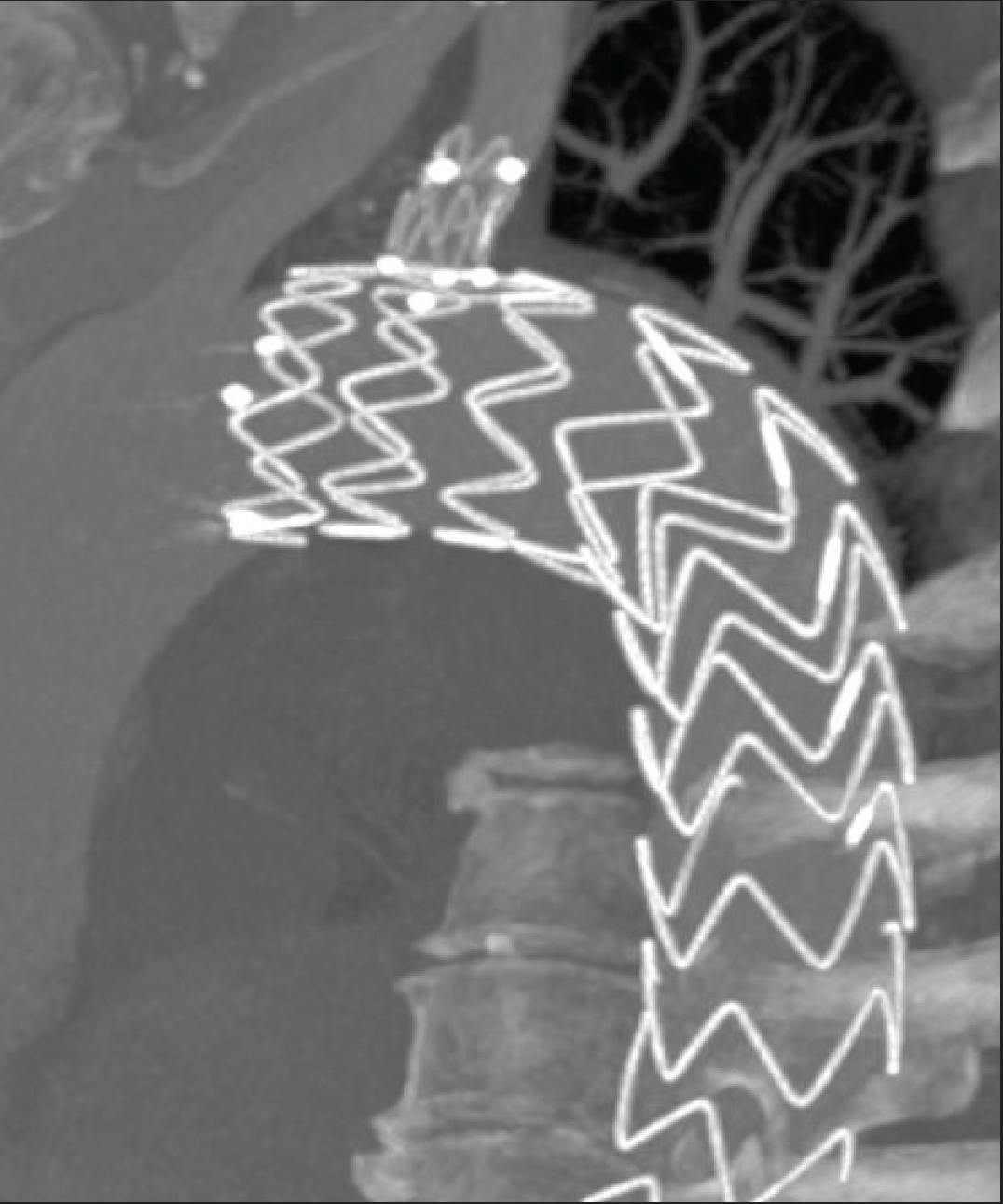
Figure 1. Postoperative CT reconstruction showing the structure of the Cratos branched thoracic stent graft.
PROCEDURAL TECHNIQUE
Pathologies suited for treatment include distal arch aneurysms (zone 2), penetrating aortic ulcers, and type B dissections near the LSA. Patient selection depends on adequate seal zones, suitable LSA anatomy, and institutional capacity for advanced arch interventions.
A typical approach involves femoral access for the main body and brachial/axillary access for the branch. After wire placement, the device is oriented so the LSA branch aligns with the ostium and is then cannulated with a prepositioned wire.
OUTCOMES AND EVIDENCE
Saers et al reported technical success rates as high as 96%,2 and real-world series have reported high technical success in zone 2 repairs with preserved LSA flow.3 The unibody design may enhance stability. Comparative studies suggest branched TEVAR is a viable alternative to open arch repair, although long-term durability data are clearly needed.4
ADVANTAGES OF UNIBODY BRANCHED DEVICES
Similar to other zone 2 devices, the immediate advantage is preservation of the LSA with no need for open surgery. In addition, the unibody design reduces the risk of potential component separation. The final and important advantage is the option of customizing the device with different length options to the LSA takeoff, as well as tapering options for the main body.
The aforementioned advantages are illustrated in Figure 2 and Figure 3. Here, the indication for repair was a proximal stent-induced new entry after a previous TEVAR. Given the tortuous and steep aortic arch, the customized unibody device allowed for precise placement that might otherwise be challenging for other modular devices.
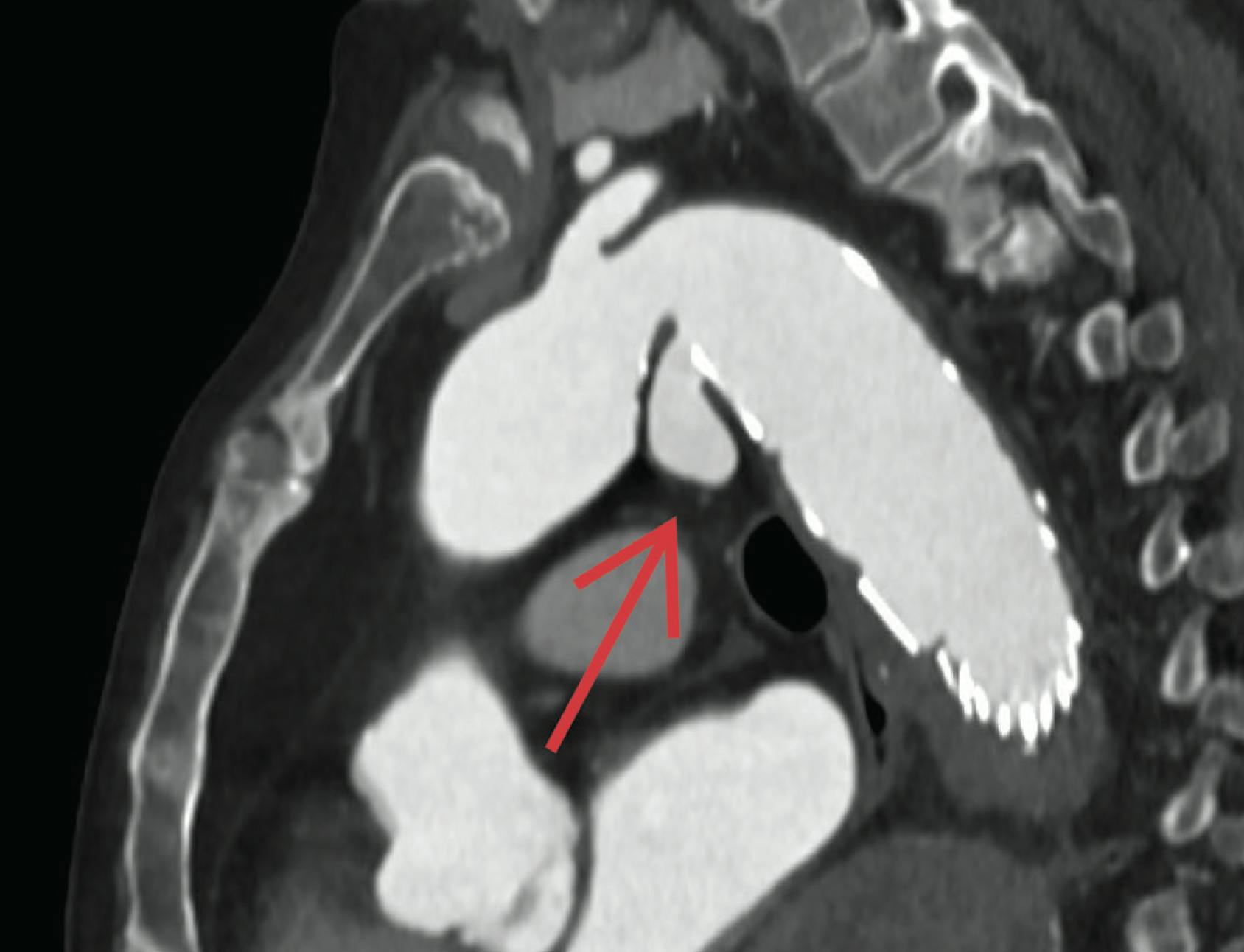
Figure 2. Sagittal CT image of a man in his mid 70s revealing a proximal, stent-induced new entry (red arrow) after a previous TEVAR.
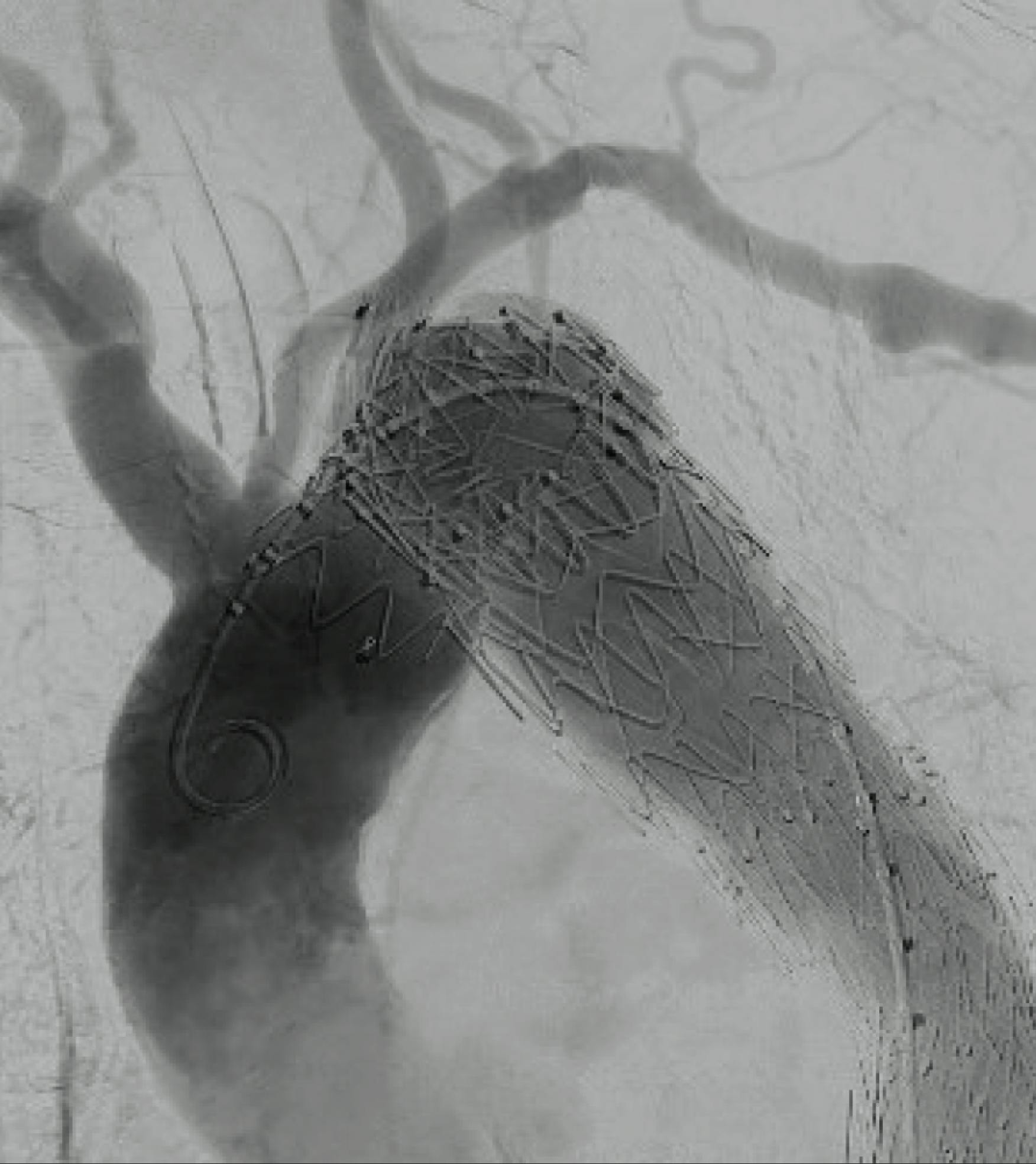
Figure 3. Completion angiogram after placement of a unibody branched thoracic endovascular aortic graft (Castor). Despite the angulation, adequate seal was obtained with patent left carotid artery and LSA.
CONCLUSION
The evolution of branched TEVAR has broadened the treatment options for complex aortic arch and proximal descending thoracic pathologies. Lombard’s unibody branched systems, including the Castor and Cratos, demonstrate that customized single-branched designs can achieve high technical success with reliable branch patency and low perioperative complication rates.
1. Lin W, Cai F, Yan J, Lin X. Efficacy and safety of single-branched stent graft in the treatment of type B aortic dissection: a meta-analysis of cohort studies. J Cardiothorac Surg. 2025;20:60. doi: 10.1186/s13019-024-03339-w
2. Saers S, Srinanthalogen R, Ohrlander T, et al. Initial experience and results of a single-branched TEVAR system in Scandinavia. J Cardiovasc Surg (Torino). Published online May 28, 2025. doi: 10.23736/S0021-9509.25.13330-2
3. Żołnierczuk M, Rynio P, Rybicka A, et al. Initial multicenter experience with the new Castor arch branched device in Europe: a middle-term results study. J Endovasc Ther. Published online December 12, 2024. doi: 10.1177/15266028241304307
4. Kudo T, Kuratani T, Sawa Y, Miyagawa S. Thoracic endovascular aortic repair using a branched endograft versus open arch surgery. J Clin Med. 2025;14:5837. doi: 10.3390/jcm14165837
Advertisement
Advertisement