Advertisement
Advertisement
October 2025
Sponsored by Medtronic
Rescue Transfemoral Carotid Intervention With the Neuroguard IEP™* 3-in-1 Carotid Stent System

With the recent Centers for Medicare & Medicaid Services approval of carotid artery stenting (CAS) in asymptomatic patients, there has been a renewed interest in multimodality approaches to carotid artery disease. The CREST study showed that there was no difference in overall outcomes in treatment with either carotid endarterectomy (CEA) or CAS among both symptomatic and asymptomatic carotid disease patients at standard risk for CEA.1 The primary endpoint of stroke, death, and myocardial infarction (MI) or stroke beyond 30 days did not differ (6.8% for CEA vs 7.2% for CAS at 4 years). However, there were more minor strokes with CAS. Further, poststent ballooning is associated with more periprocedural stroke and death during carotid stenting.2 Microembolization of particles < 100 µm is unfortunately not mitigated by most commercially available filters on the market, and as reported by multiple clinical studies, 69% to 94% of the particles released during carotid stenting are < 100 µm.3-6
The Neuroguard IEP™* (Integrated Embolic Protection) stent (Contego Medical, Inc.) utilizes a novel, asymmetric hourglass, closed-cell design with offset articulation links designed to provide the flexibility and vessel conformability of an open-cell stent design while maintaining the excellent radial strength of a closed-cell stent design (FlexRing™* Technology; Figure 1). In addition, there is an integrated 40-µm pore embolic protection filter that supplements the embolic protection filters used as standard of care, thus offering dual protection. Finally, an integrated balloon allows for safe postdilatation of the stent, maximizing expansion across complex plaque morphologies.
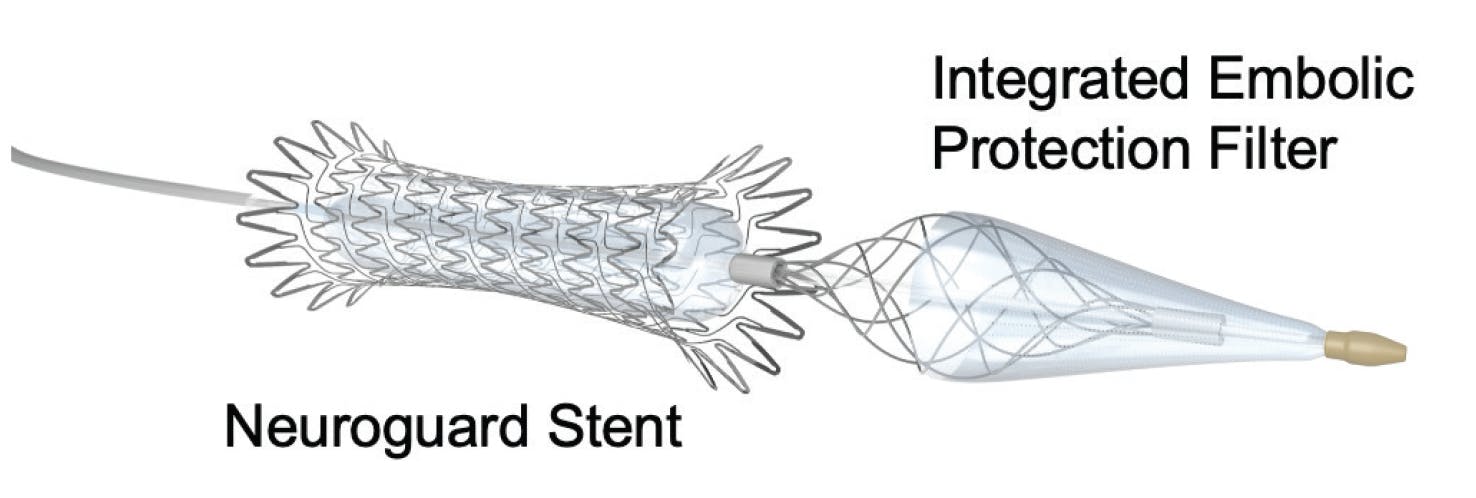
Figure 1. The 3-in-1 Neuroguard carotid stent system with a 40-µm IEP filter and an integrated postdilation balloon.
The Neuroguard IEP stent design was evaluated in the PERFORMANCE II trial, which evaluated 305 symptomatic and asymptomatic high-risk patients. The primary outcome measure was the 30-day major adverse event (MAE) rate, defined as death, all stroke, and MI within 30 days of the index procedure plus ipsilateral stroke from 31 days through 12 months postprocedure.7 Most lesions were de novo (92.8%), with moderate (31.6%) and severe calcific disease (34.5%). Procedural success was achieved in 96.7% of participants. At 30 days, there were three minor strokes (1%) and no major strokes in the per-protocol analysis. The 12-month primary endpoint occurred in 2.8% of participants in the intention-to-treat analysis. There were no major strokes, no neurologic deaths, and no stent thromboses through 12 months. These are the lowest 1-year stroke rates reported for any pivotal, multicenter trial for carotid revascularization.
CASE STUDY
Patient Presentation
A female patient in her 80s with a known history of hypertension, dyslipidemia, tobacco use, and chronic left internal carotid artery (ICA) occlusion presented with severe right ICA stenosis. She was felt to be symptomatic due to recurrent bouts of bilateral weakness. CTA revealed interval occlusion of the left ICA, collateralized by the right side with high-grade (> 70%) right ICA stenosis. Her common carotid arteries (CCAs) and vertebral arteries were patent.
Diagnosis
The decision was made to proceed with transcarotid artery revascularization (TCAR) because the patient’s advanced age and contralateral occlusion deemed her high risk for CEA. Furthermore, given her symptomatic status despite best medical therapy, shared decision-making concluded that she should be offered treatment. The patient was placed under general anesthesia and underwent ultrasound-guided CCA exposure by our surgical colleague. Access was then obtained into the CCA with a micropuncture needle within a purse-string suture. Significant thickening of the carotid artery itself and difficulty advancing the micropuncture sheath were noted. Initial angiography through the micropuncture sheath suggested significant CCA dissection with sluggish flow into the ICA (Figure 2). After discussion with the team, it was determined that proceeding with TCAR was unsafe. The decision was made to wake the patient after closure, assess her neurologic status, and allow the dissection to heal with chronic anticoagulation.
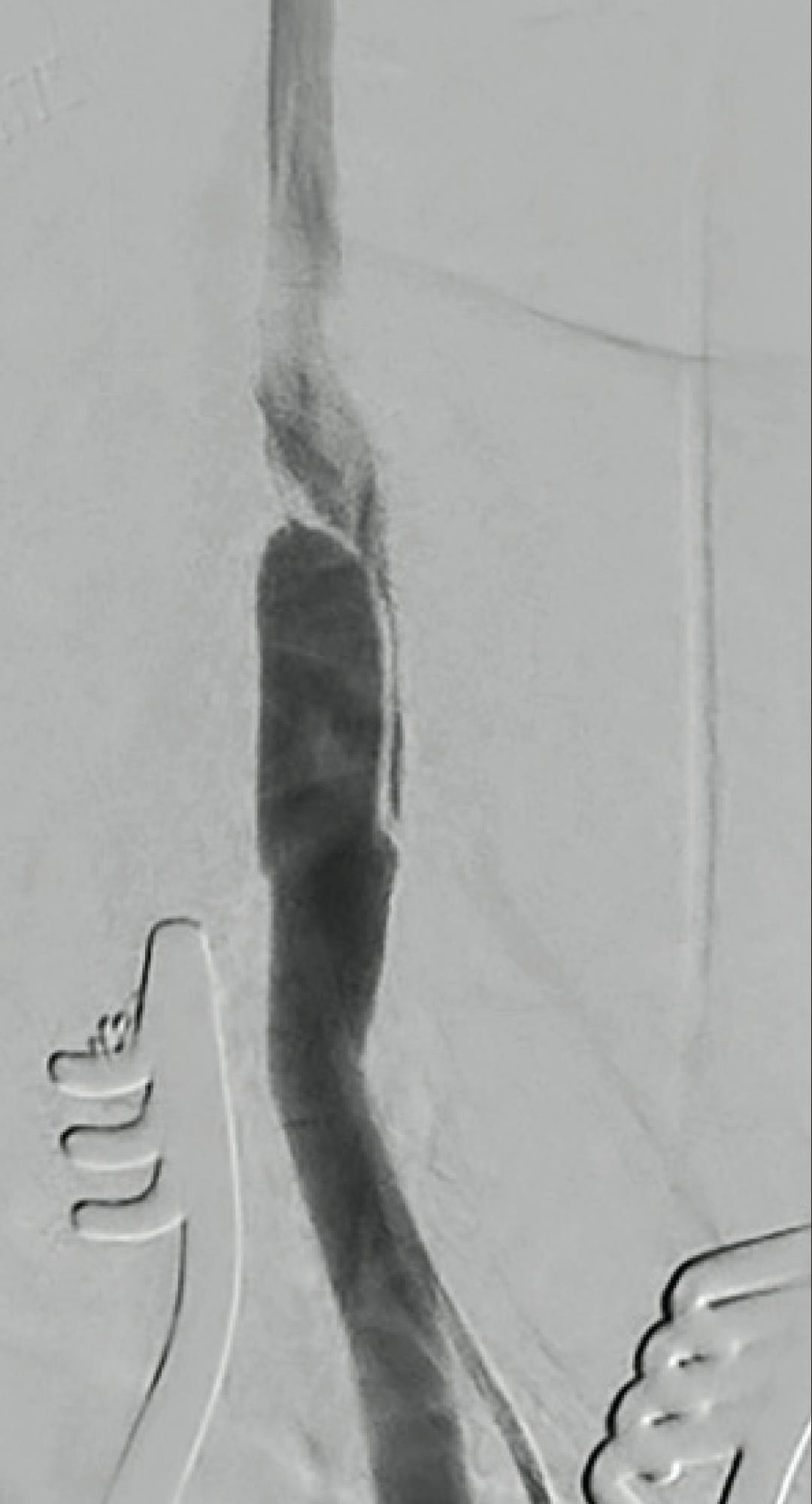
Figure 2. Initial CCA angiography through the micropuncture sheath during TCAR.
However, as the patient recovered, she demonstrated obtundation and bilateral flaccidity. A stroke alert was called, and the patient underwent CTA and cerebral perfusion assessment. CTA confirmed the presence of dissection, with sluggish flow to the ICA and generalized hypoperfusion of the right and left middle cerebral artery. The left ICA remained chronically occluded. Cerebral perfusion < 30% (representing the ischemic core) measured 32 mL. The area of hypoperfusion, indicated by Tmax > 6 seconds, was 150 mL. The penumbra, defined as the mismatch volume, was calculated at 118 mL.
Intervention
The patient was brought back to the catheterization lab. Ultrasound-guided common femoral access was achieved on the right side. The right innominate artery and CCA were engaged with a Select™* SIM catheter (Penumbra, Inc.) and Glidewire Advantage™* (Terumo Interventional Systems), and a BMX™* 96 sheath (Penumbra, Inc.) was telescoped over the catheter. Angiography revealed severe dissection, with multiple planes extending into the external carotid artery (ECA) and ICA (Figure 3A). Utilizing a Fielder™* XTA wire (Asahi Intecc USA, Inc.), crossing into the true plane was achieved, with difficulty, and this channel was tented open. After buddy-wiring with a BareWire™* (Abbott), an Emboshield Nav6™* (Abbott) was advanced. After this, an 8- X 7- X 30-mm Neuroguard IEP stent was advanced and the integrated filter was expanded (Figure 3B). After postdilation of the stent using the low-compliant integrated balloon, the filter was collapsed and the system was removed. Restoration of normal flow into the right ICA and ECA was observed (Figure 3C). In addition, there was excellent perfusion to the entire cerebral circulation (Figure 3D).
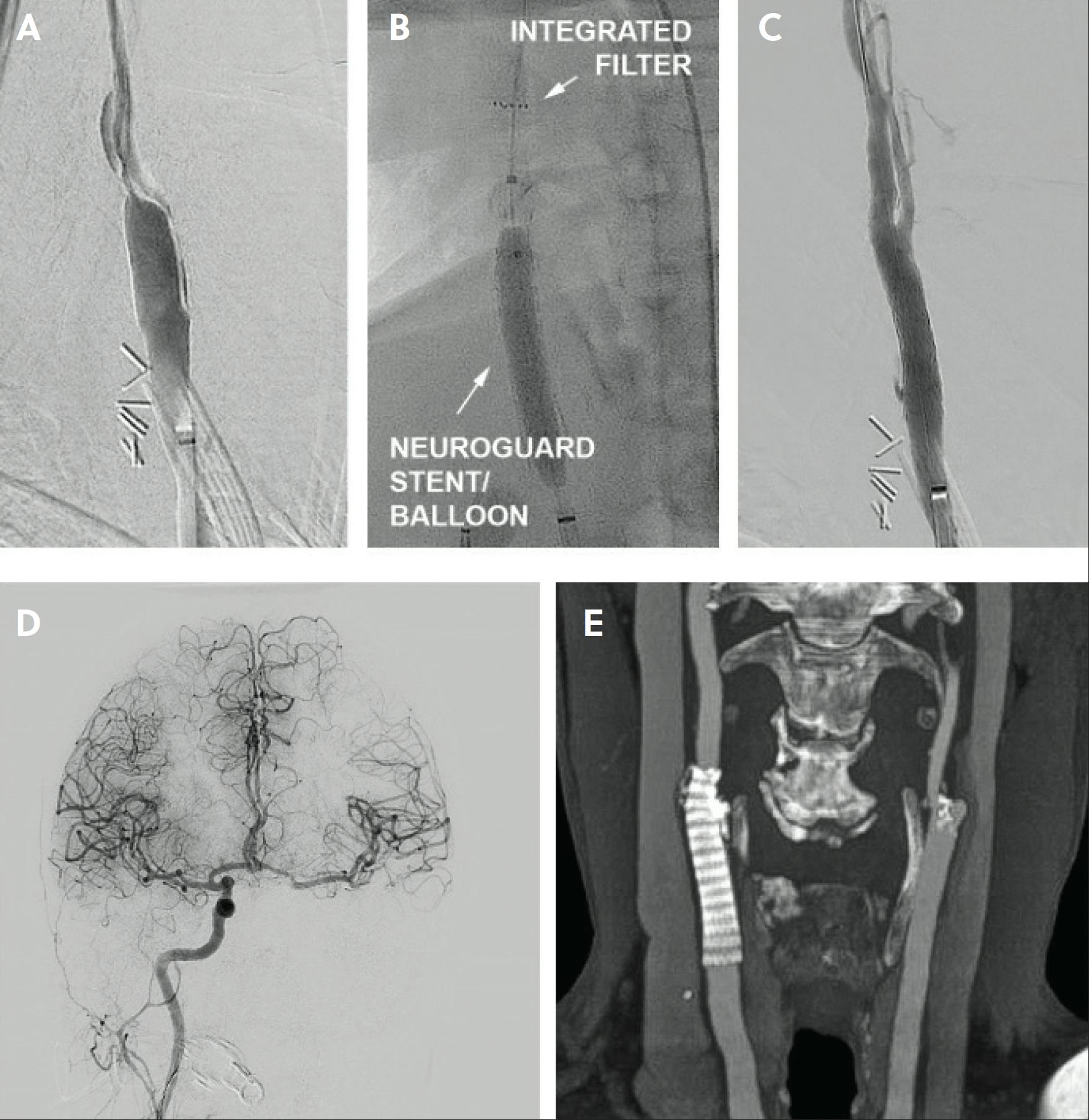
Figure 3. Initial transfemoral CCA angiography (A), deployment of the Neuroguard IEP stent (B), postdeployment angiography (C), postdeployment intracerebral angiography (D), and carotid CTA (coronal) at 3-month follow-up (E).
Follow-Up
Postoperatively, the patient had transient mild confusion that improved by postoperative day 1. MRI of the brain done at 1 week postoperatively suggested small punctate infarcts in the high right frontal and parietal lobes without hemorrhage. The patient was able to move all extremities and ultimately had resolution of all neurologic symptoms at her 1-month follow-up. Repeat CTA was performed at 3 months, showing wide patency of the stent (Figure 3E).
CONCLUSION
This case highlights some important points in the evolving field of carotid intervention. TCAR has gained significant prominence as a potentially “safer” modality for treating carotid disease, avoiding traversal of the aortic arch, allowing for direct access to the CCA, and mitigating risks of great vessel tortuosity. Direct carotid access may also reduce the risk of intraprocedural stroke due to excess catheter manipulation within atherosclerotic plaque. However, as shown in this case, TCAR can be associated with complications, making transfemoral/transradial CAS skills essential. The risks associated with stroke can be reduced with dual embolic protection, as seen with the Neuroguard IEP system, which facilitates rapid treatment of complex carotid artery disease. Further validation of this concept will hopefully be demonstrated in the recently completed PERFORMANCE III trial, which combines this technology with TCAR and flow reversal.8 Ultimately, regardless of the treatment strategy chosen for management of patients with carotid artery disease, adding safe and effective options to the toolbox has proven both advantageous and beneficial.
1. Brott TG, Hobson RW 2nd, Howard G, et al; CREST Investigators. Stenting versus endarterectomy for treatment of carotid-artery stenosis. N Engl J Med. 2010;363:11-23. Published correction appears in N Engl J Med. 2010;363:498 and N Engl J Med. 2010;363:198. doi: 10.1056/NEJMoa0912321
2. Obeid T, Arnaoutakis DJ, Arhuidese I, et al. Poststent ballooning is associated with increased periprocedural stroke and death rate in carotid artery stenting. J Vasc Surg. 2015;62:616-23.e1. doi: 10.1016/j.jvs.2015.03.069
3. Langhoff R, Schofer J, Scheinert D, et al. Double filtration during carotid artery stenting using a novel post-dilation balloon with integrated embolic protection. JACC Cardiovasc Interv. 2019;12:395-403. doi: 10.1016/j.jcin.2018.11.039
4. Petkoska D, Zafirovska B, Vasilev I, et al. Transradial carotid artery stenting using double layer micromesh stent and novel post-dilation balloon with integrated embolic protection. Cardiovasc Revasc Med. 2024;63:43-51. doi: 10.1016/j.carrev.2024.01.006
5. Petrov I. Histological evaluation of filter contents in mesh-covered vs standard nitinol stents during carotid stenting using the Paladin system. Presented at: LINC 2018; January 30-February 2, 2018; Leipzig, Germany.
6. Henry M, Polydorou A, Henry I, et al. New distal embolic protection device the FiberNet 3 dimensional filter: first carotid human study. Catheter Cardiovasc Interv. 2007;69:1026-1035. doi: 10.1002/ccd.21129
7. Gray WA, Metzger DC, Zidar J, et al. The PERFORMANCE II trial: a prospective multicenter investigation of a novel carotid stent system. JACC Cardiovasc Interv. 2025;18:367-376. doi: 10.1016/j.jcin.2024.10.031
8. Direct access carotid artery stenting using the Neuroguard IEP System (PERFORMANCE III). Clinicaltrials.gov website. Accessed October 1, 2025. https://clinicaltrials.gov/study/NCT05845710
Disclosure
Dr. Mathews: Consultant to Boston Scientific, Medtronic, Abbott, and Contego Medical; received research support from Contego Medical.
The Neuroguard IEP system, 140cm, is not approved for distribution outside of the United States.
Neuroguard IEP™* system
Brief Statement
Indications (or Intended Use)
The Neuroguard IEP 3-in-1 Carotid Stent and Post-Dilatation Balloon System with Integrated Embolic Protection is indicated for improving the carotid luminal diameter in subjects at high risk for adverse events from carotid endarterectomy who require carotid revascularization and meet the criteria outlined below:
- Patients with symptomatic stenosis of the common or internal carotid artery with ≥ 50% as determined by angiography using NASCET methodology, OR Patients with asymptomatic stenosis of the common or internal carotid artery with ≥ 80% as determined by angiography using NASCET methodology.
- Patients with reference vessel diameters 4.0–8.0 mm.
This device is also indicated for post-dilation of the stent component with simultaneous capture and removal of embolic material. The Neuroguard IEP System should always be used in conjunction with an available primary distal embolic protection device as described in the IFU.
Contraindications
The Neuroguard IEP® 3-in-1 Carotid Stent and Post-Dilation Balloon System with Integrated Embolic Protection is contraindicated for use in:
- Patients in whom anticoagulant and/or antiplatelet therapy is contraindicated;
- Patients with a known hypersensitivity to nickel-titanium;
- Patients with severe vascular tortuosity or anatomy that would preclude the safe introduction of a guidewire, catheter, introducer sheath, delivery system or embolic protection device;
- Patients with uncorrected bleeding disorders;
- Patients with known hypersensitivity to heparin, including those patients who have had a previous incident of Heparin-Induced Thrombocytopenia (HIT) type II.
Potential Adverse Events (or Potential Complications)
Complications may occur at any time during or after the procedure. Possible complications include, but are not limited to the following: angina, allergic reactions (including to antiplatelet agents, contrast medium or stent materials), aneurysm, arrhythmias, arterial occlusion/thrombosis at puncture site, bleeding from anticoagulant or antiplatelet medications, bradycardia, carotid artery spasm, cerebral edema, cerebral hemorrhage, cerebral ischemia/transient ischemia attack (TIA), cardiac tamponade, cardiogenic shock, death, detachment and/or implantation of a component, embolism, fever, filter thrombosis/occlusion, groin hematoma with or without surgical repair, heart failure, hematoma, hemorrhage, hypotension/hypertension, infection, ischemia/infarction of tissue/organ, myocardial infarction, pain and tenderness, pericardial effusion, pulmonary edema, pseudoaneurysm at the vascular access site, renal failure/insufficiency, respiratory failure, restenosis of the stented segment, seizure, severe unilateral headache, stent embolization, stent/filter entanglement/damage, stent malapposition, stent migration, stent misplacement, stent thrombosis/occlusion, stroke/cerebrovascular accident (CVA), total occlusion of carotid artery, vessel dissection, perforation, spasm or recoil, vessel trauma requiring surgical repair or reintervention.
CAUTION: Federal (USA) law restricts this device to sale by or on the order of a physician.
Indications, contraindications, warnings and instructions for use can be found in the product labeling supplied with each device, or contact a Medtronic representative.
501815 ©2025 Medtronic. Medtronic is the sole authorized distributor of commercially available Contego Medical products in the United States. Medtronic, Medtronic logo, and Engineering the extraordinary are trademarks of Medtronic. TM* third party brands are trademarks of their respective owner. All other brands are trademarks of a Medtronic company. Please refer to product labeling for indications, contraindications, warnings, and instructions for use. Contact your local Medtronic representative for availability or more information. 10/2025
Advertisement
Advertisement
