Advertisement
Advertisement
October 2025
Identifying the Right Carotid Therapy for Each Patient
Dr. William Gray talks with Drs. Sonya Noor, Adnan Siddiqui, and Peter Soukas about how they approach treatment decisions for patients with carotid artery disease, their algorithms, patient and lesion characteristics that help guide decisions, and their shared decision-making process with both the multidisciplinary team and individual patient.
With moderator William A. Gray, MD, MSCAI, FACC, and panelists Sonya Noor, MD, FACS; Adnan Siddiqui, MD, PhD; and Peter A. Soukas, MD
This article was modified after initial publication to include additional details on institutional procedural breakdown.


Dr. Gray: How do your/your institution’s current volumes break down proportionately between transfemoral carotid artery stenting (TF-CAS), transcarotid artery revascularization (TCAR), and carotid endarterectomy (CEA), whether performing the procedure yourself or referring to someone else?
Dr. Noor: At Gates Vascular Institute, our annual carotid intervention volume is approximately 400 cases. Of these, TF-CAS accounts for 70%, TCAR for 30%, and CEA for 10%.
Dr. Siddiqui: Currently, we are about 70% TF-CAS, 20% TCAR, and 10% CEA as an institution. Personally, I’m closer to 80% TF-CAS, 15% TCAR, and 5% CEA.
Dr. Soukas: All TF-CAS cases are performed by our Brown Cardiovascular Institute physicians at the Miriam Hospital campus. At the Rhode Island Hospital campus, our data from October 1, 2024, to September 30, 2025, include the following: CEA, 21 neurosurgery and 47 vascular surgery; TCAR, 56 neurosurgery and 50 vascular surgery; and TF-CAS, 18 neurosurgery/interventional radiology.
Dr. Gray: Which data and experiences are most foundational to you in developing your algorithms for carotid revascularization?
Dr. Soukas: We all aspire to treat our patients using evidence-based medicine, particularly randomized controlled trials (RCTs) and high-quality registries with independent adjudication of all adverse events. I’ve been fortunate to have been a site principal investigator on 24 TF-CAS trials and have witnessed the remarkable evolution of a nascent technology that was subject to intense scrutiny and debate to the current mature proven therapy that offers equivalent outcomes to CEA and TCAR, while being the least invasive revascularization option.
Along the way, we’ve learned which patients are higher risk for TF-CAS (eg, elderly symptomatic patients with reduced cerebral reserve, diseased arches, tortuous vessels, dense calcification), and these patients are referred for alternative revascularization treatments. The knock against TF-CAS was the slightly higher rate of minor strokes, presumably from microembolization, but newer studies such as PERFORMANCE II and C-GUARDIANS showed no contralateral strokes and 30-day stroke rates of < 1% using integrated embolic protection (IEP) and micronet mesh-covered stents, respectively. Diffusion-weighted imaging (DWI) data have also shown a reduced number and size of lesions using IEP as compared with TCAR and CEA.
Dr. Siddiqui: I have a fairly simple algorithm. Clinically, I expect a 2-year life expectancy for treating symptomatic cases and a 5-year life expectancy for treating asymptomatic cases. I use the head and neck CTA for primary decision-making and Doppler ultrasound as an adjunctive tool. If the lesion in the internal carotid artery (ICA) is severely angulated and would prevent optimal stent opening, I treat with CEA (approximately 5%). If the lesion is not severely angulated but the aortic arch is severely tortuous or atherosclerotic with shaggy plaques (hostile arch), then these cases go for TCAR (approximately 15%). If the lesion is not severely angulated and the arch is not hostile, then these cases go for TF-CAS (approximately 80%). If the lesion not severely angulated but instead is severely concentrically calcified or has very high calcium burden, then we pretreat the lesion with intravascular lithotripsy (IVL) prior to angioplasty and stenting.
Dr. Noor: Selection of the optimal carotid intervention is guided by several foundational criteria:
- Patient outcomes: Incidence of stroke, myocardial infarction (MI), mortality, and perioperative complications are critically evaluated for me to decide procedural choice.
- Procedural considerations: Time required to perform the intervention, requisite training and expertise, device availability, and overall procedural complexity are assessed to ensure safe and effective treatment.
- Operator and institutional performance: Reproducibility of results and consistency in operator outcomes are essential for maintaining high standards of care in our system.
- Economic impact: The cost-effectiveness of each procedure is considered in the context of both institutional resources and patient access.
These factors collectively inform the development of institutional algorithms for carotid revascularization, ensuring that therapy is tailored to individual patient needs and clinical circumstances.
Dr. Gray: How have your opinions shifted over the years? What about your practice patterns?
Dr. Siddiqui: Yes, my practice has changed in three principal ways. First, my indications for CEA have narrowed from 3 years ago when I first started using IVL for carotid disease. I no longer consider concentric heavy calcification as a contraindication to angioplasty and stenting via TF-CAS or TCAR.
Second, we have entirely changed our TF-CAS setup, utilizing a balloon guide and distal filter in all cases. This change has been supported by our experiences with postprocedure MRI that have suggested only small-volume DWI lesions in < 20% of cases, which is similar to DW-MRI after CEA and TCAR.
Third, over the last year, we have almost exclusively used the third-generation carotid stents with improved ergonomics, procedural flow, and embolic protection including using the Neuroguard stent (Contego Medical), the CGuard stent (InspireMD), and most recently, the Roadsaver stent (Terumo Interventional Systems).
Dr. Noor: Over the past 5 years, my clinical practice has transitioned significantly from CEA to TCAR. Initially, I was hesitant to adopt TCAR, as I considered CEA a straightforward procedure with consistently favorable outcomes and a low complication rate (2%-3%). The technical aspects and surgical finesse of CEA were personally rewarding. However, after observing my colleagues’ early experiences with TCAR, I recognized its potential as a next-generation endovascular intervention. The reproducibility of TCAR outcomes across multiple surgeons at our institution, coupled with a reduction in complication rates by nearly 1% for all carotid procedures, underscored its clinical value. Additionally, TCAR improved operating room efficiency and contributed positively to hospital margins. Notably, TCAR proved less stressful to perform and teach, with fellows achieving proficiency after approximately 10 cases. As a result, my practice shifted from 95% CEA and 5% neuroendovascular referrals to 90% TCAR, 10% CEA, and infrequent referrals for TF-CAS.
Dr. Soukas: In patients with complex disease who are symptomatic and higher risk for TF-CAS, I have shifted away from CEA to TCAR, due to the reduced risk of cranial nerve injury and lower morbidity with TCAR. With over 25 years of CAS experience, I’ve learned to negotiate more challenging anatomy (type II and III arches, bovine left common carotid artery [CCA]), and with the availability of proximal protection and next-generation technologies like IEP and micronet mesh stents, I can reliably and safely treat most patients with TF-CAS.
Dr. Gray: Are there particular anatomic and lesion characteristics or comorbidities that lead you to select one therapeutic approach over another? Where is there overlap, and where is there separation?
Dr. Noor: I use several anatomic and physiologic risk factors to help guide decisions between CEA and TF-CAS. For CEA, risk factors such as congestive heart failure, unstable angina, coronary artery disease with left main disease and ≥ 2 vessels with ≥ 70% stenosis, and recent MI are considerations, while anatomic risk factors include surgically inaccessible lesions (at or above C2, below the clavicle), ipsilateral neck irradiation, and spinal neck immobility. For TF-CAS, risk factors include age > 75 years, bleeding disorder, severe aortic stenosis or renal disease, decreased cerebral reserve, and dementia, while anatomic considerations are type II/III aortic arch, high-grade atheroma in the aortic arch, stenosis at the origin of the great vessels, severe tortuosity (> two 90° bends) or circumferential lesion calcification, among others.
It is important to note that although established guidelines are essential for aligning patients with the most appropriate carotid revascularization strategy, clinical decision-making often involves navigating exceptions and areas of uncertainty. Importantly, patient preference also plays a significant role in procedural selection. Increasingly, patients arrive with strong opinions—some specifically request CEA, while others seek TCAR—often influenced by information found on institutional websites or social media platforms where these procedures are discussed. Incorporating patient values and preferences into the decision-making process is therefore a critical component of contemporary carotid intervention practice.
Dr. Siddiqui: As I noted previously, from a comorbidities standpoint, I treat symptomatic disease if they have a 2-year life expectancy, and I use a 5-year life expectancy for treating asymptomatic cases. The foundational test for me is the head and neck CTA, which I use to evaluate collaterals and identify high-risk carotids (for hyperperfusion) that may require a postoperative intensive care unit admission for strict blood pressure control, and I use the neck CTA primarily for therapeutic modality decision-making. As I mentioned, my decision on whether to proceed with CEA, TCAR, or TF-CAS is based on lesion angulation as well as tortuosity and plaque burden in the aortic arch (hostile vs not hostile), with pretreatment with IVL prior to angioplasty and stenting if lesions are severely concentrically calcified or have a very high calcium burden, so my algorithm does not have much overlap. However, I present all options to patients, including maximal medical therapy, during an informed decision-making session. If the lesion in not too severely angulated to prevent optimal stent opening, then I am comfortable performing either TF-CAS or TCAR based on patient preference.
Dr. Soukas: CEA is recommended for elderly patients with complex disease or dense calcification, especially if symptomatic with adverse anatomy for TF-CAS or TCAR. TCAR is favored for symptomatic patients with adverse arch or vessel anatomy for TF-CAS, those with hostile groins, inability to lay flat, or severe anxiety requiring sedation. TCAR is preferred over CEA if there is high cardiac or pulmonary risk or symptomatic stenosis not amenable to CEA. TF-CAS is favored in patients with significant medical comorbidities, prior neck surgery or radiation, CEA restenosis, CCA lesions, high/low lesions, cranial nerve injury, and for most routine cases.
There is overlap for standard-risk patients with straightforward anatomy, and the patient’s preference plays a major role in determining the therapeutic approach.
Dr. Gray: For patients who are candidates for both TCAR and TF-CAS, how do you decide which to offer?
Dr. Soukas: TCAR is favored for patients with severe vessel tortuosity, adverse arch anatomy, hostile groins, inability to lay flat or requiring sedation, and thrombotic or tandem lesions, while TF-CAS is favored for everyone else.
Dr. Siddiqui: If the lesion itself is not severely angulated but the aortic arch is severely tortuous or atherosclerotic with shaggy plaques (hostile arch), we proceed with TCAR. If the lesion is not severely angulated and the arch is not hostile, we’ll go with TF-CAS.
Dr. Noor: At this point, my default approach for carotid intervention is TCAR for most patients. I will perform CEA if they are not a good candidate for TCAR. However, TF-CAS is considered in specific clinical scenarios, including (1) the presence of tandem disease involving both the carotid bulb, internal carotid artery, and intracranial segments; and (2) patients presenting with acute stroke and concomitant carotid disease, particularly when intracranial thrombectomy is not performed by the treating physician and neuroendovascular expertise is available within the institution.
These algorithms reflect a multidisciplinary strategy aimed at optimizing patient outcomes by tailoring intervention selection to individual anatomic and clinical characteristics, as well as available institutional expertise (Figure 1 and Figure 2). It will be interesting to see the role of IVL in TCAR and TF-CAS in the future.
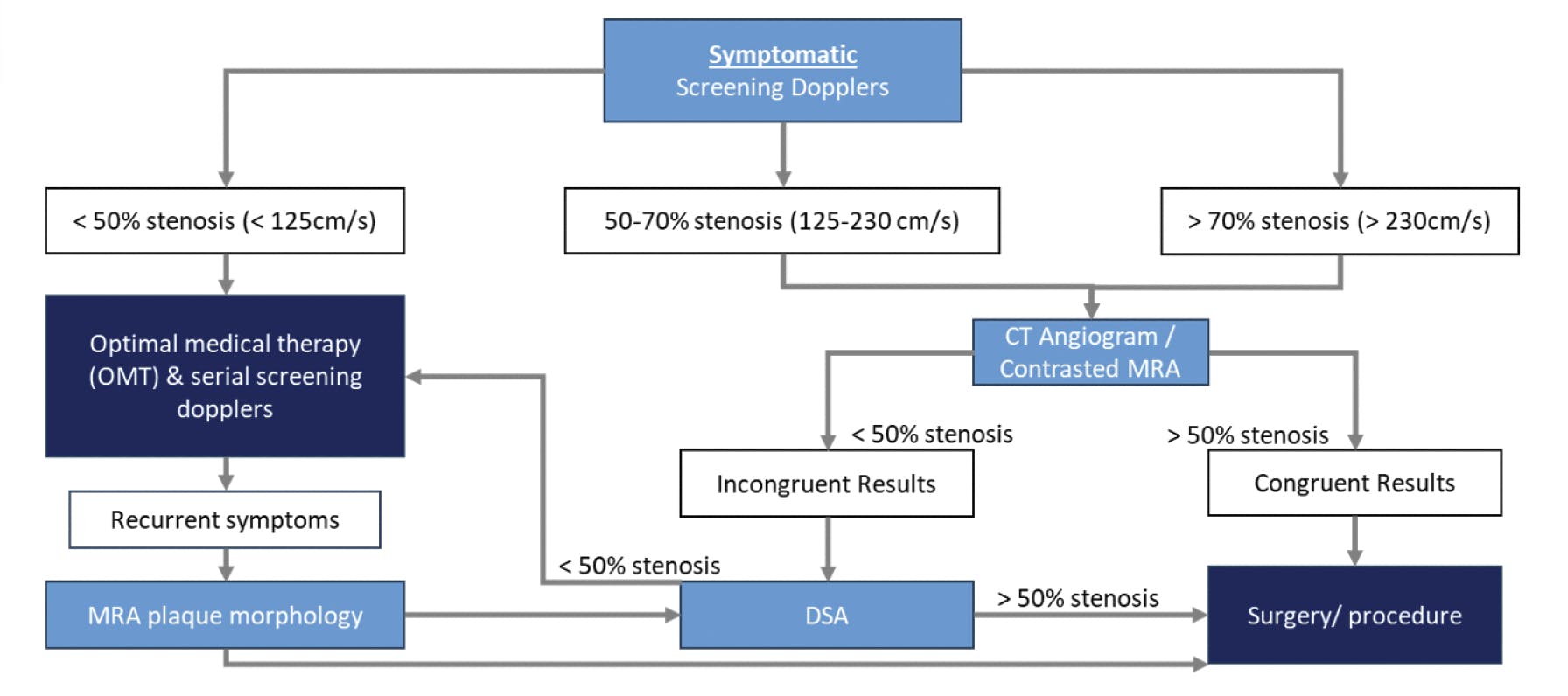
Figure 1. Algorithm for symptomatic and asymptomatic carotid disease patients at Gates Vascular Institute developed by Adnan Siddiqui, MD, PhD.
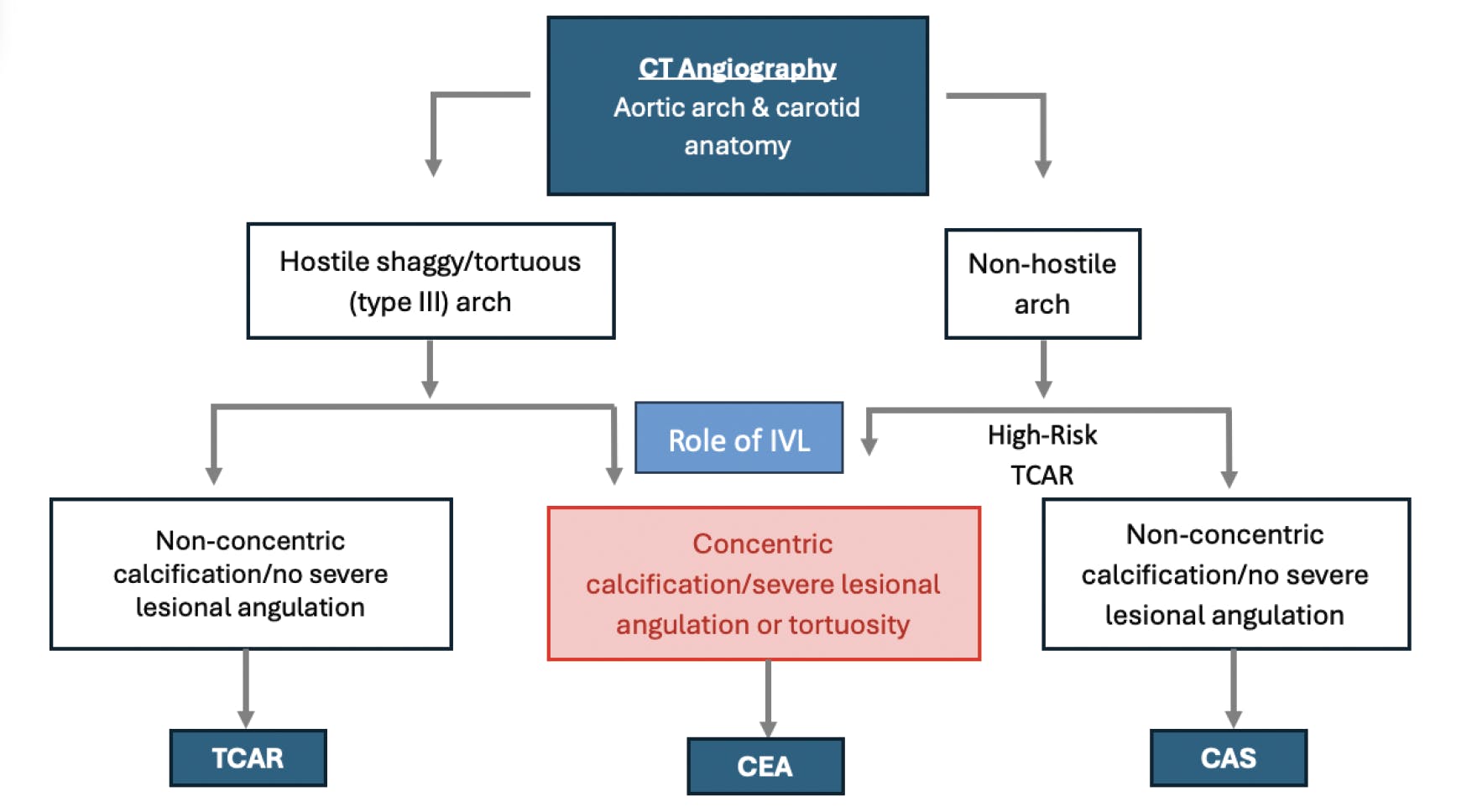
Figure 2. Anatomic assessment algorithm at Gates Vascular Institute developed by Adnan Siddiqui, MD, PhD.
Dr. Gray: Assuming a “friendly” aortic arch anatomy, are TCAR and TF-CAS equivalent choices in terms of acute safety? For such a patient where does age come into the decision, if at all?
Dr. Noor: At our institution, TCAR procedures are predominantly performed by vascular surgeons, while TF-CAS is primarily managed by neuroendovascular surgeons. Both specialties demonstrate excellent safety profiles, with comparable rates of stroke, MI, and perioperative complications. Consequently, patients receive high-quality care regardless of the treating surgical team, as all surgeons are highly trained and outcomes are closely monitored. Notably, our institutional data indicate that patient age alone does not significantly impact procedural outcomes.
Dr. Siddiqui: I would say they are equally safe in this scenario.
Dr. Soukas: Older studies, including CREST, suggested fewer minor strokes with CEA (but more MIs) compared with CAS in advanced age patients, likely due to more white matter disease and subclinical dementia with reduced cerebral reserve. These patients, particularly if symptomatic, would be considered for TCAR.
That said, randomized trials (CREST, ACT-1, ACST-2, SPACE-2) demonstrated similar 30-day stroke/death/MI rates, with more favorable results for CAS observed in the SAPPHIRE trial. Several registries have shown similar results between CEA and TCAR. To date, there have been no RCTs comparing TCAR to CEA, CAS, or best medical therapy, making it problematic to directly compare the acute safety of TCAR to TF-CAS. Nevertheless, newer large registries of TF-CAS in high-risk patients have delivered outstanding safety outcomes. For example, the PERFORMANCE II study showed comparable 30-day all stroke (intent to treat [ITT]) rate of 1.3% compared with 1.4% for TCAR in the ROADSTER trial, 1.9% in ROADSTER 2, 0.9% in ROADSTER 3, and 1.4% in the ACT I study comparing CEA to CAS. Moreover, there were no major strokes, neurologic deaths, or stent thromboses. PERFORMANCE II employed a 3-in-1 closed-cell stent and an integrated postdilation balloon and a 40-µm distal embolic filter. Similarly, the C-GUARDIANS 30-day stroke (ITT) rate was only 0.95%, using a nitinol open-cell stent with a polyethylene terephthalate micromesh with 150- to 180-µm pore size. Thus, modern TF-CAS with IEP and micronet mesh stents offer equivalent safety with TCAR.
Dr. Gray: Which patients are ideally treated with medical management alone?
Dr. Noor: As a vascular surgeon, I have come to fully appreciate the critical importance of risk factor identification, management, and optimization in the treatment of vascular disease. Comprehensive medical management remains the cornerstone of care, essential for improving postoperative outcomes and reducing the risk of vascular events throughout the body. In current practice, it is uncommon to offer medical therapy alone to symptomatic patients with > 50% stenosis or those with carotid stenosis > 80%, provided they have a good quality of life and a life expectancy > 1 year. Age or comorbidities such as chronic obstructive pulmonary disease or congestive heart failure alone are insufficient criteria to exclude patients from intervention. Notably, TCAR, CEA, and TF-CAS can all be performed under local anesthesia and sedation, significantly reducing perioperative risk.
Dr. Siddiqui: We medically manage symptomatic patients whose life expectancy is < 2 years and/or have a stenosis < 50% (without recurrent symptoms on maximal medial therapy) and asymptomatic patients whose life expectancy is < 5 years and/or have a stenosis < 70%.
Dr. Soukas: In general, patients with severe medical comorbidities such as advanced cardiac, pulmonary, renal, liver disease, malignancy, advanced dementia, frailty, large neurologic deficits, and life expectancy < 2 years should be managed medically. Additionally, those patients with severe circumferential calcium, prior neck radiation, bleeding diathesis, or inability to comply with required antiplatelet therapy should be treated medically.
Dr. Gray: Is there a mechanism for interdisciplinary decision-making at your institution? Do you find it useful? How often is a consensus achieved on one (or more) approaches to a specific patient?
Dr. Soukas: We do not yet have a formal interdisciplinary decision-making mechanism at our institution.
Dr. Siddiqui: Yes, we have a weekly cerebrovascular peer-review conference attended by vascular neurology, vascular surgery, neurosurgery, and neuroendovascular intervention. All prospective cases are presented individually for consensus-based treatment decision-making as well as consideration (screening) for enrollment in ongoing trials. We work through consensus, which is achieved in over 90% of the cases.
Dr. Noor: At Gates Vascular Institute, a structured mechanism exists to facilitate interdisciplinary decision-making for carotid interventions. Although vascular surgery and neuroendovascular teams conduct independent departmental meetings, complex cases are routinely presented at the neuroendovascular conference for comprehensive review. This collaborative approach ensures that all therapeutic options are considered, allowing the team to select the most appropriate intervention for each patient. In select cases, both specialties may participate jointly in the procedure to optimize outcomes. Consensus is typically achieved through this multidisciplinary process, with both surgical teams present when warranted by the clinical scenario.
Dr. Gray: Tell us about your discussion with the patient and how you bring them into the decision as to the therapy that’s right for them. How do you handle instances where your opinion isn’t in alignment with the preference of the patient?
Dr. Siddiqui: I have a very formulaic approach to these patient discussions. First, I present the data that we have from RCTs for asymptomatic or symptomatic disease. Then, I present the comparative effectiveness of various strategies, such as higher MIs following CEA and higher stroke following CAS. I then introduce TCAR and share the data from the ROADSTER trials and follow with the most recent data from the PERFORMANCE and C-GUARDIANS trials. Subsequently, I describe how I decide on treatment approach based on the aforementioned algorithm. At this point, I review their imaging to explain my rationale for a particular modality. Finally, I present the procedure, recovery, and risk for all modalities sequentially, including medical therapy alone. Thereafter, I ask the patient for their decision.
Provided that the patient doesn’t violate my main considerations such as doing a stent (via TCAR or TF-CAS) approach in severely angulated ICA lesions, I am happy to perform any of the three options based on patient preference.
Dr. Noor: Optimal management of carotid artery disease begins with comprehensive medical therapy, emphasizing lifestyle modification—including adherence to a Mediterranean diet, regular exercise, weight reduction, and smoking cessation. Smoking remains a significant challenge due to its addictive nature; however, persistent counseling may facilitate reduction or cessation over time. Pharmacologic management targeting hyperlipidemia, diabetes, hypertension, and antiplatelet therapy (eg, aspirin) is essential, with a strong emphasis on patient compliance.
In clinical discussions, asymptomatic patients with < 70% carotid stenosis are generally managed with medical therapy alone. For those with > 70% stenosis, further evaluation includes assessment of plaque morphology, contralateral carotid disease, and prior MRI evidence of embolic stroke. Patients with high-risk plaque features or stenosis exceeding 80% are considered at elevated risk for stroke; notably, the Oxford Vascular Study demonstrated a 5-year stroke risk of 15% to 18% in this population despite optimal medical management.
Treatment options—including TCAR, CEA, and TF-CAS—are discussed in detail with patients, considering individual risk profiles, life expectancy, and procedural risks and benefits. Shared decision-making is prioritized, and multidisciplinary review is pursued for complex cases, ensuring that each patient receives the most appropriate and evidence-based intervention available.
Patients are increasingly well-informed about carotid revascularization options, often expressing strong preferences for specific procedures such as TCAR or CEA, influenced by personal research or the experiences of acquaintances. In these situations, I prioritize shared decision-making with open and transparent communication, engaging in detailed discussions to align the most appropriate intervention with each patient’s clinical profile. When patient preferences differ from my clinical recommendation, I provide a thorough explanation of my rationale, which typically facilitates consensus and shared decision-making regarding the optimal therapeutic approach.
Dr. Soukas: We spend a great deal of time educating the patient on the natural history of carotid disease and treatment options for truly shared decision-making, following the Centers for Medicare & Medicaid Services (CMS) guidelines. We review the risks and benefits of each treatment option, with an emphasis on the medical and anatomic conditions that impact the choice of revascularization.
CEA is recommended for elderly patients with complex disease or dense calcification, especially if symptomatic, with adverse anatomy for TF-CAS or TCAR. TCAR is favored for symptomatic patients with adverse arch or vessel anatomy for TF-CAS, those with hostile groins, inability to lay flat, or severe anxiety requiring sedation. TF-CAS is favored in patients with significant medical comorbidities, prior neck surgery or radiation, CEA restenosis, CCA lesions, high/low lesions, and for most routine cases.
When patients don’t agree with our opinion, they are provided with the contact information of other local experts in carotid disease and are encouraged to get a second opinion.
Dr. Gray: Newer TF-CAS options are not represented in the past landmark trials randomizing CAS to CEA, and TCAR lacks any randomized data. How does this affect your ability to weigh modern platforms?
Dr. Soukas: As I mentioned earlier, the prior landmark randomized trials of CEA versus CAS, including CREST, ACT-1, ACST-2, and SPACE-2, demonstrated similar stroke/death/MI rates, with more favorable results for CAS in the SAPPHIRE trial and equivalent long-term protection from stroke. These results were obtained despite the use of first-generation devices, significant coverage restrictions, and most CAS operators being early in their learning curve. The CREST-2 registry illustrated the critical importance of operator experience, showing a 30-day stroke rate of only 1.2% in CREST-2–ineligible patients, and 0.4% in CREST 2–eligible asymptomatic patients.
With each innovation there has been a remarkable reduction in the risk of stroke with TF-CAS high-risk registries, beginning with proximal embolic protection (EMPIRE, ARMOUR), allowing for all steps of the procedure to be performed with protection, and without limitation to embolic size or distal ICA vessel tortuosity. DWI has confirmed reduced number and size of new lesions. The introduction of micromesh stents has also led to further reductions in stroke rates (ROADSAVER, CARANET, SCAFFOLD, C-GUARDIANS) by maximizing scaffolding and plaque coverage, while minimizing plaque protrusion and embolization.
The latest large TF-CAS studies of high-risk patients, PERFORMANCE II and C-GUARDIANS, demonstrated extraordinarily low 30-day stroke/death/MI rates of < 1%.
Finally, the advent of IVL for vessel prep of more severely calcified lesions may allow for improved vessel prep, stent expansion, and reduced restenosis rates, while allowing more high-risk patients to be treated with stenting. The TF-CAS and TCAR studies being launched by Shockwave Medical are expected to begin enrollment in early 2026.
Dr. Siddiqui: I’m not dogmatic about excluding all nonrandomized data from my evidence-based medical decision-making. The FDA-approved regulatory investigational device exemption studies are held to a much higher standard than simple retrospective or prospective, single-arm trials or case series including randomized varieties. They all require an independent imaging core and neurologic evaluation. These data, while not randomized, are highly useful. Therefore, I believe that TCAR is an excellent alternative for CEA, as I believe TF-CAS with newer-generation carotid stent platforms are equally effective as compared with CEA and TCAR.
Dr. Noor: As the field of carotid revascularization evolves, it is essential for clinicians to remain adaptable and open-minded in evaluating emerging evidence and procedural innovations. Although no RCTs directly compare TCAR, CEA, and TF-CAS, clinical decision-making should be informed by case complexity and provider-specific outcomes. Maintaining proficiency in multiple revascularization techniques enables clinicians to individualize patient care and optimize outcomes. Acceptable thresholds for periprocedural stroke and death are generally considered to be 2% for asymptomatic patients and approximately 4% for symptomatic patients. When uncertainty arises regarding the optimal approach, interdisciplinary consultation—either within the same specialty or across specialties—has proven highly effective at our institution, supporting continued growth and quality improvement in our carotid intervention program.
Dr. Gray: How do modern advances in imaging and other testing affect patient selection versus, say, 10 years ago?
Dr. Noor: Recent advances in carotid imaging have significantly enhanced our ability to characterize plaque morphology and assess stroke risk. Contemporary studies utilizing Doppler ultrasound now incorporate detailed plaque analysis, including parameters such as gray scale median values below 15, juxtaluminal black areas exceeding 8 mm2, and total plaque area > 80 mm2. Additional risk factors, such as a history of contralateral stroke or occlusion and positive transcranial Doppler (TCD) findings, further inform clinical decision-making. Moreover, the detection of silent cerebral emboli on CT and MRI, particularly DW-MRI, has expanded our understanding of subclinical disease burden and its potential correlation with cognitive decline, beyond the traditional assessment of overt stroke events.
Dr. Siddiqui: I think the availability of high-quality CTA of the head and neck with thin-cut images and perfusion imaging has been transformative for decision-making. I also routinely use intravascular ultrasound to evaluate for post-stenting plaque prolapse before releasing the flow reversal. Although not part of my usual armamentarium because of fluoroscopic interference and the requirement for general anesthesia for reliable signals during the procedure, I think TCD imaging is a highly effective measure of distal embolization. Further, preprocedurally, TCD imaging may identify high-risk asymptomatic disease with silent emboli as well as assess the cerebrovascular reserve with the breath-holding index. Finally, MRI and MRA with bold imaging can identify plaque hemorrhage as well as describe the frailty of the end organ—the brain.
Dr. Soukas: Naylor et al examined features associated with increased risk in individuals with asymptomatic disease, who represent most patients we encounter in our daily practices. They demonstrated that spontaneous hits on TCD or predominantly echolucent plaque with 70% to 99% stenosis was a strong predictor of stroke risk (odds ratio, 10.61).1 MRI has also shown increased risk in patients with silent infarction, intraplaque hemorrhage, and lipid-rich necrotic core. Patients with these characteristics probably should be considered for revascularization. The CMS mandate for both duplex ultrasound and CT/MRI is a key factor in deciding which type of revascularization is favored for a given patient.
Dr. Gray: Including CREST-2 but also looking ahead to future trials, what specific questions related to patient selection do you most hope to see answered in a clinical trial setting?
Dr. Soukas: We look forward to CREST-2 to help determine the role of optimal medical therapy in asymptomatic individuals as a stand-alone treatment versus when combined with revascularization. The Oxford Vascular Study showed the importance of stenosis severity as it pertains to stroke risk. The 5-year ipsilateral stroke risk was 0% in patients with 50% to 69% stenosis, 14.6% with 70% to 99% and 18.3% in patients with 80% to 99% stenosis severity. It will be instructive to see stroke rates stratified according to lesion severity in CREST-2.
TCAR has been adopted by many surgeons as the preferred method of carotid revascularization despite no randomized data comparing it to medical therapy, CEA, or TF-CAS. There is a scientific imperative to perform such a trial now that there exists clinical equipoise with independent neurologic assessments, routine MI screening, and inclusion of high-surgical-risk subjects.
Dr. Noor: A direct, head-to-head comparison of all carotid revascularization modalities is unlikely, as such a study would require an exceptionally large sample size—potentially 60,000 patients per arm—and a prolonged follow-up period of 5 to 10 years, resulting in substantial financial and logistical challenges. Given that the differences in outcomes between modalities are often small, such a trial would be difficult to justify. Future research should focus on differentiating degrees of stenosis in asymptomatic patients, evaluating plaque morphology as a risk factor for stroke, and identifying optimal medical therapy in real-world settings. Additionally, advanced imaging techniques, such as DW-MRI and TCD, may provide valuable endpoints beyond stroke incidence alone.
Dr. Siddiqui: I believe that CREST-2 will clarify which asymptomatic patients should and should not be treated, but I don’t believe it will help decide which interventional modality is best for treatment.
These randomized trials are critical for our understanding, but if we continue to use 19th century criteria for definition of stroke for diagnosing embolic burden, performing additional trials will be prohibitively protracted and expensive. Instead, if we use DW-MRI as a biomarker for embolic burden from the procedure, we can perform rigorous, efficient, and cost-effective trials to clearly define the best choices for patients. Further, these can be kept in sync with iterative improvements in technology.
Dr. Gray: What are the best next steps toward establishing multidisciplinary guidance for patient and therapy selection in carotid revascularization?
Dr. Soukas: Establishment of randomized trials of TCAR to optimal medical therapy, CEA, and TF-CAS are needed to address the knowledge gap that exists in guiding patient and therapy selection in carotid revascularization. A multidisciplinary clinic or conference to review patient cases, like the heart team approach to structural or coronary disease, would be a logical next step on a local level, while societal collaboration, such as the Society for Cardiovascular Angiography and Interventions (SCAI) Carotid Artery Stenting Think Tank in 2024, would offer consensus on a national level. SCAI is currently sponsoring a multidisciplinary working group to establish a formal curriculum to ensure uniform cognitive proficiency and technical training with the goal of providing education for appropriate patient selection, counseling, procedural safety, quality metrics and outcomes assessment.
Dr. Siddiqui: I really like our model of presenting all prospective cases in a multidenominational, multidisciplinary setting in the presence of research staff, fellows, and residents to present discuss and decide. In my experience, when you share that discussion and decision with the patient, they feel empowered to have the wisdom of many in their care and decision-making.
Dr. Noor: The collaborative model established at Gates Vascular Institute, inspired by the leadership of Dr. Nick Hopkins, emphasizes the value of multidisciplinary case discussions and collegial interaction, also known as “Collisions and Collaboration!” Regular engagement among accomplished physicians fosters continuous learning and improvement, ultimately enhancing patient care. Multidisciplinary rounds and shared clinical guidance not only contribute to better clinical outcomes but also provide a safeguard against adverse events and medicolegal risk. Although such an environment is not universal across hospital systems, our institution has made significant progress in cultivating mutual trust and respect among colleagues, resulting in a culture of collaboration that benefits both patients and providers.
1. Naylor AR, Ricco JB, de Borst GJ, et al. Editor’s choice—management of atherosclerotic carotid and vertebral artery disease: 2017 clinical practice guidelines of the European Society for Vascular Surgery. Eur J Vasc Endovasc Surg. 2018;55:3-81. doi: 10.1016/j.ejvs.2017.06.021
Disclosures
Dr. Gray: Consultant to Contego, Medtronic, Boston Scientific, InspireMD, Cordis, Shockwave, Philips, ReValve, Edwards LifeSciences, Perdix, VivaSure, and Conformal.
Dr. Noor: Consultant to Boston Scientific Corporation, Abbott, Cordis, Asahi, and Endologix.
Dr. Siddiqui: Financial interest/investor/stock options/ownership in InspireMD, Silk Road Medical; consultant/advisory board for Boston Scientific, Cordis, InspireMD, Medtronic, MicroVention, and Silk Road Medical.
Dr. Soukas: Receives research support from Amplitude Vascular Systems, BD, Boston Scientific, Contego Medical, Cordis, Endologix, Inquis Medical, InspireMD, National Institutes of Health, Penumbra, Philips, R3 Vascular, Reva Medical, Shockwave Medical, Gore & Associates; consultant to Boston Scientific, Contego Medical, Cordis, Endologix, Shockwave Medical, and Gore & Associates.
Advertisement
Advertisement
