Advertisement
Advertisement
September 2025 Supplement
Sponsored by Cagent Vascular
Advancing Pedal Interventions With Serration Angioplasty

On the heels of new inframalleolar reimbursement codes and a recent study highlighting superior patient outcomes, Dr. Watts provides some insights from his experience treating pedal artery lesions.
What prompted you to use the Serranator® PTA Serration Balloon Catheter (Cagent Vascular) in pedal interventions?
Pedal vessels are often heavily calcified and represent the last chance at limb salvage in many critical limb ischemia patients. I found that wherever angioplasty might work, serration angioplasty often works better. The Serranator allows us to tackle challenging lesions with more predictable lumen gain and fewer complications. It’s become a go-to tool for us in this space, as the data we collected have shown excellent technical results and wound healing outcomes.
How do you approach safety when working below the ankle?
I rely on a low and slow inflation—typically 4 atm for 60 seconds, then 6 atm for 60 seconds. That gentle approach, combined with the Serranator’s point-force mechanism, creates controlled expansion without dissection or perforation. I use IVUS (intravascular ultrasound) routinely to confirm sizing and plaque morphology. With this strategy, we’ve seen consistently safe and effective results in pedal arteries.
Can you share a recent success using the Serranator?
I used the 2.0- X 120-mm Serranator SL Pro to access and treat a long, occluded and calcified lateral plantar artery (Figure 1 and Figure 2). The Serranator SL Pro was able to navigate tight spaces with control and safely open the artery without any recoil or dissection (Figure 3, Figure 4, and Figure 5). The patient’s rest pain resolved quickly, and within 4 weeks, the wound was almost completely healed (Figure 6). This was a clear demonstration of how restoring pedal flow changes outcomes.
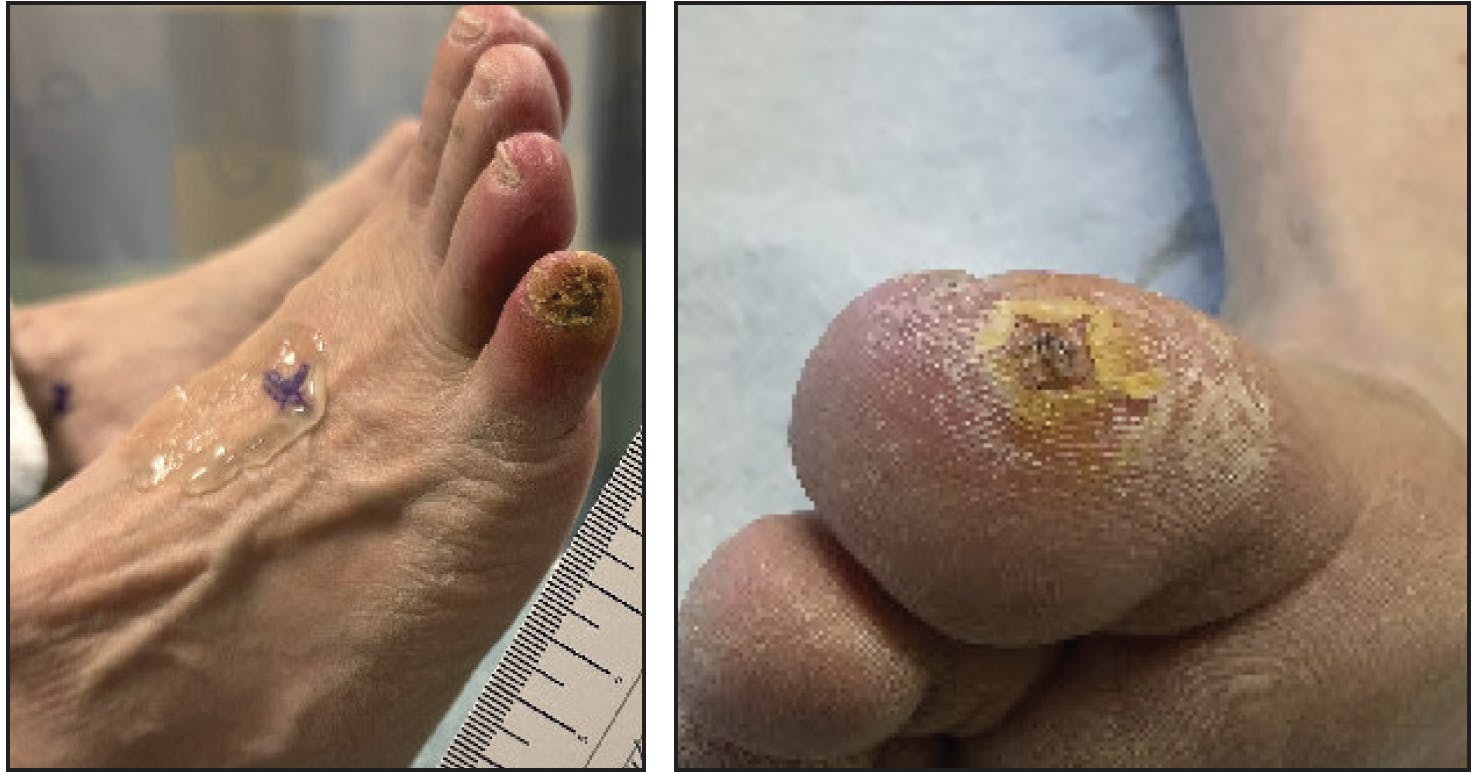
Figure 1. A diabetic man in his late 60s with painful ulcerations of his right first and fifth toes.
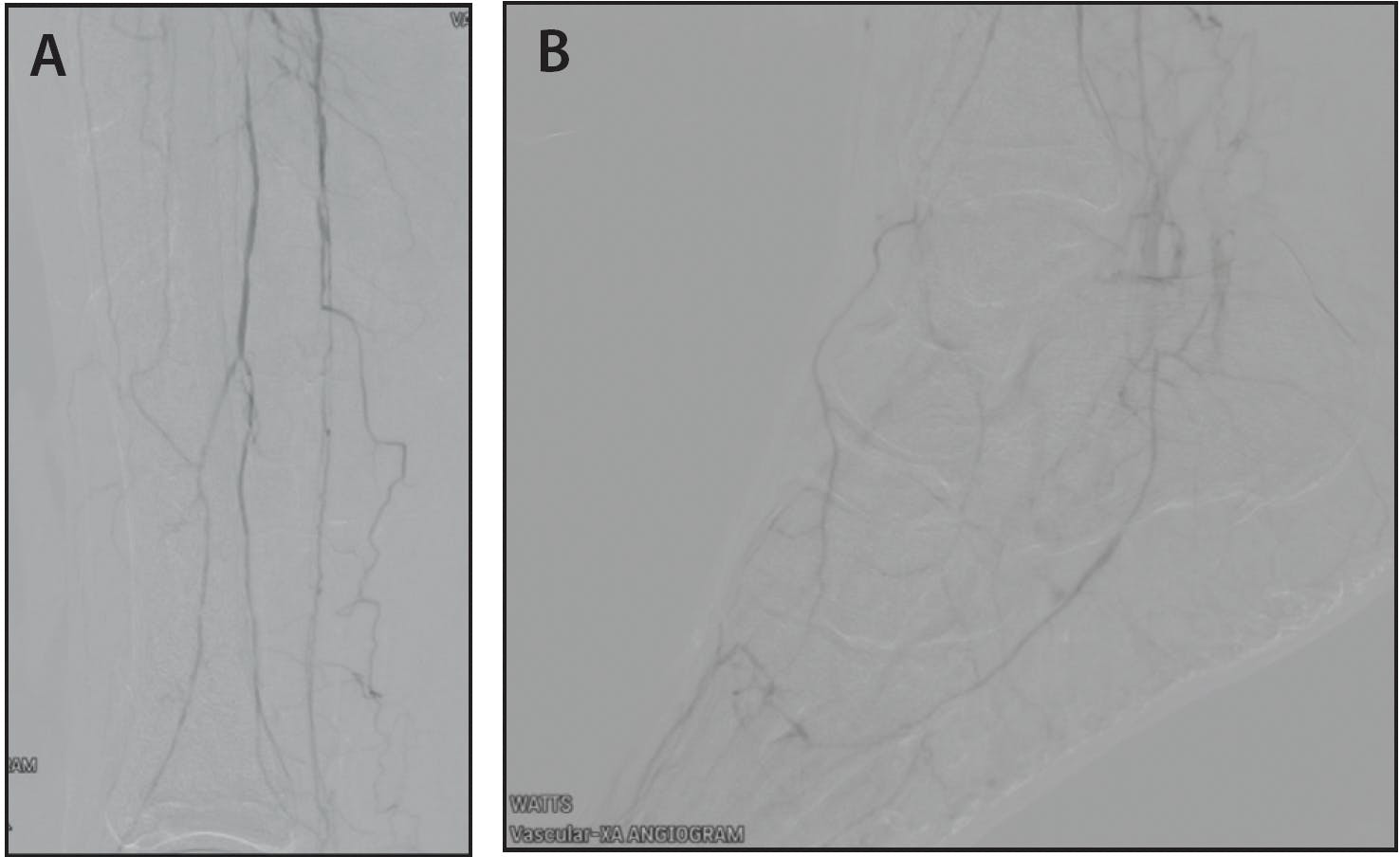
Figure 2. Significant tibial artery occlusions were noted with only intact peroneal artery flow to the ankle (A). There was a patent lateral plantar artery on significantly delayed imaging (B).
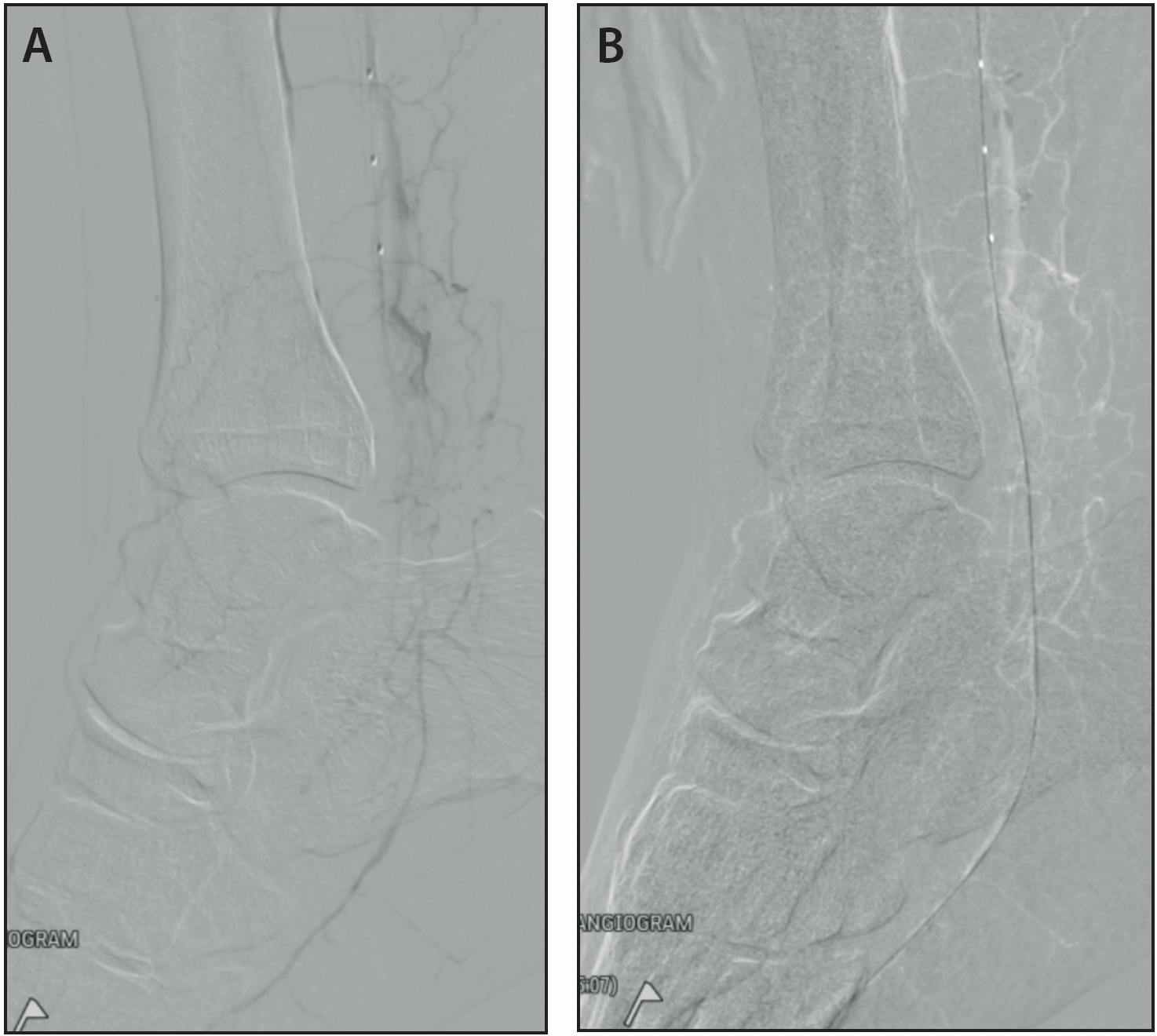
Figure 3. A wire was advanced across the distal posterior tibial and common plantar artery occlusions (A, B).
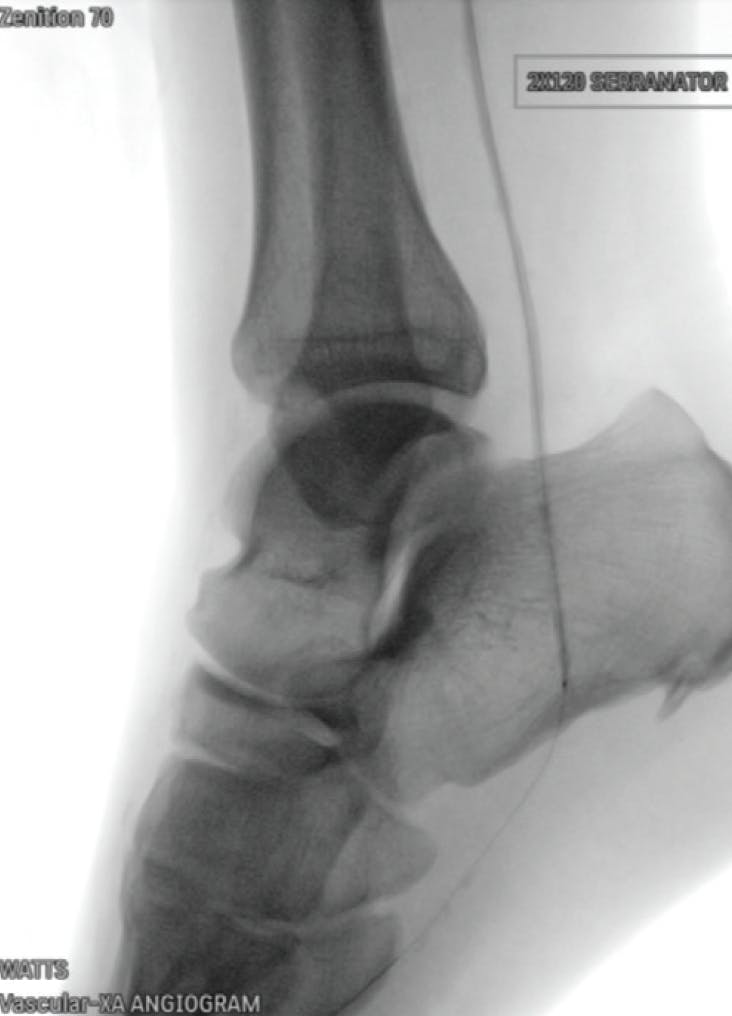
Figure 4. A 2.0- X 120-mm Serranator SL-Pro was advanced beyond the occlusion. Prolonged serration angioplasty was completed.
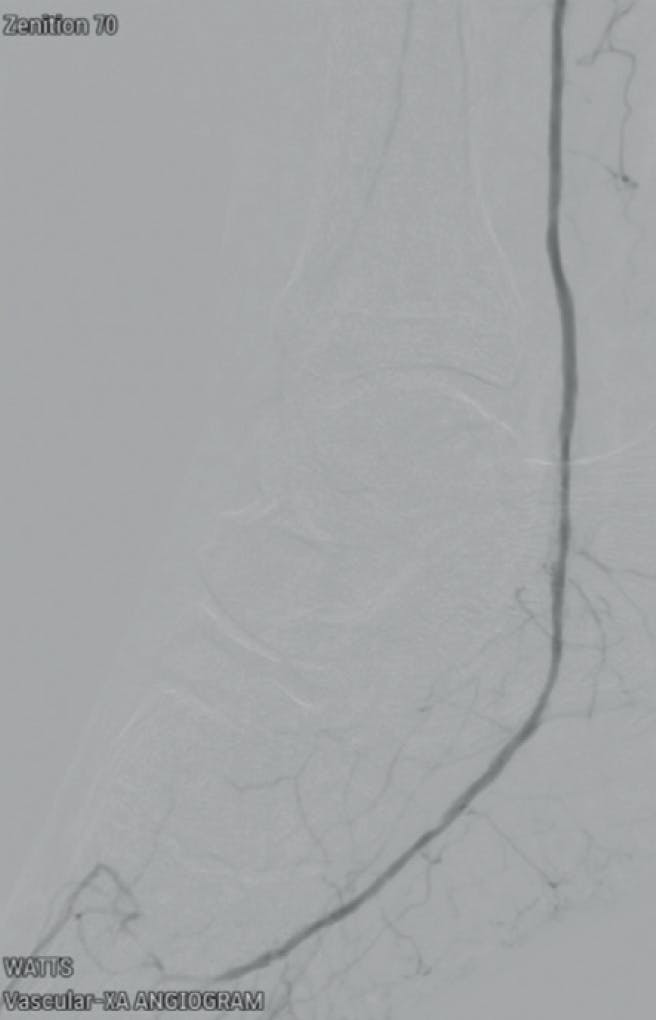
Figure 5. Serranator angioplasty resulted in brisk inline flow to the lateral plantar artery. Delayed images showed significantly improved filling of the inframalleolar arteries.
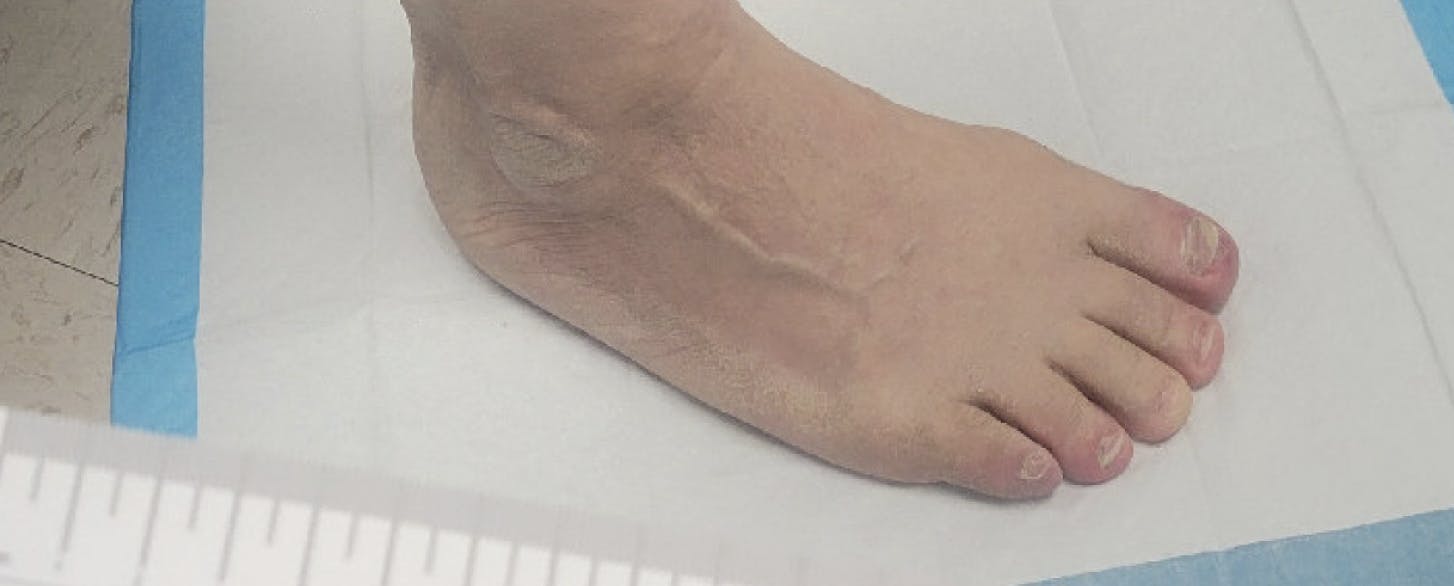
Figure 6. Within 6 weeks, the patient had complete resolution of his ulcerations, ischemic discoloration, and rest pain.
What advice would you give to clinicians hesitant to treat pedal arteries?
I understand the hesitation—these are small, delicate vessels. However, the data support improved limb salvage and wound healing when pedal arteries are successfully revascularized. With a tool like the Serranator, we can treat these arteries with precision, minimal trauma, and real durability. If you can wire it, you can—and probably should—treat it.
Please describe your initial experience with Serranator.
I was a very early adopter of Serranator. After I started using it, I was completely convinced of its superiority to existing technologies. It became known across the vascular interventional community that I was a frequent user of Serranator below the ankle, and I was recommending it constantly. At that point, it was an additional expense with little data to back it up except for my anecdotal experiences. I felt extremely vindicated when the pedal study was published. The data below the ankle were very similar to the previously published PRELUDE BTK data showing 93.3% freedom from clinically driven target lesion revascularization at 6 months, no perforations or embolization, and 89% wound healing at 5 months.1 Hopefully, people now realize how good my advice was!
1. Holden A, Lichtenberg M, Nowakowski P, et al. Prospective study of serration angioplasty in the infrapopliteal arteries using the Serranator device: PRELUDE BTK study. J Endovasc Ther. 2022;29:586-593. doi: 10.1177/15266028211059917
Advertisement
Advertisement