Advertisement
Advertisement
September 2025 Supplement
Sponsored by Cagent Vascular
Recoil, Dissection, and Restenosis in Below-the-Knee Arteries After Standard Balloon Angioplasty
Tools and techniques for addressing current challenges in the treatment of peripheral artery disease.
The latest Global Burden of Disease Study report shows that the total number of people with peripheral artery disease (PAD) has increased globally from 1990 to 2019.1 Chronic limb-threatening ischemia (CLTI) is the most severe manifestation of PAD, defined by critical hemodynamic status responsible for ischemic rest pain, nonhealing chronic ulceration (> 2 weeks of duration), or foot gangrene.2 CLTI is commonly encountered in the tibiopedal vessels located below the knee (BTK), where surgical or endovascular treatments can be particularly challenging.
In BTK vessel recanalization, dissection is a severe problem after endovascular therapy, with an incidence varying from 5.9% to 30.7% (8 times more dissections detected on intravascular ultrasound vs angiography).3-5
One approach to treat post–balloon angioplasty dissection is to compress the separated intima using a slightly oversized balloon at low pressures with long inflation duration (≥ 3 minutes). Data show that severe dissections (type C or higher) in femoropopliteal (FP) lesions were observed less frequently after prolonged balloon dilation (> 3-minute inflation group: 22.7% vs 50.9%; P < .001),6 and also immediate improvements in angioplasty in infrainguinal lesions were seen with 3-minute balloon inflation versus a short dilation strategy.7 Furthermore, long versus short balloons may also affect the occurrence of dissections in the FP segment.8 It has been shown that severe vessel dissection patterns (type C or higher) were fewer and shorter when using a long balloon after balloon angioplasty.7
CUTTING, SCORING, AND MINIMAL TRAUMA BALLOONS
Given the challenges, dissections likely require additional treatment approaches, as they have been associated with reduced patient health outcomes. Long lesions with limited calcification and small diameter are more prone to dissection, and specialty balloons may limit the rates of dissection and bailout stenting.8,9 There are three categories of specialty balloons that can be used: cutting balloons, scoring balloons, and minimal trauma balloons. Cutting balloons include very sharp metal blades at their surface for cutting the atherosclerotic plaque at a specific location. Scoring balloons have wires or polymer running over them, which significantly increase the pressure at specific points associated with precise rupture of the plaque—these have shown success in above-the-knee lesions, but further studies are needed to confirm the results obtained in small studies. Minimal trauma balloons can be encased in a nitinol cage, creating a series of grooves and pillows that limit the propagation of dissection into the vessel wall (eg, Chocolate PTA balloon, Medtronic). In this last case, the cage enables the balloon to dilate in a controlled manner, reducing overinflation and torsion that can promote dissection (Figure 1).9
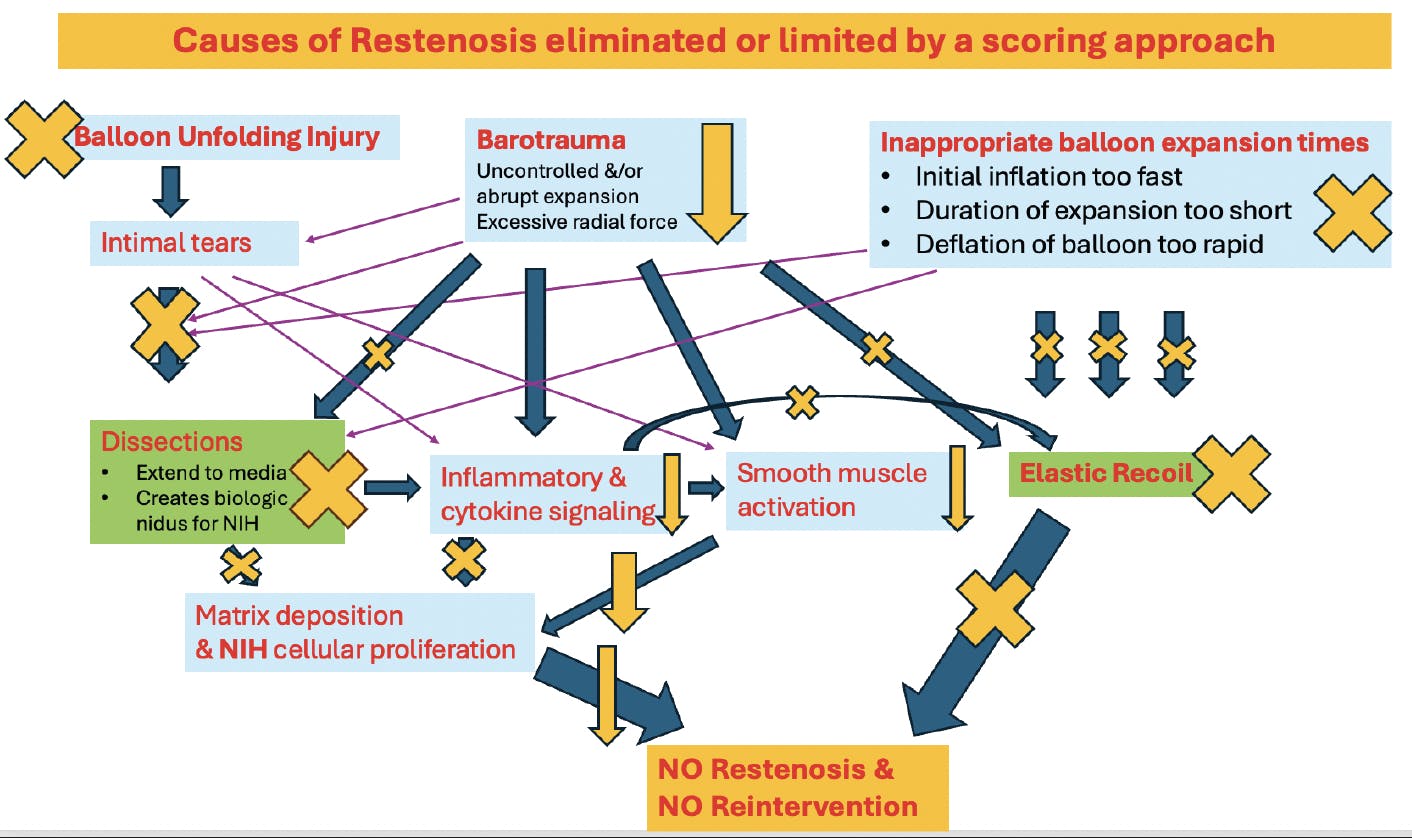
Figure 1. Scoring approach prevents restenosis. NIH, neointimal hyperplasia.
DISSECTION, Recoil, AND RESIDUAL STENOSIS
Dissection and residual stenosis occur acutely after balloon angioplasty.6 As such, vessel preparation can optimize endovascular therapy, particularly when planning to use a drug-coated balloon (DCB).10 With that in mind, the goal of vessel preparation is to remove blocks for local drug delivery, avoiding drug loss on the way to the lesion, ensuring that a 1:1-sized DCB does not dissect the vessel, maximizing DCB expansion and vessel contact. Most operators use an aggressive lesion preparation strategy in an effort to “leave nothing behind” to create a functional lumen with the least amount of injury to the arterial wall. Currently, there’s an arsenal of tools to address these needs, including an increasing array of guidewires and support catheters, atherectomy, and intravascular lithotripsy (IVL).10 In simple lesions, atherectomy vessel preparation techniques are occasionally used as standalone definitive techniques, but they are usually followed by the use of more advanced therapies such as DCBs.10 Each device has important applications in the treatment of complex lesions, and the decision to use a given device should be based on the perceived complexity of the lesion, the presence and extent of calcium, and the final goals of the therapy.
Of course, the choice of vessel preparation depends on the type of lesion.9 As such, the presence of heavily eccentric calcification requires vessel lumen debulking using atherectomy or IVL devices.9 For example, in a severely calcified BTK lesion, where even the crossing support catheter and a small-size balloon are unable to traverse the lesion, the atherectomy device can prove invaluable.11,12 A recent single-center, non–industry-sponsored study showed that rotational atherectomy–assisted balloon angioplasty (BTK-RA) in CLTI BTK patients had significantly higher primary patency rates, target lesion revascularization, and lower in-hospital stay compared to the plain old balloon angioplasty (POBA) group.13 Significant differences were found in minor amputation rates between the two groups (P < .001), while the respective limb salvage rates were similar in both groups.13 This study showed that the use of BTK-RA for the treatment of BTK lesions in patients with CLTI adds clinical advantages compared to POBA alone. In relation to IVL devices, a subgroup analysis of the Disrupt PAD III trial demonstrated a 99% success rate for achieving residual stenosis of < 50%, with an average residual stenosis of 23.3% ± 12.5% and no flow-limiting dissections requiring adjunctive therapy in the IVL group compared to standard of care.14 This subanalysis of the PAD III observational study represents the largest IVL treatment of heavily calcified BTK lesions in a "real-world" patient cohort, and current ongoing studies will soon better define the role of IVL in BTK PAD.14
RECOIL MANAGEMENT
During balloon angioplasty, the elastic and muscle fibers undergo stretching. As such, if the force exerted by the balloon exceeds the vessel wall elasticity, plastic deformation occurs, and the artery will therefore not return to its former size.15,16 Furthermore, infrapopliteal arteries are commonly severely calcified, with calcium being unequally distributed among the arterial wall layers, altering the elastic properties of the artery.3,4,17,18 Also, because the tibial and pedal arteries are usually chronically occluded and underfilled, a challenge in the revascularization procedure is vessel size assessment and balloon undersizing, given that in different types of arteries, the degree of recoil was found to be directly related to the balloon-to-artery ratio.18-20 It is now known that early recoil is highly prevalent in CLTI patients, with an incidence up to 97%, and that within 15 minutes after angioplasty alone, early elastic recoil can result in a mean lumen diameter decrease of 29%.21
Repeat angioplasty in cases of initial recoil should ideally be with a larger balloon for an extended duration of time.7 In addition, the use of serration angioplasty in infrapopliteal PAD seems to produce substantially less arterial recoil versus POBA and an adequate lumen gain.22,23 The idea with a serration balloon is to dissipate the energy from the inflating balloon through the creation of channels that allow more predictability and control of the lumen expansion. A multicenter, sequential comparative study included patients with de novo or restenotic lesions of infrapopliteal arteries up to 22 cm in length and showed that arterial recoil (> 10%) occurred in fewer patients (25% of serration-treated lesions vs 64% in POBA-treated lesions; P = .02).23 Moreover, after serration angioplasty, clinically relevant recoil (> 30%) was present in only 10% of the patients compared to 53% in POBA-treated group (P = .01).22
FUTURE DIRECTIONS
There are also new concepts for reducing recoil, such as intra-arterial administration of iloprost, a prostacyclin mimetic, after balloon angioplasty of BTK vessels in CLTI, but more data are needed to corroborate this finding.24 A novel retrievable scaffold therapy delivered via Spur peripheral retrievable scaffold system (Reflow Medical) showed that out of the 38 patients treated, recoil of tibial vessels was present in only 42.5% of the vessels, with 86.7% of vessels (26/30) patent at 6-month follow-up—although no significant difference in patency was found between lesions with recoil and lesions without recoil at 6 months (81.8% vs 89.5%).25 This new retrievable scaffold therapy was also combined with sirolimus-coated balloon angioplasty to treat infrapopliteal artery lesions, showing negligible acute vessel recoil in 26% of the patients.26 Both studies showed promise to reduce vessel recoil using a new interventional concept, such as using a temporary retrievable scaffold that can change vessel compliance and potentially allow the direct release of antiproliferative drugs to the lesion itself, which has proven challenging in the absence of a stent platform that facilitates vessel wall transfer. Just like with dissection and residual stenosis, research in vessel recoil after balloon angioplasty is urgently needed. We still don’t understand the pathophysiology of phenotypic modulation of smooth muscle cells (SMCs) in CLTI patients, and identifying the genes associated with various SMC subphenotypes offers a potential for therapeutically targeting SMC phenotypic switching after angioplasty.
At this point, the need to integrate modern technologies into clinical routine seems mandatory to gain more favorable outcomes in these severely diseased patients and reduce the morbidity and mortality that ensues (Figure 1).
1. Kim MS, Hwang J, Yon DK, et al. Global burden of peripheral artery disease and its risk factors, 1990-2019: a systematic analysis for the Global Burden of Disease Study 2019. Lancet Glob Health. 2023;11:e1553-e1565. doi: 10.1016/S2214-109X(23)00355-8
2. Mazzolai L, Teixido-Tura G, Lanzi S, et al. 2024 ESC guidelines for the management of peripheral arterial and aortic diseases. Eur Heart J. 2024;45:3538-3700. doi: 10.1093/eurheartj/ehae179
3. Razavi MK, Mustapha JA, Miller LE. Contemporary systematic review and meta-analysis of early outcomes with percutaneous treatment for infrapopliteal atherosclerotic disease. J Vasc Interv Radiol. 2014;25:1489-1496,1496.e1-3. doi: 10.1016/j.jvir.2014.06.018
4. Mustapha JA, Diaz-Sandoval LJ, Saab F. Infrapopliteal calcification patterns in critical limb ischemia: diagnostic, pathologic and therapeutic implications in the search for the endovascular holy grail. J Cardiovasc Surg (Torino). 2017;58:383-401. doi: 10.23736/S0021-9509.17.09878-0
5. Guzman RJ, Brinkley DM, Schumacher PM, et al. Tibial artery calcification as a marker of amputation risk in patients with peripheral arterial disease. J Am Coll Cardiol. 2008;51:1967-1974. doi: 10.1016/j.jacc.2007.12.058
6. Horie K, Tanaka A, Taguri M, et al. Impact of prolonged inflation times during plain balloon angioplasty on angiographic dissection in femoropopliteal lesions. J Endovasc Ther. 2018;25:683-691. doi: 10.1177/1526602818799733
7. Zorger N, Manke C, Lenhart M, et al. Peripheral arterial balloon angioplasty: effect of short versus long balloon inflation times on the morphologic results. J Vasc Interv Radiol. 2002;13:355-359. doi: 10.1016/s1051-0443(07)61736-9
8. Sato Y, Morishita T, Tan M, et al. Prediction of technical failure of inframalleolar angioplasty in patients with chronic limb threatening ischaemia. Eur J Vasc Endovasc Surg. 2022;63:852-863. doi: 10.1016/j.ejvs.2022.03.040
9. Saucy F, Probst H, Trunfio R. Vessel preparation is essential to optimize endovascular therapy of infrainguinal lesions. Front Cardiovasc Med. 2020;7:558129. Published online September 23, 2020. doi: 10.3389/fcvm.2020.558129
10. Beckman JA, Schneider PA, Conte MS. Advances in revascularization for peripheral artery disease: revascularization in PAD. Circ Res. 2021;128:1885-1912. doi: 10.1161/CIRCRESAHA.121.318261
11. Davis T, Ramaiah V, Niazi K, et al. Safety and effectiveness of the Phoenix atherectomy system in lower extremity arteries: early and midterm outcomes from the prospective multicenter EASE study. Vascular. 2017;25:563-575. doi: 10.1177/1708538117712383
12. Lizwan M, Yap HY, Ch'ng JK, et al. Atherectomy in the treatment of peripheral arterial disease-a case series to demonstrate preferable indications with good outcomes and a literature review. J Clin Med. 2025;14:1437. Published online February 21, 2025. doi: 10.3390/jcm14051437
13. Pitoulias AG, Taneva GT, Avranas K, et al. Use of rotational atherectomy-assisted balloon angioplasty in the treatment of isolated below-the-knee atherosclerotic lesions in patients with chronic limb-threatening ischemia. J Clin Med. 2024;13:1346. Published online February 27, 2024. doi: 10.3390/jcm13051346
14. Adams G, Soukas PA, Mehrle A, et al. Intravascular lithotripsy for treatment of calcified infrapopliteal lesions: results from the disrupt PAD III observational study. J Endovasc Ther. 2022;29:76-83. doi: 10.1177/15266028211032953
15. Castaneda-Zuniga WR, Formanek A, Tadavarthy M, et al. The mechanism of balloon angioplasty. Radiology. 1980;135:565-571. doi: 10.1148/radiology.135.3.7384437
16. Tenaglia AN, Buller CE, Kisslo KB, et al. Mechanisms of balloon angioplasty and directional coronary atherectomy as assessed by intracoronary ultrasound. J Am Coll Cardiol. 1992;20:685-691. doi: 10.1016/0735-1097(92)90025-i
17. St Hilaire C. Medial arterial calcification: a significant and independent contributor of peripheral artery disease. Arterioscler Thromb Vasc Biol. 2022;42:253-260. doi: 10.1161/ATVBAHA.121.316252
18. Narula N, Dannenberg AJ, Olin JW, et al. Pathology of peripheral artery disease in patients with critical limb ischemia. J Am Coll Cardiol. 2018;72:2152-2163. doi: 10.1016/j.jacc.2018.08.002
19. Gardiner GA Jr, Bonn J, Sullivan KL. Quantification of elastic recoil after balloon angioplasty in the iliac arteries. J Vasc Interv Radiol. 2001;12:1389-1393. doi: 10.1016/s1051-0443(07)61694-7
20. Varcoe RL, DeRubertis BG, Kolluri R, et al. Drug-eluting resorbable scaffold versus angioplasty for infrapopliteal artery disease. N Engl J Med. 2024;390:9-19. doi: 10.1056/NEJMoa2305637
21. Baumann F, Fust J, Engelberger RP, et al. Early recoil after balloon angioplasty of tibial artery obstructions in patients with critical limb ischemia. J Endovasc Ther. 2014;21:44-51. doi: 10.1583/13-4486MR.1
22. Fereydooni A, Chandra V, Schneider PA, et al. Serration angioplasty is associated with less recoil in infrapopliteal arteries compared with plain balloon angioplasty. J Endovasc Ther. Published online December 7, 2023. doi: 10.1177/15266028231215284
23. Holden A, Lichtenberg M, Nowakowski P, et al. Prospective study of serration angioplasty in the infrapopliteal arteries using the serranator device: PRELUDE BTK study. J Endovasc Ther. 2022;29:586-593. doi: 10.1177/15266028211059917
24. Troisi N, Farina A, Chisci E, et al. Intra-arterial injection of iloprost reduces the risk of early recoil after balloon angioplasty of below-the-knee vessels in patients with critical limb ischemia. J Cardiovasc Surg (Torino). 2019;60:718-722. doi: 10.23736/S0021-9509.16.09617-8
25. Zeller T, Zhang Z, Parise H, et al. Early tibial vessel recoil following treatment with the bare temporary spur stent system: results from the DEEPER OUS vessel recoil substudy. J Endovasc Ther. Published online September 21, 2024. doi: 10.1177/15266028241280685
26. Schweiger L, Gütl K, Rief P, et al. Retrievable scaffold therapy combined with sirolimus-coated balloon angioplasty for infrapopliteal artery disease: final results from the DEEPER LIMUS trial. Cardiovasc Intervent Radiol. 2025;48:297-303. doi: 10.1007/s00270-025-03987-y

Advertisement
Advertisement