Advertisement
Advertisement
September 2025
Sponsored by Iatri Devices
The Telescoping Advantage: A New Era in Peripheral CTO Crossing With the BOSScsc System
With Mark W. Mewissen, MD, FSIR, FSVM, RVT; Brian Brown, MD; and John W. Davis III, MD

Crossing chronic total occlusions (CTOs) in the peripheral vasculature remains one of the most technically demanding challenges in endovascular intervention. Whether in the superficial femoral artery (SFA), popliteal segment, or below the knee (BTK), these lesions are often long, calcified, and resistant to conventional guidewire and catheter strategies. Procedural success depends not only on operator skill but also on the precision, support, and control provided by the crossing tools.
Support catheters have evolved significantly over the past decade. Recent designs emphasize trackability, torque response, and compatibility with both antegrade and retrograde approaches. Among these innovations, telescoping catheter systems—where a smaller-diameter, 0.018-inch catheter nests within a larger, 0.035-inch support catheter—have emerged as a highly effective strategy for navigating resistant segments, especially when employing a stepwise escalation in wire and catheter profiles.
While several platforms support this telescoping approach—including CXI (Cook Medical), NaviCross (Terumo Interventional Systems), and Quick-Cross (Philips), the recently introduced BOSScsc® crossing support catheter system (Iatri Devices) takes the concept a step further.* Engineered with enhanced radial force, torque fidelity, pushability, durability, and a low-friction hydrophilic coating, the BOSScsc offers a new level of versatility for complex peripheral interventions.
In this article, we present several real-world clinical scenarios where the BOSScsc played a pivotal role in successfully crossing complex occlusive lesions, highlighting its value as an essential tool in the modern peripheral interventional toolbox.
DEFINING TELESCOPING IN PERIPHERAL INTERVENTION
The term telescoping refers to the use of two coaxial catheters of differing diameters, typically a 0.018-inch inner catheter advanced through a 0.035-inch outer support catheter, to incrementally navigate complex vascular anatomy. This layered approach provides operators with the ability to build stiffness and support proximally while maintaining finesse, flexibility, and steerability distally, particularly when crossing distal resistant lesions, tortuous paths, or reentry zones.
In a typical telescoping setup, the smaller catheter can be advanced deeper into a lesion or across a reentry site, while the outer catheter provides extra proximal support. Once the distal segment is successfully crossed, the system allows for rapid upsizing of the working platform, enabling delivery of larger balloons, stents, or therapeutic devices without needing to exchange wires or perform aggressive dilation.
HISTORICAL USE AND CLINICAL RATIONALE
The two-catheter coaxial telescoping technique has been used for years in peripheral intervention, most often in cases where a single catheter is unable to reach and cross a distal or complex lesion. Initially improvised by operators using combinations of available catheters, this strategy gained traction in complex CTO work, especially when lesions were long, calcified, or subintimal.
Traditional telescoping combinations relied on systems such as:
- CXI (0.035- or 0.038-inch outer catheter) with an 0.018-inch inner catheter or microcatheter
- NaviCross used as a support catheter with nested inner devices
- Quick-Cross series for exchange support
Although effective in some cases, these combinations were often limited by compatibility mismatches, inadequate lubricity, or insufficient torque response, especially in tight lesions or fresh reentry zones.
Modern telescoping systems like the BOSScsc platform are designed from the ground up to function as integrated telescoping tools. With dedicated lengths, diameters, and coatings optimized for compatibility and high performance, they offer a more predictable, efficient, and durable tool for navigating distal complex lesions. The addition of hydrophilic coatings, high-modulus polymer shafts, and tapered tips now allows for smoother transitions across planes, better trackability, and reduced need for adjunctive maneuvers such as predilation.
The following cases illustrate the versatility of the BOSScsc system in real-world, high-stakes peripheral interventions. From crossing dense CTOs and calcified segments to enabling reentry in both standard and advanced bypass techniques, the telescoping design and performance characteristics of the BOSScsc platform are pivotal to procedural success in these cases.
Heavily Calcified CTO in the Right Common Iliac Artery
By Mark W. Mewissen, MD, FSIR, FSVM, RVT
CLINICAL AND IMAGING BACKGROUND
A man in his early 70s presented to the vascular center with lifestyle-limiting right lower extremity claudication (Rutherford class 3). His medical history included non–insulin-dependent diabetes and long-standing tobacco use. On examination, the right common femoral artery (CFA) pulse was absent. CTA revealed a flush occlusion of the right common iliac artery (CIA) with dense calcification (Figure 1A).
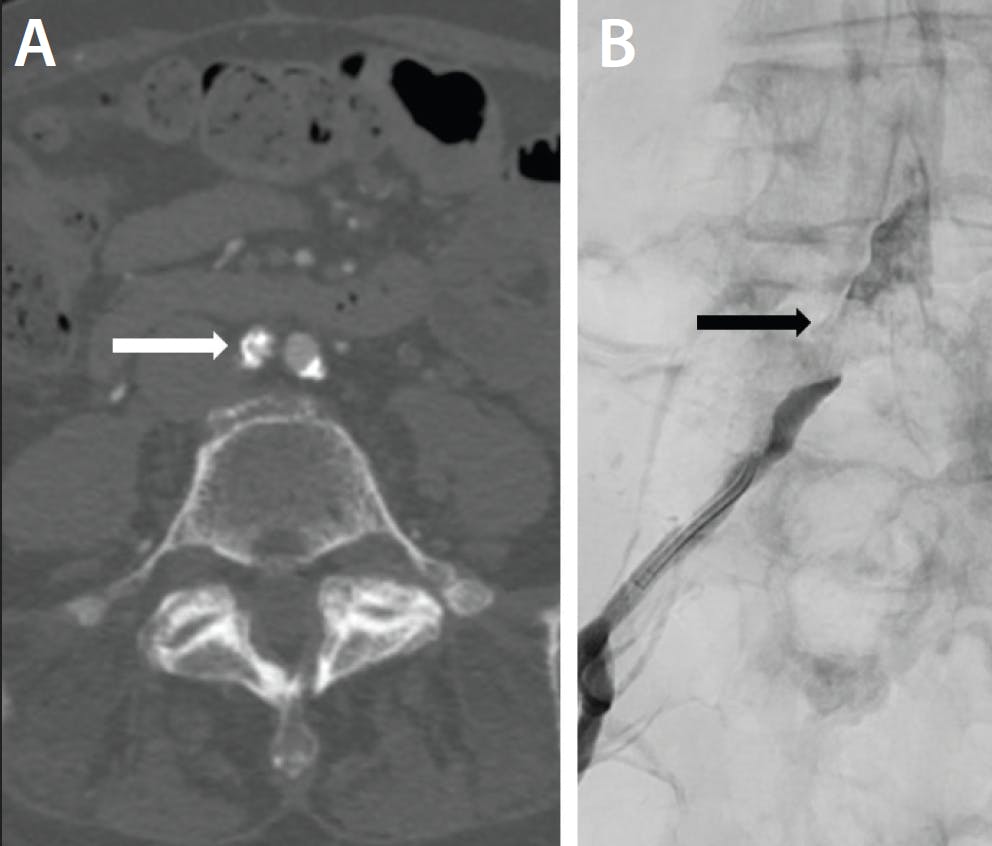
Figure 1. CTA demonstrating flush occlusion of the right CIA, with dense calcification (white arrow) (A). Initial angiogram confirming the flush occlusion of the right CIA (black arrow) (B).
APPROACH AND TECHNIQUE
Retrograde right CFA access was achieved under ultrasound guidance. Initial angiography using a 5-F Berenstein catheter confirmed a flush occlusion of the right CIA (Figure 1B). Attempts to cross the lesion with a 0.035-inch angled Glidewire (Terumo Interventional Systems) were unsuccessful. A 0.014-inch Command ES guidewire (Abbott) was then carefully navigated through the occlusion (Figure 2A), but the 5-F diagnostic catheter could not follow due to resistance at the lesion entrance—consistent with “lipping” or step-off mismatch between the guidewire and catheter tip (Figure 2A).
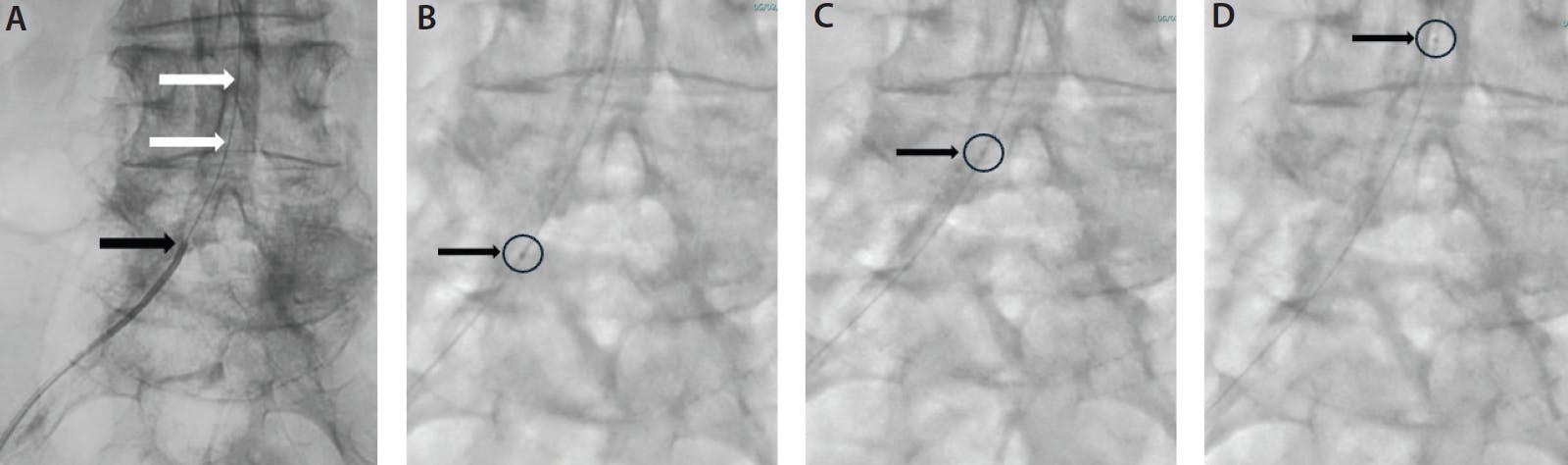
Figure 2. The guidewire navigating through the occlusion (white arrows) and the guidewire and catheter tip mismatch at the lesion entrance (black arrow) (A). The 0.018-inch BOSS inner catheter tip tracking smoothly across the lesion (black circles and black arrows) (B–D).
To address this, a telescoping BOSS catheter was deployed. A 0.018-inch, 2.4-F, 150-cm BOSS inner catheter was nested within a 0.035-inch, 3.9-F, 90-cm BOSS support catheter. The 0.018-inch catheter tip tracked smoothly across the lesion (Figure 2B–D), followed by seamless advancement of the outer 0.035-inch catheter over the inner system (Figure 3). The inner catheter provided rail stability (Figure 3), enabling successful advancement of the 0.035-inch BOSS catheter into the abdominal aorta.
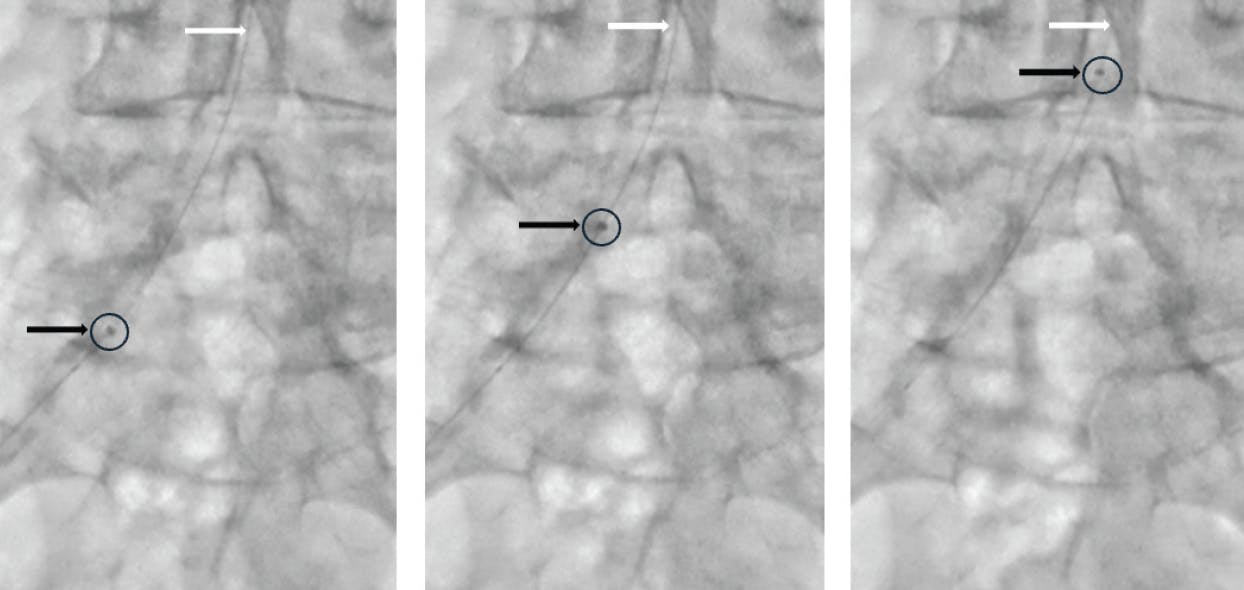
Figure 3. Advancement of 0.035-inch BOSS outer catheter over the inner system (black circles and black arrows), with the inner catheter providing rail stability (white arrows).
With a stable 0.035-inch pathway established, the inner catheter and 0.014-inch wire were exchanged for a 0.035-inch support guidewire (Figure 4A). Completion aortography confirmed successful intraluminal crossing of the occlusion (Figure 4B), and the lesion was treated with self-expanding covered stents (Figure 4C).
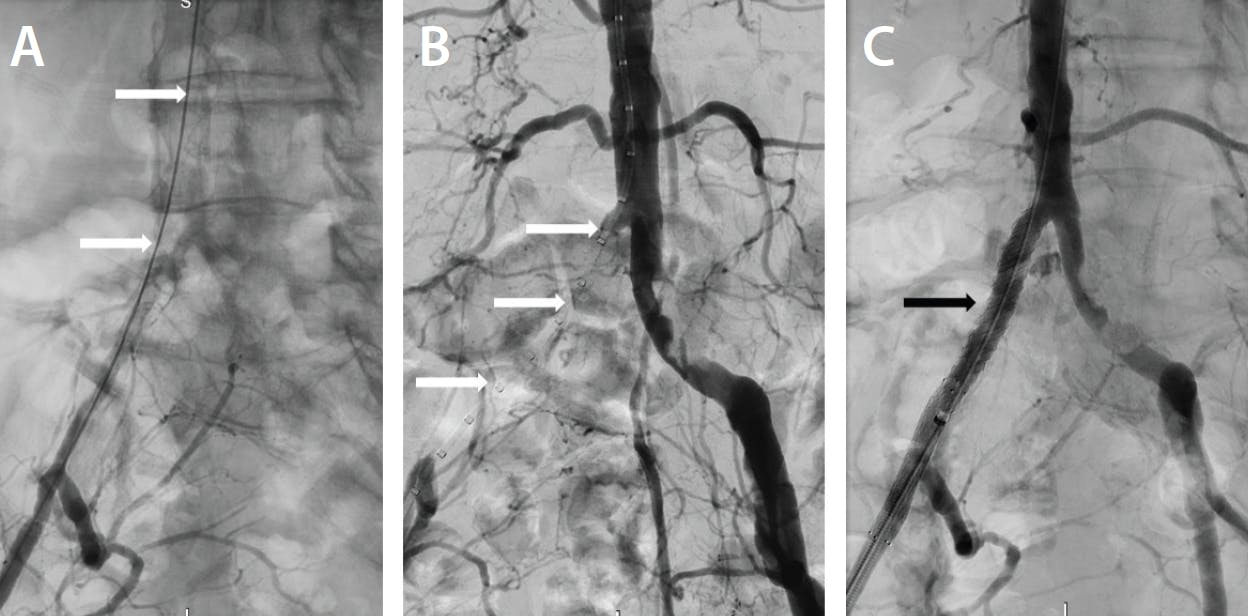
Figure 4. Exchange of the inner catheter and the 0.014-inch wire for a 0.035-inch support catheter (white arrow) (A). Completion aortogram confirming intraluminal crossing (white arrow) (B). Placement of self-expanding covered stents (black arrow) in the lesion (C).
OUTCOME
The patient’s symptoms improved significantly after revascularization. This case demonstrates how the BOSScsc telescoping system effectively overcomes the limitations of conventional support catheters in the setting of heavy calcification and guidewire-catheter mismatch.
Reentry Without Ballooning: The BOSScsc System for True Lumen Access in Femoropopliteal CTO
By Mark W. Mewissen, MD, FSIR, FSVM, RVT
CLINICAL BACKGROUND
A man in his mid 70s with severe lifestyle-limiting claudication and rest pain of the left leg (Rutherford class 4) underwent duplex ultrasound, which revealed a long-segment CTO of the distal SFA extending into the popliteal artery (PA). Confirmatory angiography via contralateral CFA access demonstrated a tapered proximal stump (“nipple”) at the SFA origin (Figure 1A) and distal reconstitution of the PA just above the knee (ATK) (Figure 1B).
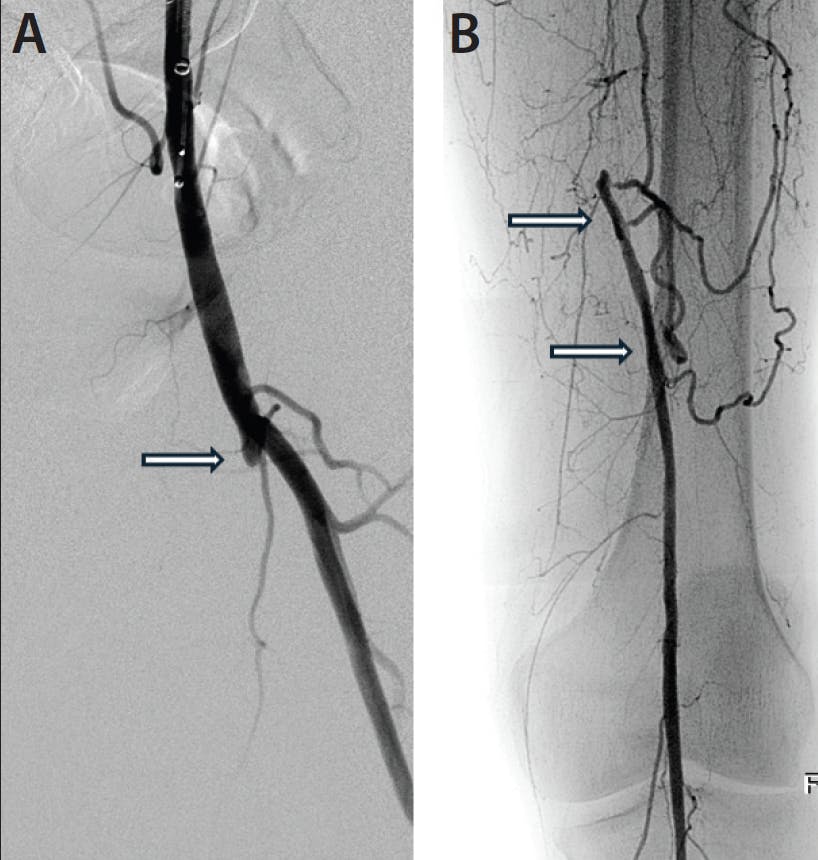
Figure 1. Angiograms demonstrating the tapered proximal stump at the SFA origin (white arrow) (A) and distal reconstitution of the PA ATK (white arrows) (B).
APPROACH AND TECHNIQUE
A 0.035-inch, 3.9-F, 135-cm BOSS support catheter and multiple guidewires were initially used in an attempt to cross the lesion, but reentry into the reconstituted PA could not be achieved (Figure 2A–C). Subintimal positioning of the catheter is clearly seen in Figure 2D. The system was then exchanged for a 0.014-inch guidewire (Figure 3A), and an Outback reentry catheter (Cordis) successfully reentered the true lumen of the distal PA (Figure 3B).
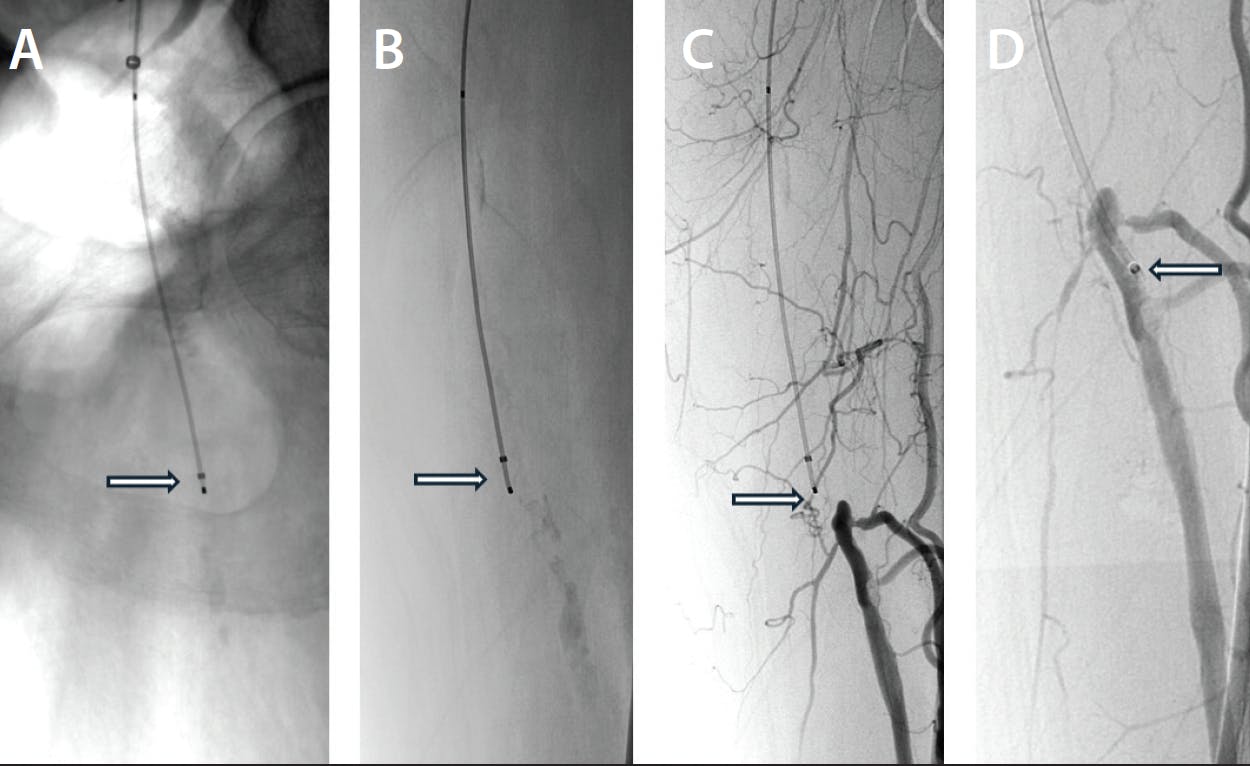
Figure 2. Reentry into the reconstituted PA was not achieved (white arrows) (A–C). Subintimal positioning of the catheter (white arrow) (D).
A telescoping BOSS system—consisting of the 2.4-F, 150-cm inner catheter paired with the existing 3.9-F, 135-cm outer catheter—was then advanced. The 0.018-inch BOSS catheter tracked smoothly from the subintimal space into the reconstituted PA (Figures 3C–E), followed by effortless passage of the 0.035-inch BOSS catheter (Figures 3D and 3E). This provided immediate 0.035-inch platform access without the need for balloon predilation, a common requirement when using traditional support catheters. Figure 4 shows the post-stent angiogram of the SFA and patency of the proximal PA without dissection.
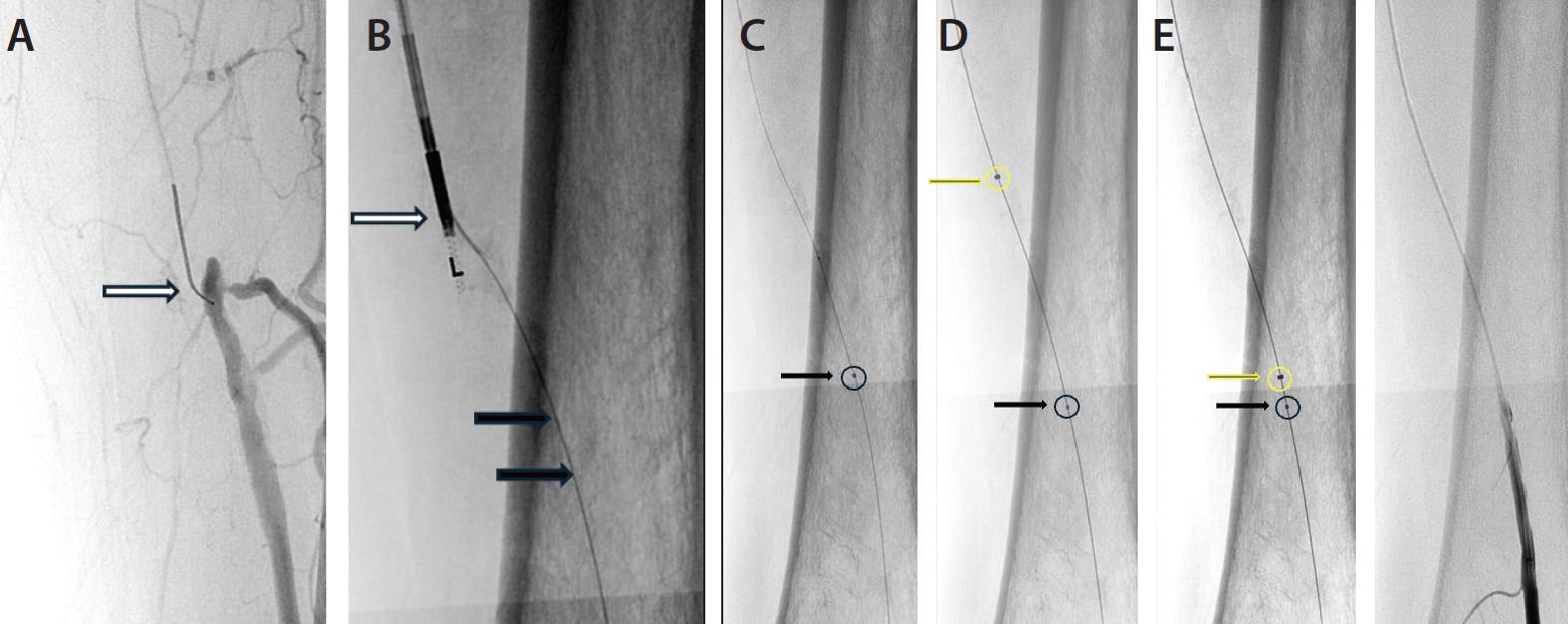
Figure 3. Exchange of the initial BOSScsc system for a 0.014-inch guidewire (A), followed by successful reentry with the Outback catheter into the distal PA (B). Smooth tracking of the 0.018-inch, 2.4-F BOSS catheter into the reconstituted PA (black circles and arrows) (C–E) and passage of the 0.035-inch BOSS catheter (yellow circles and arrows) (D, E).
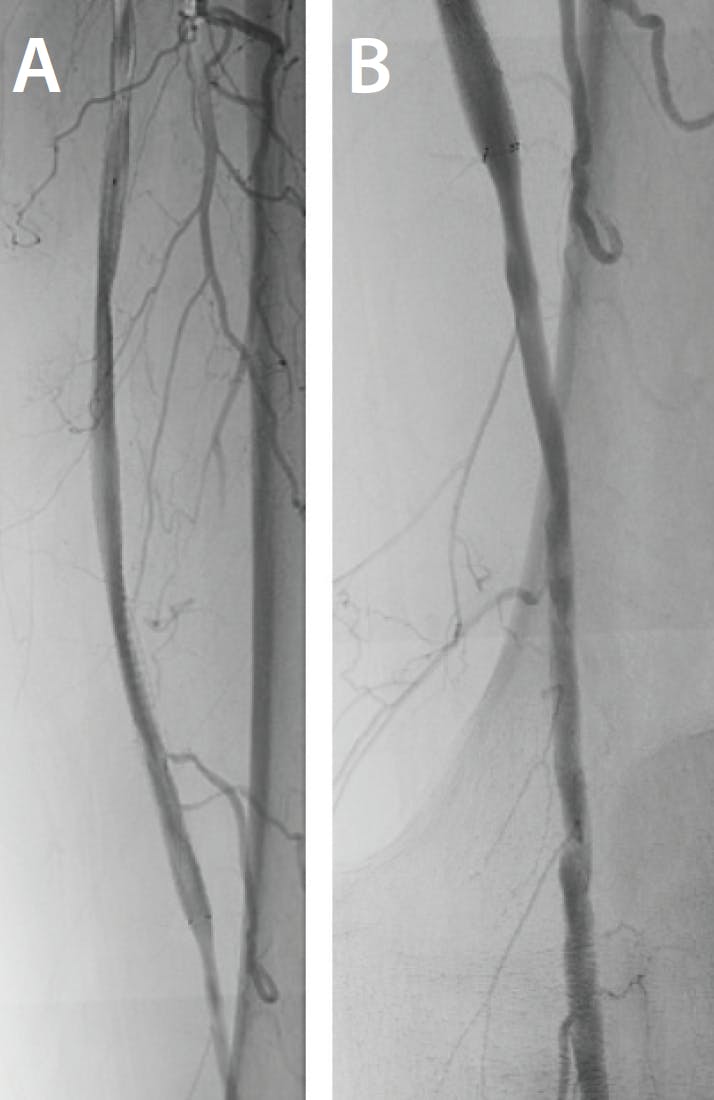
Figure 4. Post-stent angiogram of the ATK femoropopliteal segment (A, B).
OUTCOME
The coaxial design of the BOSScsc system enabled rapid platform escalation from 0.018 to 0.035 inches, without the need for balloon predilation at the reentry site. This allowed efficient delivery of balloon angioplasty and self-expanding stents. Completion angiography confirmed restored inline flow through the femoropopliteal segment, and the patient reported marked symptomatic improvement with no procedural complications.
DISCUSSION
Crossing peripheral CTOs and reentry zones continue to test the limits of existing device platforms. Although operator skill remains central to success, the growing complexity of lesions and anatomy demands better-integrated, purpose-designed tools that streamline workflows and reduce the need for procedural improvisation.
For years, operators relied on improvised coaxial catheter combinations, repurposing inner and outer catheters not engineered to function as a system. These ad hoc assemblies often introduced compromises in shaft compatibility, torque fidelity, and crossing efficiency. The BOSScsc system moves beyond these limitations, offering an optimized telescoping platform with material and design characteristics that are purpose built specifically for challenging peripheral cases.
A crucial consideration in telescoping systems is the distal transition geometry. Traditional configurations such as a 0.014-inch inner catheter within a 0.035-inch outer catheter often produce a distal step-off or “lipping,” making it difficult to track across tight occlusions or reentry planes. This can increase resistance, cause guidewire prolapse, or result in subintimal passage.
The BOSScsc system’s 0.018-in-0.035-inch design minimizes this mismatch, offering a smoother, more predictable transition. This improvement directly translates to fewer procedural delays, reduced need for predilation, and greater control across complex anatomic challenges.
As illustrated in these previous two cases, the BOSScsc catheter system demonstrates meaningful advantages. Its coaxial integrity, torque response, and ability to maintain procedural momentum position it as a valuable asset in the evolving landscape of peripheral intervention.
Crossing and Recanalization of Chronic IVC Occlusion After a Decade of Refractory Venous Ulceration

CLINICAL BACKGROUND
A man in his early 60s with a history of chronic inferior vena cava (IVC) and bilateral iliac vein occlusion presented with a venous ulcer that had persisted intermittently for over a decade. An earlier, failed attempt at recanalization was made a few years prior. The patient was highly compliant and had received extensive conservative management, including care at a dedicated wound care center. Despite initial healing, the ulcer would consistently reopen, leading to a persistent cycle of tissue breakdown. The ulceration worsened significantly, prompting a renewed request for endovascular intervention (Figure 1).
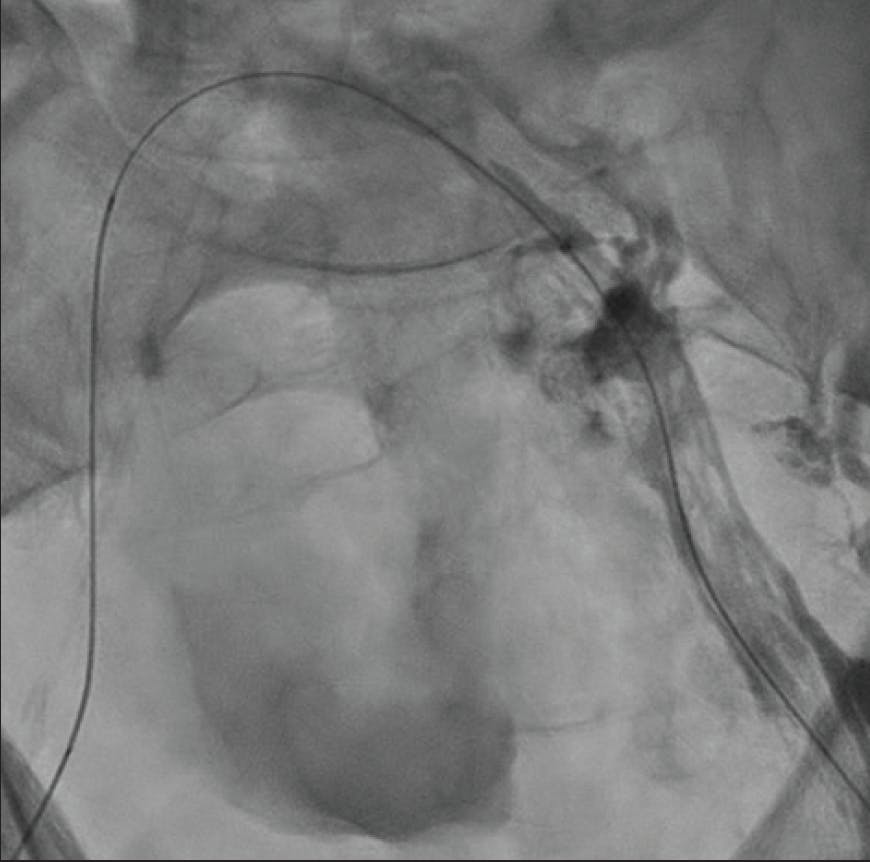
Figure 1. Up and over crossing of the occluded right common femoral vein (CFV) to left CFV.
APPROACH AND TECHNIQUE
With the benefit of several years of experience, new endovascular tools, and collaborative clinical support, a second recanalization attempt was made (Figure 2).
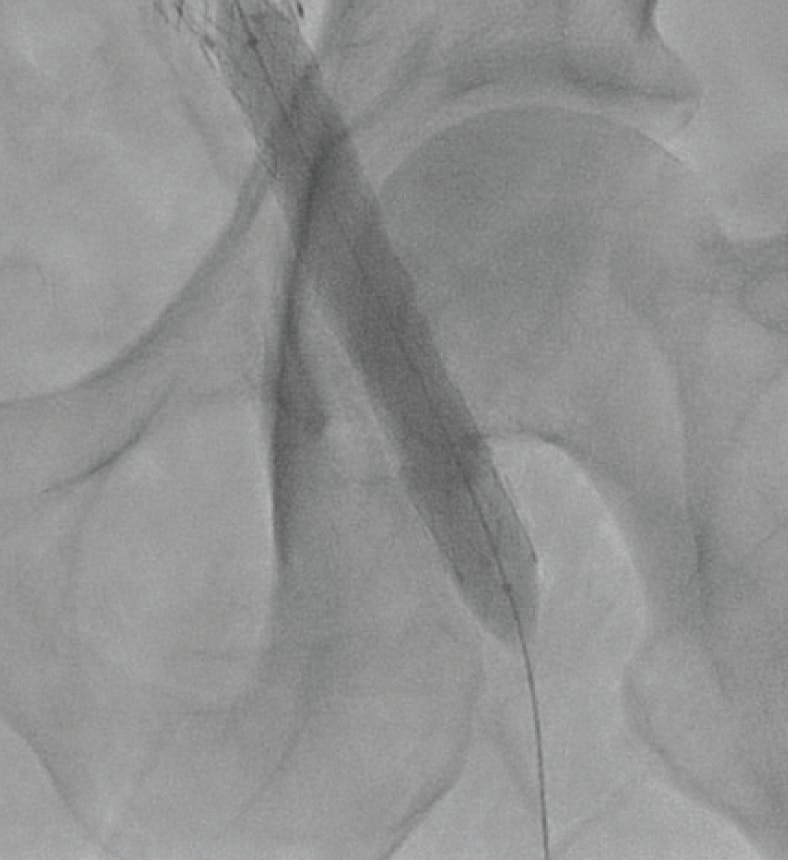
Figure 2. Percutaneous transluminal angioplasty of the proximal cap of the left CFV and iliac vein.
Key devices selected for and used in this case included the following:
- The BOSScsc system for crossing the chronic occlusion due to its high torque control and lesion penetration strength
- The Protrieve, ClotTriever, and VenaCore systems (all Inari Medical) for mechanical thrombectomy and venous lumen preparation (Figure 3)
- The Abre venous stent (Medtronic), chosen for its strength, flexibility, and long-term patency performance in chronic deep vein thrombosis (DVT) and postthrombotic syndrome
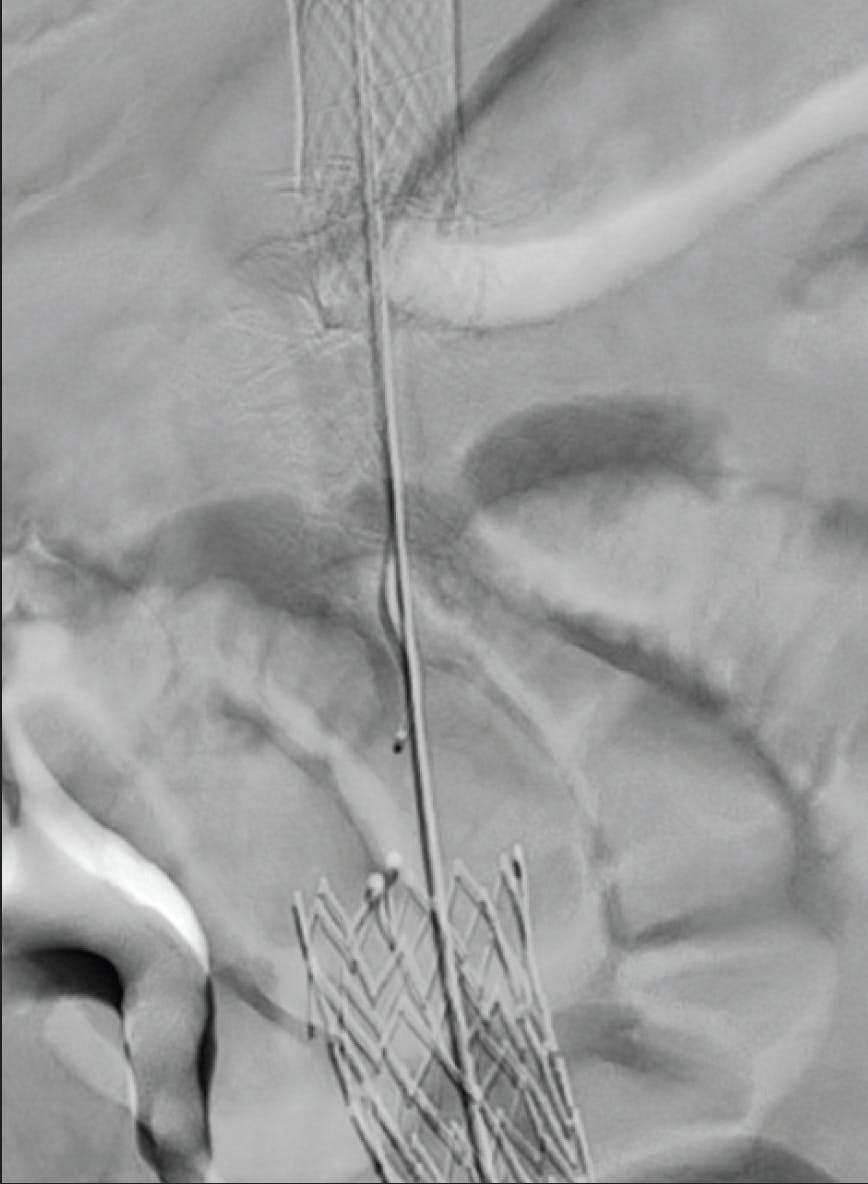
Figure 3. The recanalized IVC with thrombectomy and stenting.
Via internal jugular access, a 0.035-inch, 3.9-F, 90-cm BOSScsc crossing support catheter combined with a high-tip-load 0.035-inch guidewire was telescoped through an 8-F guiding sheath. Through the advanced support and penetration force of the telescoped BOSScsc catheter system, the chronic IVC and bilateral iliac occlusion were successfully crossed using standard techniques. Full endovascular therapy was delivered with complete recanalization (Figure 4).
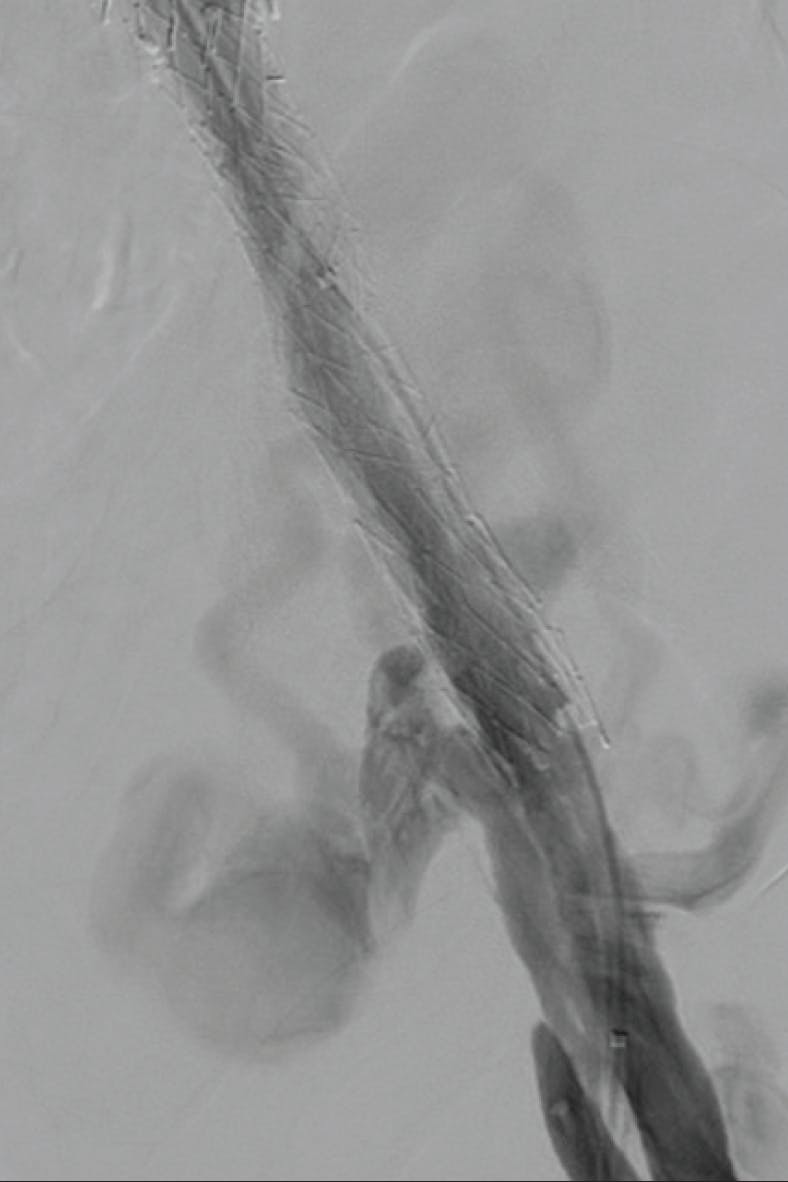
Figure 4. Posttreatment inline flow of the critically occluded iliac vein.
OUTCOME
The recanalization was completed without procedural complication. The patient is now under close follow-up, experiencing wound healing and continued patency. After more than 10 years of persistent venous ulceration, this marks a significant milestone in his care journey.
The BOSScsc system demonstrated enhanced guidewire support, torque transmission, and lesion penetration force, facilitating successful crossing of a densely fibrotic chronic DVT occlusion. This case underscores the transformative potential of modern venous thromboembolism tools.
The Telescoping BOSScsc in a Complex PTAB Intervention

CLINICAL BACKGROUND
A man in his early 70s with a significant past medical history of diabetes mellitus, hypertension, and hyperlipidemia presented with acute-on-chronic limb-threatening ischemia (CLTI) of the right lower extremity. The patient had a long-standing history of peripheral artery disease (PAD) with multiple prior interventions for CLTI involving both lower extremities.
He had diffuse, long-segment chronic occlusion of the SFA (Figure 1) extending through the PA, with reconstitution at the P3 segment. The tibial circulation was severely diseased, with single-vessel runoff via the peroneal artery, supplied through a previous right femoropopliteal BTK bypass graft (Figure 2). In-stent restenosis due to neointimal hyperplasia was present at the P2 popliteal segment: the site of the percutaneous transmural arterial bypass (PTAB) distal anastomosis.
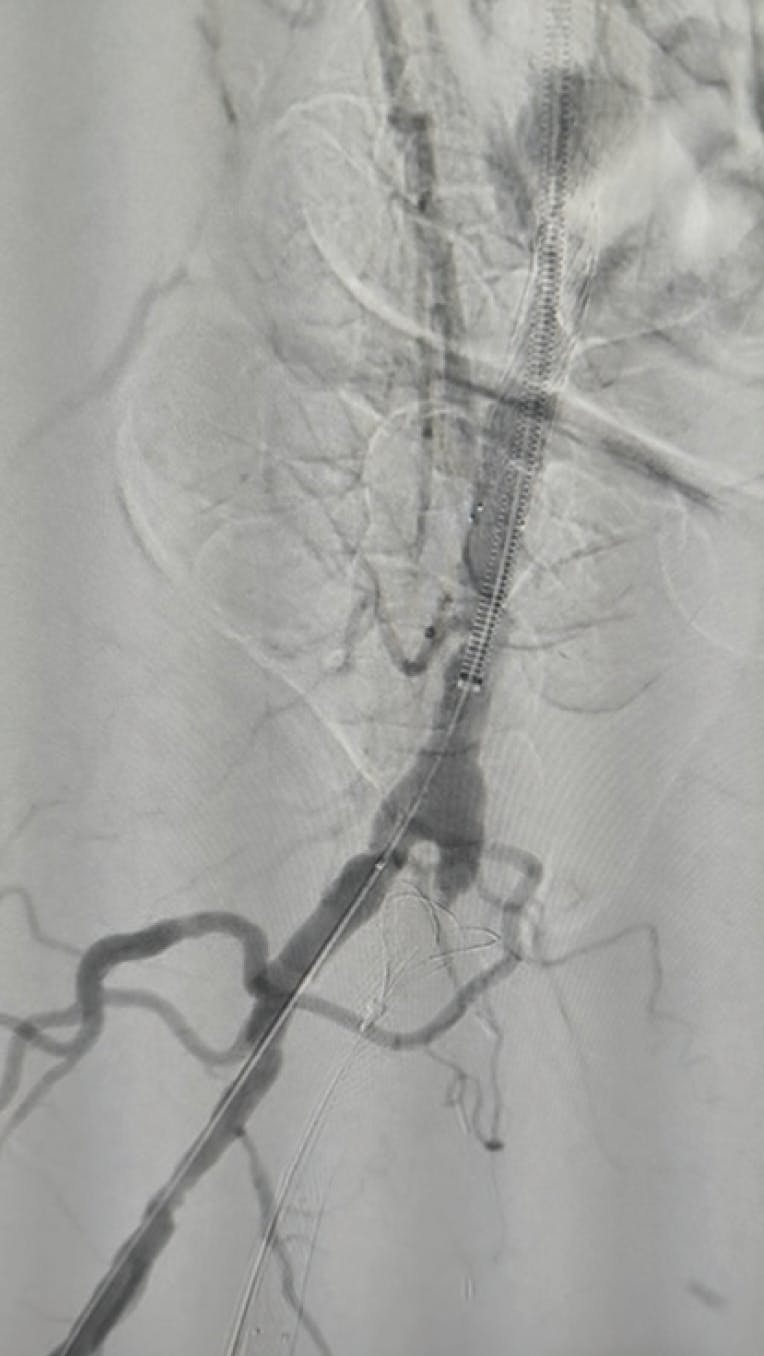
Figure 1. Occluded native SFA and femoropopliteal bypass (before).

Figure 2. No tibial flow (before).
The complexity of the distal anastomosis and reentry into the native P2 segment (Figure 3) necessitated advanced endovascular tools.
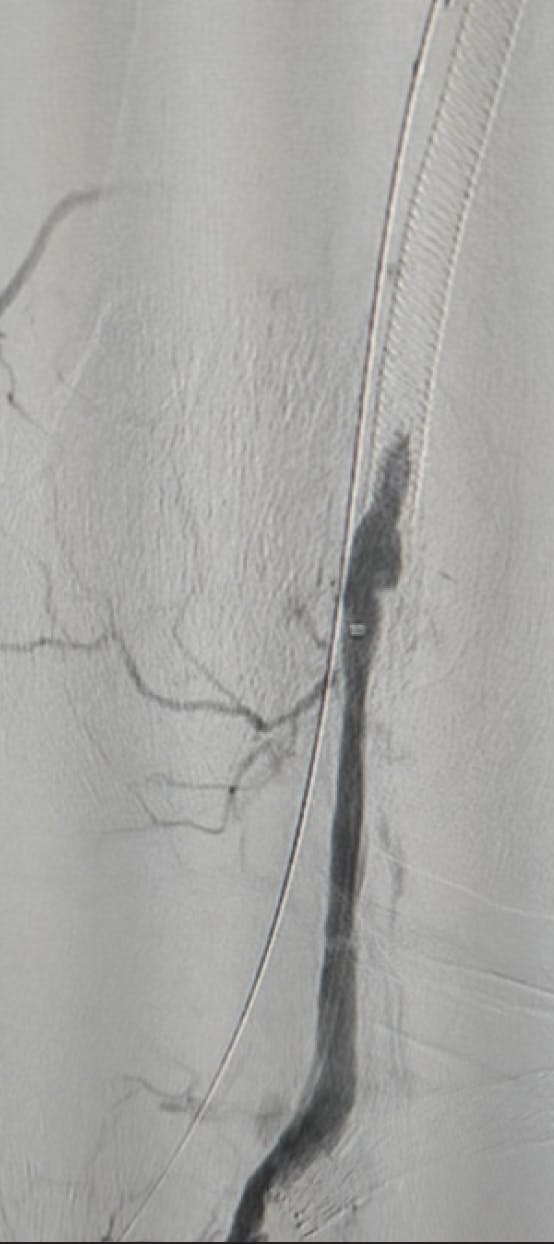
Figure 3. Distal reentry cross from femoral vein to stented popliteal segment.
APPROACH AND TECHNIQUE
The patient underwent emergent diagnostic angiography and tibial endovascular intervention as a staged preparatory procedure for a planned PTAB to address acute-on-chronic CLTI and preserve limb viability.
Initial intervention involved angioplasty of the P2 segment of the PA to optimize the distal landing zone for PTAB. Subsequently, multilevel laser atherectomy and percutaneous transluminal angioplasty were performed on the anterior tibial artery, posterior tibial artery, and peroneal artery using a 0.9-mm excimer laser followed by long-segment balloon angioplasty (ranging from 2.5 to 3 x 220 mm).
The PTAB procedure was performed the next day, spanning from the proximal right SFA to the P2/P3 segment of the PA. Wire access to the distal PA was achieved with the Detour reentry system (Endologix); however, conventional 0.035-inch catheter crossing was not possible due to a combination of neointimal hyperplasia from previous stenting in the P2 and P3 segment of the PA as well as scarring resulting from the previous BTK femoropopliteal bypass. Use of the telescoping BOSScsc system was the only way of crossing to then upsize to a 0.035-inch support wire to complete the PTAB procedure.
The BOSScsc crossing support catheter system was deployed. A 2.4-F, 150-cm BOSScsc catheter was telescoped through a 3.9-F, 135-cm BOSScsc support catheter, providing enhanced pushability, column strength, and directional control. This configuration successfully facilitated crossing of the resistant distal anastomotic segment, reentering the P2 segment of the PA from the right popliteal vein.
A 5 x 40-mm noncompliant balloon was used to develop the arteriovenous fistula. A stiff 0.035-inch guidewire was then advanced into the distal peroneal artery, establishing a secure rail for deployment of three covered stent grafts, effectively completing the PTAB conduit (Figure 4 and Figure 5).
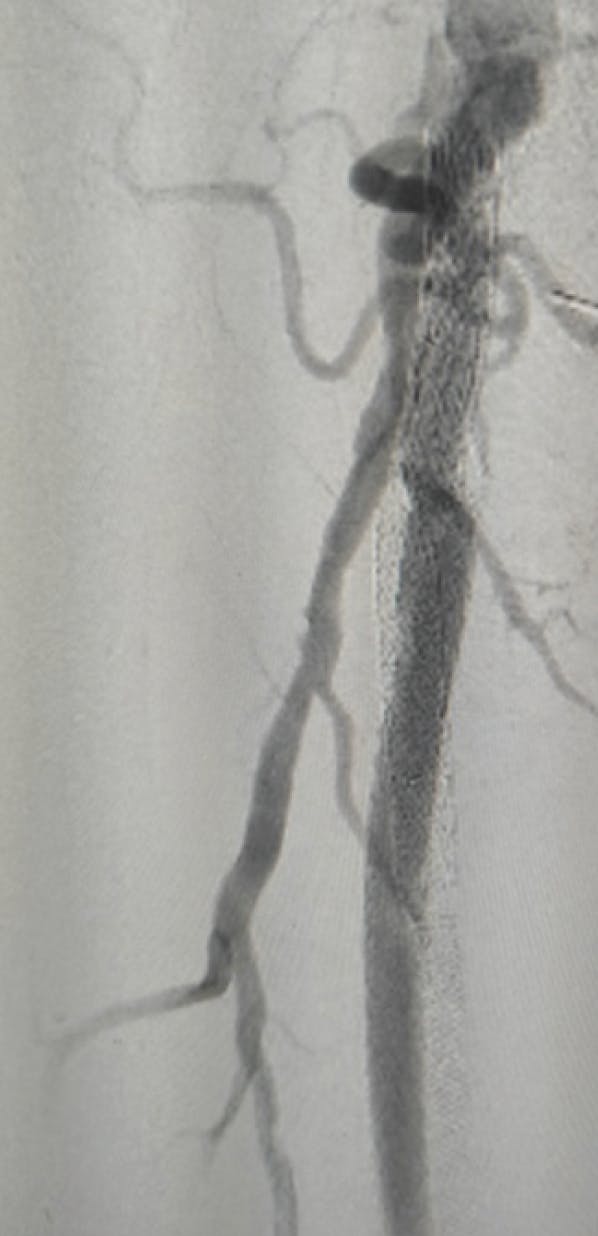
Figure 4. Completed proximal PTAB (after).
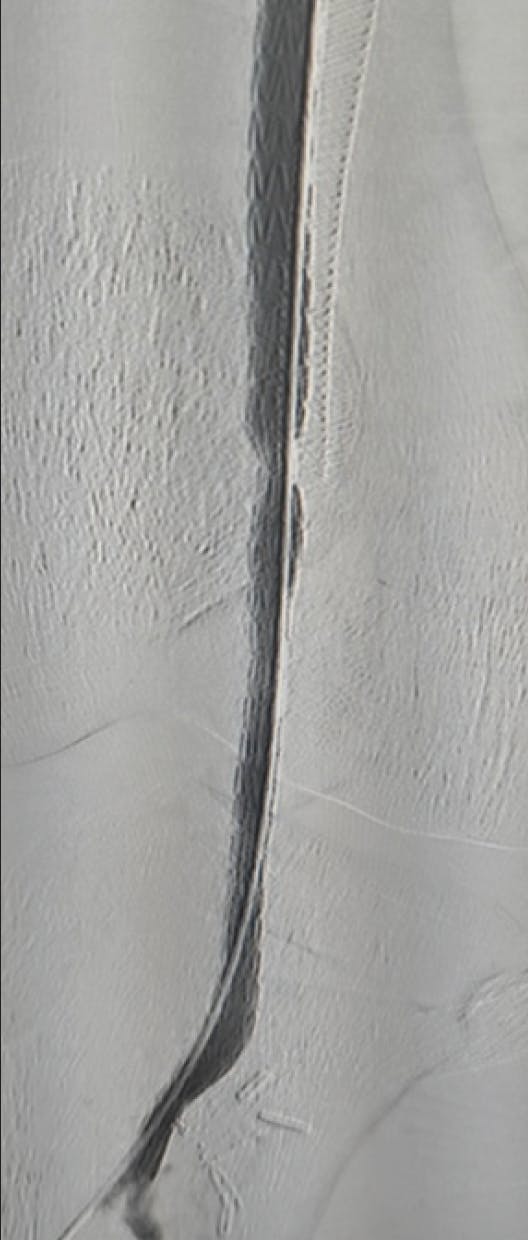
Figure 5. Completed distal PTAB (after).
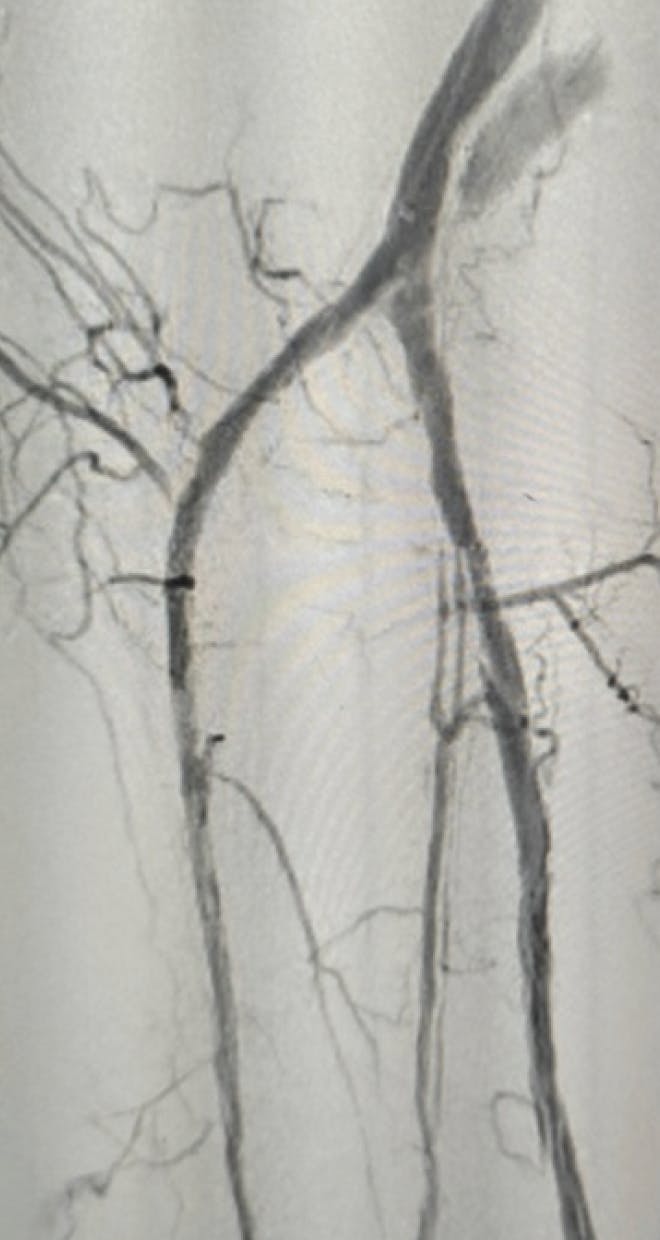
Figure 6. Three-vessel tibial runoff (after).
OUTCOME
The PTAB recanalization was completed without procedural complication. The patient experienced immediate resolution of pain, was discharged on clopidogrel and rivaroxaban, and is now under close follow-up. Recent examination showed good pulses and patent vasculature. The patient is ambulatory, happy, and without rest pain in the right foot.
The BOSScsc telescoping catheter system provided the crossing capability necessary to overcome the resistant anastomosis, enabling revascularization and contributing directly to the successful outcome for this patient.
BOSScsc System Spotlight
By Mark W. Mewissen, MD, FSIR, FSVM, RVT
The BOSScsc catheter system is a purpose-built, coaxial platform engineered for precision, support, and control in complex peripheral interventions. It pairs a dedicated 0.018-inch inner catheter (2.4 F available in 90-, 135-, and 150-cm lengths) with a 0.035-inch outer support catheter (3.9 F available in 90- and 135-cm lengths), offering flexibility across various access strategies and lesion anatomies. All BOSS catheter configurations are individually packaged to enable the operator to begin a procedure using one BOSS catheter and then escalate to a telescoping system by opening a second BOSS catheter, if needed.
A standout feature of the system is its use of a single-wall PEEK (polyether ether ketone) catheter shaft. PEEK is a modern, high-performance thermoplastic capable of providing low-profile catheters with excellent torque response, flexibility, pushability, durability, and kink resistance. Compared to traditional support catheters that use metal-braided polymer shafts, low-profile PEEK catheters provide a smoother, more controlled navigation experience, which is particularly important in the treatment of distal, tight, and/or tortuous occlusions.
The system’s hydrophilic coating and tapered tip allow for smooth lesion entry and advancement. Its thin-wall construction coupled with its tapered tip design provides an optimized distal transition zone that offers significantly less “lipping” compared to traditional, thicker-walled braided catheter constructions, minimizing resistance when tracking into and across calcified caps or reentry zones.
The BOSScsc platform has demonstrated value in a wide range of scenarios:
- In situ CTO crossing, where enhanced support improves wire control
- Reentry procedures, enabling smooth escalation from a 0.014-inch wire to 0.035-inch system, thus eliminating the need for predilation
- PTAB, where it facilitates controlled reentry into distal arteries
- Retrograde tibial access, where the 3.9-F outer catheter can be advanced directly over a 0.035-inch wire without sheath placement, preserving vessel integrity and allowing retrograde lesion crossing with the 0.018-inch inner catheter
- Chronic DVT cases, where a coaxial telescoping platform enables stable advancement through fibrotic, chronically occluded venous segments, providing a controlled path for wire escalation and device delivery
CONCLUSION
As peripheral interventions grow increasingly complex, the need for dedicated tools that offer precision, flexibility, and procedural efficiency has never been greater. The BOSScsc catheter system delivers on these demands with a thoughtfully engineered telescoping design, using modern, high-performance materials that offer greater versatility across a wide range of clinical challenges.
By eliminating the limitations of improvised ad hoc catheter combinations and minimizing transitional mismatches like “lipping,” the BOSScsc system allows operators to confidently navigate CTOs, reenter true lumen planes, and manage complex workflows. Its performance in real-world cases underscores its role as a next-generation solution in the peripheral crossing tool kit.
As device technology continues to evolve, platforms like the BOSScsc represent a shift toward integrated, procedure-driven design, offering not only better tools but also better outcomes for patients with PAD.
*The BOSS is manufactured by Marvao Medical Devices, Galway, Ireland.
Advertisement
Advertisement