Advertisement
Advertisement
January 2026 Supplement
Sponsored by Inquis Medical, Inc.
The AVENTUS® Thrombectomy System: Intelligent Design for Precise Pulmonary Embolism Intervention
A purpose-built mechanical thrombectomy platform combining directional aspiration, integrated navigation, TrueClot™ Sensing, and streamlined blood reinfusion for efficiency, control, and safety in PE treatment.
The AVENTUS® Thrombectomy System is a mechanical thrombectomy platform engineered specifically for the unique anatomic and procedural challenges of pulmonary embolism (PE) intervention. The system consists of a 24-F directional aspiration catheter, an aspiration syringe, and an in-line blood reinfusion system (Figure 1). Together, these components are designed to simplify workflow, maximize aspiration efficiency, streamline blood return, and enhance overall procedural control.
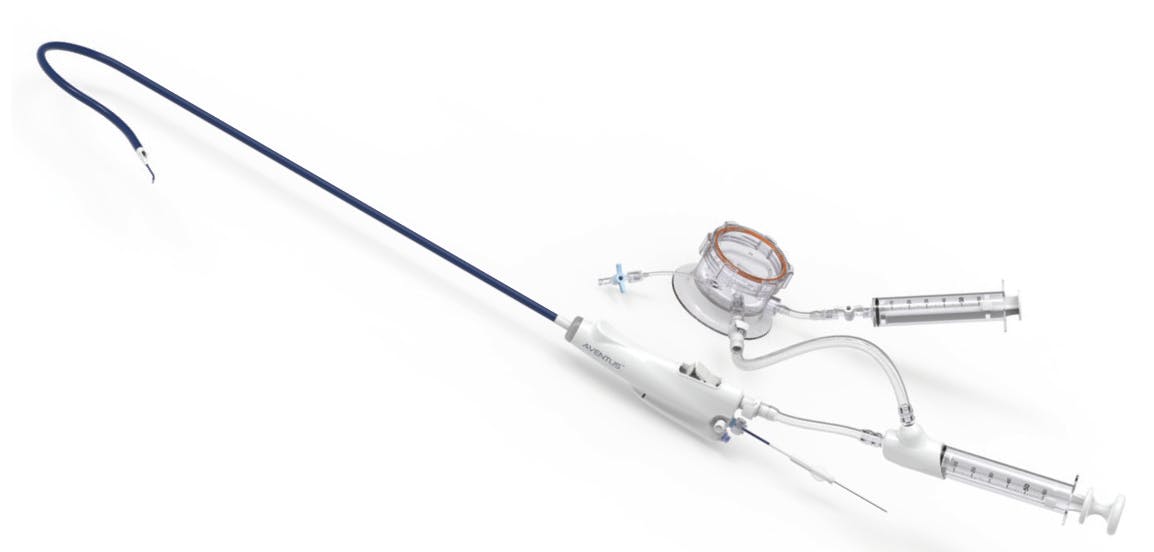
Figure 1. AVENTUS Thrombectomy System.
All elements of the system are positioned on the patient bedside directly in front of the operator, improving efficiency and reducing the need for multiple support staff. The aspiration catheter incorporates directional aspiration for targeted clot engagement and includes both a built-in dilator tip and a 5-F navigation catheter to improve deliverability while eliminating device exchanges. The in-line filtration system streamlines reinfusion and minimizes blood loss by removing the need for syringe detachment and back table filtration activities.
In addition, the system features TrueClot™ Sensing, a proprietary technology that allows real-time identification of blood, clot, and vessel wall at the catheter tip. This capability helps operators distinguish wall contact from organized clot engagement, eliminating guesswork, improving efficiency, and saving time.
INTELLIGENT CATHETER TIP DESIGN—NAVIGATE, TARGET, ASPIRATE
The 24-F AVENTUS Aspiration Catheter incorporates several design elements aimed at maximizing clot extraction while simplifying procedural workflow. A key feature is its built-in atraumatic dilator tip (Figure 2), which eliminates the need for dilator exchanges and improves navigation efficiency compared with conventional systems. Once pulmonary access is achieved, the catheter is advanced over a 0.035-inch guidewire to the target vessel.
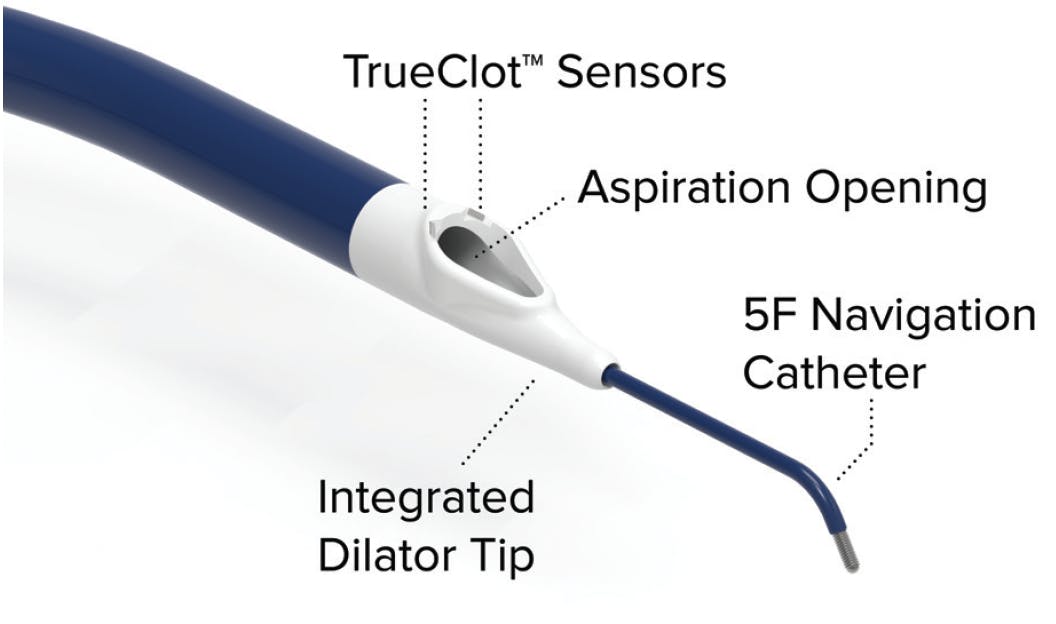
Figure 2. Catheter tip with integrated dilator and 5-F navigation catheter.
Deliverability is further enhanced by an integrated 5-F navigation catheter (Figure 2). Together, the catheter tracks smoothly over a guidewire, with the navigation catheter providing additional support while enabling efficient branch selection within the pulmonary arterial tree. This is particularly advantageous when transitioning between the right and left pulmonary arteries (PAs). After completing clot removal in the right PA, the catheters can be withdrawn into the main PA, where the navigation catheter is redirected into the left PA (Figure 3). This guided transition significantly improves access to the left PA and obviates the need for accessory or curved catheters.
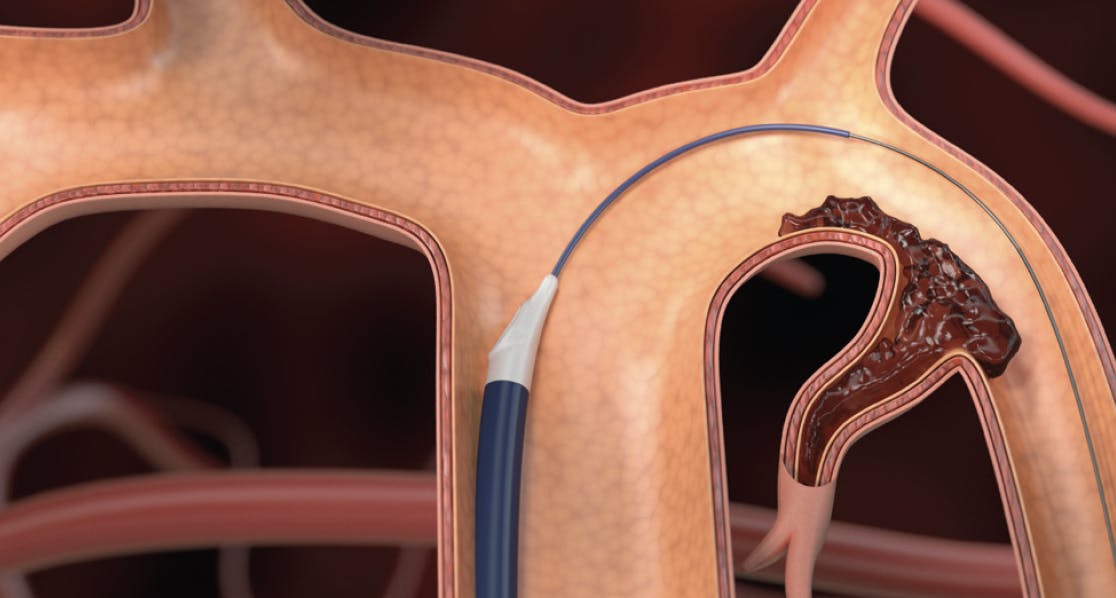
Figure 3. Integrated navigation catheter enabling simple wiring of left PA without device exchanges or need for accessory and curved catheters.
The catheter’s directional aspiration technology also contributes to procedural efficiency. Its angled aspiration opening leverages fluid dynamics to generate a vortex effect, improving clot extraction relative to devices with end-hole designs. Operators can orient aspiration toward the clot without wiring each individual branch. Directional aspiration also allows operators to remove clot from segmental branches while in the main branch without changing wire position or accessing individual branches. For instance, when treating clot in the truncus anterior, the catheter can be positioned at the bifurcation while the guidewire remains parked distally. The radiopaque tip allows clear visualization under fluoroscopy, enabling the operator to rotate the opening toward the branch and extract clot without cannulation (Figure 4). Directional aspiration is particularly advantageous in the left PA, where acute angulation and posterior orientation can increase the risk of wall interaction with end-hole catheters (Figure 5).
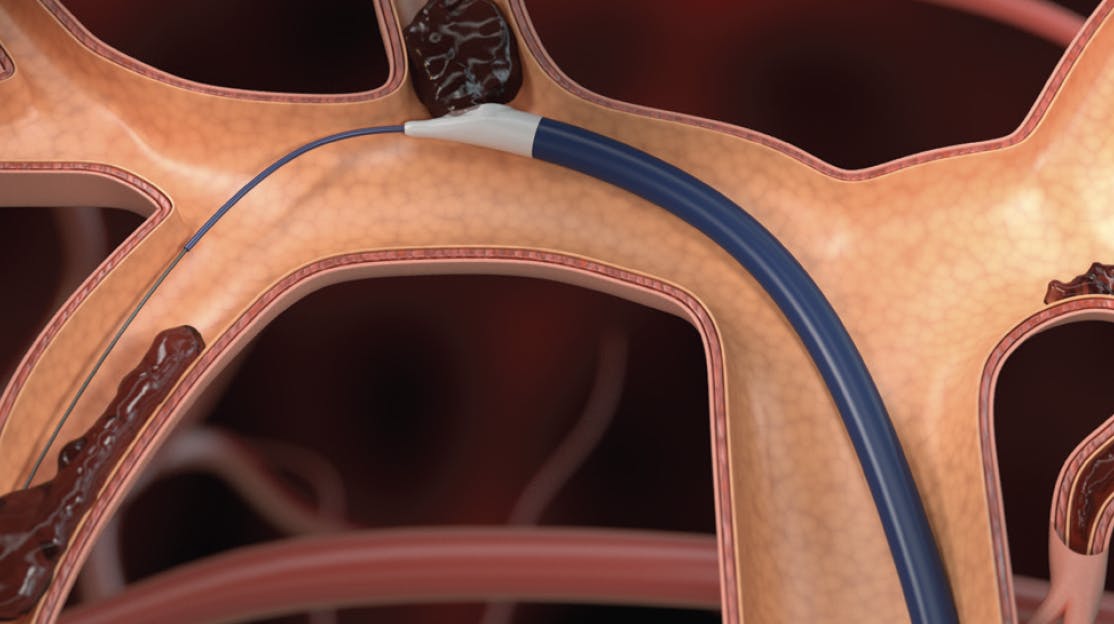
Figure 4. Directional aspiration of the truncus anterior without changing guidewire position.
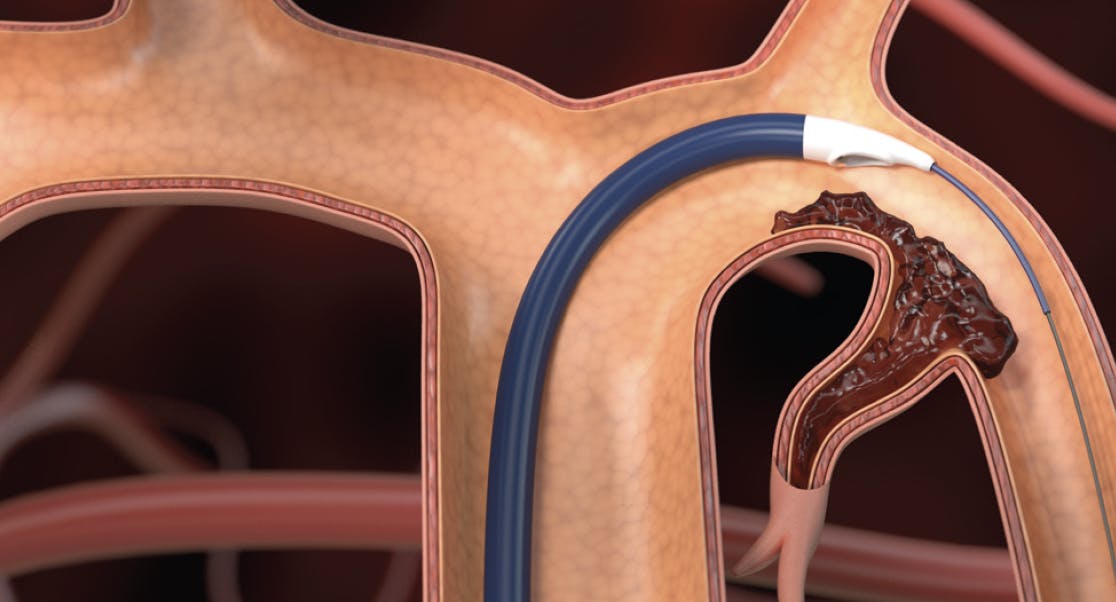
Figure 5. Directional aspiration of the left PA.
The atraumatic dilator tip, integrated navigation catheter, and directional aspiration technology offer an intentionally engineered solution that enhances deliverability, reduces procedural steps, and supports comprehensive clot extraction across complex pulmonary anatomy.
TRUECLOT™ SENSING—KNOW WHAT’S AT THE TIP
TrueClot™ Sensing is one of the most innovative features of the AVENTUS Thrombectomy System. The technology can differentiate between blood, clot, and vessel wall at the catheter tip in real time. This enables operators to distinguish wall latches from clot engagement without withdrawing the catheter to troubleshoot, saving time and reducing unnecessary passes through the right heart.
The system has integrated electrodes at the aspiration opening that continuously analyzes the material properties of anything it contacts. A proprietary algorithm is then used to interpret the data and inform the operator in real time throughout the procedure.
Real-time feedback is provided via an intuitive color-coded LED indicator on the handle, with green representing blood, orange indicating clot, and blue indicating vessel wall (Figure 6).
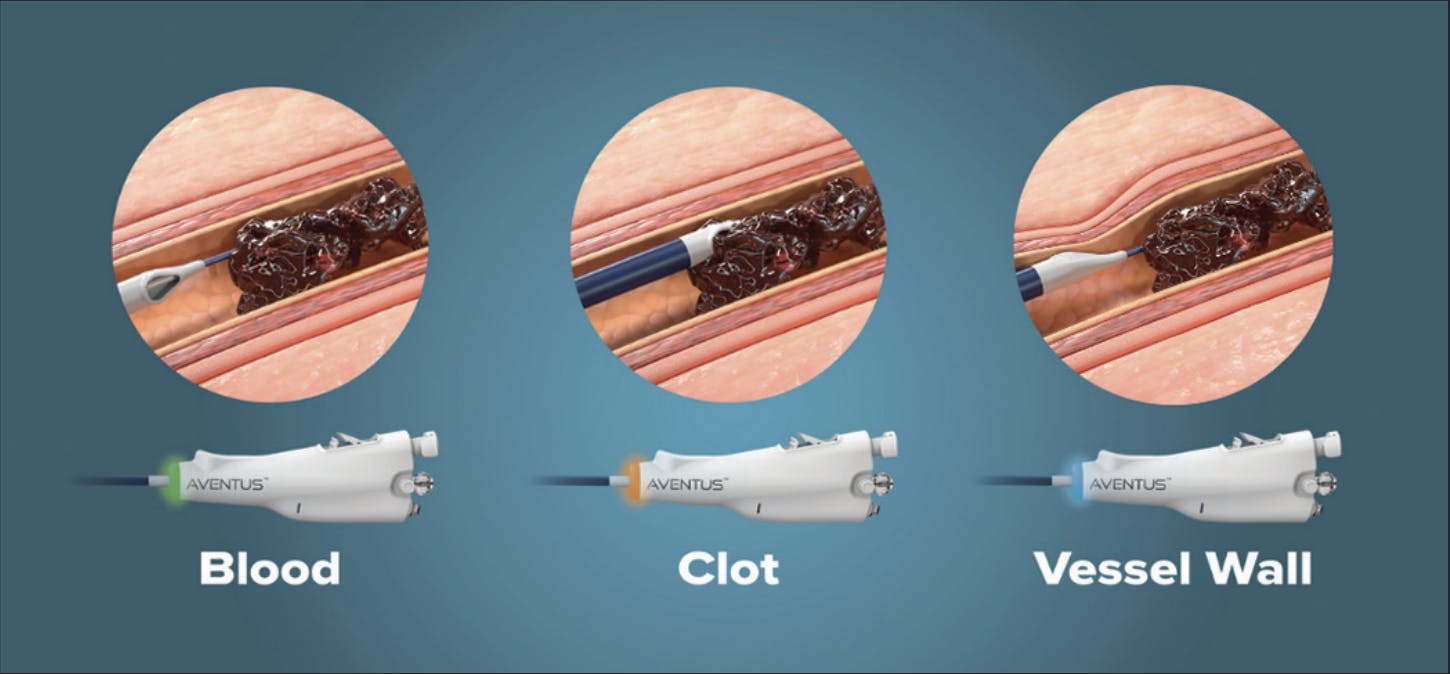
Figure 6. TrueClot™ Sensing: Green (blood), orange (clot), blue (vessel wall latch).
STREAMLINED BLOOD RETURN—REINFUSE, DON’T WASTE
The in-line blood reinfusion system is designed to minimize blood loss and simplify clot management. The aspiration syringe remains connected to the catheter throughout the procedure, reducing procedural steps and eliminating the need for syringe detachment. After each aspiration, the syringe is pushed forward, sending clot and blood into the clot canister using dual one-way valves. Within the canister, dual filters separate clot from blood, allowing immediate visualization of extracted material and confirmation of aspiration effectiveness (Figure 7).
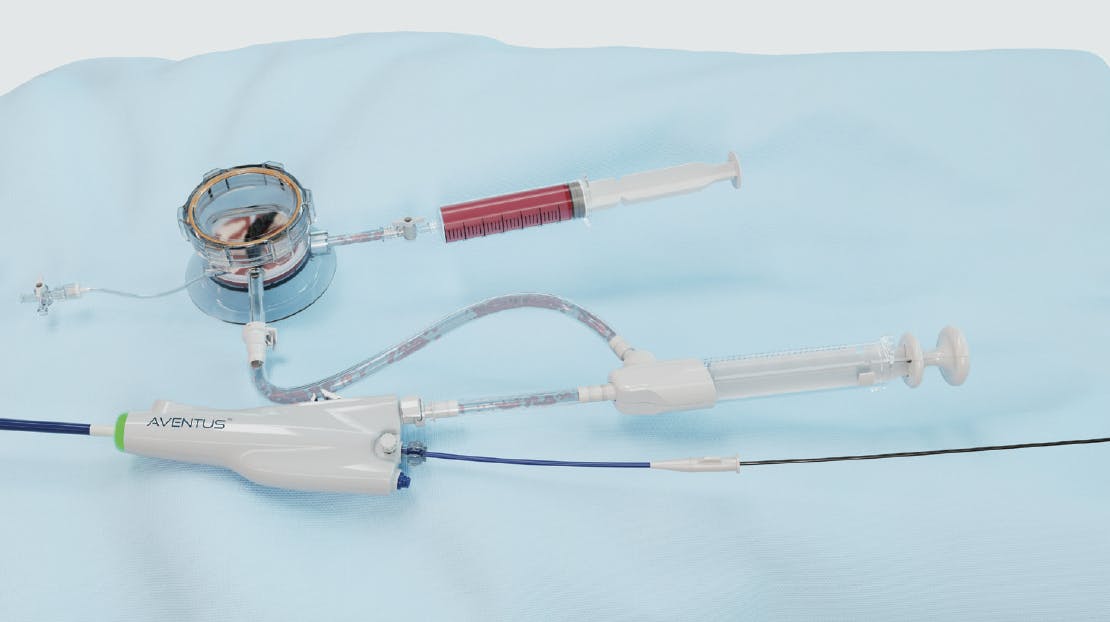
Figure 7. AVENTUS Clot Filtration and Reinfusion System.
A 60-mL return syringe attached to the canister’s outflow port automatically fills with filtered blood when the aspiration syringe is pushed forward, enabling clean and simple reinfusion at the patient table.
Unlike systems that require multiple handoffs to the back table or external collection bags, the AVENTUS method provides an FDA-cleared solution for safe and efficient blood return. In the AVENTUS Pivotal Trial, there were no reinfusion-related adverse events and no allogeneic blood transfusions required.1
This streamlined approach represents an important advancement in blood management during PE thrombectomy, supporting safety, efficiency, and usability.
INDICATIONS FOR USE
The Aventus Thrombectomy System is indicated for:
- The non-surgical removal of emboli and thrombi from blood vessels.
- Injection, infusion, and/or aspiration of contrast media and other fluids into or from a blood vessel.
The Aventus Thrombectomy System is intended for use in the peripheral vasculature and for the treatment of pulmonary embolism.
The Aventus Clot Management System is indicated for use with the Aventus Thrombectomy System for autologous blood transfusion.
AVENTUS® is a registered trademark of Inquis Medical, Inc.
©2025 Inquis Medical, Inc. All Rights Reserved.
1. Sabri S, Horr S, Stegman B, et al. Novel aspiration thrombectomy and blood reinfusion system for acute intermediate-risk pulmonary embolism: AVENTUS trial results. J Soc Cardiovasc Angiogr Interv. 2025;4:103661. doi: 10.1016/j.jscai.2025.103661

Advertisement
Advertisement