Advertisement
Advertisement
April 2021
Sponsored by Penumbra, Inc.
Ruby®, POD®, and Packing Coil: Immediate and Long-Term Mechanical Occlusion for Aneurysms and Vessels
With Florian Wolf, MD, MBA, FCIRSE, EBIR, EBCR; Angelo Spinazzola, MD; Giovanni Leati, MD; Francesco Di Bartolomeo, MD; Hilary White, BSc Hons, MBBS, FRCR; Costantino Del Giudice, MD, PhD; Marc Sapoval, MD, PhD; Claudio Raspanti, MD; and Emiliano Chisci, MD

Penumbra’s embolization platform is made up of three unique detachable coil technologies: the Ruby® Coil, POD® (Penumbra Occlusion Device), and Packing Coil—all of which are large-volume coils, similar in caliber to a 0.035-inch coil, and deliverable through Penumbra’s LANTERN® high-flow microcatheter, as well as other high-flow microcatheters. Recently, Penumbra expanded its coil offering on the same design platform (Figure 1). To provide volume advantage where it matters, Ruby Coils are available up to 40 mm in diameter expanding the product offering to 12 coils in 60-cm length. POD is now designed to embolize 3- to 14-mm vessels. The new Packing Coil integrates a wave shape designed to pack more densely behind Ruby and POD devices.
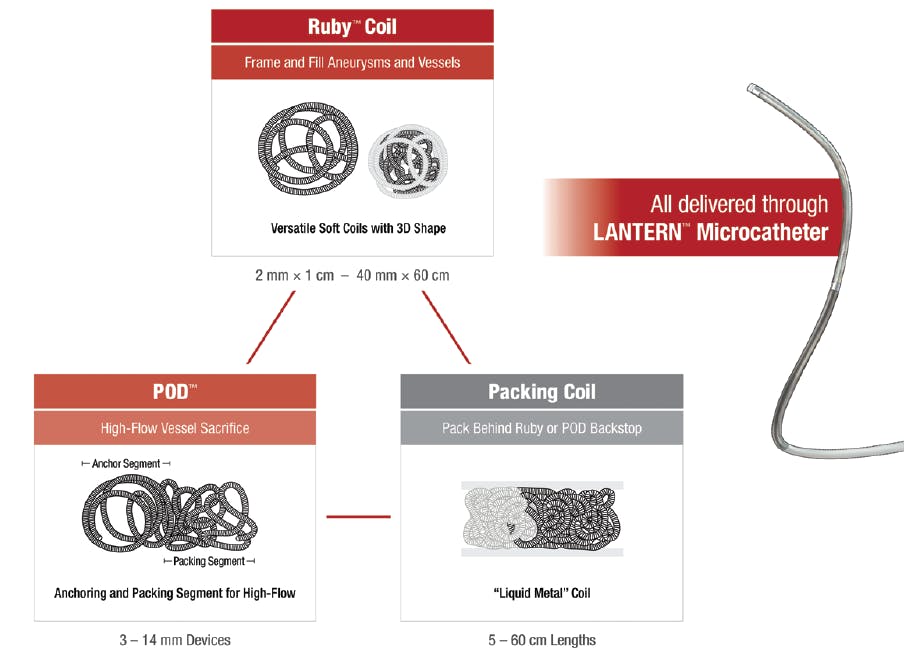
Figure 1. The Penumbra embolization system.

VOLUME ADVANTAGE AND COST SAVINGS
Ruby, POD, and Packing Coil offer longer lengths, larger volume, and softer coils compared to conventional coil technologies.
In my practice, these devices are designed for more efficient procedures with fewer devices per case needed, limiting case cost and reducing procedure time and radiation exposure (Figure 2).
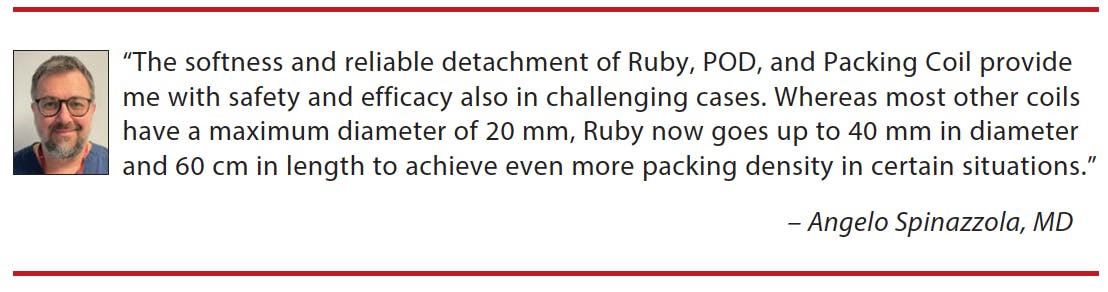
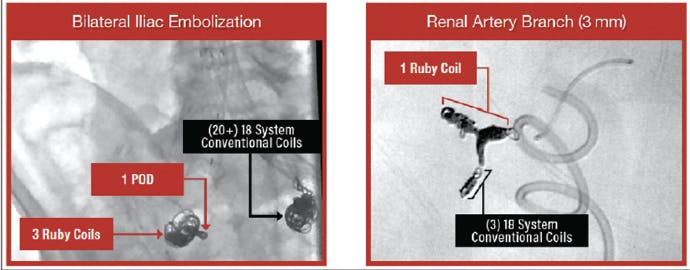
Figure 2. Dense and efficient packing in large lesions and in small vessels.
(Courtesy of Dr. Herbert Cordero, St. Rose Dominican Siena Campus, Nevada (left).
Courtesy of Dr. Christopher Demaioribus, Essentia Health, Minnesota (right).)
THROMBUS-DEPENDENT OCCLUSION VERSUS MECHANICAL OCCLUSION
Traditionally, fibered and hydrogel-coated coil technologies have been used for vessel and aneurysm embolization. These conventional technologies can be composed largely of thrombus to generate an occlusion (eg, 69% thrombus, 31% coil), and studies have shown high rates of recanalization (approximately 20%), with significantly higher rates of recanalization when fibered coils are placed further distally versus proximally within the target vessel (Figure 3).1,2
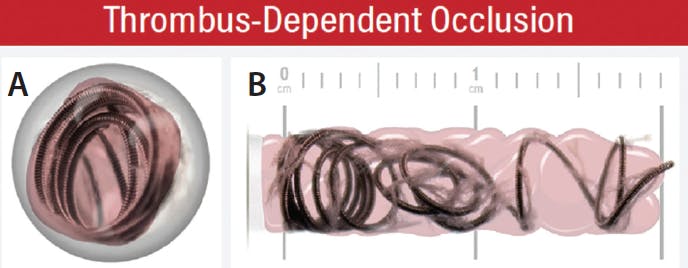
Figure 3. Conventional 4-mm X 15-cm 18 System Fibered Coil in 4-mm glass tube.
(Photographs taken by and on file at Penumbra, Inc.)
Each of the Penumbra coil technologies is characterized by softness and volume. The enhanced softness of these coils enables a mechanical vessel occlusion without the use of fibers and is therefore less reliant on thrombus formation. With a mechanical vessel occlusion instead of a thrombus-dependent occlusion, a study has shown reduced rates of recanalization. In this recent retrospective analysis, a low rate of recanalization (2.2%) was demonstrated when using soft, large-volume bare platinum Penumbra coils (Figure 4).3
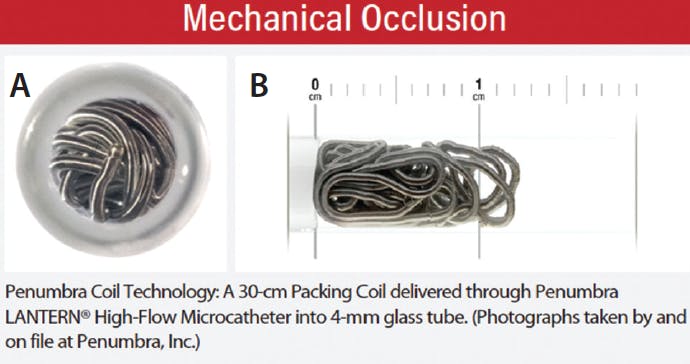
Figure 4. A recent retrospective analysis demonstrated a low rate of recanalization (2.2%) when using soft, large-volume, bare platinum Penumbra coils.3
1. Enriquez J, Javadi S, Murthy R, et al. Gastroduodenal artery recanalization after transcatheter fibered coil embolization for prevention of hepaticoenteric flow: incidence and predisposing technical factors in 142 patients. Acta Radiol. 2013;54:790-794. doi: 10.1177/0284185113481696
2. Fohlen A., Namur J, Ghegediban H, et al. Peripheral embolization using hydrogel-coated coils versus fibered coils: short-term results in an animal model. Cardiovasc Intervent Radiol. 2018;41:305-312. doi: 10.1007/s00270-017-1834-7
3. Vogler J, Gemender M, Samoilov D. Packing density and long-term occlusion after transcatheter vessel embolization with soft, bare-platinum detachable coils. Am J Interv Radiol. 2020;4. doi: 10.25259/AJIR_31_2019
Pulmonary Arteriovenous Malformation



WHY I USE RUBY COIL
- The softness of the Ruby Coil allows safe and efficient embolization in high-flow malformations
- Enabling a high packing density and not relying on thrombus formation can minimize the recanalization risk
When embolizing a pulmonary arteriovenous malformation (PAVM), the aim is to occlude the feeding arteries. Sometimes it may be necessary to embolize the sac itself, depending upon different factors.1 In this PAVM already treated with a vascular plug, a recanalization of the fistula likely occurred. As suggested by Cardiovascular and Interventional Radiological Society of Europe (CIRSE) standard of practice, “Venous sac embolization may be considered to reduce the incidence of recanalization of PAVMs compared to feeding artery embolization.”2
PATIENT PRESENTATION
A man in his early 40s affected by Rendu-Weber-Osler syndrome presented to our institution with worsening functional dyspnea. A CT pulmonary angiogram revealed multiple PAVMs (Figure 1A). He previously underwent multiple PAVM embolization procedures using vascular plugs at other institutions. We decided to embolize the biggest PAVM in the right inferior lobe with a 3.5-mm feeding artery diameter and a venous sac of 22 mm in maximum diameter (Figure 1B).
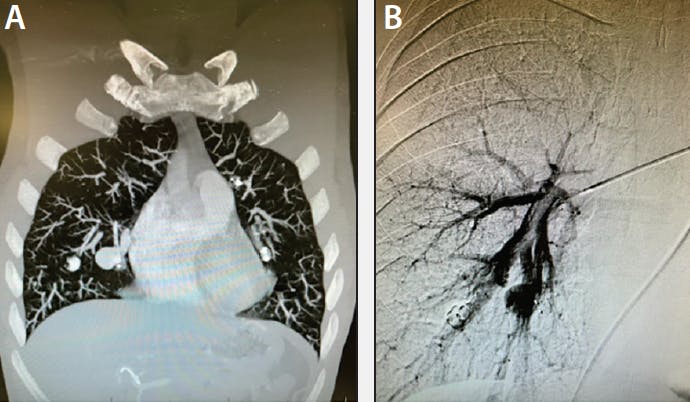
Figure 1. CTA revealed multiple PAVMs (A). Selective angiography of the right inferior lobe PAVM (B).
Right femoral vein access was achieved with a 6-F introducer sheath. A 6-F pigtail catheter was used to pass the heart and catheterize the right pulmonary artery. Subsequently, embolization was performed through a triaxial system consisting of a 6-F long sheath, a 5-F guiding catheter, and a 150-cm 45° LANTERN microcatheter to ensure a stable position.
Two Standard Ruby Coils (24 mm X 60 cm) followed by two Standard Ruby Coils (20 mm X 60 cm) were placed in the sac to act as a backstop. An additional two Soft Ruby Coils (20 mm X 60 cm) were implanted. Only six coils were needed to obtain a total occlusion, resulting in a very quick and safe embolization (Figure 2).
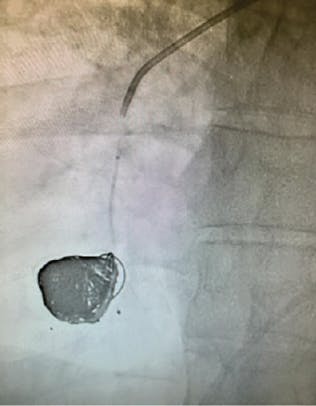
Figure 2. Embolization with six Ruby Coils.
Then a microvascular plug was placed in the feeding artery to close the afferent vessel. A final pulmonary angiogram demonstrated satisfactory total occlusion of the PAVM (Figure 3).
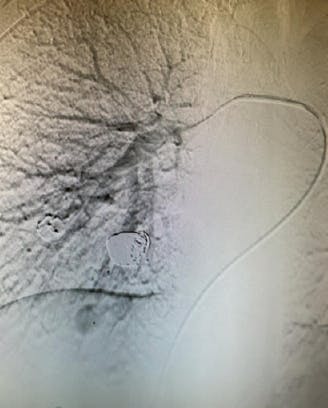
Figure 3. Final angiogram demonstrating complete occlusion of the PAVM.
At 1-month follow-up, the patient’s symptoms improved and no complications occurred.
DISCUSSION
We had the necessity to close a large volume (venous sac) in a high-pressure fistula. Embolizing high-flow fistulas by pushable coils bears the risk of dislodgement and subsequent nontarget embolization, especially in PAVM where there is a direct connection with systemic circulation. Ruby Coils are detachable and rely on mechanical occlusion allowing for a dense packing.3
Conclusion
Standard and Soft Ruby Coils provide multiple advantages. The large diameter (up to 40 mm) has the potential to enable secure anchoring in either the sac or distal feeding artery even in high-flow situations. Their softness provide enhanced packing density with low migration risk. Finally, because of their long lengths up to 60 cm, a reduced number of coils is potentially necessary, which could lead to a more cost-effective solution.
1. Chamarthy MR, Park H, Sutphin P, et al. Pulmonary arteriovenous malformations: endovascular therapy. Cardiovasc Diagn Ther. 2018;8:338-349. doi: 10.21037/cdt.2017.12.08
2. Müller-Hülsbeck S, Marques L, Maleux G, et al. CIRSE standards of practice on diagnosis and treatment of pulmonary arteriovenous malformations. Cardiovasc Intervent Radiol. 2020;43:353-361. doi: 10.1007/s00270-019-02396-2
3. Vogler J, Gemender M, Samoilov D. Packing density and long-term occlusion after transcatheter vessel embolization with soft, bare-platinum detachable coils. Am J Interv Radiol. 2020;4. doi: 10.25259/AJIR_31_2019
Renal Arteriovenous Malformation

WHY I CHOSE PENUMBRA LARGE-VOLUME COILS
- POD: Permits precise anchoring plus versatility, retrievability, and reliable performance.
- Ruby Coils: Create stability and volume allowing dense packing to eliminate the high-flow arteriovenous shunt with minimized risk of coil migration.
PATIENT PRESENTATION
A man in his late 50s presented with right loin pain and hematuria. CT urogram demonstrated renal colic and hydronephrosis. He initially underwent a right flexi ureoscopic laser and fragmentation of the calculus. At that time, it was not possible to pass a ureteric stent retrogradely and an 8-F locking pigtail drain was inserted without complication.
Two days after the right nephrostomy insertion, it was caught on the side of the hospital bed and pulled. Initially, blood drained from the nephrostomy tube but then settled. Twenty-four hours later, the nephrostomy stopped draining and the patient was sent to interventional radiology. The right nephrostomy tube was blocked. A replacement nephrostomy was inserted, and blood drained from the right renal pelvis. CT confirmed a contrast blush in the right renal lower pole adjacent to the nephrostomy tube and substantial renal pelvis thrombus and high attenuation consistent with hemorrhage (Figure 1).
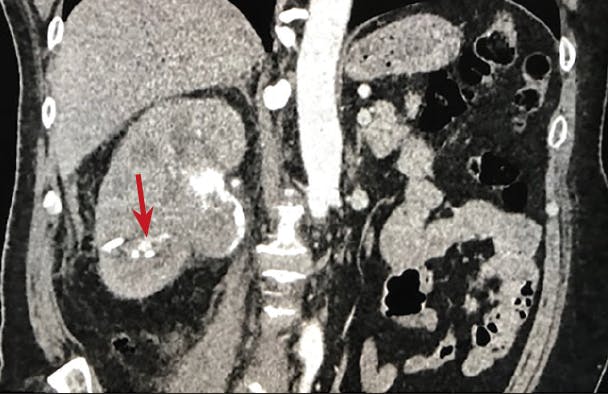
Figure 1. CT showed a contrast blush in the right renal lower pole.
The patient was brought to the theatre and the right common femoral artery was accessed with ultrasound retrograde with local anesthetic and a 4-F, 45-cm sheath inserted. A 4-F cobra-shaped catheter was used to select the right renal artery. Angiography demonstrated high preferential flow into the inferior branch of the anterior division of the renal artery with pooling of contrast in what appeared to be a nidus connecting the artery to a large draining vein (Figure 2). Clinically, the patient complained of a burning pain in his back and the back of his head.
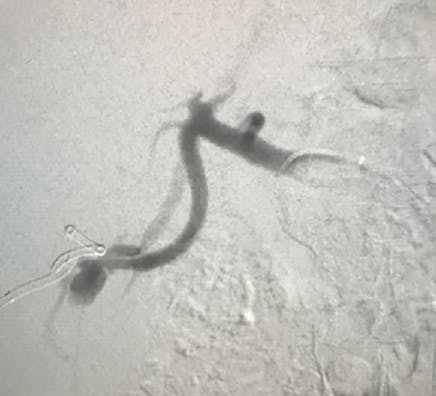
Figure 2. Renal angiogram showed a pooling of contrast from the renal artery to a large draining vein.
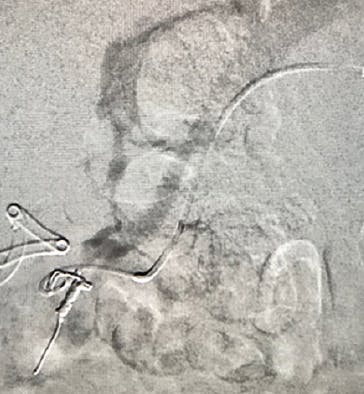
Figure 3. Venous filling after first Ruby Coil placement.
A Standard Ruby Coil (4 mm X 10 cm) was used to embolize a small artery feeding the nidus inferiorly prior to coiling the nidus. A microcatheter was used to select the nidus; the angiogram showed rapid venous filling (Figure 3). A 60-cm POD8 was selected to create stability. In these high-flow malformations, POD provides a reliable anchor and its large-volume filling segment facilitates and initiates an effective occlusion. Further filling was performed with a 60-cm Packing Coil (Figure 4). The coil ball was stable and further rapid coiling of the feeding artery was performed to prevent high-pressure flow displacing the nidal coil ball. A Standard Ruby Coil (8 mm X 40 cm) was used to densely pack the lower pole renal artery (Figure 5). Good preservation of renal cortex was demonstrated on the later phase nephrogram (Figure 6).
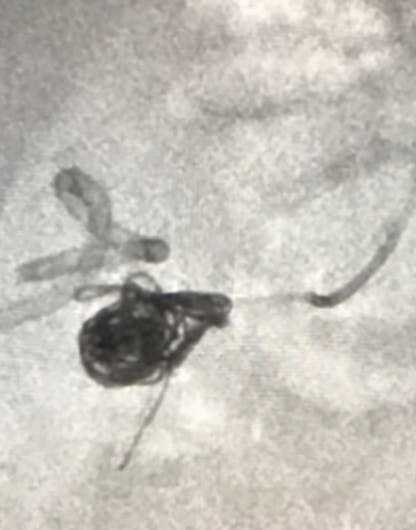
Figure 4. Embolization of the nidus with POD and Packing Coil.
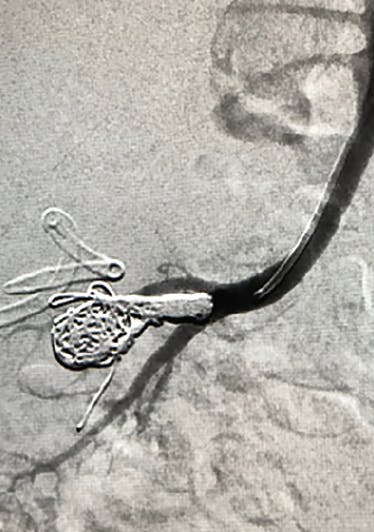
Figure 5. Lower pole artery embolized with Ruby Coil.
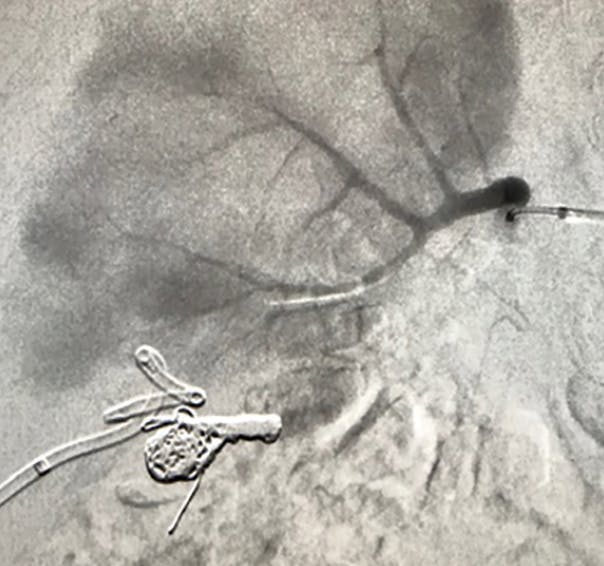
Figure 6. Preservation of renal cortex.
The patient recovered well. The follow-up nephrostomy a few days later demonstrated no further thrombus in the right renal pelvis.
DISCUSSION
Pathology descriptions of arteriovenous malformations (AVMs) state that an AVM is formed between a connection of the arterial and venous structures without flowing through a capillary bed. The AVM has a nidus. Arteriovenous fistulas (AVFs) do not have a nidus and are usually caused by trauma. Renal AVMs are an uncommon cause of hematuria and are usually congenital. AVMs caused by trauma are also rare.1
Angiography is the gold standard for diagnosing AVM/AVF and assessing flow.2 Embolization has been shown to be effective and safe. Multiple embolization materials can be considered including ethanol, N-butyl cyanoacrylate (NBCA), polyvinyl alcohol (PVA) particles, ethylene vinyl alcohol copolymer (Onyx, Medtronic), and endovascular coils and vascular plugs. In high-flow AVMs such as this one, embolization techniques are more limited due to the significant risks associated.
In this case, the aim was to treat the hematuria with minimal renal parenchymal loss and maximal preservation of renal function. The significant risk associated with this lesion were the migration of embolic material.
1. Radiopedia. El-Feky M, Morgan MA. Renal arteriovenous malformation. Accessed March 25, 2021. https://radiopaedia.org/articles/renal-arteriovenous-malformation
2. Cura M, Elmerhi F, Suri R, et al. Vascular malformations and arteriovenous fistulas of the kidney. Acta Radiol. 2010;5:144-149. doi: 10.3109/02841850903463646
Emborrhoid Embolization


WHY I CHOSE PACKING COIL
- Packing Coil is like liquid metal and can be advanced distally into the hemorrhoid plexus
- Reduction of procedure time and a single device used for each target artery allows for an economic benefit
PATIENT PRESENTATION
A man in his early 30s treated with full anticoagulant therapy for intermediate-high risk bilateral pulmonary embolism presented with a severe anemia (7.3 g/dL) without hemodynamic instability. Anemia was due to severe hemorrhoid bleeding according to rectoscopic evaluation. After multidisciplinary evaluation, both the need of anticoagulant therapy and the high bleeding risk resulted in the decision to perform hemorrhoid embolization. Based on my experience, this technique has several advantages: it leaves the hemorrhoidal tissue in place, preserves anal continence, does not involve the creation of rectal wounds, and it is significantly less invasive than open surgery.1
The procedure was performed under fluoroscopy in an angiographic suite. Access was achieved via a 5-F right common femoral artery sheath. The inferior mesenteric artery was catheterized with a 4-F VS1 angiographic catheter (Figure 1A). A superselective catheterization of the superior rectal artery was performed with a 2.7-F microcatheter. A preprocedural angiography was performed with 9 mL of a nonionic iodinated contrast agent to depict the division branches of the superior rectal artery feeding blood into hemorrhoid plexus (Figure 1B). A superselective embolization of the target branches was performed advancing the microcatheter as distal as possible. The embolization was started by placing one 30-cm Packing Coil in each branch (Figure 2A-2D).
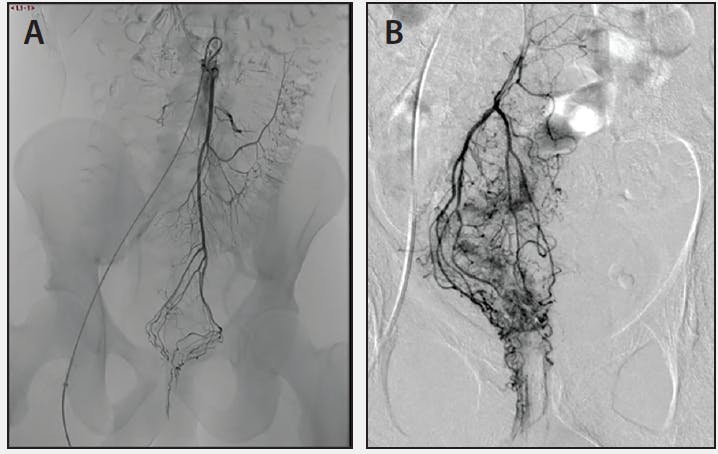
Figure 1. Digital subtraction angiography of the inferior mesenteric artery (A) and superior rectal artery (B) showing the arterial blood supply of the internal hemorrhoidal plexus.
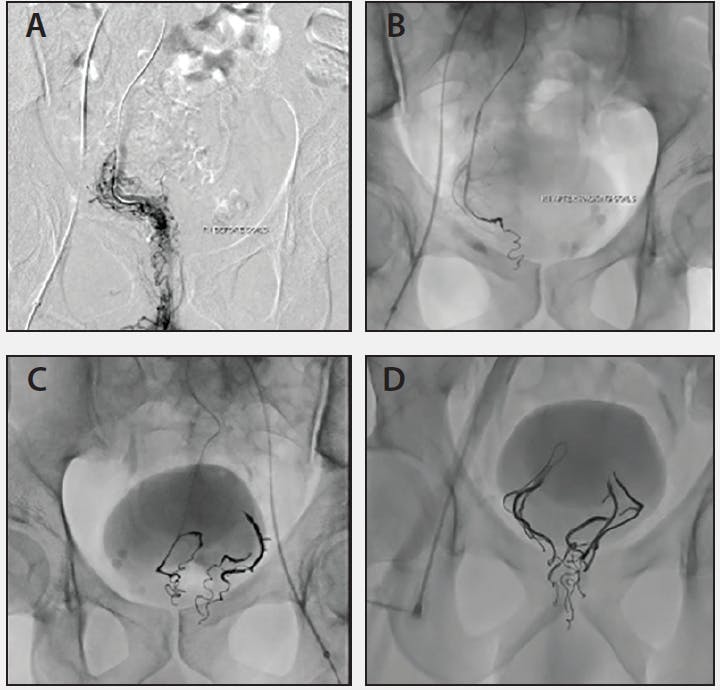
Figure 2. Superselective catheterization and embolization using 30-cm Packing Coils of the right (A, B) and left superior rectal artery branches (C, D).
An angiographic control confirmed the devascularization of the hemorrhoids (Figure 3). A total of four feeding arteries were embolized using four Packing Coils (30 cm). In the immediate postprocedural period, the bleeding was stopped without need of interruption of the anticoagulant therapy to treat the pulmonary embolism. The patient was maintained in the hospital because of his respiratory condition and was discharged 48 hours after the procedure with no complication.
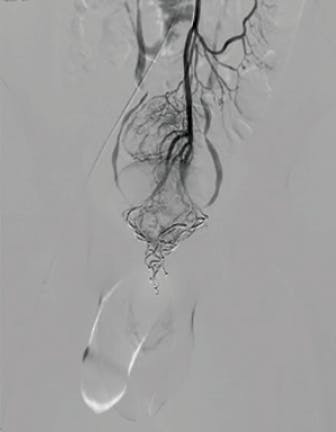
Figure 3. Final results showing a complete devascularization of the internal hemorrhoidal plexus from the superior rectal artery.
DISCUSSION
Hemorrhoid embolization is a painless procedure that could be performed in an outpatient setting. The goal of the intervention is blood flow reduction to the hemorrhoid plexus to reduce bleeding and the patient’s symptoms. Frequently, an embolization of all divisional branches of the superior rectal artery is enough to obtain a successful blood reduction. If a large middle rectal artery is visualized in preprocedural angiography, an adjunctive embolization could be necessary. This is necessary, in particular when the operator did not arrive to obtain a distal embolization near to the hemorrhoid plexus. The Packing Coils allow a very distal embolization of the target artery. The coils also allow a good packing inside the vessel with an aspect described as “liquid metal.” This characteristic can reduce the risk of bleeding recurrence that may be observed in patients who undergo hemorrhoid embolization due to a coil’s repermeabilization.
Finally, the coils are longer compared with most other coils on the market. This characteristic may allow for the use of a single coil to embolize each artery with a significant time and cost reduction.
CONCLUSION
The use of Packing Coils for hemorrhoid embolization may improve the outcomes of this technique reducing the risk of bleeding recurrence and procedural time with a significant impact on procedure cost as seen in our practice.
1. Zakharchenko A, Kaitoukov Y, Vinnik Y, et al. Safety and efficacy of superior rectal artery embolization with particles and metallic coils for the treatment of hemorrhoids (emborrhoid technique). Diagn Interv Imaging. 2016;97:1079-1084. doi: 10.1016/j.diii.2016.08.002
Endoleak Type IA: Multidisciplinary Management of a Type II Endoleak Evolving in Type IA


WHY I CHOSE RUBY COILS
- Ruby Coils’ large diameter and volume advantage result in fewer devices per procedure, which can mean costs savings
- They are designed to provide a safe and easy solution and are similar in volume to 0.035-inch coils, yet microcatheter deliverable
At the time of endovascular aneurysm repair (EVAR), endoleaks (ELs) may be present in up to 25% of patients.1 Although an EL may often resolve without intervention, some may require immediate or delayed treatment to prevent aneurysm rupture. The risk of abdominal aortic aneurysm (AAA) rupture is associated to the pressure the EL can transfer to aneurysm sac. The natural history of type II EL is still not completely understood; however, it is widely accepted that persistent type II EL with aneurysm sac growth can be a worst scenario.2
In clinical practice, management of ELs is often entrusted to teams of vascular surgeons or interventional radiologists alone, depending on availability and experience. Since 2015, in our institution, a collaboration between vascular surgeons and interventional radiologists has been established for the management of these complex EVAR complications. The rationale behind this approach is that combining the knowledge and technical expertise of these two departments offers a wider, safer, and more effective management of ELs.
PATIENT PRESENTATION
A man in his early 80s, who underwent EVAR for infrarenal AAA, developed a type II EL from the inferior mesenteric artery (IMA) through the Riolano’s arch, as revealed by the 1-year follow-up CTA (Figure 1A). A 6-month CT scan showed the evolution of the type II EL in a type Ia EL (Figure 1B) with significant sac expansion.
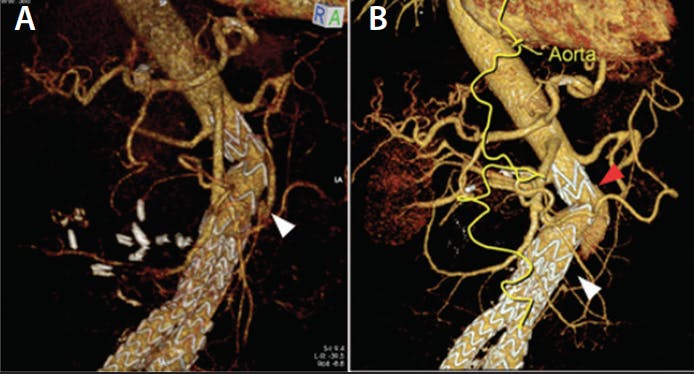
Figure 1. One-year follow-up CTA showing a type II EL from IMA (white arrowhead, A) and its evolution in type Ia EL after 6 months with proximal extension to the free-flow proximal edge of the prosthesis (red arrowhead) and change of the flow dynamics inside the sac with occlusion of the previous feeding IMA (white arrowhead, B).
Planning consisted of proximal cuff extension plus coil embolization of the nidus to avoid type II EL relapse.
Ultrasound-guided 4-F left humeral and surgical 11-F right femoral accesses were performed. The aneurysm sac was catheterized coaxially from above (via humeral access) with a 4-F multipurpose catheter and a 0.025-inch microcatheter through the free-flow proximal edge of the graft (Figure 2A). From the femoral access, an aortic cuff was advanced and released below the lowermost right renal artery (Figure 2B). The nidus was embolized using three Standard Ruby Coils (one 16 mm X 60 cm; two 12 mm X 40 cm), which filled the aneurysm empty space (Figure 2C and 2D). A non-covered aortic stent was then released to reduce the 80° alpha-angle of the aneurysm neck. Completion angiography showed patency of renal arteries and absence of any EL (Figure 2E). The 1-year contrast-enhanced ultrasound imaging reported significant shrinkage of the sac (53 X 52 mm vs 61 X 53 mm).
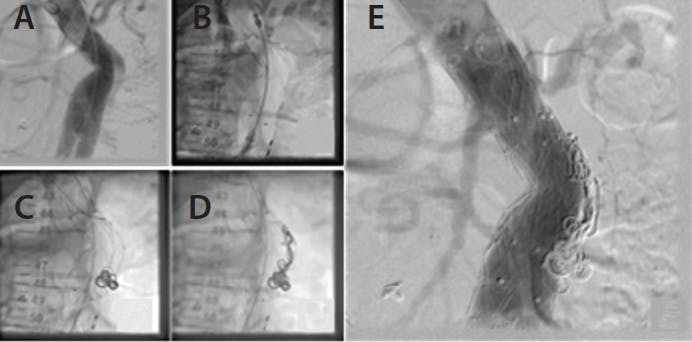
Figure 2. Initial aortogram from humeral access confirming the type Ia EL (A). Positioning of the microcatheter in the EL lumen and aortic cuff deployment (B). Embolization of the sac with three Standard Ruby Coils (C, D). Final aortogram after the implantation of a non-covered aortic stent showing complete exclusion of the aneurysm sac (E).
DISCUSSION
Whether to intervene and correct timing for type II ELs is of ongoing debate.
This case shows a rapid evolution of a low-pressure EL in a high-pressure one, requiring prompt multimodality treatment to avoid further complications. Multidisciplinary collaboration model leads to an improvement in the management of EL patients and an opportunity for collaboration and growth for the staff involved. However, multimodality approach may result in longer procedures and high radiation exposure for both patient and operators. The Penumbra Ruby Coils are detachable, which can help us to safely and easily deploy them. Additionally, the coils rely on the dense packing characteristics thanks to their extreme softness, which could minimize the recanalization risk.
Their large volume and long lengths of up to 60 cm reduce the number of coils needed to achieve complete embolization, which can result in lower procedure times and radiation exposure.
1. Chisci E, Guidotti A, Pigozzi C, et al. Long-term analysis of standard abdominal aortic endovascular repair using different grafts focusing on endoleak onset and its evolution. Int J Cardiol. 2019;276:53-60. doi: 10.1016/j.ijcard.2018.11.009
2. Cannavale A, Lucatelli P, Corona M, et al. Evolving concepts and management of endoleaks after endovascular aneurysm repair: where do we stand in 2019? Clin Radiol. 2020;75:169-178. doi: 10.1016/j.crad.2019.10.023
An Interview With Dr. Florian Wolf
What is the value of Penumbra’s embolization platform in your daily practice?
The Penumbra embolization platform with Ruby, POD, and Packing Coil allow you to do a large portfolio of coil embolization procedures. According to the indication and the morphology of the lesion you have to embolize, you can choose the perfect embolization device. The Penumbra coils allow you to embolize large areas/vessels using a reduced number of coils because they are similar in size to an 0.035-inch coil and up to 60-cm long. Nevertheless, they are delivered via a microcatheter.
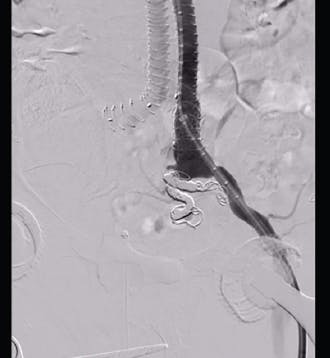
Distal type Ib endoleak after abdominal stent graft, embolization of the internal iliac artery branches with a POD5 30-cm length and POD6 50-cm length followed by two 45-cm and one 60-cm Packing Coils.
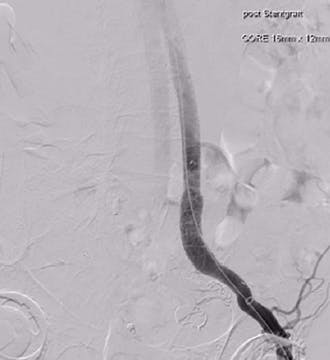
Directly after coil placement, the internal iliac artery was completely occluded; after stent graft placement there was no more perfusion of the aneurysm sac visible.
Why is it important to create a good packing density?
If I embolize an aneurysm or I have to occlude a vessel, the enhanced softness of these devices facilitate a dense pack, reducing reliance on thrombus formation. I want to trust the “liquid metal” concept of Penumbra’s Packing Coil with a complete filling of the structure that I have to embolize.
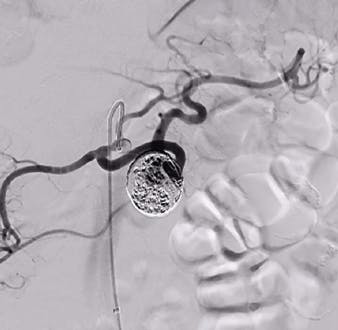
Angiogram showing a recanalization of a 3-cm splenic aneurysm. Two embolization procedures performed prior to exclude using other fibered microcoils.
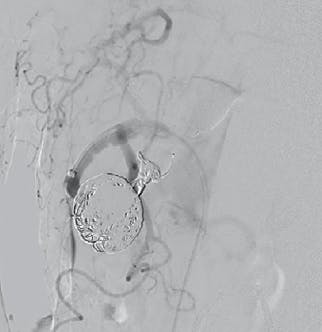
Successful reintervention with two 20-mm X 60-cm Standard Ruby Coils and two 60-cm Packing Coils. The aneurysm was completely embolized with no more perfusion.
What do you see the biggest advantages/benefits of Ruby, POD, Packing Coil over conventional coils/plugs?
The deliverability via a microcatheter combined with the size similar to 0.035-inch coils is definitely an unbeatable advantage. Moreover, the extreme softness of Penumbra’s Embolization System portfolio allows an excellent packing density. This, paired with their concept of not relying on thrombus dependent occlusion, I can achieve a durable occlusion.
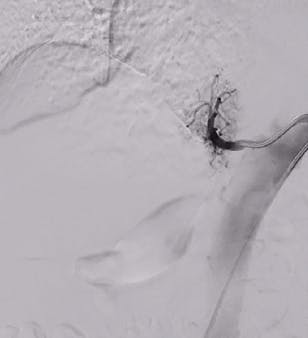
Angiogram showing a feeder of a pulmonary sequestration originating in the distal thoracic aorta.
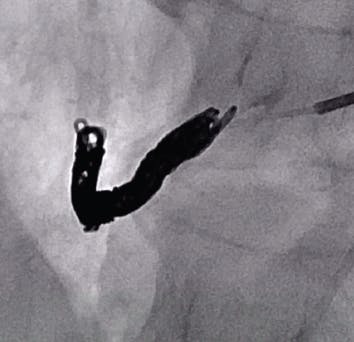
Embolization performed using six Standard and Soft Ruby Coils of a diameter of 5 and 6 mm. The coils showed an excellent packing density and the feeding artery was instantly completely occluded.
Disclaimer: The opinions and clinical experiences presented herein are for informational purposes only. The results may not be predictive of all patients. Individual results may vary depending on a variety of patient-specific attributes.
Advertisement
Advertisement