Advertisement
Advertisement
July 2021
Sponsored by Penumbra, Inc.
Mechanical Power Aspiration With the Indigo® System in Pulmonary Emboli, Venous Occlusions, and Acute Limb Ischemia
With John M. Moriarty, MD, FSIR, FSVM; Andrew Yates; Massimo Pieraccini, MD; Alessio Puliti, MD; Andrea Picchi, MD; Thomas Le Houérou, MD; Yann Gouëffic, MD, PhD; Reinhold Perkmann, MD; Giovanni Coppi, MD; and Carlo Patrizio Dionisi, MD
Pulmonary Embolism Management and Use of Mechanical Thrombectomy

How do you foresee the pulmonary embolism (PE) management paradigm shift in the future?
Dr. Moriarty: Over the last few years, the presentation and publication of prospective trials in acute PE intervention have caused a huge amount of excitement in the field with an expansion in the potential for catheter-based thrombectomy or thrombolysis. In my view, clot removal without the need for tissue plasminogen activator (tPA) is going to increase as the evidence base increases.
Can you describe your protocol for patients presenting with an intermediate–high-/low-risk PE?
Dr. Moriarty: A protocoled approach is very helpful in guiding either the PE response team (PERT) or the single physician who is faced with the patient with right ventricular dilatation or cardiac biomarker elevation. These are the hardest patients to risk stratify because although the overall risk of decompensation is low (5%), these patients can become unstable or worsen quite quickly. Risk stratification including transthoracic echocardiography, cardiac biomarkers (pro-BNP [B-type natriuretic peptide] and troponin), and clinical prediction scores (Pulmonary Embolism Severity Index [PESI] or simplified PESI) can be of help in selecting the sickest of this disparate group.
2019 European Society of Cardiology (ESC) guidelines recommend considering percutaneous catheter-directed thrombectomy in high-risk PE patients where thrombolysis is contraindicated or has failed and for intermediate- or low-risk PE where hemodynamic deterioration occurs. Is your protocol different when treating high-risk or an intermediate–high-/low-risk PE?
Dr. Moriarty: Yes! Generally, in patients who are intermediate-low risk according to ESC guidelines, we proceed with anticoagulation and supportive care pending any change in status. In patients who are high or intermediate-high risk, we assess for suitability for systemic thrombolysis, and between these two groups, we consider catheter-based therapeutics.
Which clinical outcomes are you looking at when treating PE patients with mechanical thrombectomy?
Dr. Moriarty: This is a very tough question to answer because we are lacking hard operative endpoints, and indeed all the trials used surrogate endpoints such as right ventricular/left ventricular (RV/LV) diameter ratio on follow-up imaging to determine success. For me, I am guided by pulmonary artery pressures (PAPs), the amount of thrombus removed, and any blood loss, but I mostly have decided my stop point prior to starting the case based on the clinical presentation. I have come to the belief that you do not need to clear every bit of clot to get an excellent clinical result.
What are the benefits and risks of mechanical thrombectomy versus thrombolysis?
Dr. Moriarty: The main benefit is the ability to rapidly remove the afterload on the right ventricle without having to use thrombolysis, which is potentially associated with bleeding. We know tPA works, but we also know it causes hemorrhage, and mechanical thrombectomy shows promise in getting the best of both worlds.
Which factors will lead you to choose the Indigo System (Penumbra, Inc.) as a first-line approach in PE?
Dr. Moriarty: The results of the EXTRACT PE trial show that the Indigo System is successful at decreasing the RV/LV ratio and PAP at 48 hours in patients with submassive PE with a very low complication rate.1 Given this and the success of the Indigo System in both removing large volumes of central clot and maneuvering into segmental vessels, the range of patients who we are considering mechanical thrombectomy has expanded significantly.
Are you using the Indigo System in other vascular beds?
Dr. Moriarty: Yes, whether for peripheral arterial or mesenteric arteries, the Indigo System has proven versatile and deliverable to many vascular beds and capable of removing both emboli and thrombi (Figure 1).
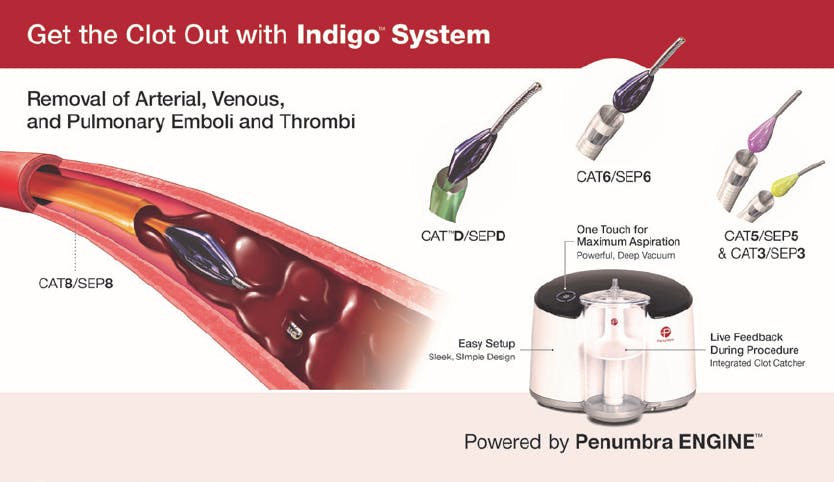
Figure 1.
1. Sista AK, Horowitz JM, Tapson VF, et al. Indigo Aspiration system for treatment of pulmonary embolism: results of the EXTRACT-PE trial. JACC Cardiovasc Interv. 2021;14:319-329. doi: 10.1016/j.jcin.2020.09.053.
Indigo System in High-Risk PE

With contributions from Jack W. Power (Mater Misericordiae University Hospital); Philip J. Dempsey (Mater Misericordiae University Hospital); and Umer Salati, MBChB BAO, MRCP (UK), FFR RCSI, EBIR
PATIENT PRESENTATION
A man in his late 20s presented to the emergency department (ED) after a 6-hour flight with acute onset of shortness of breath markedly limiting physical activity and central chest pain. The patient had a known history of viral myocarditis as a teenager with resultant diminished LV ejection fraction of 25%. He was tachypneic and tachycardic with a heart rate of 140 to 160 bpm in sinus tachycardia, relatively hypotensive with a blood pressure of 90/60 mm Hg, and had a decreased oxygen saturation of 88% on room air, which improved to 94% on 6 L/min oxygen. There was no observable leg swelling. Initial lab workup found elevated D-dimer (2,200 ng/mL), troponin I (0.79 ng/mL), and BNP (440 ng/L) levels. The patient was started on therapeutic dose unfractionated heparin.
Urgent CT pulmonary angiography (CTPA) was performed, which demonstrated large-volume central occlusive right main pulmonary thrombus with RV dilatation (Figure 1). Immediately after the scan, the patient acutely decompensated with cardiac arrest and pulseless electrical activity. He responded rapidly to adrenaline chest compressions with return of spontaneous circulation. The multidisciplinary PERT stratified the patient as having a high-risk PE with a risk of mortality and repeat decompensation considering the cardiac arrest, hypotension, the dilated right ventricle, and elevated biomarkers. The decision was made to proceed with urgent mechanical thrombectomy with systemic full-dose tPA as salvage pharmacotherapy.
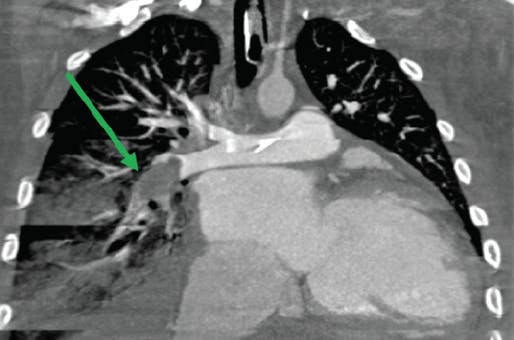
Figure 1. CTPA showing large-volume central occlusive right main pulmonary thrombus (arrow).
INTERVENTION
The patient was transferred to the angiography suite. Ultrasound-guided right internal jugular vein access was obtained using a 4-F micropuncture (Merit Medical) with subsequent insertion of a 9-F Brite Tip sheath (Cordis, a Cardinal Health company). The right heart was crossed with a 5-F, 65-cm Cobra catheter (AngioDynamics, Inc). An 8-F Indigo Aspiration Catheter (CAT8TORQ85) (Penumbra, Inc.) was introduced over an Amplatz super stiff 260-cm guidewire (Boston Scientific Corporation). The guidewire was removed, and the CAT8 was connected to the Penumbra ENGINE to readily aspirate acute thrombus from within the right pulmonary artery (PA) (Figure 2). Following two passes, in which the initial pass was performed from proximal to distal with the CAT8 aspirating the occlusive luminal thrombus and the second pass utilized the Separator 8 to maintain catheter patency, large thrombus was removed (Figure 3) with an immediate on-table improvement of the patient’s heart rate and blood pressure. Completion angiography showed restoration of antegrade flow and much improved PA perfusion. The patient was transferred to the intensive care unit (ICU), discharged from the ICU on day 3 post admission, and returned home on day 6.
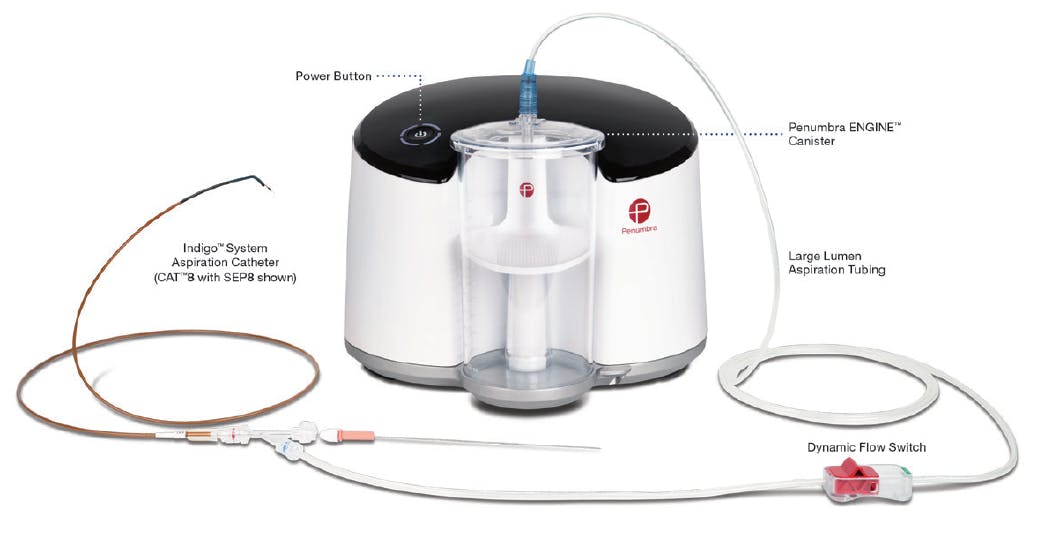
Figure 2. Indigo System set-up.
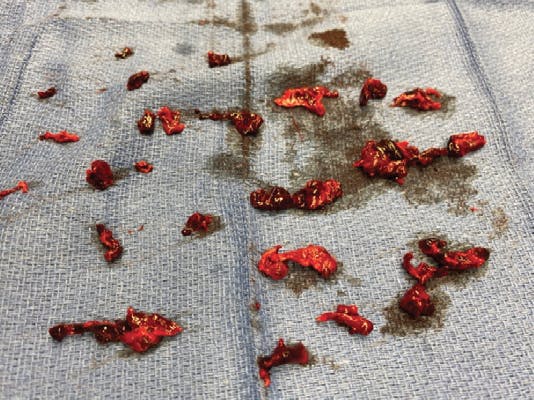
Figure 3. Aspirated thrombus.
DISCUSSION
In the last few years, direct minimally invasive endovascular aspiration of thrombus with the Indigo System has allowed interventionalists to deliver the benefits of thrombectomy without the risks of tPA. The device is even deliverable across a dilated right ventricle to the target PA. The torqueable 8-F aspiration catheter allows for wall-to-wall contact and the ability to aspirate large volumes of thrombus from the PA into the collection canister of the Penumbra ENGINE aspiration pump. The Penumbra ENGINE provides continuous aspiration power, which as compared with syringe-based systems, helps maintain contact with and aspiration of even large or wall-adherent thrombi (Figure 4).
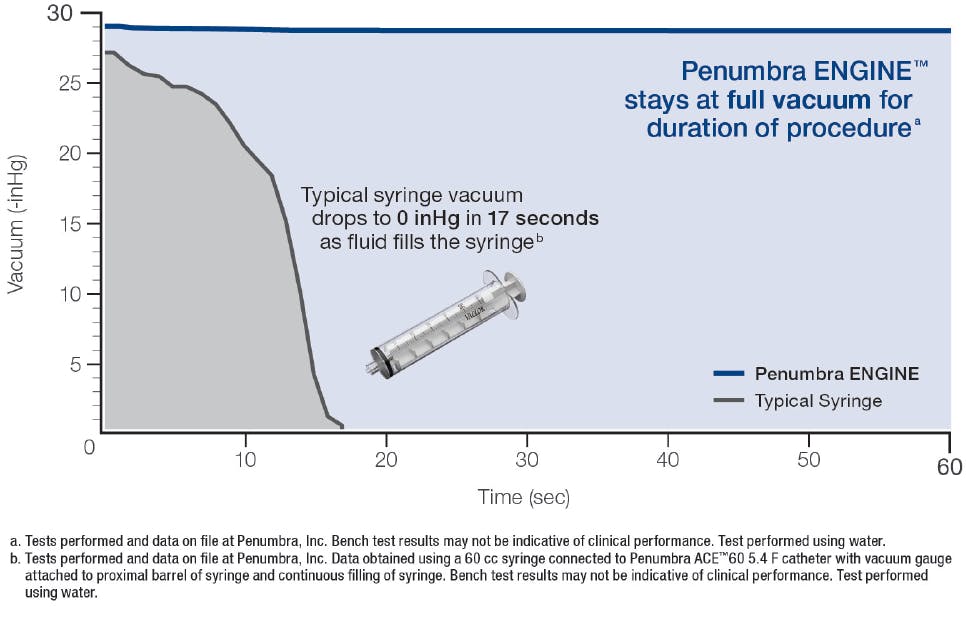
Figure 4.
The EXTRACT PE trial evaluated the use of the Indigo System in a prospective, multicenter, single-arm study of 119 patients.1 There was a significant reduction in the RV/LV ratio at 48 hours (primary efficacy endpoint) from a mean of 1.47 to a mean of 1.04 (27% reduction) (Figure 5). This was achieved with only a 1.7% major adverse event rate and an impressive mean procedure time of 66 minutes, median device time of 37 minutes, and a median ICU stay of 1 day. Based on these results, the FDA cleared the Indigo System for treatment of PE in the United States.
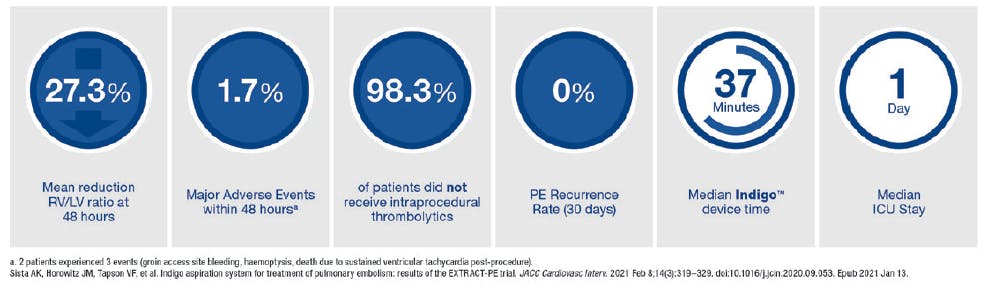
Figure 5.
1. Sista AK, Horowitz JM, Tapson VF, et al. Indigo Aspiration system for treatment of pulmonary embolism: results of the EXTRACT-PE trial. JACC Cardiovasc Interv. 2021;14:319-329. doi: 10.1016/j.jcin.2020.09.053
Combined Use of the Indigo System in PE and Superficial Femoral and Popliteal Vein Thrombosis



PATIENT PRESENTATION
A woman in her mid-80s presented to the ED after a transitory loss of consciousness, along with dyspnea and swelling of the right leg. On admission, she had a systolic blood pressure of 90/50 mm Hg and an oxygen saturation of 84% with a 30% FiO2. The patient had a stroke 1 month earlier and had a history of non–insulin-dependent diabetes mellitus.
CTPA was performed showing bilateral PE with occlusion of both principal PAs (Figure 1). An echocardiogram showed signs of RV dysfunction, with RV/LV ratio > 1, tricuspid annular plane systolic excursion (TAPSE) < 16 mm, with elevated values of serum high-sensitivity troponin T and NT-proBNP. A peripheral lower extremity venous color Doppler showed right superficial femoral and popliteal vein thrombosis.
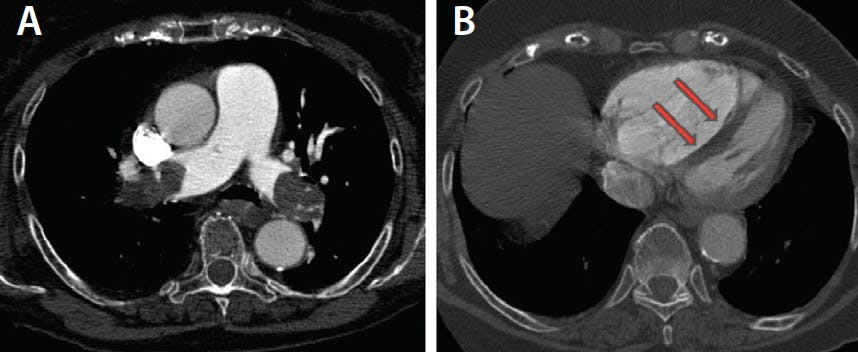
Figure 1. CTPA showing embolic occlusion of main pulmonary artery (A) and intraventricular septal flattening (B).
Due to the contraindication to fibrinolysis treatment secondary to the recent ischemic stroke, and acute massive PE, mechanical thrombectomy with the Indigo System seemed the most appropriate approach.
INTERVENTION
The patient was brought to the interventional suite, and the procedure was performed with anesthesiologic monitoring without intubation. The left common femoral vein was accessed with an 8-F, 10-cm introducer sheath (Radifocus, Terumo Interventional Systems). The right atrium was catheterized via a 6-F angled pigtail catheter, and after a first contrast media check, a patent foramen ovale (PFO) was demonstrated with opacification of left atrium, left ventricle, and left ascending aorta.
PA systolic pressure (PASP) of the main PA was 43 mm Hg (Figure 2). The pigtail catheter was removed over a 0.035-inch, 260-cm stiff guidewire (Radifocus Guide Wire M Standard Type, Terumo Interventional Systems) advanced into the common PA. A 115-cm Indigo Aspiration Catheter (CAT8XTORQ115) was then advanced toward the thrombus and connected to the Penumbra ENGINE. Mechanical thrombectomy was started from the left side. A Separator 8 was introduced to support clearing the tip of the CAT8 and engaging the clot to be collected in the cannister.
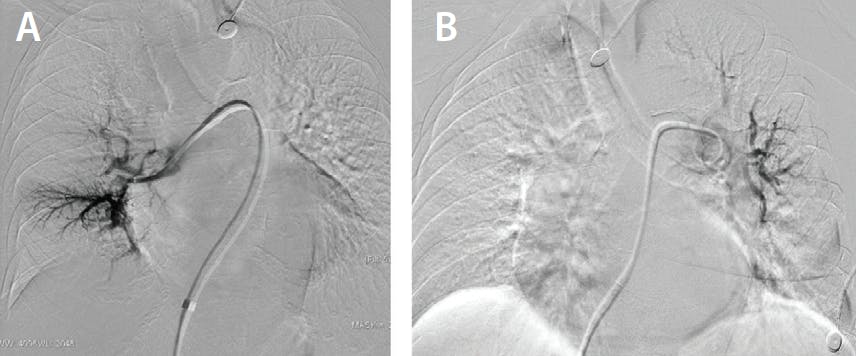
Figure 2. Angiography prethrombectomy of the right (A) and left (B) lung.
Thrombectomy was performed in both PAs and in some lobar arteries, the main lower lobar arteries on the left, and inferior and superior lobar arteries on the right. Selective catheterization of target vessels was performed with stiff hydrophilic guidewire and a 125-cm coaxial multipurpose catheter. Final imaging showed satisfactory recanalization (Figure 3). At the end of the procedure, PASP clearly improved to 32 mm Hg with a SpO2 of 92% and 30% FiO2.
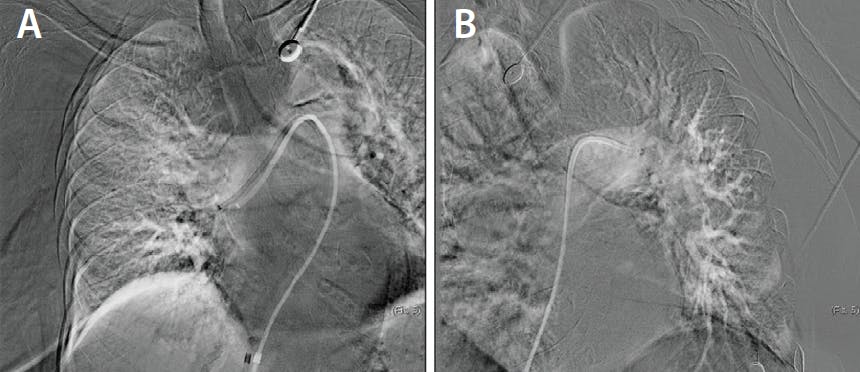
Figure 3. Posttreatment angiopneumogram of the right (A) and left (B) lung.
Utilizing an up-and-over technique, retrograde catheterization of the right lower limb veins was performed. Subsequently, phlebography confirmed ultrasound diagnosis of superficial and popliteal vein thrombosis. Power aspiration with the CAT8 was again employed. Cycling the Separator 8 back and forth under aspiration supported rapid clot removal. Only some heavily organized residual thrombi remained (Figure 4).
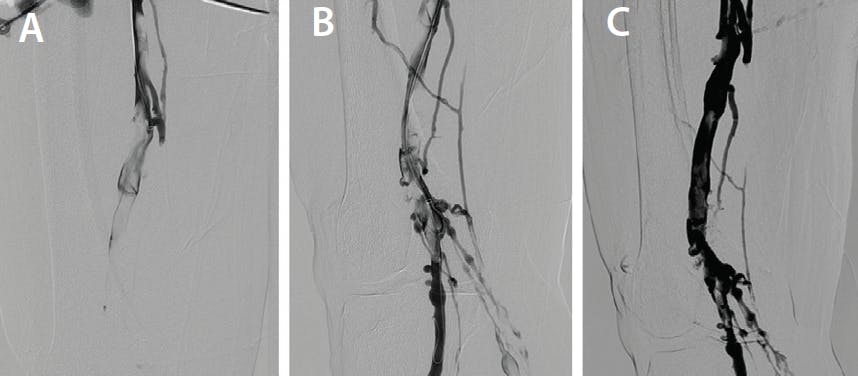
Figure 4. Phlebogram of the right retrograde superficial femoral (A) and popliteal veins (B) showing thrombosis and the result after thrombectomy (C).
The patient’s condition remained stable during the entire length of the procedure, with progressive improvement of systemic blood pressure and SpO2 (> 92%). After the procedure, the patient was admitted in the ICU, continued systemic unfractionated heparin until day 3 and low-molecular-weight heparin (LMWH) thereafter, and remained stable until final discharge. LMWH therapy was continued for 6 months without complications. One month after the procedure, the patient underwent percutaneous PFO closure.
DISCUSSION
Paradoxical stroke is a rare condition caused by PFO and venous thromboembolism. In patients with high-risk PE, systemic fibrinolysis is recommended as soon as possible to halt the chain of cardiocirculatory and hypoxic events that would lead to catastrophic consequences.1
In patients with contraindications to thrombolysis or surgical pulmonary embolectomy, percutaneous catheter-directed treatment is a valid alternative, if expertise is available.1 It is important to remember that the aim of the procedure is to reduce PASP instead of striving to obtain a good imaging result.2
Catheter-directed thrombectomy using the Indigo System has been shown to be safe and effective in obtaining reperfusion of the occluded vessels.3 The Indigo System is designed to allow for the removal of PE and venous thrombus in a single session.
1. Konstantinides SV, Meyer G, Becattini C, et al. 2019 ESC guidelines for the diagnosis and management of acute pulmonary embolism developed in collaboration with the European Respiratory Society (ERS). Eur Heart J. 2020;41:543-603. doi: 10.1093/eurheartj/ehz405
2. Kuo WT, Gould MK, Louie JD, et al. Catheter-directed therapy for the treatment of massive pulmonary embolism: systematic review and meta-analysis of modern techniques. J Vasc Interv Radiol. 2009;20:1431-1440. doi: 10.1016/j.jvir.2009.08.002
3. Sista AK, Horowitz JM, Tapson VF, et al. Indigo Aspiration system for treatment of pulmonary embolism: results of the EXTRACT-PE trial. JACC Cardiovasc Interv. 2021;14:319-329. doi: 10.1016/j.jcin.2020.09.053
Indigo System in a Pregnant Patient With High-Risk PE

PATIENT PRESENTATION
A pregnant woman in her mid-30s with no previous history was admitted to the ED for syncope after experiencing dyspnea for 1 week. She was in sinus tachycardia with preserved blood pressure, cyanosis, and mottling of the extremities. Her SpO2 was 76% on room air and fetal heart rate was normal.
Transthoracic echocardiography revealed major dilatation of the right ventricle and PAP was estimated at 52 mm Hg without LV failure, raising the suspicion of a massive PE; effective anticoagulation was started.
The clinical situation deteriorated rapidly with drowsiness, hemodynamic shock, oxygen dependence, and renal failure with oliguria. Circulatory assistance with an arteriovenous extracorporeal membrane oxygenation (ECMO) through femoral access under local anesthesia led to a partial improvement in symptoms, and a thoracic angioscan confirmed bilateral proximal PE. The venous Doppler ultrasound of the lower limbs did not show any thrombus.
Given the risk of hemorrhage linked to the pregnancy, fibrinolysis was contraindicated. Mechanical thrombectomy using the Indigo System was established as the treatment of choice.
INTERVENTION
Under local anesthesia, left femoral access was achieved with an 8-F, 65-cm Destination sheath (Terumo Interventional Systems). A preoperative angiogram was performed over a 5-F pigtail catheter in the main PA (Figure 1). A 260-cm Amplatz super stiff guidewire with a 7-cm floppy tip (Boston Scientific Corporation) was inserted into the pigtail catheter and exchanged for an 8-F Indigo Aspiration Catheter (CAT8XTORQ115).
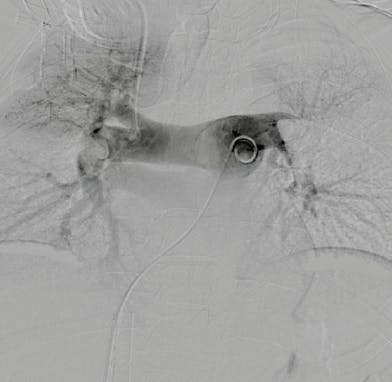
Figure 1. Thrombus in the main PA.
CAT8 was advanced into the embolus in combination with the Separator 8 connected to Penumbra ENGINE. By cycling the Separator back and forth under power aspiration, the thrombus was effectively and safely removed (Figure 2). The presence of the ECMO venous cannula in the inferior vena cava did not interfere with the maneuverability of the catheter and made it possible to dispense with the jugular route.
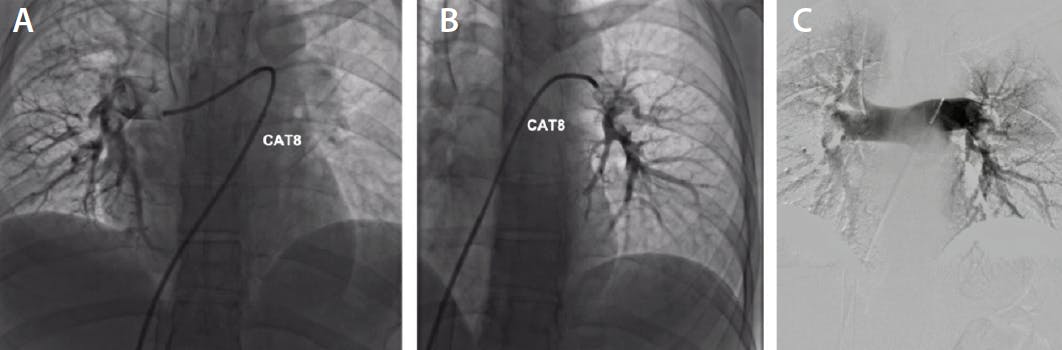
Figure 2. Removal of thrombus with CAT8/SEP8 under aspiration (A). Satisfactory clot removal of the left lower lobe (B). Final result with satisfactory clot removal of the left lower lobe (C).
In the immediate postoperative period, Optiflow (Fisher & Paykel Healthcare) was replaced with a nasal oxygen therapy (3 L/min), and the ECMO flow rate was reduced by 30%. The postoperative care was simple with weaning of the circulatory assistance the next day and oxygen therapy on the third day, and the patient returned to the pneumology department on the fifth day in the absence of fetal complications.
DISCUSSION
The typical treatment option for high-risk PE is systemic fibrinolysis. In this case, it was contraindicated and surgical embolectomy was a risk to the fetus. Thus, percutaneous mechanical thrombectomy was the treatment of choice in this pregnant patient with signs of hemodynamic failure.
The Indigo System using a continuous aspiration is an effective, safe, and simple device that allows revascularization of the proximal trunks. In my experience, the Indigo System is faster than drug-inducing lysis, which takes longer to reach the segmental and subsegmental branches. Even if some or small amounts of the thrombus remain, the channel created through the clot allows a flow restoration, which can help reduce pressures and passing the critical phase of hemodynamic shock.
Indigo System for Bilateral Recanalization of the Common Iliac Arteries After Covered Stenting

PATIENT PRESENTATION
A man in his early 50s presented with bilateral lower limb claudication 1 month after kissing covered stenting of the aortic bifurcation. He was a smoker (30 packs/year) with hypertension and hypercholesterolemia. Both feet were pale without any motor deficit or wounds. The pulses of both legs were absent. A duplex scan of the abdominal aorta and lower limbs showed thrombosis of both common iliac arteries (CIAs) with patent external iliac and common femoral arteries. A preoperative CT scan was then performed, confirming the findings of the duplex scan and noting significant lesions of the infrarenal aorta. In total, the patient presented a bilateral intermittent claudication (Rutherford class 3) that required revascularization. Despite the failure of the previous endovascular treatment, we decided a new attempt of endovascular repair with an extension to the infrarenal aorta.
INTERVENTION
The patient was hospitalized on an outpatient basis. The iliac lesion was accessed under local anesthesia with a 6-F sheath using a duplex ultrasound–guided bilateral retrograde common femoral approach. An intravenous bolus of 50 IU/kg heparin was administered. The intraoperative angiogram confirmed the CIA occlusions. Both CIA occlusions were recanalized via the intraluminal route (Figure 1). From each covered common iliac stent, two covered stents were delivered just below the renal arteries to treat the infrarenal aortic lesions. Secondly, one covered stent was delivered to each CIA covered stent and just above the hypogastric artery ostium. The control angiogram revealed a low flow on the left side. After magnification, we observed a residual stenosis at the level of the left CIA covered stent (Figure 2A). A high-pressure balloon was inflated and succeeded to reopen the covered stent recoil (Figure 2B), but the angiogram showed a free-floating thrombus at the origin of the left external iliac artery (Figure 2C). The 6-F sheath was exchanged for an 8-F short sheath (Radifocus, Terumo Interventional Systems) in order to use the Indigo System Aspiration Catheter. A 50-cm CATD, the largest nonocclusive aspiration catheter, was carefully advanced over an 0.035-inch guidewire through the cross-cut valve of the 8-F sheath using the peel-away introducer and placed 1 cm proximal to the thrombus (Figure 3A). The guidewire was then removed and power aspiration was turned on. The Separator D was cycled back and forth, carefully in the thrombus working from proximal to distal and allowing restoration of rapid flow (Figure 3A). The thrombus was fully removed, and a flow appeared in the tubing (Figure 3B and 3C). Control angiography showed the full removal of the thrombus and a good runoff in both legs (Figure 4). Hemostasis at femoral puncture sites was obtained with arterial closure devices, and the patient was discharged the same day. The patient was maintained on aspirin and clopidogrel for at least 6 months, and clopidogrel was then prescribed alone for life.
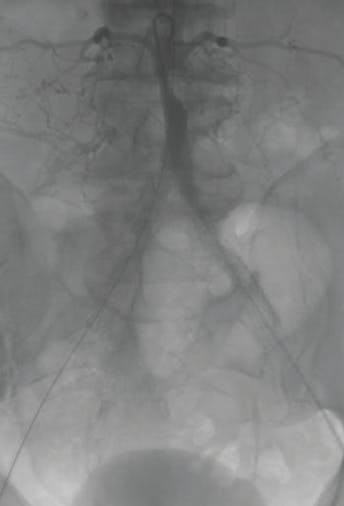
Figure 1. Preprocedural angiogram of the CIAs.
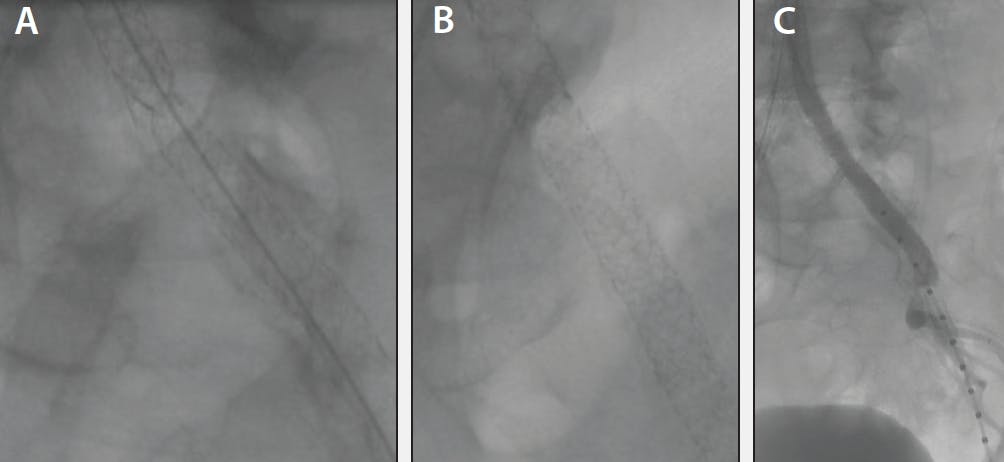
Figure 2. Left CIA covered stent stenosis (A). A high-pressure balloon inflated (B). A free-floating thrombus at the origin of the left external iliac artery (C).
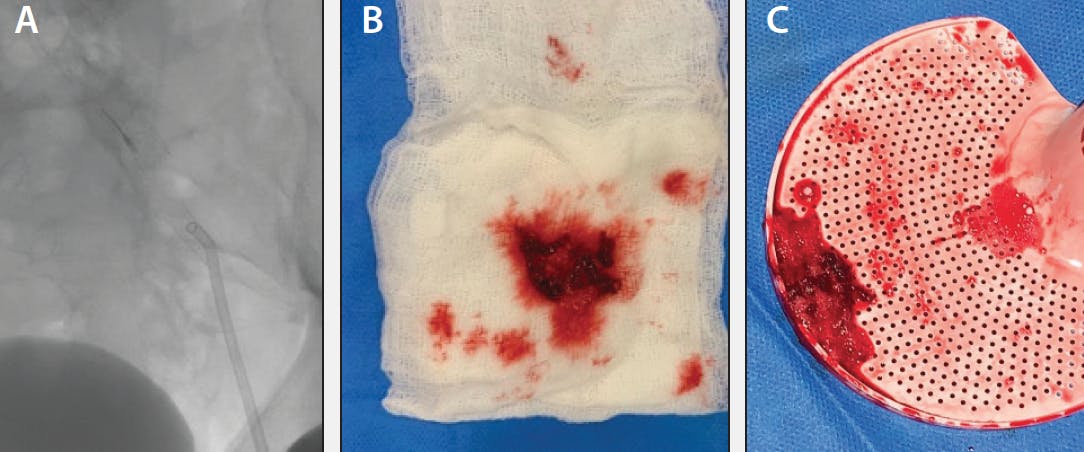
Figure 3. Indigo System with CATD aspiration catheter and SEPD (A). Clot removed with the Indigo System (B, C).
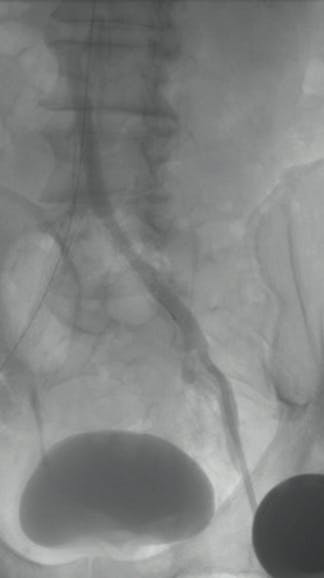
Figure 4. Postprocedural angiogram.
DISCUSSION
During this case, we experienced an embolism during an iliac recanalization. The thrombus came from the occluded covered stent where a fresh thrombus was probably still present. Usually, the thrombus develops into the common femoral artery, but in this case, the residual stenosis at the covered stent level acted as a filter and retained the thrombus. The embolism occurred just after the high-pressure angioplasty of the stenotic covered stent. Without the Indigo System, the alternative to remove the clot would be an arterial embolectomy using a Fogarty catheter (Edwards Lifesciences), requiring an open approach of the groin. An 8-F access can easily be managed by using a vascular closure device. In conclusion, complex endovascular procedures can use additional devices such as the Indigo System to help make the procedure safe, successful, and allow outpatient hospitalization.
Indigo System Rescue After Fogarty Catheter–Induced Acute Limb Ischemia


PATIENT PRESENTATION
A man in his early 80s was admitted to the ED with a Rutherford class 2b acute ischemia of the left lower limb, with symptoms starting 72 hours before. The patient’s medical history included Alzheimer disease, a previous stroke with persistent left hemiparesis, renal insufficiency, and arterial hypertension. Urgent duplex ultrasound showed thrombosis of a small saccular popliteal aneurysm (20 mm) with complete occlusion of the superficial femoral artery (SFA), popliteal artery, and the tibioperoneal trunk (TPT), with no flow in the below-the-knee (BTK) vessels down to the foot. The contralateral femoropopliteal segment was patent and the popliteal artery also showed an 18-mm saccular aneurysm with minimal endoluminal thrombus.
Catheter-directed thrombolysis was deemed unsafe due to the patient’s mental impairment, and the patient was considered a poor surgical candidate for a distal bypass due to his multiple and severe comorbidities.
INTERVENTION
Surgical access in the groin was obtained under general anesthesia. After initial surgical thrombectomy of the SFA and popliteal artery with a Fogarty catheter, control angiography was performed, which showed persistent occlusion of P2 and P3 segment of the popliteal artery and only weak opacification of the peroneal artery (Figure 1).
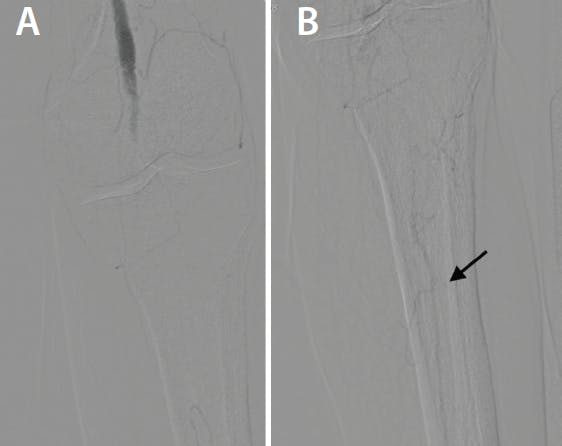
Figure 1. Prethrombectomy angiogram showing occlusion of the P3 and TPT (A), with only weak opacification of the peroneal artery (arrow, B).
An 8-F, 11-cm AVANTI+ introducer sheath (Cordis, a Cardinal Health company) was inserted in the SFA through direct puncture, and an 8-F Indigo Aspiration Catheter (CAT8TORQ85) was advanced over a 0.018-inch guidewire through the P2-P3 segment down to the TPT. The guidewire was retracted and a Separator 8 was advanced. CAT8 was connected to the Penumbra ENGINE, and mechanical aspiration was performed by gently advancing the CAT8 in the P3-TPT, with thrombectomy facilitated by the “back and forth” movement of the Separator 8. The catheter was then retracted in the P2 segment, and the procedure repeated a total of five times. Selective angiography performed through the lumen of the CAT8 showed progressive thrombus removal and restoration of flow up to the TPT (Figure 2).
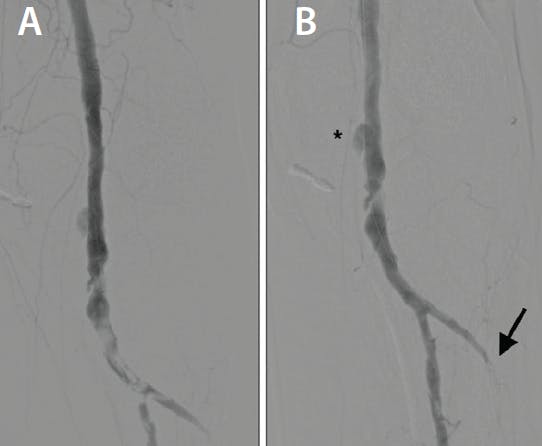
Figure 2. Progressive removal of thrombus in the popliteal artery and TPT with CAT8 after five passes (A). Note the persistent thrombosis of the ATA (arrow) and the small aneurysm of the popliteal artery (asterisk) (B).
The popliteal artery aneurysm was excluded with a 5.5- X 120-mm Supera stent (Abbott), and mechanical thrombectomy was completed in the anterior tibial artery (ATA) and peroneal artery with coaxial insertion of CAT6 into the CAT8 and the use of a 0.0018-inch guidewire (Figure 2). Control angiography showed restoration of flow in the peroneal artery and ATA, with contrast media reaching the foot (Figure 3).
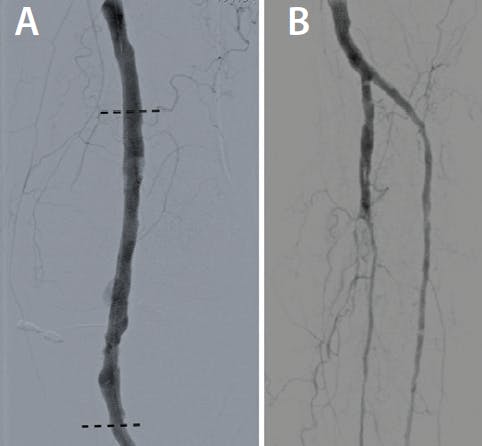
Figure 3. Full restoration of flow after stenting of the popliteal artery (dotted lines, A) and thrombectomy of the ATA and peroneal artery (B).
The patient was discharged home after 7 days with a 3-month course of dual antiplatelet therapy (clopidogrel and aspirin, then clopidogrel only). At 12 months, the patient is amputation free and still walking, with the limitation due to his comorbidities. The ankle-brachial index on the ATA was 1.2.
DISCUSSION
Acute limb ischemia is a severe condition that often occurs in frail patients. In this case, the Indigo System allowed us to successfully solve a severe BTK thrombosis and save the patient’s limb utilizing a less invasive option. Compared to catheter-directed thrombolysis, the Indigo System can reduce the time to revascularization, can be used in patients with contraindication to prolonged lytic therapy, and is a very versatile tool in hybrid surgical-endovascular procedures. The atraumatic tip design of the catheters allows its use in the BTK arteries. In our experience, minimal residual wall thrombosis can be seen on angiography of the BTK segment, but it does not impair limb salvage, provided there is flow to the foot.
Indigo System Rescue Thrombectomy After Renovisceral Thromboembolic Occlusion

PATIENT PRESENTATION
A man in his early 70s with a history of Leriche syndrome underwent an aortobifemoral bypass in 2011. During follow-up, he presented several times with acute limb ischemia due to thrombotic events of the prosthesis that required multiple revascularizations with surgical thrombectomy, the last in 2017. The patient gradually developed a complete pauci-symptomatic occlusion of the graft with stable bilateral claudication of the calf at 80 m.
The patient re-presented with stable claudication and the onset of chronic kidney disease. CTA revealed the chronic occlusion of the aortobifemoral graft with new evidence of proximal extension of the thrombus to the segment of the visceral abdominal aorta and chronic occlusion of the left renal artery (Figure 1A and 1B).
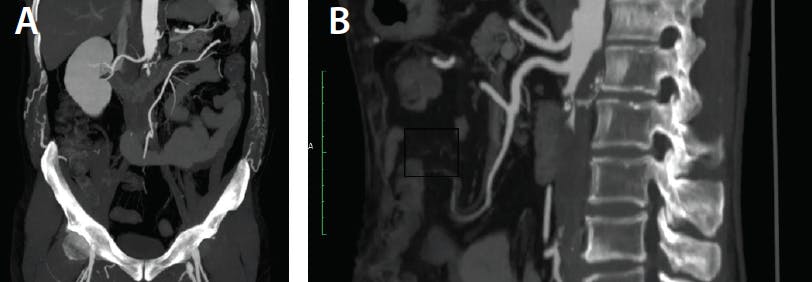
Figure 1. Aortobifemoral graft (A) and left renal artery occlusion (B) proximal extension of the aortic thrombus to the visceral aorta.
INTERVENTION
The patient was brought to the operative suite and systemically heparinized. A bilateral open cutdown was performed to both femoral arteries and the left brachial artery. From femoral access, a simultaneous open thrombectomy using a 5-F over-the-wire Fogarty balloon (Edwards Lifesciences) was performed in an infrarenal fashion distally into the aortobifemoral graft to remove large volumes of thrombus. During this maneuver, a percutaneous transluminal angioplasty balloon catheter (Ultraverse, BD Interventional) was advanced from the brachial access into the right renal artery and inflated for protection from thrombus displacement (Figure 2).
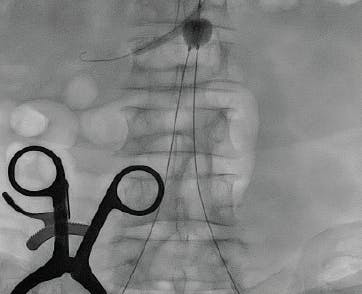
Figure 2. Over-the-wire Fogarty with balloon catheter protection of the RRA.
We flushed the vessels with the saline and likely caused some residual thrombus displacement. In the angiographic control, the superior mesenteric artery (SMA) and right renal artery (RRA) were occluded (Figure 3).
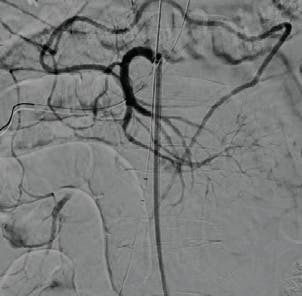
Figure 3. Thromboembolic occlusion of the SMA.
Access to the SMA was gained from the left femoral artery with an 8.5-F steerable guiding sheath (Destino, Oscor, Inc.), utilizing a 5-F BERN diagnostic catheter (Tempo Aqua, Cordis, a Cardinal Health company) and a 0.018-inch guidewire. An 8-F Indigo Aspiration Catheter (CAT8XTORQ115), the largest nonocclusive catheter, was introduced and the guidewire was removed. The CAT8 was then connected to the Penumbra ENGINE aspiration pump and assembled with the Separator 8. Under power aspiration, the thrombus was aspirated in a proximal-to-distal manner by cycling the Separator back and forth (Figure 4).
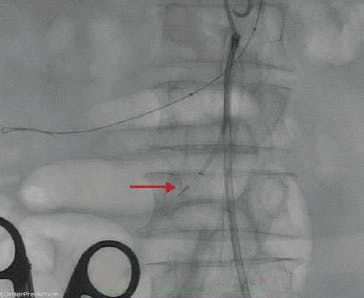
Figure 4. Indigo CAT8 and SEP8 mechanical thrombectomy in the SMA.
The RRA was then selected from the left brachial access using a 5-F Tempo Aqua diagnostic catheter and 0.018-inch guidewire. A CAT6/SEP6 were advanced in front of the thrombus of the RRA. The catheter easily tracked into the thrombus, and utilizing the same technique as previously described, the thrombus was removed successfully. The highly trackable Indigo System aspiration catheters enabled us to selectively aspirate distally into the difficult-to-cannulate visceral arteries. Angiography of each vessel was performed, confirming full restoration of blood flow into the SMA and RRA (Figure 5A and 5B).
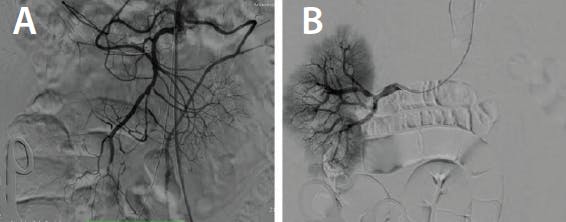
Figure 5. Control angiography post-Indigo showing full restoration of flow in the SMA and its branches (A), and complete thrombus removal and full preservation of flow in the renal parenchyma (B).
An infrarenal aortogram was obtained and revealed heavy sidewall thrombus along the aortobifemoral graft wall. It was decided that the best option to complete the treatment was relining the aorto-right iliac artery from the SMA level with a stent graft (BeGraft, Bentley), preserving the RRA with the chimney technique (Viabahn, Gore & Associates); a femorofemoral crossover right-left bypass completed the left limb revascularization.
Completion aortography showed resolution of aortic disease and a good visceral and aortic flow (Figure 6). The postoperative course was uneventful, and the patient was discharged under anticoagulation therapy plus aspirin on day 7.
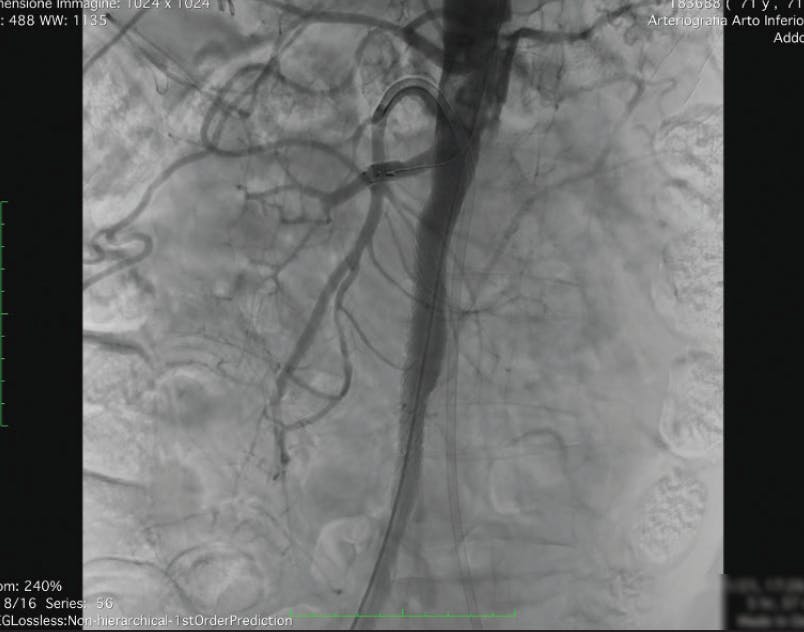
Figure 6. Completion angiography.
DISCUSSION
Prior to the Indigo System, a common option for treating such thromboembolic catastrophic complication was open surgical embolectomy. Today, with the highly trackable Indigo System Aspiration Catheters, we have the ability to treat these patients with a minimally invasive endovascular approach. A recent multicenter retrospective registry of 98 consecutive patients from 11 centers reported a 100% technical success with Indigo System used as standalone treatment, suggesting that it is possible to attempt aspiration thrombectomy first to remove the embolus regardless of composition in order to ensure revascularization and use thrombolysis if mechanical thrombectomy is incomplete.1
1. Multi-center registry for vacuum-assisted thrombectomy of acute superior mesenteric artery thrombosis. J Clin Case Stud. Published online March 24, 2021. doi: 10.47755/2766-9556.100108
Drs. John M. Moriarty, Massimo Pieraccini, Thomas Le Houérou, Yann Gouëffic, Reinhold Perkmann, and Carlo Patrizio Dionisi were compensated in association with this article.
Disclaimer: The opinions and clinical experiences presented herein are for informational purposes only. The results may not be predictive of all patients. Individual results may vary depending on patient-specific attributes and other factors. Product availability varies by country.
Advertisement
Advertisement