Advertisement
Advertisement
October 2021
Sponsored by Boston Scientific Corporation
PERT Development and Implementation to Standardize Patient Pathway for Pulmonary Embolism
Understanding the role of a PERT at an institutional level for intermediate- and high-risk pulmonary embolism.
Your institution recently developed and implemented its own pulmonary embolism response team (PERT). What prompted the need for it, which specialties and stakeholders are involved, and what initial barriers did you face as you navigated the process?
We recognized a need for effective and focused management of submassive and massive pulmonary embolism (PE). Both inpatient and transferred patients were not effectively triaged for the best therapies for PE. A multidisciplinary team comprising representatives from pulmonary, critical care, surgery, pharmacy, and interventional cardiology were brought together to discuss risk stratification strategies, treatment strategies, and the best management of these patients. Barriers included interdisciplinary differences in the management of PE and ongoing communication and education of medical staff for treatment strategies for patients at risk for PE.
How did your institution develop a standard strategy for patient risk stratification among the various specialists within your PERT and how are treatment decisions made?
After discussion with and agreement among the members of the team, a treatment algorithm was developed based on clinical variables including blood pressure, heart rate, hypoxia, and other variables associated with the Pulmonary Embolism Severity Index (PESI). We also developed our algorithm based on objective evidence of right ventricular (RV) dysfunction (including echocardiographic or CT scan evidence of RV dilation), elevated cardiac markers, review of CT scan suggestive of clot, and thrombus extension and severity. Table 1 shows the risk classification of acute PE and Figure 1 shows our algorithm for triage/risk stratification for acute PE.
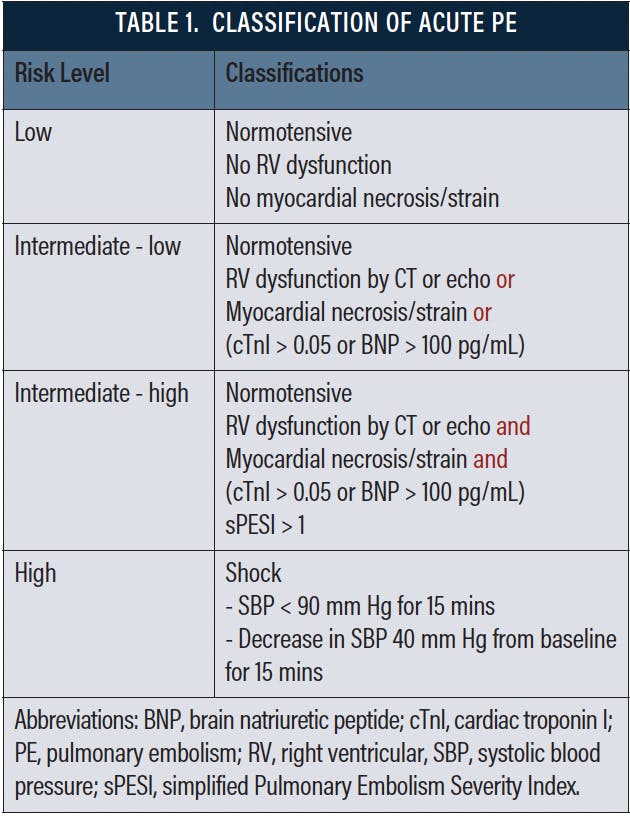
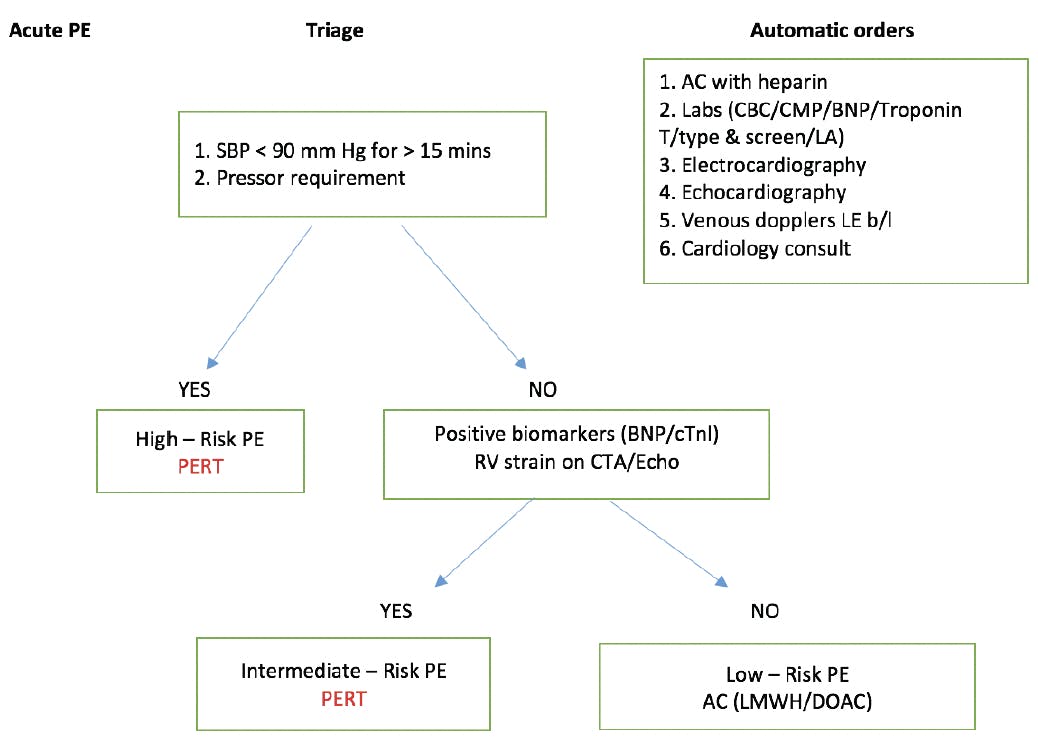
Figure 1. Algorithm showing general approach to the treatment of acute PE, including PERT activation. RV strain on CTA defined as RV/LV > 0.9, PA size > 32 mm, and flattening of the septum or paradoxical septal bowing. AC, anticoagulation; BNP, brain natriuretic peptide; CBC, complete blood count; CMP, complete metabolic panel; cTnI, cardiac troponin I; DOAC, direct oral anticoagulant; LA, lupus anticoagulant; LE, lower extremity; LMWH, low-molecular-weight heparin; SBP, systolic blood pressure.
Given the aforementioned variables, team members discuss treatment options as well as potential complications from catheter-based treatments and/or anticoagulation. If appropriate, a catheter-based intervention is recommended and performed by our team members.
Describe a situation that would trigger the PERT at your institution and explain how the patient moves through the treatment pathway.
When a patient is diagnosed with PE, either as a transfer or through the emergency department, a clinician will activate the PERT through a texting mechanism if that patient is an intermediate- to high-risk patient as identified by PESI score and hemodynamic compromise with elevated heart rate and respiration rate. Additionally, a consult to cardiology, who manage interventional service, is made. When deemed appropriate, a patient will undergo catheter-based intervention after evaluation of CT scan, hemodynamics, and blood factors. If the treatment algorithm is not clear for intervention or if a surgical approach is deemed warranted, an alert activation will direct the team of a need for decision-making and treatment algorithm. This may include cardiothoracic surgery for massive PE requiring extracorporeal membrane oxygenation (ECMO).
After intervention, the patient is returned to the intensive care unit or intermediate care floor for discussion and decision-making regarding anticoagulation, hematologic workup as needed, and inferior vena cava (IVC) interruption, although temporary filters are used. Follow-up with interventional cardiology and pulmonary are arranged, long-term follow-up is established, and data are entered in a quality assurance and outcomes database. Table 2 shows the actions of PERT first responders and Figure 2 shows our treatment algorithm for patients with intermediate- and high-risk PE.
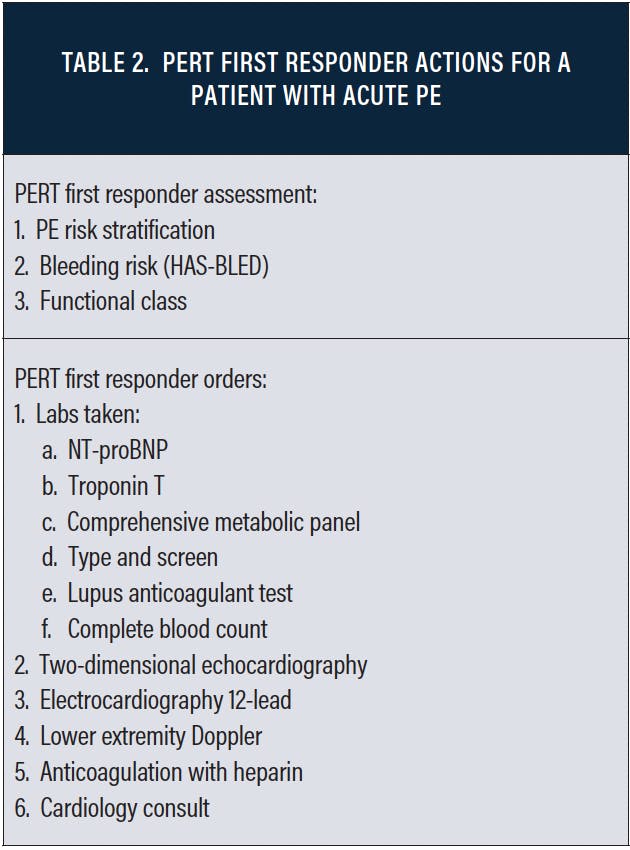
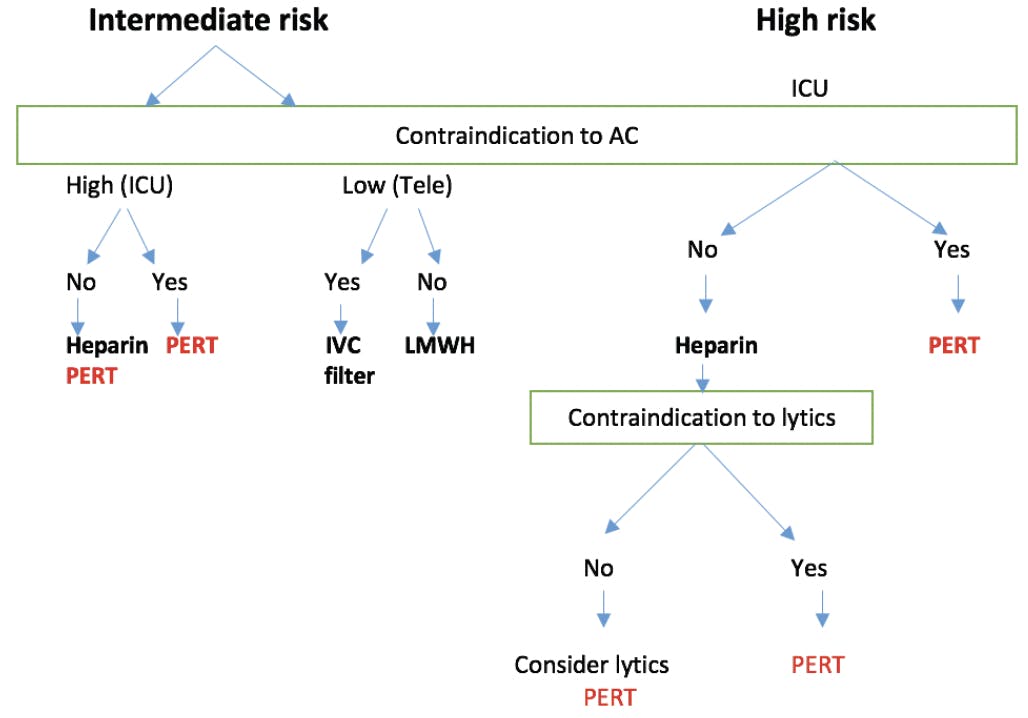
Figure 2. Algorithm showing PERT activation and treatment approach to patients with intermediate- and high-risk PE. AC, anticoagulation; ICU, intensive care unit; IVC, inferior vena cava; LMWH, low-molecular-weight heparin.
How does your PERT handle the postprocedure follow-up process with patients?
We have established a relationship with outpatient pulmonary and cardiology clinics where patients with intermediate- and high-risk PE are followed up within 10 days. At the outpatient office, follow-up via duplex ultrasound for clot resolution will be performed. Follow-up echocardiography to assess RV dysfunction is also performed. We have included this follow-up process in the PERT order set.
CASE STUDY
Patient Presentation
A man in his late 60s with a history of hypertension and recent orthopedic surgery with immobility presented with 12 hours of dyspnea on exertion and right leg swelling. He also noted atypical chest pain with inspiration, specifically on the right side. He presented to an outside emergency department after he was unable to complete full sentences due to shortness of breath. There, a CTPE scan showed extensive bilateral lower lobe PEs with RV dysfunction. He was also diagnosed with a right lower deep vein thrombosis (DVT) extending into the femoral vein. He was started on anticoagulation and transferred to our facility for further evaluation.
Upon evaluation, high-sensitivity troponin was elevated at 160 ng/mL, initial PESI score was 128 (sPESI > 1), and echocardiogram showed severe RV dilation and dysfunction (Figure 1). Based on ongoing tachycardia, hypoxia, and the abnormal CT scan, the patient was referred to the catheterization lab for catheter-based intervention.
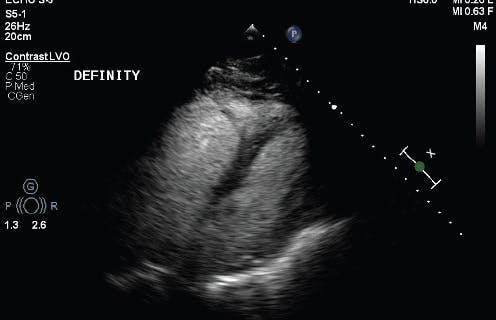
Figure 1. RV/LV ratio (echo), 1.08; RV/LV ratio (CT), 1.23; PASP, 51 mm Hg.
Procedural Overview
Access was obtained via the left femoral artery under ultrasound guidance. Initial angiography of the IVC showed complete occlusion of the right iliac segment. Elevated right heart pressures were noted with a mean pulmonary artery (PA) pressure of 39 mm Hg. Angiography revealed complete occlusion of the right lower and left lower lobes with thrombus (Figure 2 and Figure 3). Under fluoroscopic guidance, wires were placed in the bilateral lower lobes, and EKOS (ultrasound-assisted catheter-directed thrombolysis) catheters (Boston Scientific Corporation) were placed in the bilateral lower lobes for a 6-hour infusion based on OPTALYSE protocol (Figure 4 and Figure 5). The catheter and sheaths were removed, and manual pressure was applied. No immediate procedural complications were noted.
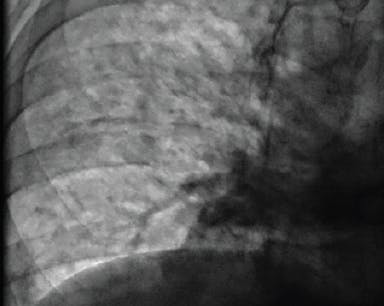
Figure 2. Thrombus of right upper, middle, and lower pulmonary lobar segments.
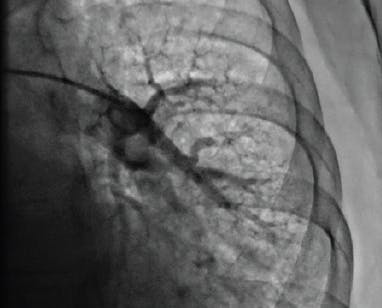
Figure 3. Large thrombus of left main pulmonary artery extending into lobar segments.
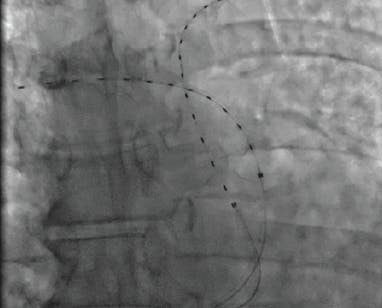
Figure 4. Interval placement of bilateral EKOS catheters.
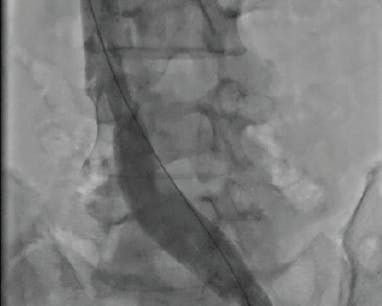
Figure 5. IVC venogram showing non-occlusive thrombus of IVC.
The next morning, the patient had complete resolution of symptoms, heart rate had decreased to 78 bpm, and blood pressure remained normal. The patient was transferred to the telemetry unit, and repeat echocardiography was performed, which showed marked improvement in RV size and function (Figure 6).
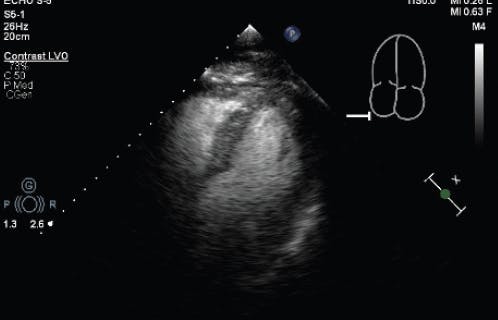
Figure 6. 24 hours after EKOS treatment. RV/LV ratio (echo), 0.93; PASP, 38 mm Hg.
Clinically, the patient improved markedly with right lower extremity improvement and was transitioned to an oral anticoagulant with discharge to home. The patient’s swelling of the lower extremity did not worsen during hospitalization and he was treated for DVT at a later date after his acute PE. Follow-up echocardiography performed 2 months later showed complete normalization of right heart function (Figure 7). The patient claims to have returned to normal function based on his catheter-based intervention.
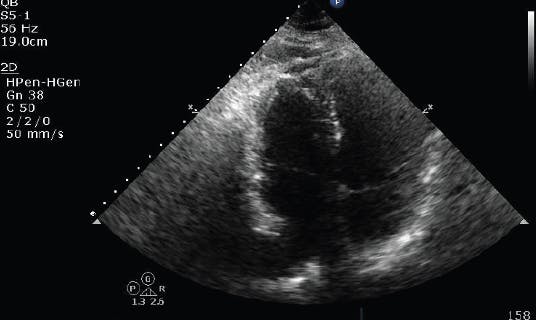
Figure 7. 2 months after EKOS treatment.
The COVID-19 pandemic has had a significant impact in multiple areas of health care, and we know from a growing body of scientific evidence that there has been a rise in venous thromboembolism in COVID-19 patients. Can you share how your PERT adapted to COVID-19, in particular your experience in treating these patients for their clots?
As a regional academic medical center and COVID-19 center, our team saw a significantly high number of diffuse venous thrombosis of lower extremities, IVC, and pulmonary vasculature. An increased number of evaluations for PE as well as venous thrombosis were seen and the increasing use of low-dose thrombolytics for PE was seen due to the diffuse nature of the thrombosis. We participated in the treatment of COVID-19–positive ECMO patients with diffuse thrombosis and recommended both medical and procedural therapies as dictated by their clinical scenario.
What other changes or modifications have been made to the PERT since its inception?
With the inception of the team, more rapid identification of high-risk individuals was made. This resulted in increased use of thrombolytic therapy and modified thrombolysis, with a plan to proceed with a catheter-based approach if necessary. As we became more aggressive with our percutaneous approach, the need to offer advanced oxygenation support with ECMO was recognized and supported by the institution and team members.
The team also recognized the need for alternative strategies for intermediate-risk PE patients as additional technologies came forward, including mechanical aspiration. With the evolution of the team, a full-service approach to PE has been realized for best practices and best patient outcomes.
Research suggests that developing a PERT has the potential to improve patient outcomes, in particular, when identifying and treating patients at intermediate risk of PE. What benefit have you seen with these patients because of the PERT, and what do you envision as the next frontier in reducing PE mortality?
The earlier identification and risk stratification of submassive and massive PE will result in improved patient care through delivering resources to those patients who will receive greatest benefit. This will be measured through lower length of stay, improved RV function on follow-up echocardiography, and quantitative improvement on a metric of exercise or pulmonary status, such as a walk test. An endpoint of mortality, objective improvement, and symptomatic improvement need to be pursued for all PE teams and trials.
Advertisement
Advertisement