Advertisement
Advertisement
August 2022
Extensive Venous Reflux and Varicose Veins
Moderator: Eri Fukaya, MD, PhD;
Panelists: Arjun Jayaraj, MD, FACS; Kathleen Ozsvath, MD; and Daniel L. Monahan, MD
CASE PRESENTATION
Initial Presentation
A male patient in his early 40s presented with left lower extremity swelling and extensive varicose veins. The patient first presented with varicose veins in his 20s and underwent left great saphenous vein (GSV) ablation 15 years ago. He lives in a location that is too hot to wear compression socks. His legs are not bothersome, but he presented to see if treatment is needed given his extensive varicose veins. The patient is 5 ft 11 in, 265 lb, and works as a handyman.
On physical examination, he had extensive varicose veins in the thigh and calf, with mild venous edema. He was classified as CEAP 3 (clinical, etiologic, anatomic, pathophysiologic) with a Venous Clinical Severity Score (VCSS) of 5 (ie, extensive varicose veins and edema).
Duplex ultrasound (DUS) of the left leg showed reflux in the common femoral vein (CFV) (5.8 sec). The proximal GSV was previously ablated and not identified to the knee. The remainder of the calf GSV segment was insufficient and associated with varicose veins at the proximal and mid calf. Additional reflux was identified at the saphenofemoral junction (SFJ) to the anterior accessory GSV (AAGSV) (2.3-5 sec; 6.2 mm). Large mid thigh varicose veins were associated with the AAGSV. There was evidence of previous thrombophlebitis in the varicose veins at the posterior calf. There was perforator reflux in the mid (3.3 mm) and distal (4.6 mm) calf associated with varicose veins. The small saphenous vein (SSV) was insufficient at the mid and distal segments and associated with an incompetent perforator at the posterior calf in the mid (1.4 sec; 2.4 mm) and proximal (6.5 sec; 2.9 mm) segments. Despite extensive venous insufficiency, treatment was not pursued given the lack of discomfort, and the patient was instructed to return for follow-up in 1 to 2 years.
Follow-Up at 2 Years
The patient presented for follow-up 2 years later and continued to deny leg discomfort. He had a 20-lb weight loss (now, 245 lb) since the last visit but otherwise had no significant change in health. Physical examination was unchanged since the previous visit, and he remained CEAP 3 and VCSS 5 (Figure 1).
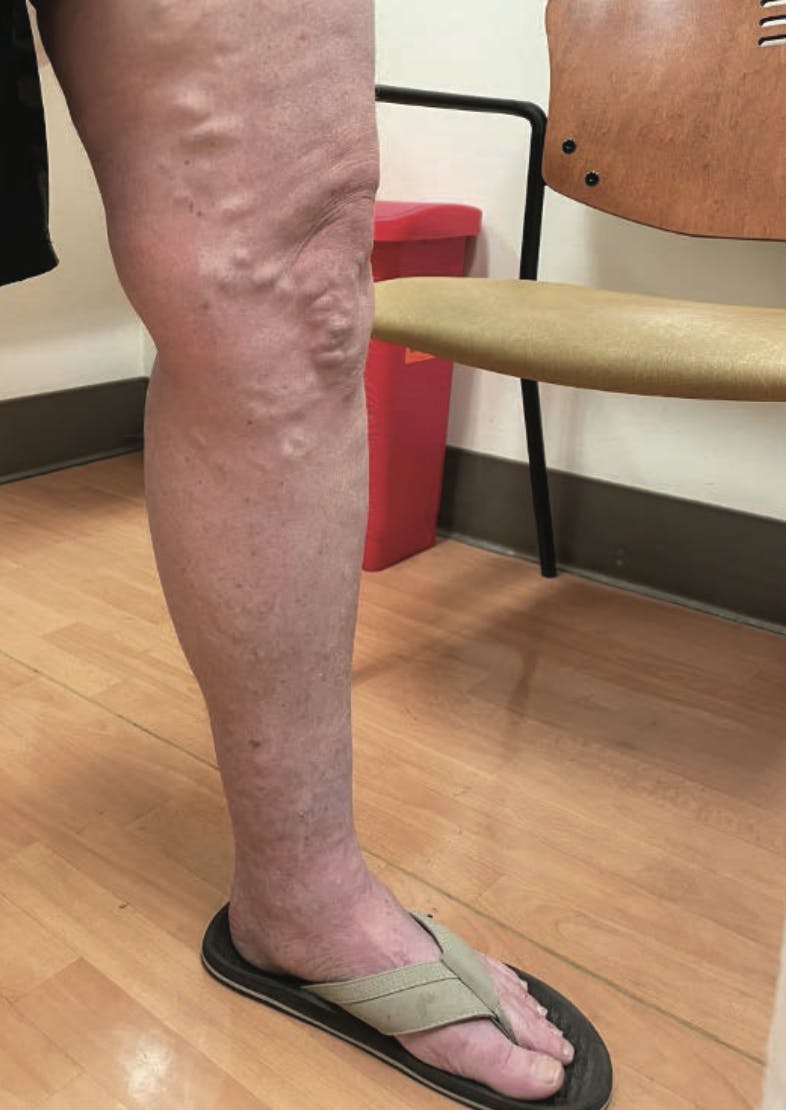
Figure 1. Leg appearance at follow-up visit.
On DUS, there was a chronic, partially occlusive thrombus in the gastrocnemius veins that was not seen previously. CFV reflux was again noted (6+ sec; prior, 5.8 sec). The GSV remained ablated from the groin to the knee. The remaining calf GSV was incompetent (6+ sec). There was worsening reflux from the SFJ to the AAGSV (6+ sec; prior, up to 3.5 sec). Partially occlusive thrombophlebitis was again noted in the varices at the posteromedial calf. There was mid to distal SSV reflux (6+ sec; prior, up to 3.5 sec) as well as multiple incompetent calf perforators: medial mid, 6+ sec/3.1 mm; medial distal, 6+ sec/4.5 mm; posterior proximal, 6+ sec/3.4 mm; and posterior mid, 2.1 sec/3.4 mm (Figure 2 and Figure 3). CT venography did not show proximal obstruction.
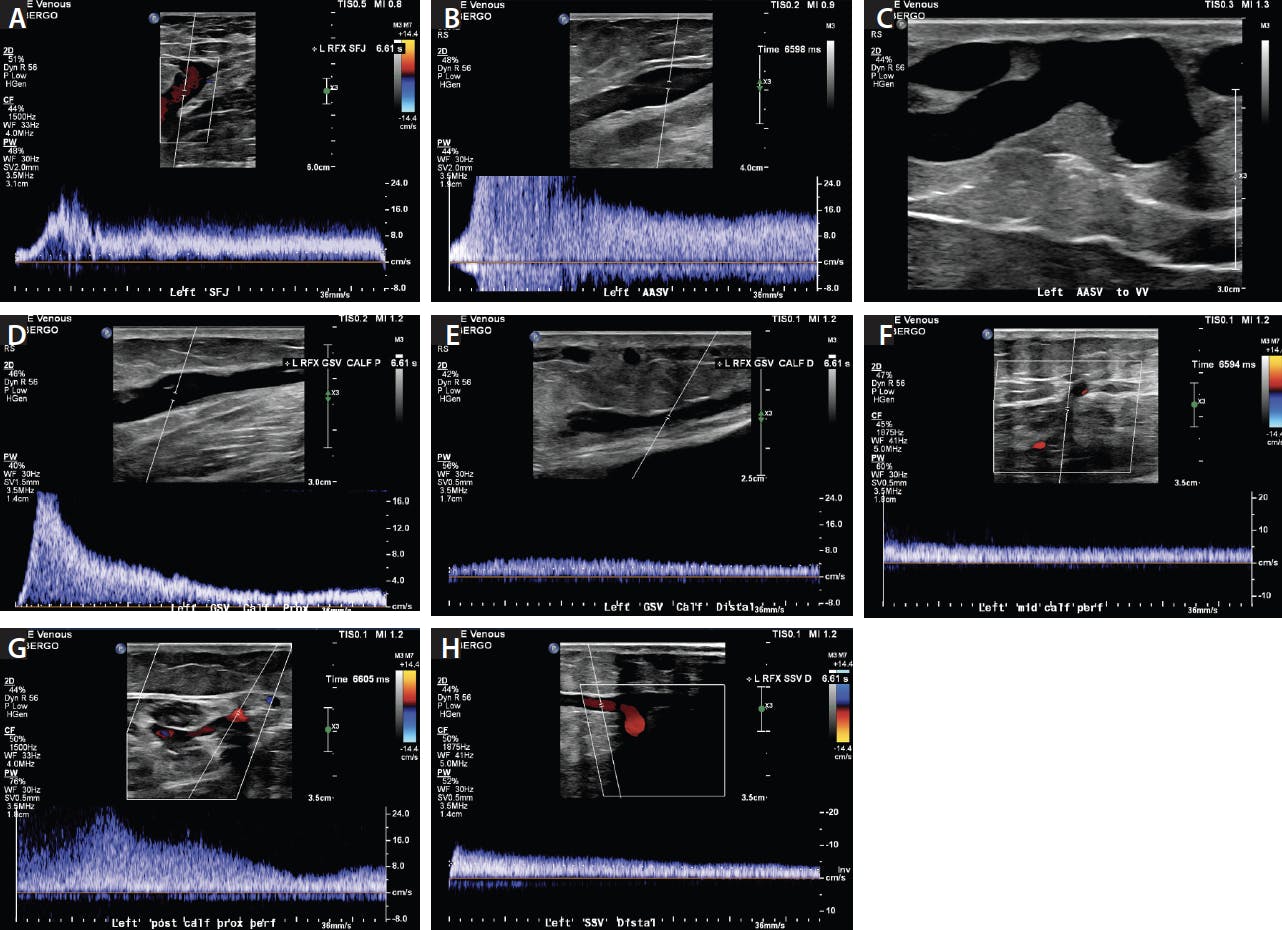
Figure 2. DUSs of the left SFJ (A), AAGSV (B), AAGSV and varicose veins (C), proximal calf GSV (D), distal calf GSV (E), mid calf perforator (F), proximal calf perforator (G), and distal SSV (H).
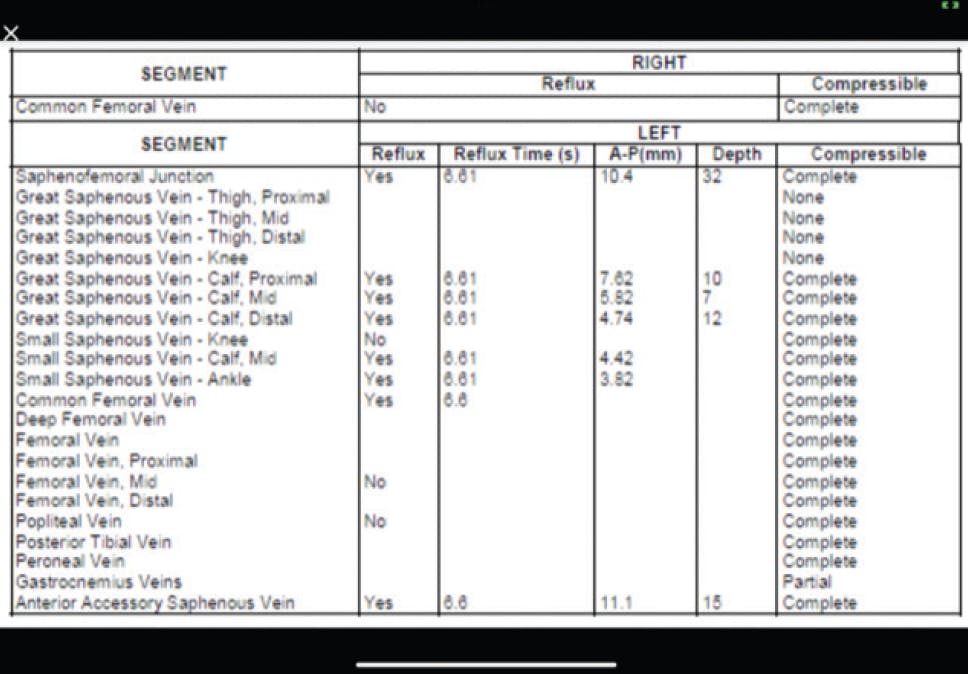
Figure 3. Summary of ultrasound findings.
In this patient with extensive venous reflux and extensive varicose veins who does not have discomfort, what is the treatment goal?
Dr. Jayaraj: The treatment goal is to reduce the risk of venous thromboembolism (VTE), given the patient’s history of superficial vein thrombosis and DUS evidence of gastrocnemius vein thrombosis.
Dr. Ozsvath: The treatment goal is agreed upon during the discussion that takes place between the physician and the patient. Certainly, if the patient has aesthetic concerns, those should be discussed and handled accordingly. If the patient has absolutely no concerns or symptoms, then there are no reliable data that support prophylactic intervention to prevent disease progression. However, it is the duty of the vein specialist to carefully review the studies with the patients, explain what his CEAP score is, provide the pros and cons of compression management, and educate the patient about the signs and symptoms of venous disease progression. The goal of intervention is to relieve symptoms of venous disease, such as swelling, skin changes, ulceration, and pain, to name a few. Additionally, this patient has a risk of superficial venous thrombosis recurrence. In the discussion, this should be addressed.
Dr. Monahan: The treatment goal is to treat recurrent superficial venous thrombosis and leg swelling, with the ultimate goal of preventing stasis complications. Although the patient doesn’t complain of symptoms, he has significant physical and ultrasound findings suggesting increased risk for stasis. Because he is young, it is fairly likely that he will have progressive changes over the course of his lifetime.
When should you treat?
Dr. Ozsvath: There is no question that trials have shown that patients with CEAP 6 disease benefit from early intervention. Healing occurs faster, and recurrence is less. If a patient has CEAP 6 disease, it is imperative that they at least understand their options. In patients with C2 to C5 disease, I recommend treatment for symptoms. For C2 and C3, insurance guidelines for compression trials must be followed. C4 to C6 must also be treated with compression; however, these patients may not need to undergo a compression trial, depending on their insurance policies. I also think it is imperative for patients to understand they may have symptoms unrelated to their venous disease. These patients should have the underlying etiology of their symptoms addressed. Treating their veins will not help. Again, discussion of the progression of disease must be undertaken.
Dr. Monahan: Although the patient doesn’t have immediate complaints, he has several risk factors for progressive disease. He has (perhaps) new reflux in the AAGSV, and it is very dilated, with varices extending to the calf. He remains significantly overweight. There is ultrasound evidence of superficial phlebitis and calf muscle phlebitis in the past. There is definite progression of superficial venous reflux over the last 2 years. He already has swelling, which puts him into a higher-risk category.
Dr. Jayaraj: I would discuss the DUS findings and VTE risk with the patient and proceed if he is willing.
Would you treat this patient? Why or why not?
Dr. Monahan: I generally divide patients into those who “can” be treated (C2s or lower) and those who “should” be treated (C3 and above). The C3 patients get a somewhat softer “should” than C4 and higher. However, the evidence of recurrent thromboses makes him seem a bit higher risk than the otherwise asymptomatic C3; at least one of the thromboses progressed into the gastrocnemius vein, which could threaten extension to the popliteal in the event it recurred. The patient may not be aware of these events, making him less likely to seek care if a significant thrombotic event would occur. All in all, I would encourage treatment or at least more frequent follow-up, which he has already delayed in the past. I think, overall, he’s safer being treated.
Dr. Ozsvath: I would have a discussion with the patient to better understand his concerns, and I would treat if he had symptoms that were bothersome to him. He must understand the risk of superficial venous thrombosis recurrence.
Dr. Jayaraj: Yes. I would treat, not from a symptom standpoint because he is reportedly asymptomatic, but to mitigate his future VTE risk.
If you decide to treat this patient, what would you treat, and how?
Dr. Jayaraj: The venous varicosities in the calf associated with the GSV appear to be the primary problem contributing to his VTE. I would proceed with ablation of the below-knee GSV to the ankle and stab phlebectomies of the varicose veins in the calf. This can be accomplished using a thermal or nonthermal technique, factoring in the patient’s history and inventory available at one’s disposal. I would use endovenous laser ablation with tumescence.
Dr. Ozsvath: If the patient had pain in the varicosities emanating from the AAGSV and an indication to treat, I would approach this with phlebectomy. I would treat the AAGSV with thermal ablation if the length was > 10 cm. If the varicosities were associated with the below-knee refluxing GSV, that could be successfully addressed as well. I would treat either with foam or cyanoacrylate. Additionally, refluxing SSV can be successfully treated as well.
Dr. Monahan: Ablation of the AAGSV would be first, with subsequent elimination of varices. Then, I would reassess the SSV and below-knee GSV. If there is persistent reflux in the SSV and below-knee GSV, I would recommend treating these. If the patient defers treatment, daily use of compression would be recommended.
What would you not treat?
Dr. Jayaraj: I would not treat the refluxing AAGSV/SSV, the thigh venous varicosities, or the incompetent perforators at this time.
Dr. Monahan: I would not treat the identified perforators until the superficial veins were all treated; they may be primarily reentry perforators. In time, I would reassess the perforators and his swelling. If the swelling is resolved/improved, observation of the perforators and the patient’s overall leg status would be my recommendation.
Dr. Ozsvath: I would not treat perforators for CEAP 2 or 3 disease. If the patient were to develop CEAP 4 to 6 disease, then there are data to support treatment of perforators in the area of diseased skin.
How concerned are you that the patient may develop a venous leg ulcer (VLU)?
Dr. Monahan: The patient is not at risk for a VLU in the immediate future, but I would have a lot of concern by the time he’s in his 60s or 70s. We don’t have the data to know this for sure, but with what we do know and what I’ve seen, I think he is at moderate to high risk for eventual stasis issues. I would advise treatment to avoid approaching that stage, especially because I’m not confident in his follow-up reliability.
Dr. Jayaraj: Low concern. Clearly, the patient has had this problem for a long time and has had a stable CEAP class for at least 2 years. I would continue to follow him long term.
Dr. Ozsvath: I do not believe that there are any data to support prophylactic venous intervention in patients. The natural history of venous disease is not entirely understood. I think the most important thing is to educate the patient regarding what to look for. In patients who I think need closer follow-up, I will have them come back to check up on them.
MODERATOR'S Summary
This is a patient with overt clinical and DUS findings of chronic venous disease but who has minimal discomfort. The guidelines and treatment recommendations for such a patient are not concrete and the treatment plan ultimately relies on sound clinical judgement.
The three highly skilled and experienced venous practitioners all have slightly different viewpoints and approaches. This highlights the fact that treatment of superficial venous disease can be complex and involves a thoughtful and tailored approach. All three experts agree that initial treatment of the perforator is not supported in this case.
Advertisement
Advertisement