Advertisement
Advertisement
July 2022
Sponsored by Penumbra, Inc.
Penumbra’s Indigo™ System With Lightning™ Intelligent Aspiration
New perspectives in thromboembolism care.
With AbdulRahman Alvi, MRCS, FRCR; Francesco Di Bartolomeo, MD; Giovanni Leati, MD; Gabriele Maffi, MD; Angelo Spinazzola, MD; Enrico Epifani, MD; Giulia Capurri, MD; and Sílvio Leal, MD

Acute venous thromboembolic disease carries significant mortality and morbidity with consequent implications on health economics and quality of life. Recent advances in technology and the increasing awareness on the disease itself have driven the management of this condition toward a more proactive approach. Thanks to the creation of pulmonary embolism (PE) response teams (PERTs) and a multidisciplinary approach to the management of PE, endovascular treatment is now essential. The transition from infusion of lytic agents via a catheter to pharmacomechanical thrombectomy or mechanical thrombectomy has been driven by new devices such as the Lightning™ Intelligent Aspiration System 12 (Penumbra, Inc.), which is an example of where new technology results in efficient clot removal and quick procedural time.
Early endovascular treatment of acute iliocavofemoral deep vein thrombosis (DVT) has been shown to reduce the incidence of postthrombotic syndrome (PTS) and chronic venous insufficiency,1 which can have an impact on the quality of life of patients.2 The advantage of single-session thrombectomy afforded by Lightning 12 is that it can help mitigate the need for adjunctive lytics, potentially minimizing the risk of catastrophic hemorrhage. With its large-bore catheter, Lightning 12 allows more thrombus to be removed in a shorter amount of time.
Early experience with Lightning 12 has demonstrated effective large-volume thrombus removal from the pulmonary arteries (PAs) with minimal blood loss. The thrombus detection algorithm, which activates the audiovisual cues to help engage and remove thrombus. The audiovisual cues from the Lightning System and the thrombus detection algorithm achieve this goal. The Lightning 12 is made of a stainless steel hypotube with a large lumen and soft tip to enable manipulation into the main PA, lobar arteries, and segmental PAs to maximize thrombus extraction and potentially reduce the need for adjunctive lytic agents (Figure 1).
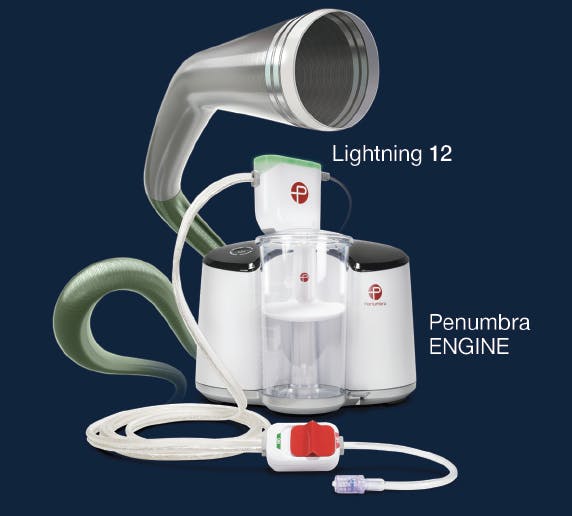
Figure 1. Lightning 12 includes CAT12 aspiration catheter and Lightning tubing.
The Separator device (SEP; Penumbra, Inc.) helps clear clot at the tip of the catheter and aids in the maceration of thrombus, allowing continuous aspiration, which is a key factor in the management of these critically ill patients.
In our experience, the Lightning 12 Intelligent Aspiration catheter has enabled us to offer a more proactive approach to the management of acute PE (massive and submassive) and DVT—particularly extensive iliocaval DVT with phlegmasia—allowing for the efficient removal of large-volume clot and potentially utilizing a tool designed for blood loss reduction without the need for extended-infusion thrombolysis.3
1. Dexter DJ, Kado H, Schor J, et al. Interim outcomes of mechanical thrombectomy for deep vein thrombosis from the All-Comer CLOUT Registry. J Vasc Surg Venous Lymphat Disord. 2022;10:832-840.e2. doi: 10.1016/j.jvsv.2022.02.013
2. Cosmi B, Stanek A, Kozak M, et al. The post-thrombotic syndrome-prevention and treatment: VAS-European Independent Foundation in Angiology/Vascular Medicine position paper. Front Cardiovasc Med. 2022;9:762443. doi: 10.3389/fcvm.2022.762443
3. Robertson B, Neville E, Muck A, et al. Technical success and short-term results from mechanical thrombectomy for lower extremity iliofemoral deep vein thrombosis using a computer aided mechanical aspiration thrombectomy device. J Vasc Surg Venous Lymphat Disord. 2022;10:594-601. doi: 10.1016/j.jvsv.2021.11.002
Subacute Left Iliofemoral DVT With the Lightning 12




PATIENT PRESENTATION
A woman in her early 80s presented with a swollen and painful left leg after 10 days of immobilization because of recent hemicolectomy intervention. Color Doppler ultrasound and CT venography (CTV) were performed, which showed a subacute (< 10 days) complete left iliofemoral DVT (Figure 1).
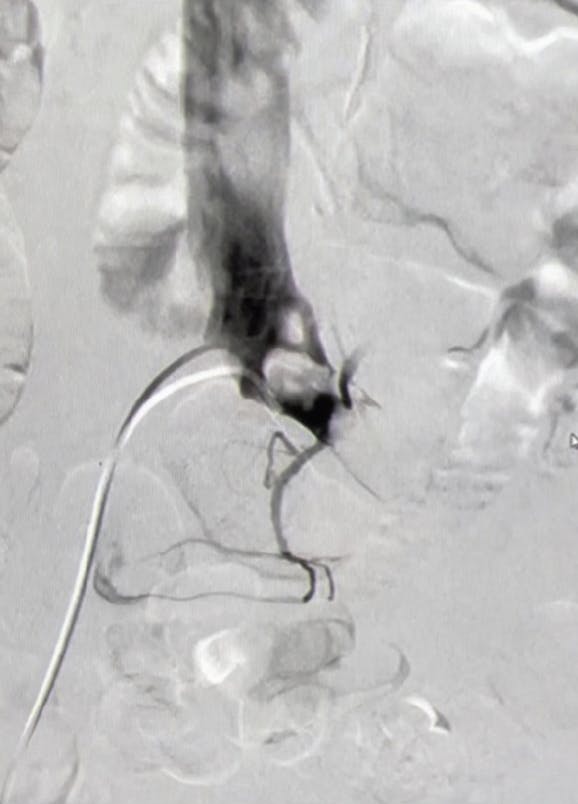
Figure 1. Pre-treatment image showing complete occlusion of left iliac vein.
TREATMENT OPTIONS
Because the recent hemicolectomy was complicated by bleeding, full-dose anticoagulation was contraindicated. With administration of half-dose anticoagulation, symptoms increased, and we decided to remove the thrombus. We opted for aspiration thrombectomy with the Indigo™ System Lightning 12 with the 100-cm HTORQ tip (Penumbra, Inc.).
COURSE OF TREATMENT
We performed a transjugular access with a 12-F introducer sheath. Using the Lightning 12 and SEP12 (Penumbra, Inc.), we removed a huge clot from the iliac vein with a retrograde approach to the thrombus. We restored the flow in the left iliofemoral tract (Figure 2, Figure 3, and Figure 4) and stabilized residual thrombus with angioplasty without stenting the iliac vein because there was no evidence of stenosis. To prevent any future embolization, we left a removable inferior vena cava (IVC) filter in the IVC.
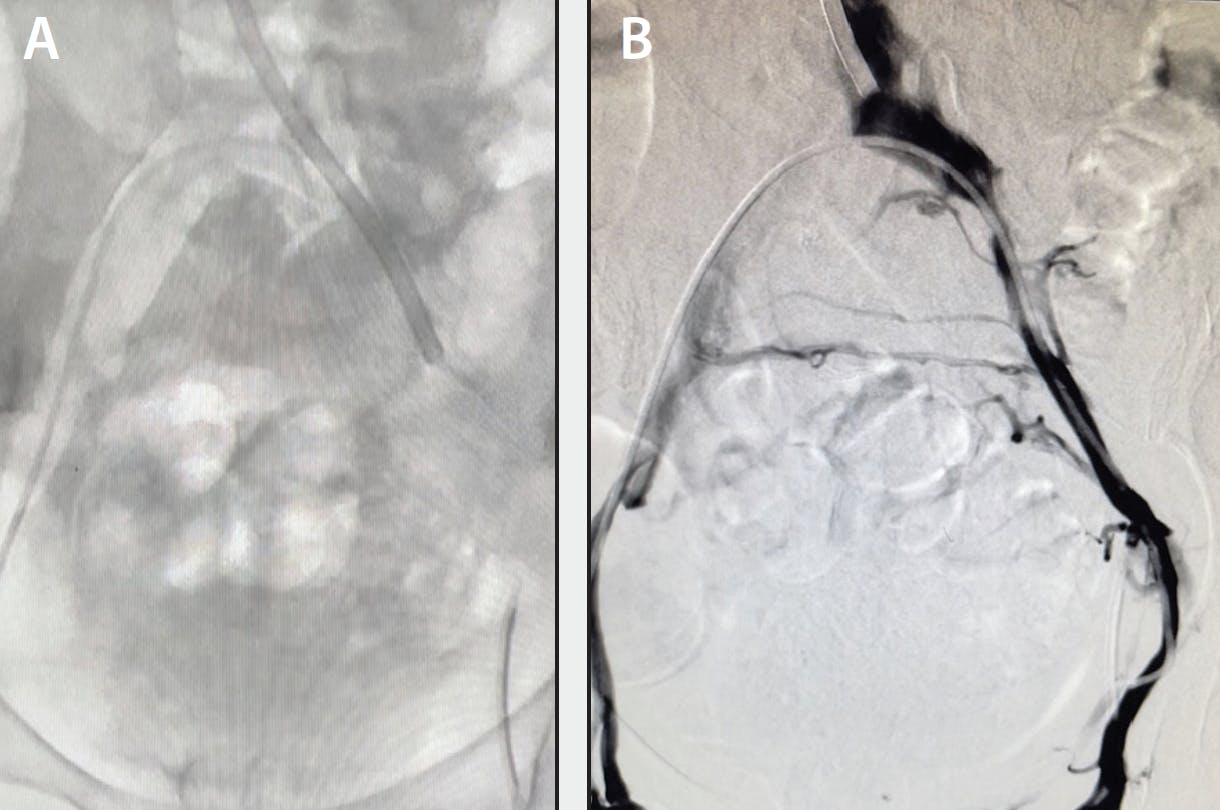
Figure 2. Treatment image showing internal iliac vein recanalization.
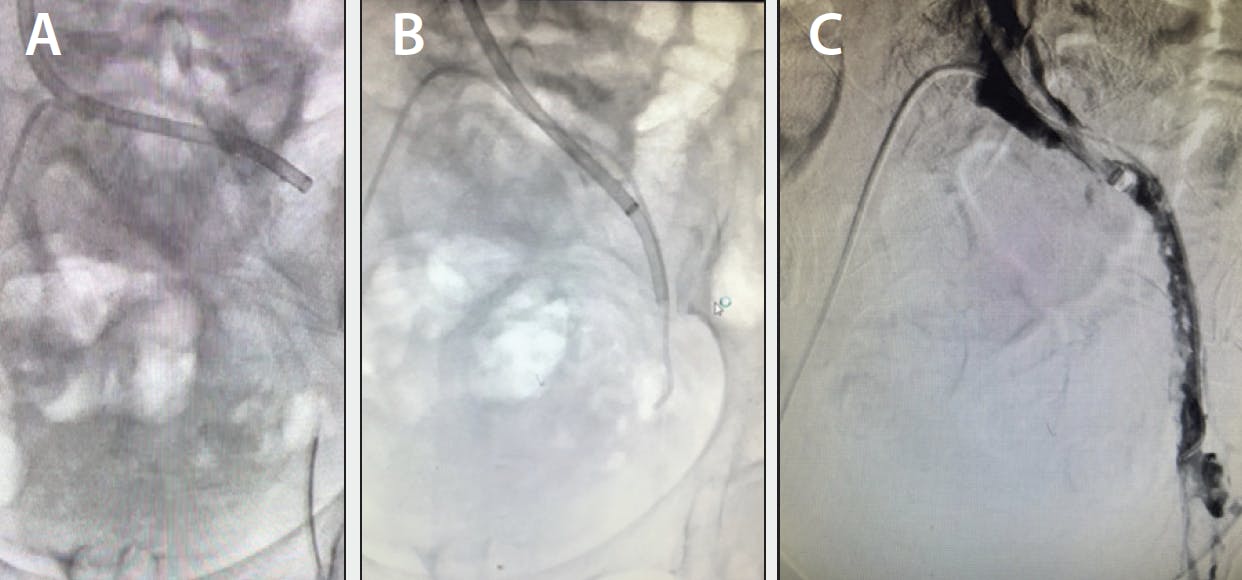
Figure 3. Treatment image showing external iliac vein recanalization.
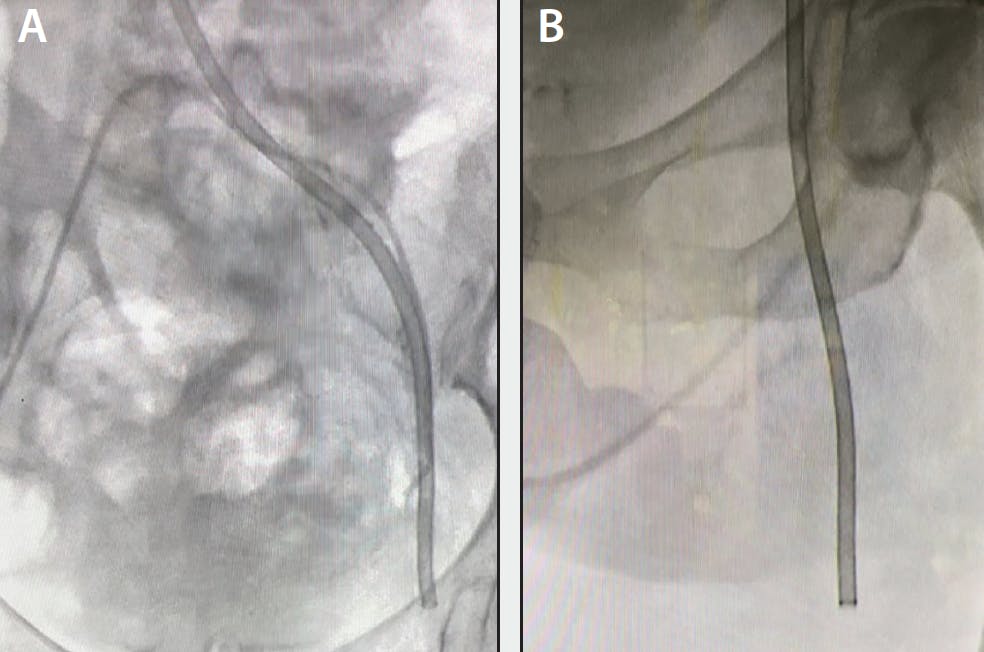
Figure 4. Treatment image showing femoral vein recanalization.
RESULTS
Symptoms completely resolved in 5 to 7 days. CTV was performed 15 days after the procedure, showing complete restoration of blood flow in the left iliofemoral vein (Figure 5), with a small amount of thrombus along the wall of common iliac vein. At clinical examination 1 month later, no signs of PE or DVT were evident.
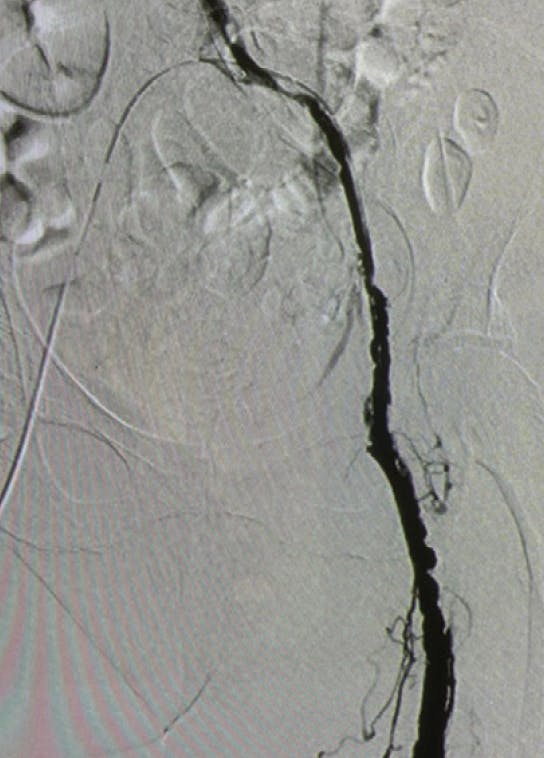
Figure 5. Post-treatment control angiogram.
DISCUSSION
Standard treatment of iliofemoral acute/subacute DVT is full-dose anticoagulant therapy. Analyzing clinical randomized trials (TORPEDO,1 CaVenT,2 ATTRACT,3 and CAVA4) of endovascular treatment of DVT, the European Society of Vascular Surgery suggests that, “In selected patients with symptomatic iliofemoral DVT, early thrombus removal strategies should be considered… Selection of patients for thrombus removal therapies over anticoagulation alone should therefore still be limited to those at highest risk of developing PTS (ie, extensive clot burden, including the iliofemoral level), with a high chance of technical success (ie, within 2 weeks of onset and no obvious postthrombotic lesions) and low bleeding risk.”5
In our experience, treatment of DVT with the Indigo System Lightning doesn’t increase bleeding risk compared with other treatments as catheter-directed thrombolysis (CDT) or pharmacomechanical CDT. Furthermore, the 12-F catheter is highly trackable with an atraumatic design to help preserve the vein’s walls.
In iliofemoral DVT, the clot burden is usually substantial (Figure 6), and the larger aspiration lumen of the Lightning 12 offers a significant advantage compared to previous and smaller catheters, leading to a potential reduction in procedural time. Moreover, the computer-aided aspiration system resulted in only 100 mL of blood loss in this case.
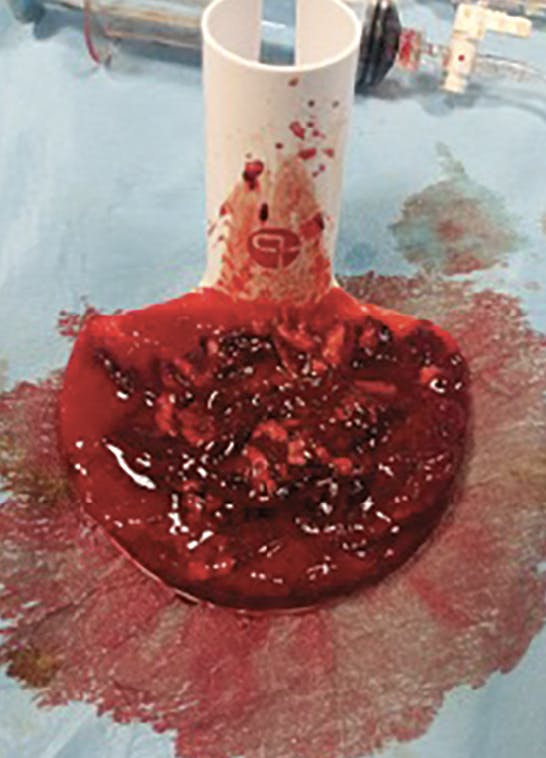
Figure 6. Clot burden aspirated with Lightning 12 during the procedure.
In general, when treating DVT, the retrograde approach is preferred to limit any risk of PE. When using an antegrade approach, we recommend placing an IVC filter in the IVC before aspiration.
Despite the lack of randomized clinical trials regarding the use of the Lightning 12 in DVT, in our experience, in selected patients, aspiration thrombectomy with Lightning 12 is a safe and effective solution for the iliofemoral DVT.
1. Sharifi M, Mehdipour M, Bay C, et al. Endovenous therapy for deep venous thrombosis: the TORPEDO trial. Catheter Cardiovasc Interv. 2010;76:316-325. doi: 10.1002/ccd.22638
2. Haig Y, Enden T, Grotta O, et al. Post-thrombotic syndrome after catheter-directed thrombolysis for deep vein thrombosis (CaVenT): 5-year follow-up results of an open-label, randomised controlled trial. Lancet Haematol. 2016;3:e64-e71. doi: 10.1016/S2352-3026(15)00248-3
3. Vedantham S, Goldhaber SZ, Julian JA, et al. Pharmacomechanical catheter-directed thrombolysis for deep-vein thrombosis. N Engl J Med. 2017;377:2240-2252. doi: 10.1056/NEJMoa1615066
4. Notten P, Ten Cate-Hoek AJ, Arnoldussen CWKP, et al. Ultrasound-accelerated catheter-directed thrombolysis versus anticoagulation for the prevention of post-thrombotic syndrome (CAVA): a single-blind, multicentre, randomised trial. Lancet Haematol. 2020;7:e40-e49. doi: 10.1016/S2352-3026(19)30209-1
5. Kakkos SK, Gohel M, Baekgaard N, et al. Editor’s choice—European Society for Vascular Surgery (ESVS) 2021 clinical practice guidelines on the management of venous thrombosis. Eur J Vasc Endovasc Surg. 2021;61:9-82. doi: 10.1016/j.ejvs.2020.09.023
Revascularization of the Right and Left Pulmonary Arteries With the Lightning 12


PATIENT PRESENTATION
A woman in her late 60s with no significant past medical history was admitted with presyncope associated with dyspnea. She was tachypneic (24 breaths/min), had an Spo2 of 86%, a rhythmic heart rate of 110 bpm, blood pressure at 100/60 mm Hg, blood gases of Pco2 at 37 mm Hg and Po2 at 49 mm Hg, and a pH of 7.47. Her troponin level was 94.6 ng/L, and at the next check, it was 488 ng/L.
CT pulmonary angiography revealed a massive bilateral pulmonary thromboembolism with a dilated right ventricle (right ventricular/left ventricular [RV/LV] ratio 1.3), and a PA diameter at 34 mm. A lower limb DVT ultrasound was also performed. The patient started high-flow oxygen therapy and sodium heparin (Figure 1, Figure 2, and Figure 3).
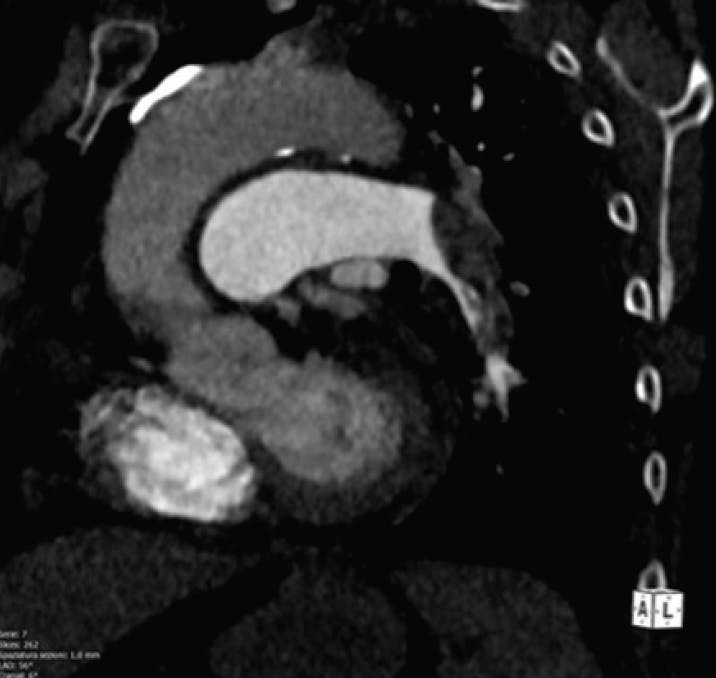
Figure 1. CT pulmonary angiogram of the left PA.
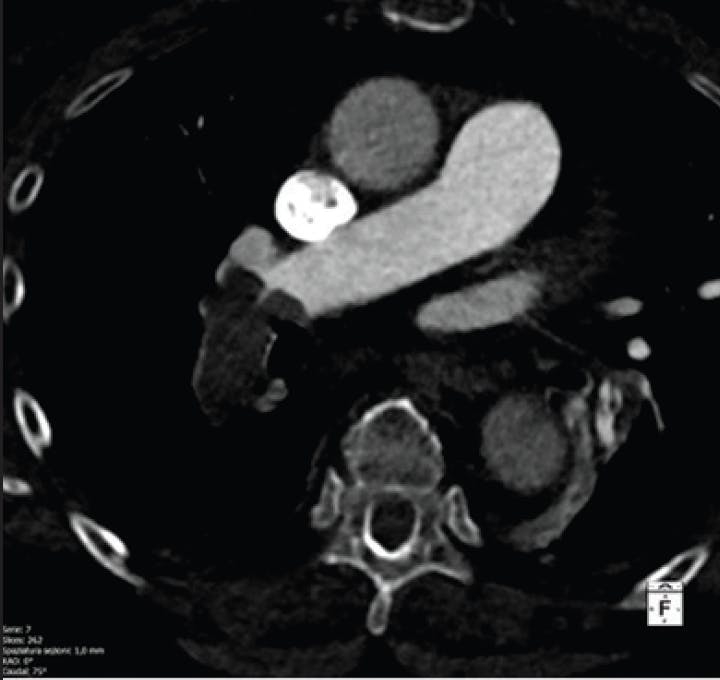
Figure 2. CT pulmonary angiogram of the right PA.
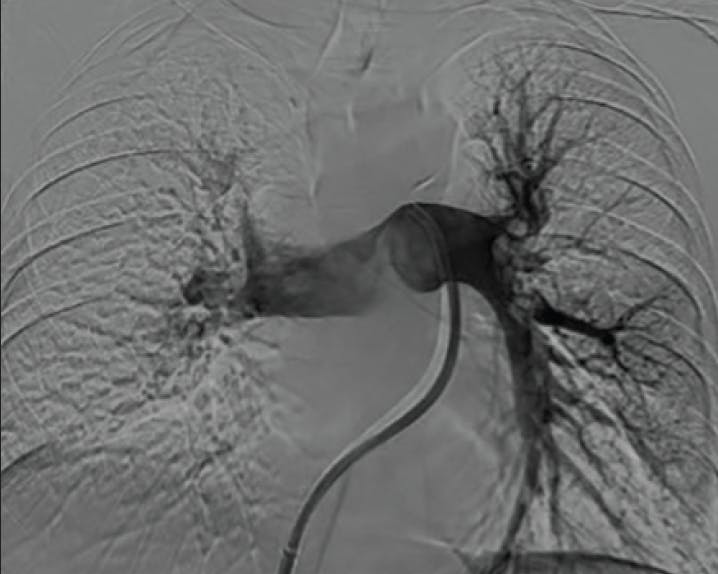
Figure 3. Pre-treatment pulmonary angiogram showing the bilateral PE.
Among the different options possible (eg, anticoagulation, thrombolysis, surgical thrombectomy, and endovascular thrombectomy), it was decided to treat the patient with endovascular thrombectomy because our experience has demonstrated faster resolution of PE, which reduces the patient’s length of stay.
INTERVENTION
A right femoral access was achieved with a 12-F, 45-cm Flexor introducer sheath (Cook Medical) until a connection of the IVC to the right atrium was made. Angiopneumography was performed with a 5-F, 110-cm pigtail catheter (Infiniti, Cordis). A 0.035-inch, 260-cm Roadrunner PC hydrophilic guidewire (Cook Medical) was inserted through the pigtail catheter, and a Lightning 12 catheter was advanced, first to the right and posteriorly to the left PA and then into the respective segmental branches. A SEP12 was also used to help achieve vessel clearance with back-and-forth movements. Revascularization of the right and left PAs was achieved.
RESULTS
Upon return to the ward, the patient’s blood pressure was 150/90 mm Hg, the heart rate was 103 bpm, and Spo2 was 94%. The next day, CTA was performed and confirmed a clear reduction of the endoluminal filling defect affecting both the main PAs and the respective lobular and segmental branches (RV/LV ratio, 1; PA diameter, 27 vs 34 mm) (Figure 4). The patient received continued heparin therapy and progressively improved until weaning from oxygen therapy and was discharge on day 4.
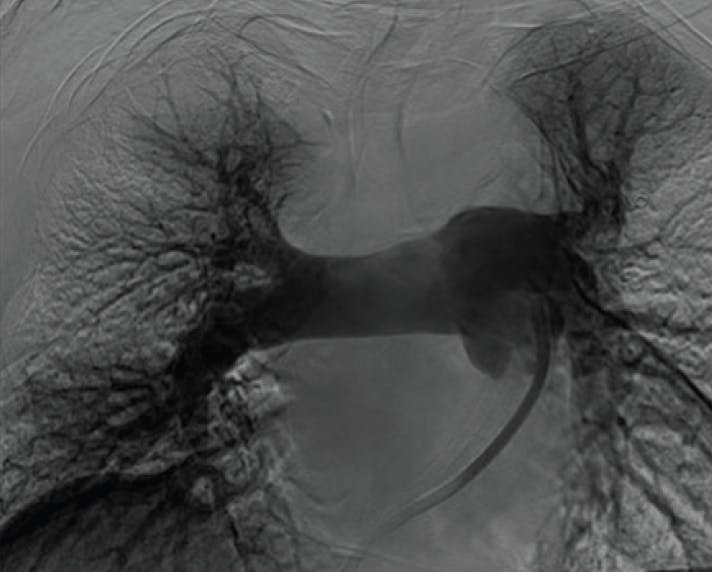
Figure 4. Pulmonary angiogram showing reperfusion of the right and left basal lobar arteries.
DISCUSSION
A CT scan with contrast showed the presence of a hyperdense and large thrombus in the basal scan referable to acute thrombosis (red clot). The Lightning 12 device was chosen due to its torqueability allowing for easy access of the PAs, the 12-F catheter size with HTORQ allowing a larger circumferential aspiration, while the Lightning enables blood loss reduction and clot reduction to achieve patient-centered endpoints in PE treatment. The SEP12 was also used in some passages to facilitate clot engagement.
To optimize cardiac and PA catheterization and maximize the torqueability of the catheter, consider using a long 12-F or larger introducer sheath.
Indigo System Lightning Computer-Aided Aspiration for Acute PE: First Experience in Portugal

PATIENT PRESENTATION
A man in his mid 60s was admitted with right leg pain, swelling, sudden chest tightness, dyspnea, and syncope 4 days after a 4-hour airplane flight. He was given a polymerase chain reaction test and tested positive for COVID-19. He presented with preserved blood pressure, maintained tachycardia, slightly increased troponin T, and a N-terminal pro–B-type natriuretic peptide (NT-proBNP) of 4,745 pg/mL.
Transthoracic echocardiography revealed RV strain with McConnell’s sign, D-shaping of the interventricular septum, and a PA pressure (PAP) estimated at 75 mm Hg. CT pulmonary angiography was performed and confirmed a bilateral acute PE, determined to be intermediate-high risk with a Pulmonary Embolism Severity Index score of 117 (Figure 1). The patient started intravenous anticoagulation with heparin, and with no improvements, required increased oxygen therapy. The PERT agreed to perform mechanical thrombectomy.
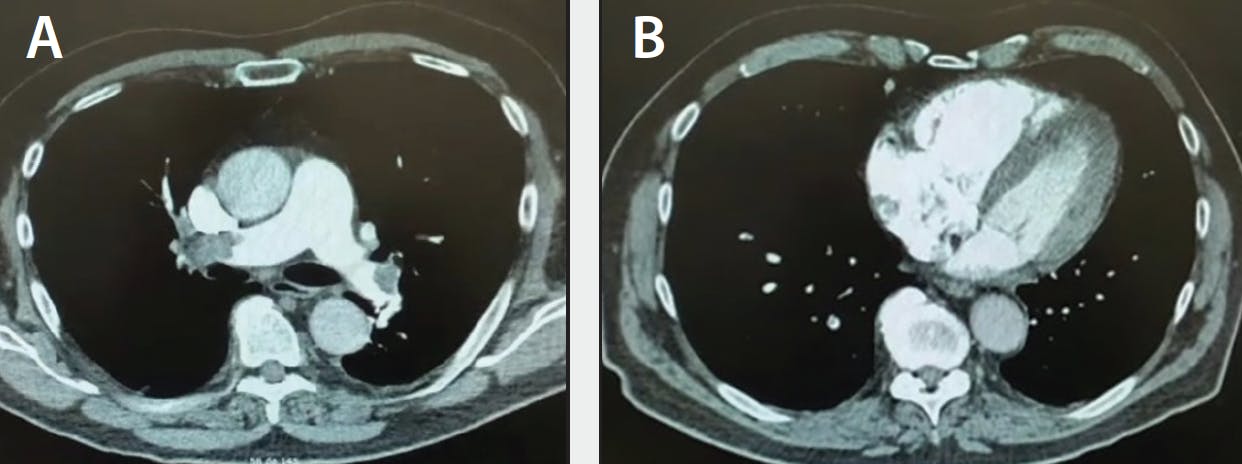
Figure 1. CT pulmonary angiogram showing subocclusive bilateral thrombus in the main PAs (A) and RV dilatation (B).
INTERVENTION
An ultrasound-guided left femoral access was achieved with a 7-F, 12-cm sheath, and the right heart was crossed using a 6-F angled pigtail catheter. Preoperative hemodynamic evaluation showed a peak PAP of 65 mm Hg. Bilateral pulmonary angiography demonstrated subocclusive thrombosis of distal main PAs extended on the right to the truncus anterior, middle, and basal lobar arteries and at left to interlobar and basal lobar arteries (Figure 2).
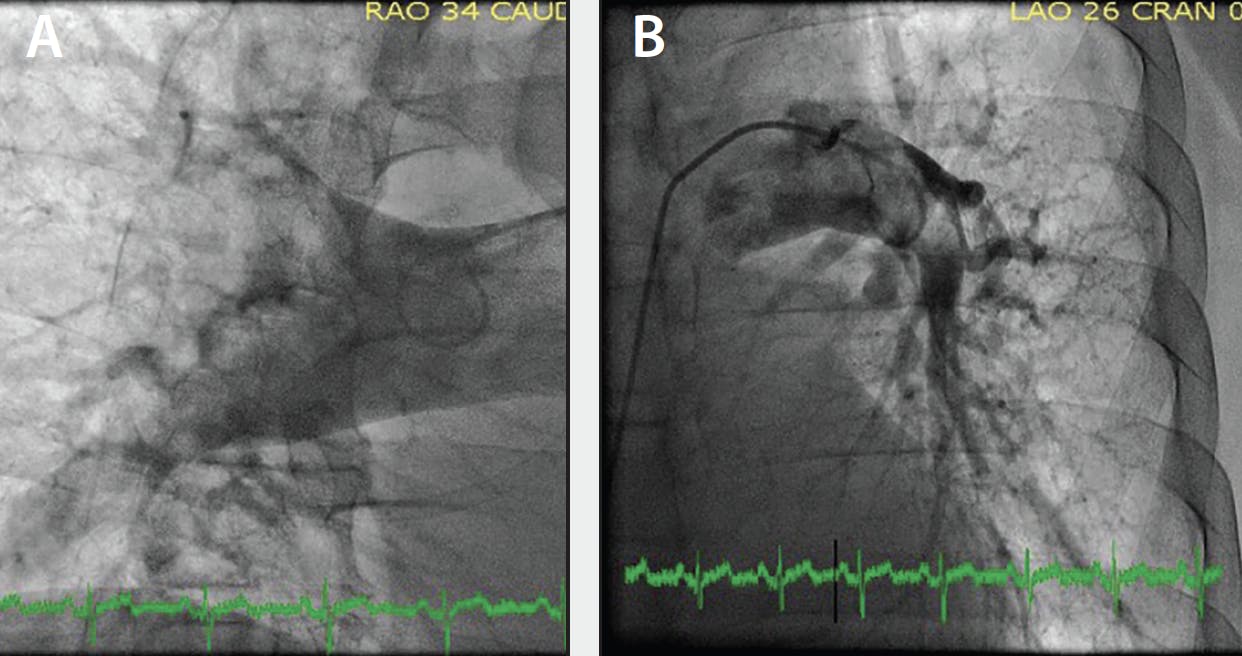
Figure 2. Pre-treatment pulmonary angiography of the right (A) and left (B) lungs.
A 0.035-inch, 260-cm Amplatz super stiff, 1-cm floppy-tip wire (Boston Scientific Corporation) was inserted through the pigtail catheter and exchanged for a 14-F, 85-cm D’Vill introducer sheath (NuMed, Inc.). A 115-cm-length Lightning 12 HTORQ catheter was advanced, first to the right and posteriorly to the left PA, with selective catheterization of target vessels performed with a coaxial 6-F, 125-cm Judkins right catheter. Thrombectomy was performed using the Penumbra ENGINE™ (Penumbra, Inc.) and the Lightning 12, in combination with the back-and-forth movements of the SEP12. Effective clearance was bilaterally obtained with a significant amount of thrombus removal. Angiography showed bilateral improvement and acute reduction of PAP to 52 mm Hg, and no acute complications (Figure 3 and Figure 4). A total volume of 425 mL of blood was lost, without hemodynamic impact.
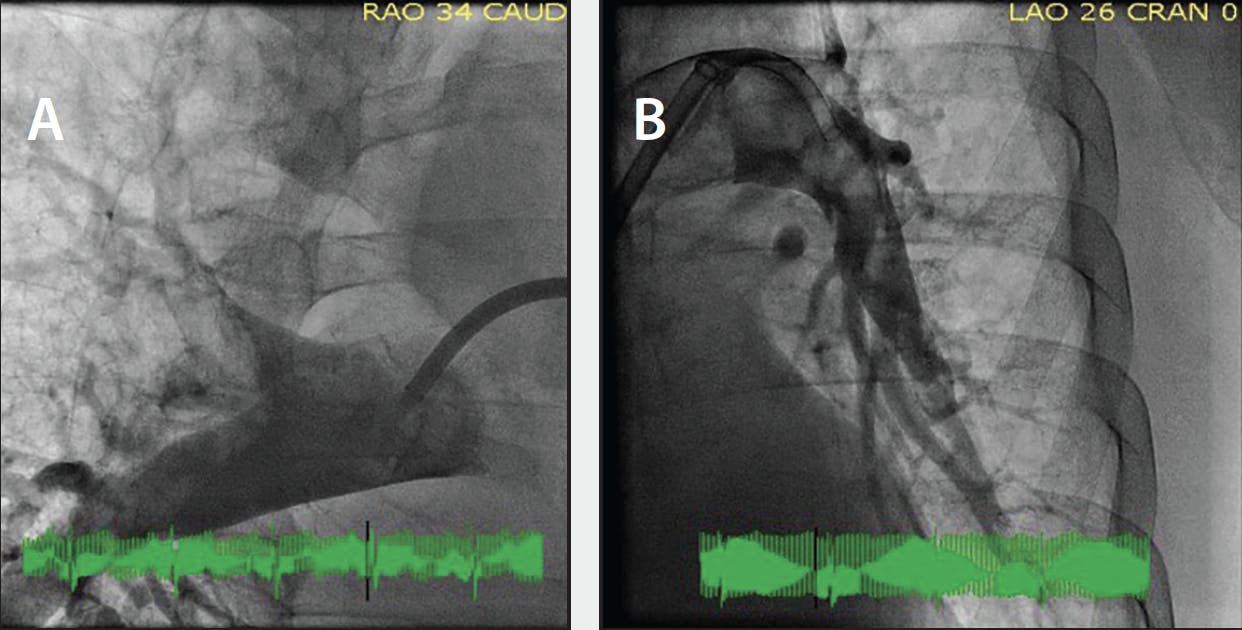
Figure 3. Post-treatment pulmonary angiogram showing satisfactory reperfusion of the right (A) and left (B) basal lobar arteries.
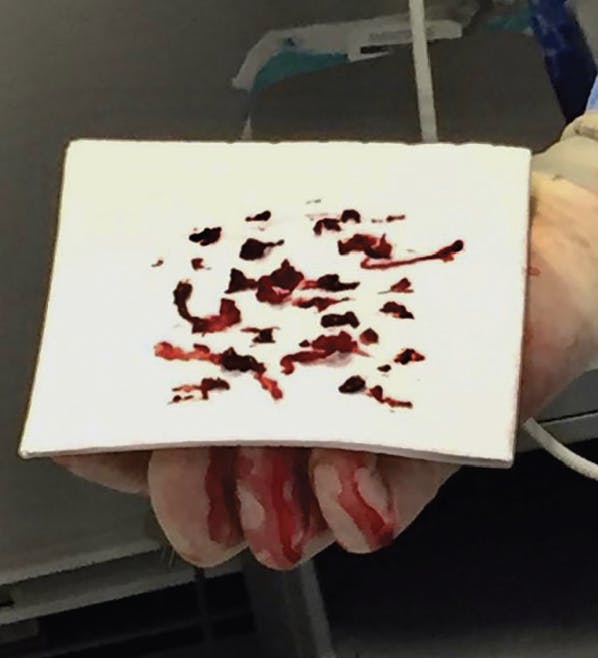
Figure 4. Aspirated thrombus.
Postprocedural intrapulmonary continuous infusion of alteplase (1 mg/hour in 12 hours) was administered in the main PA, with no bleeding complications. The next day, the patient was hemodynamically stable, PAP decreased to 30 mm Hg, and RV dimension and systolic function was improved. NT-proBNP decreased to 600 pg/mL. Oxygen therapy was stopped on day 4, and the patient was discharged on day 7.
DISCUSSION
The best therapeutic decision in intermediate-risk acute PE patients is still debated. Improvement in mechanical thrombectomy devices and the latest results on EXTRACT-PE study and STRIKE-PE interim analysis demonstrated mechanical thrombectomy safety and efficacy as first-line treatment with a 24% reduction in RV/LV ratio, PAP, along with a quick 32-minute device time.1 In our case, the high proximal thrombus burden, along with the significant RV overload and PA hypertension without improvements at 24 hours, convinced our multidisciplinary team to perform the mechanical thrombectomy.
The recent release of the Indigo System Lightning in European markets represents a qualitative leap in mechanical thrombectomy. The microprocessor monitors blood flow in real time through the aspiration tubing pressure sensors and automatically controls continuous or intermittent aspiration to help provide a more controlled thrombus aspiration. The new CAT12 aspiration catheter with larger luminal area and advanced torqueability, can help increase aspiration efficiency. The new CAT12 aspiration catheter (Penumbra, Inc.), with significantly higher luminal area and improved torqueability, increases the aspiration efficiency.
Disclaimer: The opinions and clinical experiences presented herein are for informational purposes only. The results may not be predictive of all patients. Individual results may vary depending on patient-specific attributes and other factors. Product availability varies by country.
1. Sista AK, Horowitz JM, Tapson VF, et al. Indigo aspiration system for treatment of pulmonary embolism: results of the EXTRACT-PE trial. J Am Coll Cardiol Cardiovasc Interv. 2021;14:319-329. doi: 10.1016/j.jcin.2020.09.053
Advertisement
Advertisement