Advertisement
Advertisement
November 2022 Supplement
Sponsored by Surmodics, Inc.
Integrating Radial-to-Peripheral Into Your Practice
A conversation with Pradeep Nair, MD.
Dr. Pradeep Nair is an interventional cardiologist with Cardiovascular Institute of the South in Houma, Louisiana. An avid researcher, he has frequently published in peer-reviewed journals and textbooks. He serves as the Director of the Vein Program at the Cardiovascular Institute of the South and is Vice-Chairman of the annual New Cardiovascular Horizons Meeting in New Orleans, Louisiana.
Your experience with radial access dates to 2006. How did you get started?
I started with femoral cases almost universally during my training in coronary interventions. We had one attending, however, who was a firm believer in radial intervention for coronaries. We didn’t have the best devices or sheaths for radial intervention back then, so we had a lot of issues and learning curves dealing with radial spasm, loops, and I even remember a case where we inadvertently pulled out a radial artery on the sheath—the dreaded “radial on a stick.” Yet, despite these setbacks he still believed in it and pushed it forward because he thought the approach would be best and safest for his patients. Groin complications, after all, can be very serious and potentially life-threatening. That stuck with me. Fast forward a few years, and the American College of Cardiology meetings began encouraging physicians to look at the benefits of radial access for coronary intervention. Then, you had RIVAL, RIFLE, and other clinical trials that clearly showed the safety of the radial approach. Today, radial-first is the preferred percutaneous coronary intervention strategy in both the United States and Europe.
When did you begin doing radial-to-peripheral cases?
I began doing radial-to-peripheral cases about 5 years ago, and the number of other physicians doing the same has been climbing ever since. As an interventional cardiologist, it was a natural transition for me because radial interventions for the coronaries are the preferred strategy. By now, our center has vast experience performing thousands of radial-to-peripheral procedures over these last 5 years. Today, I average around three to four radial-to-peripheral cases a day when I’m in the lab.
What are the biggest concerns new operators have with the radial-to-peripheral approach?
I’d say one of the primary concerns of operators remains radial artery occlusion (RAO). In the past, reported rates of RAO ranged to as high as 10%. Those numbers, in my opinion, are a gross over-estimate of the actual RAO rates we see today. Recent data from the DISCO trial showed a .6% RAO rate, which is the lowest rate seen to date. Another concern of operators includes the perceived inability to tackle complex lesions safely or efficiently. As our toolbox for radial-to-peripheral interventions grow, this concern should continue to diminish.
What do you do to prevent RAO?
Always ultrasound the radial artery. Coronary interventionalists don’t always do this because of the nature of the procedure and a desire to move quickly, but I think it’s mandatory for radial-to-peripheral cases. You need to assess the size of the vessel to ensure the radial artery is at least 2 mm before you can safely consider doing the procedure with a radial approach. With the Sublime™ Radial Access 5 Fr Guide Sheath, which has a .089" outer diameter and a .076" inner diameter, you can push this a little bit. I’ve used this sheath without issue in patients with marginally sub-2 mm vessels—1.7 or 1.8 mm—because these patients didn’t have great conduits for access in the groin. The Sublime™ Radial Access 5 Fr Sheaths make a huge difference for treating patients with smaller radial arteries.
But again, when you’re getting into the < 2 mm range, that’s where you’re going to have potential complications. You should try to avoid placing a 6 Fr sheath into a < 2 mm vessel.
What other precautions do you take to prevent RAO?
You want to ensure there is good palmar flow around the arch. You can check this with an Allen test. Ultrasound can also be used to determine whether the patient has good radial and ulnar pulses. In my opinion, ultrasound preaccess should absolutely be used for radial interventions to avoid complications. Once you have decided on radial access, you can administer local lidocaine and mixed with 50 to 100 µg of nitroglycerin in the syringe to help with localized vasodilation. Then, when you gain access, a radial cocktail (typically verapamil, nitroglycerin, and heparin) can be given through the sheath as per normal protocol. To begin my angiogram, I’ll typically start with a small-profile, 4 or 5 Fr access sheath to give the vasodilator time to work and to first assess the distal vasculature that will be intervened upon. Sometimes after the initial diagnostic angiogram, a lesion may be encountered that you may not want to tackle via a radial approach. In these instances, keeping the sheath small makes sense. These are some small tips that may be helpful to new operators.
Is there anything different about the way you use anticoagulation in radial access cases?
One of the benefits of radial procedures is that I’m not as concerned with major bleeding unless the patient has high-risk issues, for example, prior intracranial bleeding. I’m able to provide more anticoagulation up front, and I think that helps reduce RAO post procedure. I keep my activated clotting times a little higher, close to 300 seconds, and I am comfortable doing so because of lessened bleeding complications from the radial access compared to femoral. I also feel comfortable using glycoprotein IIb/IIIa inhibitors during these procedures to help mitigate adverse effects for the same reason, as most of the bleeding risk with this drug is related to groin access. So, your anticoagulation strategy can be a bit more liberal.
What about avoiding complications when you withdraw the sheath?
I think it’s always important that the patient is sedated at that time because pain response is a very potent stimulator for vasospasm. You need to feel for any resistance or spasm. The moment you start to hear the patient respond to any pain, sedate them a little bit more, and maybe give them a little bit of lidocaine infiltration with nitroglycerin in that area. Put the dilator in when you’re pulling the sheath out. Sometimes a stiff wire can help if you’re having a lot of resistance when pulling out, because there is some tortuosity coming around the subclavian. However, most of the time you won’t have these issues if ultrasound is used on the radial artery up front.
What about compression?
Patent hemostasis is the key. You don’t want to just compress and occlude the vessel. Ideally, some flow should be going down into the hand. You want just enough compression to prevent bleeding. Our interventional ultrasound technologists go to the patient’s bedside before the patients leave to ensure they still see good flow in the radial artery. Not everybody has the staff to do this, but most labs today have a portable ultrasound that they can take to the bedside before patients leave the facility. It doesn’t require a sonographer to perform. You can also simply check a Doppler pulse. Radial artery complications are much rarer now if you just follow simple steps such as the ones I’ve described here.
What practical advice could you provide to physicians who are new to radial-to-peripheral?
Identifying appropriate patients for radial access is a major part of the learning curve in the current era. Again, you need to perform an ultrasound of the vessel from the get-go because you don’t want to inadvertently access a diseased or small radial artery with poor flow. If you do that, you’re setting yourself up for a potential procedural complication.
You should also begin with easier cases. A good starting point is claudicants, Rutherford class 3 patients with non–chronic total occlusion (CTO) disease in the superficial femoral artery (SFA) or popliteal artery. If your goal is to avoid stenting, it’s important to remember the physics of balloon angioplasty, namely utilizing long and slow inflations to the minimal pressure necessary to reduce the risk of tearing or dissections in the vessel. This is very important. During this initial phase of the learning curve, the cath lab staff can get comfortable with the room set up and procedural details.
During the next phase, try tackling some short CTOs—ones that can easily be crossed from the radial approach. Once you have this experience under your belt, I think it is realistic to tackle some proximal tibials. Orbital atherectomy devices are now available that can reach that far. In other words, take a stepwise approach. Try to avoid making your first case a long SFA CTO with a poor runoff. Long SFA CTOs can be done via a radial approach, but oftentimes require a hybrid approach with concomitant pedal access. The radial-to-peripheral toolbox still has significant room for growth in these types of more complex lesional subtypes.
When you’re starting out, understanding the working lengths of available devices is very important because you’re dealing with some limitations. With the Sublime™ Radial Access Platform, a lot of that has gone away. We’re able to go with a rapid exchange (RX) device and use a wire of our choice, but with some devices you’ll be disappointed if you open it up and then find out it’s not able to get you from point A to point B.
Can you describe how you position patients for radial access?
I go from the left, but every lab is different. I like left radial because you get that extra length of 10 cm, which can sometimes make the difference of reaching your target lesion with a device. Right radial is a viable option for therapy delivery, but aside from the loss of approximately 10 cm of length, there can sometimes be challenges with type 2 and 3 aortic arches where the angulation can lead to a loss of pushability through challenging downstream lesions. In this scenario, pushing distally in a vessel can sometimes lead to sheath prolapse into the aortic root, but in my experience, the support of the Sublime™ guide sheaths has made this less of a concern. I’ll typically go right radial if the left radial artery isn’t anatomically suitable, if there’s a diseased or previously stented left subclavian artery, or if the patient has an arteriovenous fistula or lymph node dissections in that arm.
Some physicians access the left arm with the arm lying over the patient, but I’ve never had to do that. If you work from the left side, you can set up your lab so there are two tables. They don’t have to be large tables, but just long enough to accommodate the longer working lengths of the devices, specifically the wire. If your lab isn’t big enough for this, there are workarounds. Training is important, not just for the physician but for the cath lab staff as well. They should be in attendance to see how they can most efficiently set up their lab for radial-to-peripheral procedures (Figure 1).
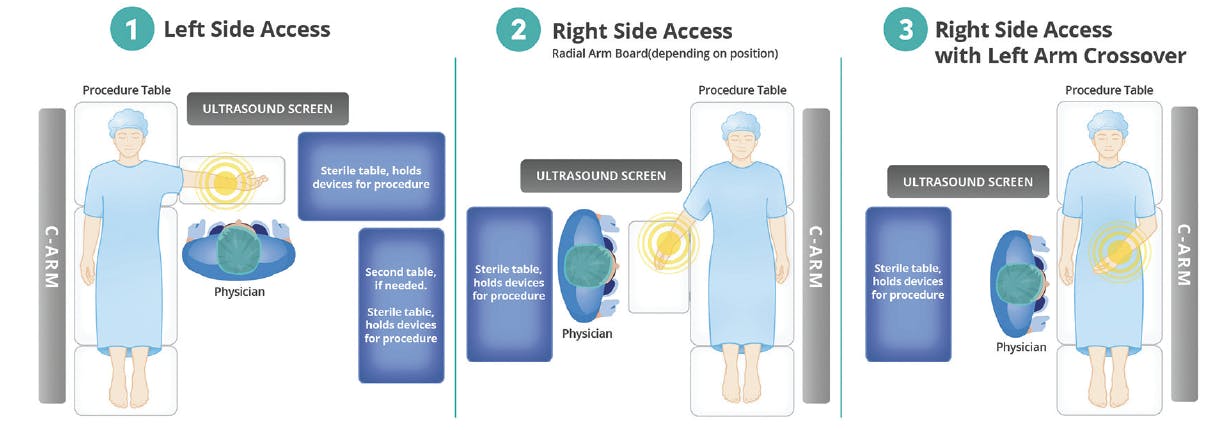
Figure 1. Variations in patient positioning and lab setup for radial-to-peripheral procedures.
Do you prep other access sites when you’re taking the radial approach?
We typically have one groin access site prepped in the event it is needed at some point during the procedure in an emergent situation. Perforations are rare, but distal embolization is a concern especially when dealing with longer, more complex lesions with suboptimal outflow. My crossover rate to a femoral access is < 1%, but I still think it is wise to be prepared for any potential complications. If I encounter a complex lesion that likely will require a certain atherectomy/thrombectomy tool, stent, or balloon technology that is currently unavailable in working lengths suitable for primary radial access, I may choose a different strategy. This may be a femoral approach or potentially direct pedal access if the groin is inaccessible. If you select patients correctly, you will rarely need to cross over from radial to femoral access.
What’s been your experience with the Sublime™ Radial product portfolio? Let’s begin with the guide sheath.
I’ve been using the Sublime™ Radial Access Guide Sheath predominantly now, primarily because I like the rigidity, the balance between stiffness and support. It easily enters the vessels and goes through tortuous anatomy, but I also have enhanced support with this device. The support aspect is key—it gives me a little bit more pushability through lesions. The availability of a 5 Fr size is also important for me.
Are you able to treat more patients with radial access using the Sublime™ Radial Access 5 Fr Guide Sheath?
Yes, I would say 5% to 10% more, because with 5 Fr I can treat radial arteries 2 mm in size and have even gone as small as 1.6 mm. I’ve always advocated using the smallest size device available that can get the job done. Smaller is better whenever it makes sense, and an efficacious smaller profile device is available. Many of our leg cases, as I have experienced, can be treated with the 5 Fr Sublime™ Guide Sheath. It is not advised for complex lesions where stents will likely be required because this would require a 6 Fr sheath. Again, meticulous balloon angioplasty is required where we inflate balloons slowly for as long as 4 to 5 minutes in some cases.
How do you feel about the Sublime™ Radial Access .014 and .018 RX PTA Balloon Catheters?
The biggest positive with the balloons is the length (220 cm for the .018 and 250 cm for the .014 versions). That can be game-changing when treating critical limb ischemia where below-the-knee disease is quite prevalent. I also think the long RX lengths, 45 cm (.014 version) and 50 cm (.018 version), are valuable because they enhance our pushability through vessels. I’ve used it to aid in crossing lesions, too. I don’t currently have crossing catheters that reach these lengths, so I’ve used the long monorail as my support catheter as I’m advancing through lesions. Does that always work? No, but now I can reach the foot from a radial approach. You must always be ready to go to the foot, especially when treating critical limb ischemia.
Why do you always need to be ready to go to the foot?
Aside from critical limb ischemia where below-the-knee or below-the-ankle disease is prevalent, when you perform a peripheral intervention, you must be prepared to treat complications. For example, if you have distal emboli that travels down to the pedal arch and you’re in the radial position, these balloons allow us to get down there. If you’re able to cross with a wire, the balloons track easily.
Can you provide any examples of cases that are enabled by the unique length of Sublime™ Radial Access .014 and .018 RX PTA Balloon Catheters?
I’ve used them to treat infrapopliteal disease in critical limb ischemia using a contralateral approach. Let’s say you have an occluded posterior tibial artery. My preferred strategy is still generally femoral access using an antegrade approach because it provides a lot of strength to cross tough lesions. The problem is that not every patient is a great candidate for this approach—patients with obesity, prior endovascular aneurysm repairs, or bypass conduits are some examples. For these patients, I favor using a radial approach. I have had success crossing occluded tibials from the radial approach. With the Sublime™ Radial Access .014 and .018 RX PTA Balloon Catheters, I’m able to cross into the pedal loop to dilate and recanalize (Figure 2). The Sublime™ balloons have crossed the pedal loop seamlessly and are the only devices that can accommodate this from a radial approach.
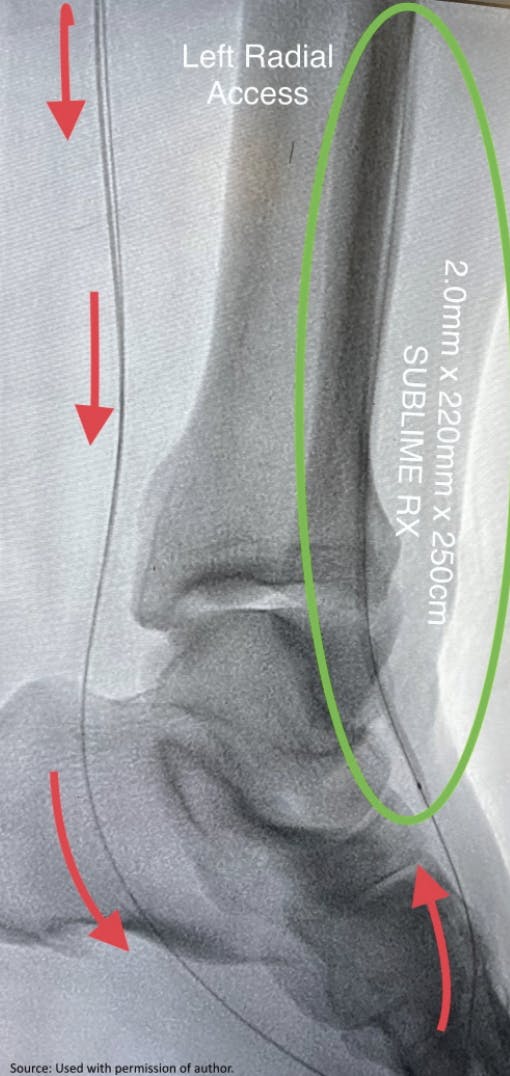
Figure 2. Crossing the pedal loop with the 250 cm Sublime™ Radial Access .014 RX PTA Dilatation Catheter.
Radial-to-peripheral is a relatively new technique. Why should interventionalists take this on now?
I think physicians are going to find that if they start with a stepwise approach, beginning with the easier cases, patients are going to be very appreciative. In my experience, some of the happiest patients are those who can now be treated radially. That’s great for your practice, because you’re going to be known as the physician who can do a procedure through the wrist to fix the leg, and not everybody’s doing it right now. If you start now, as more tools become available, you’re going to be ahead of the game. This is a train that’s not going to stop and it’s moving fast!
Caution: Federal (US) law restricts the Sublime™ Radial Access Guide Sheath and the Sublime™ Radial Access .014 and .018 RX PTA Dilatation Catheters to sale by or on the order of a physician. Please refer to each product’s Instructions for Use for indications, contraindications, warnings, and precautions.
Case Report: Pedal Loop Revascularization Using the Sublime™ RX PTA Dilatation Catheters via a Radial Approach
By Pradeep Nair, MD
Patient Presentation
A man in his early 70s with a past medical history of coronary artery disease, peripheral artery disease, and hypertension presented to the clinic with gangrenous changes to the fifth digit (Rutherford category 5; Figure 1). The patient had previous right femoral endarterectomies leading to dense scar tissue at the prior access sites.
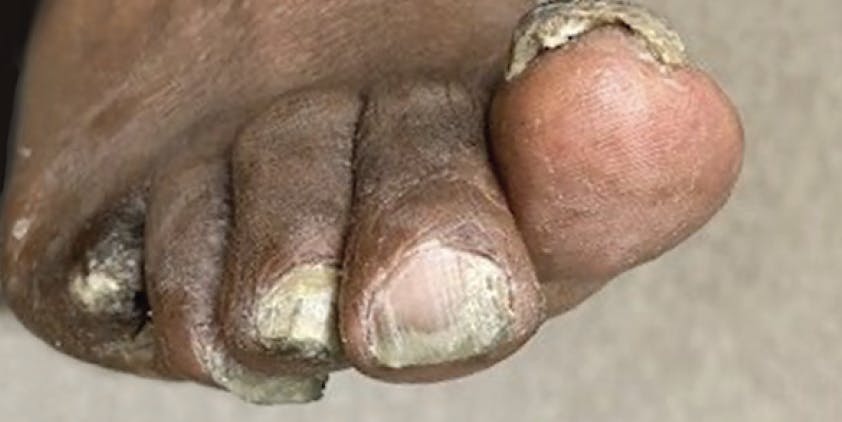
Figure 1. Gangrenous changes to the fifth digit.
Diagnostic Findings
A diagnostic angiogram was taken of the right lower extremity, which revealed occlusion in the proximal anterior tibial (AT) artery and the dorsalis pedis (DP) artery (Figure 2).
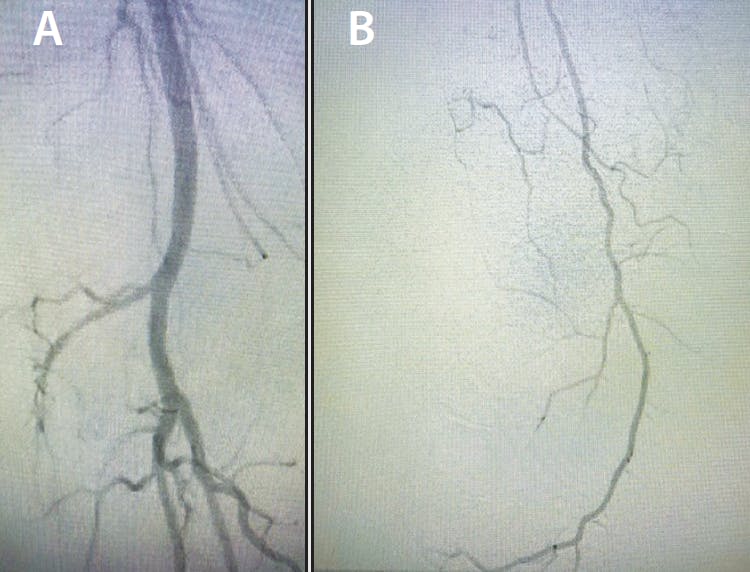
Figure 2. Angiogram revealed occlusion in the proximal AT artery (A) and DP artery (B).
Treatment
The left common femoral artery was accessible, but the tortuous iliac anatomy indicated that a contralateral approach would be challenging. Given that past contralateral attempts had failed, radial access was chosen to revascularize the pedal loop by crossing the occluded AT artery into the dorsal-plantar loop. The 2.0 mm Sublime™ Radial Access .014 RX PTA Dilatation Catheter was advanced to the AT artery and inflated. The balloon was then advanced to the dorsal-plantar loop and inflated to revascularize (Figure 3).
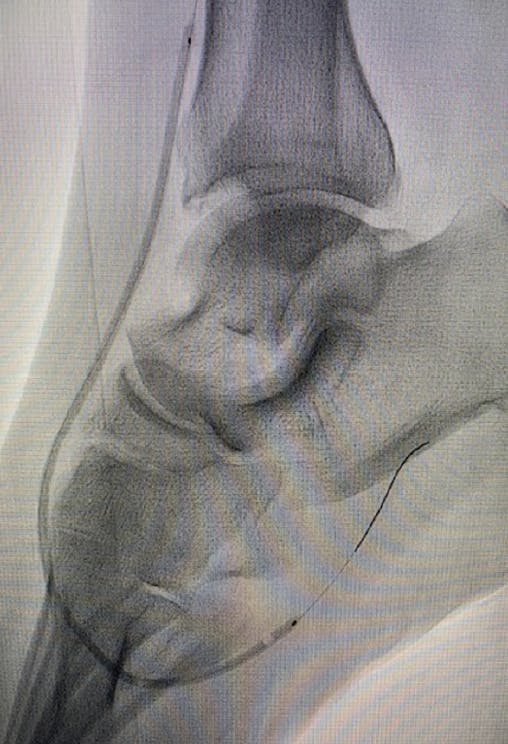
Figure 3. The 2 mm Sublime™ Radial Access .014 RX PTA Dilatation Catheter.
Post Procedure Outcome
Balloon angioplasty was performed and flow was restored to the AT artery and the pedal arch (Figure 4).
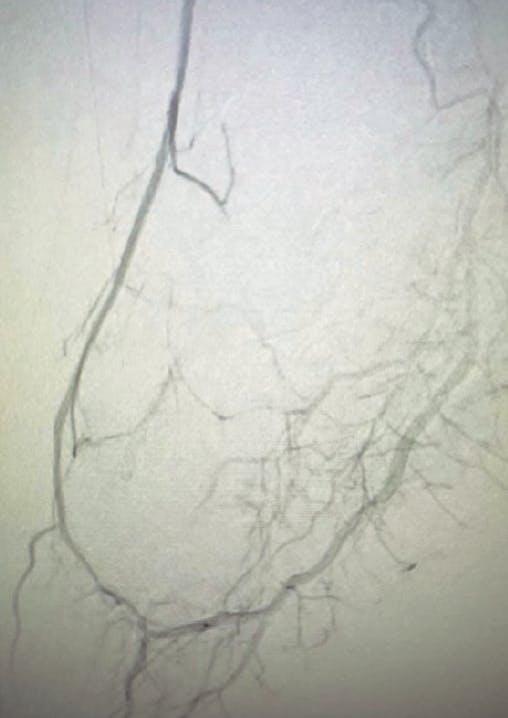
Figure 4. Arteriogram demonstrating restored flow through the AT artery and the pedal arch.
The Sublime™ Radial Access .014 RX PTA Dilatation Catheter allowed for treatment of a patient with extensive scar tissue at the femoral access site. A radial approach was used to provide a safer option for balloon angioplasty, restoring flow to the pedal loop in a patient where femoral access was not an option.
Caution: Federal (US) law restricts the Sublime™ Radial Access Guide Sheath and the Sublime™ Radial Access .014 RX PTA Dilatation Catheters to sale by or on the order of a physician. Please refer to each product’s Instructions for Use for indications, contraindications, warnings, and precautions.

Advertisement
Advertisement