Advertisement
Advertisement
November 2022 Supplement
Sponsored by Surmodics, Inc.
Tackling the Radial Access Equipment Barrier
A conversation with R&D Engineer, Derek Stratton.
Transradial access (TRA) has become a preferred approach for percutaneous coronary interventions, providing significant improvements in bleeding, access site complications, ambulation, same-day discharge, and patient satisfaction when compared to femoral access.1-5 However, adoption of transradial access for peripheral vascular interventions has lagged, largely due to lack of equipment of suitable length, profile, and performance.
To meet this challenge, Surmodics developed the Sublime™ Radial Access Platform, a purpose-built suite of endovascular devices designed to facilitate treatment in above- and below-the-knee arteries using a transradial approach. The product lineup currently includes the Sublime™ Radial Access Guide Sheath, available in 5 or 6 Fr and in lengths of 120 or 150 cm; and the Sublime™ .014 and .018 RX PTA Dilatation Catheters. Both the .014 and .018 RX PTA catheters provide the industry’s longest working lengths at 250 and 220 cm, respectively (Figure 1 and Figure 2). To reinforce its leadership in the transradial-to-peripheral space, Surmodics intends to expand its Sublime™ Radial Access Platform. Most recently, Surmodics received FDA 510(k) clearance for the Sublime™ Microcatheter, a high performance crossing catheter, which will be available in working lengths up to 200 cm.
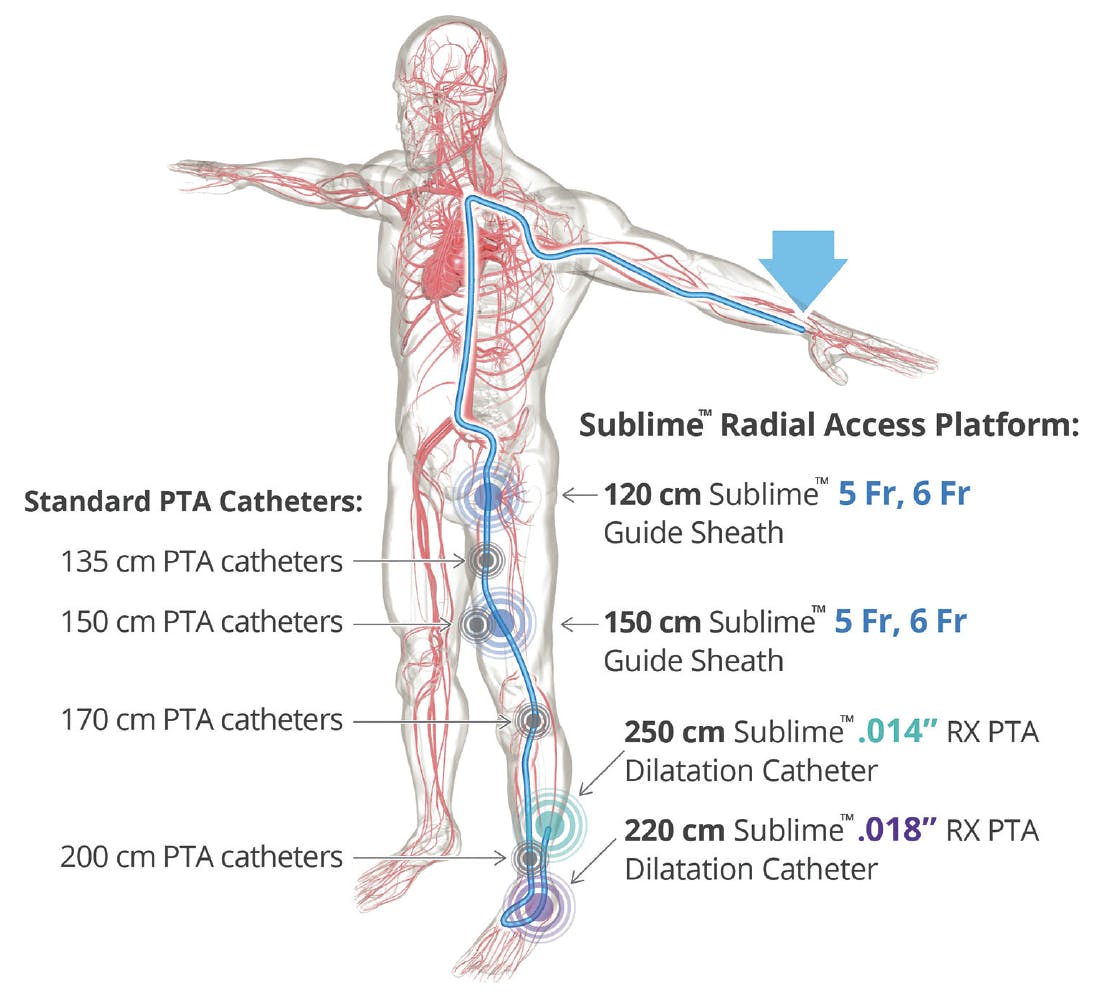
Figure 1. The Sublime™ Radial Access Platform is purpose-designed to meet the specific demands of TRA to the periphery, including the distance and tortuosity encountered to reach the lower periphery and the smaller diameter of the radial artery.
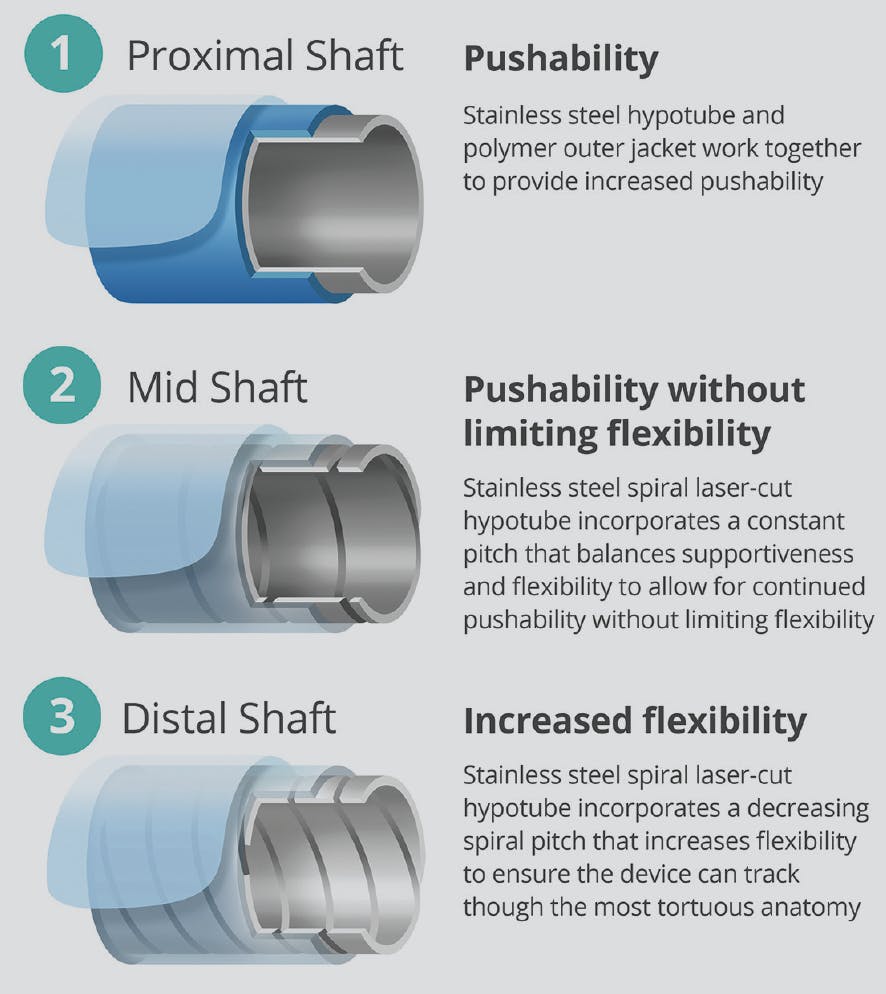
Figure 2. Sublime™ Radial Access .014 and .018 RX PTA Catheter construction.
Engineering effective radial access devices for use in the periphery involves far more than adding length. We spoke with Derek Stratton, research and development engineer for the Sublime™ Radial Access Platform, about the challenges the team had to overcome when developing transradial devices that perform effectively from wrist to foot.
What performance characteristics are most important in radial access devices used in the periphery, and how has Surmodics managed to achieve them?
It may seem simple, but in truth it’s anything but. Medical device companies use words such as flexibility, trackability, kink resistance, radial strength, torque, and so on to describe device performance, but none of these things matter by themselves if the device can’t reach the treatment site or isn’t highly responsive when it gets there.
The proprietary catheter and shaft construction behind the Sublime™ Radial Access Platform devices is intended to offer differentiated performance in pushability and flexibility to aid physicians in successfully delivering the devices.
With the Sublime™ Radial Access Guide Sheath, our goal is to provide the “highway” that allows physicians to deliver the necessary tools from the wrist (or their choice of access site) to the periphery so they can successfully treat patients. With the Sublime™ .014 and .018 RX PTA Dilatation Catheters, we want physicians to be able to confidently deliver the Sublime™ balloons from the wrist to below the knee (with the .018 device) or even down to the foot. We love it when physicians tell us they can do this thanks to the Sublime™ Radial Access Platform.
Now, from a product design standpoint, these goals get exponentially harder to achieve the longer you make a device and the more tortuous the vessel pathway. It’s the combination that matters. For example, in our Sublime™ .014 and .018 RX PTA Dilatation Catheters shaft designs, we have differentiated engineering built into portions of the shaft, including a more supportive proximal segment, a more flexible distal segment, and a mid-shaft segment to transition from supportive to flexible (Figure 2).
In engineering terms, what differentiates Sublime™ Radial Access devices from others available on the market?
It’s the proprietary technology that makes up the construction of these catheters, but the difference is really in the details. To give just one example, our Sublime™ Guide Sheath is constructed using a proprietary braid technology that marries the best performance features of both a traditional coil structure and a traditional braid structure while maintaining a thin-walled profile (Figure 3). This provides best-in-class kink resistance, torque, and radial strength (Figure 4). In my opinion, some companies struggle with long devices because there is a lack of sufficient support structure to ensure their devices can be delivered.
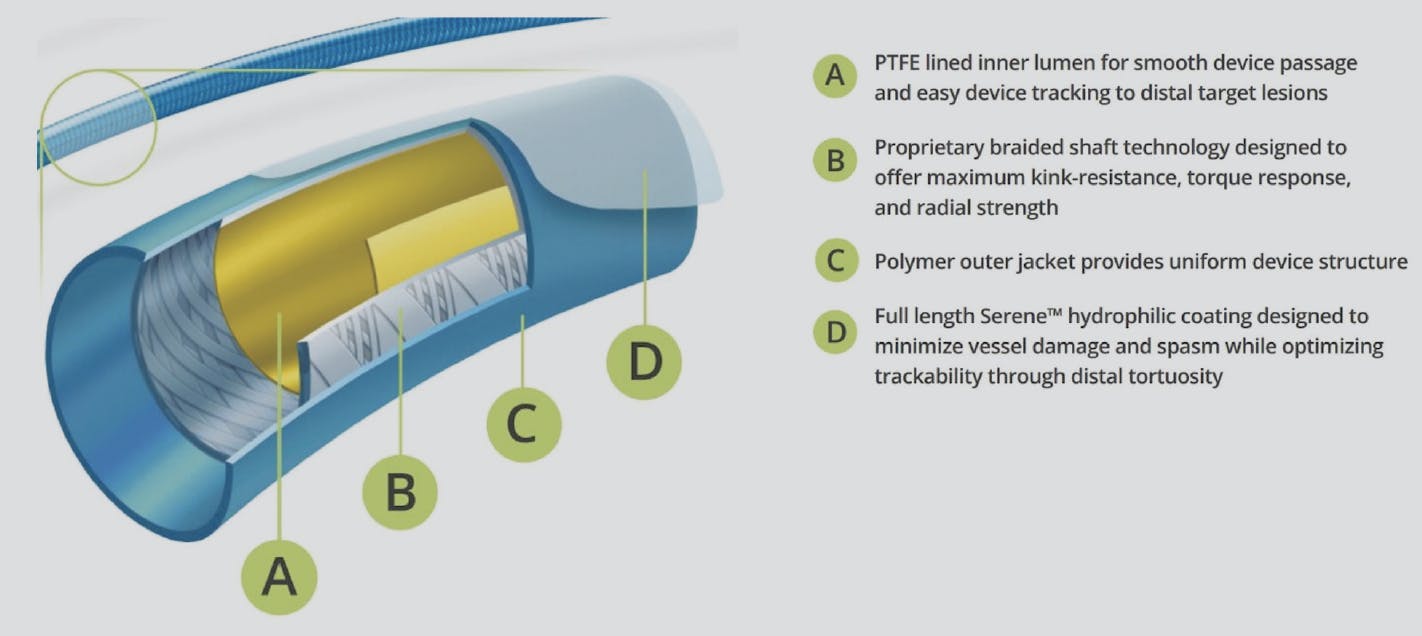
Figure 3. Sublime™ Radial Access Guide Sheath catheter construction.
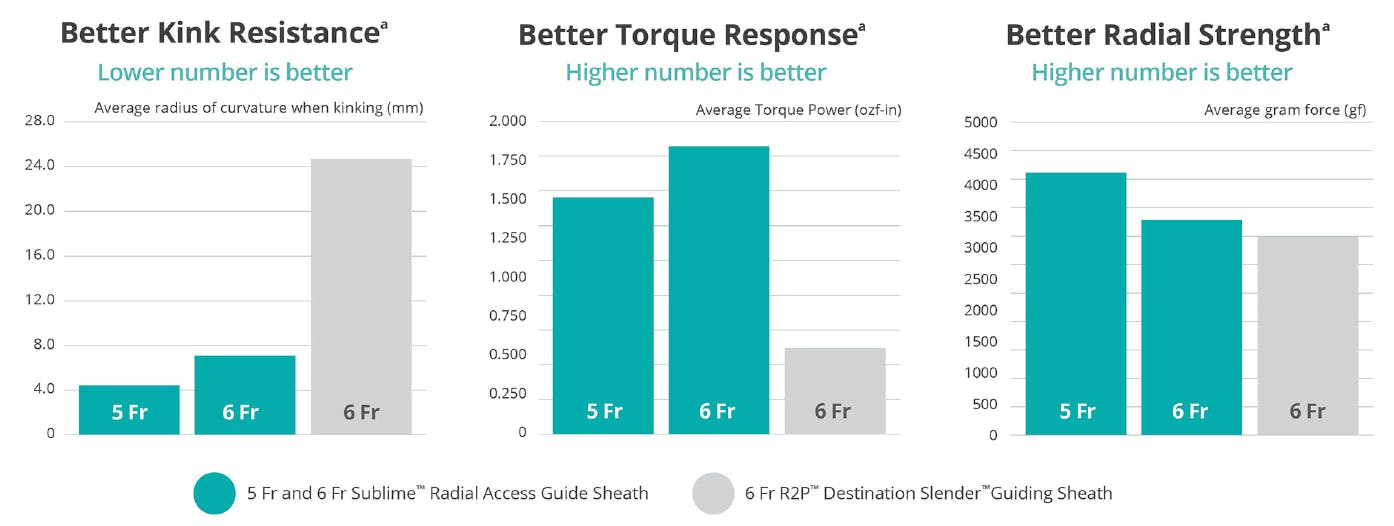
Figure 4. Sublime™ Radial Access Guide Sheath versus competition. Third-party trademarks property of their respective owners.
Another key differentiator is the coatings on these devices. With all endovascular devices—including those intended for peripheral use—minimizing vessel trauma and optimizing trackability with the right coating is important. Within the industry, Surmodics is known as a global leader in hydrophilic coatings. The coatings on our Sublime™ devices helps set them apart.
Regarding the Sublime™ Radial Access RX PTA Catheters, how did Surmodics achieve deliverability of a 250 cm device without an over-the-wire design?
Because there is a lack of guidewire options in long working lengths, we decided to deliver much-needed balloons with a rapid exchange (RX) design. Again, the answer to the challenge of delivering such a long RX balloon catheter lies in our shaft technology. These catheters feature a laser-cut hypotube that transitions from a highly supportive proximal segment to a more flexible distal segment to provide the support and deliverability expected from a more traditional over-the-wire design. This construction, combined with the Serene™ hydrophilic coating (Surmodics, Inc.), ensures that we get the exceptional pushability, trackability, and crossability. For added pushability, the RX length of these catheters is also the industry’s longest at 45 cm and 50 cm for .014 and .018 version catheters, respectively (Figure 5 and Figure 6). The feedback from users has been extremely positive.
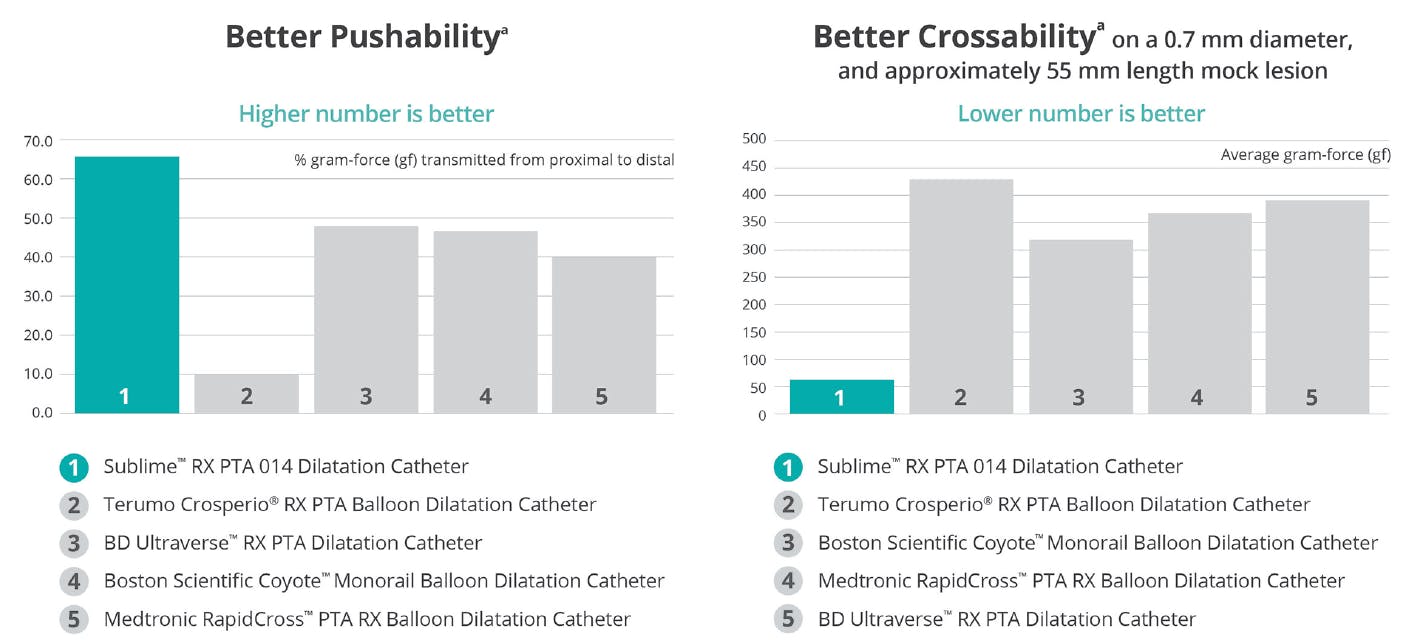
Figure 5. Sublime™ Radial Access .014 RX PTA Catheter versus competition. Third-party trademarks property of their respective owners.
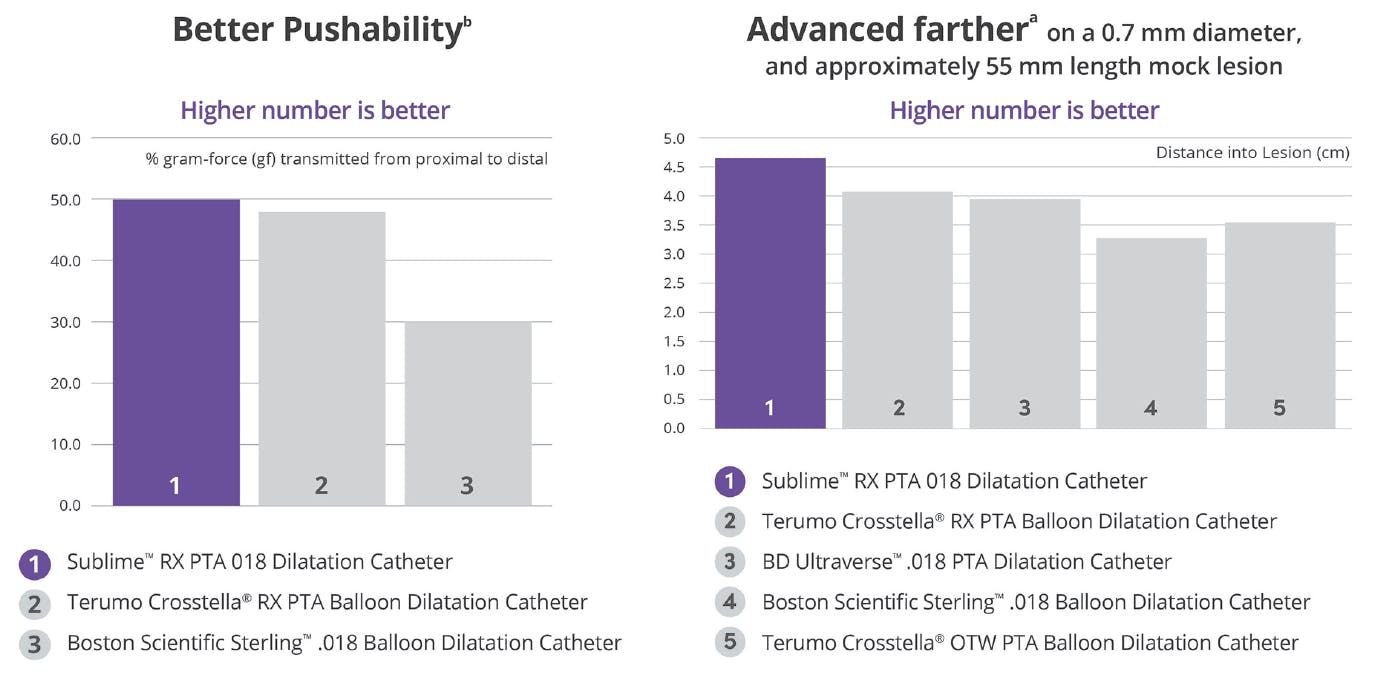
Figure 6. Sublime™ Radial Access .018 RX PTA Catheter versus competition. Third-party trademarks property of their respective owners.
Caution: Federal (US) law restricts the Sublime™ Radial Access Guide Sheath and the Sublime™ Radial Access .014 and .018 RX PTA Dilatation Catheters to sale by or on the order of a physician. Please refer to each product’s Instructions for Use for indications, contraindications, warnings, and precautions.
1. Jolly SS, Amlani S, Hamon M, et al. Radial versus femoral access for coronary angiography or intervention and the impact on major bleeding and ischemic events: a systematic review and meta-analysis of randomized trials. Am Heart J. 2009;157:132-140. doi: 10.1016/j.ahj.2008.08.023
2. Ferrante G, Rao SV, Jüni P,et al. Radial versus femoral access for coronary interventions across the entire spectrum of patients with coronary artery disease: a meta-analysis of randomized trials. JACC Cardiovasc Interv. 2016;9:1419-1434. doi: 10.1016/j.jcin.2016.04.014
3. Amin A, Patterson M, House JA, et al. Costs associated with access site and same-day discharge among medicare beneficiaries undergoing percutaneous coronary intervention. JACC Cardiovasc Interv. 2017;10:342-351. doi: 10.1016/j.jcin.2016.11.049
4. Chodór P, Krupa H, Kurek T, et al. Radial versus femoral approach for percutaneous coronary interventions in patients with acute myocardial infarction (RADIAMI): a prospective, randomized, single-center clinical trial. Cardiol J. 2009;16:332-340.
5. Rao SV, Cohen MG, Kandzari DE, et al. The transradial approach to percutaneous coronary intervention. J Am Coll Cardiol. 2010;55:2187-2195. doi: 10.1016/j.jacc.2010.01.039

Advertisement
Advertisement