Advertisement
Advertisement
October 2022
Panel Discussion: Top Tips in Interventional Oncology: Insights Into Building Clinical Practice and Clinical Research Entities
Essential components to starting a practice, recommendations for success, potential pitfalls, developing relationships and patient referrals, participating in research, and next frontiers.
Moderator: Bela Kis, MD, PhD, FSIR;
Panelists: Alexandra Fairchild, MD; Michael Devane, MD; Marcelo Guimaraes, MD, MBA, FSIR; and Ghassan El-Haddad, MD
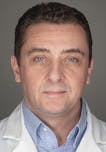
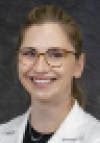
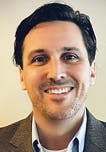
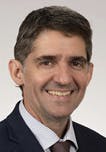
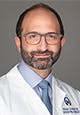
Dr. Kis: What do you see as the three key components to starting an interventional oncology (IO) practice?
Dr. Fairchild: I would emphasize these three points:
- Attend tumor boards (for various specialties) and be prepared to talk about the patients being presented. If a tumor board is needed, start it. It’s always beneficial if you can get continuing medical education attached to a tumor board, which will encourage attendance. Depending on the institution, this may require work but will be well worth it. Also, don’t be shy to offer palliative procedures during tumor board.
- Speak the language. It is critical to know the guidelines as well as first- and second-line treatments.
- Build relationships with other specialties and give something back. Building a practice is a two-way street. If potential referrers feel they are getting great cases or patients from you, they will think of you when it comes time to refer one of their patients.
Dr. Devane: My three keys would be (1) strong medical oncology and surgical oncology programs, (2) multidisciplinary conferences, and (3) geographic region for adequate referral base. Essentially, the key components revolve around having a patient base, referral base, and a means of collaborating with medical and surgical oncology. I would like to add a fourth component of passion as the most important of all. The external components around you are important, but how you utilize them is crucial. It can be difficult to get an IO program off the ground. This will require a passion for IO to persevere through tough times and practice building. It has been an incredible journey and worth the effort. I absolutely love what I do.
Dr. Guimaraes: (1) Participation in multidisciplinary tumor boards (ie, gastrointestinal, genitourinary, thoracic, liver, pediatric, hematology/oncology, palliative care); (2) well-organized outpatient clinics with registered nurse (RN) navigators and scheduler support (to see patients electively and in a rapid access clinic [RAC]); and (3) comprehensive IO services with timely response, from port placement, percutaneous biopsies, and liver-directed therapies to all sorts of ablation, pain management, and palliative care. In other words, comprehensive IO services.
Dr. El-Haddad: Interventional radiology (IR) physicians rely on their medical and surgical oncologist colleagues for patient referrals, so before starting an IO practice, it is essential to have good connections and a referral base that you can always build upon. This is even more important in private practice than academic centers where the lines of referrals to IR are somewhat established. You also need to have the appropriately trained staff from physicians, nurses, technologists, and advanced practice providers (APPs) that have experience in treating patients with cancer. The last key component to starting an IO practice is to have the appropriate equipment and licensing to perform certain therapies such as radioembolization.
Dr. Kis: What support staffing and services are essential in building an IO practice?
Dr. Devane: There should be a nuclear medicine department capable of handling yttrium-90 (Y-90), a three-dimensional lab for image reconstructions and liver volumes, adequate angiographic equipment, and access to tumor ablation devices. Having a medical physicist helps, as well as a great team of IR techs and nurses. This may require you to build that team around you.
With these building blocks, you can start to build your IO practice. If you don’t have these components, that’s okay too. We didn’t have all of these when our program began. It takes time and persistence to make it happen. Partner with your hospital to build your program. You need to show them that the revenue from the procedures and downstream revenue from imaging and admissions will benefit them. I honestly feel like if I can do it, anyone can. You must be passionate and tenacious and take things one small step at a time. It takes time to prove to your hospital, and likely your diagnostic radiology partners, that this is a wise investment of time and money. There is much non–relative value unit (RVU)–generating work required to build a successful program. Sometimes those judging our progress can develop a little tunnel vision when measuring productivity with RVUs alone.
Dr. Guimaraes: We have RN navigators who manage the IO cases pre- and postintervention and help provide feedback and documentation to referring providers (especially external providers), a minimum of two schedulers, and APPs. We have an excellent team of APPs who support our outpatient clinics along with the vascular IR (VIR) attendings/fellows and residents, and the APPs staff our VIR RAC (VIRAC). In 2020, we opened VIRAC at Medical University of South Carolina, and it has been very successful and has resulted in better patient care.
The VIRAC’s goal is to provide evaluation of and education to patients who typically are not seen in our outpatient clinics (eg, patients who need a biopsy and port placement). Most patients have recently had an unexpected diagnosis of cancer, and they are scared and overwhelmed with new information. The VIRAC provides an opportunity to educate about IO procedures. Currently, our goal is to have close to 100% of patients seen in our clinics prior to coming for a procedure. Since VIRAC became operational, we’ve seen increased patient throughput and decreased cancellation and complication rates. To improve patient care and expand access to IO services, we expanded one existing outpatient/office-based laboratory (OBL), which opened in 2013, and there is a second OBL on the way for 2023.
Dr. Fairchild: The infrastructure of each practice will vary slightly. Dedicated clinic staff is ideal because they will have a better understanding of the nuances of IO and next steps needed for each patient. If clinic staff is shared with many specialties, having a nurse or APP who is dedicated to the clinic can help each patient navigate their treatments and act as a liaison with collaborating specialties.
Services provided in building an IO practice can be broken down into three major categories: diagnostic, therapeutic, and palliative. Diagnostic services include biopsies and angiography for surgical planning. Therapeutic services include tumor ablation, transarterial chemoembolization, and transarterial radioembolization. Palliative services include service such as ports, tunneled drainage catheter placement, nerve blocks, vertebral augmentation, biliary drainages, portal vein stents, and embolization.
Dr. El-Haddad: After more than a decade at an IO practice, I think one of the most essential pieces is to have a strong IO clinic. This makes the referrals more streamlined, and the clinicians have a greater respect for you as a clinician instead of being a proceduralist. We are first and foremost clinicians. We currently have an in-patient and most importantly out-patient clinic where all patients referred for IO consults are seen and evaluated by an APP and an IR physician. To have a good foundation for an IO practice, it is essential to be appropriately staffed with properly educated and trained staff, especially IR APPs.
Dr. Kis: Have you recently started any new service lines or new treatments? Do you have any recommendations for success?
Dr. Fairchild: Although the post-COVID nursing and tech shortage has limited growth of robust service lines, our practice continues to add new treatments as we see the need. Recommendations include understanding the limitations of your team—don’t open the floodgates on a new procedure if the infrastructure cannot support it. Like growing any program, most of the success is in building relationships.
Dr. Devane: We’ve been involved in new clinical trials (Instylla and Renovo), adopted pressure-enabled drug delivery (TriNav catheter, TriSalus), and are considering adding irreversible electroporation.
With any new line of service, do thorough homework on the new modality and/or treatment option. Learn as much as you can about the subject and be willing to travel to learn more. This learning process is lifelong and never-ending. It is what makes the field of IR fun and interesting. In addition, seek advice from interventional oncologists who are performing these procedures. The vast majority of interventionalists in the community would love to help you and can be a fantastic resource. Your industry representatives can also be very helpful in providing education and introducing you to experts in the procedure that you are seeking to learn.
Dr. Guimaraes: Our IO expansion strategy included (1) hiring additional personnel, (2) facilitating access through an RAC, (3) expanding outpatient IO services through OBLs/fleet replacement with adequate equipment, and (4) providing comprehensive IO services. In the last 3 years, we hired additional faculty (two physicians, three APPs, and three RN navigators) with the goal to expand IO services. With additional staff, we were able to have more a consistent presence at multiple multidisciplinary tumor boards.
Thanks to our excellent faculty, we were able to expand our radioembolization program and start new service lines on nonliver ablations (lung, bone, adrenal) and pain management, which includes different types of nerve blocks and spinal ablation/kyphoplasty. We also have been working closer to palliative care, oncology, and liver transplantation/hepatology and have streamlined and expedited the referral and evaluation processes through the VIRAC.
Dr. El-Haddad: We recently started performing our own radioembolization treatment planning and post Y-90 dosimetry. This was previously provided by the radiation oncologists at our institution. Being an interventional oncologist with a nuclear oncology background, it felt natural to be in charge of this new service. In several institutions, radiation oncologists or nuclear medicine physicians provide these services. However, I do believe that interventional oncologists with their vast experience in vascular anatomy, flow dynamics, and radiation physics are better poised to take a leadership role in providing this service. I am convinced that this translates into better outcomes for the patients. As a practice, we are performing a variety of new percutaneous ablations such as the ablation of desmoid tumors in addition to the most common hepatic and renal ablations. The key to success before starting any new service lines is to make sure you have deep knowledge of the subject and tools to perform the procedures successfully.
Dr. Kis: What are possible pitfalls to avoid in growing an IO practice?
Dr. Fairchild: Start with success. In other words, when you are the new kid in town, don’t have your first case be the patient that is a setup for a complication. Make that first case (or fifth or tenth) an almost certain success. Taking on a disaster right away can be risky. Sure, if it goes great, you are the hero for doing what no one else wanted to do, but if it goes wrong, it may be a while before you get another referral.
Dr. Guimaraes: We intentionally decided to evaluate almost 100% of patients (by the outpatient clinics, inpatient consult service, or our VIRAC) prior to any IO procedure, and we focused on expanding the number of physicians, RN navigators, and APPs; facilitating access and scheduling; and increasing operational efficiency that resulted in expansion of capacity and faster patient throughput, without compromising the quality and safety of patient care. A potential pitfall to this approach is that the increase in demand of IO patients may not be able to be absorbed without having adequately expanded procedure room personnel and infrastructure (additional equipment and rooms).
Another potential pitfall is the approval of investments. It takes time and strong business plans—especially during COVID and periods of financial constraints—to have new hires and new equipment purchase approval. There are two common business models in health care expansion: (1) proactive, whereby investment is made up front in personnel and infrastructure with the expectation/projection that there will be an increase in IO services demand; and (2) reactive, in which investment is made only once capacity and infrastructure/personnel have been maximized. A potential challenge is the fact that frequently the latter model prevails. Our strategy to obtain investment approval was to build clinical operations and financial dashboards (previously nonexisting), closely monitor quality metrics and demonstrate the quality and efficiency of our services to the administration, understand what the key decision-making people were looking at in our divisional profit and loss statements (eg, work RVUs do not reflect the work we do), and bring to leadership attention the financial impact of VIR in the hospital length of stay. It required a lot of patience, persistence, and the preparation of detailed proformas, business plans, and presentations. Literally, numbers “speak volumes.”
Dr. Devane: Avoid being seen as simply a “proceduralist.” You have to break away from the long-standing stereotype that radiologists just perform procedures with requests that roll off the printer. You must have a good fund of knowledge of clinical medicine, oncology, and surgery. You must know their literature too; it isn’t enough to have knowledge of only the IR literature. Understand the current care options for the patient in medical and surgical oncology.
Don’t be a one-way service that is “siphoning patients.” Refer back and forth. You cannot be seen as a service that comes to conference looking to perform procedures alone. You must present a comprehensive IO program that refers patients to the multidisciplinary clinic as well. Sometimes an IR procedure is not the best option for the patient, and it is important to recognize that fact and act accordingly.
Dr. El-Haddad: Start small and promote the practice but do not overstate your capacities. Start taking straightforward cases, perform procedures that you know really well, build a good reputation, and strengthen your relationship with the referring physicians. Avoid the procedures that you don’t feel too comfortable doing.
Dr. Kis: How would you recommend developing and maintaining relationships with oncologists and surgeons beyond attending tumor board? What are your recommendations to building an outside referral base to your IO practice?
Dr. Guimaraes: We divided our marketing efforts into two strategies: internal and external referrals.
- Internal: To maintain and expand the relationship with the internal referrals, we increased our presence in all tumor boards in a consistent way, facilitated and expedited the access and evaluation of oncology patients through VIRAC (ie, the one-stop shopping concept where the patient can be seen by medical or surgical oncology and at VIRAC on the same day), and studied the average time of all VIR procedures to generate evidence-based, procedure-specific block times (scheduling optimization project).
- External: Over the last few years, we took the initiative to visit oncologists from clinics with the highest numbers of patients that could be referred for IO services. They were selected by diagnosis and CPT codes. During the visit, we describe our “red carpet” service: prefilled referral forms are provided to facilitate referrals, the patient must be contacted by the VIR team within 72 hours, and we facilitated the work collaboration between the VIR and oncology clinics’ RN navigators.
Dr. Devane: Refer patients back to medical and surgical oncology. Provide strong support with biopsies, vascular access, and diagnostic radiology reads—a comprehensive service outside of embolization and ablation. You have to be a “one-stop shop” for radiology and interventional services. Be available for consults outside of routine work hours and intraoperative assistance. I frequently assist surgical oncologists in the operating room with intraoperative ultrasound and intraoperative ablation. This is a team effort, and there’s no room for turf battles. If you put the patient’s needs first, you will never go wrong. Don’t get caught up in fighting over a procedure here and there. Work on making the service so successful and busy that there is plenty of work to go around for everyone.
I also field phone calls seeking advice about patient care outside of normal work hours. I believe you must be the “go-to radiologist” who the referring physicians turn to for advice on imaging and treatment. When a new clinician joins the hospital team, I provide my business card with my cell phone number. They need to feel like they can call me anytime they need me. One of the wonderful things that has come of this job are the friends you make along the way.
Dr. Fairchild: Be available. I always sign my notes with my cell phone number. If I am the easiest person in the chart to reach, the oncologists and surgeons will call. This has occasionally led to my reviewing a diagnostic CT for a surgeon on a patient I will never meet, but it has helped build our relationships and the view that I am around to help their patients.
Dr. El-Haddad: Always keep a line of communication with the referring physicians whether it is via email, texts, or phone calls. Having only discussions in the tumor board—although essential—is not enough. You have to be always available to answer questions in a timely fashion. Most of the time the questions are simple, some of them may make you roll your eyes, but when they know you are always available, they will trust your judgement, and keep referring patients to the IO practice. Attending journal clubs, local and regional meetings, and social events outside the hospital in a more relaxed environment where you can meet colleagues and build relationships with clinicians will pay dividends in terms of referrals to your IO practice.
Dr. Kis: Have you experienced any effect of recent clinical trials (eg, SIRFLOX, EPOCH, IMbrave) on your IO practice? If so, which trial, and how did it influence your practice?
Dr. Fairchild: Not significantly. This is likely a reflection of working at a safety-net hospital limiting what is covered by insurance. When these studies start to influence Medicaid coverage, I anticipate I will see a greater influence.
Dr. Devane: The EPOCH trial, which investigated second-line chemotherapy combined with Y-90 for metastatic colorectal cancer (CRC) to the liver, has positively affected our practice. We were all a bit disappointed with the SIRFLOX results, and referrals for CRC decreased after the trial results were released. The EPOCH trial demonstrated good results with second-line chemotherapy for progression-free survival (PFS), hepatic PFS (hPFS), and median overall survival. The number of referrals for CRC metastases has increased since that trial concluded.
The LEGACY trial brought about the FDA approval of TheraSphere (Boston Scientific Corporation), which helped our practice by eliminating institutional review board approval for therapy. The IMbrave trial was helpful with hepatocellular carcinoma (HCC) referrals from medical oncology since patients could be treated successfully with combination of Y-90 and atezolizumab plus bevacizumab.
Dr. El-Haddad: We did not really see much effect of the results of SIRFLOX and EPOCH on our practice because we have always been treating patients with metastatic colorectal cancer in the salvage setting. Obviously, we were disappointed with the results of those trials because we were hoping to see an increase in number of radioembolizations referred earlier in the stage of the disease.
Despite the celebration of the results of the EPOCH trial by the IR community, this enthusiasm was not shared by the medical oncology community that focused on the fact that there was no improvement in overall survival in patients receiving radioembolization after progression on first-line chemotherapy. The statistically significant improvements in both progression-free survival and hepatic progression-free survival in patients was not enough to make a good case for radioembolization in colorectal cancer based on this study.
We are actually seeing a decline in HCC cases referred for radioembolization. The results of the IMbrave trial might have something to do with this. We are a tertiary referral center and the HCC cases sent to us are usually advanced. I expect that there will be a decrease in radioembolization for HCC in the near future as community medical oncologists are going to be treating their patients with systemic therapy even if they are eligible for locoregional therapies.
There are several trials looking at the combination of locoregional therapies and systemic therapies, namely immunotherapies. Whether we will see a resurgence in cases sent for locoregional therapies if these trials are positive or in patients who have failed systemic therapies remains to be seen.
Dr. Guimaraes: Because the IMbrave study provided data about the best recommendation on systemic therapy for patients with unresectable HCC, we stopped recommending sorafenib and were ready to have educated discussions with medical oncologists about role of immunotherapy in HCC. The EPOCH trial showed that Y-90 does not have a role in first-line therapy for CRC, and the addition of Y-90 to systemic therapy for second-line colorectal liver metastases led to longer PFS and hPFS. This result confirmed what we have been recommended for patients with metastatic CRC. The LEGACY study provided data on the benefits of using segmentectomy dose (absorbed dose > 410 Gy) in the treatment of HCC, which resulted in an 88% best response.
Dr. Kis: What have you learned along the way that would be helpful to IR groups just starting or looking to participate in oncology research?
Dr. Guimaraes: There is an increased pressure on clinical productivity in the last 5 years. Therefore, it is important to define the goals of your IO program in a realistic way. If there are favorable conditions for research, then the next step is to decide whether your mission includes basic and/or clinical research. The infrastructure, personnel, funding, and support needed can be quite different. Due to several limiting factors, our division has been primarily focused on industry-sponsored studies in IO.
Dr. El-Haddad: Clinical research is difficult. Most of the work in IR is based on retrospective analyses, case series, and single-institution studies. These data do not make it most of the time outside our own society. Doing real clinical research takes years of planning, good designs, data collections, analysis, and costs a lot of money. Unfortunately, most IR physicians are not trained to conduct clinical research and/or are busy with clinical work to apply for grants. You have to familiarize yourself with trial designs, and similar to my recommendation for clinical work, you have to set yourself up for success. One of the main issues we had with IR clinical trials, even in randomized multicenter trials, was bad design. There is a lot to learn from our medical oncology colleagues and how they design their trials. Therefore, collaboration with other medical specialties, especially medical oncology is essential in my opinion.
Dr. Devane: A few things:
- Partner with oncology for trials—they have the infrastructure to do the research. Start out small without any infrastructure and bring trials to your hospital that will increase referrals for IR and medical oncology. Utilize their research staff to get these projects off the ground and make them successful. Naturally, they will be getting most of the grant money, but it is a good place to start that benefits all involved.
- Start with a strong clinical program before research. Master the procedures before branching out and performing research.
- Partner with colleagues at other institutions on multicenter trials. Much can be learned from them, and the collaborative effort will ultimately benefit patients.
Dr. Fairchild: Many oncology research studies require tissue samples. Offering to obtain these biopsies can be a great way to start collaborating with oncology on various projects. This can help build relationships for future projects and referrals. Having dedicated research support staff with frequent scheduled check-ins will help keep projects moving forward.
Dr. Kis: What challenges do you encounter in patient recruitment to clinical trials, and how have you tried to address them?
Dr. El-Haddad: Some of the trials have very strict inclusion/exclusion criteria, which affects recruitment. That is why choosing the right trial is very important. I have seen inexperienced early career IR physicians in the rush of getting involved in clinical trials get stuck in projects that are near impossible to recruit for. It is very important to properly study the trials before getting involved in them otherwise the project will go nowhere and you will get pressured by your institution to close a nonrecruiting trial. Study the potential trial really well, and see if you will be able to recruit enough patients based on your patient population. Another challenge is to convince medical and surgical oncologists to refer patients to your trial if you are the Principal Investigator (PI). That is why having a good relationship with other medical specialties is essential. Otherwise, the patients will be referred for competing trials especially if the PI for those trials is non-IR.
Dr. Fairchild: A patient’s understanding of clinical trials and what it means to enroll in a trial can be a barrier. There can be the misconception that enrollment in a clinical trial means that they will receive substandard care or be an object for experimentation. Learning the fears and goals of your patient as well as generally held beliefs within the community you serve can help address concerns. This can allow for better dialogue when discussing benefits and risks in enrolling in any clinical trial.
Dr. Devane: Patients have done their research prior to consultation and often have in mind what type of therapy that they prefer. For instance, they may have their minds set on Y-90 and aren’t interested in an experimental embolic material. Don’t let that frustrate you. I view my job as providing as much information as possible and letting the patient decide what is best for them. It is an individual decision and must be respected. You must also give them time to decide. They have just been given very tough news with cancer, and their life is in turmoil. It is important for me to be empathetic to their situation, be a resource of information, and support them in any way possible.
Dr. Guimaraes: It is critical to bring awareness to potential referring providers and the entire VIR team about the available studies and eligibility/exclusion criteria. Having dedicated VIR research coordinators—who are trained to proactively look for potential eligible patients—has helped us increase recruitment.
Dr. Kis: What do you see as the role of industry in advancing IO?
Dr. Devane: Industry has a role in clinical trials, provides a pipeline of new drugs and devices, and is helpful with educational support. Ultimately, without industry we wouldn’t have new devices and the support of most of our clinical trials. They have a crucial role in helping advance the science, with your guidance. I would encourage anyone who has an idea for a new device or a clinical trial to engage industry in making your ideas become a reality.
Dr. El-Haddad: Industry has access to the newest devices (ie, catheters, wires, balloons, stents), cameras, ablation machines, and software that can improve and advance the field of IO. I personally believe in the value of partnering with industry to move the field forward. IR physicians have always been at the forefront of inventions as you can see from the number of patents filed. I am not as concerned as some in our society about the influence of industry on the use of equipment, as we are only influenced by what is best to our patients. I believe that partnering with industry helps getting the newest technology to patients faster. It is upon us to make sure that is done in an ethical fashion, and without bias.
Dr. Guimaraes: I am a strong proponent of building transparent collaborations with industry. They need physicians to bring new ideas and technologies/treatments to market, and we need industry to bring innovation so we can improve patient care. This symbiotic relationship can be quite productive, and I believe industry has a critical role in moving the needle toward superior outcomes in IO.
Dr. Fairchild: Industry helps drive innovation in IO. It is our job to back that innovation up with clinical data.
Dr. Kis: Finally, what do you foresee as the next frontiers in IO?
Dr. Fairchild: I am excited to see where new technologies such as histotripsy change our approach to locoregional therapy. Immunotherapy in cancer care is rapidly evolving. There may be a role for combining immunotherapies with locoregional therapies to optimize tumor response.
Dr. Devane: Immunologic therapy is far and away the most promising frontier in IO. This may represent combination systemic immune and liver-directed therapy or immune therapy delivered directly to the tumor with image-guided techniques. We are only at the beginning, and it is going to be extremely exciting to see where this takes us in cancer therapy. This plays a part in personalized medicine that is tailored to a patient’s particular cancer and the genetic footprint of that tumor. For instance, we are discovering that there isn’t simply “one type” of CRC but many different tumors with genetic differences that represent the keys that “unlock the box” to a cure.
I think we’ll see alternative embolic agents with different chemotherapeutic agents outside of doxorubicin and irinotecan for treatment of hepatic tumors. We’ll see endobiliary therapy with cholangioscopy, not only using cholangioscopy for diagnosis but using it to help treat patients with locoregional therapy. This is one field that I am very passionate about and working with industry to develop the necessary tools. Will that be thermal, chemotherapeutic, or immunologic—time will tell.
Transarterial therapy such as Renovo TIGeR-PaC (RenovoRx)—in which a chemotherapeutic agent is delivered through the arterial wall with a double-balloon catheter—is intriguing. We currently treat pancreatic masses with this therapy, and I suspect we will treat other entities such as cholangiocarcinoma in the future.
Pressure-enabled drug delivery (TriNav catheter) is a new technology to optimize the amount of embolic agent delivered to tumors and help overcome tumor pressure. The use of this catheter in combination with immunologic therapy is exciting. There are several ongoing clinical trials that I am anxiously awaiting the results for to see how this will help us treat cancer patients.
Dr. Guimaraes: With the recent progress in immunotherapy, I believe there will be an expansion in new serum tumor markers and development of new applications of molecular imaging in the diagnosis and treatment of some cancers. I also expect new ablative, embolization, and radioembolization technologies that will improve, optimize, or expand the currently available options. From the daily operations perspective, I believe there will more pressure to deliver higher value in patient care (better outcomes at a lower cost).
Dr. El-Haddad: I foresee that one of the next frontiers of IO is going to be by combining our therapies such as cryoablation, irreversible electroporation, and embolization (namely radioembolization) with systemic therapies, especially immunotherapy. There are several ongoing clinical trials testing the added benefit of local therapy in combination with systemic immunotherapy. The idea is that performing local therapies such as ablation or embolization hopefully increases the response to immunotherapy by converting tumors into in situ vaccines by inducing the release of antigens during cancer cell death. The other next frontier that is also related to immunotherapy is the local image-guided percutaneous tumor injection of immune stimulants or oncolytic viruses to trigger local and systemic immunologic response. Finally, I foresee the next frontier in IO happening in the world of radioembolization. We have been using Y-90 glass and resin microspheres for a couple of decades, but it was not until recently that we started using dosimetry software to better understand the dose effect on tumors. This is already changing standard of care and will continue to do so. At the same time, I foresee there will be new players in the world of radioembolization, such as Holmium-166 radiomicrospheres and radiopaque Y-90 microspheres.
Editor’s note: This article has been updated to include Dr. El-Haddad’s responses.
Disclosures
Dr. Kis: Consultant to Varian and Siemens.
Dr. Fairchild: None.
Dr. Devane: Consultant to Johnson & Johnson/Ethicon, Guerbet, and Boston Scientific Corporation.
Dr. Guimaraes: None.
Dr. El-Haddad: Consulting fees from Bayer HealthCare, Boston Scientific Corporation, Canon Medical Systems, Curium Pharma, Novartis Pharmaceuticals Corporation, Terumo Medical Corporation; advisory board for and consulting fees from NorthStar Medical Radioisotopes; Johnson & Johnson stockholder.
Advertisement
Advertisement