Advertisement
Advertisement
July 2023 Supplement
Sponsored by The PERT Consortium™
Update on the PERC™ Initiative and the PERT Database: 1 Year Later
Efforts of Pulmonary Embolism Research Collaborative (PERC™) to develop consensus regarding components of PE clinical care and outcomes.
The inaugural meeting of PERC™, the Pulmonary Embolism Research Collaborative, was held in Washington, DC, on April 22, 2022. The National Pulmonary Embolism Response Team (PERT) Consortium™ sponsored the inaugural PERC™ meeting and brought together an international group of experts in pulmonary embolism (PE) to work in collaboration with the United States FDA, patient representatives, and industry leaders to explore gaps in recognition, diagnosis, and treatment of patients with acute PE. The National PERT Consortium™ has been at the center of this “movement” for nearly a decade, promoting the concept of high-quality, multidisciplinary team–based care for acute PE.
As of 2023, the existing PERT Consortium™ PE Registry has collected data on over 11,000 patient episodes from over three dozen clinical sites across the United States. We currently have information regarding patient demographics, risk assessment at presentation, treatment type (medical, endovascular, or surgical), length of stay, and major bleeding and mortality rates (Figure 1). This is the largest prospective database on acute PE care ever recorded. Several observations have been made already including the outcomes and major adverse events of high-risk versus intermediate-risk patients, as well as differences in outcomes based on gender. The existing PERT Consortium™ PE Registry was designed almost 10 years ago, and the data elements and definitions reflect a different understanding and perspective on acute PE care. Based on feedback from our members and our international network of PE experts, the decision was made to assemble a group of thought leaders and valued stakeholders to reassess the state of data for acute PE care and make recommendations for data collection for the future. This was the founding principle behind the PERC™ initiative.
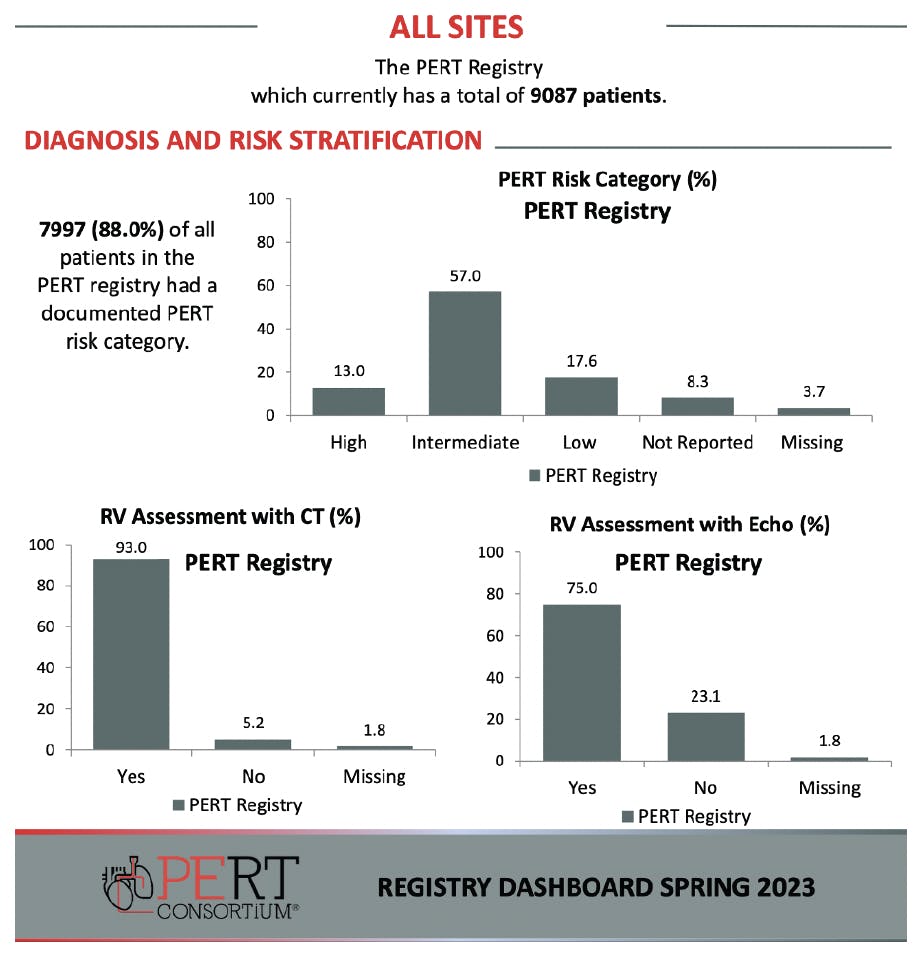
Figure 1. The PERT Consortium™ PE Registry dashboard.
There was broad consensus in 2020 that the state of prospective research in acute PE care was fragmented without reproducible definitions of outcomes. Very little patient-centered data were being collected. There were three FDA-approved interventional devices for treatment of acute PE with many more expected in the coming years. There was a lack of consensus regarding what constituted “best medical management,” especially in disparate populations and in the periprocedural or perioperative period. The PERC™ initiative aimed to reach consensus on the current state of research and define relevant variables and data elements to make a meaningful impact on patient care into the future.
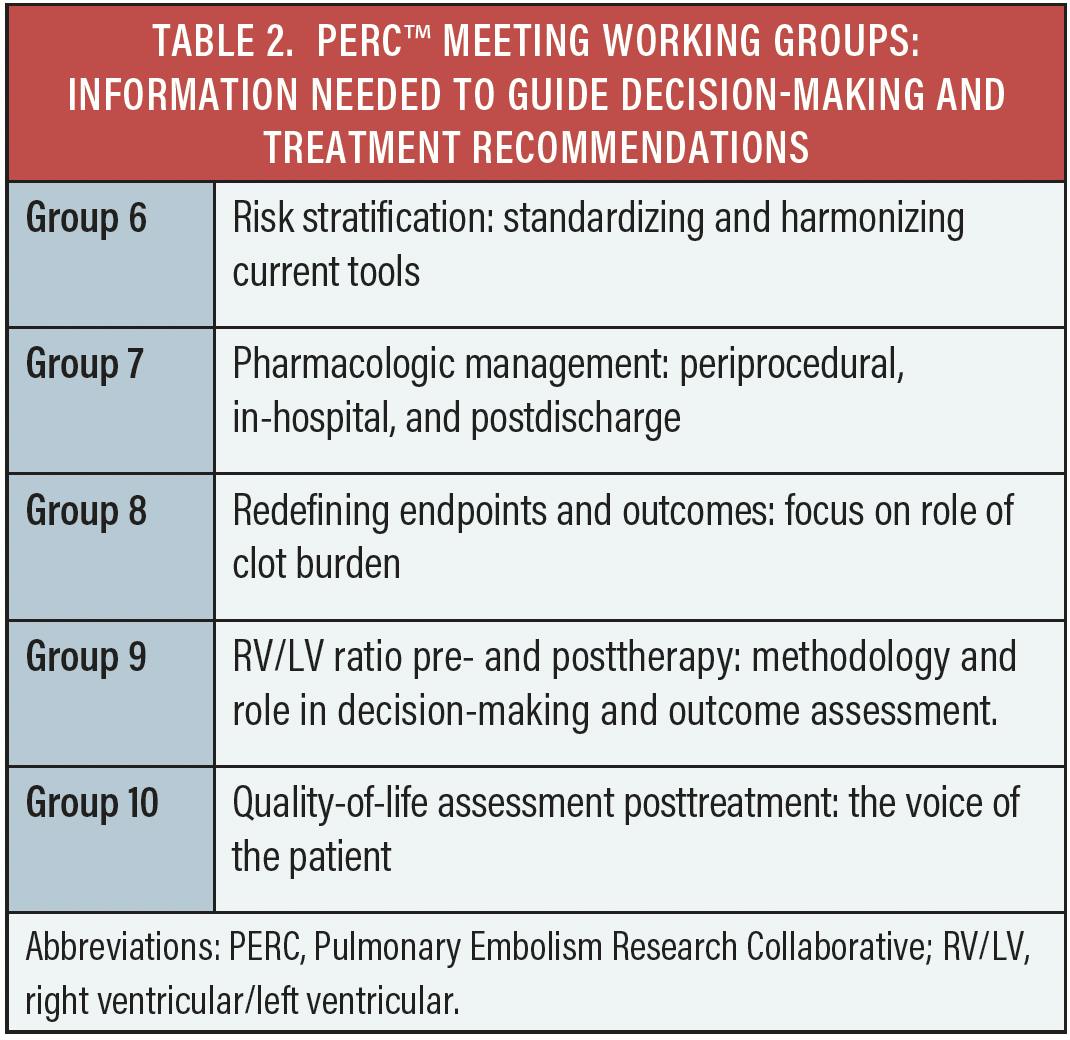
The PERC™ meeting organizers tasked all participants to develop consensus regarding the components of clinical care and outcomes that should ideally be tracked in future PE care databases and registries. The goal was to create a framework for uniform data collection with standardized definitions that will inform treatment strategies for PE patients, enhancing clinical care, quality assurance, and research endeavors, including clinical trials and regulatory oversight. The in-person meeting was organized into a morning session reviewing and organizing the essential data elements required to track the acute PE episode (Table 1). An afternoon session reviewed potential future research consensus areas that may improve patient care in the future (Table 2).
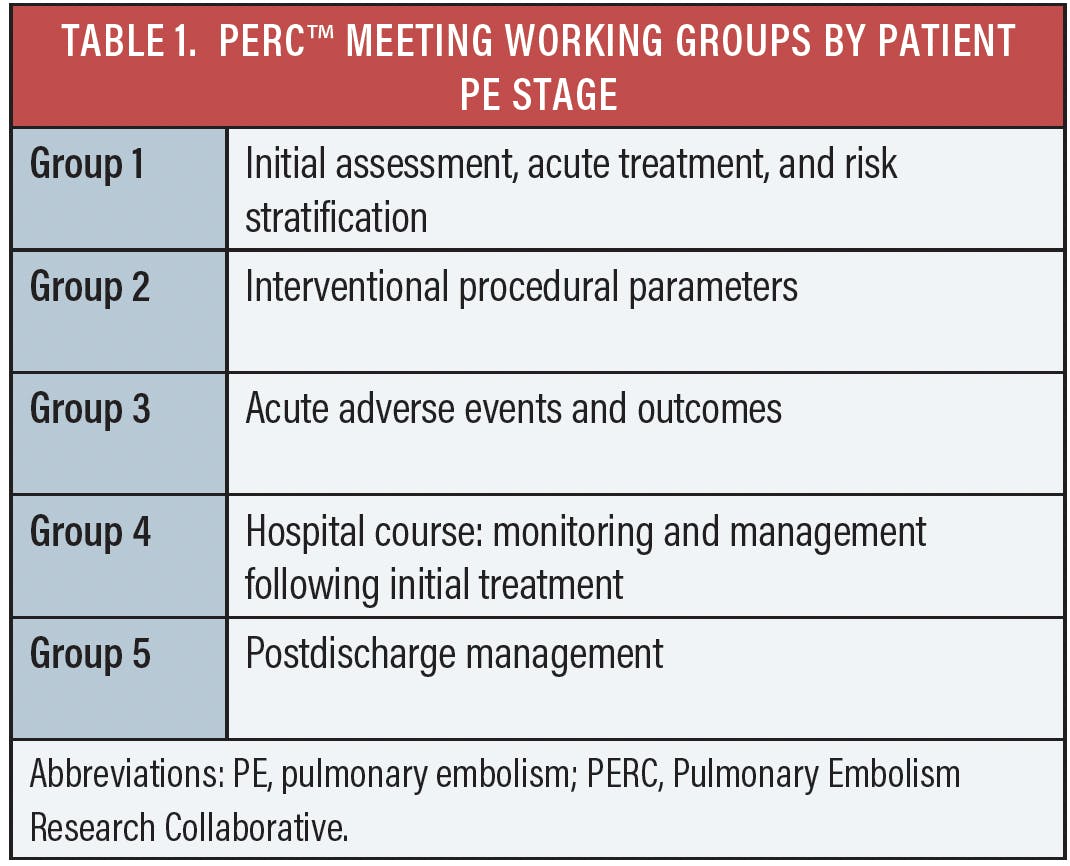
Hundreds of data elements were ultimately suggested by groups 1 to 5 (Table 1), and there was overlap in data points across groups, as expected. All PERC™ participants agreed that it would be challenging to collect and enter all the recommended data into the existing PERT Consortium™ PE Registry. The groups then pivoted to identifying “core” elements versus those that might be part of an “enhanced” data collection. Core data elements were those deemed essential to collect on every single patient, because they were well-established as important data points that inform treatment strategies and outcomes. Enhanced data elements were those that were considered interesting and potentially useful for decision-making and might influence outcome, but their contribution is yet to be defined. Exhaustive lists were generated in each category for each working group, with the goal of incorporating these as data elements in the next update of The PERT Consortium™ PE Registry.
Several important gaps in the existing PE knowledge base were identified by each of these groups. Notable discussion topics included: (1) how to consolidate the numerous risk-scoring algorithms available; (2) determining the metrics required to inform decisions regarding escalation of care, for both current and future therapies; (3) data points regarding pharmacologic therapy (eg, specific agents and doses) necessary to provide insight into outcome variations, based on the dosing scheme and adjunctive therapies; and (4) measurement and tracking of outcomes after therapeutic intervention. Dedicated discussions also focused on the value of clot burden reduction as a credible and measurable endpoint; the methodology used, and the reliability of CT and echocardiography in assessing right ventricular/left ventricular ratio; and establishing standardized quality-of-life metrics and their standardization moving forward.
At the conclusion of the inaugural meeting, there was clear direction and consensus on the need to standardize prospective data collection moving into the future. The action items included the following:
- Development of a white paper summarizing the core and enhanced data elements reviewed and summarized by the working group
- Transition of the existing PERT Consortium™ PE Registry to reflect the revised data elements and definitions
- Establishment of a group of PERT Consortium™ member institutions to serve as test sites for the new iteration of the database
- Follow-up meetings with the participants in PERC™ to further efforts into clarity and consensus for the topics reviewed in groups 6 to 10
- Continue discussions with the United States FDA for testing a prospective research project looking at acute and midterm outcomes for procedural episodes in the postmarket setting
CONCLUSIONS AND FUTURE STEPS
PERC™ provided an important starting point to standardize data acquisition to populate The PERT Consortium™ PE Registry and other prospective research in PE. Ongoing efforts will further define important core data elements, standardized definitions, and needs for additional data to inform patient care. Recognizing the mandate to address the evidence gap in PE and spurred by the enthusiasm generated and momentum gained from this inaugural meeting, PERC™ leadership has submitted a white paper to disseminate this important information. The work product from the initial PERC™ meeting will be used to transform the existing PERT Consortium™ PE Registry into a more comprehensive project to reflect the input from all the global thought leaders. The observation that such a diverse group of PE stakeholders and leaders have been able to network and exchange ideas and align regarding shared goals to reduce the impact of PE worldwide is an incredible achievement. Ongoing conversations are working toward reaching a new modern state for data capture. Planning is underway to review the aims and goal for a subsequent PERC™ meeting to continue this valuable work. Many aspects of this work will be disseminated and planned at the PERT Consortium™ Annual Meeting to be held September 20-22, 2023, in Austin, Texas.
We collectively look forward to a future state where there is broad consensus and uniformity in data collection related to acute PE and that evidence-based practice is enhanced to improve access to care and outcomes for all patients that we serve with this devastating disease.


Advertisement
Advertisement