Advertisement
Advertisement
March 2023
How I Do It: Translumbar Approach to Type II Endoleak Embolization
Technique, anatomic considerations, and equipment selection for the percutaneous translumbar approach and when other options should be pursued.
Many reports have documented high success rates for type II endoleak embolization with use of the percutaneous translumbar approach. The technique offers several advantages, including opportunity for multiple points of access to the aneurysm sac, high-precision atraumatic needle pathways to nidus targets, and low morbidity. I consider this option first; generally, the primary circumstance in which I would favor an alternative approach is when a patient cannot tolerate general anesthesia and a prone approach.
STEP-BY-STEP APPROACH
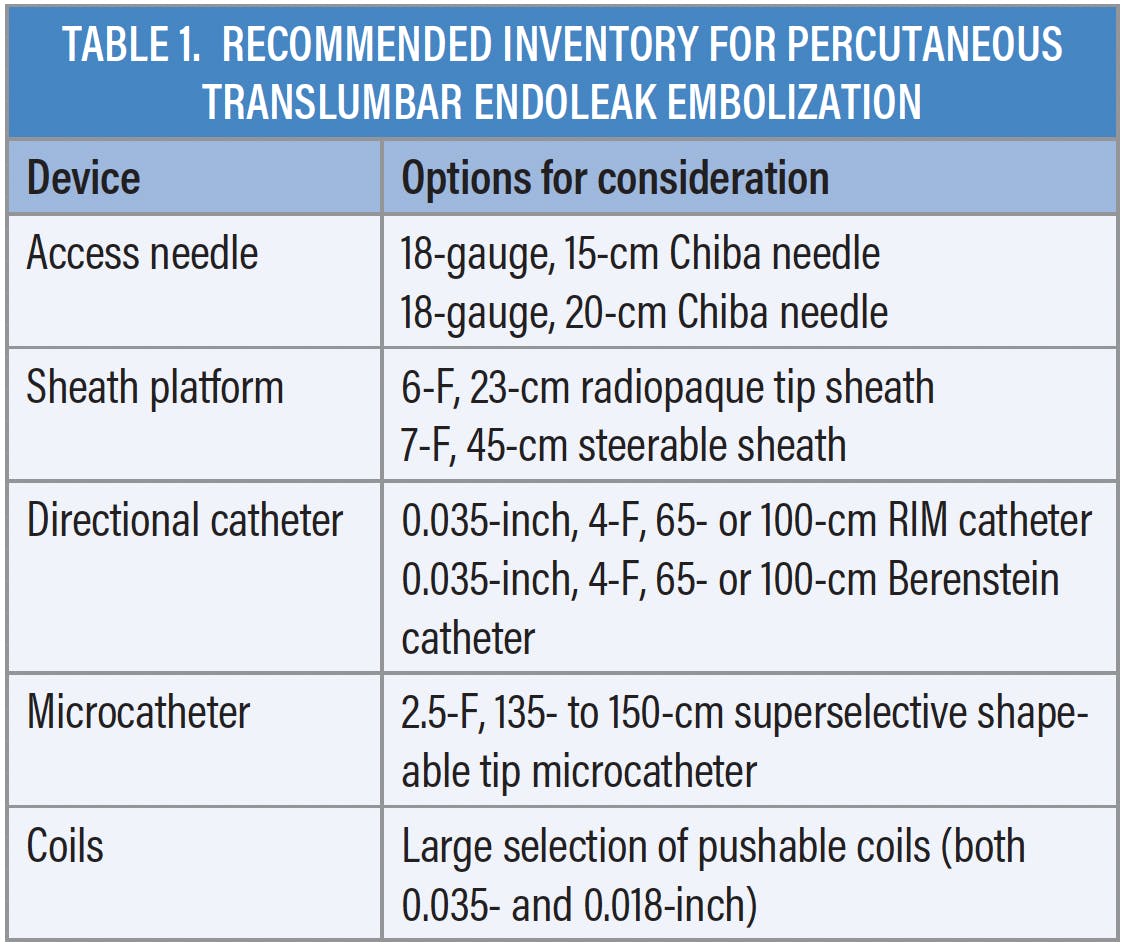
Although transcaval and transarterial approaches have some specific anatomic requirements, the translumbar approach is technically viable in the majority of cases. The needle path can be either from the left or right of the spine, although the right-sided approach may require traversing the inferior vena cava, which adds some theoretical risk. The needle path is selected to minimize the distance from the target nidus to the skin while avoiding key structures such as the iliac crest. If this distance is > 15 cm, I consider approaches other than translumbar. I prefer to use an 18-gauge, 15-cm Chiba needle for access (Table 1), so if a needle > 20 cm in length is required, it becomes very cumbersome to fit under the image intensifier for the puncture, and the radiation exposure to the operator is significantly increased while doing so.
Many imaging systems offer software packages that facilitate needle guidance. Needle pathways can be planned based on preoperative CTA (Figure 1). An on-table cone-beam CT (CBCT) is performed at the beginning of the case, after the patient has been intubated and placed prone with the arms above the head. Image fusion is performed between the CBCT and the preoperative CTA. Some imprecision is introduced by having the patient in the prone versus supine position for the CBCT during preoperative CT, but this is minor as long as the fusion is based on calcium in the aneurysm wall and/or components of the endovascular aneurysm repair device.
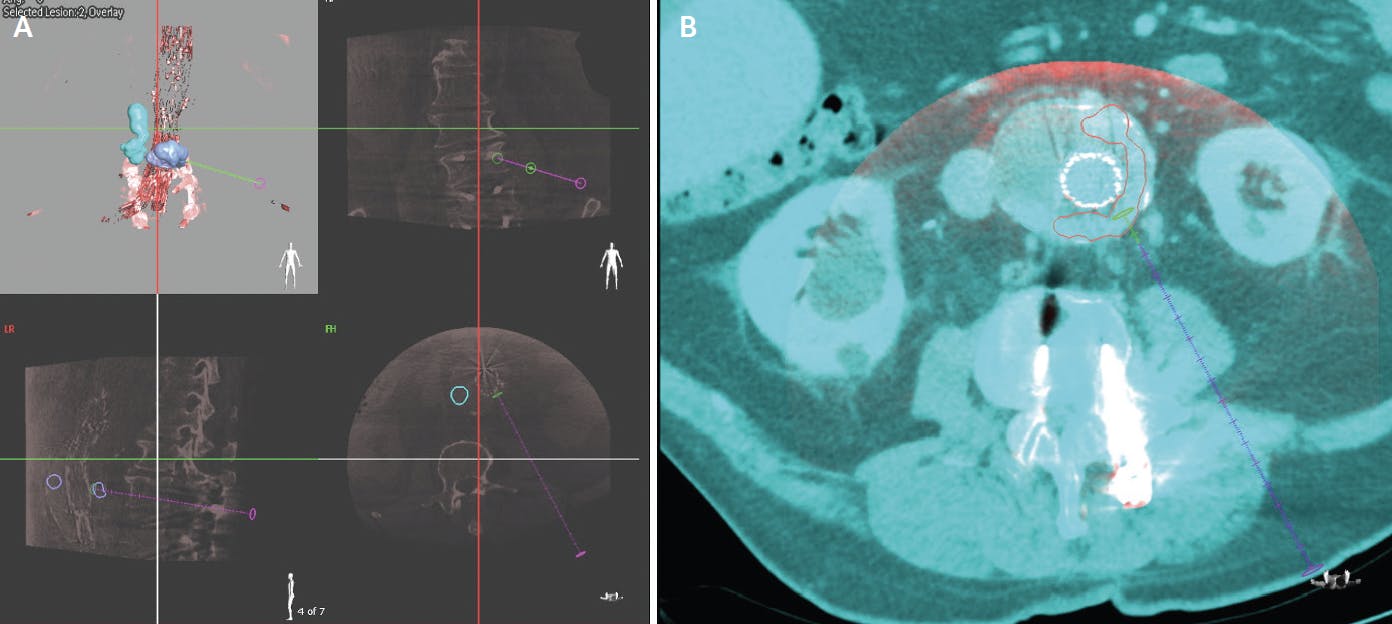
Figure 1. Needle path planning using preoperative CTA (A). The entry point is selected at the level of septal fenestration connecting the false lumen nidus with the true lumen nidus (B).
Percutaneous access to the nidus target within the aneurysm sac is then gained. The imaging software we use facilitates toggling the gantry between an entry view and an orthogonal progress view (Figure 2). The Chiba needle is visualized under fluoroscopy, following this pathway until the nidus is reached. At that point, the stylet can be removed, confirming that blood is aspirated. I then use a medium-stiffness mandril wire to gain purchase in the sac. I exchange for a 6-F, 23-cm sheath with a radiopaque tip. Alternatively, a steerable sheath can be helpful for the acute angle that is required to target lumbar arteries. I use a 7-F steerable sheath platform, which is well tolerated. If there are any concerns regarding the stability of the sheath platform in the aneurysm sac, I use a 0.018-inch buddy wire parallel to the working wire and catheter to make sure that I always maintain access to the sac.
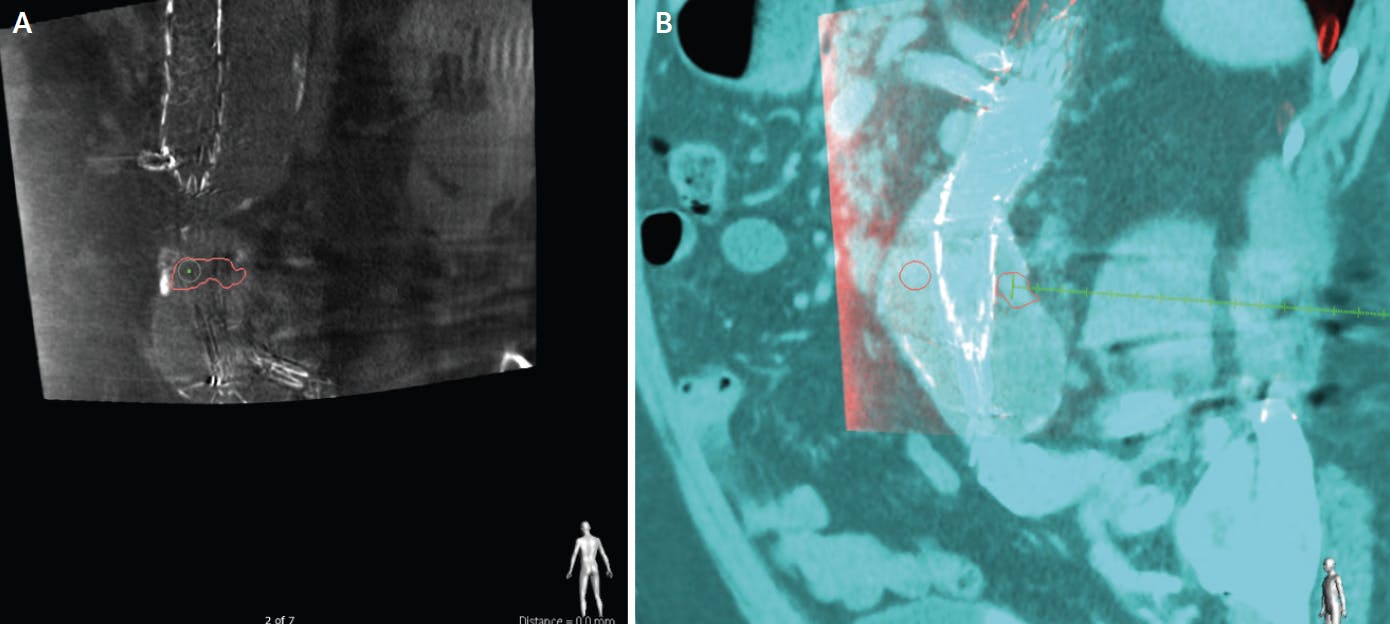
Figure 2. Entry point view (A) and progress view (B).
Once the sheath is in place, the process for selecting the draining and feeding vessels is variable. However, generally speaking, microcatheters traverse the sac very effectively, with minimal disruption to the mural thrombus (Figure 3). They also offer the benefit of facilitating use of an extremely broad range of coil sizes. I prefer to keep a small inventory of basic supplies on consignment, while coordinating with our device representatives for additional and extended ranges of embolization coils, chosen on a case-by-case basis (Table 1). Generally, I use pushable fibered coils, but there are many circumstances that warrant a variety of types and properties other than these.
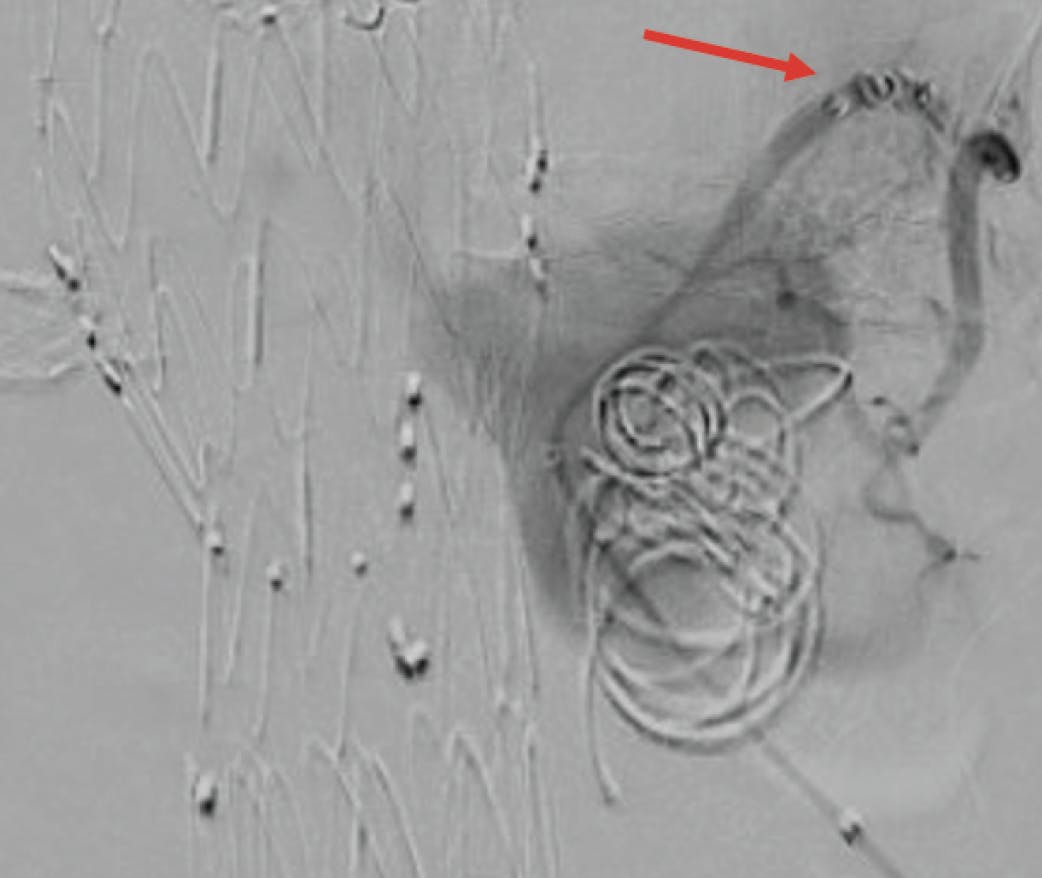
Figure 3. Coils placed into the feeding lumbar artery (arrow).
It can be difficult to decide when the embolization efforts are adequately completed. At minimum, each nidus that was identified on preoperative CT must be addressed. It is certainly preferable to select the specific feeding and draining vessels, but if this is not feasible, I make every effort to obliterate the nidus. I prefer to do this with coils but will also use liquid embolic agents as needed as an adjunct, especially if the flow of contrast suggests draining vessels are present at that location. Successful embolization is suggested when blood can no longer be aspirated back from the catheter. Alternatively, a contrast-enhanced CBCT can be performed to guide additional efforts.
I do not hold antiplatelet agents for perioperative care, but I do hold anticoagulants, resuming them on the first postoperative day. I prefer to keep patients for 24-hour observation, but this can be decided on a case-by-case basis. The patient is reimaged at 1 month, with a three-phase CTA. Further management is dictated by the findings on that study.
Advertisement
Advertisement