Advertisement
Advertisement
September 2023
Sponsored by Boston Scientific Corporation
Treating Pulmonary Embolism With the EKOS™ Endovascular System: A Clinician’s Perspective
When imaging confirms the presence of a pulmonary embolism (PE), physicians must determine the best treatment approach for each patient by taking a balanced look at the efficacy and safety of intervention. Several clinical and imaging factors can help determine the best approach in our treatment of PE. For patients with smaller or more peripheral clots, standard anticoagulation is often sufficient. However, this may not be adequate to treat a submassive or massive PE. Therefore, for more severe cases of PE, procedural intervention may be indicated. At Virginia Hospital Center Health in Arlington, Virginia, we utilize multiple interventional tools to resolve emboli, but the foundation and core of our practice is ultrasound-facilitated catheter-directed thrombolysis (USCDT).
THE EKOS PLATFORM: EKOS AND EKOS+ ENDOVASCULAR SYSTEMS
USCDT via the EKOS™ Endovascular System (EKOS; Boston Scientific Corporation) has been the default approach within our practice for many years. The procedure is technically straightforward and the outcomes have been consistently good. The EKOS system uses ultrasound energy to accelerate dispersion of clot-busting lytic agents deep into the thromboembolism,1,2 reducing the total dose of lytic drug by up to 92% compared to standard systemic lytic treatment.3,4 Ultrasound pressure waves and acoustic streaming actively drive lytic into the clot, loosen the fibrin strands within the clot, and increase the amount of plasminogen receptor sites exposed to the thrombolytic agent. This focuses the drug locally at the site of the thrombus.1,2,5 The original EKOS platform has been the most widely studied interventional therapy in the PE field, with long-term clinical data from multiple trials demonstrating safety and efficacy.6 Although other devices have been incorporated into our practice over the years to address diverse clinical scenarios, the EKOS system continues to be a reliable tool for a variety of PE cases with extremely low rates of severe adverse events and readmission.
The newer EKOS+ system (Figure 1) is an improvement upon the technology that has set the EKOS system apart from other devices in the field. This represents the first major update to the EKOS device in over 10 years. Using 50% more ultrasound power than the original EKOS system, the EKOS+ technology achieves 32% more clot lysis than its predecessor and 130% more clot lysis than CDT.7 The EKOS+ system delivers more ultrasound power to quickly and more completely resolve PE clot burden without increasing lytic dose, treatment duration, or the complexity of the procedure. In our experience, the higher ultrasound power of the EKOS+ system confers more rapid clinical improvement for the patient. At Virginia Hospital Center Health, one of the highest users of the EKOS system in Virginia, patients treated with this device typically start feeling better within 2 hours of treatment. In comparison, patients treated with the EKOS+ system show clinical improvement and normalization of their vital signs in under 1 hour, which likely reflects more rapid resolution of clot burden. This is important in our more critically ill patients. Although the standard EKOS device remains an excellent option for treatment of PE, the EKOS+ system will allow for more aggressive treatment without increasing risk with higher doses of thrombolytic agents. In short, if there is a large clot burden to tackle, or if the patient is not doing well and we want to get that resolved sooner rather than later, it may be a reason to use this higher-powered device.
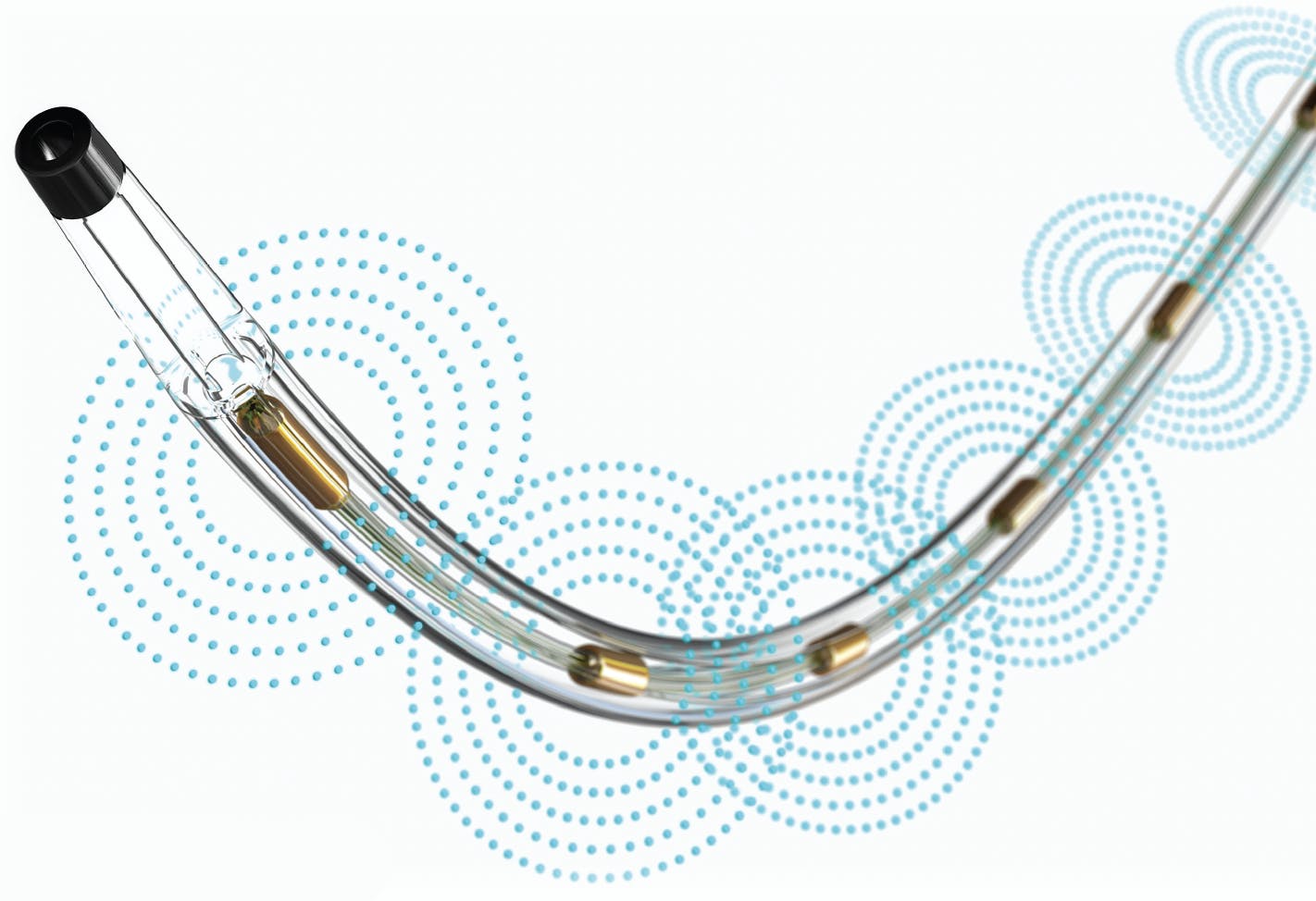
Figure 1. The EKOS+ Endovascular System.
IMPORTANCE OF HAVING MULTIPLE TOOLS FOR TREATMENT OF PE
The safety of lytic drugs for the treatment of PE and other thrombotic events has been a longstanding topic of concern for clinicians and operators. This may lead physicians to favor alternate treatment options such as percutaneous mechanical thrombectomy. Although the EKOS system is our most frequently used treatment platform, we will continue to utilize alternative techniques to address PE in up to 20% of our cases. Among these we find that large-bore mechanical thrombectomy is an essential complimentary option in specific clinical scenarios. For example, large-bore thrombectomy tends to be our first choice as an interventional tool for any patient with active bleeding, history of intracerebral hemorrhage, central nervous system malignancy, or recent surgery as these are the absolute contraindications to using lytic agents.6,8 Regardless of our approach, our goal is to interact with and manipulate the clot as little as possible during the process of removing it. This will minimize exposure of new artery surface area and prevent further platelet activation.9,10 To this end, the relative simplicity and ease of inserting the EKOS device is a particularly attractive feature as it takes approximately 15 minutes and patients spend a relatively short time in the catheterization lab. With the EKOS+ system now offering higher ultrasonic output, we may be able to consider using even lower doses of lytic drug and decreasing treatment time further.
THE FUTURE OF THE EKOS+ SYSTEM IN PRACTICE
The breadth of positive data from the EKOS system based on the treatment of > 100,000 patients with PE supports use of the updated EKOS+ system.7 Although data are still being collected for the EKOS+ system in this patient population, our positive anecdotal experiences are consistent with clinical trial findings with the EKOS system. We anticipate clinical research to confirm the studies showing that the EKOS+ system reduces clot burden more efficiently than standard EKOS therapy and standard CDT without ultrasound.
Although we believe the EKOS+ system now has a clear role and offers distinct advantages over older devices, our cases are diverse and we will continue to utilize multiple tools to ensure the best outcomes for our patients. We expect to continue to look toward the EKOS platform as the foundation for PE management at our institution.
1. Cetingok U Sr, Akkoyun C, Isik Z, Gungor O. Treatment with EkoSonic™ endovascular system (EKOS®) of massive pulmonary thrombosis following recovery from COVID-19 infection. Cureus. 2022;14:e30467. doi: 10.7759/cureus.30467
2. Francis CW, Blinc A, Lee S, Cox C. Ultrasound accelerates transport of recombinant tissue plasminogen activator into clots. Ultrasound Med Biol. 1995;21:419-424. doi: 10.1016/0301-5629(94)00119-x
3. Konstantinides S, Geibel A, Heusel G, et al. Heparin plus alteplase compared with heparin alone in patients with submassive pulmonary embolism. N Engl J Med. 2002;347:1143-1150. doi: 10.1056/NEJMoa021274
4. Tapson VF, Sterling K, Jones N, et al. A randomized trial of the optimum duration of acoustic pulse thrombolysis procedure in acute intermediate-risk pulmonary embolism: the OPTALYSE PE trial. JACC: Cardiovasc Interv. 2018;11:1401-1410. doi: 10.1016/j.jcin.2018.04.008
5. Khan K, Yamamura D, Vargas C, et al. The role of EkoSonic endovascular system or EKOS® in pulmonary embolism. Cureus. 2019;11:e6380. doi: 10.7759/cureus.6380
6. Boston Scientific Corporation. EKOS™ Endovascular System: treat the patient, not just the clot. Accessed September 12, 2023. https://www.bostonscientific.com/en-US/medical-specialties/vascular-surgery/ekos-endovascular-system.html
7. Data on file, Boston Scientific Corporation.
8. EKOS+ Endovascular Device [instructions for use]. Marlborough, MA: Boston Scientific Corporation; 2022.
9. Furlan AJ, Sharma J, Higashida R. 62—Intraarterial thrombolysis in acute ischemic stroke. In: Mohr JP, Wolf PA, Grotta JC, et al, eds. Stroke. 5th edition. W.B. Saunders; 2011:1227-1240.
10. Weisel JW, Litvinov RI. Visualizing thrombosis to improve thrombus resolution. Res Pract Thromb Haemost. 2021;5:38-50. doi: 10.1002/rth2.12469
Advertisement
Advertisement