Advertisement
Advertisement
July 2024 Supplement
Sponsored by The PERT Consortium™
Post–Pulmonary Embolism Care
From short-term to long-term management.
By Akhil Khosla, MD; Bushra Mina, MD; and Maanasi Samant, MD
Acute pulmonary embolism (PE) remains the third leading cause of cardiovascular deaths in the United States. Each year, there is an estimated 900,000 cases of venous thromboembolism (VTE) as well as 150,000 to 250,000 PE-related hospitalizations per year in the United States.1 Recently, there has been increasing efforts to prevent, diagnose, and treat PE with a focus on the acute management of PE including risk stratification, anticoagulation (AC) strategies, and advanced therapy options during initial hospitalization.2 There is less guidance on the management of patients in the outpatient setting after hospitalization for acute PE. Post-PE evaluation requires multiple facets and may require subspecialty evaluation. For example, AC type, duration, and tolerance; post-PE dyspnea and impairment; etiology of PE; management of concomitant deep vein thrombosis; lifestyle modifications; quality of life (QoL); and mental health all need to be considered. This article reviews considerations for post-PE care during outpatient follow-up within the first month of diagnosis, care between the 3- to 6-month period, and reviews screening for chronic thromboembolic disease (CTED) and chronic thromboembolic pulmonary hypertension (CTEPH).
FOLLOW-UP IN THE FIRST MONTH
Early follow-up visits within the first 3 to 7 days postdischarge are essential to assess the patient’s clinical status, adherence to therapy, any new or ongoing symptoms, ensuring patient safety, and managing potential complications. This approach is associated with low rates of 30-day adverse events, indicating that early follow-up is crucial.3 Follow-up clinics specifically for PE patients provide a structured environment for monitoring and managing ongoing care. These clinics ensure that patients receive the necessary medical evaluations, adjustments to AC therapy, and other supportive measures.4 Educating patients about the signs and symptoms of PE recurrence (sudden shortness of breath, chest pain, or leg swelling), the importance of medication adherence, and lifestyle changes is vital. Providing psychological support and addressing anxiety related to the risk of recurrence is also important.5 Additionally, direct oral anticoagulants improved patient compliance and reduced the need for hospital readmissions.6
Assessing the QoL in patients after a PE is crucial for understanding the long-term impacts of the condition and for improving patient care. Several studies have developed and validated tools specifically for this purpose, such as the Pulmonary Embolism QoL (PEmb-QoL) questionnaire. Patients with a history of acute PE often experience impaired QoL, with scores significantly lower than the general population across several dimensions, including physical functioning, social functioning, and vitality. The PEmb-QoL questionnaire provides valuable insights and has been validated across different cultures.7
Biomarker monitoring (eg, D-dimer levels) can also help predict recurrence and guide ongoing treatment decisions.8 N-terminal pro-brain natriuretic peptide is essential in accessing resolution of cardiac strain and may guide decisions on continued AC and heart failure management.9 During follow-up, the etiology of the PE should be considered and certain patients may meet criteria for thrombophilia workup. The American Society of Hematology published guidelines on the management of thrombophilia testing, which may help clinicians determine when to order or refer for thrombophilia testing.10
FOLLOW-UP WITHIN 3 TO 6 MONTHS
Patients who follow up after 3 to 6 months should be evaluated for possible AC discontinuation if presenting after provoked PE.11 Candidates for long-term AC should have their bleeding risk assessed. This can be done using clinical gestalt and validated bleeding risk prediction scores. Ultimate decisions on duration of AC should also include shared patient decision-making.12 Regardless of proposed duration, it is important to assess bleeding risk and tolerance of anticoagulant therapy at every follow-up visit.13 Patients who had an inferior vena cava filter placed as part of their treatment should be assessed for timely removal if able to tolerate AC or the patient is no longer at risk for additional PE.12
Patients should also be evaluated for persistent symptoms.1 These symptoms can range from cardiopulmonary complaints, exercise intolerance, and cognitive and psychological complaints.14 There are several screening algorithms that can be employed to help evaluate the symptomatic patient post-PE. The goal of these step-wise approaches is to identify whether symptoms are secondary to residual thrombus burden or an alternate etiology.13,15,16 These patients should receive further imaging studies to assess for presence of residual PE using ventilation/perfusion (V/Q) scanning.17 Other modalities such as single-photon emission CT (SPECT) can also be considered.18 CT pulmonary angiography (CTPA) can also be used to evaluate for the presence of chronic thrombi (though distal lesions may be missed), signs of pulmonary hypertension, and assessment of the lung parenchyma.19,20 Transthoracic echocardiography (TTE) is also a useful tool to assess for the presence of right ventricular (RV) dysfunction, pulmonary hypertension, or additional cardiac pathology (ie, diastolic dysfunction, cardiomyopathy, valvular disease).21 Cardiopulmonary exercise testing (CPET) can also be used to distinguish between persistent functional limitations secondary to persistent PE versus another comorbidity. Although useful, this tool is not as widely available and requires expertise in interpretation.22 Six-minute walk testing could be easily employed to assess functional status and heart rate recovery.23
PE survivors can have persistent symptoms for multiple reasons.12 Additionally, assessment can be difficult in the presence of comorbidities such as chronic obstructive pulmonary disease, heart failure, arrhythmia, valvular heart disease, malignancy, age, and deconditioning.24 When evaluating for these alternate etiologies of dyspnea, additional testing that may be helpful includes laboratory work (such as assessing for anemia and thyroid disease), pulmonary function testing, and radiographic assessment for parenchymal lung disease. AC is generally continued until these investigations are completed.
Treatment of the symptomatic patient post-PE should focus on optimization of previously known or newly diagnosed comorbidities and referral for assessment of possible CTED or CTEPH. Providing psychological/mental health support and enrollment in pulmonary or cardiac rehab would likely also be useful.12
Screening for CTED and CTEPH
Post-PE impairment (PPEI) is defined as new or persistent dyspnea, exercise limitation, or impaired functional status 3 months after appropriate AC use from the time of diagnosis of initial PE.25 CTED and CTEPH are subtypes of PPEI that require screening to make a formal diagnosis. Early screening, diagnosis, and referral to centers who specialize in CTED and CTEPH is imperative, as treatment strategies can improve underlying pulmonary hypertension, morbidity, and mortality.26 The diagnosis of PPEI is traditionally made after 3 to 6 months of effective AC to allow for thrombi to resolve with initial therapies.27,28 Exceptions to waiting for 3 months post-PE include if there are radiographic features of CTED or CTEPH at the time of initial diagnosis, significantly elevated pulmonary pressures (estimated systolic pulmonary artery pressure [PAP] > 60 mm Hg) or RV wall hypertrophy.20,29 PPEI is thought to represent a spectrum of disease with increasing severity from post-PE syndrome (PPES) to CTED to CTEPH (Figure 1). The true incidence of PPES, CTED, and CTEPH remains difficult to determine, but prior studies have indicated approximately 50% of patients will have exercise limitation at 1 year that adversely influences their QoL.22
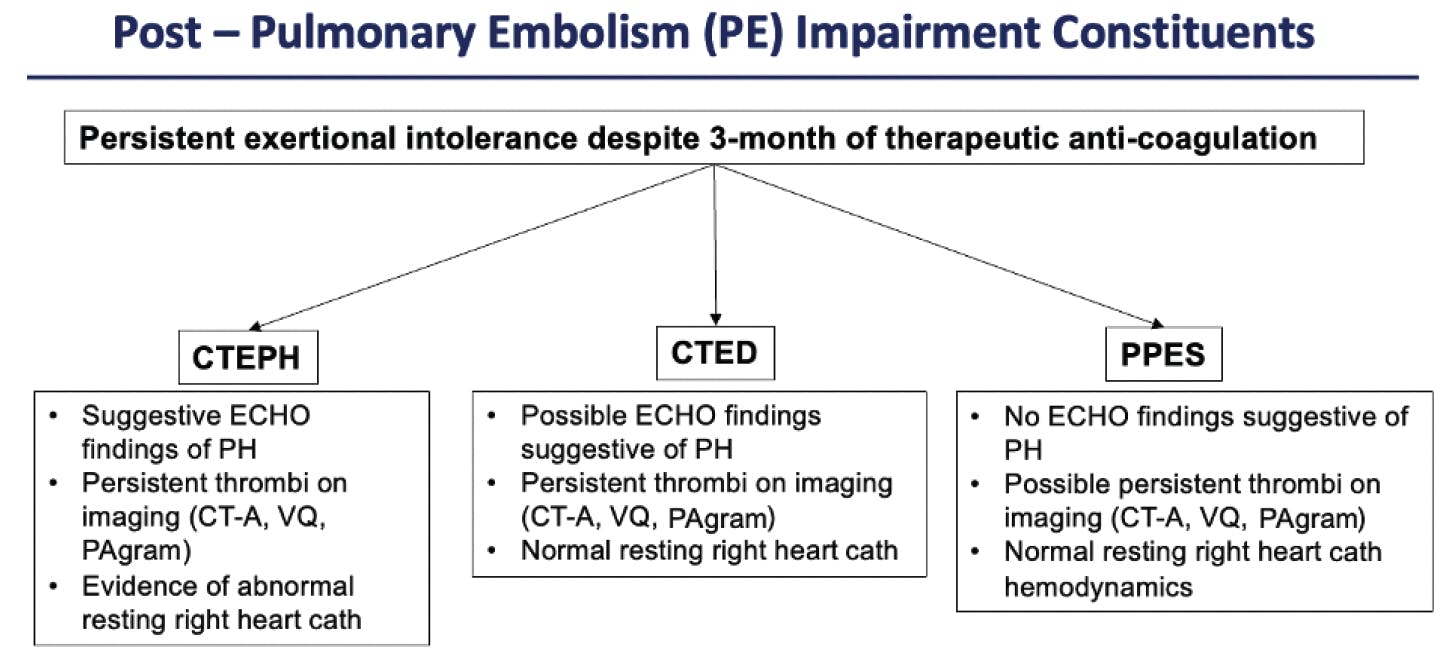
Figure 1. Diagnostic criteria for CTEPH, CTED, and PPES.
The diagnosis and treatment for PPEI can be complex, and treatment is best carried out at centers specialized in the management of PPEI.26 Dedicated screening for PPEI should be performed to identify patients who may benefit from referral to specialized centers for ongoing treatment management. Treatment options for PPEI continue to evolve and can lead to improvements in morbidity and mortality. Treatment options for CTED and CTEPH include targeted medications aimed at lowering pulmonary pressures, procedures to remove or reduce residual thrombi such as balloon pulmonary angioplasty (BPA) and pulmonary thromboendarterectomy (PTE). The choice of treatment is determined based on a combination of thrombi location, burden, accessibility, and operable candidacy. The definitive treatment for CTED and CTEPH is PTE; however, patients who are not surgical candidates may be treated with BPA and/or medical therapies. Therapy should include a multimodal approach, as some patients may require a combination of advanced treatment options to manage their disease process.26
There is currently limited consensus on screening guidelines for PPEI. Screening should focus on the following areas: presence of symptoms, evidence of abnormal pulmonary hemodynamics, and evidence of residual pulmonary vascular obstruction (RPVO). Figure 1 reviews the diagnostic criteria of CTEPH, CTED, and PPES. Criteria for diagnosis of CTEPH include symptoms with evidence of RPVO in the setting of resting pulmonary hypertension (elevated mean PAP > 20 mm Hg, pulmonary capillary wedge pressure < 15 mm Hg, and pulmonary vascular resistance [PVR] > 2 woods units), whereas the criteria for CTED include symptoms as well as findings of RPVO with pulmonary pressures that do not clearly meet the diagnosis of resting pulmonary hypertension but may have abnormal cardiopulmonary response during exercise.26 PPES manifests as ongoing symptoms in patients who may or may not have RPVO but no evidence of resting or exercise pulmonary hypertension.
There are multiple ways to identify the presence and severity of symptoms in a post-PE patient as noted previously. Additional workup is required to determine if ongoing symptoms are primarily due to sequelae of PE or are secondary to other potential etiologies such as heart failure, chronic obstructive pulmonary disease, obesity, deconditioning, and interstitial lung disease (ILD). Patients whose symptoms are thought to be related to PPEI should undergo testing to evaluate for abnormal pulmonary hemodynamics. Abnormal pulmonary hemodynamics may be suggested by several tests such as CPET, including submaximal CPET, conventional CPET, and invasive CPET (ICPET). ICPET is considered the gold standard in diagnosis of dyspnea and offers additional advantages over other exercise testing because it can determine cardiac filling pressures, PAPs, and cardiac output during exertion.30 Abnormal exercise testing parameters such as increased dead-space, decreased stroke volume, and increased PVR/decreased PA compliance are suggestive of CTED and CTEPH.30
A number of studies can be completed to detect RPVO. Historically, V/Q scans (planar or SPECT) and CTPA have been the tests of choice to determine if residual disease is present. V/Q imaging is more sensitive in identifying obstructions at the segmental and subsegmental levels compared to CTPA.31 CTPA has the benefit of identifying other findings that may be suggestive of CTEPH (ie, web-like defects, bands, pouch defects, bronchial artery hypertrophy, and heterogeneous lung parenchyma) as well as rule out other etiologies of pulmonary disease (ie, emphysema, ILD, bronchiectasis).32 Other imaging studies such as cardiac MRI and dual-energy CTPA are emerging as testing modalities to help identify findings suggestive of RPVO and CTEPH.31 Digital subtraction angiography can be used to confirm findings of V/Q and/or CTPA and allows one to determine potential treatment targets for patients undergoing consideration for BPA or PTE. Given that this testing is invasive, it should be reserved for those centers who specialize in the diagnosis and management of CTED and CTEPH.
Right heart catheterization (RHC) is completed to confirm the presence and degree of underlying pulmonary hypertension. RHC can differentiate CTEPH and CTED based on the presence of underlying resting pulmonary hypertension (CTEPH) versus normal resting pulmonary hemodynamics with abnormal exercise pulmonary hemodynamics (CTED).15 RHC should be completed at experienced centers or those who specialize in pulmonary hypertension management.26 TTE can be a helpful adjunct to assess RV function and other cardiac pathology as noted previously.
Given the limited consensus on post-PE screening, it is reasonable to screen all patients who are symptomatic after 3 months of AC post-PE or those with high clinical suspicion of CTED/CTEPH for PPEI. Some centers have algorithms to assist in a standardized evaluation for post-PE patients. Morris et al recently published a stepwise approach to identify patients with CTED/CTEPH using the SEARCH (symptom screening, exercise testing, arterial perfusion, resting echocardiography, confirmatory chest imaging, and hemodynamics measured by RHC) criteria.15 Post-PE patients who have clinical workup that is suggestive of post-PE impairment should be referred to a center that specializes in post-PE care for further diagnosis and treatment.
CONCLUSION
Post-PE follow-up continues to evolve and the focus of care can change depending on the time frame from diagnosis. Follow-up should be completed within the first month after PE treatment to assess for appropriate AC, including adherence and complications, symptom burden, lifestyle modification, and psychological health. Follow-up within the 3- to 6-month period includes reviewing the care from the 1-month follow-up in addition to assessing for possible AC discontinuation, symptom burden, workup for alternative or concomitant etiologies of symptoms, and screening for PPEI. Screening for PPEI should be completed to evaluate the presence of ongoing symptoms, RPVO, and abnormal pulmonary hemodynamics. Patients with symptoms and workup concerning for CTED or CTEPH should be referred to a center that specializes in CTED/CTEPH for formal diagnosis and management. Given the complexity of post-PE care, dedicated post-PE clinics are emerging to help manage the care for these patients. Post-PE care continues to be an area of focus to help improve the morbidity and mortality associated with PE.
1. Heit JA, Spencer FA, White RH. The epidemiology of venous thromboembolism. J Thromb Thrombolysis. 2016;41:3-14. Published online January 19, 2016. doi: 10.1007/s11239-015-1311-6
2. Rivera-Lebron B, McDaniel M, Ahrar K, et al. Diagnosis, treatment and follow up of acute pulmonary embolism: consensus practice from the PERT Consortium. Clin Appl Thromb Hemost. Published online June 13, 2019. doi: 10.1177/1076029619853037
3. Vinson DR, Ballard DW, Huang J, et al. Timing of discharge follow-up for acute pulmonary embolism: retrospective cohort study. West J Emerg Med. 2015;16:55-61. doi: 10.5811/westjem.2014.12.23310
4. Rosovsky R, Borges J, Kabrhel C, Rosenfield K. Pulmonary embolism response team: inpatient structure, outpatient follow-up, and is it the current standard of care? Clin Chest Med. 2018;3:621-30. doi: 10.1016/j.ccm.2018.04.019
5. Frank Peacock W, Coleman CI, Diercks DB, et al. Emergency department discharge of pulmonary embolus patients. Acad Emerg Med. 2018;25:995-1003. doi: 10.1111/acem.13451
6. Singer AJ, Xiang J, Kabrhel C, et al. Multicenter trial of rivaroxaban for early discharge of pulmonary embolism from the emergency department (MERCURY PE): rationale and design. Acad Emerg Med. 2016;23:1280-1286. doi: 10.1111/acem.13072
7. Klok FA, Cohn DM, Middeldorp S, et al. Quality of life after pulmonary embolism: validation of the PEmb-QoL questionnaire. J Thromb Haemost. 2010;8:523-532. doi: 10.1111/j.1538-7836.2009.03726.x
8. Jen WY, Kristanto W, Teo L, et al. Assessing the impact of a pulmonary embolism response team and treatment protocol on patients presenting with acute pulmonary embolism. Heart Lung Circ. 2020;29:345-53. doi: 10.1016/j.hlc.2019.02.190
9. den Exter PL, Zondag W, Klok FA, et al. Efficacy and safety of outpatient treatment based on the hestia clinical decision rule with or without N-Terminal Pro-Brain natriuretic peptide testing in patients with acute pulmonary embolism. A randomized clinical trial. Am J Respir Crit Care Med. 2016;194:998-1006. doi: 10.1164/rccm.201512-2494OC
10. Middeldorp S, Nieuwlaat R, Baumann Kreuziger L, et al. American Society of Hematology 2023 guidelines for management of venous thromboembolism: thrombophilia testing. Blood Adv. 2023;7:7101-7138. doi: 10.1182/bloodadvances.2023010177
11. Stevens SM, Woller SC, Baumann Kreuziger L, et al. Executive summary: antithrombotic therapy for VTE disease: second update of the CHEST guideline and expert panel report. Chest. 2021;160:2247-59. doi: 10.1016/j.chest.2021.07.056
12. Klok FA, Ageno W, Ay C, et al. Optimal follow-up after acute pulmonary embolism: a position paper of the European Society of Cardiology Working Group on Pulmonary Circulation and Right Ventricular Function, in collaboration with the European Society of Cardiology Working Group on Atherosclerosis and Vascular Biology, endorsed by the European Respiratory Society. Eur Heart J. 2022;43:183-189. doi: 10.1093/eurheartj/ehab816
13. Konstantinides SV, Meyer G, Becattini C, et al. 2019 ESC Guidelines for the diagnosis and management of acute pulmonary embolism developed in collaboration with the European Respiratory Society (ERS). Eur Heart J. 2020;41:543-603. doi: 10.1093/eurheartj/ehz405
14. Luijten D, de Jong CMM, Ninaber MK, et al. Post-pulmonary embolism syndrome and functional outcomes after acute pulmonary embolism. Semin Thromb Hemost. 2023;49:848-860. doi: 10.1055/s-0042-1749659
15. Morris TA, Fernandes TM, Channick RN. Evaluation of dyspnea and exercise intolerance after acute pulmonary embolism. Chest. 2023;163:933-941. doi: 10.1016/j.chest.2022.06.036
16. Rivera-Lebron B, McDaniel M, Ahrar K, et al. Diagnosis, treatment and follow up of acute pulmonary embolism: consensus practice from the PERT Consortium. Clin Appl Thromb Hemost. Published online June 13, 2019. doi: 10.1177/1076029619853037
17. Galiè N, Humbert M, Vachiery JL, et al. 2015 ESC/ERS Guidelines for the diagnosis and treatment of pulmonary hypertension: the joint task force for the diagnosis and treatment of pulmonary hypertension of the European Society of Cardiology (ESC) and the European Respiratory Society (ERS): endorsed by: Association for European Paediatric and Congenital Cardiology (AEPC), International Society for Heart and Lung Transplantation (ISHLT). Eur Heart J. 2016;37:67-119. doi: 10.1093/eurheartj/ehv317
18. Ma RZ, Han PP, Tao XC, et al. A feasibility study on using single-photon emission computed tomography pulmonary perfusion/ventilation imaging for the diagnosis of chronic thromboembolic pulmonary hypertension and patient risk assessment. Int J Gen Med. 2021;14:8029-8038. doi: 10.2147/IJGM.S335051
19. Remy-Jardin M, Ryerson CJ, Schiebler ML, et al. Imaging of pulmonary hypertension in adults: a position paper from the Fleischner Society. Eur Respir J. 2021;57.2004455. doi: 10.1183/13993003.04455-2020
20. Boon G, Ende-Verhaar YM, Beenen LFM, et al. Prediction of chronic thromboembolic pulmonary hypertension with standardised evaluation of initial computed tomography pulmonary angiography performed for suspected acute pulmonary embolism. Eur Radiol. 2022;32:2178-2187. doi: 10.1007/s00330-021-08364-0
21. Dzikowska-Diduch O, Kostrubiec M, Kurnicka K, et al. "The post-pulmonary syndrome - results of echocardiographic driven follow up after acute pulmonary embolism". Thromb Res. 2020;186:30-35. doi: 10.1016/j.thromres.2019.12.008
22. Kahn SR, Hirsch AM, Akaberi A, et al. Functional and exercise limitations after a first episode of pulmonary embolism: results of the ELOPE prospective cohort study. Chest. 2017;151:1058-1068. doi: 10.1016/j.chest.2016.11.030
23. Danielsbacka JS, Hansson PO, Mannerkorpi K, Olsen MF. Physical activity and respiratory symptoms after pulmonary embolism. A longitudinal observational study. Thromb Res. 2020;189:55-60. doi: 10.1016/j.thromres.2020.02.014
24. Mameli A, Palmas MA, Antonelli A, et al. A retrospective cohort study of patients with pulmonary embolism: the impact of comorbidities on patient's outcome. Eur Respir J. 2016;48:555-557. doi: 10.1183/13993003.02193-2015
25. Pugliese SC, Kawut SM. The post-pulmonary embolism syndrome: real or ruse? Ann Am Thorac Soc. 2019;16:811-814. doi: 10.1513/AnnalsATS.201901-061PS
26. Humbert M, Kovacs G, Hoeper MM, et al. 2022 ESC/ERS guidelines for the diagnosis and treatment of pulmonary hypertension. Eur Respir J. 2022;61:2200879. doi: 10.1183/13993003.00879-2022
27. Nijkeuter M, Hovens MMC, Davidson BL, Huisman MV. Resolution of thromboemboli in patients with acute pulmonary embolism: a systematic review. Chest. 2006;129:192-197. doi: 10.1378/chest.129.1.192
28. Humbert M, Kovacs G, Hoeper MM, et al. 2022 ESC/ERS guidelines for the diagnosis and treatment of pulmonary hypertension. Eur Heart J. 2022;43:3618-3731. doi: 10.1093/eurheartj/ehac237
29. Barco S, Mavromanoli AC, Kreitner KF, et al. Preexisting chronic thromboembolic pulmonary hypertension in acute pulmonary embolism. Chest. 2023;163:923-932. doi: 10.1016/j.chest.2022.11.045
30. Jain CC, Borlaug BA. Performance and interpretation of invasive hemodynamic exercise testing. Chest. 2020;158:2119-2129. doi: 10.1016/j.chest.2020.05.552
31. Wang M, Wu D, Ma R, et al. Comparison of V/Q SPECT and CT angiography for the diagnosis of chronic thromboembolic pulmonary hypertension. Radiology. 2020;296:420-429. Epub 2020/05/20. doi: 10.1148/radiol.2020192181. PubMed PMID: 32427559.
32. Grosse A, Grosse C, Lang IM. Distinguishing chronic thromboembolic pulmonary hypertension from other causes of pulmonary hypertension using CT. AJR Am J Roentgenol. 2017;209:1228-1238. doi: 10.2214/AJR.17.17871


Advertisement
Advertisement