Advertisement
Advertisement
July 2024
Sponsored by Penumbra
Real-World Experience With Computer Assisted Vacuum Thrombectomy (CAVT™) in Venous Thromboembolism
With Damien Desbuquoit, MD; Laurens Hermie, MD; Arne Schwindt, MD; and Riccardo Corti, MD
CONTINUOUS ASPIRATION
In 2014, Penumbra brought into the peripheral field all their valuable experience and know-how from stroke management with the release of the first Indigo™ System (Penumbra, Inc.) catheters. These first-generation catheters were groundbreaking, as they offered continuous aspiration, differentiating them from manual, syringe-based devices and lytic-based approaches. Since the launch of these first-generation catheters, Penumbra continued innovating the Indigo System, working towards improving its safety and efficacy year by year.
COMPUTER ASSISTED VACUUM THROMBECTOMY (CAVT) WITH LIGHTNING®
In 2022, Penumbra became the first company to offer computer-assisted technology with Lightning™ 12 (Penumbra, Inc.). The Lightning 12 System is equipped with a proprietary clot detection algorithm, which can differentiate between aspiration of blood and clot. In fact, when the catheter is in patent flow, the system changes to intermittent aspiration, helping mitigate blood loss during the procedure. Conversely, when in contact with clot, the aspiration is continuous, maximizing the efficacy of the system. Moreover, Penumbra introduced a huge innovation in its catheter design. Composed of a stainless-steel, laser-cut hypotube, the Lightning 12 catheter offers 1:1 torqueability and an atraumatic design. The combination of improved catheter technology and the introduction of computer-aided clot detection set the first-generation Lightning System apart from anything ever seen before in the mechanical thrombectomy space.
LIGHTNING FLASH™: A STORM IS COMING
Now in 2024, we are expecting the launch of a new ground-breaking technology—the second generation of CAVT with Lightning Flash™ (Penumbra, Inc.). Lightning Flash, cleared by the FDA in January 2023 and on its way to receiving CE Mark approval, is advancing the field of mechanical thrombectomy forward once again. Lightning Flash features dual clot detection algorithms: one algorithm detects clot based on pressure differentiation, while the other algorithm detects the interaction of flow through the system. The communication between these two algorithms results in rapid recognition of whether the catheter is actively engaging clot or is in patent flow, which is designed to maximize case efficiency. When clot is detected, Flash Mode is activated, which is designed for efficient and expedited thrombus removal. The Lightning Flash catheter is 16-F sheath compatible. The catheter features MaxID technology, which allows for a large inner diameter comparable to large-bore catheters while still maintaining a lower profile. The Lightning Flash catheter was engineered to optimize its lower-profile size to support trackability and an atraumatic design, but also powerful, providing the capability to navigate through tortuous anatomy and remove heavy thrombus burden. The combination of dual clot detection algorithms and MaxID technology enables Lightning Flash to be minimally invasive and maximally effective for the treatment of pulmonary embolism (PE) and the management of venous thrombus. This allows for the potential to remove a higher volume of thrombus designed for speed, safety, and simplicity.
PE TREATMENT WITH LIGHTNING 12


CASE PRESENTATION
A woman in her late 40s presented to the emergency department (ED) following a significant syncopal episode. She had experienced lightheadedness and sweating in the days preceding the event. Upon arrival, her vital signs included a blood pressure of 102/62 mm Hg, heart rate of 118 bpm, and oxygen saturation of 95% on 2 L of oxygen. Arterial blood gas analysis showed a PCO2 of 34 mm Hg, a PO2 of 29 mm Hg, and a pH of 7.38. Her troponin levels were elevated at 77 ng/L.
CT pulmonary angiography (CTPA) revealed extensive bilateral PE at the hilar level, extending into the lobar and segmental branches, particularly in the lower lobes. Additionally, there was a proximal extension of a linear thrombus from the left main pulmonary artery (PA) branch into the pulmonary trunk, which was dilated up to 34 mm (Figure 1).
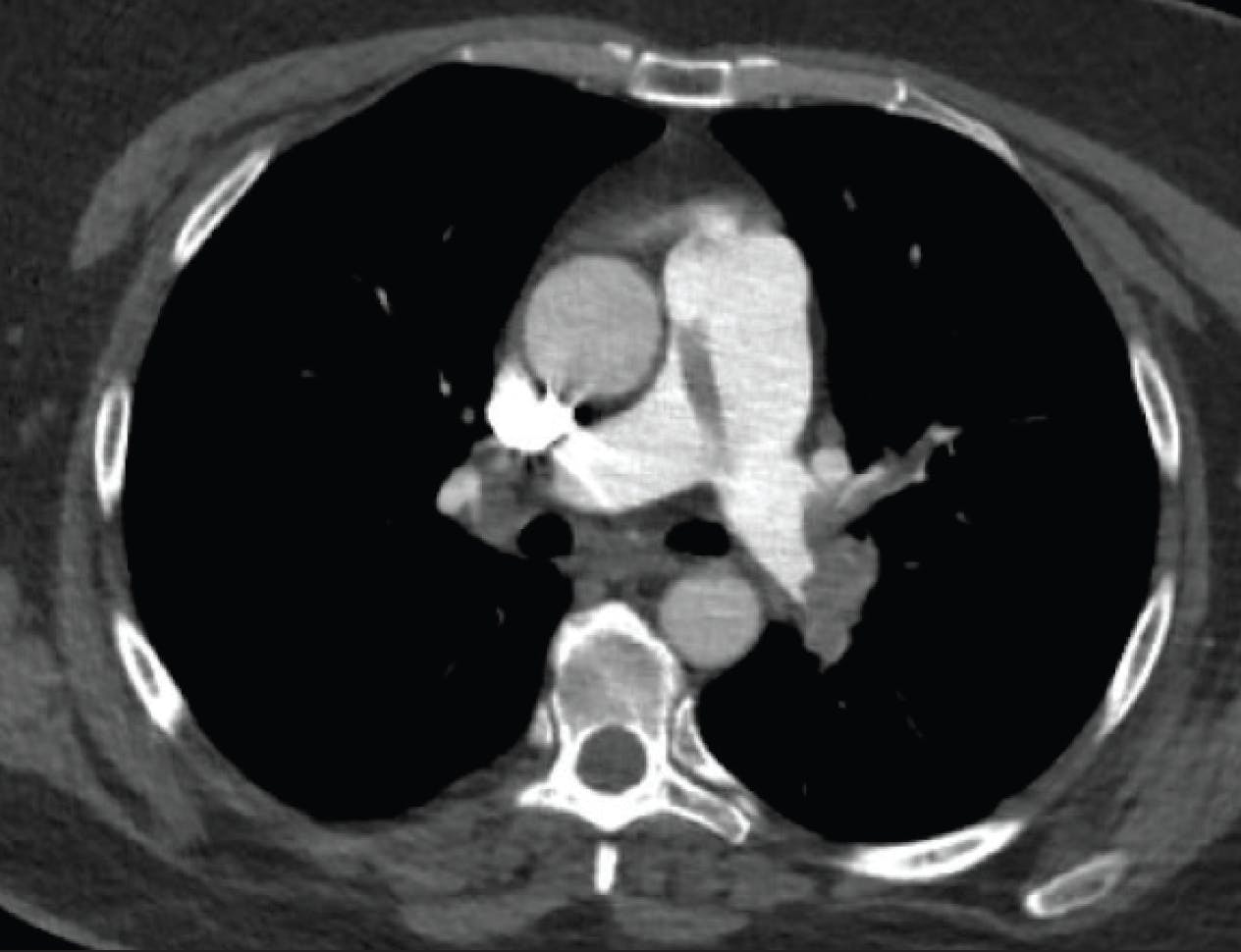
Figure 1. CTPA showed bilateral PE.
Transthoracic echocardiography (TTE) showed a moderately dilated right ventricle with D-shaping and a positive McConnell’s sign. PA pressures (PAPs) could not be determined.
Intravenous (IV) thrombolysis was contraindicated due to recent ischemic stroke. Instead, IV heparin therapy was initiated, and she was transferred to our hospital for further management. Despite this, her condition deteriorated rapidly. The PE response team (PERT) convened and, following urgent multidisciplinary discussion, determined that mechanical thrombectomy was indicated for this intermediate-high–risk PE patient.
INTERVENTION
Ultrasound-guided right femoral access was obtained, and through a 12-F Check-Flo introducer sheath (Cook Medical), a 5-F Pigtail catheter (Cordis) was positioned in the pulmonary trunk. Digital subtraction angiography (DSA) revealed bilateral opacification deficits in the anterior trunk and lower lobar and segmental branches, most extensive on the left side (Figure 2). Pressure measurements demonstrated a mean PAP (mPAP) of 40 mm Hg, indicating severe pulmonary hypertension.
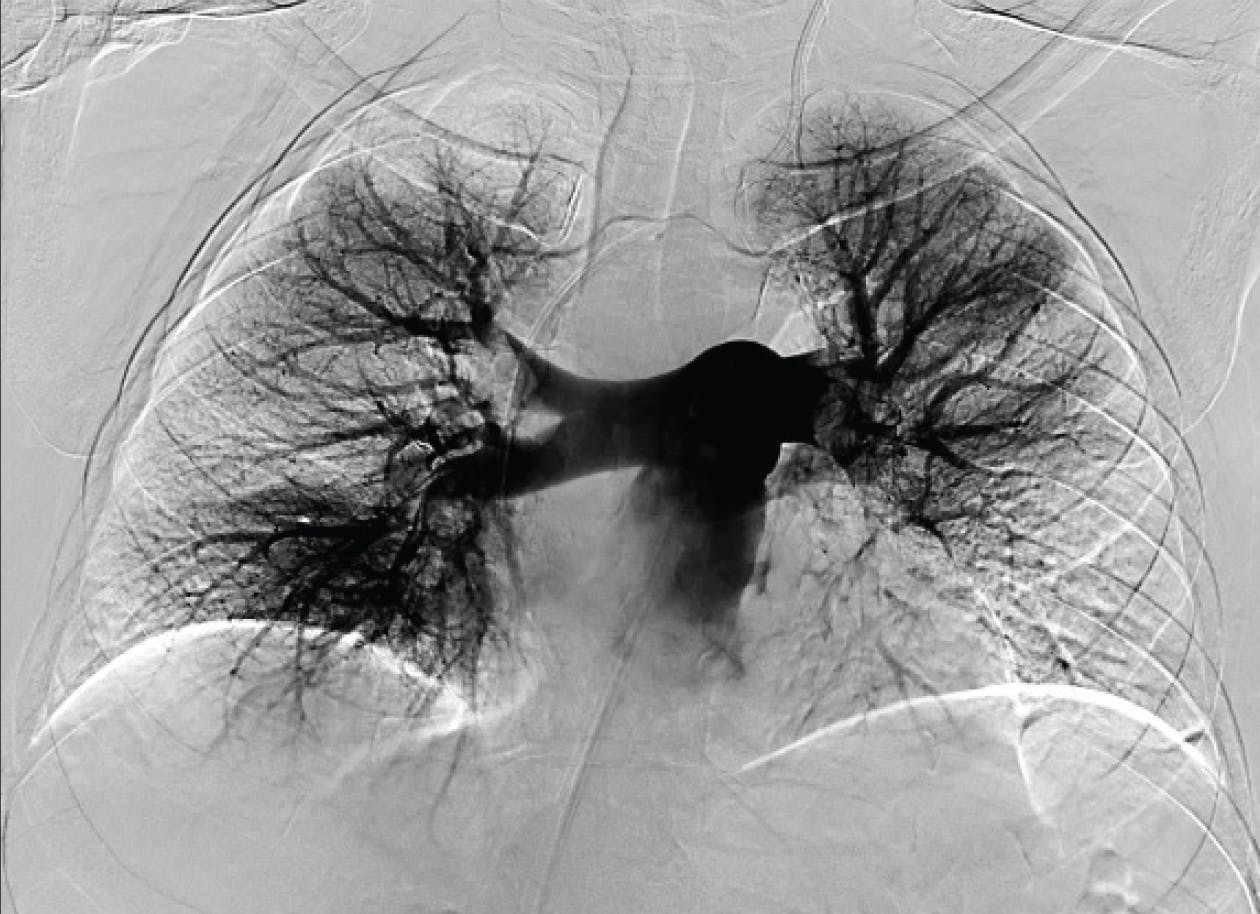
Figure 2. DSA confirmed bilateral PE, most extensive in the left basal lobar and segmental branches.
An Indigo Lightning 12 catheter was advanced into the left PA for aspiration, targeting both the left main branch and the left lower lobar branch (Figure 3). A Separator device (SEP12, Penumbra, Inc.) was used intermittently to facilitate the aspiration of large thrombi. This resulted in nearly complete recanalization of the left lower lobe branches (Figure 4 and Figure 5). Insufficient stability precluded aspiration on the right side. Subsequent PAP measurements showed a significant decrease in mPAP to 23 mm Hg. An immediate and substantial reduction in oxygen deficiency was observed. Follow-up TTE showed no right ventricular dilation and the disappearance of D-shaped distortion. The patient’s condition improved, leading to her discharge back to the referring hospital.
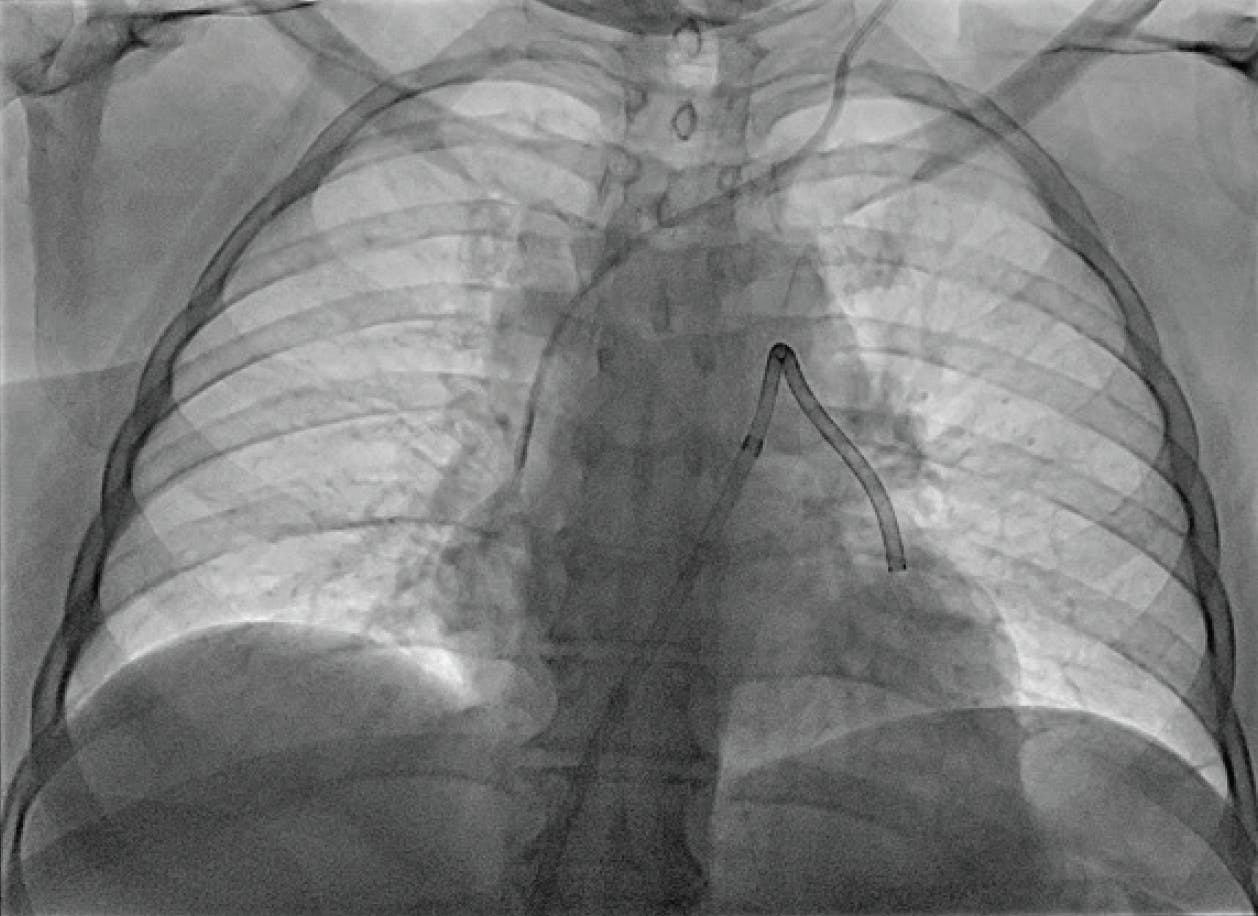
Figure 3. The Lightning 12 catheter can be navigated and advanced into the lobar and even segmental arteries.
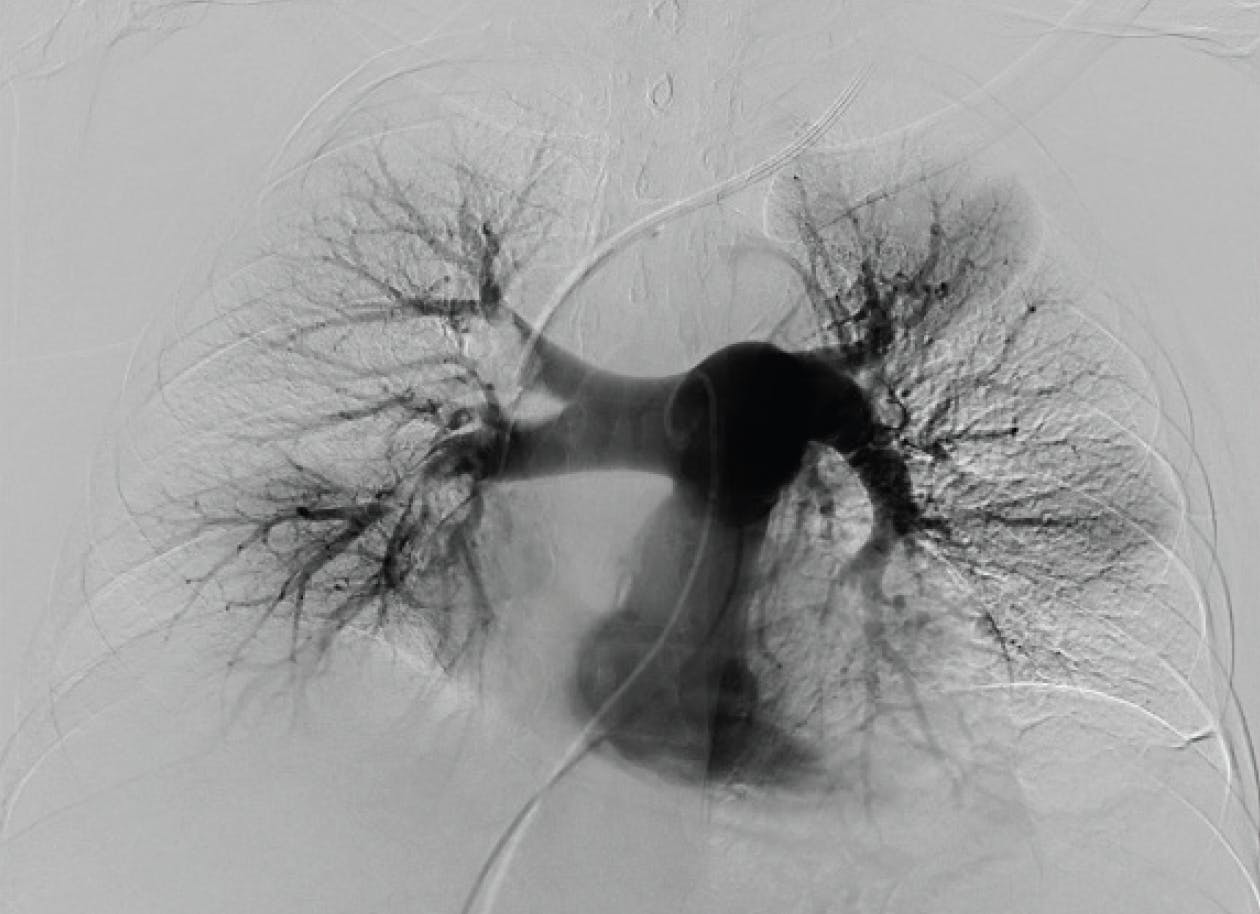
Figure 4. DSA after thrombectomy showed reperfusion of the left basal lobar and segmental arteries.
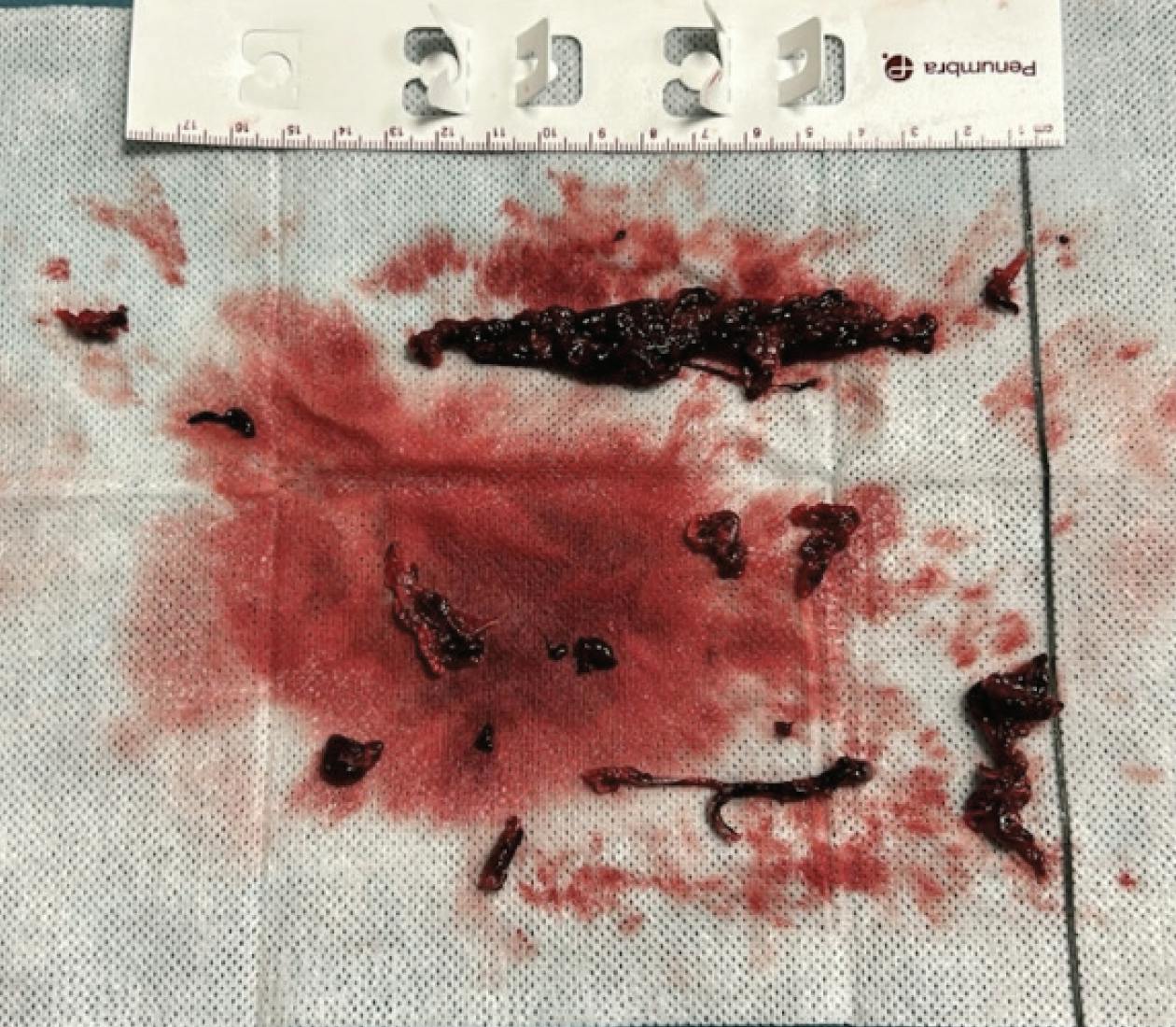
Figure 5. Clots obtained during thrombectomy.
DISCUSSION
This case highlights the increasing significance of thrombectomy-based interventions in managing PE. Studies such as FLASH,1 EXTRACT-PE,2 and STRIKE-PE3 have shown promising outcomes for thrombectomy procedures, demonstrating favorable safety profiles and significant hemodynamic improvement, particularly in high- and intermediate-high–risk PE cases.
The Lightning 12 catheter was effective in accessing and treating PE due to its design with high flexibility and torqueability, which enabled the extraction of sizable blood clots while minimizing significant blood loss through the integrated pump system.
Catheter-based interventions for PE show great potential4 and may offer advantages over pharmacologic and invasive surgical treatments.5 Their future may mirror the transformative impact seen with neurothrombectomy.
1. Toma C, Jaber WA, Weinberg MD, et al. Acute outcomes for the full US cohort of the FLASH mechanical thrombectomy registry in pulmonary embolism. EuroIntervention. 2023;18:1201-1212. doi: 10.4244/EIJ-D-22-00732
2. Sista AK, Horowitz JM, Tapson VF, et al. Indigo aspiration system for treatment of pulmonary embolism: results of the EXTRACT-PE trial. JACC Cardiovasc Interv. 2021;14:319-329. doi: 10.1016/j.jcin.2020.09.053
3. Moriarty JM, Dohad SY, Schiro BJ, et al. Clinical, functional, and quality of life outcomes after computer assisted vacuum thrombectomy for pulmonary embolism: interim analysis of the STRIKE-PE study. J Vasc Interv Radiol. Published online May 8, 2024. doi: 10.1016/j.jvir.2024.04.028
4. Naidu SG, Knuttinen MG, Kriegshauser JS, et al. Rationale for catheter directed therapy in pulmonary embolism. Cardiovasc Diagn Ther. 2017;7(suppl 3):S320-S328. doi: 10.21037/cdt.2017.08.14
5. Mouawad NJ. Catheter interventions for pulmonary embolism: mechanical thrombectomy versus thrombolytics. Methodist Debakey Cardiovasc J. 2024;20:36-48. doi: 10.14797/mdcvj.1344
IATROGENIC ILIOFEMORAL DVT AFTER HYSTERECTOMY WITH LIGHTNING 12

CASE PRESENTATION
A woman in her late 50s was referred to our vascular clinic as an urgent case with known left-sided iliofemoral deep vein thrombosis (DVT) for 7 days. She was diagnosed by color-coded duplex ultrasound at an outside hospital and initially treated with therapeutic doses of apixaban and compression stockings.
She experienced unbearable pain (visual analogue scale [VAS] 9/10 at presentation) and massive, progressive swelling despite a 1-week course of conservative treatment and finally was referred for second opinion by her general practitioner.
At admission, there was a circumferential difference of 12 cm at thigh level (right thigh, 54 cm; left thigh, 68 cm). She complained of numbness of her toes, and distal motoric was impaired because of massive swelling, although arterial Doppler signals were still measurable. Dyspnea and angina were absent.
The patient had no personal or family history of DVT or thromboembolic events. A single-drug regimen for arterial hypertension was the only known vascular risk factor. Interestingly, the patient underwent laparoscopic hysterectomy with fixation of the cervix to the sacrum 3 weeks earlier. When asked in detail, the patient reported a “weird feeling” of her left leg since day 1 of the gynecologic surgery. After stopping thrombosis prophylaxis with low-molecular-weight heparin 2 weeks after the surgery, a massive increase in swelling and pain led to ED presentation and diagnosis of two-level DVT of the left leg.
Color-coded duplex ultrasound in our department confirmed a venous occlusion starting at the level of the left common iliac vein (CIV) and reaching down below the ostium of the left superficial femoral vein (SFV). Given the progress and severity of symptoms bordering a venous phlegmasia, endovascular thrombectomy was offered to the patient after informed consent that included the alternative options of surgical thrombectomy and a continued conservative regimen.
Our previous experience with CAT8 taught us that the first-generation system was very effective for acute and subacute DVT up to 5 days. However, thanks to its larger-lumen catheter and intelligent aspiration, the new-generation Indigo Lightning 12 system gave us the confidence for treating this case with an older and more organized clot. We decided to go down this road also due to the fact that the patient developed neurologic signs and we faced insufficient relief of symptoms after 1 week of anticoagulation.
INTERVENTION
The patient was treated in a prone position under local anesthesia of the left popliteal fossa. An ultrasound-guided puncture of the popliteal vein was performed, and initially a 5-F sheath was inserted for diagnostic phlebography (Figure 1 and Figure 2), which showed thrombosis as far down as the proximal SFV and including the complete proximal common femoral vein (CFV) and external iliac vein (EIV) and CIV.
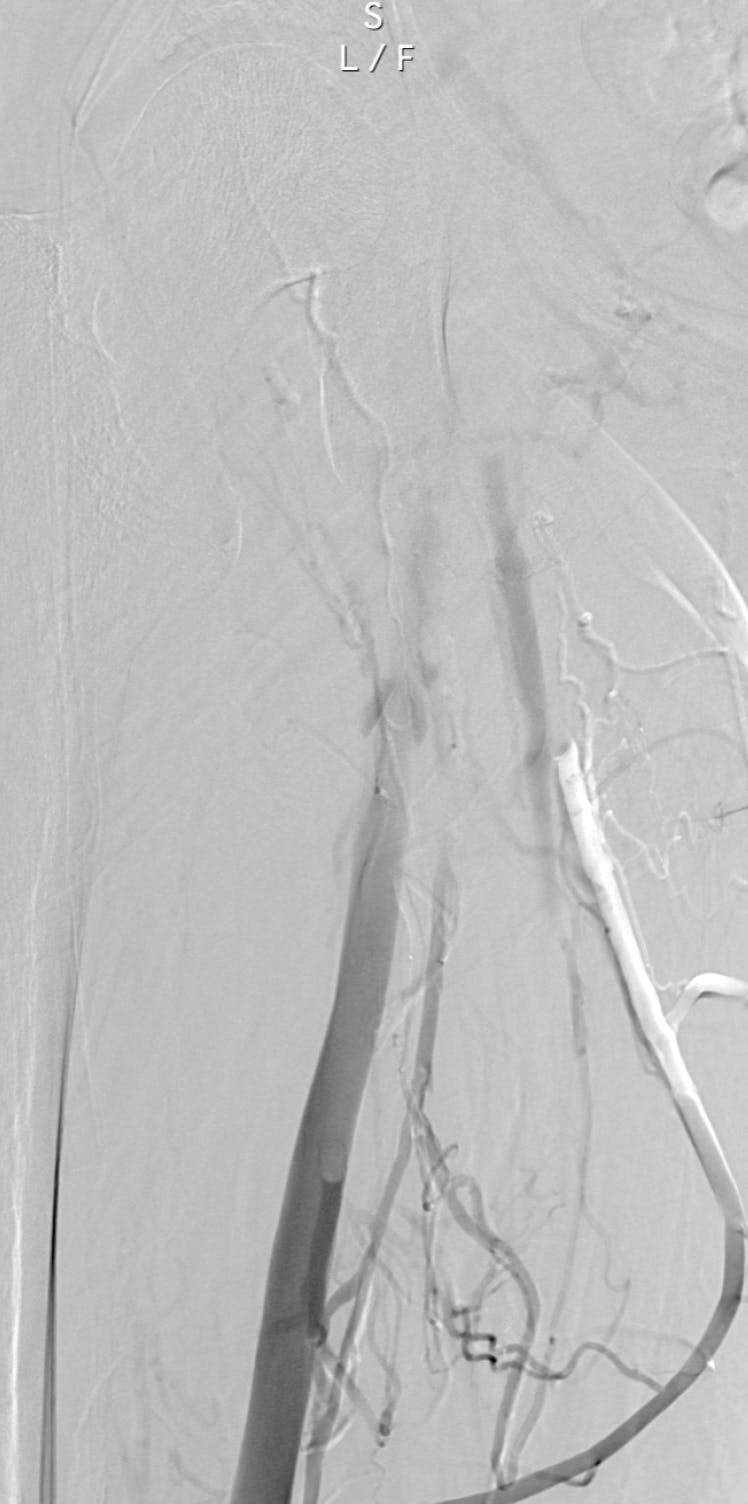
Figure 1. Phlebography of left leg showed an occlusion of the proximal SFV and CFV.
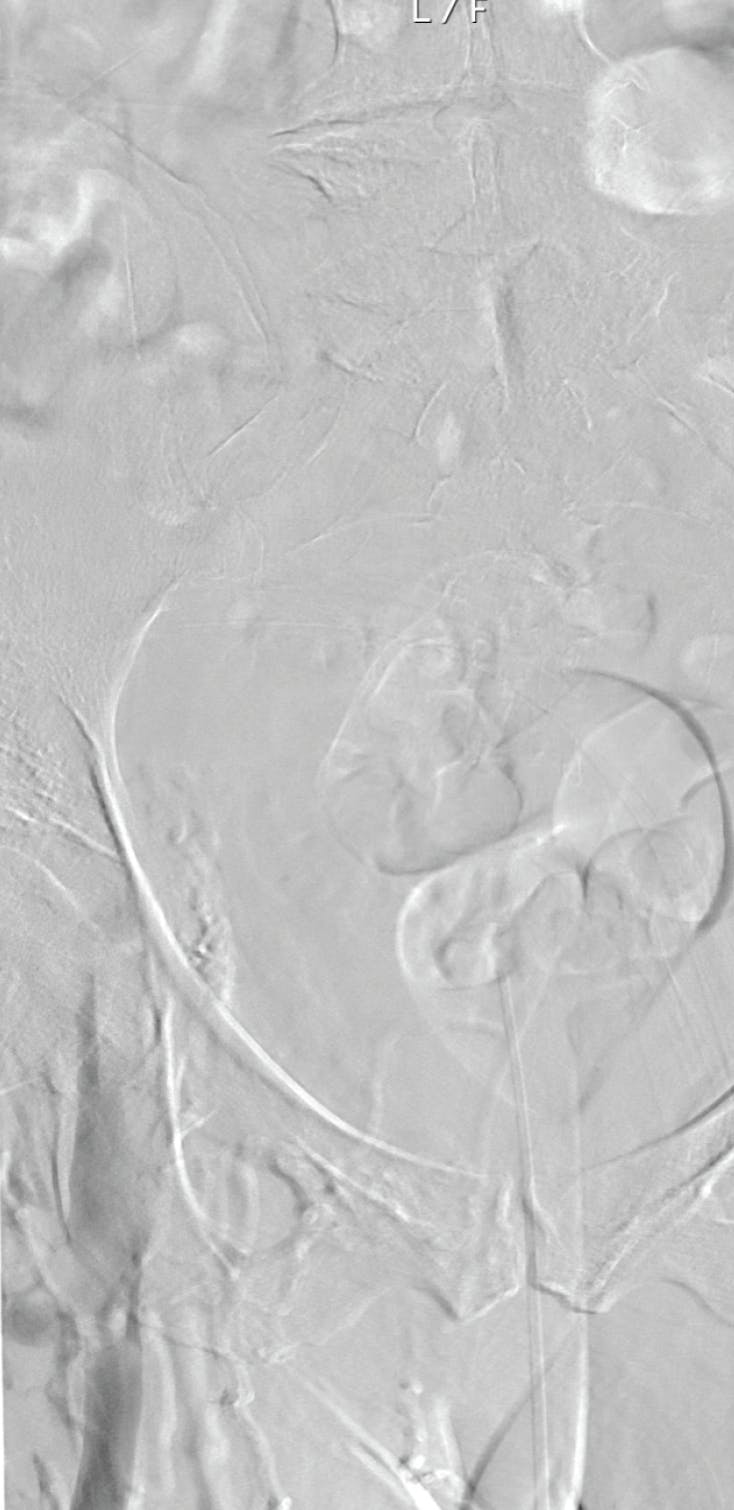
Figure 2. Phlebography of the left pelvis showed venous thrombosis of complete iliac level with scarce collateralization. With hysterectomy 3 weeks prior to DVT, some of the known uterine venous collaterals might have been removed.
After exchanging the 5-F sheath for a 14-F, 10-cm sheath, 5,000 IU of heparin was given intravenously and the venous occlusion was cannulated with a 0.035-inch recanalization catheter (Quick-Cross, Philips) and a 0.035-inch hybrid wire (Glidewire Advantage, Terumo Europe). At the level of the left CIV, a wire passage of what seemed to be a local narrowing of the vein became feasible after careful injection of contrast medium into the occlusion. A small channel into the inferior vena cava (IVC) was visible and could finally be cannulated (Figure 3).
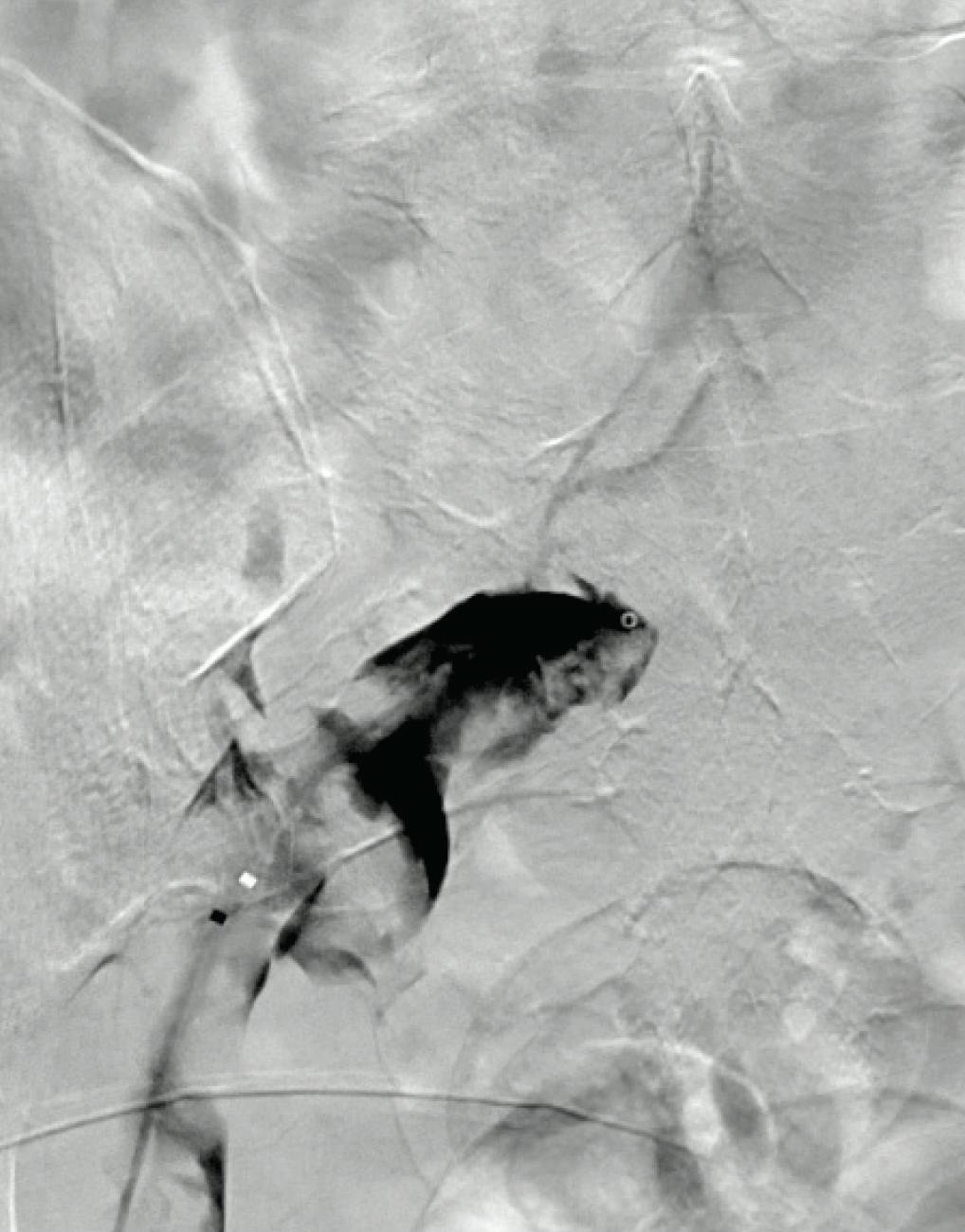
Figure 3. Careful injection of contrast medium from inside the iliac occlusion showed a small channel leading to the IVC.
After achieving wire passage, the Indigo Lightning 12 was introduced and activated at the level of the CFV (Figure 4). Despite thrombus consolidation for a documented time of at least 7 days, clearing the CFV, EIV, and CIV (partial) was feasible (Figure 5 and Figure 6). The Indigo Lightning 12 system was able to remove all the thrombus effectively, but IVUS imaging showed a subtotal stenosis of the CIV, with a residual lumen of 2 mm related to the surgical fixation of the cervix uteri to the os sacrum (cervix pexia). This led us to the decision of placing a stent to resolve the stenosis. A 14- X 60-mm Abre stent (Medtronic) was implanted and subsequently postdilated with a 14- X 60-mm Atlas Gold balloon (BD) (Figure 7).
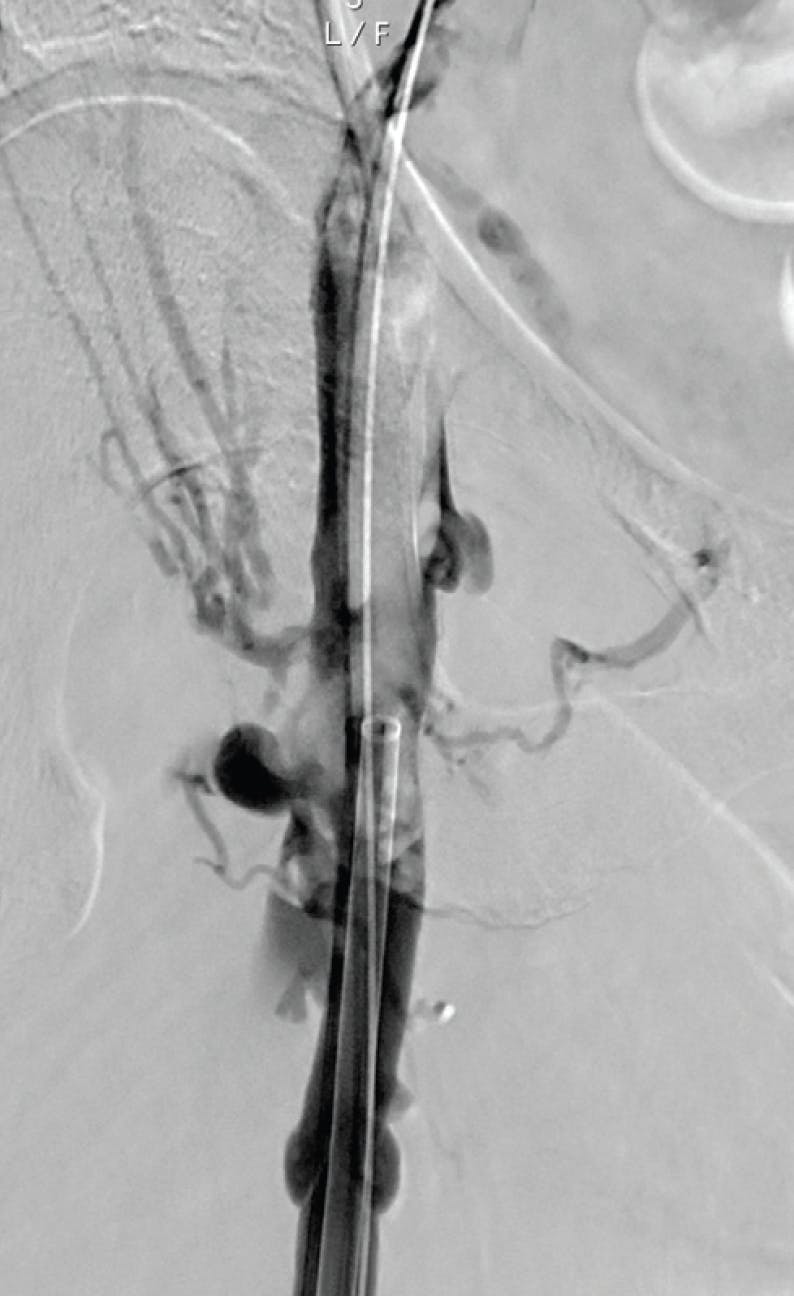
Figure 4. Lightning 12 activated at level of the left CFV.
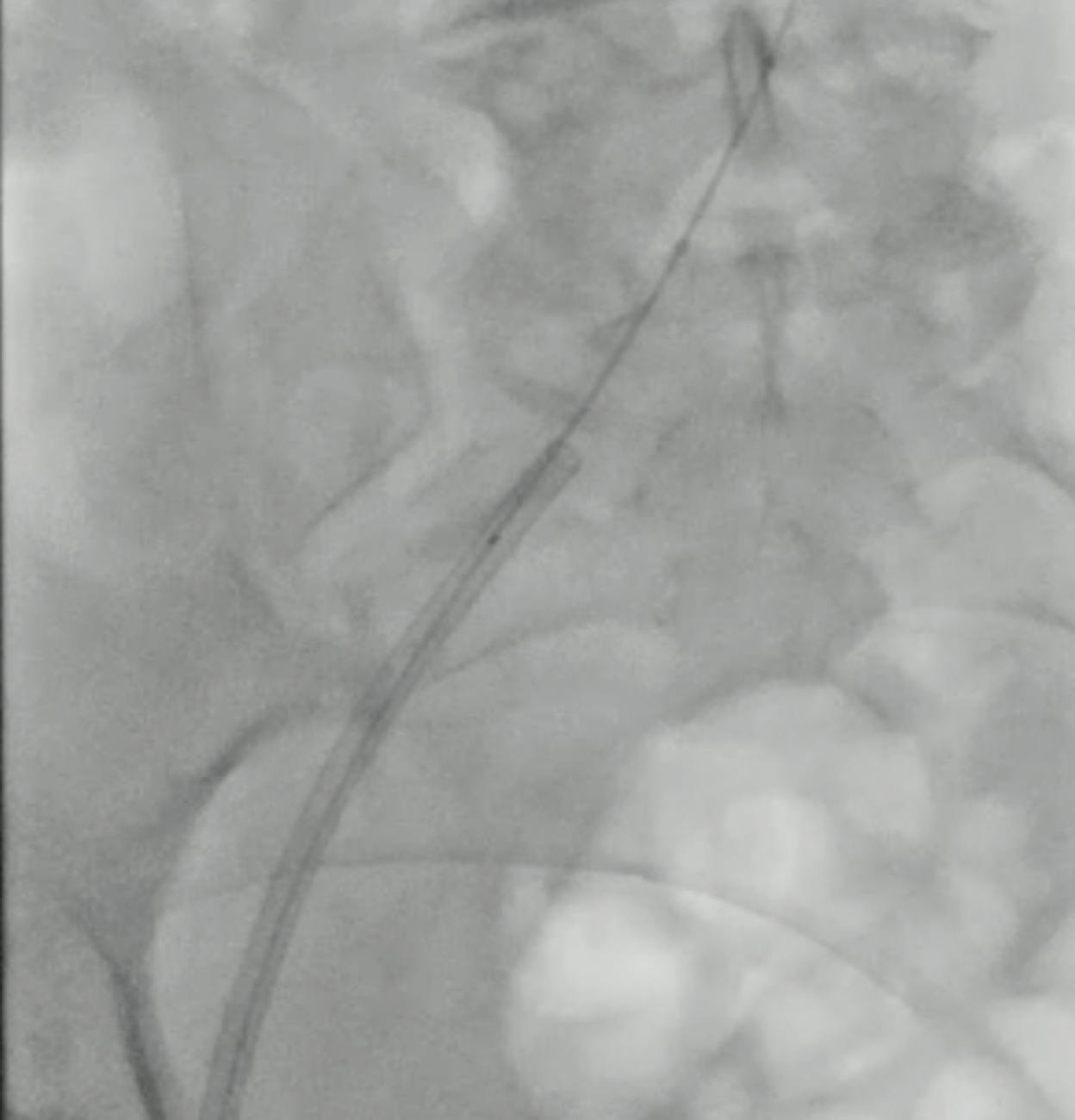
Figure 5. Lightning 12 passage through iliac thrombus. Acoustic signals from the catheter provide feedback to the interventionalist whether the catheter tip remains in contact or has lost contact with thrombus.
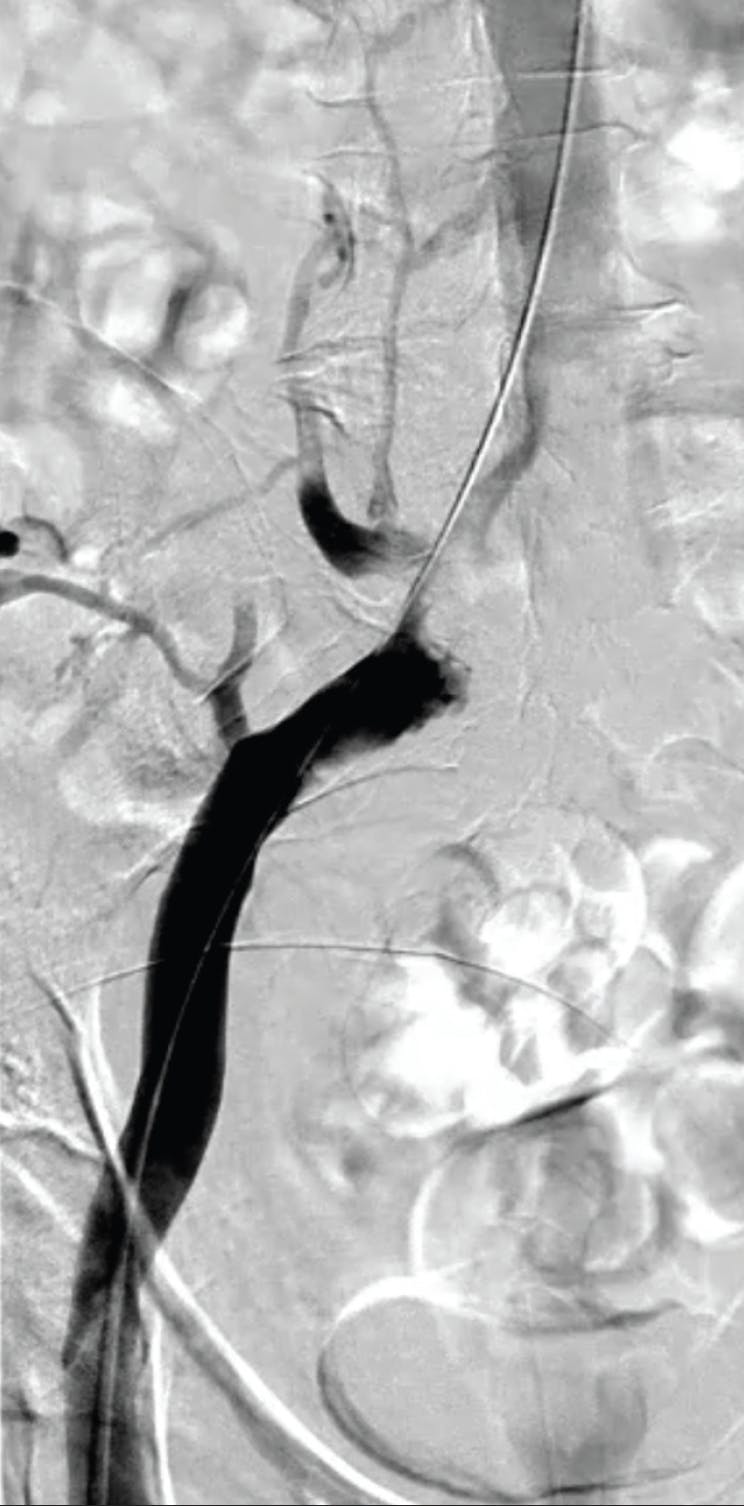
Figure 6. Phlebography after CAVT of the iliac DVT with remaining high-grade CFV stenosis.
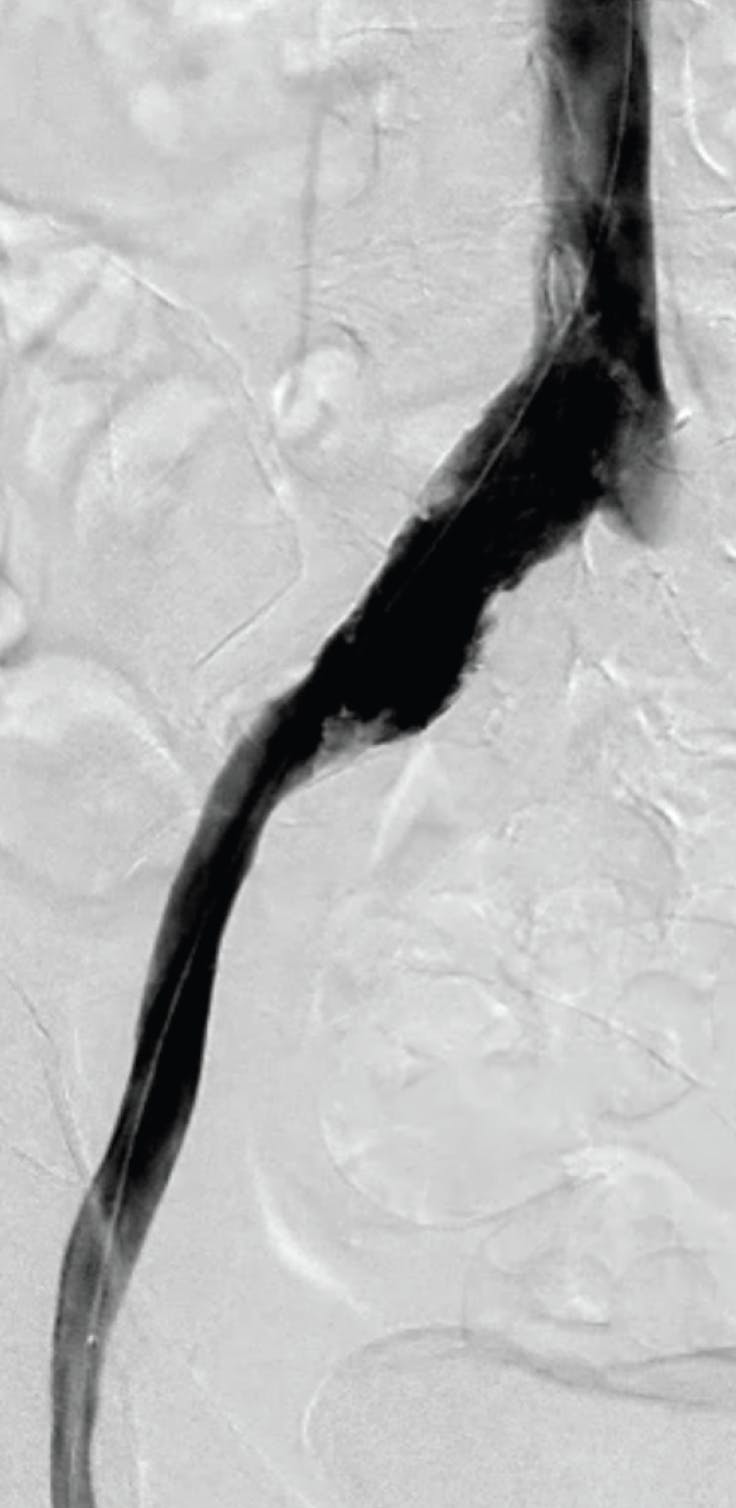
Figure 7. Final phlebography after stent dilatation.
Total blood loss was 280 mL in the vacuum cannister plus an estimated blood loss through sheath valves of 50 mL.
Within the next 24 hours, swelling of the right thigh reduced from a circumference of 68 cm to 57 cm. A venous-phase CT was conducted on day 1 postintervention to rule out bleeding or other abnormalities. No active bleeding was detected, and the stent as well as the proximal and distal venous vasculature were patent with good lumen and only residual thrombus in the left hypogastric vein and the proximal saphenous vein (Figure 8 and Figure 9). Within the second postprocedural day, swelling of the left leg further reduced to 54 cm, which was symmetric to the right leg, and symptoms of pain and pressure in the leg came to 1/10 per the VAS. The patient was discharged on day 2 postprocedure on therapeutic apixaban and 75 mg of clopidogrel daily.
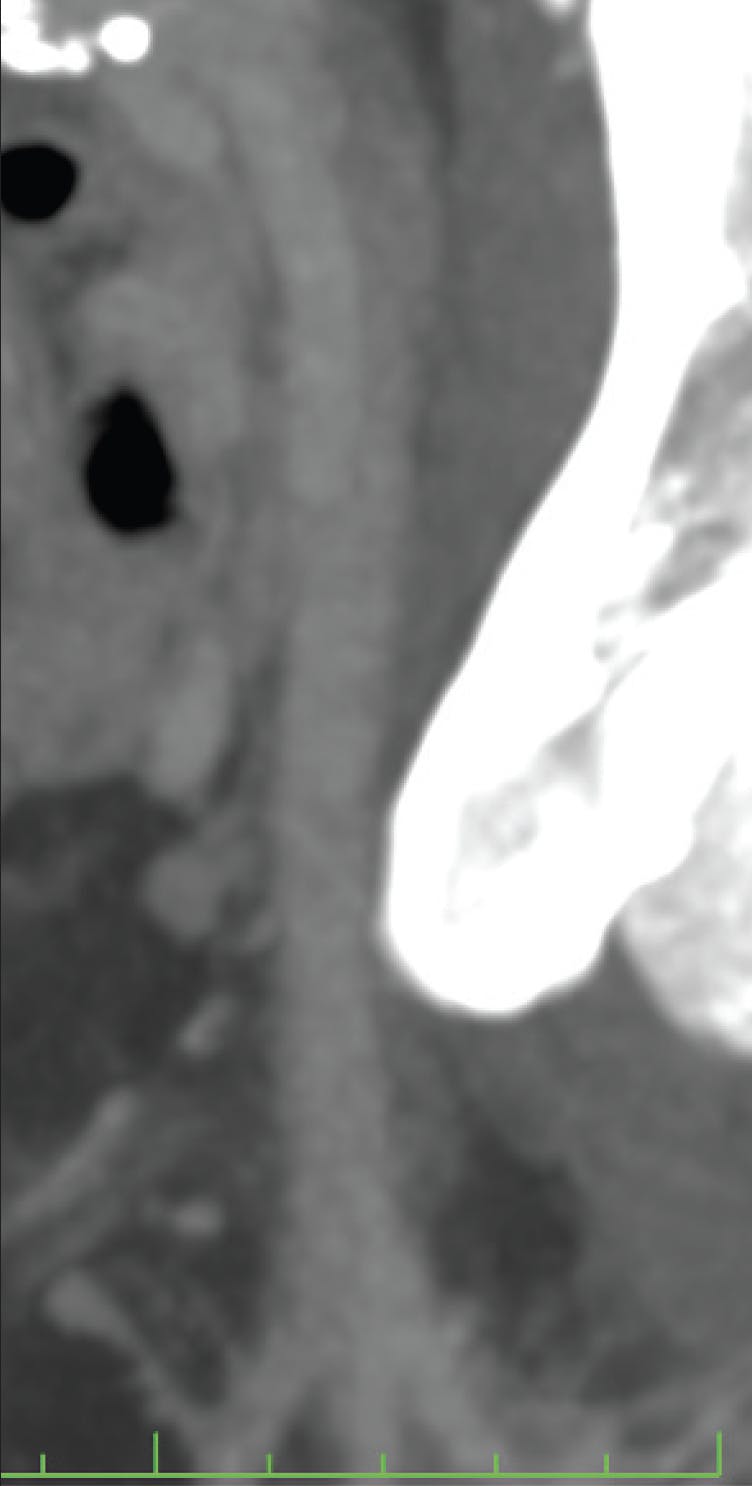
Figure 8. Postoperative CT showed a patent EIV and CFV.
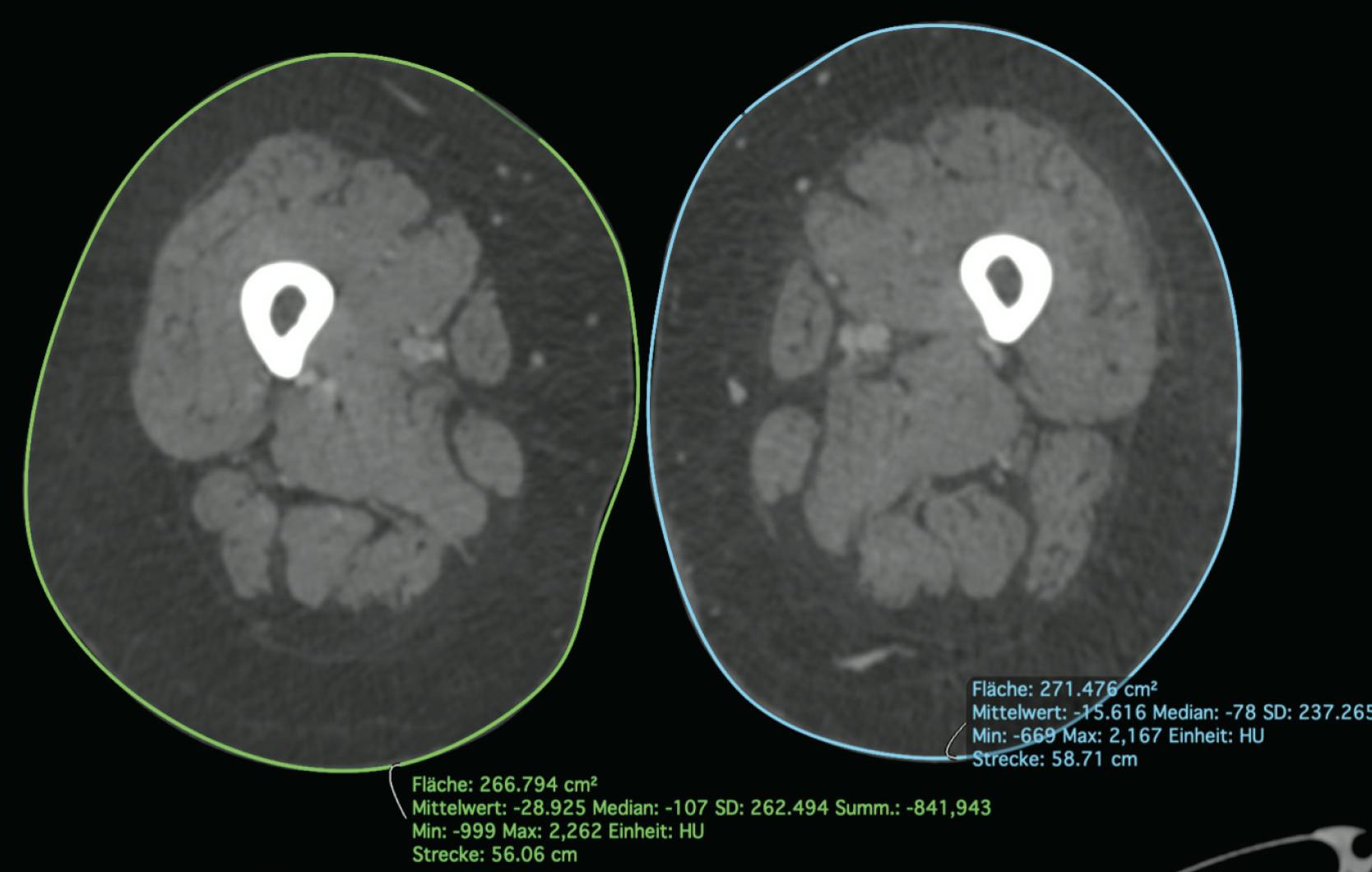
Figure 9. Circumferences of both thighs were almost symmetric 24 hours after CAVT with the Lightning 12 catheter.
PORTAL VEIN AND TIPS EMERGENT THROMBECTOMY WITH LIGHTNING 12

CASE PRESENTATION
A man with cirrhosis in his early 50s presented with abdominal pain, pleural effusion, ascites, and variceal bleeding. Three years prior, the patient underwent elective transjugular intrahepatic portosystemic shunt (TIPS) placement and variceal embolization. At presentation, endoscopy confirmed bleeding esophageal varices, leading to a drop in hemoglobin levels and hemorrhagic shock. Preprocedural CT demonstrated extensive thrombosis within the TIPS, extending from the superior mesenteric vein (SMV) to the hepatic vein (Figure 1).
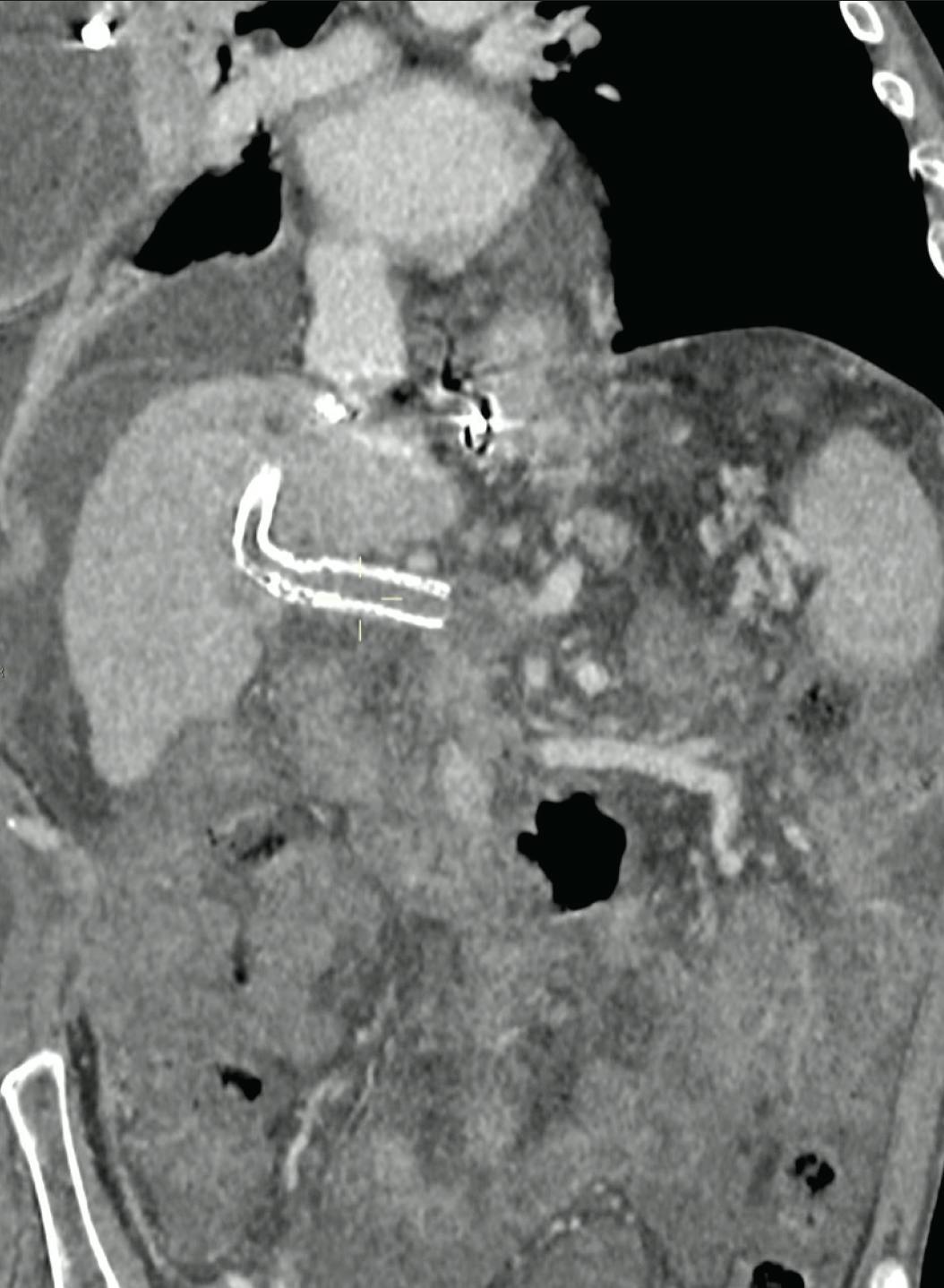
Figure 1. Preprocedural CT.
INTERVENTION
Access was obtained in the right jugular vein using a 12-F, 45-cm Flexor sheath (Cook Medical). After difficulty gaining access to the stent lumen with a hydrophilic wire, a hydrophilic diagnostic catheter was advanced into the splenic vein. Venography confirmed portal vein occlusion, involving the outflow of the SMV and splenic vein inversion into collateral outflow through gastroesophageal varices (Figure 2). Because of the thrombus extension and high bleeding risk,1 the Lightning 12 catheter was chosen as the frontline option. A 0.018-inch safety guidewire was left alongside the introducer. The Lightning 12 catheter was advanced over a wire into the proximal SMV for CAVT. Once positioned at the clot face, aspiration was initiated (Figure 3). The catheter’s softness and torqueability facilitated wireless mechanical thrombectomy without vessel wall injury or dissection. Within 2 minutes, a significant amount of thrombus was extracted from the portal system and the stent, confirmed by the final angiogram (Figure 4). Total blood loss in the canister was 140 mL. Residual stenosis was noted at the TIPS proximal edge, and a covered stent was deployed proximally in the hepatic vein. Postprocedural portography demonstrated successful TIPS patency and decompression, with contrast stagnation in the varicose vein circulation.
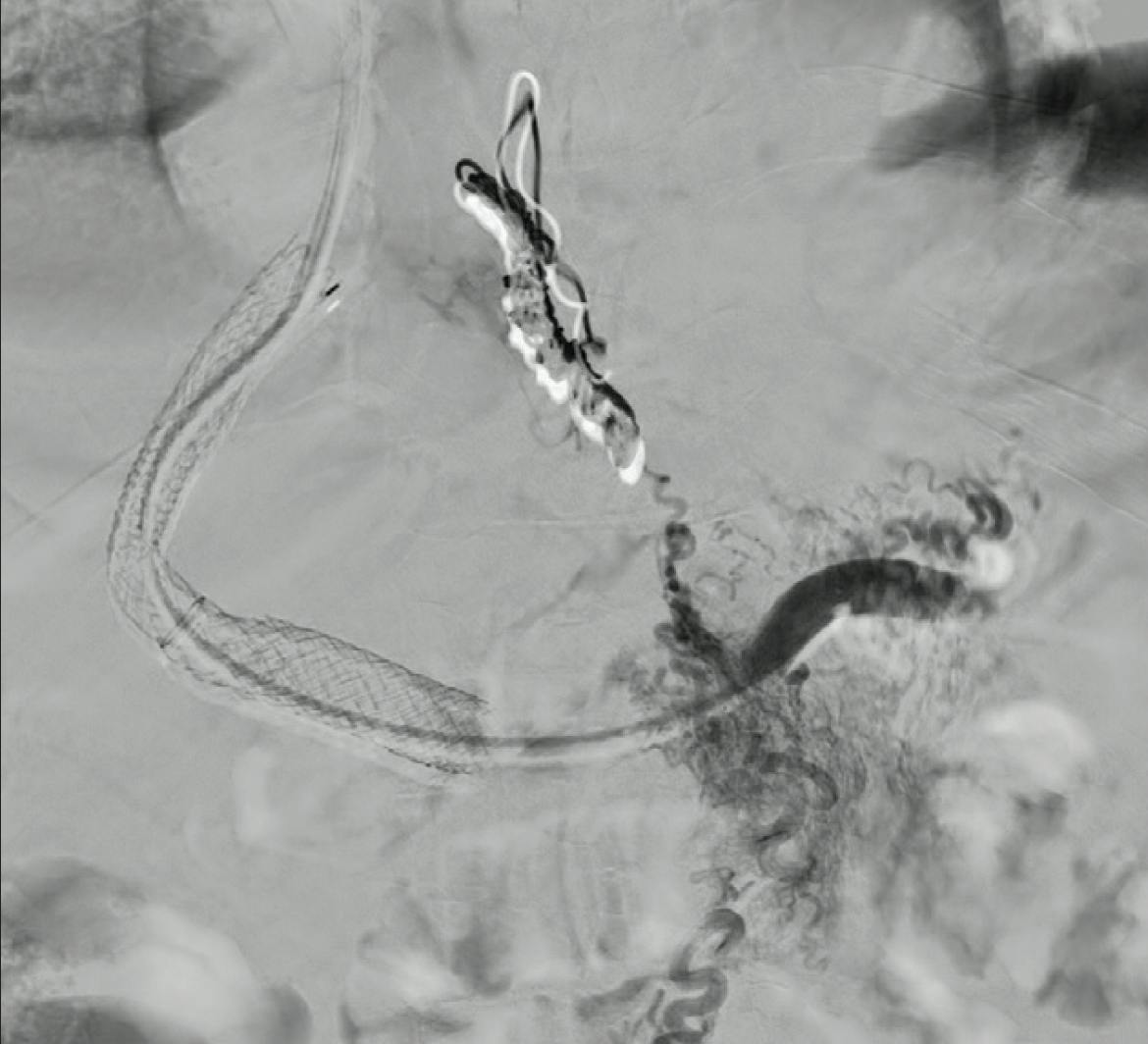
Figure 2. Venography confirming portal vein occlusion.
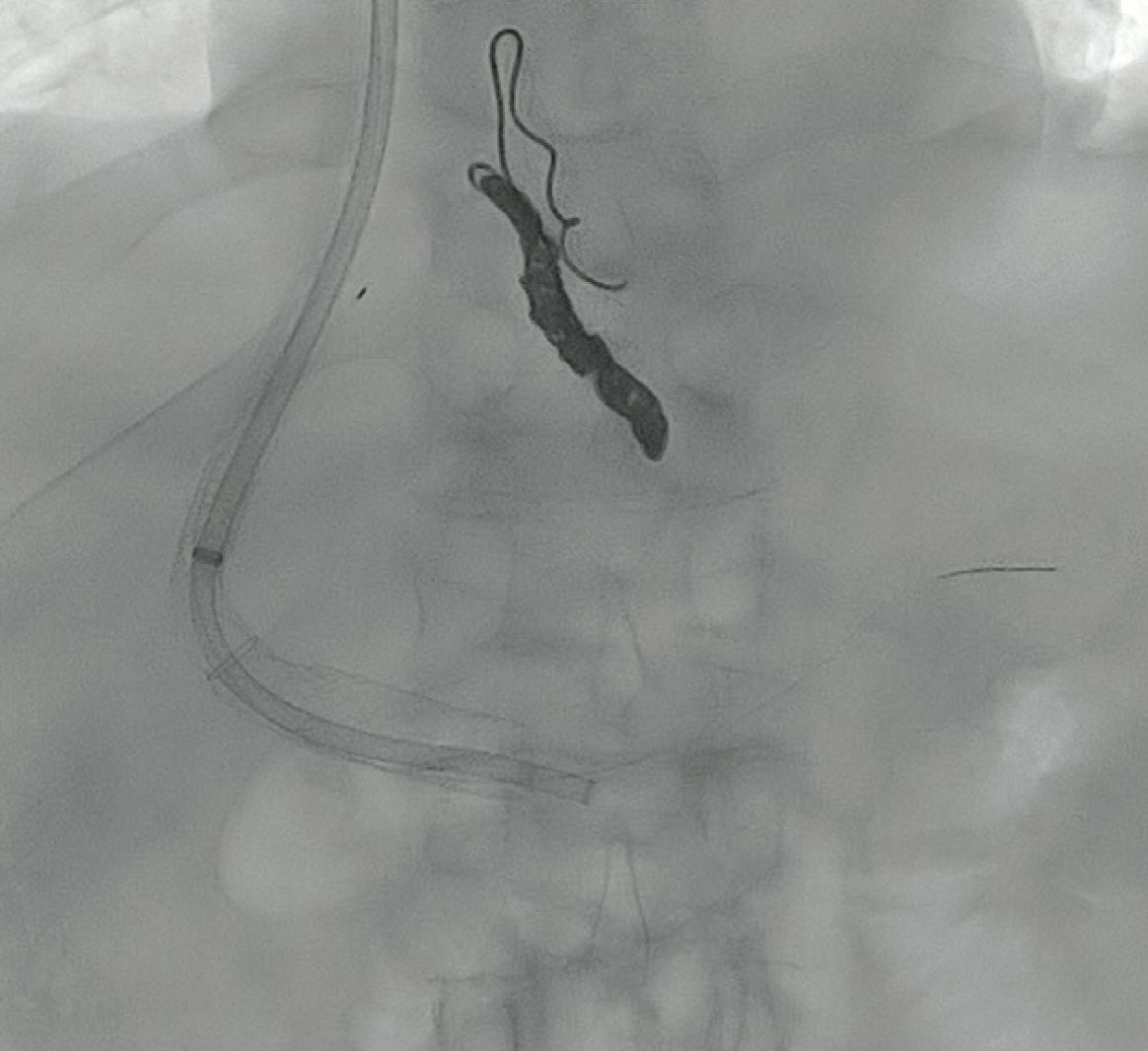
Figure 3. Placement of the Lightning 12 catheter into the proximal SMV for CAVT.
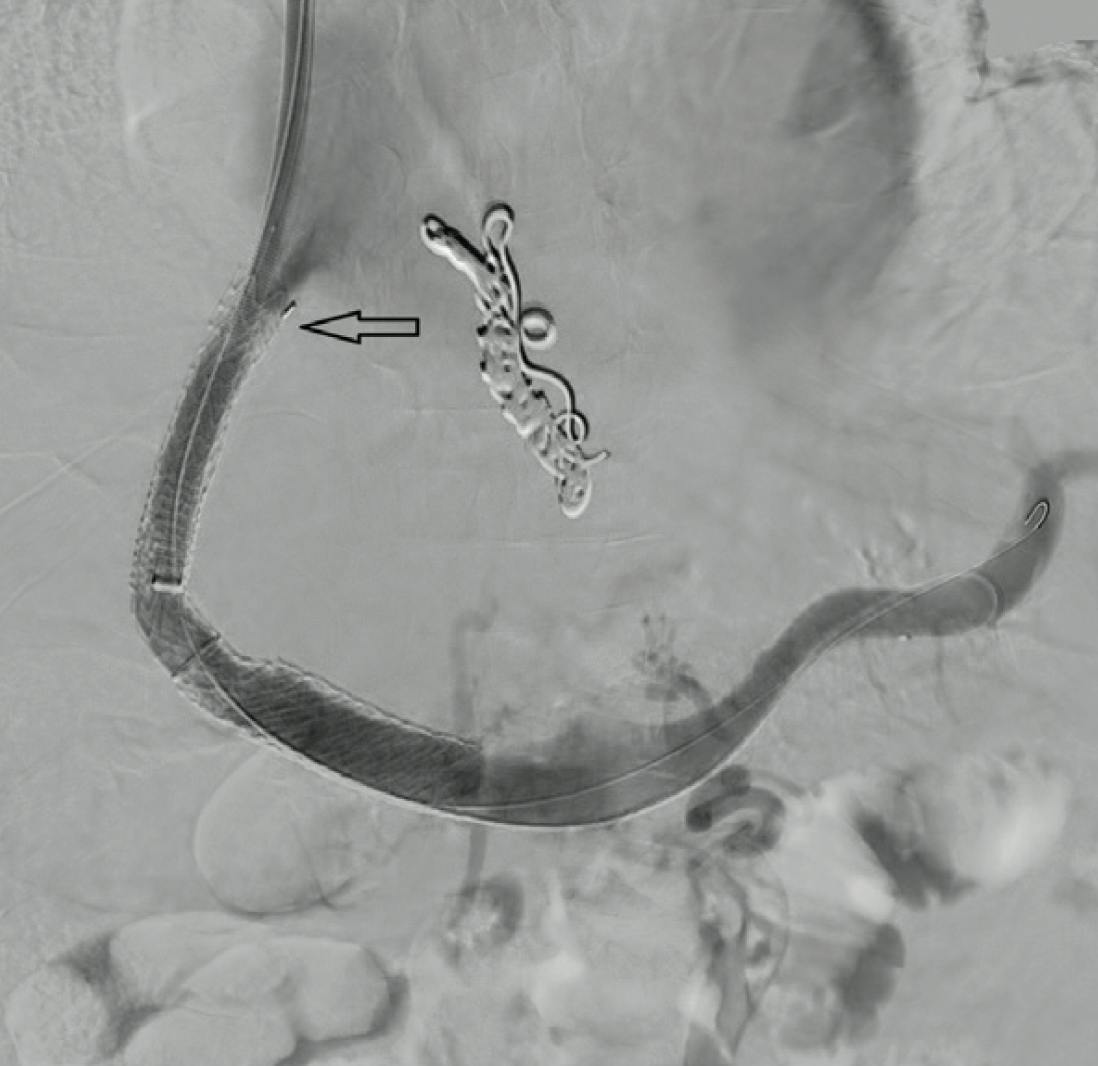
Figure 4. Final angiogram. The arrow shows the residual stenosis after thrombectomy that was later treated with stent implantation.
Twenty-four hours postprocedure, ultrasound showed maintained portal system patency. An angiographic control 72 hours later confirmed direct flow from the SMV and splenic vein through the TIPS into right atrium. The pressure gradient between the portal vein and IVC was reestablished at 9 mm Hg. No additional venous collaterals were appreciated (Figure 5).
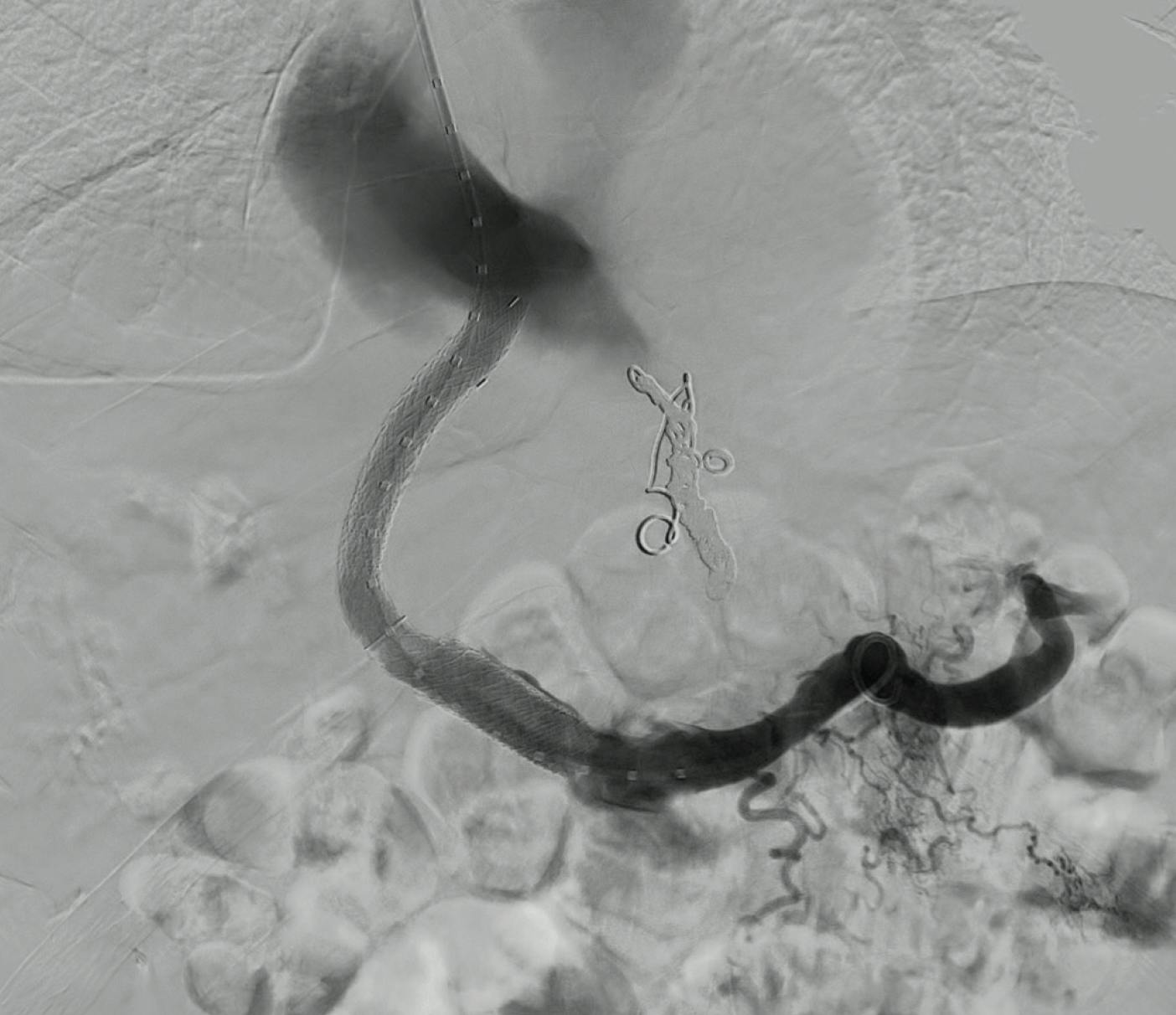
Figure 5. Control angiogram 72 hours postprocedure.
DISCUSSION
In this urgent situation, CAVT successfully treated thrombosis in a patient unsuitable for tissue plasminogen activator.1,2 The Lightning 12 catheter rapidly restored flow in the SMV, portal vein, and through the TIPS, aspirating an extensive amount of thrombus without significant hemolysis. In this hemodynamically unstable patient, Lightning’s clot detection algorithm minimized the blood loss via the automatic valve control. Lightning 12 exhibited increased aspiration power and large clot burden removal capabilities while maintaining a smaller access site compared to other large-bore catheters on the market. The reduced caliber compared to other thrombectomy devices, combined with the tip’s torqueability, enabled precise navigation through complex anatomy without vascular lumen occlusion.
1. Kim HS, Patra A, Khan J, et al. Transhepatic catheter-directed thrombectomy and thrombolysis of acute superior mesenteric venous thrombosis. J Vasc Interv Radiol. 2005;16:1685-1691. doi: 10.1097/01.RVI.0000182156.71059.B7
2. Capinha F, Ferreira CN. Management of nonmalignant portal vein thrombosis in cirrhosis. GE Port J Gastroenterol. 2023;31:77-88. doi: 10.1159/000533161
Drs. Corti and Schwindt were compensated in association with this article.
The opinions and clinical experiences presented herein are for informational purposes only. The results may not be predictive of all patients. Individual results may vary depending on a variety of patient-specific attributes.
Advertisement
Advertisement