Advertisement
Advertisement
April 2025
IVL for Dense, Complex Carotid Artery Disease
A case study on intravascular lithotripsy for the treatment of calcified carotid disease to demonstrate technical feasibility and the need for further study.
Carotid artery stenting (CAS) is a minimally invasive treatment for primary and secondary stroke prevention in atherosclerotic carotid artery disease. Atherosclerotic stenosis of the internal carotid artery (ICA) accounts for 10% to 20% of all ischemic strokes.1 Long-term clinical outcomes of randomized trials now demonstrate equipoise between transfemoral CAS (TF-CAS) and surgical management of carotid atherosclerosis (ie, carotid endarterectomy [CEA]).2 More recent CAS trials have shown an improvement in 30-day death/stroke and death/stroke/myocardial infarction rates, ranging from 1% to 3.9%, as a result of optimized patient selection, technologic advances, and refined procedural techniques.3 Heavily calcified arteries remain a challenge for endovascular techniques, as they impede successful balloon and stent deployment, leading to higher rates of stent underexpansion, restenosis, fracture, and thrombosis.4,5 Given this, heavily calcified carotid arteries have largely been excluded from contemporary CAS studies, resulting in a paucity of data.6 Intravascular lithotripsy (IVL) is a safe and effective treatment for the treatment of peripheral and coronary disease and its use has now expanded (off-label) to include the carotid vasculature.
CASE PRESENTATION
A 61-year-old man with a history of smoking, hypertension, hyperlipidemia, type 2 diabetes mellitus, and coronary artery disease with prior percutaneous coronary intervention presented with asymptomatic bilateral ICA stenosis. Carotid duplex ultrasound confirmed a calcified, high-grade distal stenosis of the left common carotid artery (CCA)/ICA, confirmed by MRA performed by the referring vascular surgeon prior to the planned CEA and by a CTA obtained prior to the stent procedure (Figure 1A and 1B). The patient was brought to the operating room for planned CEA, but the procedure was aborted due to severe calcification precluding the ability to cross-clamp the carotid vessels.
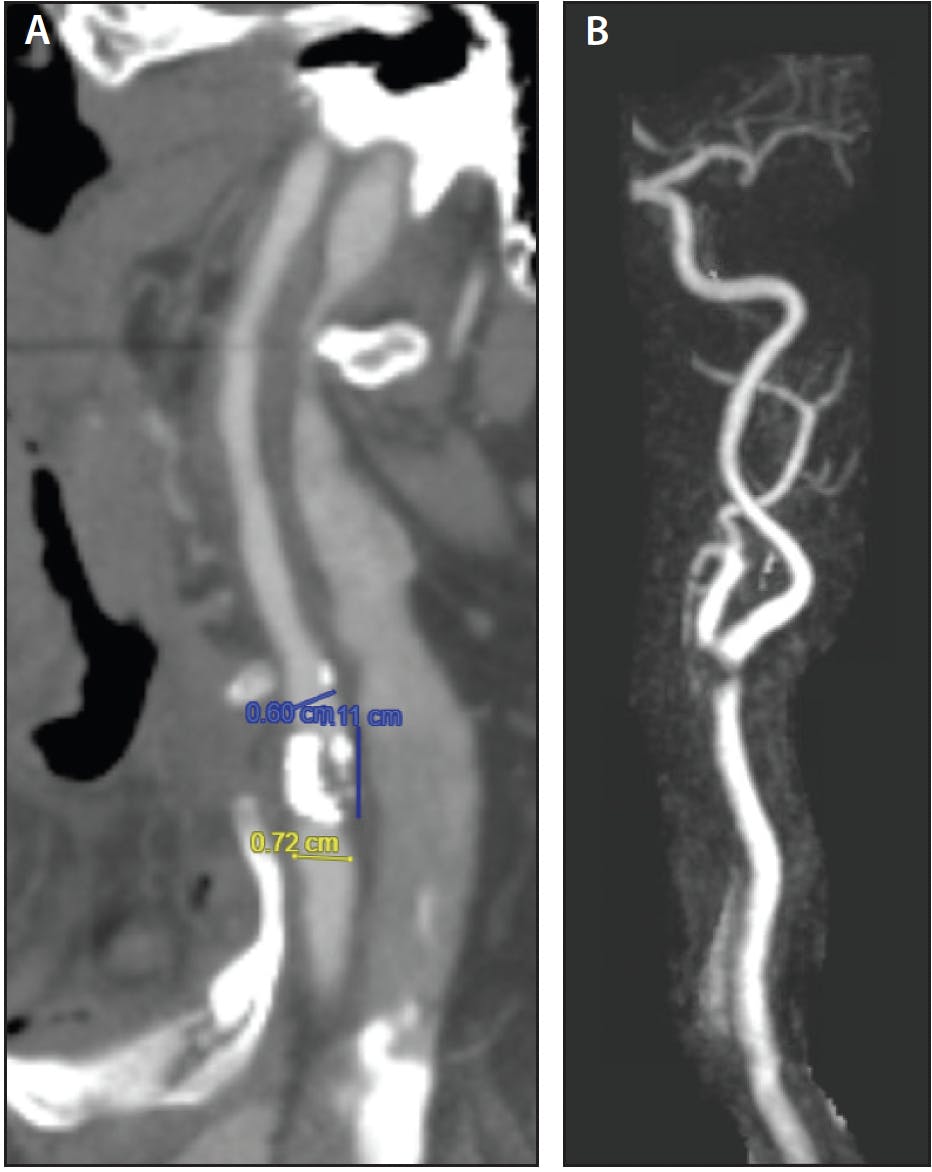
Figure 1. CTA demonstrating severe, complex, calcified, near-occlusive disease of the distal left CCA (A). MRA demonstrating severe, high-grade, distal left CCA stenosis with subtotal occlusions of the left ECA and ICA (B).
Highlight Point
Although CEA has been considered the preferred treatment for calcified occlusive carotid artery disease, it was not an option in this case due to the inability to cross-clamp the carotid vessels. Proceeding with CAS without vessel preparation risks inadequate expansion of the lesion, requiring high inflation pressures that may result in a high likelihood hemodynamically of bradycardia and/or hypotension. It would also pose a higher risk of dissection, thrombosis, and restenosis.
CASE CONTINUED
Ultrasound-guided right common femoral artery access was achieved with aortography demonstrating a type I arch as well as moderate-to-severe right carotid cervical disease, with severe subtotal calcific disease of the left cervical bifurcation involving the origins of the external carotid artery (ECA) and ICA, with TICI (thrombolysis in cerebral infarction) 2 flow (Figure 2).
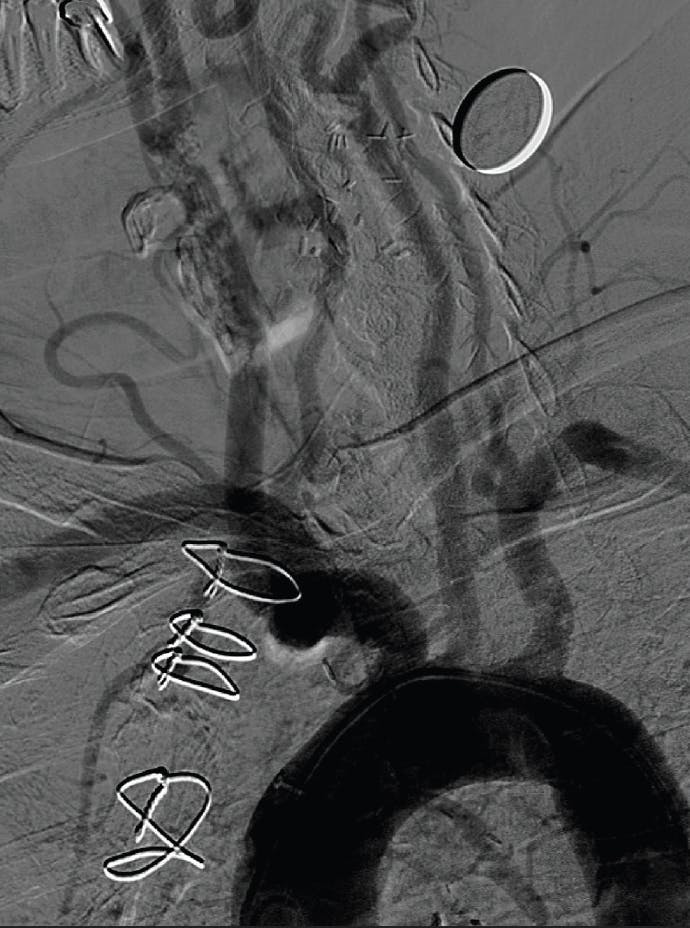
Figure 2. Aortography showing severe, bilateral, calcific, cervical bifurcation disease.
A 6-F, 90-cm Shuttle sheath (Cook Medical) was delivered into the descending thoracic aorta, and the patient was anticoagulated with a bolus and continuous infusion of bivalirudin. A JR4 diagnostic catheter was then delivered into the distal left CCA, followed by telescoping of the sheath into the distal left CCA. Selective angiography confirmed a dense, calcified, subtotal left CCA stenosis involving the origins of the left ECA and ICA (Figure 3).
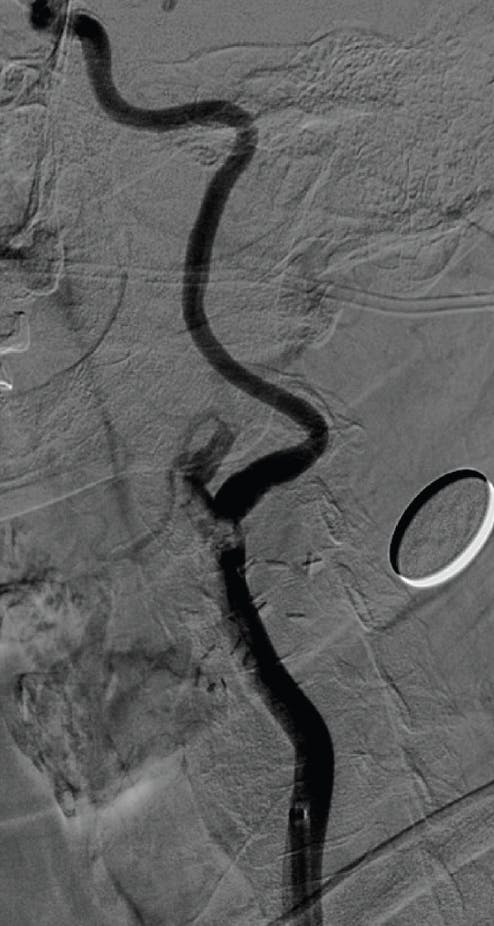
Figure 3. Selective left carotid angiography confirming the dense, calcified, subtotal left CCA involving the origins of the ECA and ICA.
Left lateral and anteroposterior (AP) Townes intracranial angiograms demonstrated TICI 2 flow, with patency of the left middle cerebral artery (MCA) and without antegrade filling of the left anterior cerebral artery (ACA) (Figure 4).
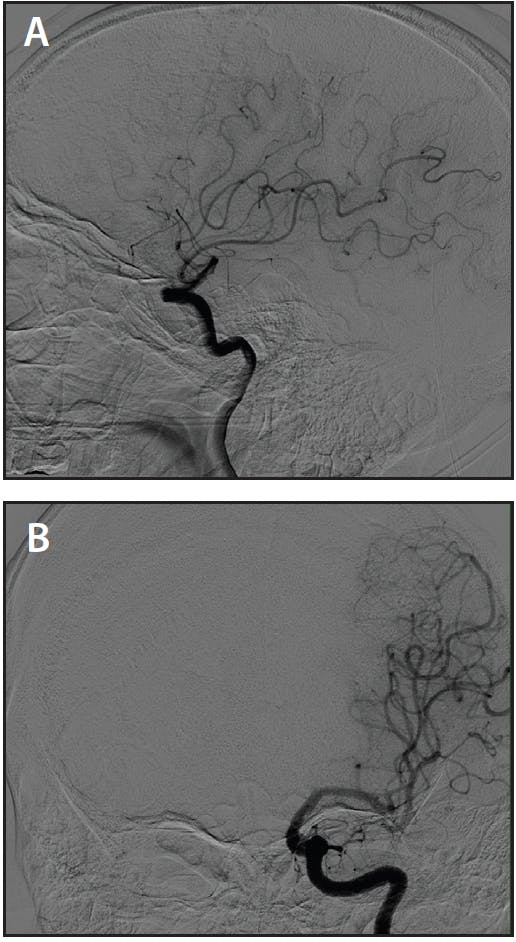
Figure 4. Left lateral (A) and AP Townes (B) intracranial angiography demonstrating TICI 2 flow, with patency of the left MCA and without antegrade filling of the left ACA.
Given the anticipated need for IVL, a 315-cm BareWire (Abbott) was delivered into the distal left ICA. The large-vessel Emboshield Nav6 distal embolic protection device (Abbott) would not cross the densely calcified stenoses. A 0.014-inch Runthrough wire (Terumo Interventional System) was delivered into the distal ICA as a “buddy wire,” but the Emboshield still would not cross. Thus, a 2.5- X 15-mm NC Emerge balloon catheter (Boston Scientific Corporation) was used to gently predilate the stenosis using 6 atm of pressure, allowing the Emboshield to be successfully delivered and deployed.
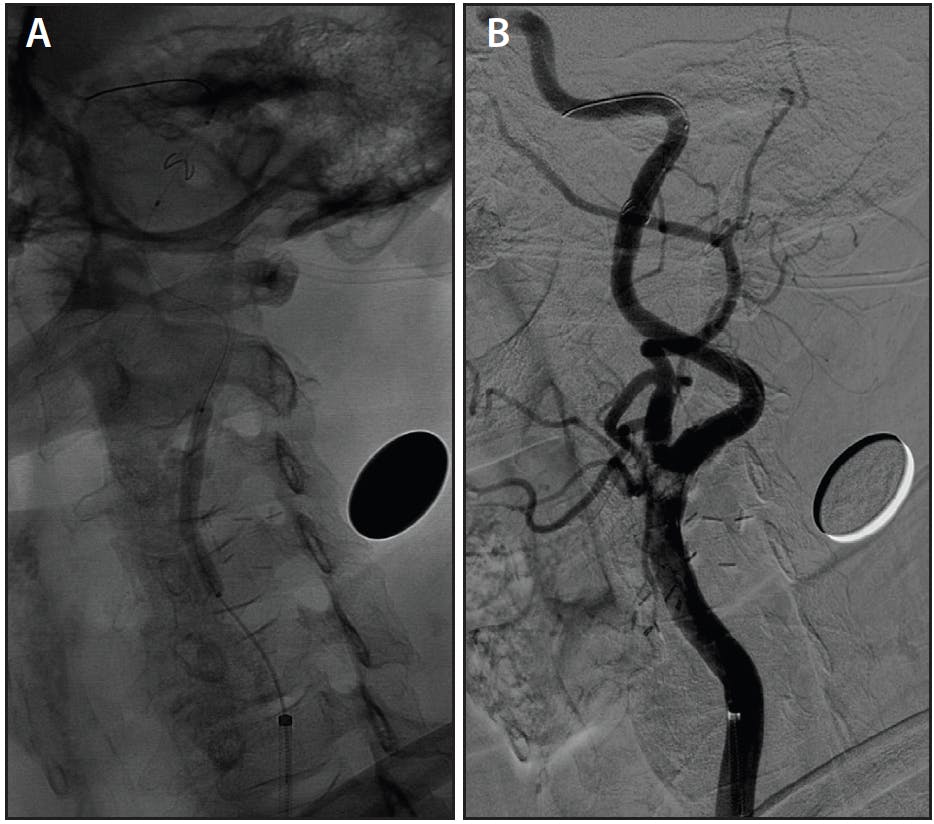
Figure 5. IVL with 4- X 40-mm Shockwave S4 device after removal of the buddy wire (A). High-grade residual stenosis after IVL with the 4- X 40-mm Shockwave balloon (B).
Highlight Point
Given the significant bilateral ICA disease with severe, distal calcified CCA disease, this patient is considered high risk for transcarotid artery revascularization (TCAR) with flow reversal or flow stagnation with the Mo.Ma cerebral protection device (Medtronic) due to the potential for intolerance. The anticipated difficulty in cannulating the left ECA due to the dense occlusive CCA disease would make delivering the Enroute TCAR sheath (Boston Scientific Corporation) problematic. This would also pose similar difficulties for proximal embolic protection with Mo.Ma.
CASE CONTINUED
After prophylactic administration of 0.5 mg of atropine and neosynephrine bolus, IVL was performed with a 4- X 40-mm Shockwave S4 peripheral device (Shockwave Medical, Inc.) with four cycles and 80 pulses delivered. Repeat angiography showed restored TICI 3 flow but persistence of a high-grade residual stenosis (Figure 5B).
Due to the persistent, calcified residual stenosis and the large-caliber vessel, we elected to upsize to a 7- X 60-mm Shockwave M5+ balloon, delivering a total of 90 pulses in three cycles (Figure 6), after an additional 0.5 mg bolus of atropine and initiation of neosynephrine infusion at 120 µg/min to maintain systolic blood pressure > 110 mm Hg.
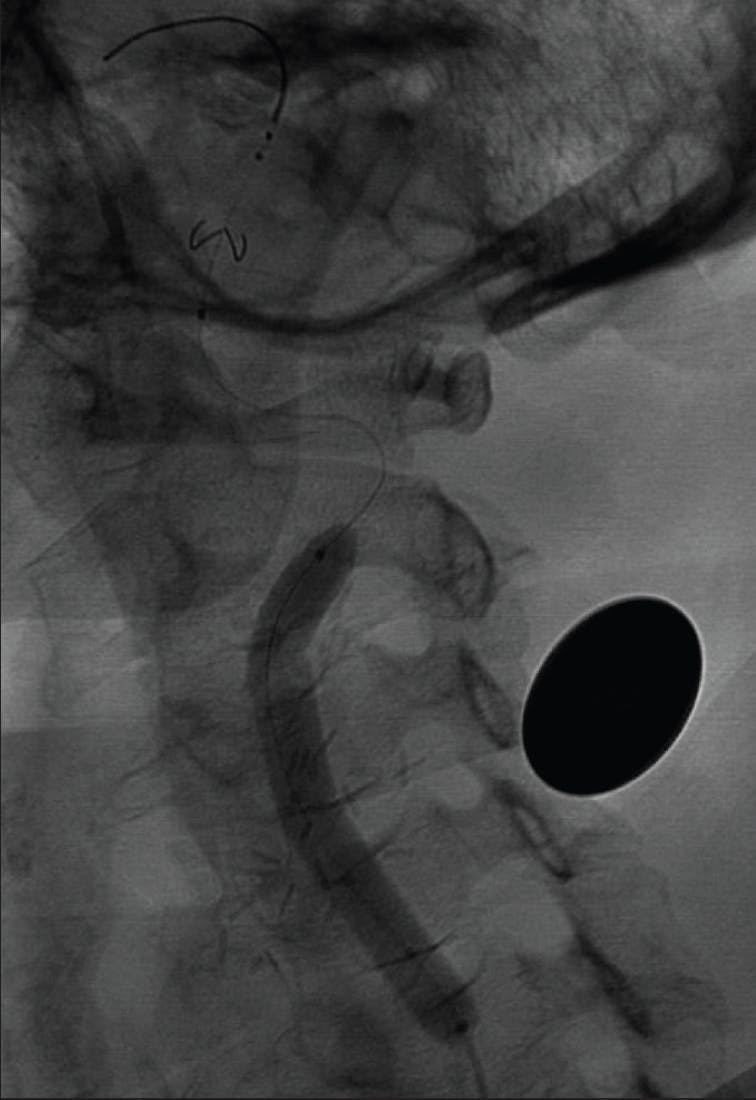
Figure 6. IVL of the left CCA/ICA with the 7- X 60-mm Shockwave M5+ balloon.
Repeat angiography showed significant luminal expansion (Figure 7A), allowing for easy delivery and deployment of a 10- X 40-mm CGuard MicroNet covered nitinol carotid stent (InspireMD) (Figure 7B). Due to the large native ICA size, a 7- X 20-mm Aviator balloon (Cordis) was used to postdilate the stent (Figure 7C). Repeat angiography demonstrated an excellent result with TICI 3 flow, full expansion, and minimal residual stenosis (Figure 7D).
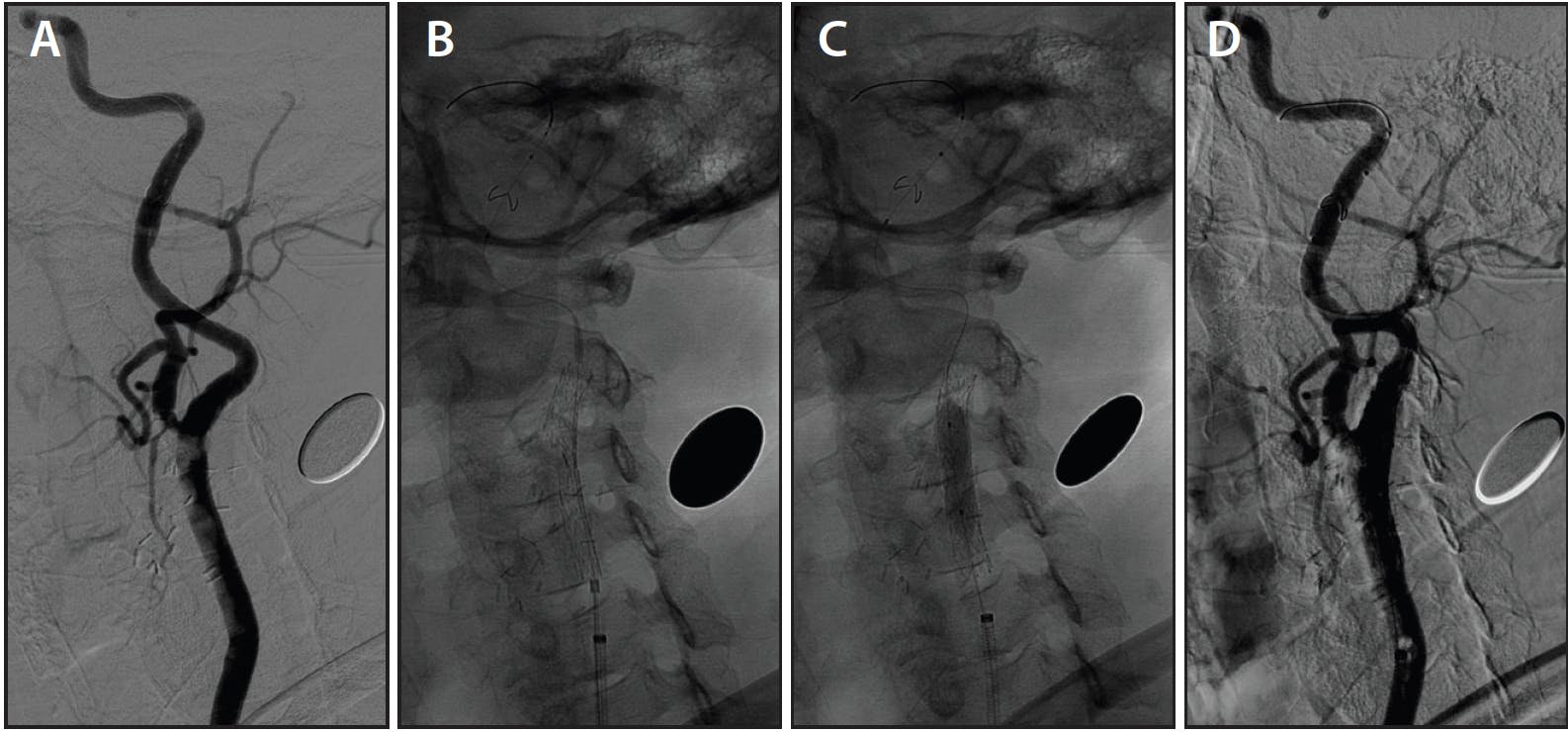
Figure 7. Significant luminal expansion after IVL with the 7- X 60-mm Shockwave M5+ balloon (A). Full expansion and apposition of the 10- X 40-mm CGuard MicroNet after IVL (B). Postdilation of the stent with the 7- X 20-mm Aviator balloon (C). Excellent angiographic result after IVL and stenting, with full stent apposition/expansion and minimal residual stenosis (D).
The Emboshield was retrieved (Figure 8A), and final angiography confirmed excellent angiographic results, with a widely patent stent and TICI 3 flow without evidence of distal embolization (Figure 8B-D). The neosynephrine infusion was weaned off, and the patient was discharged uneventfully the next day on dual antiplatelet therapy with acetylsalicylic acid and clopidogrel.
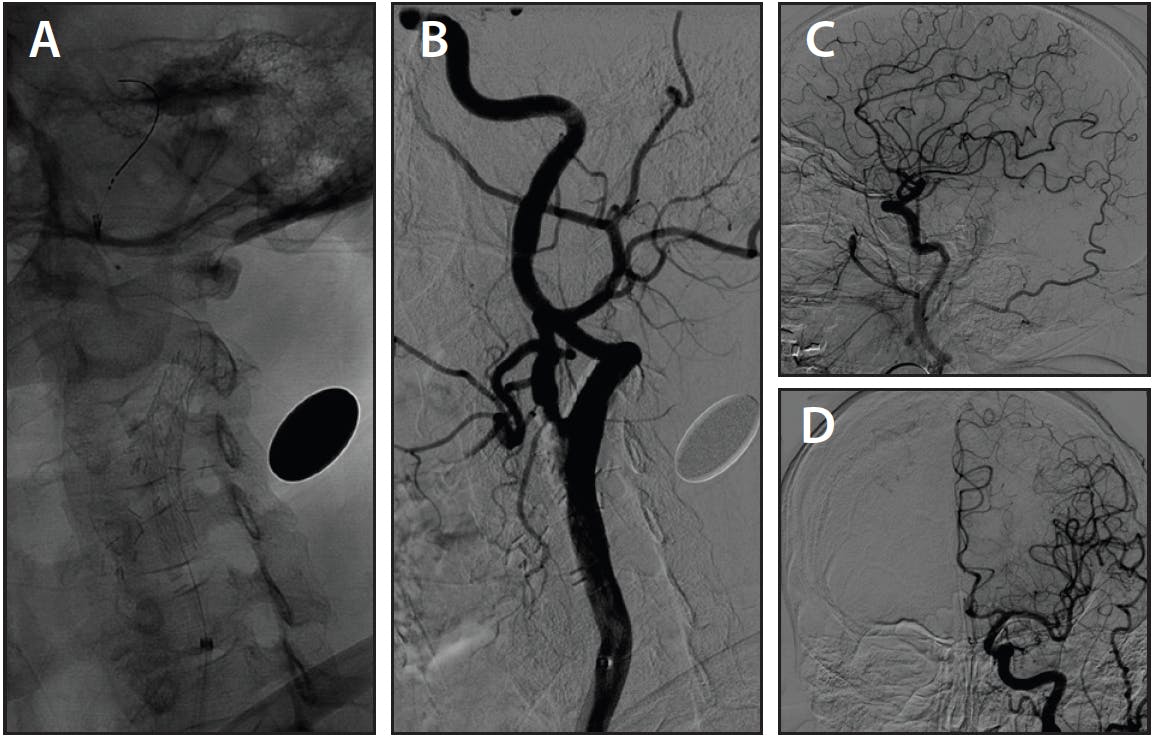
Figure 8. Capture of the Emboshield embolic protection device. Notice the full expansion of the carotid stent despite the baseline severe calcification (A). Excellent result after IVL and stenting of the left CCA and ICA (B). Final result left lateral angiography with no evidence of embolization, now with restored antegrade flow into the left ACA (C). Final result AP Townes angiography demonstrating no evidence of embolization and restored antegrade flow in the left ACA (D).
Highlight Point
With the need to fully expand heavily calcified vessels successfully, IVL may be employed judiciously. There have been multiple case reports and small series reporting the efficacy and relative safety of performing off-label IVL using coronary and peripheral devices (see Discussion). Prophylactic administration of atropine and vasopressors allows for the safe implementation and tolerability of carotid IVL for both native disease and in-stent restenosis due to deep wall calcification. As in peripheral and coronary use, only 2 to 4 atm is required to crack the calcium. Embolic protection is mandatory. The maximum diameter of the Shockwave C2+ coronary device (Shockwave Medical, Inc.) is 4 X 12 mm, and the Shockwave M5+ peripheral devices are 3.5 to 7 X 60 mm. The large-vessel Shockwave L6 devices (Shockwave Medical, Inc.) are available in 8, 9, 10, and 12 X 30 mm. It is anticipated that 6- and 7- X 30-mm Shockwave L6 devices will be available later this year.
A planned carotid IVL trial will feature 3-cm, 0.014-inch rapid-exchange devices in vessel diameters of 4 to 8 mm, which will greatly facilitate the procedure.
Like the M5+ and L6 balloons, the carotid IVL catheter device would be a purpose-built carotid device that will be two pulses per second (not one) and the operator will still be required to keep their thumb on the button to deliver the pulses, so if the patient experiences intolerance the operator can simply take their thumb off the button at any time to stop pulse delivery (Figure 5A).
CASE CONCLUSION
The patient has done well clinically and remains asymptomatic, with follow-up duplex ultrasound confirming sustained vessel patency at 1 year (Figure 9).
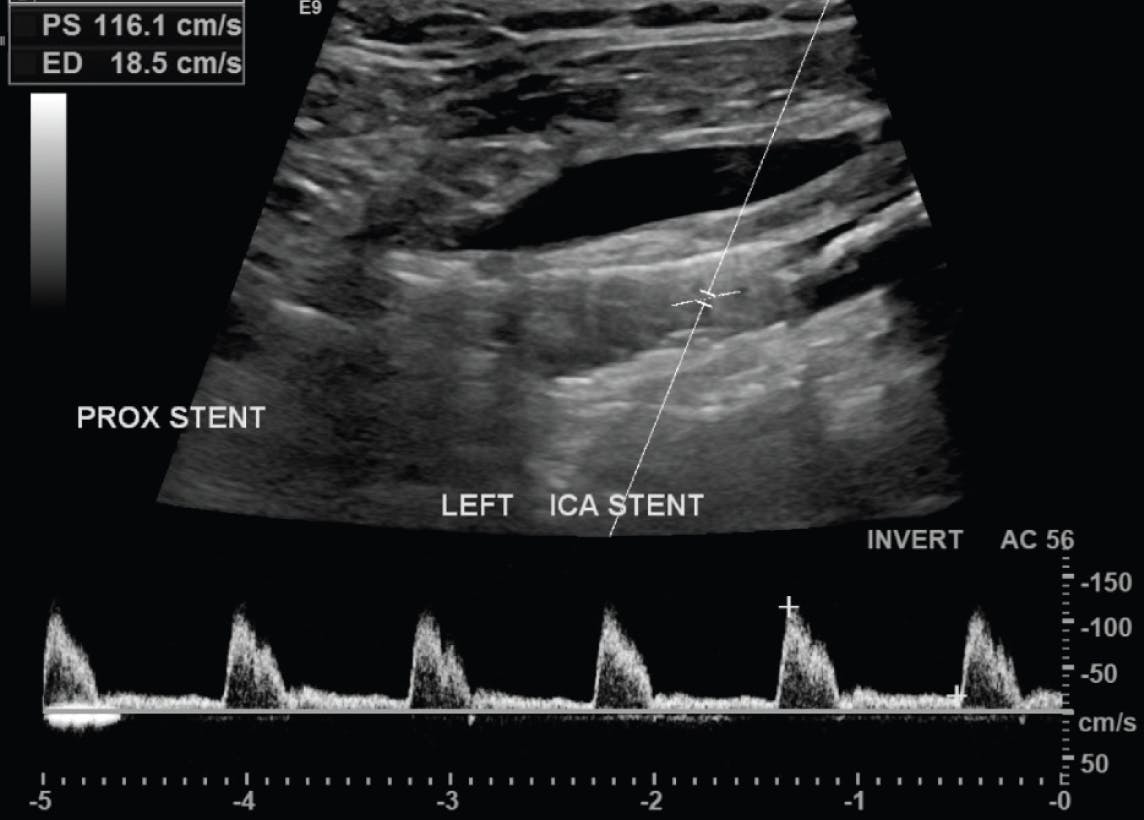
Figure 9. Follow-up duplex ultrasound confirming sustained vessel patency.
Highlight Point
Methods to deliver equipment across high-grade stenoses or through tortuous vessels include having the patient perform neck maneuvers with breath holds or swallowing and use of a “buddy wire,” as in this case. Predilation should be performed with small balloons and at low pressures sufficient to alter vessel compliance.
DISCUSSION
This case illustrates a patient with dense, complex distal left CCA disease with concomitant right ICA stenosis (> 70%), who was referred for CEA but was aborted due to severe vessel calcifications precluding cross-clamping. Severe bilateral disease with dense distal calcification made proximal embolic protection with TCAR or Mo.Ma problematic. The case was successfully performed with distal embolic protection utilizing off-label 4- and 7-mm IVL devices, allowing for full expansion of a covered, open-cell, self-expanding CGuard MicroNet carotid stent, with sustained patency out to 2 years.
The technical feasibility of off-label IVL-assisted carotid revascularization has been demonstrated in multiple reports using coronary and peripheral devices, with good technical and safety outcomes.4,7-15 Given that the pressure waves affect the calcium deposits in the medial and intimal layers of the vessel wall, there is theoretically a very low risk of distal embolization. In the largest series, Giannopoulos et al reported on a multicenter retrospective study conducted in 21 high-surgical-risk patients with heavily calcified carotid artery lesions who were treated with IVL prior to CAS. The procedure was successful (< 30% residual stenosis) in all cases; no dissection, distal embolization, or perforation occurred. One patient experienced an ischemic stroke 17 days postprocedure that was determined to be unrelated to the IVL treatment, as assessed by the physician. The patient recovered with medical management, and there were no long-term sequelae.4 Based on this global experience, Shockwave Medical is launching parallel studies of IVL to enable TF-CAS and TCAR in heavily calcified lesions utilizing a 3-cm, 0.014-inch rapid-exchange device that are anticipated to begin later this year. These studies will hopefully prove the feasibility and safety of IVL-assisted CAS, expanding the number of patients eligible for less invasive treatment.
1. Barrett KM, Brott TG. Stroke caused by extracranial disease. Circ Res. 2017;120:496-501. doi: 10.1161/CIRCRESAHA.117.310138
2. Brott TG, Calvet D, Howard G, et al. Long-term outcomes of stenting and endarterectomy for symptomatic carotid stenosis: a preplanned pooled analysis of individual patient data. Lancet Neurol. 2019;18:348-356. doi: 10.1016/S1474-4422(19)30028-6
3. White CJ, Brott TG, Gray WA, et al. Carotid artery stenting: JACC state-of-the-art review. J Am Coll Cardiol. 2022;80:155-170. doi: 10.1016/j.jacc.2022.05.007
4. Giannopoulos S, Speziale F, Vadalà G, et al. Intravascular lithotripsy for treatment of calcified lesions during carotid artery stenting. J Endovasc Ther. 2021;28:93-99. doi: 10.1177/1526602820954244
5. Rocha-Singh KJ, Zeller T, Jaff MR. Peripheral arterial calcification: prevalence, mechanism, detection, and clinical implications. Catheter Cardiovasc Interv. 2014;83:212. doi: 10.1002/ccd.25387
6. de Klerk PS, Pacor JM, Soukas P. Shockwave for peripheral artery disease: an update on trial data. J Cardiovasc Surg (Torino). 2024;65:420-438. doi: 10.23736/S0021-9509.24.13191-6
7. Vadalà G, Galassi AR, Nerla R, Micari A. Shockwave intravascular lithoplasty for the treatment of calcified carotid artery stenosis: a very early single-center experience. Catheter Cardiovasc Interv. 2020;96:E608-E613. doi: 10.1002/ccd.28963
8. Case BC, Yerasi C, Forrestal BJ, et al. Intravascular lithotripsy facilitated percutaneous endovascular intervention of the aortic arch: a single-center experience. Cardiovasc Revasc Med. 2020;21:1006-1015. doi: 10.1016/j.carrev.2020.04.029
9. Hanel RA, Jaikumar V, Gutierrez-Aguirre S, et al. Adjunctive intravascular lithotripsy for heavily calcified carotid stenosis: a dual-center experience and technical case series. J Neurointerv Surg. Published online January 27, 2025. doi: 10.1136/jnis-2024-022545
10. DiLosa K, Schonefeld S, El-Khoury R, et al. Multi-center experience with intravascular lithotripsy for treatment of severe calcification during transcarotid artery revascularization for high-risk patients. J Vasc Surg. 2024;80:757-763. doi: 10.1016/j.jvs.2024.04.049
11. Verhey L, Taylor N, Restrepo Orozco A, et al. E-160 intravascular lithotripsy followed by angioplasty and stenting for severely calcified carotid artery stenosis: a technical note and case series. J Neurointerv Surg. 2024;16(suppl 1):A181-A182. doi: 10.1136/jnis-2024-SNIS.265
12. Varma YK, Dixit A, Jena N, Patel K. Abstract 14484: Shockwave lithotripsy as a non surgical modality for calcified carotid stenosis. Circulation. 2022;146 (suppl 1):A14484. doi: 10.1161/circ.146.suppl_1.14484
13. Wooster M, Mehta V. Intravascular lithotripsy-assisted carotid stent expansion. J Vasc Surg. 2022;75:8S-9S. doi: 10.1016/j.jvs.2022.01.042
14. Singh J, Kuhn AL, Massari F, et al. Intravascular lithotripsy for severely calcified carotid artery stenosis - a new frontier in carotid artery stenting? Interv Neuroradiol. 2023;29:768-772. doi: 10.1177/15910199221097887
15. Honton B, Sauguet A, Fajadet J, et al. First report of peripheral balloon-expandable stent underexpansion treated by intravascular lithotripsy. JACC Cardiovasc Interv. 2020;13:530-531. doi: 10.1016/j.jcin.2019.09.055
Advertisement
Advertisement