Advertisement
Advertisement
September 2025
Sponsored by Reflow Medical
Transforming Treatment of BTK Arterial Disease With Spur® RST
With Mahmood Razavi, MD; S. Jay Mathews, MD, MS, FACC, FSCAI; Michael C. Siah, MD; and Kevin Herman, MD



Spur® RST: A Novel Adjunctive Treatment for BTK Arterial Disease
By Mahmood Razavi, MD, and S. Jay Mathews, MD, MS, FACC, FSCAI
Endovascular management of below-the-knee (BTK) arterial disease is increasingly essential due to rising rates of diabetes and peripheral artery disease (PAD) worldwide. Despite technologic advances in angioplasty and drug delivery, clinical outcomes for BTK interventions remain inconsistent. BTK vessels are small in diameter and frequently affected by long, diffusely diseased, heavily calcified lesions, characteristics that complicate long-term patency. Traditional plain balloon angioplasty (POBA), while technically straightforward, offers limited durability in BTK lesions due to early recoil, flow-limiting dissection, and neointimal hyperplasia, driving high restenosis rates within 1 year—often exceeding 50% to 70% in long lesions.1-3 These biological and mechanical processes significantly reduce the durability of BTK interventions.1
Drug-coated balloon (DCB) angioplasty delivers antiproliferative drugs directly to the vessel wall, aiming to reduce restenosis while minimizing systemic exposure. Two main types of DCBs have been developed: paclitaxel-based and limus-based. The only United States investigational device exemption (IDE) BTK trial so far is the Lutonix BTK trial,4 which demonstrated acceptable safety but insufficient durable efficacy, leading FDA advisers to withhold recommendation for premarket approval. Rising enthusiasm for sirolimus-based DCBs (eg, MagicTouch [Concept Medical], Selution SLR [Cordis]) stems from their improved drug safety profile and sustained drug delivery performance. These companies have IDE approval or submissions in progress. Specialty balloons and atherectomy improve lesion preparation yet introduce procedural complexity and risk, including dissection, perforation, and distal embolization, with only modest long-term patency gains.5 In 2024, the FDA approved the Esprit BTK everolimus eluting resorbable scaffold system (Abbott), the first device specifically cleared in the United States for BTK treatment of chronic limb-threatening ischemia (CLTI).6 Meanwhile, the ELITE-BTK IDE trial, which was granted FDA IDE approval at the end of 2024, is set to evaluate the Magnitude sirolimus-eluting bioresorbable scaffold (R3 Vascular).7 Recently, a novel alternative device for retrievable scaffold therapy (RST) received FDA De Novo Clearance for the treatment of BTK arterial disease as an adjunct to balloon angioplasty: the Spur® Peripheral Retrievable Stent System (Spur Stent System; Reflow Medical, Inc.).
SPUR STENT SYSTEM
Design Features
The Spur Stent System offers a self-expanding stent with an integrated dilation balloon catheter on an over-the-wire, pin-and-pull delivery system (Figure 1), designed for controlled penetration and lesion treatment through a series of radially expandable spikes (Figure 2). The Spur penetrates lesion to increase acute luminal diameter and modify the lesion morphology to change vessel compliance and reduce vessel recoil effect (Figure 3).

Figure 1. The Spur Stent System.
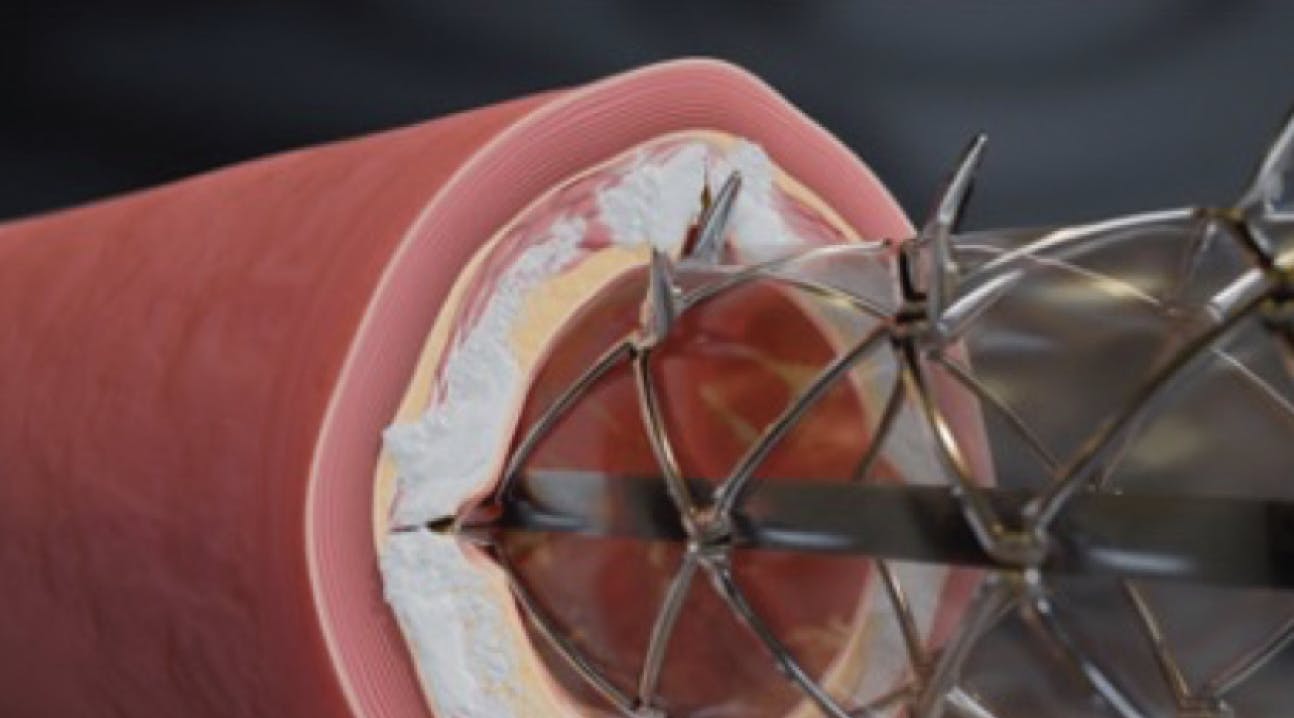
Figure 2. The Spur Stent System’s radially expandable spikes, designed for controlled penetration and lesion treatment.
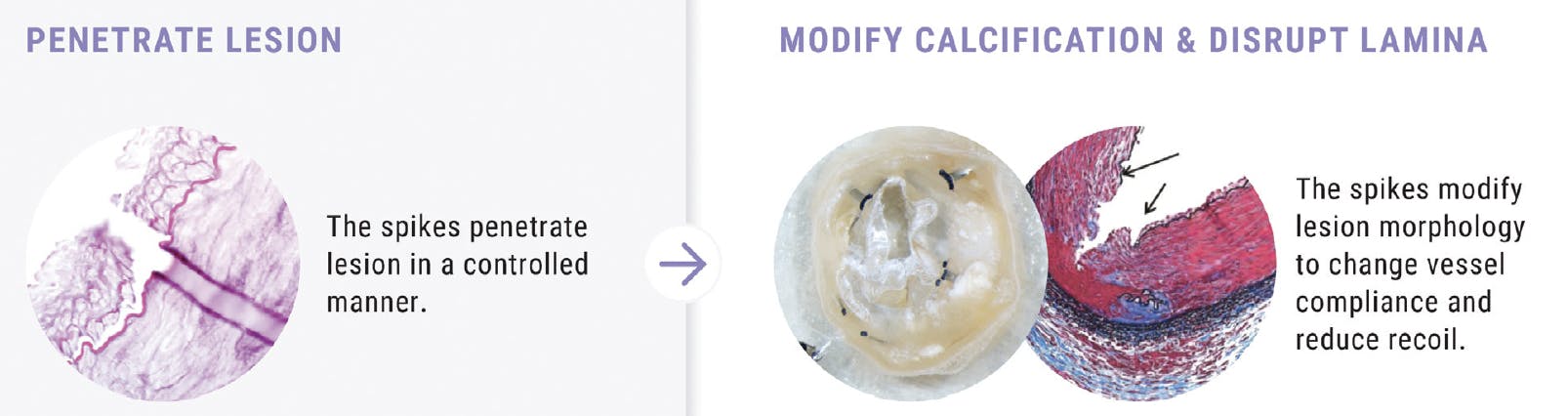
Figure 3. The Spur penetrates lesion to increase acute luminal diameter and modify lesion morphology to change vessel compliance and reduce recoil effect.
With intravascular ultrasound (IVUS), the disruption of the circumferential calcium ring can be seen after utilizing Spur, as the spikes penetrating the vessel wall lead to modified plaque, even in heavily calcified lesions (Figure 4). After the Spur is deployed and recaptured, it can be redeployed to treat lesion length and subsequently be removed, leaving nothing behind.
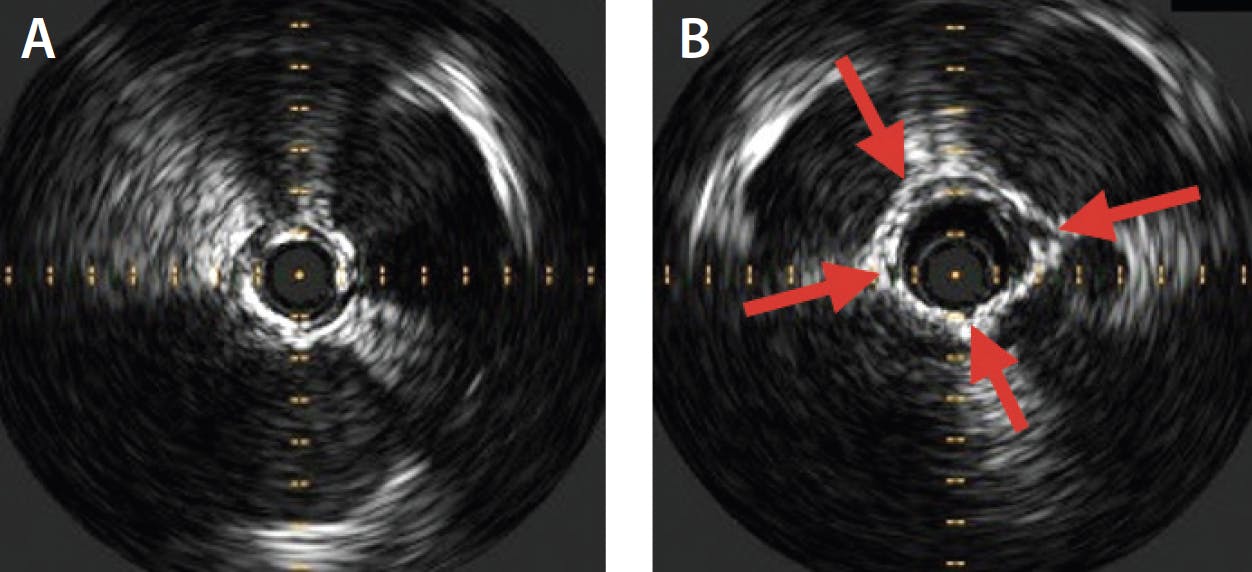
Figure 4. IVUS before (A) and after (B) use of the Spur Stent System.
Initial Study Results
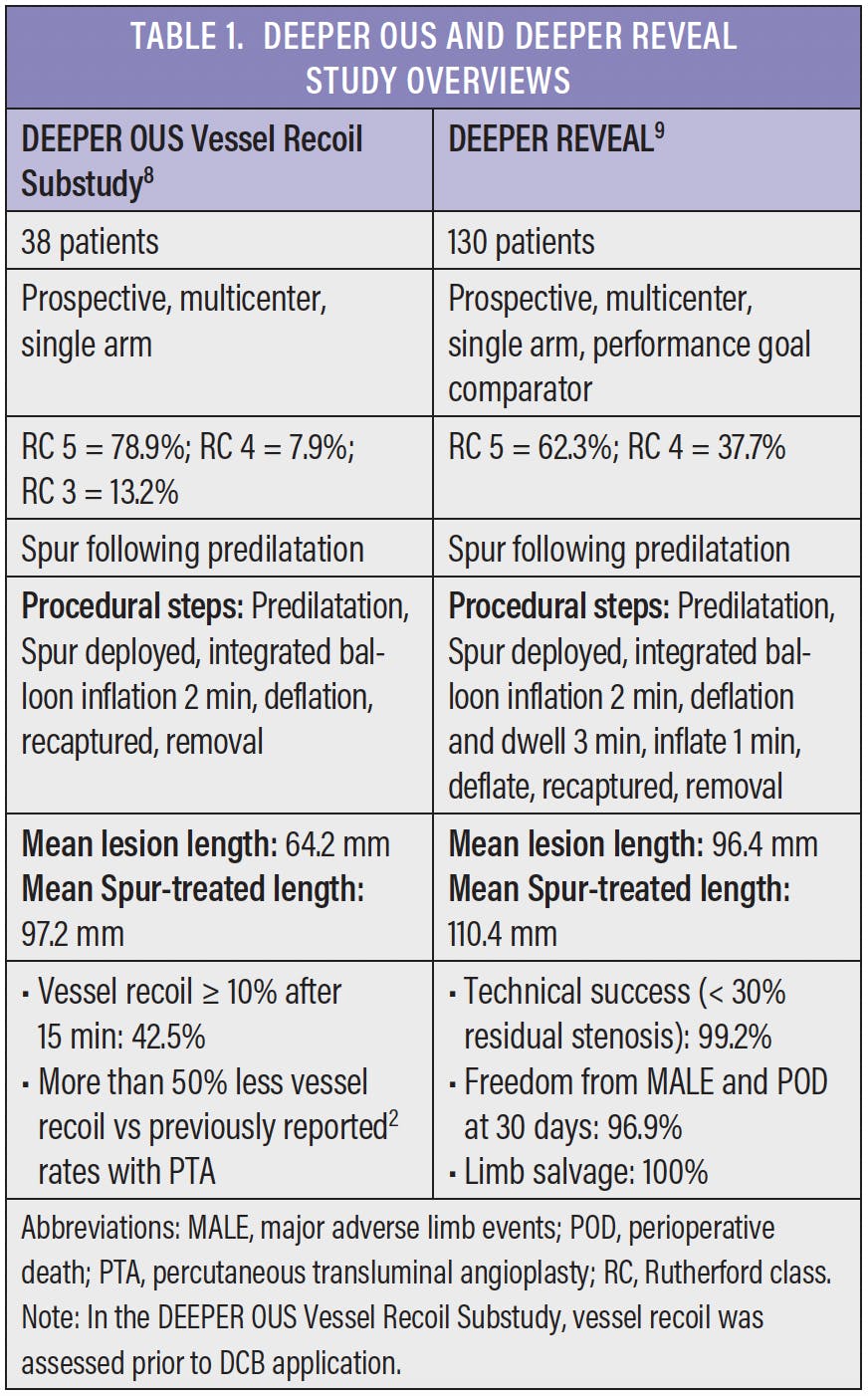
In the DEEPER OUS Vessel Recoil Substudy,8 early recoil was evaluated 15 minutes after use of the Spur RST following predilatation, defined as ≥ 10% compromise in lumen diameter by late lumen loss. Early recoil occurred in only 42.5% of the lesions, and calcification showed no impact (P = .917) on occurrence of early recoil after Spur RST. This shows more than 50% less vessel recoil compared with previously reported rates with balloon angioplasty.2 The study’s authors concluded that these findings highlight the potential benefit of dedicated mechanical scaffolding strategies to prevent restenosis in tibial arteries.
The primary efficacy and safety endpoints of the DEEPER REVEAL pivotal trial were the Spur RST technical success rate (< 30% residual stenosis) and freedom from the occurrence of major adverse limb events (MALE) and perioperative death (POD) at 30 days, respectively.9 Data from this study demonstrated sufficient evidence for the FDA De Novo Clearance of the Spur Stent System (Table 1).
1. Zilinyi RS, Alsaloum M, Snyder DJ, et al. Surgical and endovascular therapies for BTK PAD: a contemporary review. J Soc Cardiovasc Angiogr Interv. 2024;3:101268. doi: 10.1016/j.jscai.2023.101268
2. Baumann F, Fust J, Engelberger RP, et al. Early recoil after balloon angioplasty of tibial artery obstructions in patients with critical limb ischemia. J Endovasc Ther. 2014;21:44-51. doi: 10.1583/13-4486MR.1
3. Romiti M, Albers M, Brochado-Neto FC, et al. Meta-analysis of infrapopliteal angioplasty for chronic critical limb ischemia. J Vasc Surg. 2008;47:975-981. doi: 10.1016/j.jvs.2008.01.005
4. Mustapha JA, Brodmann M, Geraghty PJ, et al. Drug coated vs uncoated percutaneous transluminal angioplasty in infrapopliteal arteries: six-month results of the Lutonix BTK trial. J Invasive Cardiol. 2019;31: 205-211.
5. Li J, Varcoe R, Manzi M, et al. Below-the-knee endovascular revascularization: pathophysiology and device considerations. JACC Cardiovasc Interv. 2024;17:589-607. doi: 10.1016/j.jcin.2023.11.040
6. Varcoe RL, Parikh SA, DeRubertis BG, et al. Evaluation of an infrapopliteal drug-eluting resorbable scaffold: design methodology for the LIFE-BTK randomized controlled trial. J Soc Cardiovasc Angiogr Interv. 2023;2:100964. doi: 10.1016/j.jscai.2023.100964
7. R3 Vascular. FDA grants R3 Vascular IDE approval for ELITE-BTK pivotal trial of its MAGNITUDE® drug eluting next-generation bioresorbable scaffold for below-the-knee peripheral arterial disease [press release]. November 4, 2024. Accessed August 13, 2025. https://www.r3vascular.com/press
8. Zeller T, Zhang Z, Parise H, et al. Early tibial vessel recoil following treatment with the bare temporary Spur Stent System: results from the DEEPER OUS vessel recoil substudy. J Endovasc Ther. Published September 21, 2024. doi: 10.1177/15266028241280685
9. Data on file, Reflow Medical, Inc.
Role of Spur RST in the CLTI Treatment Landscape
With Mahmood Razavi, MD; S. Jay Mathews, MD, MS, FACC, FSCAI; Michael C. Siah, MD; and Kevin Herman, MD
What is the technology behind Spur RST, and how does it work to treat CLTI?
Dr. Razavi: The Spur Stent System was designed with two goals in mind: (1) to reduce the risk of recoil, which is a common cause of early failure of POBA; and (2) to potentially improve the transvascular delivery of drugs into the vessel wall. Both vessel recoil and poor transfer of drugs have been implicated in the failure of DCB trials in BTK vascular territory. The studies so far suggest that there is a lower risk of recoil in the BTK territory as compared with POBA.1 With respect to enhancement of drug delivery, early European results have been promising for the combination of DCB and Spur RST.2,3 A planned randomized trial would likely provide a more definitive answer to the question of improved drug delivery and effect.
Dr. Mathews: The benefits of scaffolds have been established in the treatment of infrapopliteal disease. However, traditional stents are permanent implants. Bioresorbable scaffolds are not permanent and slowly dissolve over time. Spur represents a new approach to the treatment of CLTI, with “retrievable scaffold therapy” or RST, which leaves nothing behind.
The Spur system is a self-expanding nitinol stent that is covered with a series of spikes while mounted on an integrated balloon catheter. It comes in 3.0- and 4.0-mm diameters, which treats a broad range of vessel sizes (2.5-4.5 mm). Each implant can be deployed and retrieved up to four times in one or more vessels. The spikes penetrate deep into the tissue to modify plaque.
What are the clinical benefits of using Spur RST compared to traditional treatment options for CLTI?
Dr. Herman: To answer this, one must really understand the traditional treatment options for CLTI, which at this time is really POBA. Currently, in the United States, there are no DCBs or drug-eluting stents (DES) available for the treatment of tibial vessel disease, and there is some controversy surrounding use of atherectomy in the tibial vasculature. Although we sometimes use coronary DES for tibial vessel disease, their use is limited as well. The main clinical benefit in utilizing the Spur Stent System is the ability to obtain stent-like results while “leaving nothing behind” in a safe and efficacious manner.
Dr. Mathews: The spikes on Spur are quite unique in that they are designed for controlled lesion penetration. They pierce calcium and disrupt elastic lamina, which reduces vessel recoil and improves vessel compliance. With the balloon deflated, the scaffold remains expanded, allowing for distal perfusion while deployed. In Europe, Spur is also CE Marked for vessel preparation prior to DCB therapy, facilitating drug uptake. The net benefit is improved luminal gain and patency without leaving anything behind.
Dr. Siah: To put it simply, Spur RST does more than percutaneous transluminal angioplasty (PTA) as a stand-alone therapy. The nitinol cage makes a difference, especially when you look at the concept of recoil. A lot of clinical work has been done evaluating the Spur, notably the DEEPER OUS, DEEPER LIMUS, and DEEPER REVEAL studies.2-4 In DEEPER OUS, a vessel recoil substudy was performed, where recoil was evaluated following Spur treatment (prior to treatment with DCB), and recoil > 10% was seen in 42.5% of patients.1 In comparison, based on historical experiences, recoil following tibial PTA occurred in 97% of patients. Thus, vessel recoil was seen more than 50% less frequently after Spur treatment compared to PTA, and in the subset of patients with < 10% recoil, there was a trend toward higher rates of patency at 6 months. This is a meaningful impact for CLTI.
Beyond that, the European experiences, which have 12-month follow-up data, demonstrated superior patency versus stand-alone PTA, but those lesions were treated with the Spur RST plus DCB, and these were not head-to-head trials. Although DCBs are not available for tibial disease in the United States, I think these results are exciting and provide some insight into what outcomes we could hope to have in the (hopefully not too distant) future.
How easy is it for physicians to use the Spur Stent System in clinical practice?
Dr. Herman: Physicians who are comfortable performing endovascular procedures for tibial vessel disease will be able to easily implement the Spur Stent System in their treatment algorithm. The device tracks easily over a 0.014-inch wire, similar to many other devices on the market. The Spur Stent System is 6-F compatible and uses a simple pin-and-pull deployment mechanism to expose the Spur stent. To “activate” the system, a simple balloon dilatation is performed with the integrated PTA balloon, no different than any other balloon dilatation.
Dr. Siah: Using the device is intuitive—what’s different is the duration of treatment for each individual segment. The general principles are the same as any CLTI case: Cross the lesion and deliver the device. In the DEEPER REVEAL trial, predilatation was mandatory. In real-world practice, I haven’t found the need to routinely predilate prior to device delivery. Once the device is placed, the deployment is based on a pin-and-pull mechanism to expose the nitinol cage. Following this, you inflate the balloon for 2 minutes, deflate the balloon and wait 3 minutes, and then reinflate the balloon for an additional 1 minute. After this, you deflate the balloon and readvance the outer delivery catheter, and if more treatment is needed, you can reposition the device and repeat the steps. These steps were utilized in the DEEPER REVEAL trial, and 6 minutes per treatment area is certainly a lot longer than the time it takes to use other therapies. However, as the device is used more, I think a more streamlined treatment process will come into practice.
Where does Spur RST fit in today’s CLTI treatment landscape in terms of efficacy, safety, and outcomes?
Dr. Siah: The fantastic thing about the current specialty BTK technologies is that they all have been proven safe, so there is little worry about vessel rupture, embolization, or “no reflow” following their use.
I’ve used Spur RST in challenging real-world lesions with great early outcomes, and I’m excited to see how these patients fare in longer-term follow-up. The European trials used Spur in conjunction with DCB (both limus and paclitaxel), which we simply don’t have access to commercially in the United States.
Dr. Razavi: Data from the Spur clinical programs including both the European and United States studies (DEEPER OUS, DEEPER LIMUS, DEEPER REVEAL) show encouraging results.2-4 The device was recently cleared by the FDA and has become available for commercial use in the United States. It is a good combination of vessel preparation and definitive treatment devices in one. I expect Spur RST to be used in both calcified and fibrotic lesions to maximize lumen gain.
Dr. Mathews: Spur is FDA-cleared as an adjunct to PTA for infrapopliteal lesions. It received De Novo designation recognizing its unique mode of therapy after the clinical benefit and safety was demonstrated in the DEEPER REVEAL IDE trial.4 This was a study of 130 complex CLTI patients: 62% Rutherford 5 (38% Rutherford 4), 27% occlusions, and 78% calcified lesions with an average long lesion length of 9.6 cm. Despite this complex disease, we achieved 99.2% acute procedural success (< 30% residual stenosis) and, at 30 days, 96.9% freedom from MALE and POD, 99.2% freedom from MALE, and 100% limb salvage.
Longer-term experience comes from DEEPER OUS and DEEPER LIMUS studies, which combined Spur with DCBs.1-3 DEEPER OUS looked at 107 patients and achieved 12-month patency of 74%, freedom from clinically driven target lesion revascularization (CD-TLR) in 90%, and freedom from MALE in 99%. The LIMUS pilot study had even better 12-month outcomes: patency of 90%, freedom from CD-TLR of 96%, and freedom from MALE of 96%. There were no safety issues seen in either study.
What advantages or disadvantages does Spur RST pose versus a traditional stent?
Dr. Herman: In my practice, we often utilize DES in patients with tibial vessel disease, which demonstrate early recoil of the vessel or persistent stenosis after treatment with POBA with or without atherectomy.
Lesion length and complexity are major factors that influence patency rates in patients with stents. Lesion location also influences the use of traditional stents in CLTI patients. Of course, the main disadvantage for a traditional stent is that it remains in place forever.
I think the main advantage in using the Spur versus a traditional stent is the fact that no metal is left behind. Almost as important is that lesion length does not play as much of a role in utilizing the device, and there is an ability to achieve stent-like results primarily and not as a bailout.
Dr. Mathews: Most stents address recoil, but the Spur Stent System leaves nothing behind, allowing for normal vasomotor function. This also avoids a nidus for thrombosis and preserves future therapeutic options, including bypass. Adaptive sizing allows for treatment of tapered lesions, which can prove more challenging with balloon-expandable stents. In addition, there are no contraindications in covering side branches/bifurcations, preserving future access. Resorbable scaffolds do offer some advantages over durable stents but require significant vessel preparation due to lower radial strength. However, Spur RST may not be appropriate for all CLTI lesions. Significant recoil or persistent dissection may warrant a more durable scaffold. In addition, the lack of drug elution/coating in the United States may impact long-term outcomes, and this will be evaluated in forthcoming studies.
Dr. Razavi: The disadvantages of permanent metallic stents have been discussed and talked about for over 2 decades. The majority of practitioners prefer not to leave a permanent device in the vessel. As such, Spur has the advantage of being temporary while improving on the acute results of POBA alone. The other advantage of Spur over stents is that one device can treat more than one lesion or segment. The disadvantage of bare Spur as compared to DES is that its drug-eluting version is not yet available for clinical use.
Dr. Siah: We don’t have on-label permanent tibial scaffolds available in the United States. The off-label utilization of coronary balloon-expandable stents can play a huge role for bailout following angioplasty and provide respectable patency. That’s not the role for Spur—it’s not a permanent implant and isn’t a dissection treatment or bailout device. The Spur’s nitinol cage, its retrievable stent, helps facilitate low-pressure balloon angioplasty to avoid dissection and recoil. Its key advantage is that it is a tool that mitigates the need for a permanent scaffold.
In which patient types have you found Spur RST to provide the most favorable results?
Dr. Siah: We’ve only recently gained access to this device, so my experience is growing. Naturally, with new devices, I like to see how they fit into my typical workflow and the real-world lesions I see on a day-to-day basis. I’ve had wonderful short-term outcomes in the cases I have used Spur RST—from short, stenotic lesions to long-segment chronic total occlusions (CTOs). Probably the most interesting case I can recall involved a heavily calcified tibial CTO that caused multiple nonspecialty balloons to rupture almost immediately on inflation, but when I used the Spur, not only did the nitinol scaffold expand but I was also able to effectively dilate the integrated balloon without any issue.
Dr. Herman: I have had the opportunity to use the Spur RST system on multiple patients, both as part of the DEEPER REVEAL study as well as in regular clinical practice. I have found patients with any type of lesion, in any of the tibial vessels are excellent candidates—whether CTO with calcification or a more thrombotic component, and certainly in patients with multifocal stenotic disease. Although one might expect less favorable results with long, calcified lesions, this has not been my experience thus far.
Dr. Mathews: Given the flexibility of the system and adaptive sizing, Spur RST has been useful for a broad range of lesion morphologies. Patients with extreme calcification may still require more aggressive calcium modification/removal that cannot be accomplished with Spur in isolation. Also, patients with significant dissection postangioplasty may still require a more durable or resorbable scaffold, as these patients were not studied within the trials. However, the ability to leave Spur expanded for a prolonged time could allow for release of intramural hematoma with expansion of dissection planes, perhaps negating the need for additional therapies.
What acute results have you observed, and how does it compare to other treatment modalities for infrapopliteal disease?
Dr. Mathews: When approaching a complex infrapopliteal CLTI lesion with calcification, diffuse disease, and/or long occlusions, we might be inclined to utilize atherectomy, intravascular lithotripsy (IVL), and specialty balloons before potentially placing a scaffold to address dissection or recoil. Spur has the potential to simplify this complicated vessel preparation process with a single device (post–initial angioplasty). In our clinical experience, this appears to be consistent in single or multiple vessels with repeated deployments. There is a potential economic advantage in addition to improved outcomes.
Dr. Razavi: The most comprehensive data on acute results of Spur RST come from the DEEPER REVEAL study, a multicenter, single-arm, prospective study comparing the results of Spur RST in 130 patients to a literature-derived performance goal. The primary efficacy endpoint (< 30% residual stenosis) was achieved in 99.2% of patients, which was significantly better than the expected 87.6% based on performance goal. There were no safety signals in this study, with 96.9% freedom from MALE and POD.4
Dr. Herman: I think the most impressive aspects of the device have been the acute angiographic results coupled with how easy the device has been to use. It crosses easily and can be resheathed and redeployed as needed.
Despite the presence of long, thrombotic lesions with early recoil after initial POBA, we found excellent patency and no early recoil when utilizing the Spur RST on protocol.
How do you think Spur RST affects vessel compliance?
Dr. Siah: I think the nitinol cage is the key differentiator between Spur RST and standard PTA. The spikes, in conjunction with angioplasty, mechanistically affect luminal and medial calcium—this has been shown histologically and macroscopically to modify arterial lesions. It’s hard to imagine how these Spur-related channels wouldn’t soften these diseased arteries, making them more compliant, but this seems like a great area for future research.
Dr. Mathews: Spur positively improves vessel compliance as seen clinically on angiographic and intravascular imaging. The spikes disrupt the elastic lamina and calcification, improving vessel expansion and vasomotor function.
Dr. Razavi: Compliance refers to the vessel’s ability to expand and contract passively in response to changes in luminal pressure. Based on the mechanism of action of Spur RST, the device should improve the compliance of a diseased segment with no adverse impact.
How has Spur performed in reducing vessel recoil?
Dr. Razavi: Both the United States pivotal study (DEEPER REVEAL) and European studies (DEEPER OUS, DEEPER LIMUS) have consistently shown reduced rate of recoil as compared with POBA.2-4
Dr. Mathews: With improved compliance comes reduced vessel recoil, which may be a major failure mode of contemporary CLTI therapy. Baumann et al showed that vessel recoil was common with POBA alone.5 But vessel recoil was also evaluated by Zeller et al in the DEEPER OUS vessel recoil substudy.1 Comparing the two studies, recoil ≥ 10% after 15 minutes posttherapy was seen in 97% of POBA patients but in only 43% of Spur-treated patients, regardless of lesion characteristics or patient comorbidities. Moreover, less recoil trended toward improved patency (< 10%: 90% vs ≥10 %: 82% [not significant]), but these patients also had the benefit of drug-coated therapies.
1. Zeller T, Zhang Z, Parise H, et al. Early tibial vessel recoil following treatment with the bare temporary Spur Stent System: results from the DEEPER OUS vessel recoil substudy. J Endovasc Ther. Published September 21, 2024. doi: 10.1177/15266028241280685
2. Lichtenberg MKW, Holden A, Scheinert D, et al. Retrievable scaffold therapy before paclitaxel drug-coated balloon angioplasty in infrapopliteal arteries: one-year outcomes of the DEEPER OUS study. EuroIntervention. 2025;21:974-976. doi: 10.4244/EIJ-D-24-00996
3. Schweiger L, Gütl K, Rief P, et al. Retrievable scaffold therapy combined with sirolimus-coated balloon angioplasty for infrapopliteal artery disease: final results from the DEEPER LIMUS trial. Cardiovasc Intervent Radiol. 2025;48:297-393. doi: 10.1007/s00270-025-03987-y
4. Mathews SJ. Peripheral retrievable stent system: DEEPER REVEAL clinical trial 30-day data. Presented at: Leipzig Interventional Course (LINC) 2025; January 28-30, 2025; Leipzig, Germany.
5. Baumann F, Fust J, Engelberger RP, et al. Early recoil after balloon angioplasty of tibial artery obstructions in patients with critical limb ischemia. J Endovasc Ther. 2014;21:44-51. doi: 10.1583/13-4486MR.1
Case 1: Spur Stent System Used to Treat Disease in the Proximal AT
By Kevin Herman, MD
CASE HISTORY AND PRESENTATION
A 70-year-old male presented to the clinic with a history of coronary artery disease, type 2 diabetes, and hypertension. He had Rutherford class 5 disease, ankle-brachial index (ABI) was 0.82, toe-brachial index (TBI) was 0.58, and he had a prior nonhealing amputation of the right fifth digit (Figure 1). At baseline, he reported moderate pain and discomfort due to disease progression.
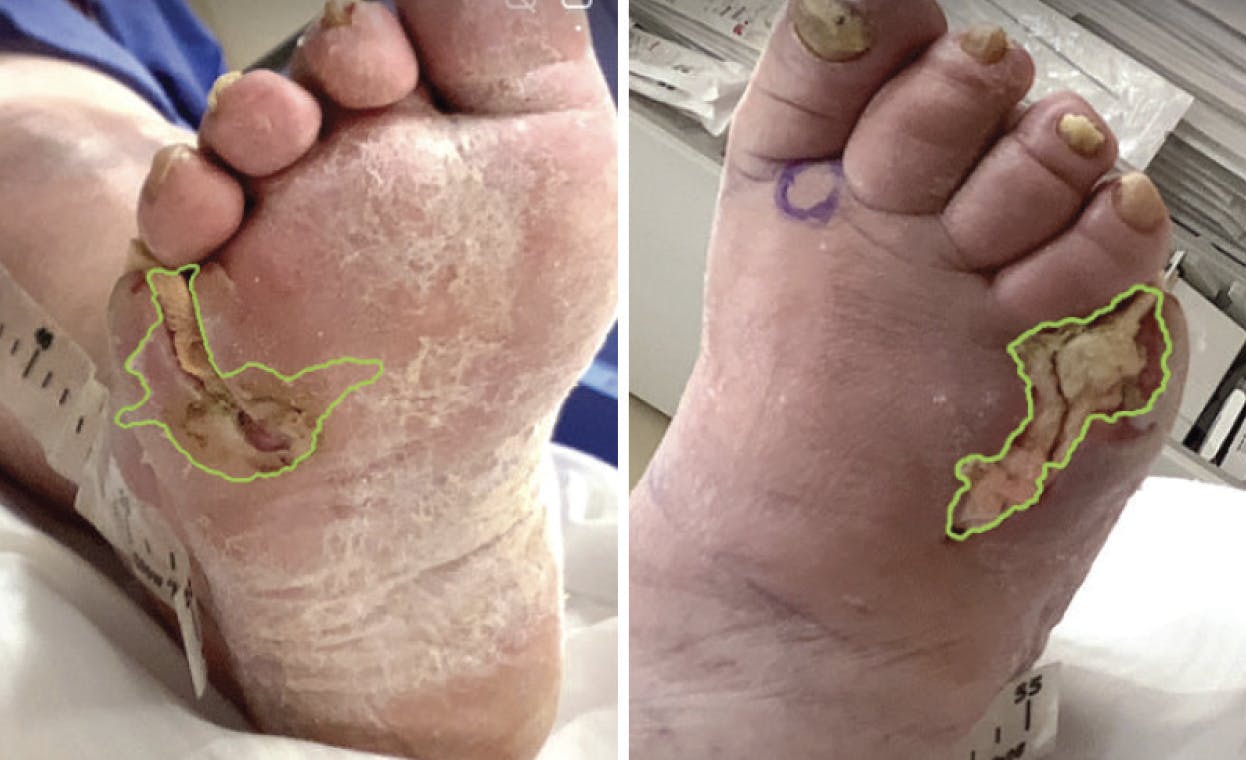
Figure 1. Baseline foot wound.
PROCEDURE
Angiography showed open inflow vessels with adequate flow through the superficial femoral artery (SFA) and popliteal artery. Disease was noted in the tibial arteries with a 70% to 90% stenosis in a segment of the anterior tibial (AT) artery, with subsequent inline flow to the foot (Figure 2). The reference vessel diameter (RVD) was thought to be 3 mm based on visual estimate and was predilatated with a 3.0- X 40-mm balloon with two sequential inflations. Post-treatment reassessment showed the RVD to be 4 mm. It was decided to treat the 60-mm segment in the proximal AT with a 4.0- X 60-mm Spur Peripheral Retrievable Stent System (Figure 3).
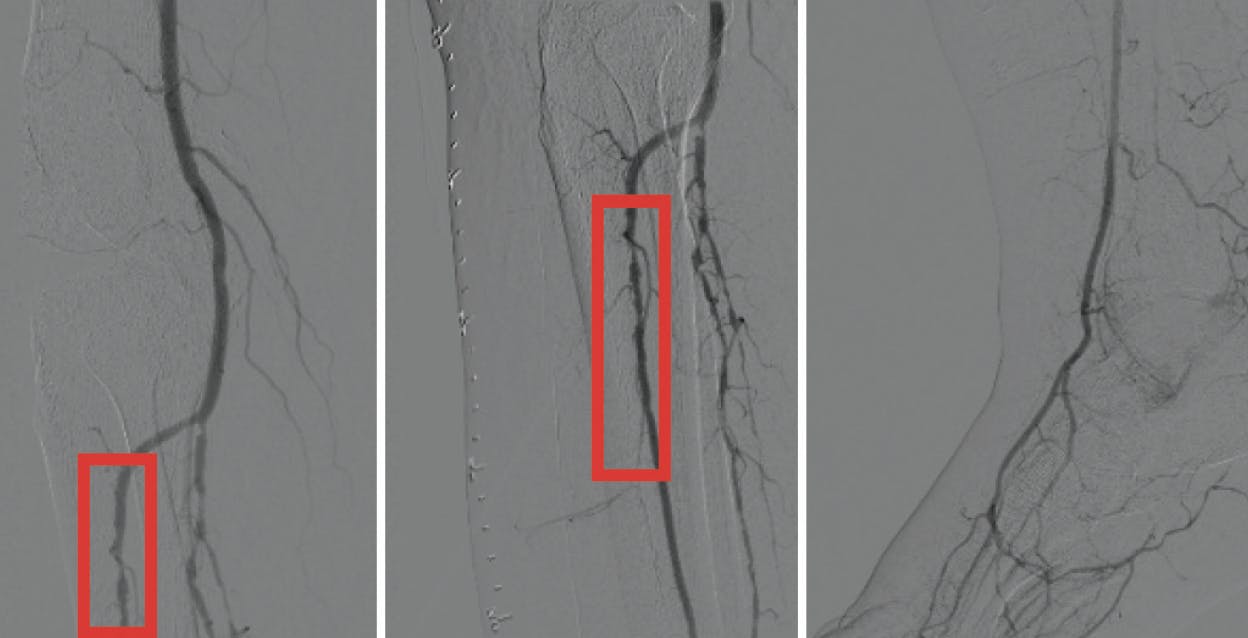
Figure 2. Baseline angiography.
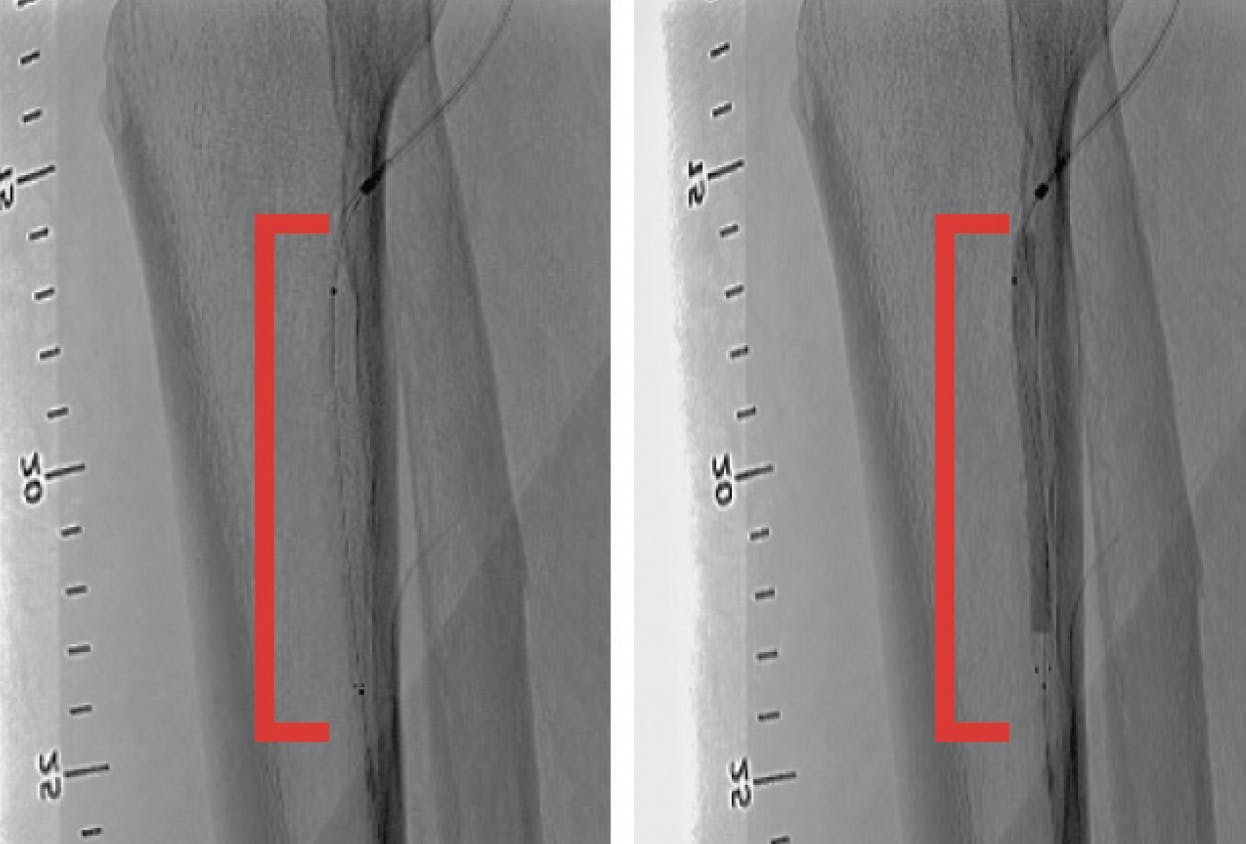
Figure 3. The target lesion treated by the Spur Stent.
The Spur Stent was deployed, and the integrated balloon was inflated and deflated using the 2-3-1 deployment protocol* for the DEEPER REVEAL trial (Figure 4).
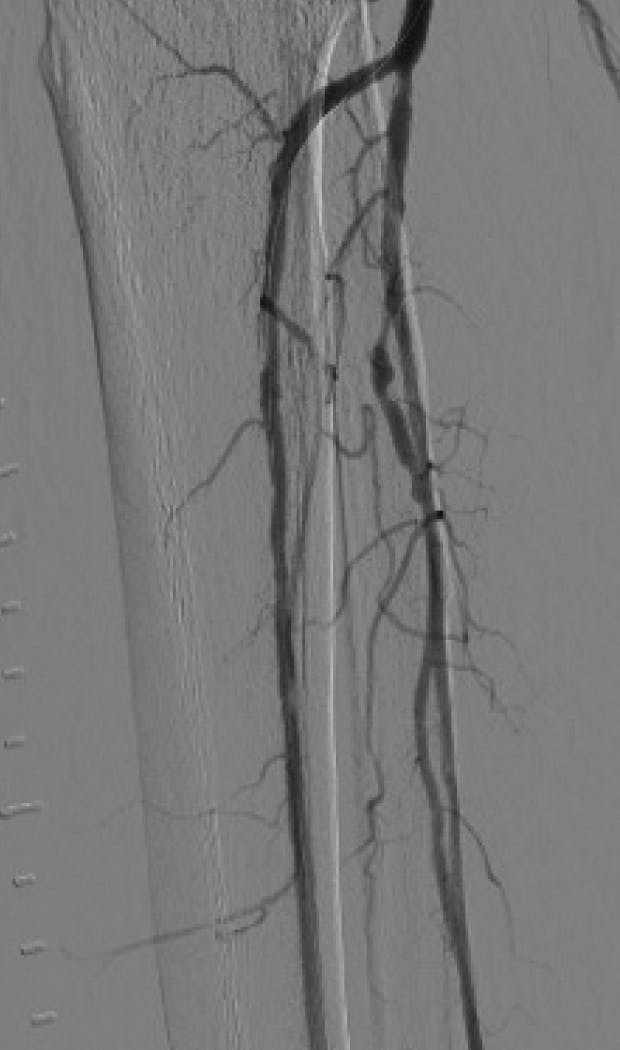
Figure 4. Post predilatation.
After deflation, the Spur Stent was recaptured and removed. Angiography post Spur showed < 30% residual stenosis, and no post-dilatation was needed (Figure 5).
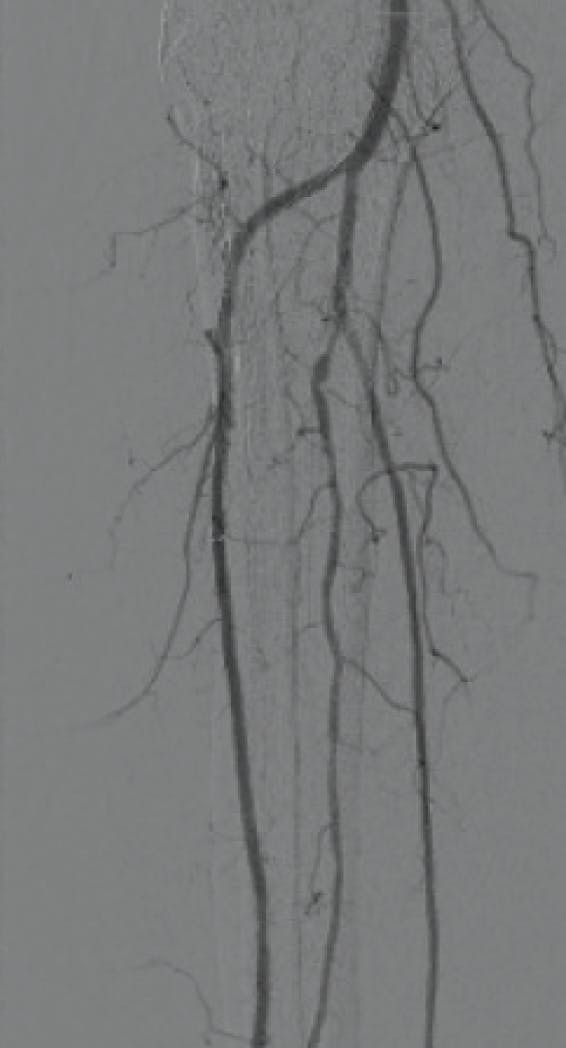
Figure 5. Post-Spur treatment runoff with < 30% residual stenosis.
CASE CONCLUSION
At 30 days post–index procedure, partial healing was already noted. At 3 months, the wound had completely healed (Figure 6). The patient improved to Rutherford class 0, with an ABI of 1.14, and TBI improved to 0.72. He reported no pain or discomfort at the 3-month follow-up visit. At 6 and 12 months, no new wounds had developed, and both ultrasounds showed the target lesion was still patent. The patient remains pain-free and reports no problems walking.
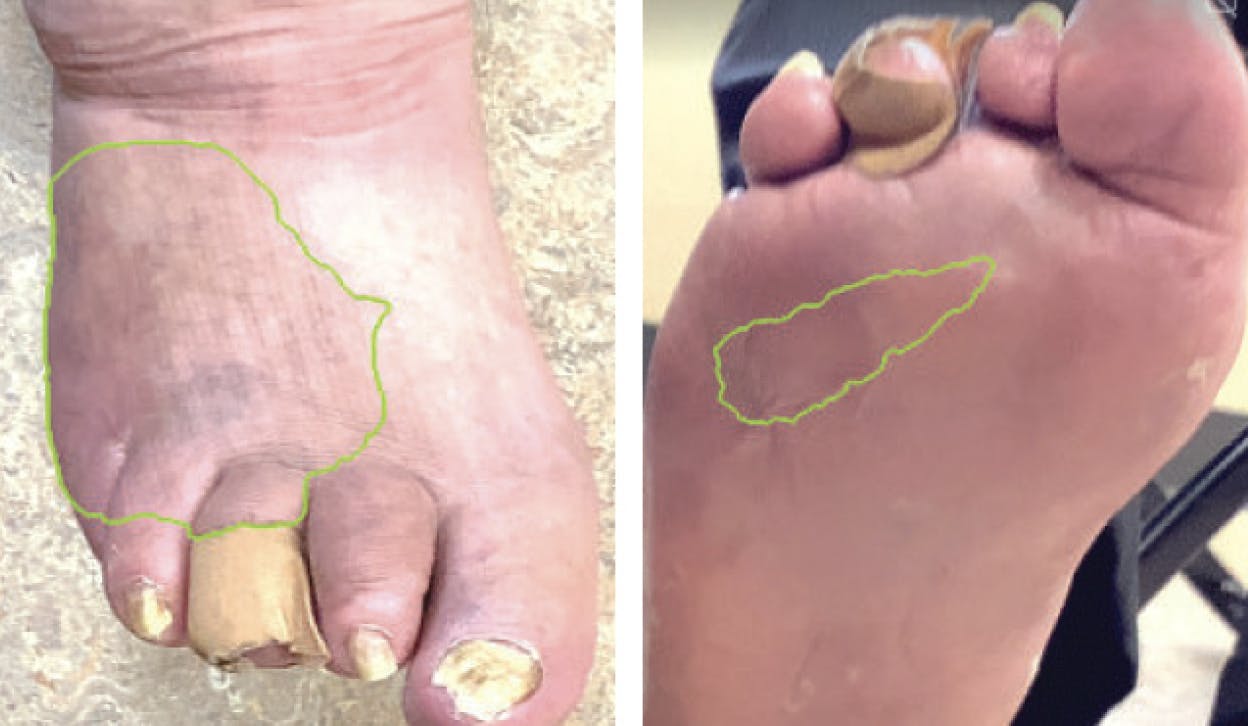
Figure 6. Wound at 3 months.
Case 2: BTK PAD Treatment With the Spur Stent System
By Michael C. Siah, MD
CASE HISTORY AND PRESENTATION
A man in his early 80s with a history of congestive heart failure, type 2 diabetes, hypertension, and high cholesterol presented to our institution for evaluation. There were no wounds present on the lower extremity. His initial ABI was abnormal at 1.73, TBI was 0.19, and he was experiencing pain at rest. He was classified as Rutherford class 4 and was enrolled in the DEEPER REVEAL trial.
Baseline imaging of the left lower extremity showed mild to moderate disease in the SFA and popliteal region. Runoff to the foot was supplied by a patent AT and posterior tibial artery. Severe disease was observed in the tibioperoneal trunk (TPT) and peroneal artery (Figure 1). The lesion in the TPT and peroneal artery measured 4 mm in diameter and 60 mm in length. Visual estimate by the physician suggested an initial stenosis of 91% to 99%. The core lab adjudicated the stenosis as 80% (Figure 2).
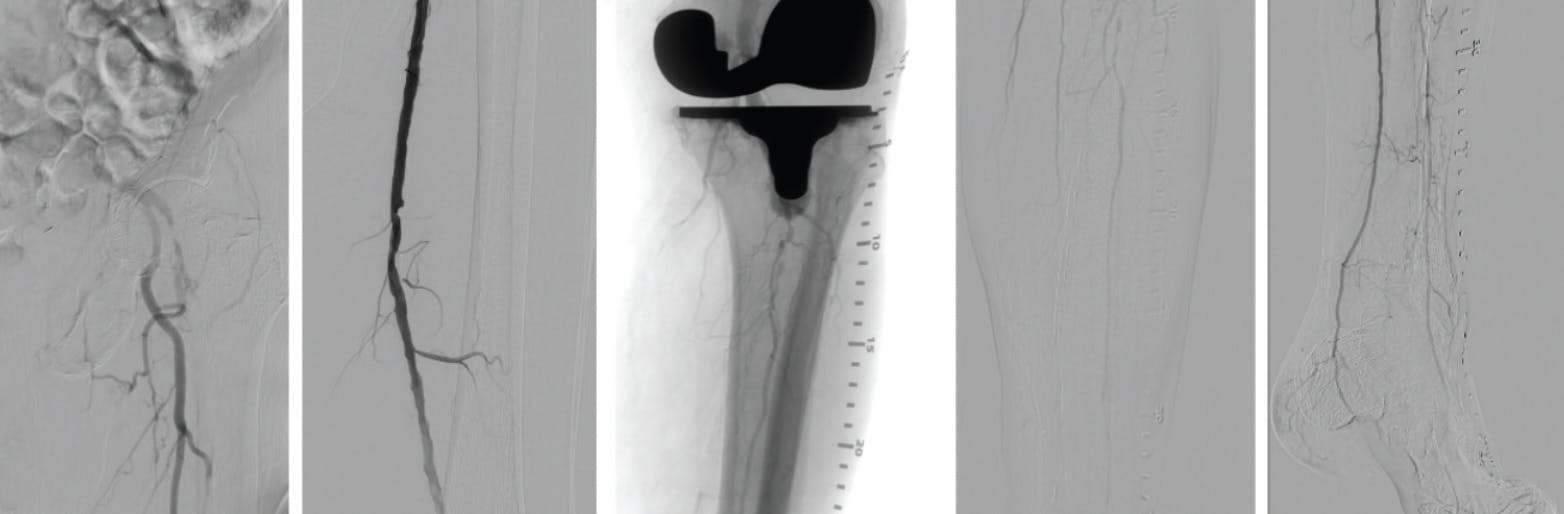
Figure 1. Baseline angiography.
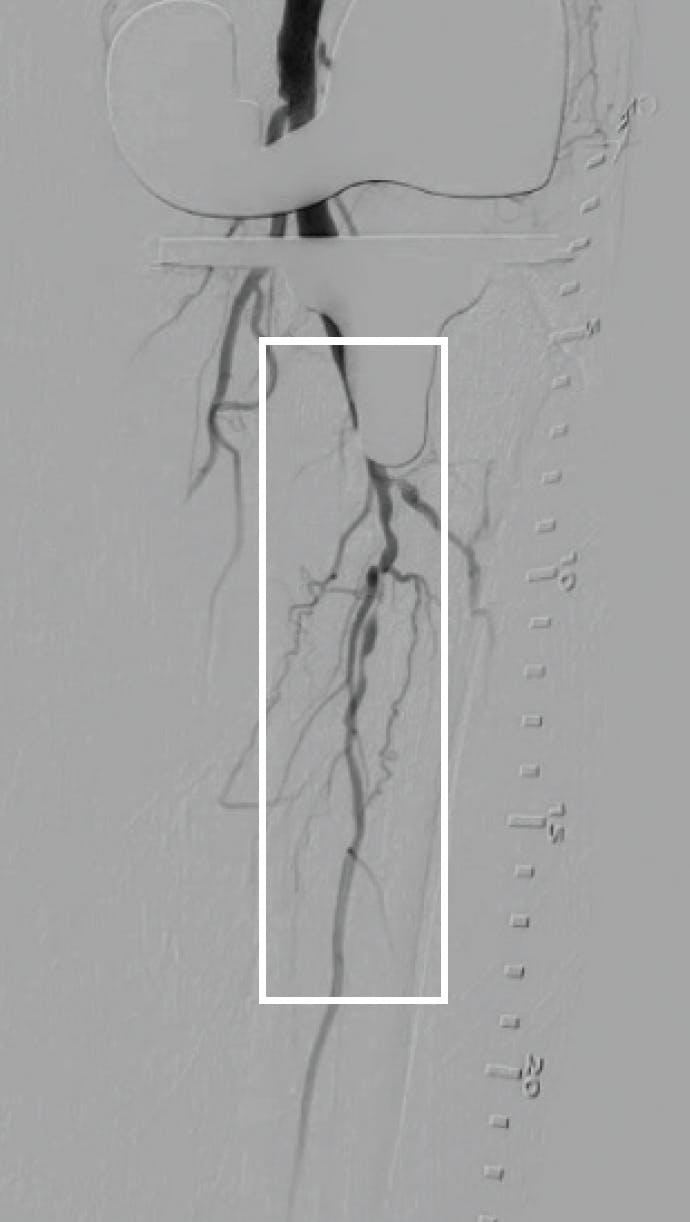
Figure 2. Target lesion.
PROCEDURE
Per the DEEPER REVEAL trial protocol, all inflow lesions were treated prior to treatment of the target lesion. A significant lesion in the proximal SFA was successfully treated with the Shockwave IVL balloon (Shockwave Medical) and balloon angioplasty.
Over a 0.014-inch Spartacore wire (Abbott), predilatation of the 60-mm lesion was performed with a 2.5- X 40-mm Coyote balloon (Boston Scientific Corporation) from ruler markers 14 distal to 8 proximal (Figure 3).
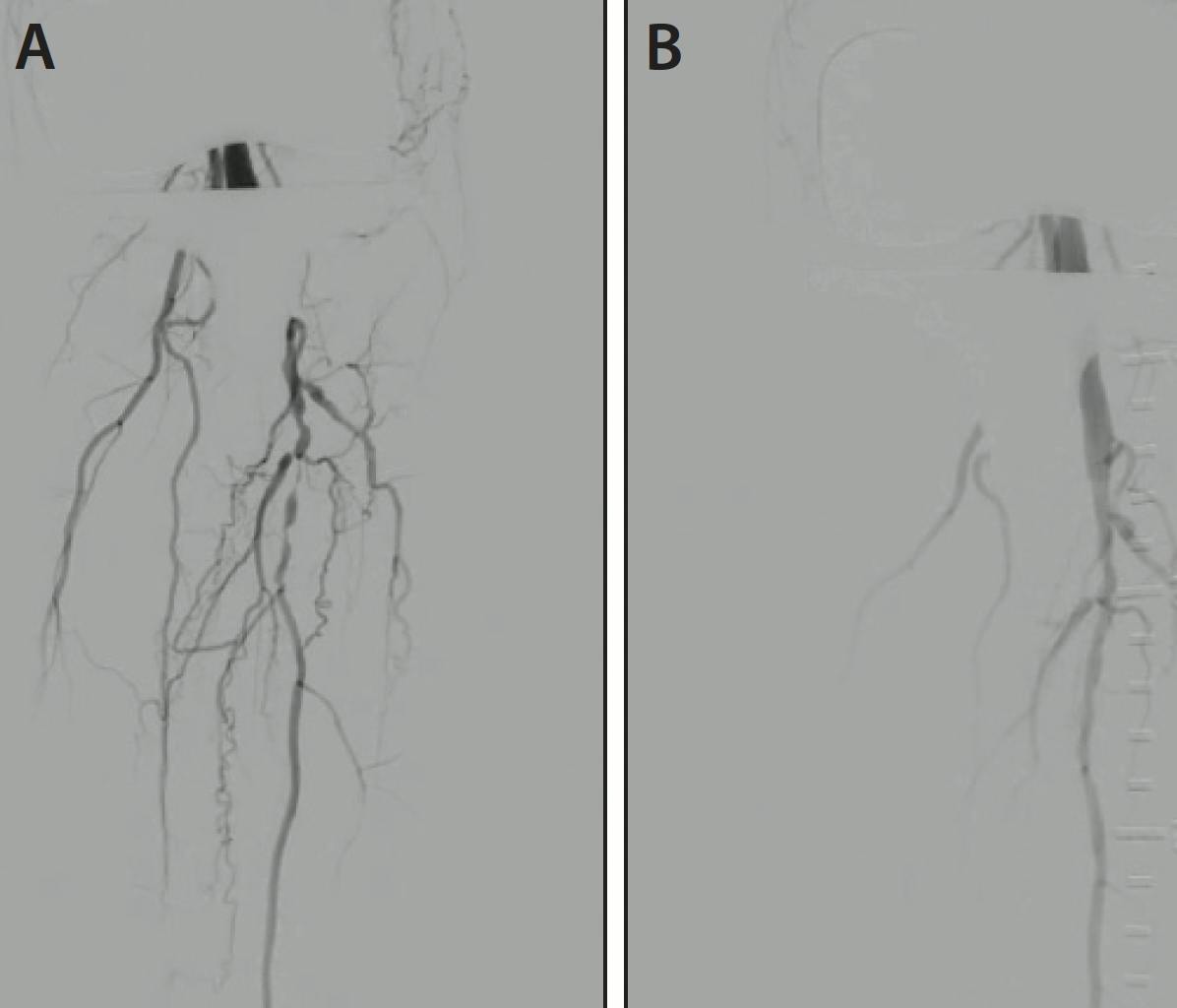
Figure 3. Predilatation of the 60-mm lesion before balloon inflation (A) and result after postdilatation (B).
Using the 2-3-1 deployment protocol* for the DEEPER REVEAL trial, a 4- X 60-mm Spur Stent was deployed from 14 distal to 7 proximal on the radiographic ruler (Figure 4).
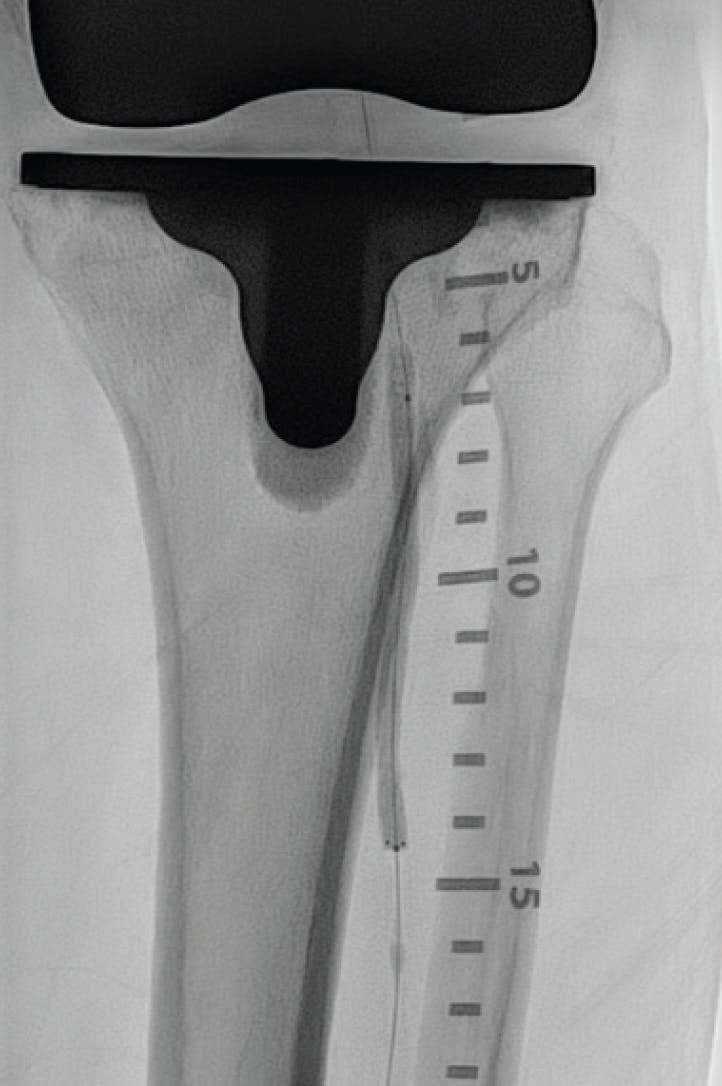
Figure 4. Spur Stent deployment.
Only one deployment cycle was needed to cover the 60-mm lesion in the TPT and peroneal artery.
Final imaging showed improved flow to the distal extremity (Figure 5). No complications were noted during the procedure.
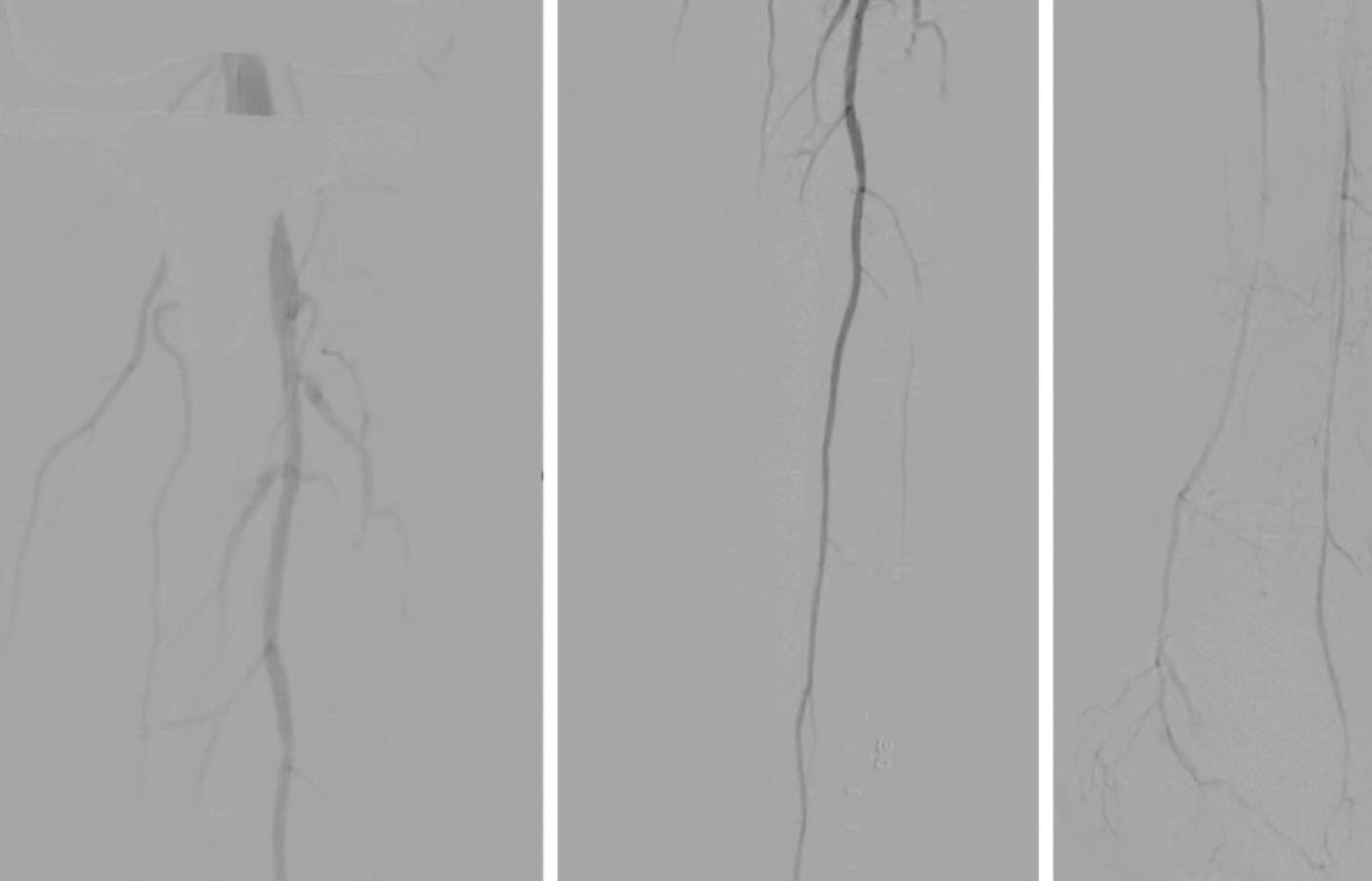
Figure 5. Postprocedure angiograms showing final result.
CASE CONCLUSION
At 12-month follow-up, the lesion remained patent by duplex ultrasound. Although the TBI was unattainable at the time, the TBI value increased from 0.19 at baseline to 0.7. The patient improved from severe PAD to mild PAD based on this metric.
Disclosures
Dr. Razavi: Consultant to Reflow Medical.
Dr. Mathews: Consultant to and research support from, Reflow Medical, Cagent Vascular, Abbott Vascular, and Philips; equity in Reflow Medical.
Dr. Siah: Consultant to Reflow Medical.
Dr. Herman: Consultant to Reflow Medical.
*After deploying Spur, inflate integrated balloon for 2 minutes, deflate and hold 3 minutes, inflate for 1 minute.
Advertisement
Advertisement