Advertisement
Advertisement

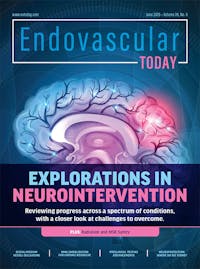
This year marks the 10th anniversary of the publication of five landmark endovascular thrombectomy trials—MR CLEAN, ESCAPE, SWIFT PRIME, EXTEND-IA, and REVASCAT—each demonstrating the remarkable efficacy of revascularization therapy in improving outcomes for patients with anterior circulation large vessel occlusion stroke within the early time window. Since then, a growing body of evidence has expanded treatment indications to include patients presenting in the late time window (DAWN, DEFUSE-3), those with posterior circulation occlusions (ATTENTION, BAOCHE), and patients with large core infarcts (RESCUE-Japan LIMIT, ANGEL-ASPECT, TESLA, TENSION, LASTE, and SELECT2). However, the benefit of endovascular therapy remains uncertain for patients with milder clinical deficits or those with medium-sized or more distal vessel occlusions.
Medium vessel occlusions (MeVOs) have been the topic of much discussion lately, with recently presented trials finding that mechanical thrombectomy in distal vessel occlusions/MeVO was not superior or had no added benefit compared to standard of care. In light of this, Mayank Goyal, MD; Rishi Gupta, MD; Mouhammad A. Jumaa, MD; David S. Liebeskind, MD; and Eva A. Mistry, MD, participate in a panel discussion considering the current and future state of MeVOs. Topics include definitions of MeVO in practice, preferred imaging, unanswered questions from the recently presented trials, and areas of focus for future research and innovation.
Treatment options for hemorrhagic stroke remain limited. However, a recent series of randomized controlled trials has demonstrated that embolization of the middle meningeal artery (MMA) using liquid embolic agents can significantly reduce the size and recurrence of chronic subdural hematomas. These findings highlight the emerging role of the MMA in the pathophysiology of chronic inflammation and offer a promising therapeutic avenue for the treatment of other conditions. Joshua Catapano, MD, and colleagues highlight MMA embolization (MMAE) as an up-and-coming new therapy for chronic migraine and tension-type headache, outlining the theoretical mechanism of headache relief with MMAE, current data, and future directions.
Although reperfusion therapy significantly improves clinical outcomes after acute ischemic stroke, there are many patients who remain severely disabled. Shahid M. Nimjee, MD, and Michael D. Hill, MD, present an overview of neuroprotection strategies for acute ischemic stroke, touching on challenges with approval, advantages and disadvantages of common neuroprotectants, and what’s next.
Naoki Kaneko, MD, closes out our neurointervention coverage with a review of recent advances in preclinical testing for neuroendovascular devices, including in vitro techniques, three-dimensional–printed vascular models, and in silico simulations.
Also included in this issue is a selection of articles focused on radiation and musculoskeletal (MSK) safety. First, Taishi Hirai, MD; Jeremy D. Rier, DO; and Rhian E. Davies, DO, walk us through the state of radiation protection systems in 2025, summarizing how we can use these tools to balance safety, comfort, and operational efficiency in this high-risk environment.
A panel discussion with Ajar Kochar, MD; Sheila Sahni, MD; and William A. Gray, MD, then looks at radiation and MSK safety in the real world. These physicians reflect on the historical lack of awareness of these issues and what is turning the tide, the hospital’s role in ensuring staff safety, and ideal next steps. We also present an interview with Kenneth Rosenfield, MD, who shares his personal story of MSK injury as well as advice for alleviating the burden of lead and the role of administrators and industry.
Finally, our featured interview is with Eri Fukaya, MD, who shares tips for a patient-centered venous disease practice, challenges facing the vascular medicine field, where progress is still needed in terms of awareness of vascular disease, the importance of exercise and compression therapy for swelling, and more.
Over the past decade, the field of neurointervention has undergone a remarkable transformation, driven by the development of novel devices and the expansion of treatment indications. Despite these advances, ischemic cerebrovascular disease continues to demand more effective reperfusion strategies—particularly for distal vessel occlusions, where current options remain limited. Adjunctive therapies, such as cytoprotection, offer promising avenues to improve neurologic outcomes after brain injury. Furthermore, innovative endovascular techniques may hold potential for treating a broader spectrum of neurologic conditions, including chronic headaches. As these frontiers expand, the need for robust preclinical models becomes increasingly critical to accelerate the evaluation of safety and efficacy prior to clinical application. This issue of Endovascular Today explores these evolving challenges and outlines strategic directions for future progress, and I hope you find our contributors’ insights valuable.
Ashutosh P. Jadhav, MD, PhD
Guest Chief Medical Editor
Advertisement
Advertisement